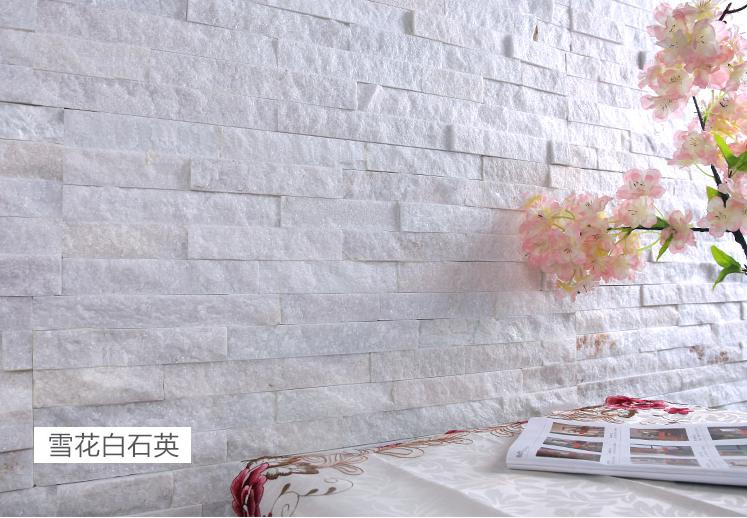
Ignoring UV stability and fading risks in exterior cladding can lead to a rapid decline in property valuation and costly site-wide remediation projects. For developers and architects, the visual failure of a facade often signals a deeper material compromise, turning a high-end build into a liability when pigments begin to wash out. Choosing materials that lack intrinsic resistance to solar radiation forces a cycle of maintenance that eats into long-term ROI and damages professional credibility.
This technical analysis examines the molecular differences between natural mineral structures and the synthetic iron oxide dyes found in manufactured veneers. We break down 1000-hour UV stress test data to show exactly how faux stone loses structural integrity and why traditional touch-up kits fail to provide a permanent fix. By looking at the crystalline physics of quartzite and slate, you can establish a material selection protocol that ensures color remains a permanent feature of the building envelope for decades.
Is Your Stone Fading? The Chemistry of Natural Minerals vs. Iron Oxide Dyes
Authentic architectural integrity depends on inorganic mineral stability, where natural stone retains its original hue through molecular resilience that synthetic pigments cannot replicate.
Inorganic Mineral Stability in Natural Stacked Stone
Natural stone panels derive their color from inorganic minerals formed over millions of years under intense heat and pressure. Materials like quartzite, slate, and marble contain chemically inert minerals that remain stable even when exposed to direct solar radiation. The molecular structure of these minerals does not break down or react when hit by ultraviolet rays, ensuring the aesthetic remains unchanged for decades.
- Natural stone maintains its original hue throughout its entire thickness, so surface wear never reveals a different color underneath.
- Inorganic minerals resist the “UV shock” phase that often plagues synthetic alternatives in high-sun regions.
- Quartzite and slate offer superior lightfastness, making them the preferred choice for south-facing exterior cladding.
Oxidization and Fading in Manufactured Iron Oxide Pigments
Faux stone products rely on synthetic iron oxide dyes mixed into a concrete or polyurethane base to mimic the appearance of real stone. These organic and synthetic pigments are highly susceptible to photodegradation. UV exposure breaks the chemical bonds in iron oxide dyes, causing vibrant colors to wash out or turn a dull gray over time. Because the color is often only a surface treatment or a concentrated mix in the outer layer, fading eventually reveals the unnatural concrete substrate.
| Performance Metric | Natural Stacked Stone | Manufactured Stone Veneer |
|---|---|---|
| Pigment Composition | Inorganic Natural Minerals | Synthetic Iron Oxide Dyes |
| UV Stability | Inherently Permanent | Degrades (5-10 Year Window) |
| Color Depth | Full-Body Color | Surface-Applied / Thin Mix |
| Maintenance Needs | Minimal (Zero Re-staining) | Periodic Resealing & Tinting |
Chemical Resilience and 2026 Architectural Standards
Modern building requirements in 2026 prioritize low-maintenance materials that retain aesthetic value without the need for toxic chemical touch-ups. Natural stone panels eliminate the requirement for the re-staining or cosmetic painting typically forced upon owners of fading synthetic veneers. This transition toward “heirloom surfaces” ensures that commercial and luxury residential projects maintain their property value and curb appeal through long-term mineral stability.
- The dense structure of natural slate and quartzite prevents alkaline contamination and moisture-driven mineral leaching.
- Specifying natural minerals ensures the building exterior meets high-performance durability benchmarks required for coastal and high-UV environments.
- Top Source Stone implements strict source control, pulling from the same quarry vein to guarantee batch consistency that remains stable under the sun.
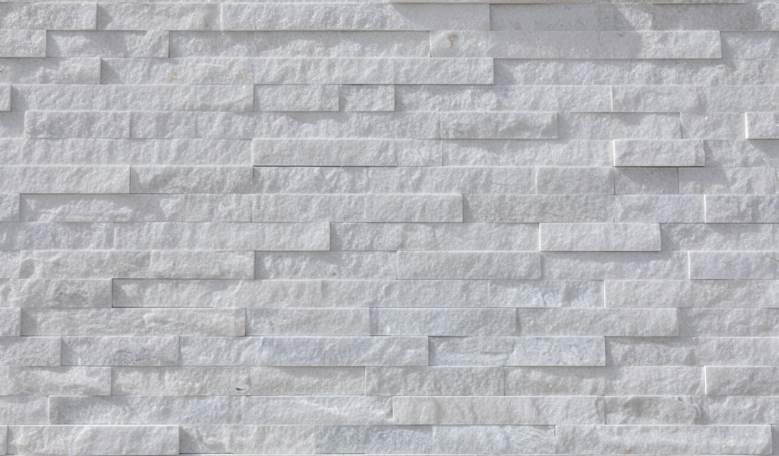
1000-Hour UV Testing: How Faux Stone Loses its Luster
While faux stone manufacturers rely on surface-level chemical inhibitors to delay degradation, 1000-hour accelerated weathering tests reveal that only 100% natural minerals provide absolute color permanence and structural integrity.
Standardized Accelerated Weathering Protocols in 2026
Modern architectural labs use 1000-hour climate simulation chambers to compress decades of environmental stress into a matter of weeks. These systems employ Xenon arc and fluorescent UV lamps to replicate the full solar spectrum, specifically targeting the chemical bonds within cladding materials. In 2026, engineers prioritize the “Delta-E” shift—a measurement of color change invisible to the naked eye at low levels but catastrophic for curb appeal once it crosses a specific threshold. These protocols help procurement officers distinguish between temporary decorative finishes and long-term structural solutions.
| Material Category | 1000-Hour UV Delta-E Shift | Structural Outcome |
|---|---|---|
| Natural Quartzite/Slate | < 0.5 (Non-measurable) | No Change; Chemically Inert |
| Concrete Stone Veneer | 3.5 – 6.0 (Visible Bleaching) | Surface Chalking & Porosity Increase |
| Polyurethane (PU) Panels | > 7.5 (Severe Yellowing) | Loss of Flexibility; Surface Brittleness |
Pigment Breakdown in Synthetic Stone Composites
Synthetic stone relies on iron oxide dyes and resin binders that react poorly to concentrated UV radiation. High-intensity rays break the chemical bonds in these surface-applied pigments, leading to bleaching and a “chalky” residue as the concrete or plastic substrate degrades. Polyurethane formulations often yellow or lose their structural flexibility after several hundred hours of exposure. Because the color in faux products often exists only as a thin top layer, once the surface bond fails, the aesthetic value of the building vanishes, leaving behind a dull, artificial gray or yellowed finish.
- UV-induced oxidation transforms vibrant dark pigments into faded, uneven patches.
- Resin binders undergo “photodegradation,” creating micro-cracks that allow moisture intrusion.
- Surface-level colors wash away as the protective polymer coating fails.
UV Stability of Natural Mineral Structures
Natural stone panels, such as the quartzite and slate sourced by Top Source Stone, maintain their color because their pigments are geological rather than chemical. These minerals formed under extreme heat and pressure millions of years ago, making them naturally immune to solar radiation. When architects select natural stacked stone for 2026 exterior projects, they ensure the building retains its original hue for decades. These materials carry color throughout their entire depth, so even if a panel is chipped, the exposed interior matches the exterior perfectly.
B2B distributors and developers prioritize materials like Alaska Gray or Carbon Black slate because they show zero measurable color shift in 1000-hour tests. We source these materials from specific quarry veins to ensure hue uniformity and density. This geological permanence eliminates the need for expensive UV-protective sealers or touch-up kits, providing a maintenance-free solution for high-exposure environments like the Southwest US or the Middle East.
Premium Factory-Direct Stacked Stone Ledger Panels
Why “Sun-Bleached” Walls Can Destroy Your Building’s Curb Appeal
In high-stakes real estate, UV-induced aesthetic failure acts as a visual proxy for structural neglect, slashing property valuations before a buyer even steps through the door.
Sun-bleaching does more than just lighten a surface; it creates a patchy, washed-out appearance that makes relatively new buildings look decades older than their actual age. This visual degradation signals neglect to potential buyers or tenants in 2026, where the market increasingly demands “heirloom” quality materials. Property valuations in high-end markets rely heavily on the first impression of the facade, and UV-damaged materials consistently fail this test.
Replacing or repairing faded faux stone requires significant capital expenditure and labor. Unlike Stacked Stone Panels which maintain their original hue indefinitely, manufactured alternatives often necessitate complete removal once the surface-applied pigments fail. Owners facing this issue often realize too late that the “cost savings” of synthetic stone are erased by the drop in curb appeal and resale value.
Natural Stone vs. Pigmented Concrete Longevity
Authentic minerals within stacked stone offer inherent UV resistance that manufactured substitutes cannot replicate. Man-made stones rely on iron oxide dyes that break down under intense solar radiation, leading to permanent and often uneven color loss. Because these pigments are often only surface-applied or mixed into a porous concrete binder, they lack the chemical stability required for long-term exterior exposure.
| Performance Feature | Top Source Natural Stone | Faux Concrete/PU Stone |
|---|---|---|
| Color Composition | Inherent Mineral Structure | Iron Oxide Dyes/Surface Paint |
| UV Stability | Permanent; No fading | Fades in 5-10 years |
| Surface Integrity | Chemically Inert/Stable | Chalking & Crumbling Risk |
The slate, quartzite, and marble used in Top Source Stone panels contain natural crystalline structures that are chemically stable. These minerals do not shift in tone because their color is a result of geological formation over millions of years, not a chemical additive. Choosing 100% real stone ensures the building maintains its original design intent throughout its lifecycle without the need for toxic touch-up kits or recurring staining.
Preserving Architectural Integrity in High-UV Zones
Projects in coastal or high-altitude regions require materials that withstand harsh exposure without structural or aesthetic failure. UV rays do more than bleach color; they degrade the binders in low-quality artificial stone, leading to surface chalking and crumbling. In contrast, natural stone panels remain thermally stable. They prevent the warping or cracking often seen in synthetic siding materials during peak summer heat cycles.
Using stacked stone allows architects to specify dark, bold colors—like Carbon Black or Midnight Slate—with the confidence that those shades will remain vibrant for generations. In environments with high salinity and humidity, such as the Gulf regions or North American coastlines, the density of natural quartzite provides a protective barrier that artificial polymers cannot match. This durability preserves the architectural vision and the structural envelope simultaneously.
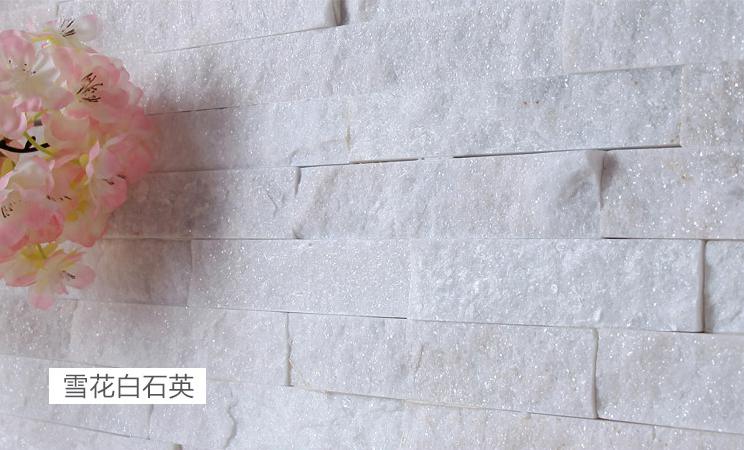
The Truth About Touch-Up Kits: Why You Can’t Paint Over Faded Concrete Stone
Topical paint repairs on cementitious veneers fail because they treat a structural porosity issue with a surface-level film, eventually trapping moisture that forces the new coating to delaminate.
Surface Adhesion Barriers and Film Delamination
Concrete-based faux stones feature high porosity levels that naturally reject topical paint films over time. Unlike natural minerals, these manufactured substrates “breathe” moisture. When you apply a standard touch-up kit, you create a non-breathable layer. This barrier traps vapor within the concrete, building internal hydrostatic pressure that eventually pushes the paint film away from the surface. The result is a cycle of visible peeling, bubbling, and flaking that looks worse than the original fading.
| Feature | Paint Touch-Up Kits | Natural Stone (Top Source) |
|---|---|---|
| Color Mechanism | Surface-applied acrylic/dye film | Inherent through-body minerals |
| UV Stability | Low (Fades in 12–24 months) | Permanent (No fading) |
| Breathability | Seals pores; traps moisture | Naturally vapor-permeable |
| Maintenance | Requires biennial re-application | Zero color-related maintenance |
UV Instability in External Pigment Kits
Secondary paint applications lack the molecular stability found in natural stone minerals. Most touch-up pigments rely on iron oxide dyes that degrade rapidly under current solar radiation levels. Because these recolored sections often fade at a different rate than the original manufactured stone, they create a patchy, mismatched facade that destroys curb appeal. Unlike Top Source Stone’s quartzite or slate ledger panels—which feature through-body color—topical coatings offer zero internal defense against UV rays.
Visual Inconsistency and Texture Obscuration
Applying paint to architectural stone ruins the organic shadows and highlights that define the material’s aesthetic. Heavy paint layers fill in the fine crevices and rugged textures of the stone, resulting in a flat, artificial sheen that looks more like molded plastic than authentic masonry. While natural quartzite and slate maintain their 3D depth and crystalline sparkle, painted concrete loses its architectural value and appears “cheap” upon close inspection.
Long-Term Maintenance Burdens of Painted Surfaces
A temporary paint fix initiates a permanent cycle of labor-intensive labor. Once a building owner paints stone, restoring it to its original state becomes nearly impossible without aggressive sandblasting or chemical stripping. Maintenance costs escalate as owners must commit to frequent touch-ups to hide delaminating sections. Investing in authentic stone products eliminates this cycle entirely by relying on permanent mineral colors that never require a brush or a bucket of dye.
- Paint failure leads to irreversible damage to the stone’s original texture.
- Chemical incompatibility between concrete and topical dyes causes rapid color shifting.
- Natural stone remains the only “one-and-done” solution for exterior cladding.
Conclusion
Choosing natural quartzite or slate ensures that architectural facades maintain their original color and structural integrity despite decades of intense UV exposure. While manufactured alternatives rely on superficial dyes that break down over time, 100% natural stone panels provide a permanent solution that protects both curb appeal and long-term property value. Selecting materials from a direct quarry source further guarantees batch consistency and technical performance for large-scale B2B applications.
You can review our full technical specifications or request a physical sample of our UV-stable inventory to verify the texture and mineral quality for your next project. Contact our team to discuss container-load pricing and explore how our same-batch sourcing protects your project margins.
Frequently Asked Questions
Does manufactured stone veneer fade in direct sunlight?
Yes, manufactured stone veneer is susceptible to fading over time. Unlike natural stone, these products typically use organic iron oxide pigments for color, which undergo degradation when exposed to consistent UV radiation. This leads to a noticeable loss of color intensity compared to the chemically inert minerals found in authentic stone.
Can I restore the color of a faded faux stone wall?
Color restoration is possible through the application of specialized breathable masonry stains or tintable silane-siloxane sealers. For general maintenance, applying a high-quality UV-resistant stone enhancer can deepen the remaining pigment and provide a protective barrier against further solar exposure and moisture intrusion.
Why is my white faux stone turning yellow?
Yellowing is often caused by alkaline contamination or the use of non-breathable acrylic sealers that trap moisture behind the surface, leading to a chemical reaction with the concrete substrate. It can also result from environmental pollutants or the breakdown of organic binders within the veneer when exposed to high heat and UV rays.
Are certain natural stone colors more UV resistant?
Natural stones like granite and quartzite offer superior UV resistance across nearly all color profiles because their hues are derived from inherent, inorganic mineral compositions. Dense, chemically inert structures ensure that the colors remain stable and do not bleach or shift, regardless of the intensity of solar exposure.
How long before faux stone begins to show sun damage?
Visible sun damage typically begins to appear within 5 to 10 years of installation, depending on the orientation of the wall and the local UV index. Areas with high solar gain or southern exposure will demonstrate pigment degradation and weathering much sooner than shaded or north-facing elevations.