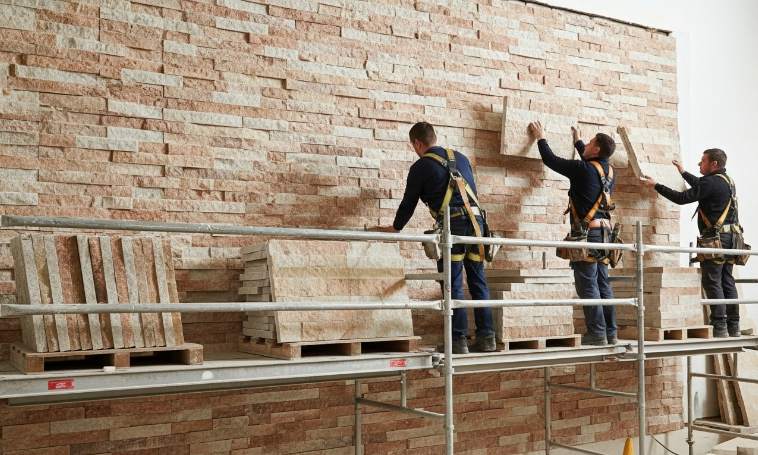
تتطلب الجدران الممتدة من الأرض حتى السقف أكثر من مجرد رؤية جمالية؛ أنها تتطلب التحقق الهيكلي الصارم لمنع تسوية الأساس أو الفشل الهيكلي على المدى الطويل. يمكن أن يؤدي التغاضي عن الوزن الساكن الهائل للتركيبات الحجرية ذات الارتفاع الكامل إلى ترهل روافد الأرضية وأعمال المعالجة المكلفة التي تؤدي إلى تآكل هوامش المشروع. عندما ينتقل انتقال الموقد من ارتفاع قياسي إلى متراصة رأسية، تتحول المتطلبات الهندسية من البناء البسيط إلى بناء داخلي معقد عالي الحمولة حيث تصبح القدرة على التحمل هي القيد الأساسي.
هذا دليل تفاصيل المعايير الفنية للحجر العمودي التكامل، وتغطية حدود توزيع الوزن، وسلامة السقالات للتسلق الداخلي، وإدارة التماس عبر المساحات السطحية الكبيرة. نحن نقدم إطارا لمحاذاة الثقيلة الألواح الحجرية ضد الأسقف المقببة والهندسة المعمارية المنحدرة مع الحفاظ على الاستمرارية البصرية. يعمل هذا التحليل كإجراء فني للتخفيف من المخاطر الهيكلية والعقبات اللوجستية للبناء الداخلي واسع النطاق.
لماذا يعتبر الجدار الحجري كامل الارتفاع هو القيمة المضافة النهائية؟
كامل الارتفاع منشآت الحجر الطبيعي تحويل الأسطح الرأسية إلى أصول هيكلية دائمة توفر ثباتًا فائقًا للأشعة فوق البنفسجية وتقديرًا في تقييم الممتلكات مقارنة بالبدائل الاصطناعية.
نسيج أصيل وتفرد طبيعي
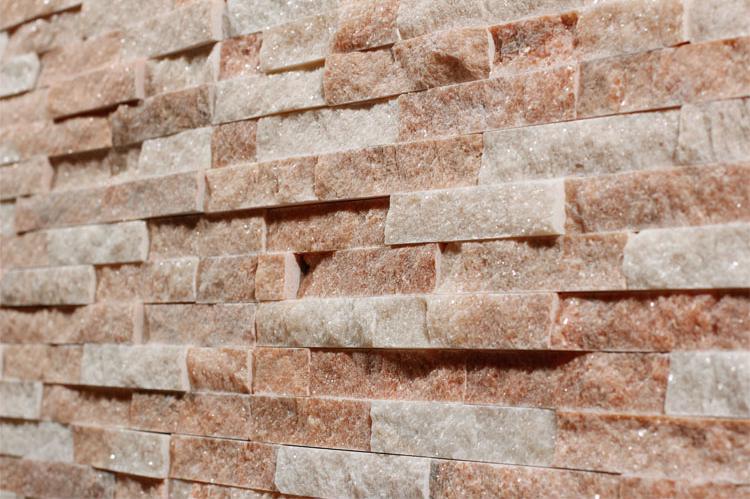
الألواح الحجرية الطبيعية تقديم جمالية مميزة تفشل البدائل المصنعة في تكرارها. تحتوي كل لوحة على اختلافات ألوان فريدة وأنسجة عضوية تشكلت على مدى ملايين السنين. تقضي هذه الأصالة على الأنماط المتكررة الموجودة في الحجارة الخرسانية، والتي غالبًا ما تبدو مصطنعة عند النظر إليها عبر مساحة سطحية كبيرة. من خلال الحصول على مواد من عروق محجر معينة، فإننا نضمن أن الأردواز الطبيعي والكوارتزيت يحافظان على لون ثابت مع الحفاظ على الجودة الخام الملموسة التي تسد الفجوة بين المواد الخارجية المناظر الطبيعية والتصميم الداخلي الفاخر.
- توفر المعادن الطبيعية قوامًا عضويًا وعمقًا للألوان من المستحيل تقليده باستخدام الأصباغ.
- حجر حقيقي يتجنب “نظرة البلاط” من خلال الاستفادة من التشطيبات الطبيعية المشقوقة والمنقسمة.
- يبقى كل تركيب ميزة معمارية فريدة من نوعها لمالك العقار.
قيمة الأصول الدائمة في العقارات
يتعرف المثمنون العقاريون والمشترون المتميزون على الأرض حتى السقف الجدران الحجرية كتحسينات رأسمالية بدلاً من التحديثات التجميلية البسيطة. تشير هذه التركيبات إلى مستوى من السلامة الهيكلية والحرفية المتميزة التي تزيد من القيمة السوقية الإجمالية للعقار. التأثير النفسي هائل جدار حجري أثناء العرض يخلق إحساسًا فوريًا بالديمومة والرفاهية التي لا يمكن للطلاء أو ورق الحائط تحقيقها. لأصحاب المصلحة B2B، تقدم الطبيعية الألواح الحجرية يعني تزويد العملاء بلمسة نهائية تساهم بشكل فعال في حقوق الملكية الخاصة بهم.
- الجدران الحجرية بمثابة أصل ملموس يبرر ارتفاع أسعار العقارات لكل قدم مربع.
- تعمل التطبيقات الممتدة من الأرض حتى السقف على زيادة النقطة المحورية الرأسية لمناطق المعيشة ذات الحركة المرورية العالية.
- تُظهر تطبيقات البناء المتميزة استثمارًا طويل المدى في جودة البناء.
طول العمر من خلال مقاومة الطقس والأشعة فوق البنفسجية
الحجر الطبيعي يحافظ على سلامته لعقود من الزمن دون أن يبهت بسبب المواد المصبوغة أو التي من صنع الإنسان. تعتبر المعادن الموجودة في الكوارتزيت والأردواز مقاومة للأشعة فوق البنفسجية بطبيعتها، مما يضمن أن الغرف المشمسة لا تعاني من فقدان اللون بمرور الوقت. أبعد من المتانة الجمالية، الحجر الطبيعي غير قابل للاحتراق، مما يضيف طبقة من السلامة من الحرائق إلى محيط الموقد والجدران المميزة. تتحمل هذه الألواح تأثيرات حركة المرور العالية في البيئات التجارية، مما يجعلها مثالية للردهات والأماكن العامة حيث يتطلب الخشب أو الحوائط الجافة إصلاحًا متكررًا.
- الاستقرار المتأصل للأشعة فوق البنفسجية يمنع التبييض الشائع في التصنيع “زائف” منتجات.
- تقاوم المادة التآكل عالي التأثير في كل من الممرات السكنية والتجارية.
- Non-combustible properties provide an extra safety margin for interior vertical surfaces.
Low Maintenance Requirements for Property Owners
A full-height stone wall provides a durable finish that virtually eliminates the need for cosmetic refreshes. Owners no longer face the cycle of repainting, patching drywall, or replacing peeling wall coverings. Maintenance typically requires only periodic dusting or cleaning with water and pH-neutral solutions. When installed with high-quality epoxy resins and CNC-cut precision edges, the panels remain permanently bonded, providing a maintenance-free architectural feature that lasts the lifetime of the building.
- يتطلب سطح الحجر التنظيف الأساسي فقط بدون مواد كيميائية متخصصة.
- يلغي تكاليف العمالة المتكررة للطلاء والإصلاحات الزخرفية.
- تضمن تقنيات الربط القوية التصاق هيكلي طويل الأمد بالركيزة.
الهندسة الإنشائية: هل يمكن لأرضيتك التعامل مع جدار حجري يبلغ ارتفاعه 12 قدمًا؟
تمارس ميزات الحجر الرأسي كاملة الارتفاع أحمالًا ميتة تراكمية تتطلب صلابة محددة للأرضية السفلية وتقييمًا للحجاب الحاجز الهيكلي لمنع الانحراف على المدى الطويل وفشل المفاصل.
حساب الحمولة الميتة وتوزيع الوزن
يعطي المهندسون في عام 2026 الأولوية لحسابات الحمل الميت الدقيقة لتحديد مدى طبيعية ذلك الألواح الحجرية تؤثر على الحجاب الحاجز المبنى. ألواح حجرية طبيعية يزن عادةً ما بين 8 و13 رطلاً لكل قدم مربع، وهو ما يبدو قابلاً للإدارة في أقسام صغيرة ولكنه يتراكم بسرعة في التطبيقات الرأسية التي يبلغ طولها 12 قدمًا. يخلق الجدار القياسي الذي يبلغ ارتفاعه 12 قدمًا ضغطًا رأسيًا كبيرًا يتطلب تقييمًا هيكليًا لنظام الأرضية الأساسي لضمان قدرة الروافد أو البلاطة على دعم الحمل الخطي المركّز عند قاعدة الجدار.
يجب أن يأخذ تحليل الحمل في الاعتبار الوزن التراكمي للحجر والمواد اللاصقة الرقيقة ومواد الركيزة مثل الوحدات الداعمة للأسمنت. بالنسبة للديكورات الداخلية السكنية أو التجارية الشاهقة، يؤدي تجاهل هذه المتغيرات إلى ترهل الأرضية أو قص الجدران. يجب على الفرق الفنية التحقق من أن الوزن الإجمالي للتجميع يبقى ضمن الحدود الهيكلية التي تحددها قوانين البناء المحلية، خاصة عندما retrofitting stone onto existing partition walls.
| مواصفات المواد | Avg. Weight (per sq. ft.) | Foundation Requirement |
|---|---|---|
| Full-Bed Building Stone | 40 – 60 lbs | Structural Footing / Brick Ledge |
| قمة Source Ledger Panels (معيار) | 8 – 12 lbs | Standard Load-Bearing Wall |
| Top Source Rough Panels (Premium) | Up to 14 lbs | Reinforced Framing (16″ أوك) |
Assessing Subfloor Rigidity and Deflection
Structural stability depends on the floor’s ability to resist bending or shifting under the weight of a full-height التثبيت الحجر. Stone surfaces require a rigid substrate to prevent grout cracking or stone displacement over time. Concrete floors and masonry walls provide the most stable foundations for high-rise تطبيقات الحجر because they offer minimal deflection.
غالبًا ما تتطلب الأرضيات ذات الإطار الخشبي الداخلي تقوية ألواح الأسمنت أو حجب إضافي بين الروافد للتحكم في الوزن دون انحراف مفرط. إذا انثني الطابق السفلي أكثر من معيار الصناعة L/360، فإن الرابطة بين الحجر والجدار سوف تفشل في النهاية، مما يؤدي إلى انفصال خطير.
إدارة الأحمال الرأسية واحتياجات الأساس
تركز المعايير الهندسية الحديثة على كيفية توزيع الأحمال الرأسية من خلال الجدران الحاملة إلى أساسات المبنى. سمك كامل قياسي غالبًا ما يتطلب الحجر قاعدة هيكلية أو حافة من الطوب لدعم كتلتها، ولكن ألواح الدفتر خفيفة الوزن تسمح بتركيبات بطول 12 قدمًا دون الحاجة إلى قواعد هيكلية إضافية.
- تضمن راتنجات الإيبوكسي عالية القوة والألواح المتشابكة على شكل حرف Z بقاء الحمل الرأسي موزعًا بالتساوي عبر سطح الجدار.
- يوفر التثبيت المباشر للمسمار باستخدام لوح معدني متخصص تثبيتًا ميكانيكيًا ثانويًا للارتفاعات التي تتجاوز 10 أقدام.
- تم تصميم وصلات على شكل حرف Z من Top Source Stone “صعدت” الفجوات التي تركز الضغط على طبقات.
التعزيز الزلزالي وأمن الاتصال
ضمان جدار حجري يعد البقاء ثابتًا أثناء الاهتزاز أو التسوية أمرًا بالغ الأهمية للسلامة على المدى الطويل للمباني التجارية والسكنية. يعد التعزيز الهيكلي ضروريًا في المناطق الزلزالية للحفاظ على الرابطة بين الحجر وإطار الجدار. يجب التحقق من التوصيلات من الجدار إلى الأساس للتعامل مع التوتر الإضافي لميزة الحجر الرأسي الطويل.
ثلاث مراحل لفحص الجودة خلال التصنيع يضمن أن الرابطة بين الحجر ويتوافق دعم اللوحة مع معايير السلامة لعام 2026. في المناطق المعرضة للنشاط الزلزالي، يستخدم القائمون على التركيب ملاطًا مرنًا وروابط ميكانيكية للسماح بحركة طفيفة للمبنى دون المساس بسلامة الواجهة الحجرية.
حجر طبيعي أصيل بأسعار المصنع مباشرة
إدارة السقالات والسلامة للتركيبات العمودية الشاهقة
2026 شاهقة المنشآت الحجرية المطالبة باتباع نهج هندسي أولي للوصول الرأسي لإدارة الحمولة الميتة التي تبلغ 13 رطلًا/قدمًا مربعًا من المواد الطبيعية مع الحفاظ على الامتثال الصارم للسلامة الفيدرالية.
تتطلب أعمال البناء الحجرية الشاهقة وصولاً رأسيًا متخصصًا يتجاوز السقالات السكنية القياسية. نحن نعطي الأولوية لمعايير OSHA Subpart L لكل مشروع داخلي وخارجي يتجاوز ارتفاعه عشرة أقدام. يجب أن تتطور بروتوكولات السلامة جنبًا إلى جنب مع الوزن متطلبات الحجر الطبيعي لمنع الفشل الهيكلي أو إصابة العمال أثناء مرحلة التطبيق.
معايير OSHA والامتثال التنظيمي للبناء الحجري
تؤكد بروتوكولات السلامة الحالية لعام 2026 على الالتزام المطلق بالتفويضات الفيدرالية لجميع أعمال البناء. نقوم بتنفيذ أنظمة منع السقوط وحواجز الحماية المحيطة بجميع أسطح العمل التي يزيد ارتفاعها عن 10 أقدام. وهذا يضمن بيئة آمنة للطاقم أثناء مناورتهم للصناديق الحجرية الثقيلة على الارتفاع.
- يقدم المهندسون تصميمات مختومة لأي هيكل سقالة يتجاوز طوله 125 قدمًا لضمان السلامة الهيكلية أثناء تطبيق الحجر.
- يشرف الأشخاص المختصون على التجميع ويقومون بإجراء عمليات تفتيش يومية لجميع المنصات لتحديد المخاطر المحتملة قبل بدء التثبيت.
- نحن نحافظ على توثيق صارم لخطط السلامة الخاصة بالموقع لتلبية لوائح البناء الشاهقة المتطورة.
الاستقرار الهيكلي والتوجيه للجدران الحجرية العالية
Vertical stone work creates unique swaying risks due to the weight distribution of the ledger panels. We utilize systematic guying and bracing for structures that exceed a 4:1 height-to-base ratio. This prevents the platform from tipping or swaying while masons apply pressure to the wall substrate.
Installers place vertical restraints every 20 to 26 feet to secure the scaffold against the building facade. The system also incorporates overhead protection to shield workers from falling debris or tools during high-elevation panel placement. These measures create a stable environment for precision stone alignment.
Platform Load Capacity and Weight Management for Natural Stone
Scaffolding must support the heavy dead load of natural لوحات دفتر الأستاذ الحجرية, which typically range from 8 to 13 pounds per square foot. We design our platforms to support four times the maximum intended load. This capacity accounts for stone pallets, mortar, high-strength adhesives, and the installation personnel.
- Crews distribute stone crates evenly across the scaffold deck to prevent localized structural failures or platform tilting.
- We manage high-strength epoxy adhesives at elevation to ensure bonding remains consistent across the entire vertical span.
- Engineers calculate the combined weight of all materials and equipment to ensure the deck never exceeds its rated capacity.
Fall Protection Protocols and Integrated Guardrail Systems
Safety systems must integrate with the workflow of installing interlocking stone panels at height. Installers use personal fall arrest systems (PFAS) when working near edges where guardrails are temporarily removed for specific panel placement. This double-layered protection minimizes exposure to fall risks during the most technical phases of the install.
Using L-shaped corner pieces reduces the time crews spend at the edge of the scaffold, which naturally minimizes fall risk exposure. We maintain clear communication protocols between ground crews and high-rise installers to coordinate the vertical transport of material crates. This coordination ensures that the scaffold remains balanced and free of clutter throughout the project duration.
تجنب “Seam Line” in Large Scale Stone Transitions
Invisible transitions in high-rise stone installations depend on geometric interlocking and batch-level color synchronization rather than site-level masking or fillers.
Interlocking Z-Shape Panel Geometry
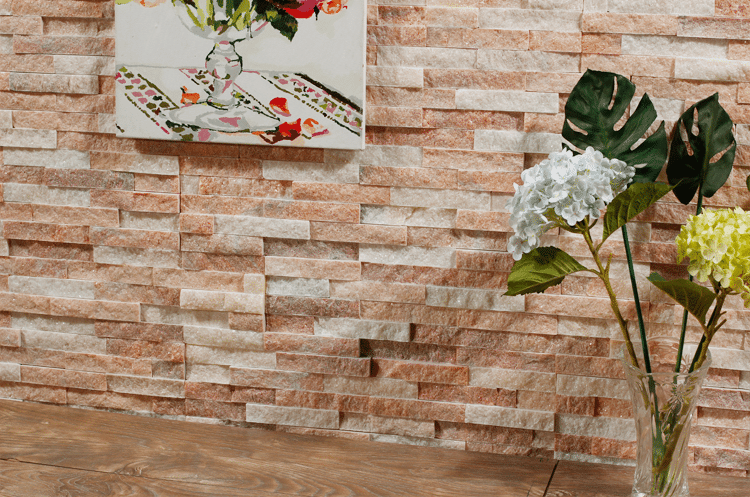
Standard rectangular panels often create vertical “مكدسة” lines that break the visual flow of a large-scale wall. We utilize a Z-shape and S-shape interlocking design that hides vertical seams by creating a staggered joint following the الحجر الطبيعي texture. Our CNC diamond-blade equipment ensures each panel fits its neighbor with high precision, eliminating the shadow lines that typically expose panel borders.
| Transition Feature | Standard Rectangular Panels | Top Source Z-Shape Interlock |
|---|---|---|
| Vertical Seam Visibility | Highly visible “مكدسة” lines | Camouflaged male-female joints |
| Precision Engineering | Standard manual saw cut | دقة شفرة الماس باستخدام الحاسب الآلي |
| Substrate Coverage | Potential for “صعدت” gaps | Full coverage seamless finish |
This interlocking geometry removes the straight vertical joints found in traditional tiles. It makes transitions invisible even on expansive commercial facades by ensuring the “male” end of one panel seats perfectly into the “female” end of the next. This system effectively conceals the installation substrate and provides a professional finish without the need for complex on-site adjustments.
Unified Batch Sourcing and Sorting
Visible seams often occur because of color shifts between different production runs rather than physical gaps. We pull raw materials from the same quarry section and specific vein for large-scale projects to maintain 95% hue uniformity across the entire surface area. This same-batch consistency prevents the “غير مكتمل” أو “color-blocked” look that typically highlights where one panel ends and another begins.
- Our three-stage inspection process ensures that panels with high color contrast are redistributed, preventing visual jarring at the borders.
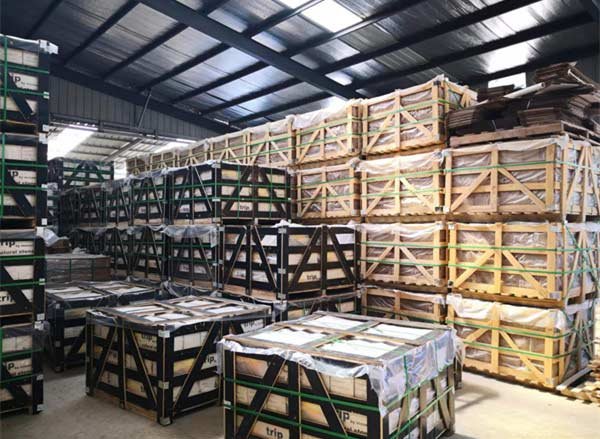
- We control the supply chain from the mountain to the crate to ensure that every pallet in a container maintains consistent mineral characteristics.
- Using stone from the same layer of the quarry guarantees inherent UV stability and mineral harmony across thousands of square feet.
L-Shaped Corner Integration
Transitions at corners are the most frequent fail points for visible seams. Simple on-site mitering often results in uneven edges and prominent lines at the most visible points of the architecture. Our pre-fabricated L-shaped corner pieces provide a seamless wrap-around look that maintains the staggered pattern of the flat panels.
These matching L-corners synchronize texture and color at wall transitions, eliminating the need for complex field cuts. By providing a project-ready full solution, we reduce on-site labor costs and ensure the natural stone aesthetic remains uninterrupted as it moves from one plane to another. This approach guarantees a professional finish that standard straight-cut panels cannot replicate.
How to Align Stone Panels Across Ceiling Slopes and Vaults
Aligning الحجر الطبيعي across complex overhead geometries requires a combination of 360-degree laser leveling and precision CNC diamond-blade cutting to eliminate the “خطوة درج” effect at architectural transition points.
Geometric Planning and Reference Baselines
Installation success on a vaulted surface depends entirely on the initial baseline. We utilize 360-degree laser levels to project a continuous horizontal reference line across the vertical wall and the slope transition. This ensures that the interlocking Z-shape pattern remains level even as the wall height changes. Establish the first course of panels at the lowest point of the slope to maintain pattern integrity. We recommend marking vertical plumb lines at 24-inch intervals to monitor lateral shifting, a common issue as installation moves toward a vault peak.
| Installation Parameter | Standard Vertical Wall | Vaulted/Sloped Ceiling |
|---|---|---|
| Adhesion Strategy | Standard Thin-set Mortar | High-Strength Stone Epoxy Resin |
| Structural Reinforcement | Friction & Gravity Fit | Mechanical L-Clips & Cleats |
| Cutting Requirement | Standard 90-Degree Miter | CNC Precision Compound Angles |
Compound Angle Precision for Vault Peaks
Vaulted peaks demand significantly tighter tolerances than standard 90-degree corners. Use a digital angle finder to determine the specific pitch of the vault, which dictates the precise miter for the top-row panels. While our CNC diamond-blade edges provide a clean fit, installers must use infrared-guided wet saws to execute compound cuts that allow opposing slopes to meet flush at the ridge. We suggest back-buttering the edges of peak panels with color-matched epoxy to camouflage the structural seam at the highest point of the installation.
Mechanical Fastening and High-Strength Adhesion
Gravity exerts significant shear force on stone panels installed on overhead slopes. For panels weighing 8-13 lbs/sq.ft, apply high-strength, stone-grade epoxy resin to ensure a permanent bond to cement board substrates. During the initial cure time, install temporary wood cleats or bracing systems below the current row of panels to prevent sliding. On slopes exceeding 45 degrees, we require mechanical fasteners or secondary L-clips to provide necessary structural redundancy and long-term safety.
Managing Seam Continuity at Wall-to-Slope Transitions
The junction where a vertical wall meets a sloped ceiling often suffers from pattern breaks. Careful panel management preserves the visual flow:
- Scribe the top edge of the vertical wall panels to match the exact pitch of the ceiling for a gap-free transition.
- يتم ترتيب مفاصل اللوحة عبر خط الانتقال لمنع العين من التقاط خط أفقي طويل ومستمر.
- استخدم الشق الطبيعي والعمق لحجر سلسلة Rough Series أو سلسلة Pencil لإخفاء الانحرافات الزاوية البسيطة حيث يبدأ مستوى السقف.
- حافظ على تناسق محجر الدفعة نفسها للتأكد من أن الإضاءة عبر زوايا مختلفة لا تكشف عن تغيرات اللون بين الجدار والمنحدر.
خاتمة
تم تنفيذ أعمال البناء من الأرض إلى السقف بنجاح يتطلب الجدار الحجري a precise combination of structural planning, scaffolding safety, and meticulous panel alignment. Selecting materials from a direct quarry source ensures batch consistency and tight tolerances, which are critical for maintaining a seamless aesthetic across large vertical surfaces. These professional standards protect both the architectural vision and the long-term safety of the installation.
Review our technical specifications and the Big 10 inventory to identify the best natural stone for your upcoming project requirements. Reach out to our team to discuss container-load pricing or to request a sample of our interlocking ledgestone series.
الأسئلة المتداولة
Is a full-wall stone fireplace too heavy for my foundation?
It depends on the material choice and existing construction. A full-height الجدار الحجري الطبيعي (full-bed) can weigh upwards of 2,000 to 5,000 lbs, which typically requires a reinforced concrete footing or a thickened slab. If using Thin القشرة الحجرية (TSV), the weight is significantly lower (approx. 7–15 lbs per sq. ft.), but for a floor-to-ceiling installation, a structural engineer should still verify that your floor joists or slab can handle the concentrated dead load to prevent settling or cracking.
How to stagger stone panels on a tall wall to hide seams?
To achieve a seamless look on a tall vertical surface, use a “تشغيل السندات” pattern where vertical joints are offset by at least one-third of the panel length. For the most professional finish, utilize “Z-shaped” الألواح الحجرية المتشابكة rather than straight-edged rectangles; the staggered “teeth” of the Z-shape break up the eye’s path and hide the seams. Always “dry lay” your panels on the floor first to ensure color blending and to prevent identical textures from sitting adjacent to one another.
How much more does a full-height fireplace cost vs. partial?
On average, a full-height fireplace costs 150% to 200% more than a partial-height (mantel-level) installation. While material costs scale linearly with square footage, labor costs increase exponentially due to the need for scaffolding, specialized safety equipment, and the increased difficulty of maintaining level lines and structural integrity at height. You should also factor in the potential cost of structural reinforcements for the foundation, which are rarely needed for partial-height designs.
Do I need a permit for a massive interior stone wall?
Yes, most local building codes require a permit for large-scale interior stone installations. This is categorized as a structural modification due to the significant “dead load” added to the building’s frame. Additionally, if the جدار حجري surrounds a fireplace or chimney, it must meet specific fire-clearing and non-combustible material codes. Failure to obtain a permit can result in insurance claim denials and complications during the resale of the property.
Best way to install stone on a vaulted fireplace ceiling?
Installation on a vaulted or sloped ceiling requires a mechanical-plus-chemical bond. Use a high-performance, polymer-modified “Large and Heavy Tile” (LHT) mortar (ANSI A118.15) for maximum immediate grab. Crucially, you must also use mechanical fasteners, such as metal ties or screws anchored through a wire lath into the ceiling joists, to provide a secondary fail-safe against gravity. Work from the bottom up and use a ledger board to support the first row while the mortar cures.