يمكن أن تشكل وحدات الغاز مقابل الخشب الفرق بين التثبيت المتوافق وانتهاك قواعد البناء المكلف الذي يعطل الجداول الزمنية للمشروع، ويؤدي إلى إعادة العمل، ويعرض المقاولين لمطالبات الضمان وخسائر التأمين. تواجه الفرق الميدانية قواعد تخليص مختلفة، وحرارة إشعاعية شديدة من حرائق الأخشاب، وتراكم السخام والكريوسوت، ومتطلبات مختلفة من المواد اللاصقة والدعائم - إن القراءة الخاطئة لهذه الاختلافات تؤدي إلى معاودة الاتصال، وإبطاء الإنتاج، وزيادة المسؤولية.
يعد هذا الدليل بمثابة إجراء تشغيلي قياسي عملي: فهو يشرح كيف يحدد نوع الموقد اختيار الحجر، ويوضح تقنيات إدارة الحرارة لوحدات حرق الأخشاب، ويفصل معايير التنفيس والتخليص لمواقد الغاز، ويقارن سلوك السخام واحتياجات الختم، ويوصي بالمواد اللاصقة وتفاصيل التثبيت لتطبيقات الحرارة المباشرة مقابل تطبيقات الدفء المحيط. ستجد فحوصات القياس، واختيارات المواد المدعومة بالمواصفات، وأشجار القرار في الموقع التي يمكن للمقاولين استخدامها في العطاءات وتسليمها مباشرة إلى أطقم العمل لتقليل الأخطاء وتسريع عمليات التثبيت.
هل يحدد نوع الموقد الخاص بك اختيار الحجر الخاص بك؟
نوع الموقد يدفع الحجر الأنواع، وتصميم التركيب، وفحوصات الشراء التي تمنع التلف الناتج عن الحرارة، وفشل التعليمات البرمجية، وإعادة العمل باهظة الثمن.
تقييم المظهر الحراري للمدفأة ودرجة تحمل الحجر للحرارة المطلوبة
قم بتصنيف الوحدة إلى حرق الخشب (أعلى درجات حرارة الذروة)، أو الغاز (معتدل)، أو الكهرباء (الأدنى). لوحدات حرق الأخشاب حدد الحجارة مع أداء مثبت في درجات الحرارة العالية - الجرانيت والرخام والكوارتزيت والأسطح الهندسية ذات درجات الحرارة العالية (على سبيل المثال، الألواح الملبدة أو الألواح الخزفية) - لأن حرائق الخشب تنتج الحرارة الإشعاعية والموضعية الأكثر كثافة. احتياطي الحجر الجيري والحجر الجيري والأردواز لتطبيقات الغاز أو الكهرباء فقط؛ هؤلاء يمكن أن تتشقق الحجارة عند تعرضها لذروة حرارة نيران الخشب.
يتطلب تأكيدًا كتابيًا لتحمل الحرارة من مورد الحجر أو ورقة بيانات المواد قبل الموافقة عليها. تحقق من تصاريح الشركة المصنعة للمدفأة ورمز البناء المحلي لمعرفة متطلبات القرب والموقد القابلة للاحتراق (ملاحظة: حرق الأخشاب المنشآت عادة استخدم 12″ معيار التخليص القابل للاحتراق). تعامل مع تأكيد المورد وموافقات الشركة المصنعة كمدخلات أمان متساوية لقبول المواد النهائية.
حدد أنواع الحجر وشكل اللوحة وسمكها وفقًا للمتطلبات الحرارية والجمالية
قم بمطابقة الأنواع مع شكل حرارة الموقد وجمالية المشروع. إعطاء الأولوية للمصدر الأعلى حجر الكوارتزيت و لائحة من “10 كبيرة” المخزون عندما تحتاج إلى مخزون جاهز مع استمرارية المحجر. ل تختار الوجوه المعمارية السلسة الألواح المتشابكة على شكل Z أو S-Shape؛ اختر الألواح المستطيلة القياسية للحصول على مظهر خطي أو جاف يركز على التعقب الأفقي.
تحديد أبعاد اللوحة وسمكها وفقًا لمعايير Top Source Stone: أحجام الألواح القياسية هي 150 × 600 مم أو 150 × 550 مم، وتتراوح السماكة من 1 إلى 2.5 سم لمعظم التطبيقات وما يصل إلى 3.5 سم للألواح الخشنة/المتميزة حيث يوجد تعرض للحرارة العالية أو الطلب الهيكلي. عامل كتلة اللوحة في التصميم الهيكلي والمرسى: تبلغ كثافة الألواح المسطحة حوالي 30-40 كجم/م2 بينما تصل كثافة الألواح الخشنة إلى 55 كجم/م2.
- المصدر الأعلى “10 كبيرة” أمثلة: رمادي ألاسكا (الكوارتزيت)، والأبيض الجليدي (الكوارتزيت)، والأسود الكربوني (حجر منتصف الليل)، وذهب كاليفورنيا (حجر الأردواز)، والعسل الذهبي (الكوارتزيت).
- تنسيقات اللوحة: شكل Z / شكل S متشابك للدرزات الرأسية المخفية؛ مستطيل للخطية / المكدس الجاف.
- التحجيم & الكتلة: 150×600 مم أو 150×550 مم؛ سمك 1 - 2.5 سم (قياسي)، حتى 3.5 سم (ممتاز)؛ الوزن ~30-40 كجم/م² (مسطح)، ~55 كجم/م² (خشن).
تحديد متطلبات الركيزة والإرساء والمواد اللاصقة للتركيب الآمن
حدد ركيزة غير قابلة للاحتراق مثل لوح دعم الأسمنت، أو البناء، أو ما يعادلها من أغلفة مقاومة للحريق مباشرة خلف أي حجر مواجه لصندوق الاحتراق. تصميم مرسى ميكانيكي لحمل الحجر الحمولة الساكنة: احسب سعة المرساة المطلوبة عن طريق ضرب مساحة اللوحة بوزن اللوحة (استخدم 40-55 كجم/م² كقيم تصميم متحفظة) وتقسيمها على عدد المراسي لتحديد حمل العمل لكل مرساة.
استخدم الملاط والمواد اللاصقة والمثبتات المقاومة للحرارة المخصصة لتطبيقات المواقد واحصل على تصنيف درجة الحرارة من الشركة المصنعة قبل التثبيت. بالنسبة للمناطق المحيطة بحرق الأخشاب، حدد المواد اللاصقة أو الملاط المناسب للتعرض للحرارة المباشرة (المواد الكيميائية اللاصقة التي تصل درجة حرارتها إلى 200 درجة مئوية على الأقل للخدمة طويلة المدى)؛ بالنسبة للحرارة الموضعية الشديدة، فكر في استخدام الملاط الخزفي/غير العضوي حيث تتجاوز درجات الحرارة حدود الإيبوكسي. بالنسبة للألواح الثقيلة أو الخشنة، قم بإضافة مثبتات تكميلية أو حافة دعم عند القاعدة والمثبتات متوسطة الارتفاع. تتطلب المثبتين لتوثيق تركيبات المواقد الحجرية المكدسة السابقة وحمل دليل على الكفاءة.
- الركيزة: لوح داعم من الأسمنت، أو البناء، أو أغلفة مقاومة للحريق (غير قابلة للاحتراق).
- الإرساء: حساب الحمل باستخدام وزن اللوحة (30-55 كجم/م²) وتباعد حجم المرساة لتلبية احتياجات أحمال العمل؛ توفير الحواف الدعم للألواح الثقيلة.
- المواد اللاصقة/المثبتات: تتطلب منتجات مصنفة بدرجة الحرارة وبيانات درجة حرارة الشركة المصنعة قبل الموافقة عليها (تصنيف ≥200 درجة مئوية للتعرض لحريق الخشب حيثما ينطبق ذلك).
- متطلبات المثبت: خبرة موثقة مع حجر طبيعي مكدس ومدفأة سابقة المشاريع.
تخطيط المفاصل والتشابكات والزوايا لإدارة الحركة الحرارية وإخفاء الركيزة
استخدم أنظمة Top Source Stone Z/S المتشابكة بين الذكور والإناث لإخفاء اللحامات الرأسية وتقليل الفجوات المتدرجة المرئية؛ قم بتثبيت زوايا L متطابقة للحفاظ على استمرارية الملمس واللون عند انتقالات 90 درجة وتجنب قطع الزوايا في الموقع. قم بإضافة وصلات التمدد الجزئي أو التحكم عند خطوط الضغط الحراري التي يمكن التنبؤ بها، ثم قم بإغلاق تلك المفاصل باستخدام مواد مانعة للتسرب مرنة ذات تصنيف حراري لاستيعاب الحركة الدورية دون تكسير الجص أو الروابط اللاصقة.
السماح بالتحكم في الحركة بين الألواح وتجنب الفراش الصلب المستمر عبر مساحات كبيرة دون وصلات التحكم. حدد تشطيب السطح - شق طبيعي أو وجه منقسم أو سلس - بناءً على التعرض للموقد وتوقعات الصيانة: اختر تشطيبات أكثر سلاسة/سلاسة حيث تكون إزالة السخام وتكرار التنظيف أمرًا مهمًا، واختر الوجه المنقسم أو الشق الطبيعي حيث يفوق إخفاء الملمس والأوساخ احتياجات التنظيف.
- يستخدم لوحات Z/S المتشابكة لتمويه طبقات العمودية.
- حدد زوايا L متطابقة للحفاظ على الملمس واللون المستمر.
- يتم توفير وصلات التمدد/التحكم الدقيقة واستخدام مواد مانعة للتسرب مرنة مصنفة للحرارة في تلك المفاصل.
- حدد اللمسة النهائية حسب التعرض: بدون خياطة لسهولة التنظيف، ووجه منقسم للحصول على عمق ملموس.
التحقق قبل التثبيت والاختبار وضوابط الشراء للحد من مخاطر المشروع
Require same-batch quarry consistency and hue uniformity (95% within a single batch) for any large wall to avoid visible color shifts. Obtain pre-shipment high-definition photos/videos and batch test documentation and verify any ‘freeze-thaw resistant’ or ASTM-style test evidence for cold-climate projects. For installations in northern climates demand explicit freeze-thaw performance data and design details that reflect that testing.
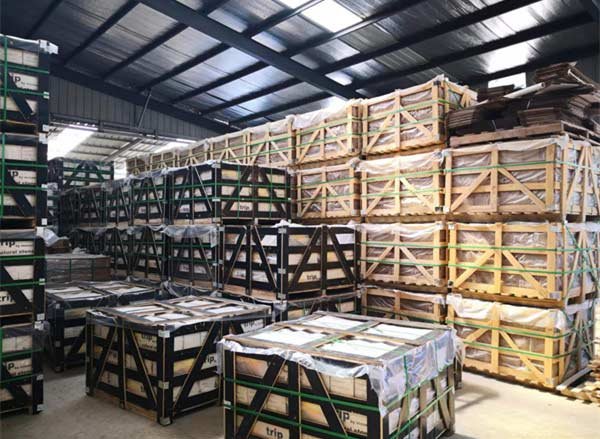
Conduct a post-installation heat-cycling inspection after the initial burn: check for cracking, spalling, adhesive failure and remediate in accordance with supplier instructions. Plan logistics around Top Source Stone standards — panel box counts (7 or 8 pcs/box), MOQ 300 m² for trial/private label, and lead times: in-stock 10–15 days, production 20–25 days — and require pre-shipment visuals before releasing balance payments.
- Batch control: same-quarry sourcing, 95% hue uniformity requirement.
- Testing & documentation: HD pre-shipment photos/videos, batch test reports, freeze-thaw/ASTM evidence where applicable.
- Post-install: perform heat-cycling inspection after first burn and remediate per supplier guidance.
- Procurement logistics: 7 or 8 pcs/box; MOQ 300 m²; in-stock lead time 10–15 days; production 20–25 days.

Managing Intense Radiant Heat in Wood-Burning Units
Choose heat-rated stone and engineered attachment systems to prevent thermal failure, lower service calls, and protect dealer margins on wood-burning installs.
Material selection and heat-tolerance criteria for wood-burning fireplaces
Specify low-porosity, high-density الحجارة الطبيعية for direct wood-fire exposure: quartzite, granite, and select marbles. These materials tolerate high surface temperatures encountered at wood-burning openings in 2026; quartzite and granite offer the best combination of thermal stability and low absorption, reducing long-term soot staining and thermal shock risk. Exclude or restrict slate, limestone, and travertine to gas or electric applications only, because those stones show documented cracking under extreme wood-fire temperatures.
Control visual and thermal consistency by sourcing from the same quarry batch to avoid color or texture mismatches across large hearth walls. Select panel thickness to manage thermal inertia: standard 10–25 mm for most installations, and up to 35 mm (3.5 cm) for premium or high-exposure areas. Thicker panels slow surface temperature rise and reduce peak stress during firing cycles.
- Preferred أعلى المصدر حجر quartzite models for wood-burning surrounds: Alaska Gray, Glacier White, Golden White, Gold Rush, Golden Honey, Sierra Blue, Arctic Golden.
- Avoid slate/limestone/travertine within the immediate heat-affected zone; use them only for gas/electric or peripheral finishes.
Panel specification and attachment practices for high-radiant-heat zones
تحديد لوحة الحجر المصدر العلوي sizes 150 x 600 mm or 150 x 550 mm and design structural support for the installed mass: flat panels typically load ~30–40 kg/m² while rough panels load ~55 kg/m². Use interlocking Z-Shape or S-Shape panels cut with CNC diamond-blade precision to conceal vertical joints and reduce localized stress at seams; this interlock technology improves joint integrity where radiant flux concentrates.
Mount panels only to non-combustible substrates—cement backer board, metal studs with cement board, or masonry—and keep wood studs out of the heat-affected zone. Install mechanical anchors or stainless-steel masonry ties at regular intervals; use a maximum spacing of 600 mm vertically and 600 mm horizontally for typical loads and increase tie density where panels exceed 40 kg/m². Bond veneers with refractory-rated cementitious mortar or adhesives specified for fireplace use and confirm the adhesive’s documented temperature rating and cure protocol before installation. Use matching L-corners and pre-fabricated corners in the hottest areas to preserve thickness and avoid on-site cutting that can weaken edges.
- Panel sizes: 150×600 mm or 150×550 mm; thickness: 10–25 mm standard, up to 35 mm premium.
- Mass to plan for: flat ~30–40 kg/m²; rough ~55 kg/m²—size anchors and backing accordingly.
- Anchor spacing: max 600 mm vertically and horizontally; tighten spacing for >40 kg/m² panels.
- Substrates: cement backer board, masonry, or metal studs + cement board; no wood studs directly behind veneer in the heat zone.
- Adhesive: refractory-rated cementitious mortar or high-temp adhesive with verified temperature rating and manufacturer cure time.
Thermal movement, clearances and inspection protocol for sustained wood-fire use
Design for thermal expansion by adding controlled expansion joints at panel transitions or every 3–4 m horizontally, sizing joints to accommodate 2–5 mm movement depending on panel thickness. Include a ventilated air gap or thermal break between veneer and substrate where site conditions permit to reduce heat transfer into the backing and to enable convective cooling behind panels. Always verify minimum clearances from the firebox with the appliance manufacturer and the authority having jurisdiction; follow local building and fireplace codes for distances to combustibles and serviceable components.
Specify only high-temperature sealants rated for fireplace exposure at vertical and horizontal joints and avoid organic sealers adjacent to the firebox. Establish a documented owner maintenance protocol: inspect veneer and mortar annually and after heavy use for cracking, spalling, loose panels, or discoloration; photograph defects and replace compromised panels immediately. For projects in freeze-thaw climates, confirm the stone batch meets freeze-thaw resistance and select refractory mortars that retain bond strength under thermal cycling.
- Expansion joints: every 3–4 m or at transitions; design for 2–5 mm movement.
- Ventilation: include an air gap/thermal break to allow convective cooling.
- Sealants: use only high-temp, fireplace-rated sealants; avoid organic products near the firebox.
- Inspection checklist: annual and post-intensive-use review for cracks, spall, loose panels, and discoloration; document and replace as required.
- Cold climates: verify ASTM-grade freeze-thaw resistance and use mortars rated for thermal cycling.
Premium Stacked Stone — Increase Margins
Venting and Clearance: Gas Fireplace Installation Standards
Correct vent routing and stone selection prevent thermal damage, ensure code compliance, and protect project margins on gas fireplace installations.
Stone heat-compatibility for gas fireplaces — allowed and restricted materials
Specify granite, marble, or quartzite for high-heat applications: these stones tolerate elevated temperatures and repeated thermal cycling, so installers can use them with gas, electric, and wood systems where allowed. Restrict limestone, slate, and travertine to gas or electric fireplaces only — do not use those stones on wood-burning units because wood fires produce peak temperatures that can crack or spall those materials.
Require 100% natural-stone documentation (quarry batch, thermal-cycling data) before approval, and cross-check the chosen stone against the fireplace manufacturer’s heat limits and local code as of 2026. For high-visibility hearth walls, source material from the same quarry batch to avoid color or performance variation under heat exposure.
Venting interface and panel placement — aligning natural stacked stone with fireplace openings
Plan the لوحة حجرية layout so joint gaps never face the combustion opening or vent terminal; direct exposure concentrates heat on grout and substrate and shortens service life. Use interlocking Z-Shape or S-Shape panels, or pre-fabricated L-corners, to camouflage vertical joints and keep the substrate covered at termination points.
Install a non-combustible backing behind stone panels adjacent to vents and flues and follow the fireplace maker’s clearance requirements—typical unit clearances run 13–26 mm (½”-1″) to the wrapper and roughly 76 mm (3″) above certain vent components. Verify CNC diamond-blade edge finishes fit tightly at terminations to avoid heat concentration on grout or backing materials.
Clearance planning, substrate requirements, and Top Source Stone panel specifications
Document all clearance distances and substrate details on project drawings and coordinate with the AHJ and the fireplace manufacturer before ordering material. Design framing and anchorage to support panel weights and to maintain the required clearances during service access and vent routing (grade horizontal runs 1/4″ per foot toward the exhaust where applicable).
- أحجام اللوحة: 150 × 600 مم (6″ × 24″) أو 150 × 550 مم (6″ × 22″).
- Thickness: standard 10–25 mm (1.0–2.5 cm); premium/rough up to 35 mm (3.5 cm).
- Weights: flat panels ≈ 30–40 kg/m²; rough panels ≈ 55 kg/m² — size anchors and framing for these loads and include a safety factor for dynamic handling.
- Substrate: use non-combustible cement board or approved masonry backing; attach panels with mechanical anchors rated for the specified weight and seismic loads.
- Interlock technology: apply Seamless Technology (Z/S interlocks) where continuous thermal exposure occurs to conceal substrate and reduce exposed grout.
- Batch control: specify same-batch quarry material for hearth walls to avoid visible variation near heat-exposed zones.
Specify CNC-cut edge finishes to ensure tight male/female fits at corners and terminations, and require pre-shipment visual verification of crates. Always verify the final assembly against the fireplace manufacturer’s minimum clearances and local code before closeout.

Why Soot Accumulation Differs Between Gas and Wood Fireplaces
Soot formation depends on combustion temperature, flue cooling, draft stability, and surround porosity—control those factors to cut deposits and service costs.
Combustion Temperature and Soot Chemistry — Wood vs. Gas
Wood flames reach peak temperatures in the flame zone around 800–1,100°C, while typical gas burners operate in the 400–600°C range. Those temperature differences drive chemistry: incomplete combustion of wood produces higher concentrations of particulate carbon, soot nanoparticles and condensable tars that become creosote when flue gases cool. Creosote and condensable organics form once flue surfaces fall below about 120°C (250°F), so flue-surface temperature directly affects how much vapor-phase organics deposit as sticky, flammable residue.
Reduce soot at the source by improving combustion efficiency and controlling cooling. For wood, burn dry, well-seasoned logs and manage air supply to sustain hotter, more complete combustion. For gas, verify burner air mix and correct pilot/argon adjustments so the flame stays blue and clean. Monitor flue temperature and avoid sudden cooling (for example by long horizontal runs or oversized chimneys) that encourages volatile condensation.
- Use seasoned firewood (moisture <20%) and size loads to maintain flame-zone temps near the wood range limits.
- Tune gas burners for correct air-fuel ratio to minimize soot under normal operation.
- Track flue surface temperature; keep it above the 120°C condensation threshold where practical to limit creosote formation.
Flue Dynamics and Particulate Transport — Draft, Particle Size, and Deposition
Soot behavior depends on particle size and draft. Fresh soot particles are often submicron (<1 µm) and stay airborne long enough to travel out of the chimney or deep into the surround, while larger ash and char fragments (1–100 µm) fall out sooner. Aim for a stable draft in the range of roughly 0.02–0.05 in. WC (5–12 Pa) to convey combustion products up and out; low or unstable draft increases in-room deposition and encourages stratified layers of creosote on flue walls.
Flow interruptions—cold flues, downdrafts, or tight modern homes with negative pressure—create low-velocity zones where particles deposit onto mantels, hearths, and stone surrounds. Confirm termination height, cap condition and chimney continuity to sustain chimney draft, and add makeup air or a dedicated ventilation path in tight houses to stop reverse flows.
- Check chimney height and cap; tall, continuous runs promote stable draft—confirm at least an 8 ft vertical termination where applicable per venting rules.
- Install or restore makeup air in tight homes to prevent negative-pressure downdrafts that push soot into living spaces.
- Schedule sweeps based on fuel: heavy wood use requires sweeps every 1–3 months during peak season; gas units need annual inspection and cleaning as recommended by the manufacturer.
Surface Interaction and Stone Selection for Fireplace Surrounds — Texture, Porosity, and Maintenance
Stone texture and porosity determine how soot adheres and how easy it is to clean. Natural cleft or split-face finishes trap soot in micro-voids; honed or polished surfaces shed particulates and clean with less effort. Choose stones that tolerate the expected heat load: granite, marble and natural quartzite handle high heat and repeated thermal cycling, while limestone, travertine and some slates suit gas or electric units but risk cracking or staining under intense wood-fire heat.
لوحة الحجر المصدر العلوي specs inform practical choices: standard panel thickness ranges 1–2.5 cm, with rough panels up to 3.5 cm; standard panels weigh about 30–40 kg/m² (rough up to ~55 kg/m²). For wood-burning fireplaces pick dense, heat-tolerant stones (quartzite or granite) and use a honed or sealed finish on the immediate smoke-exposed area to reduce long-term staining and embedment of soot.
- For wood-burning surrounds select low-porosity stones (granite, quartzite, soapstone) and spec panels 1–2.5 cm thick or heavier for thermal mass.
- For gas or electric units you can include limestone or slate but maintain manufacturer clearances and test for porosity.
- Cleaning protocol: start with dry brushing or low-pressure vacuuming, then apply a pH-neutral stone cleaner for soiled areas; always test sealers and cleaners on an inconspicuous panel first.
- For heavy creosote or embedded soot call a professional sweep and use approved degreasers or poultices; finish with a high-temperature-rated stone sealer on the smoke-exposed zone.

Choosing Adhesives for Direct Heat vs. Ambient Warmth
Match adhesive chemistry and support to the unit’s heat profile and panel weight to prevent bond failure and reduce on-site rework.
Assess fireplace heat profile and stone compatibility
Classify the fireplace first: wood-burning delivers the highest thermal load and the most soot/creosote; gas units generate moderate thermal cycling and lower soot; electric units present the lowest surface temperatures. Select stone by proven heat tolerance — granite, marble and quartzite tolerate wood, gas and electric applications, while limestone, slate and travertine should stay limited to gas or electric surrounds to avoid thermal cracking under wood-fire peak temperatures.
Match panel specifications to the application: standard flat panels weigh about 30–40 kg/m² and rough-textured panels run near 55 kg/m², so specify heavier adhesive beds and mechanical anchoring when assembly mass exceeds 40 kg/m². Use same-batch quarry sourcing for large hearths to maintain hue uniformity across high-heat zones, and verify each slab’s thermal stability and absence of delaminating layers before committing to direct-heat surrounds. Panel geometry matters too — standard sizes are 150x600mm (6″ × 24″), thickness commonly 1–2.5 cm up to 3.5 cm on rough panels — heavier, thicker panels concentrate thermal and gravitational loads at the adhesive joint.
Select adhesive type by service temperature, flexibility and substrate
Pick adhesive chemistry to the continuous service temperature and the expected thermal cycle. For direct-flame exposure on wood-burning units, use refractory or cementitious high-temperature mortars that tolerate flame contact and masonry environments; for localized temperatures up to about 200°C use structural acrylics or high-temperature two-part epoxies (some formulations hold strength approaching 230°C). For sustained service between roughly 230–300°C select single-part, heat-cure epoxies or mineral-filled high-temp epoxies; for temperatures above ~300°C only ceramic/inorganic adhesives provide durable performance.
Reserve polymer-modified thinset and standard cementitious adhesives for ambient-warmth installations (gas or electric). Use high-temperature silicone or specialty sealants only for non-structural perimeter or movement joints, never as the primary bond for heavy panels. Match adhesive approvals to the substrate — masonry, cement backer board, metal firebox faces and any combustible assembly need products rated and tested for that substrate. Where installations face freeze-thaw cycles or significant differential expansion, specify adhesive systems with controlled flexibility to relieve CTE mismatch stresses.
Adhesive application, mechanical support and verification checklist
Successful long-term performance depends on correct surface prep, full-contact bonding for heavy panels, and secondary support where codes or mass require it. Follow manufacturer datasheets for open time, pot life and minimum cure before the first firing; skipping cure windows produces premature debonding under thermal stress.
- Prepare substrate: clean, dry, flat and non-combustible; remove paint, dust and loose material and install cementitious backer or masonry when code requires it.
- Apply full-contact bonding for heavy stacked-stone panels: back-butter panels and use a notched trowel or full-bed refractory mortar to achieve full contact across the panel’s rear.
- Combine adhesive with mechanical anchoring for panels over ~40 kg/m² or where local code requires secondary support; choose anchors rated for natural stone and compatible with the substrate and panel سماكة.
- Respect panel geometry: place interlocking Z/S-shape panels and matching L-corners precisely with tight joints to avoid uneven load on the adhesive bed.
- Follow the adhesive datasheet for open time, pot life and cure schedule; do not operate the fireplace before the adhesive reaches the manufacturer’s specified minimum cure.
- Perform an on-site mock-up and thermal cycle test: install a sample area, bring it to operating temperature and inspect for cracking, debonding or excessive movement before proceeding with full installation.
- Post-install inspection: after initial firing, inspect joints and stone faces for hairline cracks or movement; repair any failed bonds immediately and document defects for warranty records.
خاتمة
Proper stone selection and installation protect occupants and structure, ensuring compliance with venting and clearance requirements for gas and wood fireplaces. They also reduce soot and heat-related damage and extend the life of both the cladding and the appliance.
Review your fleet’s current fireplace types, clearances, and adhesive choices against project specifications and adjust material selection where needed. Contact Top Source Stone for same-batch quarry samples, technical data, and on-site installation support tailored to gas or wood fireplace projects.
الأسئلة المتداولة
1. Can gas fireplace heat crack natural quartzite?
Gas fireplaces produce lower temperatures than wood-burning units; the research states quartzite is a durable natural stone suitable for high-heat applications. Based on the provided content, a gas fireplace is unlikely to crack natural quartzite.
2. Is natural stone too porous for wood-burning soot?
Porosity and soot pickup vary by stone type. The research notes that stones compatible with wood-burning fireplaces include granite, marble, and quartzite, while limestone, slate, and travertine are recommended only for gas or electric fireplaces—implying those lighter stones are less suitable where wood smoke and soot are present.
3. Do gas fireplaces require less stone clearance than wood?
Yes. Because gas and electric fireplaces produce lower heat than wood-burning units, the research indicates gas fireplaces allow a broader range of stone choices and generally impose less demanding heat-resistance requirements.
4. Best sealer for stone exposed to wood smoke?
The provided research content does not include any recommendations for sealers or specific products for stone exposed to wood smoke.
5. How to install stone around modern linear gas units?
The provided research content does not include installation procedures. It does state that gas fireplaces produce lower heat and that heat-tolerant stones such as granite, marble, and quartzite are compatible with higher-heat applications.