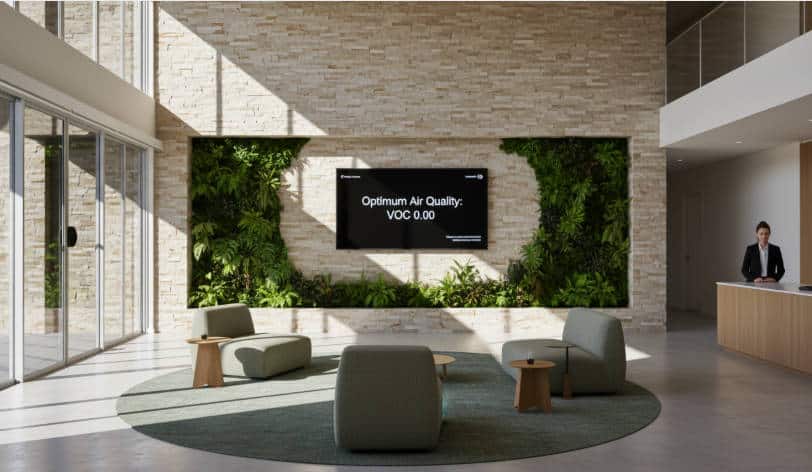
IQ & تؤثر معايير الصحة الآن بشكل مباشر على الجدوى التجارية للمساحات الداخلية الحديثة، حيث يمكن أن يؤدي الفشل في إدارة ملوثات الهواء الداخلي إلى التزامات صحية كبيرة وتقليل الاحتفاظ بالمستأجرين. تطلق العديد من أغطية الجدران والقشرة الاصطناعية مركبات عضوية متطايرة لسنوات بعد التركيب، مما يساهم في متلازمة المباني المريضة وزيادة المخاطر التشغيلية. إن اختيار مادة خاملة بشكل طبيعي مثل الحجر يزيل هذه المخاوف المتعلقة بإطلاق الغازات، مما يوفر أساسًا ثابتًا لبيئات صحية عالية الإشغال.
هذه النظرة الفنية توضح السبب يبقى الحجر الطبيعي هو الخيار المفضل للهندسة المعمارية التي تركز على العافية. نقوم بفحص الاستقرار الجزيئي للمعادن مقارنة بالقشرة الاصطناعية، ودور الحجر في تنظيم الرطوبة الداخلية، وكيف تمنع القوام السطحي الطبيعي نمو العفن والبكتيريا. توفر هذه الأقسام إجراءات تشغيل قياسية للمهندسين المعماريين والمطورين الذين يتطلعون إلى تلبية شهادات جودة الهواء الصارمة مع الحفاظ على متانة المواد على المدى الطويل.
لماذا تعتبر مواد الحائط الخاصة بك مهمة: الحجر مقابل القشرة الاصطناعية لـ IAQ
يؤدي اختيار الأسطح المعدنية النقية فوق المواد الاصطناعية المرتبطة بالراتنج إلى التخلص من المصدر الرئيسي للغازات الكيميائية الداخلية مع توفير حاجز غير مسامي ضد تراكم مسببات الحساسية.
ملفات تعريف انبعاث المركبات العضوية المتطايرة للحجر الطبيعي مقابل المركبات الراتنجية
توفر المواد الطبيعية مثل الأردواز والكوارتزيت والرخام خطًا أساسيًا خاليًا من المركبات العضوية المتطايرة للبيئات الداخلية. تنشأ هذه المعادن من التكوينات الجيولوجية وليس من مصانع التصنيع الكيميائية، مما يجعلها خاملة بطبيعتها. تعتمد القشرة الاصطناعية على الراتنجات والبوليمرات ذات الأساس النفطي لربط الأسمنت والأصباغ معًا. غالبًا ما تطلق هذه المواد الرابطة الكيميائية مركبات عضوية متطايرة في مساحة المعيشة، مما يؤثر على جودة الهواء لفترة طويلة بعد انتهاء التثبيت. تعطي معايير البناء الحالية لعام 2026 للمشاريع السكنية الفاخرة الأولوية للأسطح المعدنية لضمان جودة الهواء الداخلي المثالية (IAQ) وصحة السكان.
| مقياس الأداء | حجر طبيعي مكدس | قشرة صناعية/صناعية |
|---|---|---|
| انبعاثات المركبات العضوية المتطايرة | صفر (خامل بشكل طبيعي) | معتدل (إطلاق الغازات الراتنجية) |
| استقرار الأشعة فوق البنفسجية | عالية (لا يتلاشى/انهيار) | منخفض (عرضة للتلاشي) |
| تعبير | معادن طبيعية 100% | الاسمنت والراتنج & أصباغ |
الاستقرار الكيميائي ومخاطر إطلاق الغازات على المدى الطويل
الاصطناعية المنتجات الحجرية قد يتعرض لانهيار كيميائي عند تعرضه للأشعة فوق البنفسجية الداخلية أو تقلبات درجات الحرارة. ويؤدي هذا التدهور إلى إطلاق الغازات الثانوية وتساقط الجسيمات، حيث تدخل المواد البلاستيكية الدقيقة أو الغبار الصبغي إلى نظام التهوية. أعلى مصدر الحجر ألواح حجرية مكدسة استخدام الايبوكسي عالي القوة فقط في المفاصل الهيكلية. وهذا يحافظ على مساحة السطح الأولية خاملة وغير سامة بنسبة 100%. الحجر الطبيعي تظل الأسطح مستقرة كيميائيًا لعقود من الزمن، مما يتجنب البهتان الهيكلي ومخاطر الجسيمات المرتبطة بمركبات الأسمنت والأصباغ.
التأثير على 2026 Wellness-First Design وشهادات IAQ
اختيار المهندسين المعماريين الحجر الطبيعي لتلبية شهادات البناء الصارمة التي تركز على الصحة والتي تعاقب المواد الاصطناعية. يعتمد التصميم الذي يركز على الصحة في عام 2026 على أسطح مضادة للحساسية لا تحبس الغبار أو تنبعث منها روائح صناعية. استخدام حجر حقيقي تساعد القشرة المشاريع على التأهل للحصول على LEED وغيرها من اعتمادات المباني الخضراء بشكل أكثر فعالية من البدائل المصنعة لأن المادة بطبيعتها لا تنبعث منها. الطبيعة الكثيفة وغير المسامية للحجر عالي الجودة تمنع امتصاص الملوثات الداخلية. تسهل هذه الكثافة الحفاظ على بيئة تنفس نظيفة دون الحاجة إلى منظفات كيميائية عدوانية قد تؤدي إلى إدخال سموم جديدة في الهواء.
- الحجر الطبيعي يتوافق مع معايير المواد منخفضة الانبعاث LEED v4/v5.
- تمنع الأسطح المعدنية نمو العفن والبكتيريا عن طريق مقاومة اختراق الرطوبة.
- يتطلب الحجر الحقيقي الماء والصابون المعتدل فقط للصيانة، مما يقلل من الاعتماد على المواد الكيميائية.
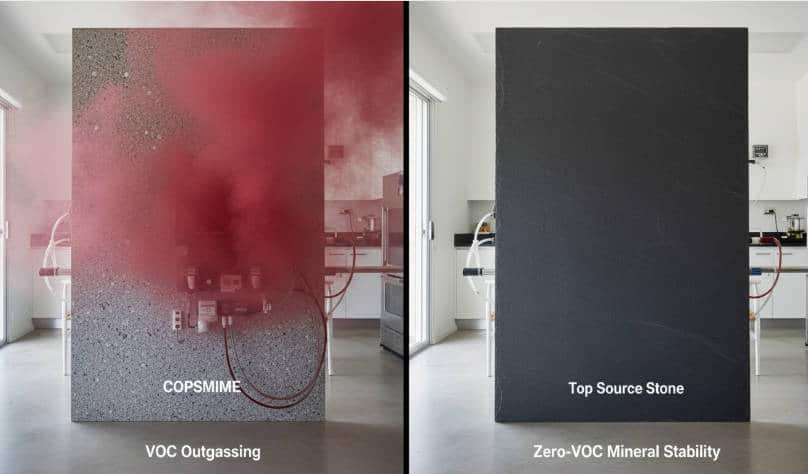
لماذا يعتبر الحجر الطبيعي خاليًا من المركبات العضوية المتطايرة ولا يسبب الحساسية؟
يؤدي اختيار الأسطح المعدنية الخاملة كيميائيًا إلى التخلص من مخاطر إطلاق الغازات المرتبطة بالمجلدات الاصطناعية ويوفر درعًا كثيفًا وغير مسامي ضد مسببات الحساسية المنزلية الشائعة.
التركيب المعدني والاستقرار الكيميائي
المصدر الأعلى محاجر الحجر طبيعي 100% الأردواز والكوارتزيت والرخام التي لا تحتوي على راتنجات بترولية أو أصماغ صناعية. على عكس الحجر المصنع القشرة - والتي غالبًا ما تستخدم مواد رابطة بوليمرية تطلق مركبات عضوية متطايرة (VOCs) في الهواء - تعتبر المعادن الطبيعية مستقرة جيولوجيًا. تشكلت هذه المواد على مدى ملايين السنين تحت حرارة وضغط شديدين، مما أدى إلى منتج لا يتشكل “دواء” أو انبعاث الغاز بعد التثبيت.
- نحن نقدم حقيقي ألواح الأردواز والكوارتزيت لا تنبعث منها أي مركبات عضوية متطايرة، مما يلبي معايير البناء الصارمة لعام 2026 لجودة الهواء الداخلي والامتثال لنظام LEED.
- يضمن الاستقرار الكيميائي للمعادن الطبيعية عدم إطلاق غازات ضارة عند تركيب الألواح بالقرب من مصادر الحرارة العالية مثل المواقد أو في غرف التشمس المشمسة.
- نحن نحافظ على رقابة صارمة على المصدر من مصدر المحجر لضمان بقاء المادة خاملة كيميائيًا وخالية من الملوثات الصناعية طوال عملية التصنيع.
أبنية كثيفة للحد من الحساسية
تمنع الكثافة الفيزيائية للمواد مثل Alaska Gray Quartzite أو Carbon Black Slate الجسيمات من اختراق سطح الجدار. بينما يحبس السجاد وورق الحائط وبر الحيوانات الأليفة وحبوب اللقاح وعث الغبار داخل أليافها أو طبقاتها المسامية، الحجر الطبيعي يخلق حاجزًا لا يمكن اختراقه. هذه الكثافة هي السبب الرئيسي وراء إعطاء الأولوية للمهندسين المعماريين الذين يركزون على الصحة حجر لعام 2026 سكني وتجاري عالي الحركة المشاريع.
- لا توفر الأسطح المعدنية الملساء أي فراغات مجهرية لاستعمار عث الغبار، مما يدعم بشكل مباشر السكان في إدارة الربو المزمن.
- يحافظ أصحاب العقارات على جودة هواء داخلية عالية باستخدام قطعة قماش مبللة أو فرشاة ناعمة لإزالة الجسيمات السطحية دون الحاجة إلى منظفات كيميائية سامة.
- تضمن حواف الشفرات الماسية CNC تركيبًا محكمًا وسلسًا يقلل من مساحة السطح التي يمكن أن يستقر فيها الغبار مقارنة بالمنتجات الحجرية الأكثر خشونة وغير الهندسية.
الخصائص غير العضوية ومقاومة العفن
يتطلب العفن والبكتيريا مغذيات عضوية ورطوبة مستمرة للبقاء على قيد الحياة. الحجر الطبيعي غير عضوي تمامًا، ولا يقدم أي دعم بيولوجي لنمو الفطريات. وهذا يجعله خيارًا ممتازًا للبيئات الرطبة حيث من المحتمل أن تستسلم المواد العضوية مثل الخشب أو ورق الحائط التقليدي لتراكم العفن الفطري والتعفن الهيكلي.
- تمنع الأسطح الحجرية بشكل طبيعي الاستعمار الفطري، وتبقى معقمة بيولوجيًا حتى في البيئات عالية الملوحة والرطوبة العالية.
- المتشابكة لوحة Z-Shape وS-Shape تعمل الأنظمة، عند إقرانها بمواد مانعة للتسرب احترافية، على تقليل مصائد الرطوبة التي كثيرًا ما تصيب أغطية الجدران الاصطناعية.
- المقاولون يفضلون طبيعتنا حجر مكدس للجدران الداخلية لأنه يحافظ على سلامته الهيكلية والبيولوجية دون الحاجة إلى علاجات قاسية مضادة للميكروبات.
تعزيز عائد الاستثمار للمشروع باستخدام الحجر الطبيعي الأصيل
دور الأسطح المعدنية في تنظيم مستويات الرطوبة الداخلية
الحجر الطبيعي يعمل كمادة حرارية وحذافة الرطوبة، تعمل على موازنة الهواء الداخلي بشكل سلبي من خلال الامتزاز والامتصاص المجهري القائم على المسام.
ديناميكيات الامتزاز والامتزاز للحجر الطبيعي
الألواح الحجرية الطبيعية مثل الأردواز والكوارتزيت يعملان كأغشية حية للتحكم في الرطوبة. تحتوي هياكلها المعدنية على مسام مجهرية تلتقط جزيئات الماء بشكل فعال عندما ترتفع الرطوبة الداخلية. تمنع هذه العملية الهواء الثقيل المشبع الشائع في البيئات المغلقة. عندما يجف الهواء، يعكس الحجر هذا الإجراء، ويطلق الرطوبة المخزنة للحفاظ على توازن ثابت. يحدث هذا التبادل السلبي دون تدخل ميكانيكي أو طاقة خارجية، مما يجعله عامل استقرار مناخي بدون تكلفة للديكورات الداخلية الراقية.
- تمتلك الأسطح المعدنية بنية معقدة من المسام المجهرية التي تلتقط جزيئات الماء خلال فترات الرطوبة العالية.
- تعود الرطوبة المخزنة إلى الهواء عندما تصبح الظروف جافة، مما يحافظ على بيئة أكثر اتساقًا وراحة.
- لا يتطلب التبادل السلبي للرطوبة أي طاقة ميكانيكية أو مصادر طاقة خارجية لتعمل.
تنظيم المناخ السلبي في التصميمات الداخلية المكسوة بالحجر
التصاميم المعمارية التي تتكامل على نطاق واسع المنشآت الحجرية تقليل الضغط على أنظمة التدفئة والتهوية وتكييف الهواء (HVAC) عن طريق تخفيف تقلبات الرطوبة. في الأماكن ذات الإشغال العالي، تساعد الأسطح المعدنية على منع الانزعاج الناجم عن الهواء الجاف الذي غالبًا ما يحدث بسبب المواد الاصطناعية المعالجة بشكل مفرط وتسخين الهواء القسري. بحلول عام 2026، يحدد المصممون الحجر الطبيعي من Top Source Stone لتحقيق الاستقرار في المناخات الدقيقة في كل من المشاريع السكنية والتجارية. توفر هذه الأسطح المساحة اللازمة للتفاعل مع حجم الهواء في الغرفة، مما يضمن بقاء مستويات الرطوبة ضمن المنطقة الصحية المثالية للركاب.
- توفر الجدران المميزة في السلسلة Rough أو Flat مساحة سطحية كبيرة للتفاعل مع الرطوبة.
- يستخدم المهندسون المعماريون الحجر الطبيعي لتحقيق الاستقرار في المناخات الصغيرة في المساحات السكنية والتجارية عالية الإشغال.
- تمنع الأسطح المعدنية إزعاج الهواء الجاف المرتبط بمواد البناء الاصطناعية والبيئات المغلقة.
هندسة السطح والكفاءة الاسترطابية
تختلف الكفاءة الاسترطابية عبر التركيبات المعدنية، حيث توفر الأحجار الكثيفة مثل الجرانيت والألواح المنسوجة أداءً متميزًا. تحافظ تقنيات القطع المتقدمة، بما في ذلك دقة الشفرة الماسية CNC المستخدمة في مصنعنا، على السلامة الطبيعية لهذه الأسطح. على عكس القشرة المركبة التي تستخدم مواد رابطة من الراتنج لإغلاق المسام المعدنية، الحجر الطبيعي يحافظ على قدرته على التنفس. يضمن هذا العلم المعدني عدم تدهور خصائص تنظيم الرطوبة في الحجر بمرور الوقت، مما يوفر حلاً دائمًا لجودة الهواء الداخلي وصحة الركاب.
- توفر أنواع الأحجار تنظيمًا متنوعًا للرطوبة بناءً على تركيبها المعدني وكثافة سطحها.
- يحافظ القطع الدقيق بالأشعة تحت الحمراء على السلامة الطبيعية لسطح الحجر لتحقيق أقصى قدر من التفاعل مع الهواء.
- الألواح الحجرية الطبيعية الحفاظ على خصائص استرطابية إلى أجل غير مسمى دون التحلل الكيميائي الموجود في البدائل الاصطناعية.
كيف تمنع الأنسجة الدقيقة الطبيعية نمو العفن والبكتيريا؟
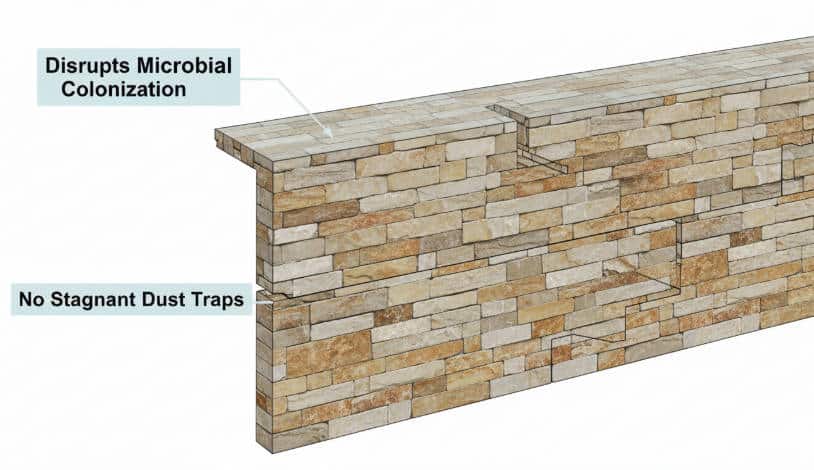
تستخدم الأسطح الحجرية الطبيعية التضاريس الهيكلية المجهرية جسديًا يعطل الاستعمار الميكروبي، مما يوفر دفاعًا ميكانيكيًا تفتقر إليه الأسطح الاصطناعية الناعمة القائمة على الراتنج.
الحجر الطبيعي يوفر ميزة ميكانيكية فريدة في مكافحة مسببات الأمراض الداخلية. في حين أن أغطية الجدران الاصطناعية غالبا ما تعتمد على المضافات الكيميائية لتحقيق تأثيرات مضادة للميكروبات، فإن البنية الفيزيائية للأسطح المعدنية توفر حاجزا متأصلا أمام إنشاء البكتيريا.
الحواجز الطبوغرافية للالتصاق الميكروبي
مجهرية المخالفات في الحجر الطبيعي تعيق الأسطح جسديًا قدرة البكتيريا على تثبيت نفسها. على عكس القشرة المصنعة التي تقدم مستوى موحدًا وسلسًا، والتضاريس الطبيعية للمعادن مثل الكوارتزيت والأردواز تتميز بالقمم والوديان الصغيرة. تحاكي هذه المخالفات الأسطح البيولوجية المضادة للحشف الموجودة في الطبيعة، مثل جلد سمك القرش، والتي تعطل تكوين الأغشية الحيوية المستقرة.
- تعمل الأنسجة الدقيقة الطبيعية على تقليل المساحة السطحية المتاحة لمسببات الأمراض لإنشاء نقطة تثبيت مستقرة.
- يمنع الخلل الجسدي في الارتباط البكتيري الانتقال من الخلايا الفردية إلى الأغشية الحيوية المعقدة التي يصعب إزالتها.
- تظهر الدراسات الفنية في عام 2026 أن هذه الأسطح المعدنية المزخرفة يمكن أن تقلل من تكوين الأغشية الحيوية بنسبة تصل إلى 70% مقارنة بالمواد الاصطناعية الملساء.
التركيب غير العضوي ومقاومة العفن
يتطلب العفن والفطريات مغذيات عضوية للبقاء على قيد الحياة والتكاثر. تحتوي العديد من القشرة الاصطناعية على راتنجات أو مواد بلاستيكية معاد تدويرها أو مواد رابطة عضوية تعمل بمثابة مادة لاصقة “طعام” مصدر للجراثيم. الحجر الطبيعييتكون من معادن غير عضوية بنسبة 100% مثل الأردواز والكوارتزيت، ولا يقدم أي غذاء بيولوجي. هذا الاختلاف الكيميائي الأساسي يجعل الحجر بيئة معادية بطبيعتها لنمو الفطريات.
- لا يوفر الأردواز والكوارتزيت أي مغذيات عضوية، مما يؤدي إلى تجويع جراثيم العفن بشكل فعال قبل أن تتمكن من استعمار السطح.
- هيكل بلوري كثيف عالي الجودة الألواح الحجرية يحد من امتصاص الرطوبة، ويزيل الظروف الرطبة اللازمة للحياة الميكروبية.
- غالبًا ما تحبس البدائل الاصطناعية الرطوبة والغبار العضوي في هياكلها الراتنجية المسامية، مما يزيد من خطر نمو العفن الداخلي على المدى الطويل.
تأثير الأسطح المعدنية على نظافة الهواء الداخلي
الاستقرار الحيوي الألواح الحجرية الطبيعية يساهم بشكل مباشر في نظافة الهواء الداخلي. ونظرًا لأن هذه المواد لا تطلق غازات المركبات العضوية المتطايرة، فإنها لا تضعف دفاعات الجهاز التنفسي البشرية، وهي مشكلة شائعة مع الأغطية الاصطناعية ذات المواد الكيميائية الثقيلة. تعمل الحلول المعتمدة على التصميم، مثل نظام الشكل Z المتشابك، على تحسين النظافة من خلال تقليل الشقوق العميقة والراكدة حيث يتراكم الغبار والبكتيريا عادةً في أعمال البناء التقليدية.
- الحفاظ على الألواح الحجرية حالة خالية من المركبات العضوية المتطايرة طوال دورة حياتها، مما يمنع التهيج الكيميائي للجهاز التنفسي.
- تخلق الحواف المتشابكة المقطوعة بدقة ملاءمة محكمة تزيل الفجوات الرأسية حيث غالبًا ما تستقر المواد المسببة للحساسية المنزلية.
- يؤدي استخدام مادة مانعة للتسرب محايدة للأس الهيدروجيني إلى تعزيز خصائص الحجر المضادة للميكروبات عن طريق تسهيل إزالة الحطام السطحي بسهولة دون الإضرار بالبنية المعدنية.
لماذا يختار المهندسون المعماريون الحديثون الحجر؟ “العافية أولا” المباني؟
تعطي هندسة العافية الأولوية للمواد التي تقدم فوائد صحية سلبية، وذلك باستخدام الكثافة المتأصلة والخصائص العضوية للحجر الطبيعي لتحسين الرفاهية الفسيولوجية والعقلية للركاب.
التصميم الحيوي والرفاه العقلي
يحدد المهندسون المعماريون الحجر الطبيعي لإنشاء اتصال مباشر بين البيئات الداخلية والعالم الطبيعي، وهو متطلب أساسي للتصميم الحيوي. يوفر Top Source Stone ألواحًا حجرية مكدسة مع مواد أصلية وتنوعات ألوان فريدة تفشل القشرة الاصطناعية في تقليدها. تقوم هذه الأسطح الطبيعية بما هو أكثر من مجرد توفير الاهتمام البصري؛ تشير الدراسات إلى أن دمج المواد العضوية في المساحات الداخلية يساعد على خفض معدلات ضربات القلب وتقليل مستويات التوتر لدى الركاب.
- لوحات الحجر المكدسة توفر مواد أصلية وتنوعات ألوان فريدة لا يمكن للبدائل الاصطناعية تكرارها.
- تساعد المواد الطبيعية في المساحات الداخلية على خفض معدلات ضربات القلب وتقليل مستويات التوتر لشاغلي المبنى.
- يضيف الطابع الفريد لكل لوح حجري قيمة جمالية وإحساسًا بالديمومة إلى المشاريع المعمارية الحديثة.
الأداء الصوتي للبيئات الهادئة
كثافة الحجر الطبيعي بمثابة أداة وظيفية للإدارة مستويات الصوت في المباني التي تركز على الصحة. تعمل الأسطح الحجرية على تخفيف الضوضاء المحيطة بشكل فعال، وهو أمر ضروري لخلق أجواء هادئة مطلوبة في مرافق الرعاية الصحية والمساحات السكنية الراقية. يقوم المصممون بدمج الجدران الحجرية في الردهات والمكاتب ذات المخطط المفتوح لتخفيف الصدى وتحسين الخصوصية الصوتية دون الحاجة إلى أنظمة إخفاء الصوت الاصطناعية.
- تساعد الأسطح الحجرية على تخفيف الضوضاء المحيطة، مما يخلق أجواء هادئة مطلوبة للرعاية الصحية والمساحات السكنية الراقية.
- يقوم المهندسون المعماريون بدمج الجدران الحجرية في الردهات والمكاتب ذات المخطط المفتوح لتخفيف الصدى وتحسين الخصوصية الصوتية.
- تقلل الكتلة الهيكلية للمادة من انتقال الصوت بين الغرف، مما يدعم بيئة داخلية أكثر راحة.
الاستقرار الحراري والاستخدام المستدام للطاقة
يعمل الحجر الطبيعي بمثابة بطارية حرارية، حيث ينظم درجات الحرارة الداخلية ويساهم في تحقيق معايير كفاءة الطاقة لعام 2026. الألواح الحجرية تمتص الحرارة وتخزنها خلال ساعات الذروة، مما يمنع التقلبات السريعة في درجات الحرارة التي غالبًا ما تصيب مواد البناء الأخف وزنًا. تعمل هذه الكتلة الحرارية المتزايدة على تقليل حمل الطاقة على أنظمة التدفئة والتهوية وتكييف الهواء، مما يقلل من البصمة الكربونية للمبنى مع الحفاظ على مناخ أكثر اتساقًا وراحة للمستخدمين.
- الألواح الحجرية الطبيعية امتصاص الحرارة وتخزينها، مما يمنع التقلبات السريعة في درجات الحرارة داخل المبنى.
- تعمل الكتلة الحرارية المحسنة على تقليل حمل الطاقة على أنظمة التدفئة والتهوية وتكييف الهواء (HVAC)، مما يقلل من البصمة الكربونية للهيكل.
- المهندسين المعماريين حدد الحجر للواجهات الخارجية لتوفير طبقة طبيعية من العزل تظل فعالة طوال دورة حياة المبنى.
متانة طويلة الأمد وطول عمر المواد
تعطي هندسة العافية الأولوية للمواد المستقرة التي تعمل لعقود من الزمن دون الحاجة إلى بدائل سامة. الحجر الطبيعي يقاوم أضرار الأشعة فوق البنفسجية والعوامل الجوية، مما يضمن بقاء السلامة الهيكلية للمبنى وجاذبيته البصرية دون تغيير. لا تتطلب هذه الأسطح منخفضة الصيانة منظفات كيميائية قاسية، مما يحمي جودة الهواء الداخلي على المدى الطويل ويتوافق مع أهداف الاقتصاد الدائري عن طريق تقليل النفايات.
- يقاوم الحجر الطبيعي أضرار الأشعة فوق البنفسجية والعوامل الجوية، مما يضمن بقاء السلامة البصرية والهيكلية للمبنى سليمة.
- تقلل الأسطح منخفضة الصيانة من الحاجة إلى المنظفات الكيميائية القاسية، مما يحمي جودة الهواء الداخلي بمرور الوقت.
- متانة 100٪ المحجر يضمن الحجر أن المادة لا تتطلب استبدالًا متكررًا، دعم أهداف الاقتصاد الدائري.
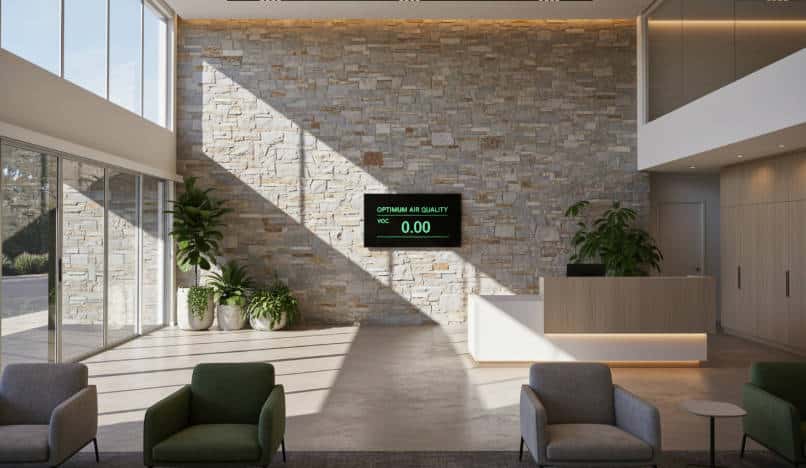
الاستقرار الحيوي للمعادن: لماذا لا ينطلق الحجر مع مرور الوقت
توفر الهياكل المعدنية الجيولوجية بيئة خاملة كيميائيًا تظل مستقرة إلى أجل غير مسمى، مما يمنع إطلاق المركبات المتطايرة الشائعة في مواد البناء الاصطناعية القائمة على الراتنج.
يتكون الحجر الطبيعي من معادن غير عضوية تتشكل تحت ضغط جيولوجي شديد. يخلق هذا الأصل مادة تظل خاملة كيميائيًا في البيئات الداخلية القياسية. على عكس المنتجات القائمة على النفط، فإن الروابط البلورية في الأردواز والكوارتزيت والرخام لا تتحلل أو تطلق جزيئات في الهواء. يضمن هذا الاستقرار المعدني المتأصل أن يحافظ المنتج على شكله المادي دون الانكماش أو التزييف الذي يحدث غالبًا في المركبات الاصطناعية.
الاستقرار الكيميائي المتأصل للهياكل المعدنية البلورية
يفتقر التركيب الجزيئي للحجر الطبيعي إلى المركبات العضوية المتطايرة (VOCs) الموجودة في المواد الكيميائية الحديثة. في عام 2026، يعطي علم البناء الأولوية للمواد التي تساهم في تحقيق هدف ما “ينظف” خط الأساس لجودة الهواء الداخلي. الألواح الحجرية الطبيعية تحقق ذلك من خلال العرض سطح لا يتفاعل مع الأكسجين الجوي لإنتاج انبعاثات ثانوية.
- يمنع الاستقرار المعدني إطلاق الجزيئات الدقيقة خلال دورة حياة المنتج.
- يحافظ الكوارتزيت والأردواز على السلامة الهيكلية دون الحاجة إلى مثبتات كيميائية.
- يضمن غياب المواد البلاستيكية عدم تعرض شاغلي المبنى للفثالات.
الحجر الطبيعي مقابل الراتنج الاصطناعي
يوجد تمييز واضح بين 100٪ محفور الحجر والقشرة المصنعة التي تعتمد على المواد الرابطة والأصباغ الكيميائية. غالبًا ما تستخدم القشرة الاصطناعية الراتنجات التي تطلق الغازات ببطء مع تقدم العمر أو تعرضها للحرارة. استخدام الحجر الحقيقي يزيل “رائحة المبنى الجديد” يحدث عادة بسبب تبخر المذيبات في المنتجات الاصطناعية. المصدر الأعلى يوفر الحجر سطح طبيعي 100% ولا يتطلب أي عوامل تثبيت كيميائية، مما يضمن بقاء الهواء غير ملوث من اليوم الأول.
| عامل الأداء | أعلى مصدر الحجر الطبيعي | بدائل القشرة الاصطناعية |
|---|---|---|
| التركيب الكيميائي | معادن غير عضوية بنسبة 100% | الاسمنت، الراتنجات، & البوليمرات |
| مستوى انبعاث المركبات العضوية المتطايرة | صفر (خامل بشكل طبيعي) | من الأقل إلى الأعلى (إطلاق الغازات) |
| تدهور الأشعة فوق البنفسجية | لا شيء (بنية مستقرة) | هشاشة & إطلاق البلاستيك الصغير |
| التفاعل الحراري | غير قابلة للاحتراق لا أبخرة | احتمال انبعاث الدخان السام |
الأداء الحراري وسلامة البخار بالقرب من مصادر الحرارة
يظل الحجر الطبيعي مستقرًا حتى عند تعرضه لدرجات حرارة متقلبة، مما يجعله خيارًا آمنًا لمحيط المدفأة وتطبيقات المطبخ. المادة غير قابلة للاحتراق ولا تنبعث منها أبخرة سامة عند تسخينها. يعطي المهندسون المعماريون الأولوية لهذه الخصائص الحيوية المستقرة لتلبية اللوائح الصارمة المتعلقة بجودة الهواء الداخلي والسلامة من الحرائق. في حين أن الحجر نفسه خامل، فإن الإيبوكسي عالي القوة المستخدم في مجموعة الألواح الخاصة بنا مصمم خصيصًا لضمان رابطة دائمة ومستقرة تقاوم التدهور الحراري.
مقاومة انهيار المواد الناتج عن الأشعة فوق البنفسجية
على عكس المواد التي يصنعها الإنسان والتي تتحلل تحت أشعة الشمس، تحافظ المعادن الطبيعية على سلامتها ولونها دون إطلاق منتجات ثانوية كيميائية. يؤدي التعرض للأشعة فوق البنفسجية إلى هشاشة العديد من المواد الاصطناعية، مما يؤدي إلى إطلاق المواد البلاستيكية الدقيقة أو الأبخرة الكيميائية في الهواء. المعادن الحجرية الطبيعية محصنة ضد التحلل المرتبط بالأشعة فوق البنفسجية. يأتي اللون الدائم للحجر من تركيبته المعدنية بدلاً من الأصباغ المضافة، مما يمنع إطلاق المواد الكيميائية المرتبطة بالصبغة مع تقدم عمر المادة.
- يتم قفل الأصباغ الطبيعية داخل المصفوفة البلورية للحجر.
- لا يوجد خطر للتسرب الكيميائي أو الأكسدة السطحية في المناطق المضاءة بنور الشمس.
- تحافظ المتانة طويلة الأمد على نقاء الهواء طوال عمر المبنى.
خاتمة
إن تحديد الأسطح الحجرية الطبيعية يزيل خطر إطلاق الغازات الداخلية ويدعم بيئة صحية لشاغلي المبنى. توفر هذه المواد ذات الأساس المعدني تنظيمًا طبيعيًا للرطوبة ومقاومة العفن، مما يلبي المتطلبات الصارمة للهندسة المعمارية الحديثة التي تركز على الصحة. يضمن اختيار الأردواز أو الكوارتزيت الطبيعي بنسبة 100% جودة الهواء على المدى الطويل دون التدهور الكيميائي المرتبط بالبدائل الاصطناعية.
يمكنك مراجعة المواصفات الفنية لدينا أو طلب مجموعة عينات احترافية لتقييم مواد محددة لمشروعك القادم. اتصل بمكتبنا لمناقشة مصادر المحاجر المباشرة وتوافر الحجم لتطورات المباني الصحية القادمة.
الأسئلة المتداولة
هل الحجر الطبيعي المكدس آمن للأشخاص الذين يعانون من الحساسية الشديدة؟
نعم، الحجر الطبيعي مكدسة آمن بشكل استثنائي لمرضى الحساسية. باعتبارها مادة غير عضوية، فهي لا توفر مصدرًا غذائيًا أو موطنًا لمسببات الحساسية الشائعة مثل عث الغبار، ولا تؤوي وبر الحيوانات الأليفة أو حبوب اللقاح بسهولة مثل المنسوجات أو السجاد. علاوة على ذلك، فإن افتقارها إلى الغازات الكيميائية المنطلقة يجعلها مثالية للأفراد الذين يعانون من حساسية كيميائية متعددة (MCS).
هل يطلق الحجر الطبيعي أي مواد كيميائية ضارة في الهواء؟
لا، الحجر الطبيعي معروف بأنه مادة خالية من المركبات العضوية المتطايرة. على عكس الأحجار الهندسية أو القشرة الاصطناعية التي تستخدم الراتنجات والمواد اللاصقة ذات الأساس النفطي، فإن الحجر الطبيعي عبارة عن مادة جيولوجية لا تطلق مواد كيميائية ضارة، مما يضمن جودة هواء داخلية عالية طوال عمرها الافتراضي.
لماذا يعتبر الحجر الطبيعي أفضل للهواء الداخلي من ورق الحائط؟
الحجر الطبيعي متفوقة لأنها خاملة كيميائيا ومتينة للغاية. العديد من الخلفيات مصنوعة من الفينيل (PVC) ويتم تطبيقها باستخدام مواد لاصقة تطلق المركبات العضوية المتطايرة والفثالات في المنزل. بالإضافة إلى ذلك، الحجر لا يحبس الرطوبة على الحائط بنفس الطريقة التي تعمل بها أوراق الفينيل غير القابلة للتنفس، مما يقلل بشكل كبير من خطر الرطوبة المحتبسة والنمو الميكروبي المخفي.
هل يمكن أن ينمو العفن على الشبكة الخلفية للألواح الحجرية الطبيعية؟
معيار شبكة خلفية على الحجر الطبيعي عادة ما تكون الألواح مصنوعة من الألياف الزجاجية أو البوليمر، وكلاهما غير عضوي ومقاوم للعفن. يتطلب العفن مغذيات عضوية لينمو؛ لذلك، طالما أن تم تركيب الحجر مع وضع طبقة رقيقة مناسبة على ركيزة نظيفة وجافة، لا يدعم التجميع زراعة العفن.
هل يعتبر الحجر الطبيعي أ “صحيح” المواد بواسطة LEED؟
نعم، تعترف LEED (الريادة في مجال الطاقة والتصميم البيئي) بالحجر الطبيعي باعتباره صحيًا، “غير باعثة بطبيعتها” مادة. بموجب الإصدارين 4.1 و4.1 من LEED، يتأهل الحجر الطبيعي للحصول على أرصدة المواد منخفضة الانبعاثات دون الحاجة إلى اختبارات إضافية للمركبات العضوية المتطايرة، مما يجعله مواصفات مفضلة لمشاريع البناء عالية الأداء والمراعية للصحة.