Stein-auf-Trockenbauwände stellen ein erhebliches Risiko dar, wenn die begrenzte Tragfähigkeit und Feuchtigkeitsempfindlichkeit von Trockenbauwänden zu Furnierschäden, kostspieligen Reparaturen und Garantieansprüchen führen. Die alleinige Verwendung von Trockenbauwänden zur Unterstützung von Natursteinfurnieren mit einem Gewicht von 8 bis 15 Pfund pro Quadratfuß kann zu Rissen, Durchbiegungen oder Ablösungen führen, was die Haltbarkeit und Gewinnspanne des Projekts erheblich beeinträchtigt.
Diese Analyse vergleicht Lösungen mit den Spezifikationen von Top Source Stone und bewertet Substratoptionen wie ¼-Zoll-Zementplatten, Lastverteilungstechniken und Bolzenverankerung, um skalierbare, sichere Steinfurnierinstallationen mit konsistenter Steinbruchkonsistenz aus der gleichen Charge und CNC-Diamantklingenpräzision zu gewährleisten.
Ist Ihre Trockenbauwand strukturell stark genug für Naturstein?
Trockenbau kann nicht zuverlässig unterstützen Naturstein aufgrund von Gewichts- und Feuchtigkeitsproblemen; Verwenden Sie Zementplatten oder Mauerwerkssubstrate für die Installation von Steinfurnieren.
Warum Trockenbau als Untergrund für Naturstein versagt
Trockenbauwände bestehen aus einem Gipskern, der zwischen Papierschichten eingebettet ist. Es fehlt die strukturelle Festigkeit, die zum Halten erforderlich ist Natursteinfurnier, das zwischen 7 und 13 Pfund pro Quadratfuß wiegt. Dieses Gewicht übersteigt die Kapazität von Trockenbauwänden.
Feuchtigkeit aus nassen Klebern auf Zementbasis beeinträchtigt Trockenbauwände fast sofort. Die Papieroberfläche verschlechtert sich, wenn sie dünnflüssigem Mörtel ausgesetzt wird, was mit der Zeit zu Schwächung und Delaminierung führt.
Da Stein an Trockenbaupapier haftet, versagt die Verbindung unter der kombinierten Belastung aus Gewicht und Feuchtigkeit. Dies führt zu Haftungsfehlern, die dazu führen, dass Steinfurnier knacken, sich verbiegen oder herunterfallen.
Empfohlene Untergründe für die Unterlage von Natursteinfurnieren
- Zementhaltige Untergründe wie Zementplatten, Ziegel und Betonblöcke sorgen für die nötige Festigkeit und Feuchtigkeitsbeständigkeit.
- Verwenden Sie bei Holzrahmen eine Metalllatte in Kombination mit einer Kratzschicht aus Mauerwerk, um die Oberfläche zu verstärken.
- Bei der Installation über einer vorhandenen Trockenbauwand befestigen Sie die ¼-Zoll-Zementplatte mit Schrauben, die lang genug sind, um die Zementplatte und die Trockenbauwand zu durchdringen, und mindestens die halbe Tiefe der Bolzen aufweisen.
- Stellen Sie sicher, dass die Wanddurchbiegung L/720 der Spannweite nicht überschreitet, um Steinschäden zu vermeiden und Stabilität zu gewährleisten.

Belastungsgrenzen verstehen: Gipskarton vs. Steinfurnier
Standard-Gipskartonplatten können nicht unterstützt werden Naturstein Furnier ohne Verstärkung; Dünnes Steinfurnier wiegt 8–15 Pfund/Quadratfuß und kann durch Bolzen im Abstand von 16 Zoll getragen werden.
| Material | Gewicht (lbs pro Quadratfuß) | Installationshinweise |
|---|---|---|
| Standard-Gipskartonplatte (Trockenbau, 5/8).″) | ~2,5 psf | Nicht entworfen, um schweren Stein zu tragen Lasten; Die äußere Papierschicht versagt unter Feuchtigkeits- und Gewichtsbelastung. |
| Dünn Steinfurnier | 8–15 lbs/sq.ft | Unterstützt durch Bolzen im Abstand von 16 Zoll; erfordert einen geeigneten Untergrund und möglicherweise eine Zementplattenverstärkung über Trockenbauwänden. |
| Vollbett Steinfurnier | 35–45 lbs/sq.ft | Zu schwer für Trockenbau; erfordert solides Mauerwerk oder eine verstärkte Unterlage mit strengen Durchbiegungsgrenzen. |
Einschränkungen bei Gipskartonplatten
Gipskartonplatten, umgangssprachlich Trockenbau genannt, dienen eher als Oberflächenveredelung als als strukturelle Stütze. Mit etwa 2,5 Pfund pro Quadratfuß fehlt ihm die Kraft zum Halten Naturstein Furnier, das normalerweise zwischen 7 und 13 Pfund pro Quadratfuß wiegt. Das Hauptproblem besteht darin, dass die Papierverkleidung von Trockenbauwänden durch die Feuchtigkeit des Mörtels beschädigt wird und die Klebeverbindung unter dem hohen Gewicht nicht mehr halten kann.
Gewichtskategorien für Steinfurnier
Steinfurniere variieren je nach Dicke erheblich im Gewicht. Dünne Furnierstücke wiegen durchschnittlich 8 bis 15 Pfund pro Quadratfuß und sind etwa ¾ Zoll dick, ein Gewicht, das etwa 75 % geringer ist als bei Vollbetten Steinfurnier. Im Gegensatz dazu ist vollflächiges Steinfurnier zwischen 3 und 5 Zoll dick und wiegt 35 bis 45 Pfund pro Quadratfuß, sodass es für die alleinige Installation auf Trockenbauwänden ungeeignet ist.
Überlegungen zur strukturellen Unterstützung
Für dünnes Steinfurnier, Standard-Innenraum 2×4 oder 2×6 Bolzen im Abstand von 16 Zoll können normalerweise die Last tragen, wenn der Untergrund richtig vorbereitet ist. Bei der Installation über Trockenbauwänden werden zusätzliche Schichten wie Zementplatten empfohlen, um Feuchtigkeitsbeständigkeit und eine bessere Lastverteilung zu gewährleisten. Die Schrauben zur Befestigung der Zementplatten müssen sowohl die Platte als auch die Trockenbauwand durchdringen und mindestens bis zur Hälfte in die Bolzen eindringen, um Stabilität zu gewährleisten. Mehr als 15 Pfund pro Quadratfuß oder Die Installation über gerahmten Außenwänden erfordert Strukturberatung zur Überprüfung der Angemessenheit der Unterstützung. Insbesondere bei großen Projekten sollten Durchbiegungsgrenzen berücksichtigt werden, die L/720 der Spannweite nicht überschreiten, um Risse oder Ausfälle zu vermeiden.
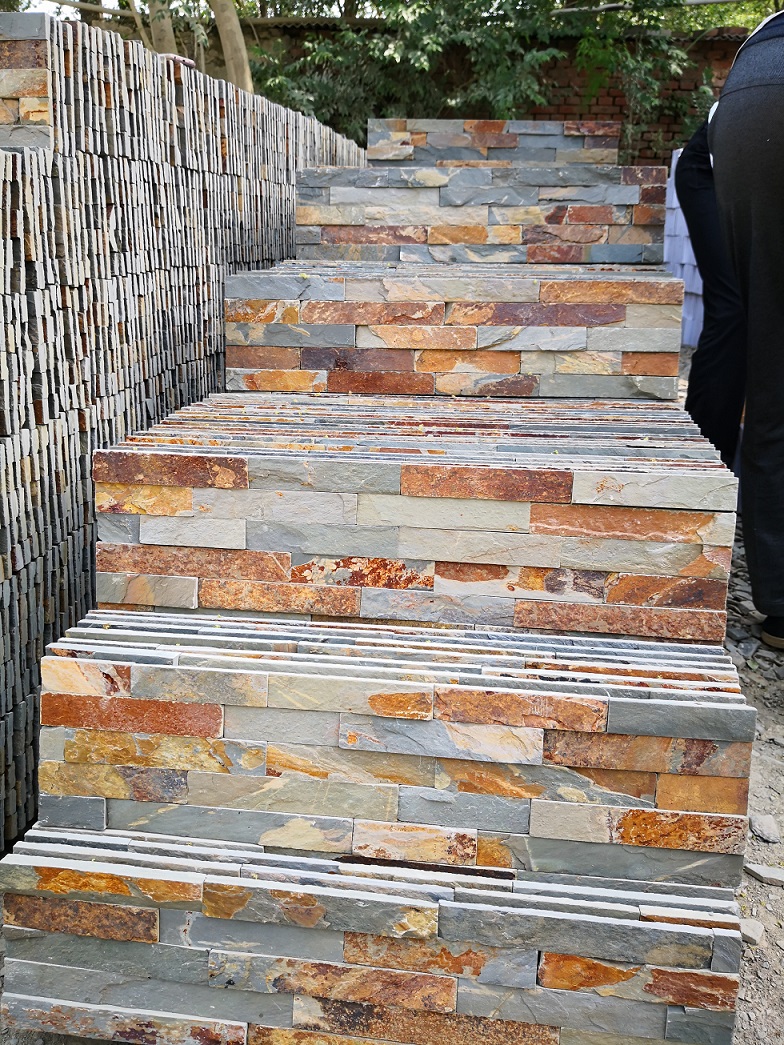
Premium-Natursteinplatten für Profit
Warum ist der Schraubenabstand aus Sicherheitsgründen wichtiger als die Wahl des Klebstoffs?
Der richtige Schraubenabstand verhindert Schäden und Ausfälle von Trockenbauwänden durch eine gleichmäßige Lastverteilung, ein Sicherheitsfaktor, den Klebstoff allein nicht bieten kann.
Die Rolle des Schraubenabstands bei der Aufrechterhaltung der strukturellen Integrität von Trockenbauwänden
Der richtige Schraubenabstand spielt eine entscheidende Rolle für die Sicherheit von Trockenbauwänden. Bei Wänden sollten die Schrauben entlang der Kanten im Abstand von 20 cm und im Feld im Abstand von 40 cm angebracht werden. Decken erfordern einen geringeren Abstand – 7 bis 8 Zoll an den Rändern und 12 Zoll im Feld –, um den Gravitationskräften entgegenzuwirken.
Gleichmäßig verteilte Schrauben verteilen das Gewicht der Trockenbauplatte gleichmäßig und reduzieren so die Biegung, die zu Rissen, Durchhängen oder Lockerung der Platte führen kann. Ohne den richtigen Abstand können sich Trockenbauwände ausbeulen, Schraubenköpfe können herausspringen und Oberflächen werden wellig, was die Sicherheit beeinträchtigt und Gefahren mit sich bringt.
Warum die Wahl des Klebstoffs allein den richtigen Schraubenabstand nicht ersetzen kann
Klebstoffe verbessern die Verbindung zwischen Trockenbau und Rahmen, verfügen jedoch nicht über die mechanische Befestigung, die für eine gleichmäßige Lastverteilung erforderlich ist. Nur Schrauben sorgen für den gleichmäßigen Halt, der die Platten sicher befestigt.
Ein Versagen der Klebstoffe führt selten zu einer sofortigen Ablösung der Platte, ein falscher Schraubenabstand führt jedoch zu einer langfristigen Lockerung und dem Risiko eines Versagens. Bei der Verwendung von Metallstiften, die Schrauben weniger zuverlässig halten als Holz, ist ein geringerer Schraubenabstand unabhängig von der Qualität des Klebers noch wichtiger.

Können Sie Naturstein sicher auf gestrichenen Trockenbauflächen verlegen?
Sie können nicht sicher sein Naturstein verlegen Furnier direkt über gestrichener Trockenbauwand aufgrund unzureichender Festigkeit und Feuchtigkeitsproblemen. Verwenden Sie stattdessen eine Trägerplatte aus Zement oder einen anderen geeigneten Untergrund.
Einschränkungen von gestrichenem Trockenbau als Untergrund für Naturstein
Bemalte Trockenbauwände können das hohe Gewicht nicht tragen Naturstein Furnier, das normalerweise zwischen 7 und 13 Pfund pro Quadratfuß wiegt. Trockenbauwände bestehen aus Gips mit Papierschichten, die für solche Belastungen nicht ausgelegt sind. Feuchtigkeit aus zementhaltigem Dünnbettmörtel oder Mörtel schwächt Trockenbauwände sofort, zersetzt die Papierschicht und verringert die Haftfestigkeit. Darüber hinaus erzeugt die Farbe eine glatte Oberfläche, die die Haftung des Mörtels weiter verringert, was die Integrität der Installation beeinträchtigt und mit der Zeit zu Ausfällen führt.
Empfohlene Untergrundalternativen für die Natursteinverlegung
Geeignete Untergründe müssen sowohl Feuchtigkeitsbeständigkeit als auch strukturelle Unterstützung bieten, um Natursteinfurnier sicher zu halten. Eine Möglichkeit ist die Installation einer 0,25 Zoll dicken Zementträgerplatte über einer gestrichenen Trockenbauwand mit Schrauben, die lang genug sind, um die Trockenbauwand und mindestens bis zur Hälfte in die Wandpfosten einzudringen. Diese Methode gewährleistet ausreichende Festigkeit und Feuchtigkeitsschutz.
Bei dünnem Steinfurnier kann das Auftragen einer Metalllatte mit einer Kratzschicht auf die Trockenbauoberfläche bei korrekter Ausführung eine ausreichende Haftgrundlage schaffen. Allerdings erfordert dies Fachwissen, um die Haltbarkeit zu gewährleisten.
Der sicherste Ansatz auf lange Sicht besteht darin, die gestrichene Trockenbauwand vollständig zu entfernen und sie durch eine Zementplatte, einen Ziegelstein oder einen Mauerwerksuntergrund zu ersetzen. Diese Materialien halten von Natur aus den Gewichts- und Feuchtigkeitsproblemen stand, die die Natur mit sich bringt Steininstallationen und vermeiden Sie vorzeitige Ausfälle.
Wann man Trockenbauwände durch Zementträgerplatten ersetzt: Die Feuchtigkeitsregel
Verwenden Sie in Bereichen, die direktem Wasser oder langfristiger Feuchtigkeit ausgesetzt sind, Zementträgerplatten anstelle von Trockenbauwänden, um Schäden und Schimmelbildung zu vermeiden.
Feuchtigkeitseinwirkung und ihre Auswirkungen auf Wandmaterialien verstehen
Trockenbauwände nehmen schnell Wasser auf und zerfallen, wenn sie direkter oder andauernder Feuchtigkeit ausgesetzt werden. Feuchtigkeit führt zu Schimmelbildung und strukturellen Schäden, wenn Trockenbauwände nass bleiben. Feuchtigkeitsbeständige Trockenbauwände wie Grünplatten vertragen mäßige Luftfeuchtigkeit oder gelegentliche Spritzer, versagen jedoch in dauerhaft feuchter Umgebung. Bereiche wie Duschen und Wannenränder benötigen Materialien, die einer konstanten Feuchtigkeit standhalten.
Vorteile von Zementträgerplatten für feuchtigkeitsanfällige Bereiche
Zement-Trägerplatten sind eine Mischung aus Zement, Sand und Fasern, die sie robust und feuchtigkeitsbeständig machen. Es nimmt kein Wasser auf und verhindert so die Entstehung von Fäulnis und Schimmel. Neben der Feuchtigkeitsbeständigkeit erhöhen Zementplatten die Feuerbeständigkeit, reduzieren Schimmel in Innenräumen und verbessern so die Luftqualität. Normalerweise wird es mit wasserdichten Membranen installiert, um in feuchten Umgebungen eine starke Barriere gegen Feuchtigkeit zu schaffen.

Wie kann man Bolzen durch Steinschichten für schwere Lasten finden und anvisieren?
Das Auffinden von Bolzen durch Steinschichten hindurch ist aufgrund der Dichte und Metallinterferenzen schwierig; Für die Montage schwerer Lasten werden professionelle Werkzeuge und Mauerankerlösungen empfohlen.
Herausforderungen beim Auffinden von Bolzen hinter Steinschichten
Steinschichten erschweren die Bolzenerkennung aus mehreren Gründen. Dick Stein und Mauerwerk absorbieren und blockieren die Sensoren elektronischer Bolzensucher und begrenzen so deren Eindringtiefe. In die Wand eingebettete Metallschichten wie Drahtgeflecht oder Folienisolierung stören die elektronischen Signale, auf die Bolzensucher angewiesen sind. Steinverkleidete Wände verzichten häufig auf Holzpfosten hinter der Oberfläche und verwenden stattdessen Maueranker, was bei schweren Lasten unterschiedliche Montagetaktiken erfordert.
Ansätze zur sicheren Schwerlastmontage an Steinwänden
Standardtechniken zur Bolzensuche funktionieren selten bei dichtem Stein Schichten. Sie können die Erkennung möglicherweise verbessern, indem Sie professionelle Radar-Bolzensucher verwenden, die eine bessere Durchdringung bieten, obwohl die Ergebnisse je nach Wandbeschaffenheit immer noch stark variieren können. Für eine sichere Montage wenden Sie sich am besten an Bauingenieure oder Maurerexperten, um die richtigen Anker oder Bolzen auszuwählen Natürliche gestapelte Steinplatten sicher. Das Wissen Steinplatte Das Gewicht – im Allgemeinen etwa 8 bis 13 Pfund pro Quadratfuß – und die Installationsmethode helfen bei der Entscheidung, ob eine verstärkte Unterlage oder spezielle Mauerwerksanker erforderlich sind.
Die Bewertungsmethode: Warum das Kratzen der Papieroberfläche obligatorisch ist
Das Ritzen der Trockenbaupapieroberfläche sorgt für eine starke Mörtelhaftung und verhindert das Versagen des Steinfurniers, indem es die mechanische Haftung verbessert und eine Wechselwirkung mit Feuchtigkeit ermöglicht.
Die Rolle des Ritzens bei der Oberflächenvorbereitung von Trockenbauwänden
Vorher ist es wichtig, die Papieroberfläche der Trockenbauwand zu zerkratzen oder zu zerkratzen Einbau von Natursteinen Furniere. Die Papieroberfläche von Trockenbauwänden ist glatt und wirkt wie eine Feuchtigkeitsbarriere, die Mörtel abstößt und die Klebebindung schwächt. Durch das Ritzen entsteht eine rauere Oberfläche, die die mechanische Bindung verbessert und es dem Mörtel ermöglicht, fest auf der Trockenbauwand zu haften. Dieses Präparat reduziert das Risiko von Steinplatten insbesondere unter der hohen Belastung von Naturstein oder bei Temperaturschwankungen abblättern oder abplatzen.
Empfohlene Bewertungstechniken und Spezifikationen
Zum effektiven Ritzen gehört das Anbringen kontrollierter, flacher Rillen oder das leichte Schleifen, um das Trockenbaupapier zu brechen, ohne den Gipskern zu beschädigen. Die Konsistenz der Ritzen ist entscheidend: Die Aufrechterhaltung einer gleichmäßigen Oberflächenstruktur sorgt dafür, dass der Mörtel gleichmäßig über die gesamte Installationsfläche verläuft. Dieser Ansatz ist auf den Gewichtsbereich von abgestimmt Natürlicher gestapelter Stein, das normalerweise 8 bis 13 Pfund pro Quadratfuß wiegt und eine starke und dauerhafte Haftung gewährleistet.
Umgang mit Fugenbändern: Sollten Sie Trockenbauwände vor dem Verlegen von Stein abkleben?
Vor der Verlegung von Natursteinfurnieren ist kein Trockenbau-Fugenband erforderlich; Konzentrieren Sie sich stattdessen auf die Grundierung und Untergrundvorbereitung.
Rolle des Trockenbau-Fugenbandes bei der Installation von Steinfurnieren
Das Abkleben von Trockenbaufugen dient als kosmetische Technik zur Schaffung glatter Oberflächen für die Farbe und nicht zur strukturellen Haftung. Wann Installation von NatursteinfurnierDas Abkleben von Trockenbaufugen bietet keinen Vorteil für die Haftung oder Lastaufnahme. Steinfurnier kann ohne Klebeband direkt auf Trockenbaufugen aufgetragen werden. Die entscheidenden Schritte sind die Reinigung der Trockenbauoberfläche und deren ordnungsgemäße Grundierung vor dem Auftragen von Steinkleber.
Empfohlene Trockenbauvorbereitung für Top Source Stone Veneer
- Neue Trockenbauflächen vorher grundieren Steinfurnierinstallation um die Bindungsstärke zu erhöhen.
- Stellen Sie sicher, dass die Trockenbauwand sicher befestigt, sauber und frei von Staub, Fett oder Verunreinigungen ist, die die Haftung schwächen können.
- Ersetzen Sie bei Wänden mit einer Höhe von mehr als 10 Fuß oder in Bereichen mit hoher Feuchtigkeit die Trockenbauwand durch eine Trägerplatte aus Zement, um strukturelle Integrität und Feuchtigkeitsbeständigkeit zu gewährleisten.
- Starterstreifen einbauen und Aufbau auftragen Verkleidungsbänder als Teil der Steinverblendung System; Diese ersetzen nicht das Fugenband für Trockenbauwände.
Das Befolgen dieser Vorbereitungsschritte gewährleistet eine ordnungsgemäße Unterstützung und Haftung Installation der gestapelten Natursteinplatten von Top Source Stone. Die Verwendung von Zementplatten dort, wo die Feuchtigkeitseinwirkung oder die Höhenbeschränkungen die Trockenbaufähigkeit überschreiten, verhindert langfristige Ausfälle.
Häufig gestellte Fragen
Ist Standard-Trockenbau für die Installation von Natursteinfurnieren geeignet?
Standard-Trockenbauwände sind für Natursteinfurnier nicht geeignet, da diese nicht ausreichend tragfähig und feuchtigkeitsempfindlich sind. Trockenbauwände können im Laufe der Zeit unter dem Gewicht des Steins und der durch Klebstoffe verursachten Feuchtigkeit reißen, sich verbiegen oder versagen.
Kann der Kleber Liquid Nails zum Befestigen von Steinen an Trockenbauwänden verwendet werden?
Ja, es werden jedoch nur spezifische Formulierungen wie Liquid Nails Heavy Duty empfohlen. Das Das Produkt haftet gut auf beiden Steinen und Trockenbauwänden und bildet nach dem Aushärten eine wasserfeste Verbindung, wodurch es für Steininstallationen auf Trockenbauwänden geeignet ist.
Sollten lackierte Oberflächen vor der Installation von Schichtsteinfurnieren entfernt werden?
Ja, lackierte Oberflächen müssen entfernt werden, typischerweise durch Sandstrahlen oder Entlacken, da Farbe die ordnungsgemäße Haftung verhindert und die Haltbarkeit der Installation beeinträchtigen kann.
Ist es notwendig, Trockenbaufugen abzukleben, bevor Steinfurnier angebracht wird?
Es gibt keine eindeutigen Informationen darüber, dass Trockenbaufugen vor dem Aufbringen von Steinfurnier abgeklebt werden müssen. Beim Trockenbau-Klebeband geht es um die Glätte der Farboberfläche, die sich von den Anforderungen an die Vorbereitung von Steinfurnieren unterscheidet.
Was passiert, wenn bei der Steinfurnierinstallation hinter Trockenbauwänden Bolzen fehlen?
Fehlende Bolzen verursachen ein erhebliches Versagen der strukturellen Stütze und führen zu Rissen, Durchhängen oder Ablösungen des Steins. Eine angemessene strukturelle Unterstützung ist von entscheidender Bedeutung Verteilen Sie das Gewicht des Steins sicher und verhindern Sie die Installation Versagen.
Abschließende Gedanken
Zwar günstiger Steinfurniere oder unsachgemäß geschnittene Substrate Die anfänglichen Kosten, die CNC-Diamantschneidepräzision von Top Source Stone und die Gleichmäßigkeit des Steinbruchs in der gleichen Charge gewährleisten strukturelle Integrität und ästhetische Einheitlichkeit, die Ihre Projekte vor kostspieligen Ausfällen und Rückrufen schützt. Unsere Prämie NatursteinplattenMit einem Gewicht von 8–12 Pfund/Quadratfuß und geeigneten Zementplattensubstraten minimieren Sie Feuchtigkeits- und Gewichtsrisiken, die Trockenbau allein nicht bewältigen kann. Eine zuverlässige Bestands- und Qualitätskontrolle führt direkt zu Händlervertrauen und Margensicherheit.
Machen Sie keine Kompromisse bei der Leistung – beginnen Sie mit einem Musterset, um unsere Handwerkskunst und Steinbearbeitung aus erster Hand zu erleben. Kontaktieren Sie unser Engineering-Team, um Möglichkeiten für Handelsmarken zu erkunden, oder fordern Sie unseren neuesten Katalog an, um Ihr nächstes Projekt mit Zuversicht zu planen.