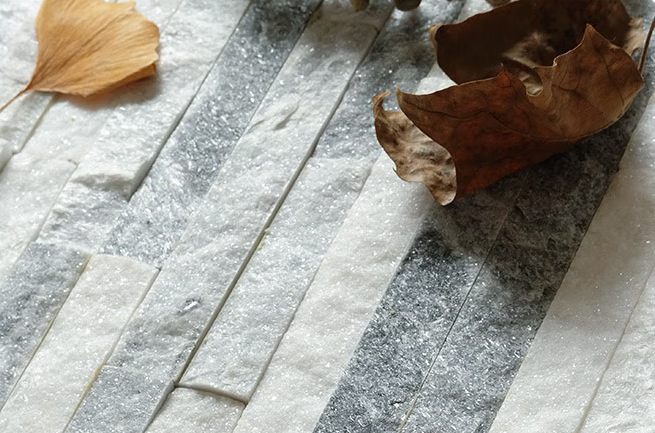
Specifying Exterior Stacked Stone for high-performance facades requires a zero-tolerance approach to mineral porosity to prevent catastrophic stone detachment in sub-zero climates. Sourcing weathered surface stone leads to ASTM C67 failure and massive liability for project developers and wholesalers.
This technical analysis details how deep-strata sourcing and <0.4% water absorption benchmarks eliminate frost heave. We use marine-grade epoxy resin and machine-sawn gauged backing (+/- 2mm) to ensure 100% mortar contact and prevent delamination in high-cycle environments.
The Science of Freeze-Thaw Resistance: Deep-strata mineral selection vs. weathered surface stone.
Deep-strata Steinauswahl and sub-0.4% absorption rates prevent ice expansion from fracturing panels, ensuring structural integrity in extreme sub-zero climates and high-moisture environments.
| Leistungsmetrik | Deep-Strata Mineral (TSS Standard) | Weathered Surface Stone |
|---|---|---|
| Mineral Matrix | High-density crystalline structure | Porous, oxidized sedimentary layers |
| Water Absorption | <0.4% (Granite) / <0.2% (Marble) | 1.5% – 5.0% (Variable) |
| ASTM C67 Durability | Pass (50 Cycles, zero fissuring) | Fail (Spalling and surface cracking) |
| Mohs-Härte | 7–8 (Quartzite Selections) | 3–5 (Typical) |
Mechanics of Frost Heave and Mineral Porosity
Ice expands by 9% when it freezes. In porous stone, this expansion creates massive internal pressure that leads to visible cracking and spalling. Weathered surface stones exhibit high porosity because millennia of environmental exposure and oxidation have weakened their structural bonds. These materials often fail when water infiltration reaches critical saturation points within loose sedimentary layers or pre-existing micro-fissures.
ASTM C67 testing subjects stone samples to 50 cycles of rapid freezing and thawing to simulate multiple winter seasons. We analyze the results under magnification to ensure zero visible fissuring. For B2B projects in high-cycle regions, choosing deep-quarry minerals is the only way to avoid the callbacks associated with moisture-trapping surface stone.
Deep-Strata Sourcing and Low-Absorption Benchmarks
Top Source Stone extracts minerals exclusively from deep-strata quarry layers. This sourcing strategy yields a non-porous crystalline matrix that naturally resists water ingress. By bypassing the weathered upper crust of the quarry, we secure a consistent mineral density that handles thermal expansion stress without delaminating.
- Absorption Benchmarks: Rates under 0.4% for granite and 0.2% for marble per ASTM C97 standards.
- Quartzite Hardness: Arctic Golden and Sierra Blue selections provide a Mohs hardness of 7–8.
- Adhesive Integrity: We use marine-grade epoxy resin to ensure the panel bond remains intact during 26.5-ton heavy-load transit and extreme climate shifts.
- Certification Standards: All batches meet ASTM C1670 requirements for shear bond and moisture durability.
This technical focus on material density eliminates the need for frequent chemical sealer applications. While surface-harvested stones require constant maintenance to prevent water saturation, deep-strata quartzite and granite maintain their structural integrity through raw mineral density alone. We provide full HD pre-shipment verification for every wholesale batch to ensure color consistency and mineral quality before the container leaves the factory.
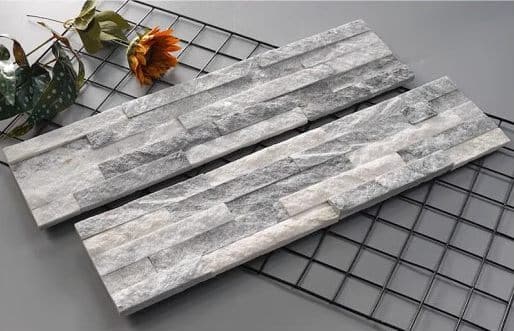
Adhesive Systems: Why Marine-Grade Epoxy Beats Standard Mortar
Marine-grade epoxy resin creates a permanent chemical fusion, providing the tensile strength and thermal flexibility that standard cementitious mortars lack in modular Steinapplikationen.
Limitations of Rigid Cementitious Bonds in Modular Systems
Standard polymer-modified mortars compliant with ANSI A118.4 rely on mechanical anchoring. While sufficient for individual tiles, these bonds often fail under the shear stress generated by pre-assembled modular panels. In exterior settings, the rigidity of a cementitious bed becomes a liability because it cannot absorb the differential movement between Naturstein and heavy-duty substrates.
Forensic analysis of stone delamination reveals that traditional mortar beds frequently contain microscopic voids. These pockets trap moisture, leading to specific technical failures:
- Hydrostatic Pressure: Trapped water expands during freeze cycles, destabilizing the bond per ASTM C67 standards.
- Mortar Hydrolysis: Prolonged moisture exposure in coastal zones causes chemical breakdown in standard masonry cements.
- Shear Failure: Rigid mortars lack the elasticity to survive the vibration cycles inherent in long-haul logistics.
High-Strength Resilience of Marine-Grade Epoxy Resin
Top Quellstein utilizes a Marine-Grade Epoxy Resin system to solve the adhesion gap. Unlike mortar, which sits on the surface, this epoxy creates a chemical fusion between the stone and the backing. We pair this adhesive with machine-sawn gauged backing—maintaining a strict +/- 2mm tolerance—to ensure 100% surface contact and eliminate the air pockets that plague traditional installations.
This engineering choice directly impacts the commercial viability and lifespan of the product in high-demand environments:
- Logistics Security: The bond prevents stone detachment during 26.5-ton heavy-load transit, even in high-vibration shipping environments.
- Thermal Flexibility: The epoxy remains stable during extreme temperature fluctuations, preventing the cracking common in brittle mortar systems.
- Corrosion Resistance: Marine-grade adhesives naturally repel salt-air and chloride infiltration, exceeding 2026 architectural standards for coastal durability.
Switching from mechanical mortar bonds to chemical epoxy fusion removes the primary cause of project callbacks. For wholesalers and developers, this translates to a facade system that stays intact despite environmental stress or transit rigors.
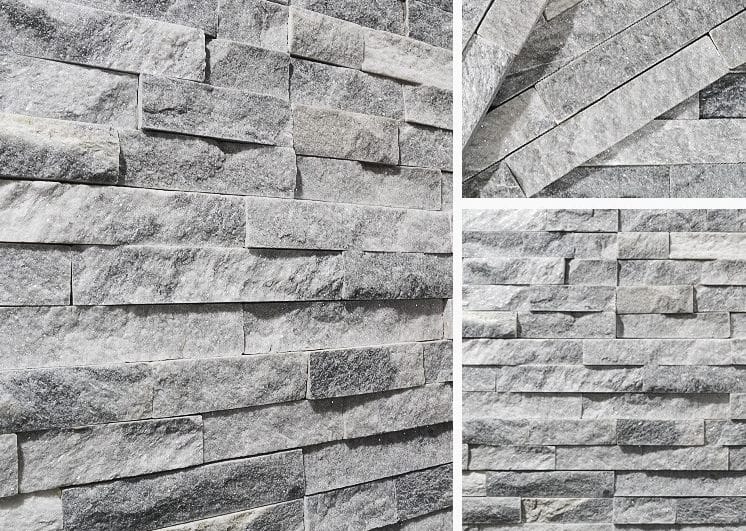
Engineering for High-Rise Facades: Managing wind loads and substrate deflection.
High-rise facade integrity relies on L/360 deflection limits, 100% mortar contact for negative wind load resistance, and marine-grade epoxy bonding to prevent delamination at elevation.
| Engineering Factor | High-Rise Requirement | Technical Purpose |
|---|---|---|
| Deflection Limit | L/360 or L/600 | Prevents substrate movement from cracking stone |
| Klebstofftyp | Marine-Grade Epoxy | Resists extreme thermal expansion at height |
| Mortar Contact | 100% Coverage | Eliminates voids to resist negative wind pressure |
| Backing Tolerance | +/- 2mm Gauged | Ensures flush fit and accelerated bonding |
Substrate Deflection and Lateral Wind Load Standards
Rigidity determines the lifespan of a high-elevation facade. If the substrate flexes beyond the L/360 limit, the bond between the Stein und die Mauer fails, leading to cracking or complete delamination. For projects exceeding the 10-foot height threshold, engineering must account for lateral forces that standard residential installations never face.
- IBC 1404.7 Compliance: We adhere to Steinfurnier anchoring protocols for concrete and steel stud backups.
- MSJC TMS 402: We follow structural masonry codes to manage how backup walls resist environmental loads.
- ASTM C1400: This testing validates the durability of Außenstein facade designs at significant elevations.
- Lateral Movement: Systems must manage 2026 structural movement standards to mitigate stress from wind pressure.
Marine-Grade Epoxy and Gauged Backing Performance
Standard mortars often fail at high altitudes because of severe thermal cycling and negative wind pressure. Top Source Stone utilizes a machine-sawn gauged backing to ensure every panel sits flush against the substrate. This removes air pockets that moisture or wind could exploit to trigger bond failure.
- Marine-Grade Epoxy Resin: This bonding agent prevents stone detachment during heavy-load transit and extreme thermal expansion.
- Gauged Backing: A machine-sawn +/- 2mm tolerance allows for 100% mortar contact and faster installation.
- High-Density Minerals: Deep-strata sourcing ensures near-zero water absorption, protecting the facade from frost heave.
- Negative Load Resistance: Eliminating air voids stops wind suction from compromising the vertical stack.
By focusing on substrate stability and precision manufacturing, we eliminate the common failure points associated with high-rise Steinverkleidung. Engineering for these environments requires moving beyond aesthetic choices and prioritizing the mechanical bond between the stone and the building structure.
Premium Natural Stone for Architectural Success
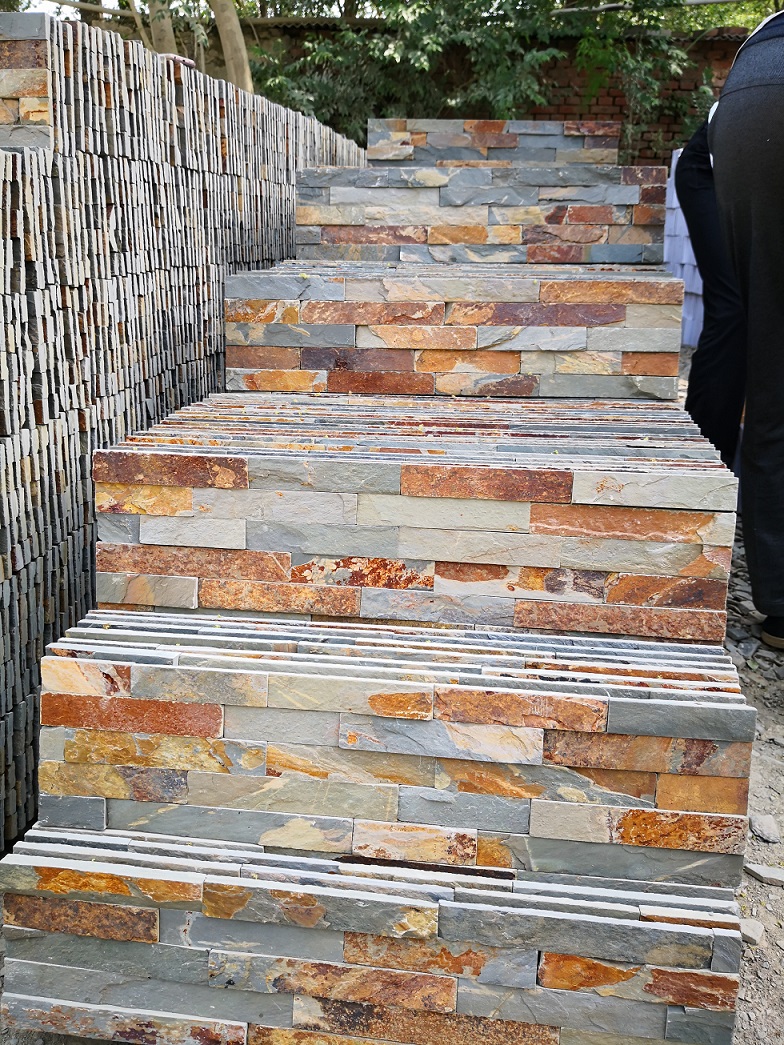
Coastal Resilience: Defending Against Salt-Spray and Chloride Pitting.
High-density minerals and marine-grade epoxy prevent chloride-driven spalling and bond failure, ensuring 25-year structural integrity in high-salinity marine environments.
Mechanisms of Salt-Air Degradation and Chloride Pitting
Coastal Steininstallationen fail when saline moisture penetrates the mineral matrix. As salt water evaporates, crystals grow within the pores—a process known as sub-fluorescence. These crystals exert massive internal pressure, eventually popping the surface of the stone in a cycle of spalling. In standard B2B projects, using porous stone like sandstone or low-grade limestone leads to visible surface erosion within 36 months of exposure.
The bond between the substrate and the stone is the primary failure point in marine zones. Chloride ions penetrate traditional cementitious mortars, triggering hydrolysis. This chemical reaction dissolves the adhesive bond, leading to stone detachment even if the mineral itself remains intact. Forensic analysis of coastal failures indicates several critical risk factors:
- Sub-fluorescence Pressure: Salt crystal expansion within stone pores causes surface delamination.
- Mortar Hydrolysis: Chloride infiltration weakens standard thinset chemistry.
- Impact Vulnerability: Steinfurniere are 20-30% more likely to crack under storm-driven debris compared to monolithic blocks.
- Gewichtsgrenzen: Units must stay under 15 lb/sq ft to maintain shear bond strength in high-wind zones.
Deep-Strata Mineral Selection and Marine-Grade Epoxy Bonding
We mitigate these risks by sourcing exclusively from deep-strata quarry layers. These minerals possess a non-porous crystalline structure that physically blocks saltwater intrusion before it starts. While surface-level stone is prone to oxidation and yellowing, deep-strata quartzite maintains batch color consistency in high-humidity climates. For B2B dealers, this means zero callbacks related to “lückenhaft” or pitted facades.
To ensure zero stone detachment, we replace standard mortars with a specialized marine-grade epoxy resin. This adhesive handles extreme thermal expansion and remains chemically inert when exposed to salt spray. It creates a waterproof seal at the back of the panel, protecting the substrate from incidental moisture retention. We prioritize high-density selections for architectural projects near the shoreline:
- Arctic Golden & Midnight Slate: Dense minerals with near-zero absorption that resist chloride pitting.
- Marine-Grade Epoxy Bond: Advanced adhesive that prevents failure from moisture-driven delamination.
- Gauged Backing: Machine-sawn backs (+/- 2mm) ensure 100% mortar contact, eliminating air pockets where salt water could pool.
- Low-Iron Quartzite: Specifically Glacier White, which prevents the yellowing or rusting common in high-iron coastal stone.
Retailers and wholesalers should note that while many competitors use standard mesh and cement backing, these materials fail the 1,500-hour salt spray benchmark. Our quarry-to-container approach ensures that every batch meets these high-density requirements, stabilizing long-term project ROI for commercial facades.

Dual-Layer Water Barrier Systems: Preventing moisture trap behind the facade.
Dual-layer barriers create a 3/16-inch drainage plane to prevent moisture traps and substrate rot, meeting 2026 building codes for adhered Steinfurnier Installationen.
International Building Code Standards for Drainage Planes
Current building codes require a dual-layer water-resistive barrier (WRB) for adhered stone on frame construction. This setup creates a dedicated drainage plane that moves water away from the structural wall. Without this gap, hydrostatic pressure forces incidental moisture into the substrate, causing mold and rot.
- Drainage Gap: A 3/16-inch (4.8 mm) rainscreen clearance facilitates gravity-driven drainage.
- Bond Break: Secondary WRB layers prevent the mortar scratch coat from clogging the primary drainage path.
- Einhaltung: ASTM E2556 Type 2 standards ensure the barrier maintains integrity in high-moisture zones.
- Installation Logic: Shingle-fashion lapping (2-inch horizontal, 6-inch vertical) prevents capillary action.
Machine-Gauged Backing for Void-Free Mortar Contact
Surface irregularities on the back of natural stone often create air pockets that trap water. These voids lead to freeze-thaw spalling and bond failure. Top Source Stone solves this by precision-machining every panel to ensure the stone sits flush against the substrate.
- Backing Tolerance: Machine-sawn gauged backing at +/- 2mm ensures 100% mortar contact.
- Adhesive Strength: We use Marine-Grade Epoxy Resin for panel assembly to prevent detachment during thermal expansion.
- Mineraldichte: We source stone from deep-strata quarry layers for a crystalline structure with near-zero water absorption.
- B2B Efficiency: Gauged backing accelerates installation speed and removes the need for manual on-site adjustments.
Standard installations often fail because single-layer barriers allow water to sit against the Stein. Using a dual-track system with a dedicated drainage mat ensures the wall breathes. This technical rigor is the primary factor in extending the lifespan of exterior facades beyond the typical 10-year failure threshold.
Global Logistics ROI: 26.5-Ton Heavy-Load Optimization for non-US markets.
26.5-ton payloads reduce per-unit freight costs by 30% in non-US markets. Heavy-tested 20GP containers maximize square-meter capacity, directly increasing project margins for international distributors.
Container Payload Density and Unit Cost Efficiency
Sea freight functions as a fixed cost per container. Shipping a half-empty container at 17.5 tons incurs the same base ocean freight as a 26.5-ton load, yet the latter spreads that expense across significantly more material. We leverage this to drive down the landed cost per square meter for wholesalers in Australia, Europe, and the Middle East.
Maximizing the weight limit shifts the financial profile of every shipment. By increasing stone volume from 17.5 to 26.5 tons, distributors lower their break-even point and improve inventory turnover. This strategy enables large-scale distributors to maintain more competitive pricing without sacrificing their internal margins.
- Standard Payload (US/CA): 17.5 Tons (Road-legal compliance)
- Global Heavy-Load: 24.5 – 26.5 Tons
- Cost Reduction: Approx. 30% lower freight expense per unit
- Warehouse Efficiency: Higher density per pallet reduces required footprint for identical stock volumes
The Heavy-Load ROI Optimizer for Global Distribution
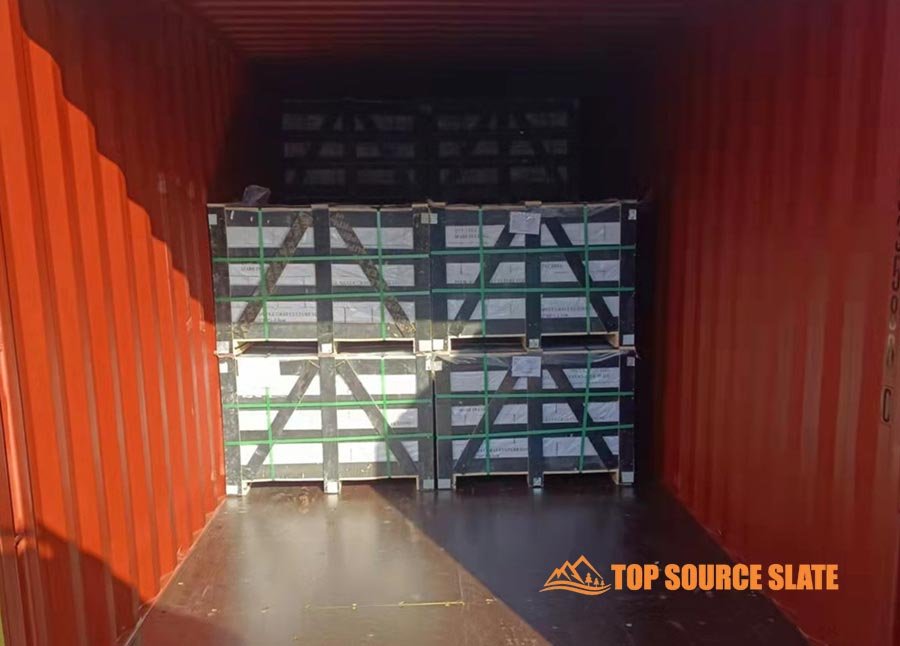
Shipping at maximum capacity requires more than just filling a box. We use heavy-tested 20GP containers specifically rated for 26.5-ton payloads. This prevents structural failure during transit and ensures port authorities in AU, EU, and GCC markets accept the cargo without safety delays.
Safety during high-pressure transit is non-negotiable. We bond all ledgers with Marine-Grade Epoxy Resin. This industrial adhesive maintains stone stability and prevents detachment, even when pallets are stacked to maximize the 756–864 Quadratmeter capacity allowed by the heavy-load configuration.
- Container Type: 20GP Heavy-Tested (Non-standard rating)
- Adhesive Standard: Marine-Grade Epoxy Bond (Thermal expansion resistant)
- Packaging: 20-pallet configuration utilizing 3 or 5-Ply reinforced export-grade corrugated boxes
- Shipment Yield: 756–864 m² per 20GP container
- Target Markets: Australia, Europe, GCC, and Southeast Asia
The Engineering Verdict
Choosing weathered surface stone creates a liability for dealers, as high water absorption leads to inevitable spalling and bond failure in extreme climates. Our deep-strata mineral selection and marine-grade epoxy systems eliminate these risks, ensuring facades remain intact through 50+ freeze-thaw cycles. This technical rigor safeguards your commercial reputation and prevents the costly project callbacks that erode wholesale margins.
Review our “Große 10” best-sellers to align your inventory with current architectural demands for Alaska Gray or Glacier White. We recommend starting with a 300 m² trial order to verify our machine-gauged backing and L-corner efficiency in a live environment. Reach out to our engineering team today to request a physical sample kit or to discuss private label options for your brand.
Häufig gestellte Fragen
How does natural stacked stone perform in extreme freeze-thaw climates?
High-density minerals sourced from deep-strata layers ensure near-zero water absorption, meeting ASTM C1670 standards. To prevent stone detachment during thermal expansion, our panels use marine-grade epoxy resin instead of standard mortar. This maintains structural integrity through 50+ freeze-thaw cycles with less than 1.5% weight loss.
Is a drainage system required for exterior stone veneer installations?
Building codes mandate a minimum 3/16-inch drainage plane behind the water-resistive barrier (WRB) for exterior systems. This gap prevents hydrostatic pressure buildup and moisture entrapment, which are the primary causes of delamination and substrate failure in high-performance facades.
Can natural stone withstand salt-air environments in coastal regions?
Naturstein maintains performance in coastal areas through the application of breathable sealants and 316 stainless steel fasteners. These measures protect stone pores from salt crystallization pressures and surface erosion common in projects within 3,000 feet of saltwater.
What is the benefit of L-shaped corners over manual miter cutting?
Pre-fabricated L-shaped corner units (6″x12″ + 6″x12″) eliminate approximately 20% material waste and reduce on-site labor costs by 50%. These units remove the need for risky 45-degree miter cuts, providing a seamless finish on pillars while accelerating the project timeline.
Do 6″x24″ ledger panels require structural footings or brick ledges?
No. These panels weigh between 8 and 13 lbs per square foot, making them light enough for direct adhesion to structural substrates. We utilize a machine-sawn gauged backing (+/- 2mm) to ensure 100% mortar contact, eliminating air pockets and removing the need for expensive footings.
Are natural stone panels safe for use around fireplaces?
Naturstein is 100% non-combustible. Because we bond our panels with heat-resistant marine-grade epoxy, they maintain their structural integrity and color consistency even when exposed to the thermal cycles of modern interior hearths.
SEO
Title: Engineering for Durability: Äußerer gestapelter Stein for High-Performance Facades
Beschreibung: Äußerer gestapelter Stein factory. Features <0.4% absorption and marine-grade epoxy. B2B wholesale only. MOQ 300m². 26.5T loading. URL: exterior-stacked-stone-wholesale-manufacturer Keywords: Äußerer gestapelter Stein