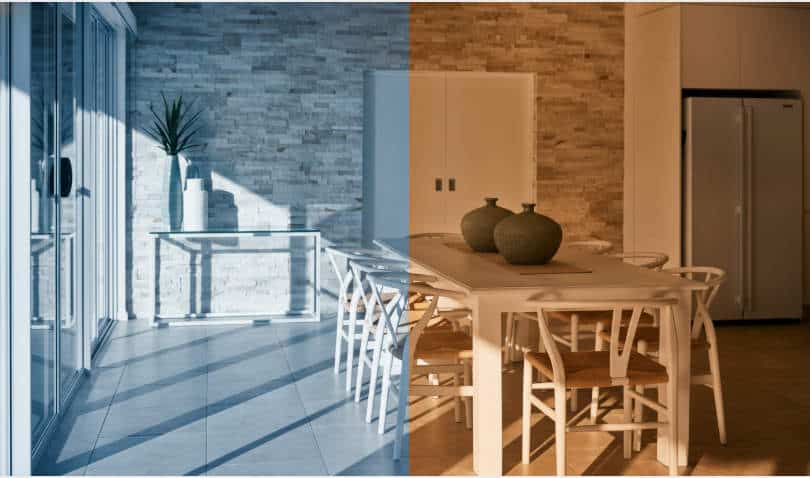
Farbabweichungen sind häufig die Hauptursache für Reibungen zwischen architektonischen Spezifikationen und abschließenden Inspektionen vor Ort und führen zu kostspieligen Projektabsagen und Verzögerungen im Zeitplan. Wenn eine auffällige Gewerbefassade sichtbare Streifen oder inkonsistente Farbtöne aufweist, liegt das finanzielle Risiko beim Beschaffungsteam, sofortigen Ersatz zu beschaffen oder mit hohen pauschalierten Schadensersatzforderungen rechnen zu müssen. Nicht übereinstimmende Erwartungen hinsichtlich des geologischen Materialverhaltens führen zu Verzögerungen bei der Übergabe und zur Verschwendung von Ressourcen in den kritischen Phasen der Installation.
Das Der Leitfaden legt einen technischen Rahmen für die Verwaltung fest Diese Veränderungen werden durch die Untersuchung der Mineralogie von Eisen und Glimmer sowie der Logistik des Chargenmischens für Großaufträge untersucht. Es beschreibt die 15-%-Varianzregel für die Erwartungen von Probe zu Standort und erläutert, wie Fabriksortierprotokolle den visuellen Fluss über mehrere Versandbehälter hinweg stabilisieren. Diese Verfahren ermöglichen es Auftragnehmern und Entwicklern, die ästhetische Integrität zu wahren und Projektzeitpläne einzuhalten, während sie gleichzeitig mit den inhärenten Eigenschaften von arbeiten Naturstein.
Warum sind keine zwei Natursteinplatten jemals geologisch identisch?
Die geologische Einzigartigkeit ist das grundlegende Wertversprechen von Naturstein; Jede Tafel dient im wahrsten Sinne des Wortes als Querschnitt durch Millionen von Jahren mineralischer Ablagerungen und tektonischen Drucks, den kein synthetischer Prozess reproduzieren kann.
Mineralzusammensetzung und Spurenelementvarianz
Die chemische Zusammensetzung von Naturstein diktiert Seine Primärfarbe und innere Struktur basieren auf den spezifischen Mineralien, die während der Bildung vorhanden sind. Wir beobachten erhebliche Farbtonverschiebungen, die auf der Konzentration von Eisenoxid basieren, das Gelb- und Rottöne ergibt, oder Mangan, das dunklere, erdige Töne hervorbringt. Selbst innerhalb eines einzelnen Steinbruchbetts verteilen sich diese Mineralien ungleichmäßig. Dadurch entsteht ein natürliches Gefälle über den Stein Gesicht statt einer flachen, monochromatischen Oberfläche.
- Eisenoxid, Feldspat und Mangan bestimmen die deutlichen Farbverschiebungen, die in verschiedenen Steinbruchlagerstätten und einzelnen Steinbetten beobachtet werden.
- Glimmereinschlüsse sorgen für eine charakteristische Reflexionsqualität und visuelle Tiefe, die zwischen jeder einzelnen Steinschicht variiert.
- Spurenverunreinigungen verteilen sich ungleichmäßig im Stein und sorgen dafür, dass selbst aus demselben Block geschnittene Platten unterschiedliche Mineralflecken und -charaktere aufweisen.
Metamorphische Prozesse und Adermuster
Durch metamorphe Aktivität werden ursprüngliche Sedimentschichten in komplexe Adermuster umgewandelt, die in modernen Architekturprojekten zu finden sind. Im Laufe von Millionen von Jahren verschmelzen enorme Hitze und Druck Ton und Schlick zu den irreparablen Streifen, die für Quarzit und Schiefer charakteristisch sind. Diese Muster folgen den natürlichen Spalten, in denen sich einst mineralreiche Flüssigkeiten durch das Gestein bewegten, und erzeugten gerichtete Strömungen, die organisch aussehen, weil sie das Ergebnis roher geologischer Kräfte sind.
Die Intensität dieses geologischen Drucks bestimmt auch die Dichte und die Kristallstruktur des Endprodukts gestapelte Steinplatte. Hochdruckumgebungen produzieren die dichten, haltbaren Körner, die in hochwertigen metamorphen Gesteinen zu finden sind, während die spezifischen mineralischen Intrusionen, die sich während der Bildung durch Risse bewegen, einzigartige Muster erzeugen, die in einer Fabrikumgebung nicht wiederholt werden können.
Sedimentschichtung und natürliche Textur
Die Textur ist ein direktes Nebenprodukt der Ablagerungsgeschichte des Steins. Saisonale Veränderungen während der Entstehungszeit hinterließen unterschiedliche Sedimentdicken und unterschiedliche Farbtöne. Wenn wir bei der Herstellung unserer Platten natürliche Spaltflächentechniken verwenden, legen wir die inneren Maserungsstrukturen frei, die seit Äonen verborgen geblieben sind. Dieser Prozess hebt ein Spektrum an Korngrößen hervor, von feinem Schlick bis hin zu groben Mineralclustern, die für jedes extrahierte Stück einzigartig sind.
- Saisonale Veränderungen während der Entstehungszeit hinterlassen im Steinbruch unterschiedliche Sedimentdicken und Farbtöne.
- Natürliche Split-Face-Texturen legen innere Kornstrukturen frei, die durch menschliche Herstellung nicht reproduziert werden können.
- Regionale Unterschiede im Steinbruchbett führen zu einem breiten Spektrum an Texturen, sodass sich keine zwei Installationen jemals gleich anfühlen.
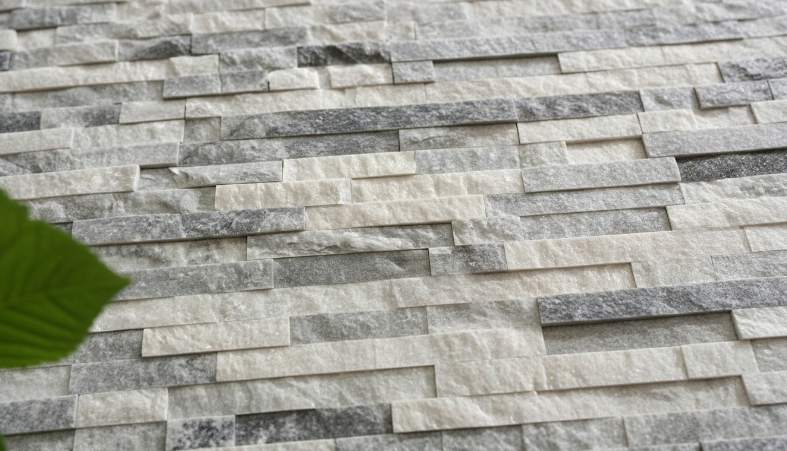
Kann eine Fabrik bei großen Projekten eine 100-prozentige Farbkonsistenz garantieren?
Während die geologische Authentizität eine 100 % identische Übereinstimmung unmöglich macht, ermöglichen die fortschrittliche Quellkontrolle und die digitale Gradierung jetzt professionellen Einrichtungen, bei großen Architekturprojekten eine 95 %ige Klangharmonie zu erreichen.
Natürliche Variation und geologische Authentizität
Natursteinplatten Sie beziehen ihren primären Wert aus der einzigartigen Mineralienvielfalt, die in tiefen Steinbruchlagerstätten zu finden ist. Weil diese Die Paneele bestehen aus massivem Stein Blöcke, die über Millionen von Jahren entstanden sind, weisen organische Texturen und Maserungen auf, die synthetische Materialien nicht nachbilden können. Geringe Farbabweichungen zeugen von Authentizität, bestätigen die 100 % Natürlichkeit des Materials und erhöhen den langfristigen Charakter der Architektur.
- Einzelne Steinplatten weisen einzigartige Mineralstreifen auf, da sie aus echten geologischen Adern gewonnen werden.
- Der Versuch, eine 100 % identische Übereinstimmung zu erzwingen, widerspricht dem Natur von echtem Stein und entfernt die ästhetische Tiefe, die Kunden erwarten.
- Dezente Tonverschiebungen weisen auf hochwertiges, ungefertigtes Material hin, das seinen Wert besser behält als künstliche Alternativen.
Erweiterte Einstufung und dreiphasige Inspektionen
Professionelle Fabriken verwenden mehrstufige Inspektionsprotokolle, um signifikante Abweichungen herauszufiltern und die visuelle Harmonie auf Tausenden von Quadratmetern aufrechtzuerhalten. Bei Top QuellsteinWir führen eine dreistufige Überprüfung durch: unmittelbar nach dem ersten Infrarot-Schneiden, nach der Montage der ineinandergreifenden Z-förmigen Platten und noch einmal während der Endverpackung.
- Qualitätskontrollteams bewerten jeden Stein nach Farbton und entfernen alle Teile, die von der spezifischen Farbpalette des Projekts abweichen.
- Infrarot-Schneidegeräte stellen sicher, dass die Farben zwar natürlich variieren, die physische Passform jedes Panels jedoch perfekt bleibt.
- Durch die visuelle Überprüfung vor dem Versand können Käufer hochauflösende Fotos der fertigen Kisten überprüfen, um die Tonbalance vor der Restzahlung zu bestätigen.
Strategische Steinbruchauswahl und Chargenkontrolle
Die Kontrolle der Lieferkette vom Berg bis zur Kiste ist der effektivste Weg, Farbverschiebungen zu begrenzen. Wir beziehen Materialien für Großaufträge aus einer einzigen geologischen Schicht – dem gleichen Steinbruchgang –, um eine konsistente mineralische DNA über den gesamten Produktionslauf hinweg aufrechtzuerhalten. Das “Konsistenz im Steinbruch gleicher Charge” verhindert das lückenhafte, nicht übereinstimmende Erscheinungsbild, das häufig auftritt, wenn Großhändler aus mehreren unterschiedlichen Fabriken beziehen.
- Die Beschaffung aus bestimmten Steinbruchabschnitten begrenzt die Auswirkungen von Eisenoxid- und Feldspatverschiebungen.
- Durch die Koordinierung der Extraktionspläne wird sichergestellt, dass die Panels für ein einzelnes Projekt einen einheitlichen visuellen Fluss haben.
- Durch die direkte Steuerung der Lieferkette wird das Risiko einer Vermischung verschiedener Mineralchargen während des Herstellungsprozesses verringert.
Standards für digitale Überwachung und Farbwiederholbarkeit
Bis 2026 haben führende Produktionslinien KI-gesteuerte Sensoren integriert, um Umgebungsvariablen zu verfolgen, die das Aussehen des Steins beeinflussen. Mithilfe dieser Tools können Techniker Sortierkriterien anhand früherer Projekt-Benchmarks kalibrieren und so eine Farbwiederholbarkeit von 90–95 % ermöglichen, die in der Natur bisher nicht möglich war Steinproduktion.
- Echtzeitsensoren überwachen Luftfeuchtigkeit und Temperatur, um eine gleichmäßige Bindung und Harzanwendung sicherzustellen.
- Digital Farbmanagement-Tools helfen Technikern bei der Abstimmung neue Produktionsläufe etabliert “Goldene Probe” Standards.
- Fortschrittliche Prozesskontrollen minimieren Abfall und halten gleichzeitig die Farbtoleranzen innerhalb der strengsten Parameter der B2B-Branche.
Hochwertige, direkt ab Werk hergestellte, gestapelte Steinplatten
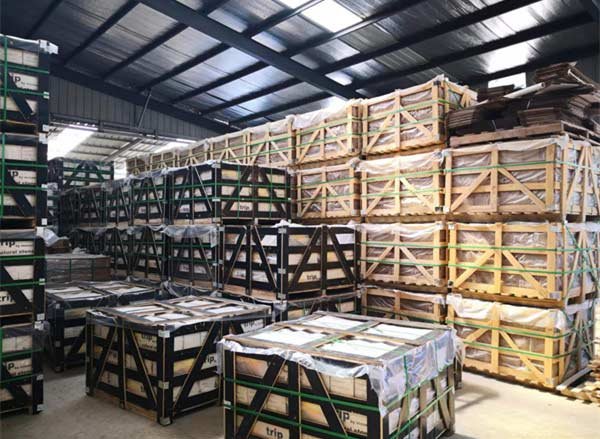
Der “Chargenmischen” Strategie: Gewährleistung eines ausgewogenen Wandfarbflusses
Wirksam Die Steininstallation erfordert ein strukturiertes Kistenmischungsprotokoll, um natürliches Material zu verteilen Mineralische Variationen verteilen sich gleichmäßig auf der Fassade und verhindern künstliche Farbblockierungen.
Natursteinplatten tragen die geologische Signatur der jeweiligen Steinbruchader, aus der sie gewonnen wurden. Während Top Source Stone eine Farbtongleichmäßigkeit von 95 % beibehält, da es pro Bestellung aus derselben Steinbruchschicht stammt, sind es die verbleibenden 5 % Abweichung, die ausschlaggebend sind echter Stein sein Charakter. Um dies zu bewältigen, Installateure ziehen Paneele von drei bis fünf verschiedenen Kisten gleichzeitig. Durch diese Vorgehensweise werden Tonverschiebungen über die gesamte Wand verteilt und so sichergestellt, dass die einzigartigen Texturen von Schiefer, Quarzit oder Marmor zufällig und authentisch und nicht lückenhaft wirken.
| Installationsprotokoll | Varianzmanagement | Visuelles Ergebnis |
|---|---|---|
| Lineare Kiste für Kiste | Hohes Risiko “Banderolierung” | Auffällige Farbblöcke und unnatürliche Übergänge. |
| 5-Kisten-Multi-Mischung | Kontrollierter Mineralfluss | Ausgewogene Klangverteilung; ahmt natürliche Steinbruchadern nach. |
| Trockenlayout-Inszenierung | Vorab überprüfte Konsistenz | Nahtloser architektonischer Abschluss; Keine Nacharbeit nach der Installation. |
Durchführung eines Trockenlayouts zur Überprüfung der Tonbalance
Das Trockenlayout ist die kritischste Phase der visuellen Inszenierung in einem High-End-Projekt. Der Bauunternehmer ordnet die Paneele horizontal auf dem Boden an, bevor er permanenten Kleber aufträgt. Dadurch kann das Designteam identifizieren “Hotspots”– Ansammlungen dunkler Mineralien oder Glimmerreflexionen – die den beabsichtigten visuellen Fluss stören könnten. Durch die Neuverteilung kontrastreicher Teile in dieser Phase erreichen Projektmanager den nahtlosen, anspruchsvollen Look, der in den kommerziellen Standards von 2026 erwartet wird.
- Die horizontale Inszenierung ermöglicht die sofortige Identifizierung von Eisenoxid-Clustern.
- Designer können Platten mit hohem Glimmergehalt austauschen, um sicherzustellen, dass das Licht gleichmäßig über die Fassade reflektiert wird.
- Durch diesen Schritt entfällt das Risiko kostspieliger Anpassungen nach dem Aushärten des Mörtels.
Verhinderung visueller Streifenbildung in großen Wandabschnitten
Große Gewerbeflächen sind besonders anfällig für horizontale Streifenbildung, wenn Installateure das Inventar nacheinander bearbeiten. Dieser Effekt tritt auf, wenn leichte geologische Verschiebungen zwischen den Kisten sichtbare Linien an der Wand erzeugen. Durch systematisches Batch-Mischen werden diese linearen Muster aufgebrochen und eine einheitliche Ästhetik über vertikale Übergänge hinweg gewährleistet. Diese Methode ist besonders wichtig bei der Verwendung von Z-förmigen Verbundpaneelen, da sie die Sicherheit gewährleistet “männlich weiblich” Verbindungen bleiben optisch unsichtbar, da die Farbdichte Vorrang vor der Kistennähe hat.
Projektmanager nutzen diese Strategie, um die architektonische Integrität der Wand vom Sockel bis zur Mauerkrone aufrechtzuerhalten. Durch die Integration von Material aus verschiedenen Paletten garantiert das Installationsteam, dass die Oberseite einer 20-Fuß-Wand perfekt mit dem Sockel übereinstimmt, wodurch der Profi erhalten bleibt Das Finish wird durch präzise CNC-Diamantklingenkanten garantiert. Diese Planungsebene verwandelt rohen Stein in eine zusammenhängende technische Oberfläche.
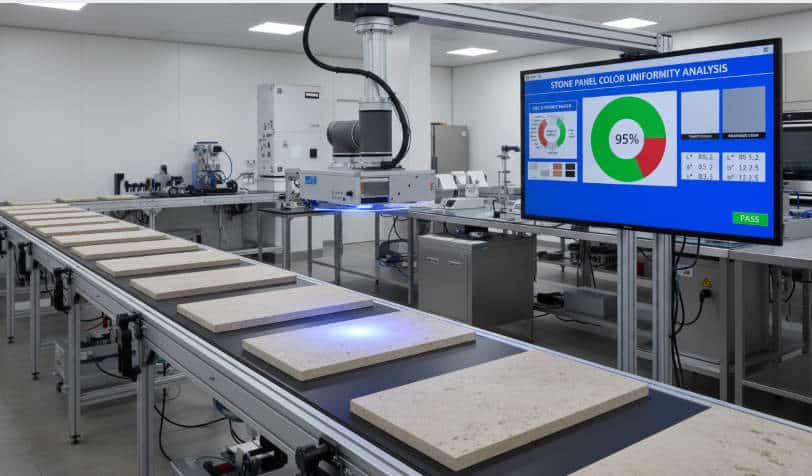
Wie Mineralien wie Eisen und Glimmer die visuelle Tiefe von echtem Stein erzeugen
Die optische Komplexität von Natursteinplatten entstehen durch die heterogene Verteilung der Mineralien, wobei Glimmer für reflektierende Leuchtkraft sorgt und Eisenoxide für eine organische Farbsättigung sorgen, die auch unter den strengen UV-Standards 2026 stabil bleibt.
Glimmerkristalle und Lichtreflexion
Glimmermineralien sorgen für einen unverwechselbaren Schimmer, der verleiht gestapelter Stein seine charakteristische Leuchtkraft. Die geschichtete Silikatstruktur von Glimmer sorgt für eine perfekte Basalspaltung, die es einzelnen Kristallen ermöglicht, Licht wie winzige Spiegel zu reflektieren. Dieser natürliche Glanz von Materialien wie Schiefer und Quarzit entsteht durch diese reflektierenden Mineraloberflächen, die tief in die Steinmatrix eingebettet sind.
- Durch Glimmer kann der Stein mit der Umgebungsbeleuchtung interagieren und sein Aussehen verändern, wenn sich der Betrachter durch einen Raum bewegt.
- Die reflektierende Qualität erzeugt eine “Leben” Wandeffekt, der zwischen Morgensonne und abendlichem Kunstlicht wechselt.
- Helle Glimmersorten, die Natrium oder Kalzium enthalten, sorgen für einen silbrigen Glanz, während dunklere Sorten metallisches Gewicht verleihen.
| Mineralische Komponente | Visueller Effekt | Top-Quellsteinmodelle |
|---|---|---|
| Glimmer (Silikate) | Hochglänzender Schimmer und Lichtreflexion | Alaska-Grau, Sierra-Blau |
| Eisenoxide | Farbverläufe in Rost, Ocker und tiefem Orange | Kalifornisches Gold, Copper Canyon |
| Quarz/Feldspat | Transluzenz und innere Strukturtiefe | Gletscherweiß, Arktisgold |
Eisenhaltige Mineralien und erdige Farbverläufe
Der Eisen- und Magnesiumgehalt im Stein bestimmt die reichen, organischen Farbvariationen, die authentische Steinbruchmaterialien ausmachen. Eisenhaltige Mineralien sorgen für tiefe Rost-, Holzkohle- und Ockertöne, die künstliche Pigmente nur schwer reproduzieren können. Da wir die Platten aus derselben Steinbruchader beziehen, behalten wir diese natürlichen Farbverläufe bei und stellen gleichzeitig sicher, dass der Farbton über die gesamte Projektinstallation hinweg konsistent bleibt.
Variationen in der Mineralkonzentration sorgen dafür, dass die Farben als natürliche Flüsse und nicht als flache, sich wiederholende Muster erscheinen. Dunklere Glimmersorten, die Magnesium oder Eisen enthalten, bilden einen starken Kontrast zu helleren Mineralien auf Natriumbasis. Dieses Zusammenspiel erhöht das visuelle Interesse und verhindert das “Plastik” sehen gewöhnlich aus Kunststeinfurniere.
Mineralverteilung und dreidimensionale Tiefe
Die Größe und Verteilung von Mineralien wie Quarz und Glimmer erzeugen einen 3D-Effekt, der dem Stein ein hochwertiges, schweres Aussehen verleiht. Unterschiedliche Kristallgrößen im Stein erzeugen eine strukturierte Oberfläche, die Schatten und Glanzlichter gleichzeitig einfängt. Um diese mineralischen Strukturen an den Kanten zu erhalten, verwenden wir CNC-Diamantschneiden, um sicherzustellen, dass die innere Tiefe auch an den Fugen sichtbar ist.
- Durchscheinende Mineralien lassen das Licht leicht unter die Oberfläche dringen, bevor es zurückreflektiert wird, wodurch ein Gefühl von innerer Tiefe entsteht.
- Das geologische Zusammenspiel verschiedener Mineralschichten sorgt dafür, dass der Stein bei grellem architektonischem Licht authentisch aussieht.
- Unser “Gleiche Charge” Die Strategie stellt sicher, dass diese Mineralverteilung über großflächige Gewerbefassaden hinweg gleichmäßig bleibt.
Warum verändert natürliches Licht die wahrgenommene Farbe Ihrer Installation?
Natürliches Licht dient als dynamischer Filter, der die Steinfarbe grundsätzlich von kühlen Morgentönen zu warmen Nachmittagstönen verändert und gleichzeitig die sichtbare Tiefe mineralischer Texturen bestimmt.
Der Einfluss täglicher Farbtemperaturverschiebungen
Natürliches Tageslicht ist keine statische Lichtquelle; Es fungiert als sich veränderndes Spektrum, das bestimmt, wie das menschliche Auge Steinpigmente im Laufe des Tages interpretiert. Morgenlicht enthält höhere Konzentrationen an Wellenlängen des blauen Spektrums, was die kühlen, silbergrauen Untertöne unserer Slate- oder Glacier White Marble-Serien hervorhebt. Während die Sonne über den Himmel wandert, sinkt die Farbtemperatur und geht in das wärmere Infrarotende des Spektrums über.
Am späten Nachmittag sorgt die Sonne für warme, goldene Farbtöne, die die eisenhaltigen Adern und Erdtöne der rustikalen Steinsorten sättigen und so Braun- und Ockertöne deutlich lebendiger erscheinen lassen als am Mittag. Architekten legen im Jahr 2026 Wert darauf, Steinproben vor Ort in drei bestimmten Zeitabständen zu bewerten – 9:00 Uhr, 12:00 Uhr und 16:00 Uhr –, um sicherzustellen, dass das ausgewählte Material über alle Tageslichtzyklen hinweg mit der beabsichtigten Atmosphäre des Projekts übereinstimmt.
Dynamisches Schattenspiel auf strukturierten Oberflächen
Die physische Tiefe unserer Paneele der Rough-Serie interagiert mit sich bewegenden Lichtquellen, um sich entwickelnde visuelle Texturen zu erzeugen. Das Sonnenlicht aus einem niedrigen Winkel, wie es für den frühen Morgen oder den späten Abend typisch ist, erzeugt lange, dramatische Schatten auf Steinoberflächen mit hohem Relief. Diese Erhöhung des Kontrasts erhöht die wahrgenommene Robustheit des gespaltenen Steins, wodurch die Installation greifbarer und greifbarer wirkt “3D.”
- Die Mittagssonne von oben flacht das Erscheinungsbild des Steins ab, da das direkte Licht Mikroschatten ausfüllt, wodurch die Oberfläche gleichmäßiger und weniger aggressiv aussieht.
- Direktes Licht unterstreicht die Technik des ineinandergreifenden Z-förmigen Systems, bei dem die männlichen-weiblichen Verbindungspunkte diese Lichtverschiebungen nutzen, um vertikale Nähte effektiver zu verbergen als statische Innenbeleuchtung.
Mineralisches Reflexionsvermögen und kristalline Highlights
Natürliche Mineralien im SteinB. Quarz und Glimmer, reagieren einzigartig auf das gesamte Spektrum des natürlichen Lichts. Glimmereinschlüsse verfügen über eine perfekte Basalspaltung, was bedeutet, dass sie wie winzige Spiegel wirken, die Licht mit hoher Intensität reflektieren. Künstliche LED-Quellen, selbst solche mit hohen Farbwiedergabeindizes, verfehlen oft die spezifischen Frequenzen, die zum Auslösen erforderlich sind “funkeln” Effekt, der in unseren Quarzitplatten zu finden ist.
Da Glimmer das Licht je nach Betrachtungswinkel unterschiedlich reflektiert, erzeugt der Stein ein Gefühl von Bewegung, wenn Menschen an der Wand vorbeigehen. Natürliches Licht offenbart auch die wahre Klarheit der Platten der Marble-Serie und zeigt die innere kristalline Struktur und die tiefe Maserung und nicht nur das Oberflächenpigment. Diese Transparenz ermöglicht es dem Licht, die ersten Millimeter des Steins zu durchdringen und so ein... “glühen” Das “falsch” Stein Produkte können nicht repliziert werden.
Belichtungsschwankungen zwischen direkter Sonneneinstrahlung und Umgebungsschatten
Die Intensität der Lichteinwirkung bestimmt die Grundsättigung und Helligkeit des Bildes Stein ist natürlich Pigmente. Installation an einer nach Süden ausgerichteten Außenseite Wand führt zu einer höheren Farbsättigung und einem lebendigen Kontrast zwischen verschiedenen Steinstreifen, da die hohe UV-Intensität die maximale Farbpalette der Mineralien zur Geltung bringt. Hier ist die 95-prozentige Farbtongleichheit unserer Steinbruchbeschaffung aus derselben Charge von entscheidender Bedeutung, da bei intensivem Licht selbst geringfügige Farbverschiebungen sichtbar werden können.
Umgekehrt sorgen nach Norden ausgerichtete oder schattige Installationen für eine gedämpfte, einheitliche Farbpalette. Diese Bereiche sind darauf angewiesen “Cool” Umgebungslicht, das die Grundmitteltöne des Steins betont und die reduziert “Pop” wärmerer Adern. Designer nutzen diese Variationen nun zu ihrem Vorteil und wählen eine einzige aus Steinmodell, jedoch unter Verwendung unterschiedlicher Gebäudeausrichtungen, um eine natürliche Gestaltung zu erzielen “Akzent” Zonen, ohne dass unterschiedliche Materialien beschafft werden müssen.
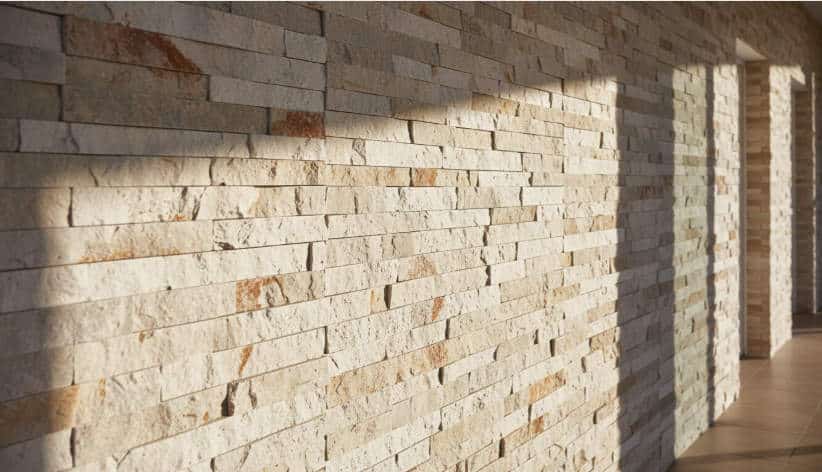
Verwalten von Proben-zu-Standort-Erwartungen: Die 15 %-Varianzregel
Erfolgreich Naturstein Die Spezifikation basiert auf der Erkenntnis, dass eine Mineralabweichung von 15 % ein Indikator für die geologische Authentizität und kein Herstellungsfehler ist, was ein proaktives Management vom Steinbruch bis zur Baustelle erfordert.
Definition der 15 %-Toleranz für natürliche Mineralverschiebungen
Industriestandards im Jahr 2026 erkennen dies an Naturstein weist inhärente geologische Schwankungen auf, die es von synthetischen Alternativen unterscheiden. Wir wenden die 15-%-Varianzregel an, um Verschiebungen in der Farbsättigung, Mineralflecken und Äderungsmustern innerhalb eines einzelnen Produktionslaufs zu berücksichtigen. Diese Abweichungen gelten als Authentizitätsmerkmal und stellen sicher, dass jede Installation ein Unikat bleibt und nicht wie eine bedruckte Keramikimitation aussieht.
- Die 15 %-Regel bietet einen messbaren Maßstab für akzeptable Verschiebungen der Mineraldichte und des Grundfarbtons.
- Unser dreistufiger Inspektionsprozess überwacht diese Verschiebungen an der Steinbruchwand, um den Großauftrag innerhalb eines definierten Sichtbereichs zu halten.
- Die Kategorisierung dieser Veränderungen als natürliche Merkmale hilft Großhändlern, die Erwartungen der Kunden während der Einreichungsphase zu verwalten.
Warum kleine Proben keine vollständige Äderung erfassen können
Handproben liefern einen strukturellen Schnappschuss, können jedoch nicht die gesamte geologische Erzählung wiedergeben, die in einer Größenordnung von 1.000 Quadratmetern zu finden ist. Eine Standardplatte im Format 6 x 24 Zoll zeigt nur einen Bruchteil der Tiefe des Steinbruchs und oft fehlen die dramatischen Farbübergänge, die im Steinbruch vorhanden sind “Raue Serie” oder der komplizierte Glimmer funkelt in Quarzit. Designer sollten physische Muster verwenden, um Grundfarbe und Finish zu bestätigen, während sie sich für die allgemeinere Ästhetik auf digitale Chargenaufzeichnungen verlassen.
| Varianzparameter | Standardmäßige Branchenpraxis | Top-Source-Stone-Protokoll |
|---|---|---|
| Toleranzmanagement | Zufällig / nicht quantifiziert | Strenge Sättigungsgrenze von 15 % |
| Chargenkontrolle | Gemischte Steinbruchschichten | Einzelvenenextraktion |
| Visuelle Überprüfung | Veraltete physische Proben | Digitale Chargenkartierung & Fotos |
- Wir empfehlen Ihnen, sich die aktuelle Batch-Fotografie aus dem Jahr 2026 anzusehen, um sich ein Bild von der Bandbreite zu machen “Bleistift” oder “Marmor” Sammlungen.
- Physische Proben dienen als Anhaltspunkt für Dicke und Gewicht, während die vollständige Bestellung den reichen Charakter natürlicher Mineralien vorstellt.
- Bei Großprojekten sollte immer auf a verwiesen werden “Bereichsprobe” bestehend aus mindestens drei Panels, um die 15 %-Verschiebung in Aktion zu sehen.
Nutzung der digitalen Chargenzuordnung für Projektkonsistenz
Fortschrittliche Logistik- und Qualitätskontrollprotokolle schließen die Lücke zwischen den ersten Mustern und der endgültigen Lieferung vor Ort. Wir verwenden digitales Scannen, um Panels mit ähnlichen Farbwerten zu gruppieren, bevor sie das Werk verlassen. Diese proaktive Sortierung stellt sicher, dass die Händler Material aus demselben Steinbruchabschnitt erhalten, wodurch radikale Verschiebungen minimiert werden, die beim Mischen von Bergschichten häufig auftreten.
- Durch die strategische Kistenbildung wird sichergestellt, dass das gesamte Material für eine bestimmte Erhebung aus demselben Extraktionszyklus stammt.
- Unser Team liefert Echtzeitbilder der genauen Kisten, die einem Projekt zugeordnet sind, und ermöglicht so eine Vorabgenehmigung des Farbflusses.
- Die digitale Kartierung reduziert “lückenhaft” Wandabschnitte durch Identifizierung von Ausreißern während der CNC-Diamantschneidephase.
Vor-Ort-Mischmethoden zur Verwaltung visueller Abweichungen
Auftragnehmer spielen eine entscheidende Rolle beim Ausgleich der 15-prozentigen Abweichung durch die Nutzung richtige Trockenverlegetechniken vor der dauerhaften Installation. Selbst bei strenger Fabriksortierung bleibt die organische Schönheit der Stein lässt sich am besten als Paneele realisieren werden während des Layoutprozesses in mehreren Kisten gemischt. Dies vermeidet unbeabsichtigtes “Farbblockierung” und schafft eine harmonische Oberfläche, die das widerspiegelt Stein ist natürlich Tiefe.
- Wir empfehlen, mindestens vier Kisten gleichzeitig zu öffnen, um Platten aus verschiedenen Abschnitten der Charge zu entnehmen.
- Trockenverlegung Stein ermöglicht dem Installateur um Mineralien wie Eisen und Glimmer gleichmäßig über die Wand zu verteilen.
- Das Mischen von Kisten entfällt “Hotspots” wo sonst mehrere dunkle Panels zusammengeballt werden könnten.
Abschluss
Verstehen und managen Natursteinvielfalt sorgt für großflächige Installationen Behalten Sie eine zusammenhängende Ästhetik bei und zelebrieren Sie gleichzeitig die einzigartige mineralische Tiefe von echtem Schiefer und Quarzit. Die Beschaffung aus einzelnen Steinbrucherzgängen und die Einhaltung der 15 %-Varianzregel ermöglichen es Fachleuten, vorhersehbare Ergebnisse zu liefern, die strengen Architekturstandards entsprechen. Dieser systematische Ansatz bei Farbverschiebungen schützt die Projektintegrität und rationalisiert den Beschaffungsprozess für Großaufträge.
Durchsuchen Sie den Bestand der Big 10, um zu sehen, wie wir die Farbeinheitlichkeit unserer beliebtesten nordamerikanischen Sortimente aufrechterhalten. Wenden Sie sich an unser Team, um ein Muster oder einen technischen Katalog anzufordern, der auf Ihre Großhandelsanforderungen zugeschnitten ist.
Häufig gestellte Fragen
Warum sieht mein Stein anders aus als das Originalmuster?
Naturstein ist ein geologisches Produkt, das durch Millionen von Jahren der Mineralienbesiedlung entstanden ist. Ihr Stein kann sich aufgrund der inhärenten Schwankungen der Mineralkonzentrationen wie Eisenoxid und Feldspat, die sich über die verschiedenen Schichten des Steinbruchs hinweg verschieben, von einer Probe unterscheiden. Eine einzelne Probe stellt nur eine Momentaufnahme der Steinbildung dar, während die gesamte Produktion die natürliche Entwicklung des geologischen Blocks widerspiegelt.
Wie kann ich sicherstellen, dass alle 50 Behälter den gleichen Farbton haben?
Um bei großen Aufträgen maximale Konsistenz zu gewährleisten, müssen Sie angeben, dass das Material aus derselben Steinbruchbank oder Blocksequenz entnommen wird. Darüber hinaus wird eine Anfrage gestellt “Bereichsprobe” oder ein werksseitiger Mischprozess vor dem Verpacken stellt sicher, dass alle natürlichen Tonverschiebungen gleichmäßig verteilt werden. Eine professionelle Inspektion und fotografische Dokumentation der Chargen vor dem Versand gehören bei Großprojekten zum Branchenstandard.
Verändert sich die Farbe von Naturstein nach der Versiegelung?
Ja, die Versiegelung kann je nach verwendetem Produkt das optische Erscheinungsbild des Steins beeinträchtigen. Während “durchdringend” oder “imprägnieren” Versiegelungen sind Entwickelt, um die Natürlichkeit des Steins zu erhalten matte Optik, “verstärkend” Versiegelungen wurden speziell entwickelt, um den Stein abzudunkeln und seine Farbe zu vertiefen, sodass eine dauerhafte Wirkung erzielt wird “Wet-Look.” Es ist wichtig, vor der Behandlung der gesamten Oberfläche eine Testanwendung an einem Reststück durchzuführen, um die endgültige Ästhetik zu bestätigen.
Warum sind einige Steine in einer einzelnen Platte dunkler als andere?
Tonabweichungen innerhalb einer einzelnen Tafel entstehen aufgrund subtiler Unterschiede in der Ablagerungsgeschichte der Mineralien. Dunklere Abschnitte weisen oft auf eine höhere Dichte an Spurenelementen oder Feuchtigkeitsspeichereigenschaften in diesem bestimmten Teil des Steins hin. Diese Nuancen sind ein Markenzeichen natürlicher Materialien und bestätigen, dass die Platten nicht künstlich gefärbt oder standardisiert wurden.
Wie mischt man verschiedene Steinchargen am besten vor Ort?
Der Goldstandard für das Onsite-Management ist das “trockenes Layout” Verfahren. Installateure sollten während des Layoutprozesses mehrere Kisten gleichzeitig öffnen und Teile aus verschiedenen Chargen entnehmen. Diese Mischtechnik vermeidet konzentrierte Flecken einer Farbe und stellt sicher, dass die inhärenten geologischen Variationen harmonisch über die gesamte Installationsfläche integriert werden.