Retrofitting Over Brick can make the difference between a smooth remodel and costly project downtime, code violations, or OSHA fines. Many contractors and remodelers underestimate how painted, greasy, or uneven brick undermines natural stone adhesion, creates hidden structural loads, and drives schedule and budget overruns when they skip the right prep. Failing to address adhesion, surface flatness, and added weight early forces change orders, stops work for engineering, and raises liability on the job.
Dieser Leitfaden dient als praktischer, technischer SOP für die Nachrüstung von Ziegelsteinen: eine Kosteneffektivitätsanalyse, klare Regeln für den Bedarf an Metalllatten, der Ritz- und Klebeansatz für bemalte Ziegelsteine, abbruchfreie Glättungstechniken und ein Schritt-für-Schritt-Protokoll für die Umwandlung von fetthaltigen Ziegelsteinen in a Naturstein Fassade. Der Kernabschnitt umfasst Vorbereitungschecklisten, Werkzeug- und Materialspezifikationen, Klebstoff- und Lattenauswahl, Sicherheitskontrollpunkte, Reihenfolge und Fehlerbehebung sowie eine einfache Checkliste für die Strukturberechnung, damit Teams die Auswirkungen auf die Dicke abschätzen und wissen können, wann sie einen Techniker rufen müssen.
Warum ist die Nachrüstung die kostengünstigste Kaminaufrüstung?
Durch eine Nachrüstung wird der Wert bestehender Strukturen erfasst, eine thermische Effizienz von über 80–85 % erzielt und das Kapital schneller zurückgewonnen als bei einem Abriss oder einem kompletten Neubau.
Quantifizierter Kostenvergleich: Nachrüsteinsatz vs. Komplettersatz
Ein Nachrüsteinsatz lässt sich in der Regel in 1–2 Tagen installieren, was im Vergleich zu einem vollständigen Mauerwerksaustausch, der mehrere Wochen dauern kann, den Arbeitsaufwand und die Unterbrechung der Baustelle verringert. Ältere offene Kamine verlieren etwa 80–90 % der erzeugten Wärme im Schornstein, während moderne Kamineinsätze in der Regel einen thermischen Wirkungsgrad von über 85 % erreichen, sodass Sie eine deutlich höhere nutzbare Wärme erhalten, ohne die Struktur umbauen zu müssen.
Beim Wiederverkauf erzielen Retrofit-Upgrades in der Vergangenheit eine Kapitalrendite von etwa 70–80 % (aktuelle Daten bis 2026), da Käufer Wert auf niedrigere Betriebskosten und einen geringeren Wartungsaufwand legen. Erstellen Sie einen Kostenvoranschlag nebeneinander, um den Fall zu beweisen: Listen Sie den Abriss, den Wiederaufbau des Mauerwerks, den Tragwerksbau, die Genehmigungen und die hohen Abfallentsorgungsgebühren im Vergleich zu den Kosten für eine Einsatzeinheit, Entlüftung/Auskleidung, Arbeitskräfte und kleinere Endarbeiten auf.
- Vollständiger Ersatz: Abriss, neuer Herd/Fundament, Wiederaufbau des Mauerwerks, struktureller Rahmen, verlängerte Genehmigungsgebühren, Abtransport von Schutt.
- Nachrüstposten: Einsatzeinheit, Schornsteinauskleidung oder Entlüftungssatz, Einzelarbeit (1–2 Tage), Abdichtung/Fertigverkleidung, geringe Genehmigungskosten.
- Zu verwendende finanzielle Kennzahl: einfache Amortisation und 5-Jahres-Kapitalwert unter Verwendung lokaler Energiepreise und erwarteter Effizienzgewinne darstellen.
Energieleistung, Kraftstoffoptionen und messbare ROI-Treiber
EPA-zertifizierte Nachrüsteinsätze können im Vergleich zu älteren offenen Kaminen eine bis zu 50 % höhere Verbrennungseffizienz bieten und in der Regel einen thermischen Wirkungsgrad von über 85 % erreichen, was bei gleicher Wärmeleistung zu einem Drittel weniger Holz führt. Diese Effizienz reduziert den Kraftstoffverbrauch und die Kreosotbildung, was die Reinigungsintervalle und die langfristigen Betriebskosten senkt.
Retrofitting also enables fuel flexibility: convert from wood to gas or electric without major structural changes, provided you verify venting and clearance requirements for the chosen fuel. Use zone heating—heat the occupied area with the insert and lower whole-house thermostat setpoints—and model local energy prices to estimate a realistic payback timeline for customers.
Installation workflow, on-site checks, and cost-saving controls
Follow a tight pre-install sequence to avoid surprises: measure the opening dimensions, inspect and photograph the flue condition, confirm clearances and chimney cap integrity, and verify the chosen insert model will physically fit. On site, remove non-structural surround, fit the insert into the existing opening, install or line the flue as required, seal joints with high-temperature materials, then commission and test draft and combustion before leaving.
- Pre-install checklist: measure opening, document flue condition with photos, confirm clearances, check chimney cap and crown, verify insert model fit and vent/liner compatibility.
- On-site sequence: remove trim, set insert, run liner (stainless-steel where needed), seal with high-temp caulk, connect gas/electric where applicable, ignite and test draft.
- Crew expectation: a single qualified crew can complete most retrofits in 1–2 days, minimizing labor hours and downtime.
- Contingency controls: budget for a stainless-steel liner or minor chimney repairs if inspection finds degrading masonry or poor draft; set a 10–15% contingency line in estimates for unexpected chimney correction.
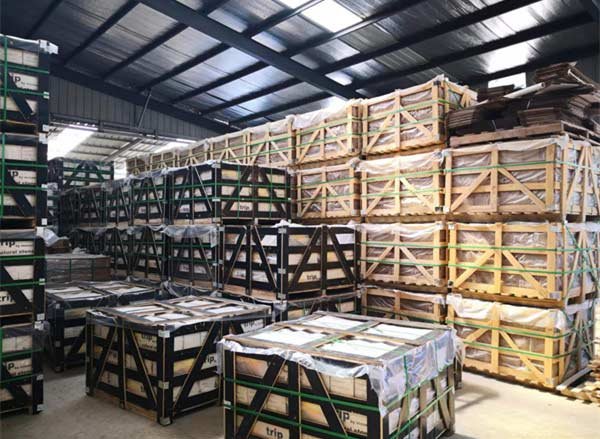
- Procurement action for dealers: request pre-shipment visual verification (high-def photos and video of finished crates) and packing details before final payment to protect margins and ensure product readiness.

Does Your Old Brick Require a Metal Lath for Natural Stone Adhesion?
Decide on metal lath by testing substrate integrity, flatness and stone load to prevent adhesive failures and costly rework.
Assess brick substrate condition and load thresholds
Start with a hands-on inspection: probe for loose, spalled, powdering or delaminated bricks and check mortar joints for softness or voids. Verify surface flatness against a 300 mm gauge—keep deviations within ±5 mm; larger deviations force mechanical backing, grinding or a planar underlay before veneer work. Compare the expected veneer weight to the brick capacity: Top Source flat stacked panels weigh about 30–40 kg/m², rough panels about 55 kg/m². Plan for mechanical reinforcement when panel loads exceed roughly 40 kg/m² or when multiple finish layers add mass.
- Perform a bond test: remove a small area and install a test panel with the chosen adhesive, or run a pull-off test to confirm bond strength meets local code.
- Entfernen Sie Verunreinigungen – Farbe, Versiegelungen oder starke Ausblühungen – bis zum gesunden Ziegelstein; Verunreinigte Oberflächen verringern die Haftung und verdrängen die Arbeit in Richtung Latte und Kratzspachtelung.
- Wenn Ziegel unter leichtem Druck zerbröckeln oder der Mörtel versagt, gehen Sie davon aus, dass eine mechanische Unterstützung erforderlich ist.
Oberflächenvorbereitung und Klebesysteme für Direktklebeinstallationen
Reinigen Sie das Mauerwerk bis zum tragfähigen Untergrund mit harten Bürsten, Hochdruckreiniger oder Sandstrahlen, um loses Material und lösliche Salze zu entfernen; Lassen Sie den Kleber vollständig trocknen, bevor Sie ihn auftragen. Wählen Sie einen polymermodifizierten Zementmörtel oder einen strukturellen Epoxidharz-/Klebstoff Steinhersteller zugelassen ist und die erwarteten thermischen Zyklen und Feuchtigkeitsbedingungen verträgt. Für Top Gestapelte Quellplatten (150×550–600 mm, Dicke 10–35 mm), planen Sie eine vollständige Kontaktunterstützung über die gesamte Plattenoberfläche ein, um Punktbelastung und Durchhängen zu vermeiden.
- Tragen Sie den Mörtel im Vollbett- oder Back-Butter-Verfahren auf, um einen kontinuierlichen Kontakt zu erzielen. Zielen Sie auf eine Bettungsdicke von 3–10 mm und beseitigen Sie Hohlräume hinter der Platte.
- Backbutter ineinandergreifende Paneele Um sicherzustellen, dass die Verbindungen und die männlichen/weiblichen Kanten lückenlos sitzen, verwenden Sie ausreichend Mörtel, um Unregelmäßigkeiten zu füllen, aber vermeiden Sie überschüssigen Mörtel, der das Einrasten der Verriegelung verhindert.
- Befolgen Sie die Aushärtezeiten des Klebstoffherstellers und überprüfen Sie die Klebefestigkeit mit einer vor Ort angebrachten Testplatte, bevor Sie mit großen Flächen fortfahren.
Wann und wie werden Metalllatten und Kratzputz zur mechanischen Unterstützung angebracht?
Specify corrosion-resistant expanded metal lath (galvanized or stainless) when the brick is weak, the surface is smooth/painted, loads exceed ~40 kg/m², or flatness exceeds tolerance. For heavy veneers use lath with a minimum mass of 2.5 lb/yd² or a 16–20 gauge equivalent. Anchor the lath into brick with stainless steel masonry anchors or screws at 200–300 mm (8–12 in) centers both vertically and horizontally, stagger anchors and maintain 75–100 mm overlaps at seams to ensure continuous mechanical support.
- Tragen Sie eine zementäre Kratzschicht mit einer Zieldicke von 12–20 mm auf die Leiste auf und arbeiten Sie eine Keilstruktur aus, solange diese noch bearbeitbar ist; Ermöglichen Sie eine anfängliche Abbindung/Aushärtung gemäß den Produktdaten – normalerweise 24–48 Stunden unter normalen Bedingungen.
- Verwenden Sie durchgehende mechanische Anker für hohe Lasten oder exponierte Außenbereiche: Platzieren Sie die Anker durch die Latte im Vollziegel mit einem Mittenabstand von maximal 300 mm und befestigen Sie die Anker nach Möglichkeit wieder an der Struktur.
- Koordinieren Sie Latten- und Kratzputzdetails mit der Top-Quelle Paneelsystem: Stellen Sie sicher, dass das Kratzputzprofil die männliche/weibliche Verbindung von Z/S-Verriegelungen oder vorgefertigten L-Ecken nicht blockiert, und lassen Sie beim Fertigstellen Spielraum für Plattenverriegelungen.
Premium gestapelter Stein für Profit
Umgang mit bemalten Ziegeln: Das Geheimnis der Wertung und Bindung
Ritzen und überprüfen Sie die Haftung auf bemalten Ziegeln ordnungsgemäß, um Furnierfehler und unerwartete mechanische Verankerungen bei jeder Nachrüstung zu vermeiden.
Beurteilung und Vorbereitung von bemalten Ziegeln: Haftungstests und mechanische Verankerung
Identify the coating system first—latex, alkyd, elastomeric or a penetrating sealer—because each affects removal strategy and moisture transmission. Perform spot pull-off adhesion tests across representative areas and target a pull-off strength ≥1.0 MPa (≈145 psi) to predict reliable mortar bond; record failures and map weak zones before proceeding. Remove loose paint and surface contaminants with wire brushes and diamond cup grinding where feasible, then pressure-wash at 1,000–2,000 psi and allow the substrate to dry 24–48 hours depending on ambient humidity.
- Adhesion test: pull-off ≥1.0 MPa (≈145 psi) — mark any area below threshold for full rework or lath.
- Cleaning: wire-brush + diamond cup grinder; pressure-wash 1,000–2,000 psi; dry 24–48 hours.
- Mechanical keying: cut angled grooves or cross-hatch abrasion spaced 25–50 mm, 1–2 mm minimum depth into coating or to sound masonry.
- Document substrate flatness and joint voids; mark areas needing local scratch coats or leveling.
Choose and apply adhesive systems: mortar technique, trowel specs, and back-buttering
Select a polymer-modified cementitious mortar rated for Steinfurnier (equivalent to EN/ANSI C2-type adhesives) for exterior and heavy-panel applications; this material balances bond strength, water retention and freeze-thaw resistance. Back-butter panels to eliminate voids and use a notched trowel sized to the substrate and panel face: 10 mm x 10 mm (3/8″ Quadrat) für Standardplatten und 12 mm x 12 mm für raue oder unebene Ziegel. Streben Sie eine Kontaktfläche von ≥85 % an, indem Sie jede Platte drücken und drehen, um die Kerben zu schließen und eingeschlossene Luft auszutreiben.
- Spezifikationen der Kelle: 10×10 mm für Standard; 12×12 mm für raue oder unregelmäßige Untergründe.
- Kontaktziel: ≥85 % Mörtel-Stein-Kontakt; Drücken und drehen Sie die Platten, um den Bettungsmörtel zu verfestigen.
- Anker: Bei Bedarf mechanische Anker aus Edelstahl verwenden; Abstand von 300–600 mm und 50 mm in Ziegel oder massiven Untergrund einbetten.
- Ineinandergreifende Paneele: Die männlichen/weiblichen Verbindungen trocken zusammenbauen, dann vor der endgültigen Montage vertikale Kleberaupen auftragen und die Verriegelungsspalte hinterbuttern.
- Aushärtungskontrolle: Anfangsklebrigkeit 24–48 Stunden einwirken lassen; Lassen Sie leichte Stöße nach 7 Tagen oder länger bei Belastungen oder Belastungen mit hohem Verkehrsaufkommen zu.
Verification, joint detailing, and durability controls for exterior installations
After adhesive cure perform pull-off verification on representative panels and confirm adhesion ≥1.0 MPa. Plan movement joints to prevent stress transfer: horizontal every 3–4 m, vertical every 2–3 m, plus joints at terminations, openings and changes in plane. Install flashing and a positive drainage path at the veneer base to avoid trapped moisture between painted brick and stone; design a clear drainage cavity or weep system where practical.
- Pull-off verification: confirm ≥1.0 MPa across representative areas after full cure.
- Movement joints: horizontal 3–4 m, vertical 2–3 m; add joints at corners, terminations and openings.
- Sealants: use flexible, stone-compatible silicone or urethane; leave 6–12 mm joint width per exposure conditions.
- Panel dead load: Top Source Stone flat panels ≈30–40 kg/m²; specify mechanical anchors when codes or substrate limit adhesive-only systems.
- Durability: select mortars and anchors rated for freeze-thaw and high-salinity environments; match stone series and L-corners to maintain consistent thermal movement and appearance.

How to Ensure Surface Flatness Without Structural Demolition?
Accurate flatness control prevents adhesion failures, reduces rework, and limits structural upgrades—saving time and cost on Steinfurnier retrofits.
Measure and document substrate flatness to defined tolerances
Verwenden Sie eine kalibrierte Laserwaage zusammen mit 1-m- und 2-m-Linealen und einem digitalen Neigungsmesser oder Bodenprofilmesser, um Abweichungen über die gesamte Höhe zu kartieren, bevor Sie etwas installieren. Notieren Sie ein Ebenheitsziel von ≤3 mm Abweichung pro 1-m-Lauf und akzeptieren Sie bis zu 6 mm über 2 m nur dort, wo dies unvermeidbar ist. Markieren Sie diese Standorte und planen Sie Korrekturarbeiten. Erfassen Sie rasterbasierte Fotos, Notizen und kommentierte Messungen zur Überprüfung vor dem Versand und für den Installateur vor Ort.
At each grid point verify substrate type — concrete, CMU, plywood over studs, plaster, or drywall — because your corrective method and fastener strategy depend on it. Use 3D laser scans or digital floor profilers when budgets allow; they reduce human error and create a verifiable baseline that simplifies adhesive and mechanical-fix decisions.
Level the plane without demolition using mechanical furring, rails, and mortars
Establish a true reference plane with corrosion-resistant metal furring channels or adjustable Z-rails, shimmed to your laser layout so the new plane stays consistent across the wall. For hollows and moderate depressions apply self-leveling cementitious underlayment or polymer-modified patching mortar; these products handle corrections up to about 25 mm (self-levelers commonly correct up to 1 inch), and you should target a finished substrate flatness of ≤3 mm per 1 m.
When you need bulk build-up, install exterior-grade plywood (minimum 12 mm) mechanically fastened to studs or to the furring channels to create a continuous backing for the veneer. Spot-bed panels with a controlled adhesive bed of 6–12 mm and back-butter each panel to ensure full contact. For Z-Shape and S-Shape interlocking panels, exploit the male/female seams to conceal minor substrate variations while keeping the plane continuous. Choose adhesives rated for Naturstein and local conditions: polymer-modified cement thinset for prepared masonry, structural epoxy or high-bond MS-polymer adhesives for difficult or painted substrates.
- Minimum plywood for backing: 12 mm exterior-grade, mechanically fastened.
- Adhesive bed thickness: 6–12 mm with back-buttering for complete coverage.
- Correction range: self-leveling compounds handle up to ~25 mm (1″).
- Adhesive options to specify: Laticrete MVIS (system), Adiseal (MS-polymer), LATAPOXY 310 (epoxy).
Attach panels and verify structural safety for heavy natural stacked stone
Design for the actual panel weights and geometry: standard Top Source panels measure 150 × 600 mm (or 150 × 550 mm) with thicknesses typically 10–25 mm (up to 35 mm for rough). Use the expected dead load—approximately 30–40 kg/m² for flat panels or ~55 kg/m² for rough faces—when sizing anchors and brackets. Combine adhesive bonding with mechanical fixing on exterior walls, high-wind sites, or Gulf climates; tie anchors back to structural substrate (concrete or sheathed studs), not to finishes.
Specify stainless-steel anchors or adjustable brackets in the M8–M10 range (or manufacturer equivalent) and space them so each anchor carries the expected load plus safety factor—typical vertical anchor rows at 300 mm centers and lateral spacing per engineer guidance. Perform pull-out tests on 2–3 anchors per elevation and an adhesion test panel before full installation; verify continuous adhesive contact and absence of voids. Plan movement joints at transitions and openings with filler gaps of 6–10 mm (or per project movement study) and verify the final plane with a 1 m straightedge and a laser scan before grouting or sealing.
- Panel specs to document: 150×600 or 150×550 mm, thickness, and estimated kg/m².
- Anchor strategy: stainless steel M8–M10, rows every 300 mm vertically; confirm lateral spacing with engineer.
- Quality checks: 2–3 pull-out tests per elevation and one adhesion test panel before full run.
- Movement joints: 6–10 mm filler gap at openings, material transitions, and per movement study.

Step-by-Step: Converting Greasy Brick into a Luxury Stone Facade
A quick, accurate assessment and strict substrate prep prevent adhesive failure and hidden structural risk when converting a brick fireplace to natural stacked stone.
Site assessment: measure opening, confirm structural load and clearances
Measure the fireplace opening and surrounding wall in millimetres and inches, and record plumb and level deviations to the nearest 1–2 mm. Calculate dead load from the chosen material: flat panels weigh about 30–40 kg/m² (8–12 lbs/ft²) and rough panels sit near 55 kg/m². Use those figures to check whether the existing substrate and framing can carry the veneer without supplemental backing.
- Document opening dimensions and deviation tolerances; flag any out-of-plumb greater than 6 mm over 1 m.
- If calculated veneer load exceeds 40 kg/m², plan for mechanical anchors, reinforced backing or a structural review.
- Confirm clearance for interlocking panels and matching L-corners; account for panel thickness from 10–35 mm and total projection (veneer + mortar) of roughly 1¼”–2.
Surface preparation: degrease, abrade and install a code-compliant backing
Strip oils and soot with a solvent degreaser followed by an alkaline cleaner and verify a residue-free surface using a water-wetting test. Mechanically abrade any glazed, painted or friable brick until you reach sound, porous masonry; remove loose material and blow or vacuum dust before proceeding.
- If brick is painted or smooth, install metal lath and a scratch coat: fasten lath 6″ on center vertically and 16″ on center horizontally, overlap horizontal laps ≥½” and vertical laps ≥1″.
- Embed a 3/8″–3/4″ scratch coat into the lath and allow ≥24 hours to cure before installing veneer.
- Where surfaces are combustible or local code requires, install cement backer board or polymer-modified cement board fastened to studs with corrosion-resistant screws and maintain required moisture and flame clearances.
- Remember the product is freeze-thaw resistant and suitable for high-salinity/humid climates when you provide a proper substrate and drainage plane.
Panel selection and layout planning: choose sizes, interlock type and same-batch material
Choose panel formats that match the elevation and handling constraints: standard rectangles at 150×600 mm (6×24 in) or 150×550 mm (6×22 in), with standard thickness from 10–25 mm and up to 35 mm for premium rough faces. For a seamless architectural finish, specify Z-Shape or S-Shape interlocking panels that use CNC diamond-blade precision male-female connections to hide vertical joints and present a continuous ledgestone appearance.
- Order matching pre-fabricated L-corners for each model to avoid on-site texture mismatches at external corners.
- Angeben “same-batch quarry consistency” to reduce hue variation across large facades; Top Quellstein guarantees ~95% hue uniformity from the same quarry vein.
- Plan box counts for layout: standard panels pack 7 pcs/box (0.63 m²) or 8 pcs/box (0.72 m²); use these numbers to sequence crates and avoid mid-project lot changes.
Adhesive and fixing specifications: mortar type, coverage and mechanical anchors
Specify a polymer-modified cementitious thinset formulated for Naturstein and exterior use and verify compatibility with slate, quartzite or your chosen material. Back-butter each panel to ensure full-contact bedding and calculate thinset consumption from panel coverage: use the carton coverage (0.63–0.72 m²) to estimate mortar volumes and waste factors.
- Preferred adhesives: Laticrete MVIS system for full thin-stone veneer projects; consider Adiseal for high-flex, non-staining MS polymer performance or LATAPOXY 310 when a high-strength epoxy bond is required.
- Use stainless steel mechanical anchors or masonry screws when substrate capacity is limited; space anchors according to engineer or manufacturer guidance and size anchors for panel weights (30–40 kg/m² for flat, ~55 kg/m² for rough).
- Select anchors with embedment and pull-out capacity that exceed the calculated shear and uplift from the veneer weight plus a safety factor; verify corrosion resistance for coastal or humid sites.
Installation sequence: dry-fit, bed, interlock, integrate L-corners and control joints
Dry-lay panels beginning at the lowest external corner to establish the interlock pattern and sight lines, correcting any run or step before you apply mortar. Apply thinset and back-butter each panel, press to full contact and engage the male-female interlock so vertical joints disappear visually and the stacked ledgestone reads continuous.
- Install prefabricated L-corners to wrap external edges; Platten zuschneiden only when necessary using a CNC or diamond blade to preserve the split-face texture.
- Provide 3–10 mm expansion/control joints at terminations, vertical offsets and plane changes to accommodate thermal movement and building differential movement.
- Work in manageable areas so thinset stays plastic; clean excess mortar and maintain consistent joint widths as you advance upward and laterally.
Verification, curing, sealing and ongoing maintenance
Inspect the finished installation by tapping panels to find hollow spots and perform random pull tests where anchors or bonding conditions looked marginal. Repair voids with polymer-modified grout or cement and verify full cure times per the thinset manufacturer’s data, remembering that cold or humid conditions slow cure rate and extend handling times.
- Wait until mortar achieves the manufacturer-specified cure before sealing or loading the surface; follow cold/humid cure adjustments in the technical data sheet.
- Apply a breathable penetrating sealer rated for quartzite/slate to protect against staining while maintaining vapor permeability; the stone offers inherent UV stability and high salinity/humidity resistance when you seal correctly.
- Document material lot numbers, photograph crates and installed panels for warranty records, and recommend a routine cleaning schedule using pH-neutral cleaners to preserve appearance and adhesion over time.

Managing the Thickness: How Much Room Depth Will You Lose?
Small differences in panel thickness and installation method control whether a retrofit trims a few centimetres of room depth or noticeably intrudes on the opening.
Calculate net depth loss: panel thickness, profile, and projection
Start with the opening depth and subtract the combined thickness of the Steinplatte plus the bonding layer to calculate usable depth. Top Source gestapelte Steinplatten run 1.0–2.5 cm in standard profiles and up to 3.5 cm for rough/premium profiles. Plan for a back-butter/setting-bed thinset of roughly ½”–¾” (12–19 mm) when you finalize the net depth; if you must install metal lath and a scratch coat, add another 3/8″–3/4″ (9–19 mm).
- Typical panel options: 1.0–2.5 cm (standard) or up to 3.5 cm (rough/premium).
- Panel sizes: 6″ x24″ (150 x 600 mm) and 6″ x22″ (150 x 550 mm); orient panels to reduce perceived intrusion — horizontal runs shorten visible seams, vertical runs can make the opening read taller.
- Quick formula: usable depth = opening depth − panel thickness − adhesive thickness − optional scratch coat thickness.
Installation method effects: dry-stack, mortared, and interlocking systems
Choose the installation method to control projection and visual bulk. Dry-stack or straight-edge installs use the thinnest profiles and low-profile joints to keep projection minimal; these systems rely on precise back-buttering and typically stay within the 1.25″–2″ overall projection range noted for thin veneer retrofits. Mortared installs require a thicker bedding and may need a backing layer or scratch coat, so budget an extra 3/8″–3/4″ for the mortar bed when you plan clearances.
- Dry-stack / straight-edge: lowest substrate concealment, lowest projection — select this when minimizing room-depth loss matters most.
- Mortared installs: expect additional depth for mortar bed and backing; specify thinset or Type S veneer mortar and include its thickness in the net-depth calculation.
- Interlocking Z-Shape / S-Shape: male-female edges hide vertical joints and substrate, so they often reduce perceived bulk even when nominal thickness matches straight-edge panels.
- Use CNC diamond-blade precision edges available from Top Source for interlocking series to ensure tight fit and keep face planes flush.
Fireplace retrofit guidance: choose thickness, verify load, and use corner solutions
For retrofits, pick standard 1.0–2.5 cm Panels to limit loss of usable opening while preserving the stone look. Confirm that framing and substrate can carry the chosen finish: flat panels weigh roughly 30–40 kg/m² and rough panels about 55 kg/m², so check structural capacity before specifying a heavier profile. Use Top Source matching L-corners to wrap openings and avoid custom build-ups that increase projection at corners.
- Verify load: measure area and calculate total weight (kg/m² × m²) and validate framing or chimney footing with a structural inspector when weights exceed typical flat-panel loads.
- Choose matching L-corners to achieve a flush 90° transition without additional substrate thickness.
- Schedule installation: plan one to two days for a standard fireplace retrofit when you use thin veneer and proven adhesive systems; confirm this with your installer once you lock panel thickness and method.
- Factor environment: specify Top Source panels for UV stability and high salinity/humidity resistance when the hearth sits in coastal or high-humidity climates common to GCC and Southeast Asia markets.
Abschluss
Im Anschluss an die step-by-step retrofit and surface preparation ensures a safe, durable stone finish; correct adhesion, anchoring, and clearance checks protect occupants and the chimney system. Richtige Installation keeps the assembly compliant with safety standards, including OSHA where applicable, and extends the lifespan of the fireplace and stone cladding.
Start by inspecting your fireplace’s current setup and clearances, and compare them to the installation checklist in the core guide. If you prefer, contact us to request certified samples, technical specifications, and a project-ready checklist.
Häufig gestellte Fragen
1. Can you install natural stacked stone over a painted brick fireplace?
Yes. Retrofitting commonly leverages the existing fireplace opening and structure so applying a Steinfurnier over painted brick is typically done as a retrofit rather than a full rebuild. This avoids expensive demolition and reconstruction, lowers installation costs, and can often be completed in one to two days.
2. Do you need metal lath when installing stone over brick?
Not necessarily. One of the core benefits of retrofit upgrades is avoiding demolition—you can often build the new facing onto the existing brick, which reduces installation time and cost compared with removing and replacing masonry.
3. What is the best adhesive for stacked stone on brick?
The provided research does not specify adhesives or bonding materials. The content focuses on retrofit benefits (lower costs, use of existing structure, shorter install times). For adhesive selection follow the stone manufacturer’s recommendations and code requirements or consult a qualified installer.
4. How much thickness does stacked stone add to a brick fireplace?
The research does not give specific thickness figures. It emphasizes that retrofit installations use the existing opening and typically have shorter install times (often one to two days). Actual veneer thickness depends on the stone product chosen and manufacturer specifications.
5. Can existing brick support the weight of natural stacked stone?
The research does not address structural load or damage from added cladding. It does note that retrofits leverage existing infrastructure to avoid demolition. If added material weight is a concern, have a qualified professional or structural engineer inspect the chimney before installation.