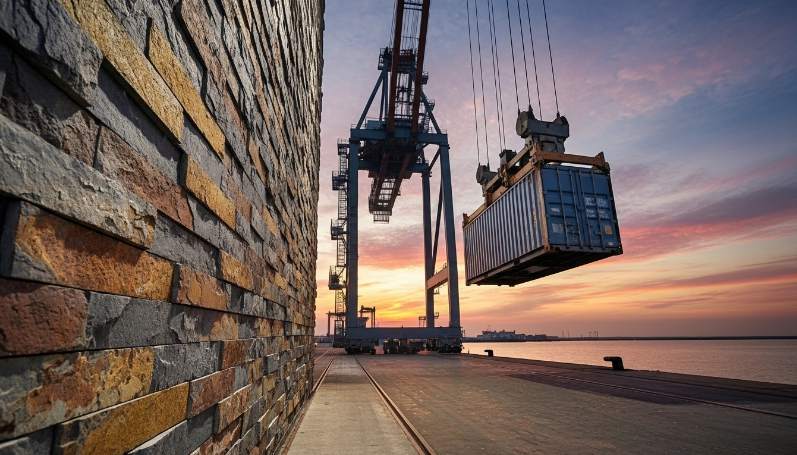
Import & Das Logistikmanagement für Naturstein bestimmt die tatsächliche Rentabilität eines Projekts, da bereits geringfügige Versäumnisse in den Versandprotokollen zu massiven Zollstrafen und Lagergebühren am Terminal führen können. Ein Fehler bei der Berechnung des Containergewichts oder die falsche Angabe eines Tarifcodes führt zu unmittelbaren Engpässen, die Bauzeitpläne verzögern und Kapital verschwenden. Der Umgang mit diesen schweren, hochwertigen Materialien erfordert die strikte Einhaltung internationaler Handelsvorschriften, um Ihr Geschäftsergebnis vor den Risiken beschädigter Ladung und Gesetzesverstößen zu schützen.
Das Der Leitfaden fungiert als technischer Standard zur Optimierung des Steins Lieferkette vom Steinbruch bis zu Ihrem Lager. Wir untersuchen die finanziellen Auswirkungen verschiedener Incoterms und bieten einen Rahmen für die Überprüfung von HS-Codes, um eine reibungslose Zolleingabe zu gewährleisten. Hier finden Sie konkrete Hinweise zur Maximierung Containerbeladung Dichte und Verwendung spezieller Verpackungen, um Brüche während des Langstreckentransports auf dem Seeweg zu vermeiden. Dieses Handbuch bietet die betriebliche Klarheit, die Sie benötigen, um Ihre Gesamtkosten zu stabilisieren und einen zuverlässigen Bestandsfluss aufrechtzuerhalten.
Wie starten Sie den Steinimportprozess ohne Stress?
Erfolgreich Steinimport im Jahr 2026 setzt auf die Eliminierung von Zwischenschichten und den Aufbau einer direkten Verbindung zu steinbruchintegrierten Herstellern, die sowohl die Materialkonsistenz als auch die technische Präzision kontrollieren.
Auswahl von Herstellern mit direktem Steinbrucheigentum
Die häufigste Ursache für Projektverzögerungen und Kostenüberschreitungen sind Materialinkonsistenzen, die dadurch verursacht werden, dass Händler ihre Produkte aus mehreren kleinen Gruben beziehen. Durch die Partnerschaft mit einer Fabrik, die direkt aus dem Steinbruch stammt, stellen Sie sicher, dass das Rohmaterial aus derselben Steinbruchader stammt. Durch dieses Maß an Kontrolle wird die Farbtongleichmäßigkeit über die gesamte Charge hinweg auf einem Schwellenwert von 95 % gehalten, was für große Architekturprojekte von entscheidender Bedeutung ist. Sie sollten insbesondere sicherstellen, dass die Anlage CNC-Diamantschneidkanten verwendet. Dieser technische Standard gewährleistet die Verriegelung “männlich weiblich” Verbindungen an Z-förmigen und S-förmigen Paneelen passen perfekt, wodurch vertikale Fugen effektiv verdeckt werden und das verhindert wird “trat” Auftreten von minderwertigen Schnitten.
Navigieren in regionaler Compliance und Dokumentation
Die Regulierung Landschaft für Naturstein variiert erheblich je nach Gebiet. Das Ignorieren dieser Nuancen führt zu teuren Hafenaufenthalten und Verwaltungsstrafen. Beispielsweise erzwingen indische Märkte häufig die Durchsetzung “tatsächlicher Benutzer” Bedingungen, während die USA und die EU für Holzkisten die strikte Einhaltung von ISPM 15 verlangen. Sie müssen mit Ihrem Werk einen digitalen Dokumentationsworkflow einrichten, um Packlisten und Ursprungszeugnisse auszutauschen, sobald der Container das Tor verlässt. Durch die frühzeitige Weitergabe dieser Dokumente kann Ihr Zollagent den Abfertigungsprozess einleiten, während sich das Schiff noch im Transit befindet, wodurch Risiken im Zusammenhang mit Hafenüberlastungen oder Schreibfehlern gemindert werden.
Durchführung mehrstufiger Qualitätsprüfungen
Ein robustes Inspektionsprotokoll verhindert, dass Brüche und minderwertige Oberflächen jemals die Fabrikhalle verlassen. Wir empfehlen ein dreistufiges Kontrollsystem, das den Stein an jeder kritischen Stelle abdeckt:
- Erste Materialprüfung: Führen Sie dies nach dem Schneiden durch, um die Farbkonsistenz und die Aderausrichtung mit dem zu überprüfen “Große 10” Bestseller-Inventarstandards.
- Inspektion nach der Montage: Konzentrieren Sie sich auf die Haftfestigkeit hochfester Epoxidharze, um sicherzustellen, dass einzelne Steine auch bei extremen Frost-Tau-Wechseln dauerhaft an der Unterlage haften.
- Visuelle Überprüfung vor dem Versand: Fordern Sie ein hochauflösendes Video der tatsächlichen Charge an, die in den Container geladen wird, um die Stabilität der Palette und die Unversehrtheit der Kiste zu bestätigen.
Dieser mehrstufige Ansatz schützt Ihre Margen, indem er sicherstellt, dass das, was in Ihrem Lager ankommt, den Spezifikationen entspricht, die während der Einzahlungsphase bereitgestellt wurden.
Koordinierung der globalen Logistik für schwere Steinfracht
Natürlicher gestapelter Stein handelt es sich um Fracht mit hoher Dichte, die typischerweise zwischen 30 und 40 kg/m² wiegt. Die Bewältigung dieses Gewichts erfordert einen Logistikpartner, der den Unterschied zwischen volumenbasiertem und gewichtsbasiertem Versand versteht. Während ein 20GP-Container ein beträchtliches Volumen bietet, werden Sie fündig Gewichtsgrenzen lange bevor der Behälter physisch voll ist. In den USA zum Beispiel setzen viele Häfen eine strikte 17,5-Tonnen-Grenze für die Standard-Drayage durch, während europäische oder südostasiatische Häfen möglicherweise Schwergewichts-Standards von bis zu 26,5 Tonnen zulassen.
Sie müssen sich mit Ihrem Lieferanten abstimmen, um die Palettenanordnung zu optimieren. Die Verwendung von 5-lagig verstärkten Exportkartons und begasungsfreien Sperrholzkisten ist für den Seetransport nicht verhandelbar. Durch die ordnungsgemäße Palettierung – normalerweise 48 bis 60 Kartons pro Kiste – wird sichergestellt, dass das Material die Vibrationen und den Druck eines 25-tägigen Transports von Häfen wie Xingang zu Ihrem Zielort übersteht, ohne die unteren Schichten der Sendung zu zerdrücken.
Mit welchem Incoterm sparen Sie am meisten Geld?
Die Auswahl des richtigen Incoterms bestimmt Ihre Gesamteinstandskosten; während DDP maximalen Komfort bietet, erfahren B2B-Importeure priorisieren FOB, um versteckte Hersteller zu eliminieren Logistikmargen und erhalten Sie die volle Kontrolle über lokale Hafengebühren.
Steuern der Versandkosten mit FOB
FOB bleibt der Goldstandard für etablierte Händler und Großhändler, die die Kosten minimieren möchten. Indem Sie die Verantwortung übernehmen, sobald der Stein den Verladehafen verlässt, können Sie direkt mit Ihrem eigenen Spediteur verhandeln. Mit dieser Strategie können Sie Ihr Versandvolumen nutzen, um bessere Seefrachtraten zu sichern, als eine einzelne Fabrik bieten könnte. Wir konzentrieren uns strikt auf die Produktion und Qualitätskontrolle und stellen so sicher Stein trifft auf unser “Konsistenz im Steinbruch gleicher Charge” Standards, während Sie verwalten die Zeitleiste, nachdem der Container das Terminal verlassen hat.
Erfahrene Importeure nutzen FOB, um mehrere Bestellungen in einem einzigen Container zusammenzufassen. Wenn Sie verschiedene Farben von unserem beziehen “Big-10-Inventar,” Wie Alaska Grey und California Gold bietet Ihnen FOB die Flexibilität dazu Mischen Sie diese Materialien am Hafen. Dadurch werden die Servicemargen vermieden, die Verkäufer normalerweise zu den Frachtkosten hinzufügen, wenn sie die Logistik selbst übernehmen.
- Käufer wählen ihre eigenen Spediteure aus, um direkt mit den Spediteuren bessere Tarife auszuhandeln.
- Die Hersteller konzentrieren sich auf die Produktion und Qualitätskontrolle, während der Käufer den Zeitplan nach dem Hafen verwaltet.
- FOB verhindert, dass Verkäufer versteckte Servicemargen zu den tatsächlichen Frachtkosten hinzufügen.
- Importeure verwenden diesen Begriff, um mehrere Fabrikbestellungen in einem einzigen 20-Fuß-Container zusammenzufassen.
| Incoterms | Kostenkontrollebene | Finanzielle Auswirkungen |
|---|---|---|
| FOB (kostenlos an Bord) | Maximal | Niedrigste Grundkosten; Eliminiert die Logistikaufschläge des Verkäufers. |
| CIF (Kosten, Versicherung, Fracht) | Mäßig | Inklusive Verkäufer “Puffer” für Frachtvolatilität; weniger transparent. |
| DDP (geliefert verzollt) | Minimal | Höchste Prämie; 5-10 % Aufschlag für vom Verkäufer übernommenes Risiko. |
Die Servicegebühren in CIF verstehen
CIF vereinfacht die Ersttransaktion, indem es den Logistikaufwand auf den Hersteller überträgt. Dadurch sparen Sie zwar Verwaltungszeit, führen aber häufig auch zu höheren Gesamtausgaben. Verkäufer legen häufig Wert auf ihre eigene Bequemlichkeit oder langfristige Transportbeziehungen, anstatt die effizienteste Route für Ihr spezifisches Ziel zu finden. Dies kann zu längeren Transitzeiten oder überhöhten lokalen Gebühren führen, die Sie erst bemerken, wenn das Schiff den Hafen erreicht.
Wir sehen, dass viele Verkäufer einen Preispuffer in CIF-Angebote einbauen, um sich gegen die im Jahr 2026 erwartete Versandvolatilität zu schützen. Dieser Puffer fungiert als Versicherungspolice für den Hersteller, nicht für den Käufer. Außerdem verlieren Sie den Überblick über die Aufschlüsselung der Hafen- und Terminalabfertigungsgebühren, was eine effektive Prüfung Ihrer Logistikausgaben erschwert.
- Der Hersteller kümmert sich um Versand und Versicherung und reduziert so den Verwaltungsaufwand für den Käufer.
- Verkäufer wählen Spediteure nach ihrem eigenen Komfort und nicht nach der Kosteneffizienz des Käufers.
- CIF-Angebote beinhalten häufig einen finanziellen Puffer, um den Verkäufer vor Marktschwankungen zu schützen.
- Importeure verlieren an Transparenz hinsichtlich spezifischer Hafengebühren und lokaler Zielortgebühren.
Identifizieren versteckter Aufschläge in DDP-Angeboten
DDP bietet das ultimative Hands-Off-Erlebnis, ist jedoch mit dem höchsten Preis verbunden. Damit eine Quellfabrik DDP anbieten kann, muss sie alle Risiken übernehmen, die mit Zollschwankungen im Jahr 2026, Verzögerungen beim Inlandstransport und möglichen Zolländerungen verbunden sind. Um diese Risiken zu mindern, erhöhen die Hersteller die DDP-Preise deutlich. Dieser Gesamtpreis verschleiert oft den tatsächlichen Wert des Produkts gestapelte SteinplattenDies macht es nahezu unmöglich, die Preise direkt ab Werk bei verschiedenen Lieferanten zu vergleichen.
Großhändler meiden DDP in der Regel, weil es sie daran hindert, ihre eigene Lieferkette zu optimieren. Wenn Sie 750 importieren – Bei ca. 860 m² Standardpaneelen in einem 20GP-Container kann die für DDP gezahlte Prämie Ihre Gewinnspanne um mehrere Dollar pro Stück schmälern Quadratmeter. Wenn Sie die Kontrolle über Ihre eigene Logistik behalten, stellen Sie sicher, dass Sie nicht dafür bezahlen müssen “Seelenfrieden” auf Kosten der Wettbewerbsfähigkeit Ihres Unternehmens.
- Hersteller erhöhen die DDP-Preise, um mögliche Zollschwankungen und Binnentransportrisiken abzudecken.
- Der Pauschalpreis verschleiert den tatsächlichen Steinwert, was einen direkten Preisvergleich ab Werk erschwert.
- Käufer zahlen einen erheblichen Aufschlag dafür, dass der Verkäufer alles bis zum Endlager verwaltet.
- Händler vermeiden DDP, um die Effizienz und Margen der Lieferkette besser überwachen zu können.
Premium-Stein direkt ab Werk für schnellere Installationen
Verwenden Sie den richtigen HS-Code, um hohe Zollstrafen zu vermeiden?
Die Zollbehörden betrachten die Genauigkeit des HS-Codes als primäre Messgröße für die Einhaltung der Vorschriften, was bedeutet, dass ein einziger Klassifizierungsfehler intensive Prüfungen und Strafen auslösen kann, die das Doppelte des Wertes entgangener Zölle ausmachen.
Finanzielle Strafen für Klassifizierungsfehler
Die US-Zoll- und Grenzschutzbehörde (CBP) setzt strenge Strafrahmen durch, bei denen Fehlkalkulationen von Zöllen – selbst solche, die auf einfacher Fahrlässigkeit beruhen – zu Geldbußen in Höhe des Doppelten der nicht gezahlten Zölle führen können. Importeure übersehen oft, dass Klassifizierungsfehler nicht nur einmalige Bußgelder nach sich ziehen; Sie lösen häufig obligatorische Nachzahlungen für alle historischen Lieferungen desselben Produkts aus. In extremen Fällen führt eine wiederholte Fehlklassifizierung zum dauerhaften Widerruf der Handelsprivilegien, wodurch einem Importeur praktisch die Möglichkeit entzogen wird, Waren über einen der 326 US-Einreisehäfen abzufertigen.
- Die CBP-Strafen für Fahrlässigkeit betragen bis zu 200 % des entgangenen Zollwerts zuzüglich rückwirkender Zinsen.
- Falsche Anmeldungen führen zu intensiven Sekundärinspektionen und erhöhen die Liegegelder und Lagerkosten im Hafen.
- Durch die präzise Klassifizierung stellen Sie sicher, dass Sie den genauen gesetzlichen Steuersatz zahlen, und schützen Ihre Projektmargen vor unerwarteten Steuerverbindlichkeiten.
Unterscheidung zwischen Naturstein und Verbundwerkstoffen
Eine genaue Identifizierung trennt 100 % natürlich Steinplatten aus zementbasiertem oder “kultiviert” Alternativen, die völlig unterschiedliche Auswirkungen auf den Zoll haben. Natürlicher gestapelter Stein fallen typischerweise unter Kapitel 68 des Harmonisierten Zolltarifs, während künstlich hergestellte Verbundwerkstoffe nach ihren primären Bindemitteln klassifiziert werden. Die fälschliche Identifizierung eines Naturprodukts als Verbundstoff führt zu sofortigen Warnsignalen während des Dokumentenprüfungsprozesses. Wenn Zollbeamte eine Nichtübereinstimmung vermuten, halten sie den Container häufig für physische Inspektionen oder Labortests zurück, um die Materialzusammensetzung zu überprüfen, was zu wochenlangen Verzögerungen führt und die Bauzeitpläne unterbricht.
- Schieferbasiert gestapelter Stein erfordert Klassifizierung nach HS-Code 6803.00.90 für bearbeitete Schieferartikel.
- Quarzit Baustein Verwendet im Allgemeinen den HS-Code 6802.93.11, um sich an bestimmte Baustoffkategorien anzupassen.
- Wir dokumentieren für jede Charge die 100 % natürliche Herkunft des Steinbruchs, um die Konsistenz über alle regionalen Handelsvorschriften hinweg sicherzustellen.
Compliance-Protokolle und Expertenverifizierung für 2026
Proaktive Verifizierungsstrategien tragen dazu bei, eine reibungslose Lieferkette aufrechtzuerhalten und Ihren Status als zu sichern “vertrauenswürdiger Händler” über internationale Häfen. Durch die Einholung einer verbindlichen Entscheidung des Zolls erhalten Sie eine endgültige Rechtslage zur Einstufung Ihres Produkts, bevor die Sendung das Werk verlässt. Diese Rechtssicherheit verhindert, dass Zollbeamte Ihre Waren bei der Ankunft nach eigenem Ermessen umklassifizieren. Spezialisierte Zollagenten nutzen mittlerweile hochauflösende Materialdaten zur konkreten Analyse Steinoptik – egal ob naturbelassen Spaltschiefer oder Diamantklingenquarzit – um die genaue Unterüberschrift zu bestimmen, die für die Standards 2026 erforderlich ist.
- Verbindliche Entscheidungen beseitigen Unklarheiten bei der Klassifizierung und bieten eine rechtliche Verteidigung gegen zukünftige Prüfungen.
- Zollagenten müssen prüfen, ob der Stein einfach gesägt ist oder eine polierte Oberfläche hat, da diese Angaben den geltenden Zollsatz ändern.
- Eine konsistente Dokumentation über alle Eingangspunkte hinweg sorgt für einen hohen Compliance-Score und reduziert die Häufigkeit physischer Inspektionen.
Wie können Sie die Containerbeladung maximieren, um den Preis pro Quadratmeter zu senken?
Die Optimierung der Containererträge im Jahr 2026 hängt davon ab, strenge Zielgewichtsgrenzen mit 3D-Ladungsmodellierung in Einklang zu bringen, um die festen Seefrachtkosten auf die größtmögliche Quadratmeterzahl zu verteilen.
Versand Naturstein beinhaltet einen ständigen Kampf zwischen Volumen und Masse. Weil Steinplatten Da es sich um Produkte mit hoher Dichte handelt, erreichen Sie fast immer die Tragfähigkeit des Behälters, bevor Ihnen der physische Platz ausgeht. Um Ihren Return on Investment zu maximieren, ist ein technischer Ansatz dafür erforderlich, wie jede Kiste den 20-Fuß-Containerboden einnimmt. Durch die Reduzierung der “toter Raum” Indem wir die Ladung genau an die gesetzlichen Grenzwerte des Zielhafens anpassen, senken wir die Landekosten pro Quadratmeter erheblich.
Präzise Ladungsplanung mit 3D-Visualisierung
Wir nutzen die Modellierung digitaler Zwillinge, um die genauen Abmessungen von zu simulieren gestapelte Steinpaletten in einem 590 cm großen Containerinnenraum. Diese präzise Planung eliminiert vertikale Lücken, die während des Seetransports zu Ladungsverschiebungen führen. Mithilfe einer KI-gestützten Software können wir die optimale Ausrichtung von Z-förmigen und rechteckigen Platten berechnen, bevor die erste Kiste in den Container gelangt.
- Digitale Tools simulieren das Stapeln von Paletten, um leeren vertikalen Raum zu entfernen und die Stabilität zu verbessern.
- Automatisierte Layouts reduzieren den Ladeaufwand in der Fabrik um 10–25 % und beschleunigen den Versand zu Häfen wie Xingang.
- Die optimierte 3D-Zuordnung verbessert die Raumausnutzung um bis zu 20 % und verteilt die festen Frachtkosten auf mehr Produkte.
| Versandzone & Gewichtsprofil | Steinserie (Ausführungsart) | Maximaler Ertrag pro 20 GP |
|---|---|---|
| USA-Standard (17,5-Tonnen-Grenze) | Standardwohnung (8-12 lbs/sq.ft) | 580 – 630 m² |
| EU / Global Heavy (24-26,5 Tonnen) | Standardwohnung (8-12 lbs/sq.ft) | 750 – 860 m² |
| EU / Global Heavy (24-26,5 Tonnen) | Rough Premium (bis zu 55 kg/m²) | 480 – 540 m² |
Gewichts-Volumen-Ausgleich für Naturstein
Verwaltung hoher Dichte Naturstein erfordert einen Ausgleich des Gewichts von 8–13 Pfund pro Quadratfuß mit der Sicherheitsschwelle des Containers. In Märkten wie den USA setzen die Hafenbehörden eine strikte 17,5-Tonnen-Grenze für den Standard-Landtransport durch. Wir verwenden einen strategischen Stapelansatz: Schwerere Rohbauplatten sitzen am Boden des Containers, um den Schwerpunkt zu senken, während leichtere Flachbaupaneele die oberen Etagen belegen.
- Strategische Platzierung von Großserien Paneele am Boden sorgen für Stabilität des Behälters und verhindern ein Umkippen.
- Durch die richtige Gewichtsverteilung werden Bewegungen bei schwerem Seegang vermieden, wodurch Schadensersatzansprüche reduziert werden.
- Der Lastausgleich verhindert Übergewichtsstrafen am Zielhafen und schützt so Ihre Gewinnspanne.
Standardisierte Palettierung für maximale Footprint-Effizienz
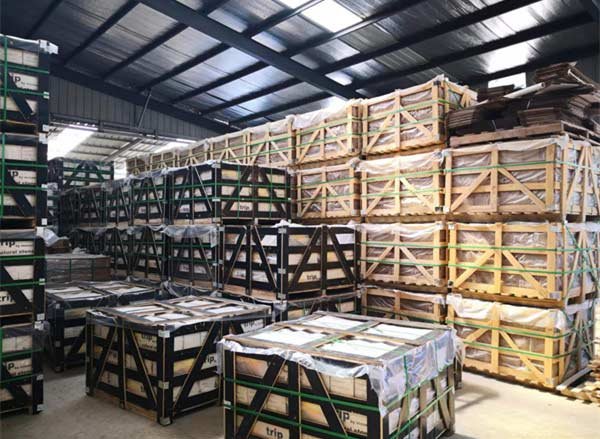
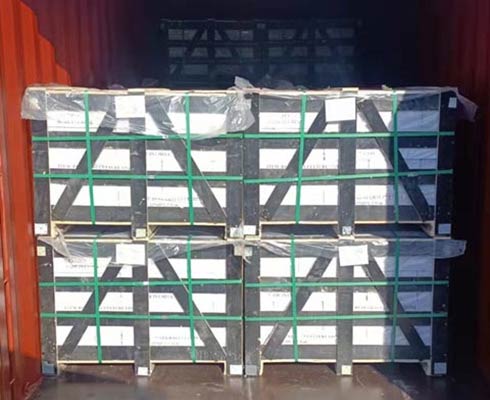
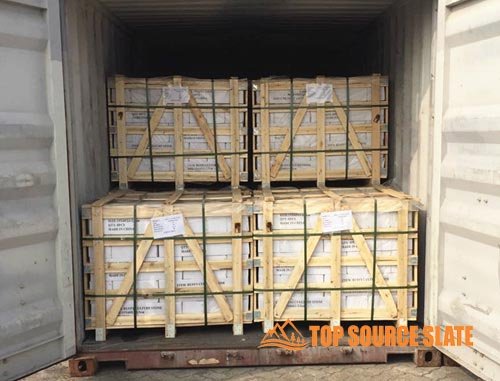
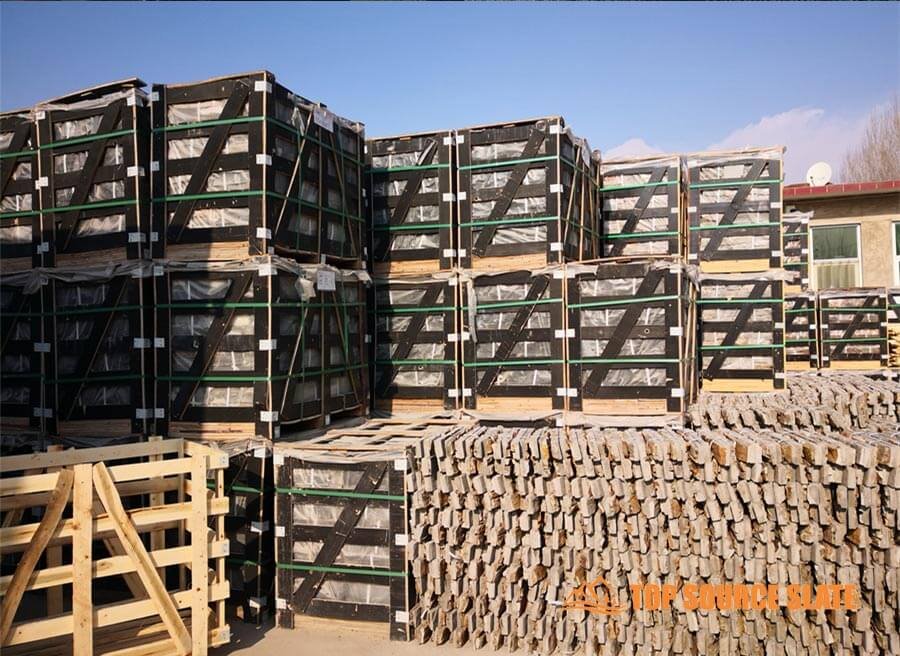
Die Wahl der Palettenabmessungen bestimmt, wie viele Einheiten in einen 20-Fuß-Container passen. Wir verwenden standardisierte 110 cm x 110 cm große Sperrholzkisten, die so konzipiert sind, dass sie ineinandergreifen und Lücken minimieren. Diese Kisten bieten Platz für 25 bis 30 Paletten pro Container, abhängig vom zulässigen Gewicht des Zielortes. Durch die Verwendung von 5-lagigen, verstärkten Exportkartons in diesen Kisten können wir Produkte auf mehreren Ebenen stapeln, ohne dass die Gefahr besteht, dass die unteren Schichten zerdrückt werden.
- Begaste Kisten in Sondergröße maximieren die Bodenfläche von 20-Fuß-Containern mit nahezu keinem Abfall.
- Verstärkte Verpackung unterstützt vertikales Stapeln und Aufbewahren Steinplatten sicher unter Druck.
- Standardisierte Kistenabstände minimieren den Bedarf an Staumaterial und lassen mehr Platz für verkaufsfähiges Inventar.
Warum ist eine spezielle Verpackung erforderlich, um Meeresbrüche zu verhindern?
Haltbarkeit von Natursteinen im Steinbruch garantiert keine Sicherheit auf See; Eine spezielle Verpackung absorbiert die physischen und umweltbedingten Belastungen des Überseetransports und stellt sicher, dass jedes Panel sofort einbaubereit ankommt.
Reduzierung von Vibrationen und vertikalem Stapeldruck
Themen des Ozeantransits Felsvorsprung bis hin zu wochenlangen ständigen Vibrationen und starken vertikalen Belastungen, die zu Mikrorissen in natürlichen Mineralien führen. Standard-Handelsverpackungen versagen unter diesen rhythmischen Bewegungen. Wir verwenden 5-lagige, verstärkte doppelwandige Wellpappkartons, um den notwendigen Puffer gegen die Vibrationen großer Frachtschiffe zu bieten. Diese Boxen behalten ihre strukturelle Integrität auch im feuchten Zustand. Schutz der Steinplatten im Inneren vor Quetschkräften.
- Strategische Stapelprotokolle stellen sicher, dass das Gewicht der oberen Paletten die unteren Schichten bei Langzeitreisen nicht zerdrückt.
- Interne Polsterung verhindert individuelles Steinplatten durch Aneinanderreiben, wodurch die zarten Texturen erhalten bleiben “Rauh” Und “Bleistift” Serie.
- Verstärkt Ecken an jeder Box verhindern ein Absplittern der Kanten während des mehrstufigen Handlings Verfahren.
Bekämpfung von Feuchtigkeit und den Risiken von Containerregen
Schnelle Temperaturschwankungen auf See führen zu Kondensation in Stahlcontainern, die oft als „Kondensation“ bezeichnet werden “Containerregen.” Diese Feuchtigkeit beschädigt Steinoberflächen und kann die in gestapelten Steinplatten verwendeten Klebstoffe schwächen. Die robuste Schrumpffolie fungiert als primäre Feuchtigkeitsbarriere und hält während der Versandsaison 2026 Salzluft und Feuchtigkeit fern. Dieser Schutz ist lebenswichtig für Beibehaltung des ästhetischen Werts des Steins bis es das Lager erreicht.
- In der Verpackung befindliche Trockenmittel in Industriequalität absorbieren überschüssige Feuchtigkeit und verhindern so Fleckenbildung oder Schimmelbildung auf Holzkisten.
- Schutzfolien bewahren die Integrität des hochfesten Epoxidharzes, das zur Verbindung der Steine verwendet wird.
- Die UV-stabilisierte Verpackung verhindert, dass die Sonne die Verpackungsmaterialien während der Lagerung im Hafen angreift.
Strukturelle Integrität durch begaste Holzkisten
Standardpaletten versagen oft unter den Strapazen des internationalen Versands. Spezialisiert Steinexporte erfordern wärmebehandelte, verstärkte Kisten, um der Gewichtsdichte natürlicher Materialien gerecht zu werden. Unsere Kisten erfüllen internationale Pflanzenschutzstandards (ISPM 15) und bieten gleichzeitig die stabile Außenseite, die erforderlich ist, um der Handhabung durch Gabelstapler in mehreren Häfen standzuhalten. Diese Kisten, typischerweise 110 cm x 110 cm groß, sind so konstruiert, dass sie Bruttogewichte zwischen 900 kg und 1000 kg tragen können, ohne sich zu verziehen.
- Stahlband sichert das Steinplatten innerhalb der Kisten, um ein Verrutschen bei rauem Seegang zu verhindern.
- Kisten nach Maß für L-Form Eckstücke schützen die überstehenden Kanten dass es während des Ladevorgangs nicht absplittert oder bricht.
- Die Konstruktion aus Sperrholz oder begastem Massivholz gewährleistet die Einhaltung der Zollbestimmungen der USA und der EU.
Strategische Beladung zur Verhinderung von Ladungsverlagerungen
Selbst die beste Verpackung versagt, wenn sich die Ladung im Container verschiebt. Verschiebung ist eine Hauptursache für Brüche in 20GP-Containern. Professionelle Logistikteams konzentrieren sich auf die Ladungsstabilisierung mithilfe von Airbags und Holzverstrebungen, um Hohlräume zwischen Paletten zu füllen und Bewegungen während des Transports effektiv zu verhindern. Diese Präzision stellt sicher, dass die Der Stein kommt im gleichen Zustand an, in dem er das Werk verlassen hat.
- Eine berechnete Gewichtsverteilung verhindert, dass der Container aus dem Gleichgewicht gerät, und verringert so das Unfallrisiko beim Hafenkraneinsatz.
- Durch die Beladung von 25 bis 30 Paletten pro Container wird der Platz maximiert und gleichzeitig die strengen Gewichtsgrenzen für nordamerikanische und europäische Häfen eingehalten.
- Strenge Qualitätskontrollen vor dem Verschließen des Behälters stellen sicher, dass jede Kiste an ihrem Platz verschlossen ist, um den Anforderungen der globalen Lieferkette im Jahr 2026 standzuhalten.
Wie meistern Sie Hafenverzögerungen und Herausforderungen im Binnenfrachtverkehr?
Eine zuverlässige Steinlieferung im Jahr 2026 hängt von der Umgehung überlasteter Hauptknotenpunkte und der Nutzung von Echtzeitverfolgung zur Koordinierung des komplexen, schweren Inlandabschnitts der Reise ab.
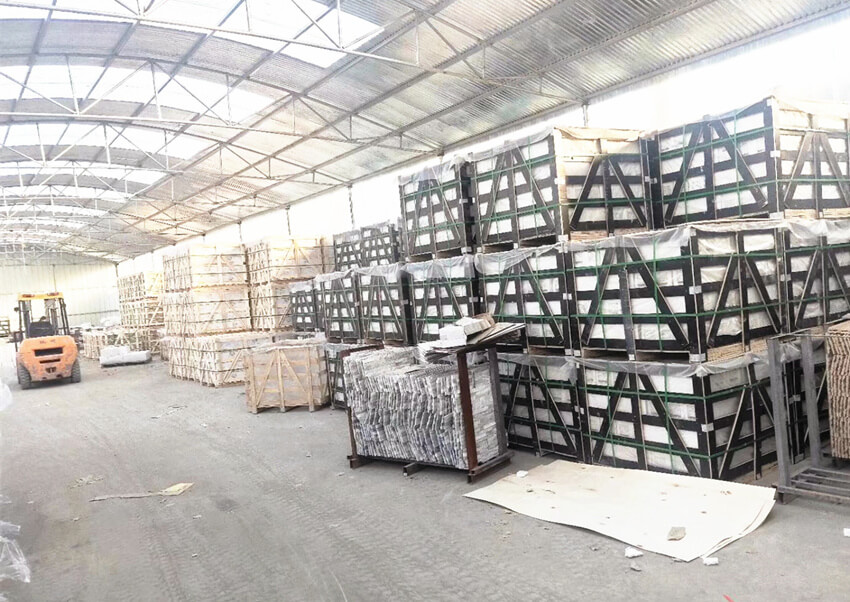
Die Überlastung der Häfen bleibt eine strukturelle Herausforderung für die Baubranche. Wenn Sie sich ausschließlich auf große Drehkreuze wie Los Angeles oder Long Beach verlassen, ist Ihre Lieferkette erheblichen Risiken durch Arbeitskräftemangel und Infrastrukturengpässe ausgesetzt. Intelligente Importeure legen jetzt Wert auf betriebliche Flexibilität, um Projekte im Zeitplan zu halten.
Strategische Hafendiversifizierung zur Umgehung wichtiger Hubs
Alles konzentrieren Hauptbuchstein Sendungen über einen einzigen Eingangspunkt führen bei Spitzenhandelsvolumina zu einem Single Point of Failure. Wir empfehlen, Ihre Ankünfte auf sekundäre Regionalhäfen zu verteilen. Diese Strategie vermeidet den Stau, der an stark frequentierten Terminals auftritt, und führt oft zu schnelleren Bearbeitungszeiten. Indem Sie Einstiegspunkte anhand ihrer Nähe zum endgültigen Einsatzort auswählen, minimieren Sie auch das volatilste Segment der Logistikkette: den Inlandstransport.
- Bewerten Sie wöchentlich die Hafenleistungskennzahlen, um Sendungen umzuleiten, bevor sie überlastete Gewässer erreichen.
- Nutzen Sie kleinere, spezialisierte Terminals, die schwere Industriegüter effizienter umschlagen als verbraucherorientierte Hubs.
- Arbeiten Sie mit Spediteuren zusammen, um nicht ausgelastete Liegeplätze im pazifischen Nordwesten oder Südosten zu identifizieren.
Digitale Sichtbarkeit in Echtzeit und vorausschauendes Tracking
Digitale Transparenz ersetzt Vermutungen durch umsetzbare Daten. Durch die Integration cloudbasierter Trackingsysteme werden Live-Statusaktualisierungen für jeden Container bereitgestellt Naturstein. Diese Plattformen nutzen automatisierte Benachrichtigungen, um Drayage-Partner zu benachrichtigen, sobald sich der Fahrplan eines Schiffes ändert. Dies ist entscheidend für die Vermeidung teurer Stand- und Festhaltegebühren. Durch die Analyse historischer Transportdaten können Sie präzise Erwartungen an die Lieferzeiten für Auftragnehmer festlegen und so Ihren beruflichen Ruf schützen.
- Implementieren Sie API-gesteuerte Plattformen, die sich direkt mit den Manifesten der Reedereien synchronisieren.
- Nutzen Sie prädiktive Analysen, um saisonale Verzögerungen zu antizipieren und die Bestellzyklen entsprechend anzupassen.
- Teilen Sie Tracking-Dashboards mit Projektmanagern, um die Arbeitsplanung vor Ort zu optimieren.
Optimierung der intermodalen Fracht für schweren Naturstein
Naturstein ist eine Fracht mit hoher Dichte, die typischerweise zwischen 8 und 13 Pfund pro Quadratfuß wiegt. Dieses Gewichtsprofil erfordert spezielle Transportstrategien. Durch die Kombination von Bahn- und LKW-Transporten – bekannt als intermodaler Transport – werden häufig die Frachtkosten pro Quadratmeter gesenkt und gleichzeitig der gesamte CO2-Fußabdruck verringert. Sie müssen bestätigen, dass Inlandstransporteure Hochleistungsgeräte und verstärkte Fahrgestelle verwenden, die in der Lage sind, unsere 1.000-kg-Paletten sicher zu transportieren. Durch die Sicherstellung der Abladekapazität rechtzeitig vor der Hauptsaison wird sichergestellt, dass Ihre Container sofort nach der Entladung im Hafen transportiert werden.
- Stellen Sie sicher, dass die Transportpartner über die erforderlichen Genehmigungen für Schwergewichtscontainer (Übergewichtsgenehmigungen) verfügen.
- Priorisieren Sie die Schiene im Fernverkehr, um die Auswirkungen des regionalen Lkw-Fahrermangels abzumildern.
- Fordern Sie spezielle Ausrüstung an, wie zum Beispiel dreiachsige Fahrgestelle, um eine legale Gewichtsverteilung auf Autobahnen sicherzustellen.
Aufbau der Widerstandsfähigkeit der Lieferkette mit Pufferbeständen
Proaktives Bestandsmanagement wirkt als Stoßdämpfer für die globale Logistikvolatilität. Wir empfehlen, einen 4- bis 6-wöchigen Sicherheitsvorrat an stark nachgefragten Materialien wie unserer Serie Alaska Grey oder Midnight Slate anzulegen. Dieser Puffer ermöglicht es Ihnen, dringende Handelsverträge auch bei unerwarteten Lieferflautes zu erfüllen. Durch den Aufbau lokaler Lagerpartnerschaften in der Nähe von Schlüsselmärkten können Sie volle Containermengen lagern und so sicherstellen “Bereit zum Versand” Status für Ihre lokalen Kunden.
- Priorisieren Sie Sicherheitsbestände für die beliebten Artikelfarben, um den Umsatz zu maximieren und die Kapitalbindung zu minimieren.
- Koordinieren Sie die Produktion mit unserem Fertigungsteam während stabiler Versandfenster, um niedrigere Frachtraten zu erzielen.
- Nutzen Sie regionale Vertriebszentren, um die Lieferzeit für Stellwerke auf der letzten Meile zu verkürzen Z-förmige Paneele.
Welche Dokumente sind für eine reibungslose Zollabfertigung zwingend erforderlich?
Inkonsistente Dokumentation bleibt die Hauptursache für Liegegelder und Zollprüfungen in Häfen, weshalb eine präzise administrative Abstimmung ebenso wichtig ist Steinqualität selbst.
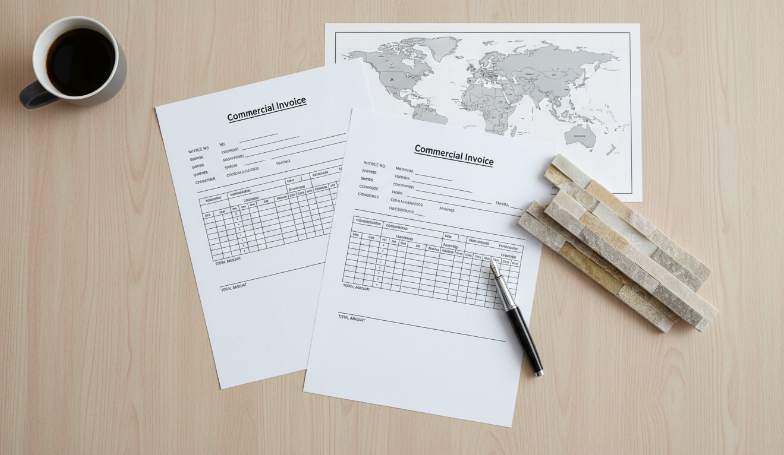
Handelsrechnung und detaillierte Packliste
Diese Kerndokumente dienen als primärer Beweis für die Zollbewertung und Frachtidentifizierung im Jahr 2026. Rechnungen müssen den Wert, die Währung und eine genaue Beschreibung des Gegenstands klar angeben Natursteinplatten um eine korrekte Steuerbemessung sicherzustellen. Wir berücksichtigen bestimmte Materialzusammensetzungen – wie Schiefer (HS-Code 6803.00.90) oder Quarzit (HS-Code 6802.93.11) – um eine sofortige Klassifizierung durch die Zollbeamten zu erleichtern.
Packlisten sorgen für Klarheit auf Kistenebene und geben die Menge, das Gewicht und die Abmessungen jeder Einheit an. Dies hilft den Hafenbehörden, die physische Sendung anhand der digitalen Erklärung zu überprüfen. Eine ungenaue Auflistung führt oft zu manuellen Kontrollen, die teure Lagergebühren am Ankunftshafen verursachen.
| Dokumenttyp | Kritische Datenpunkte | Auswirkungen importieren |
|---|---|---|
| Handelsrechnung | Stückpreis, Währung, HS-Code | Bestimmt die gesamte Zoll- und Mehrwertsteuerschuld. |
| Packliste | Kistenabmessungen, Netto-/Bruttogewicht | Verhindert Verzögerungen bei der physischen Inspektion. |
| Frachtbrief | Schiffsname, Containernummer, Siegelnummer | Dient als Titel der freizugebenden Waren. |
| Ursprungszeugnis | Produktionsstandort, Steinbruchquelle | Ermöglicht die Berechtigung zum Vorzugstarif. |
Frachtbrief (BOL)
Der Frachtbrief fungiert als Beförderungsvertrag und Eigentumstitel Steinprodukte während des Transports. Der Spediteur stellt das BOL aus, um den Empfang der Fracht zu bestätigen und die Lieferbedingungen zum Zielhafen festzulegen. Dieses Dokument verknüpft die physischen Güter mit der verantwortlichen Partei und stellt so die rechtliche Verantwortlichkeit für die Ladung während des Seetransports sicher.
Importeure benötigen das Original-BOL oder eine Telex-Freigabe, um die Sendung bei der Ankunft abholen zu können. Ohne dieses Dokument kann die Hafenbehörde den Container nicht rechtsgültig freigeben, selbst wenn alle Zölle bezahlt sind. Wir bieten eine digitale BOL-Verfolgung, um sicherzustellen, dass Händler ihre Lagerteams auf das genaue Ankunftsfenster vorbereiten können.
Ursprungszeugnis (CO)
Zollbehörden benötigen das Ursprungszeugnis, um die Berechtigung für Präferenzhandelsabkommen und die geltenden Zölle festzustellen. Der CO überprüft, ob die Steinplatten wurden in unserer Produktion abgebaut und verarbeitet Einrichtungen, die die rechtliche Nationalität des Produkts feststellen. Eine korrekte Ursprungsdokumentation verhindert die Anwendung von Vergeltungszöllen oder Antidumpingzöllen, die auf bestimmte Regionen abzielen.
- Überprüft die zu treffende Steinbruchquelle “Hergestellt in” Kennzeichnungspflichten.
- Reduziert die Gesamteinstandskosten durch die Nutzung von Freihandelsabkommen (FTA).
- Schützt den Importeur vor plötzlichen Richtlinienänderungen in Bezug auf bestimmte Exportzonen.
Begasungszertifikat für Holzverpackungen
Internationale Versandvorschriften erfordern den Nachweis, dass alle Holzkisten den ISPM 15-Standards für Wärmebehandlung oder Begasung entsprechen. Wir packen alles gestapelte Steinplatten in verstärkten, begasten Holzkisten, um die grenzüberschreitende Ausbreitung von Schädlingen zu verhindern. Ein gültiges Begasungszertifikat bestätigt, dass die Verpackung vor der Verladung im Hafen der erforderlichen chemischen oder Wärmebehandlung unterzogen wurde.
Fehlende Zertifikate führen im Jahr 2026 zu einer sofortigen Ablehnung der Lieferung oder einer obligatorischen Vor-Ort-Behandlung auf Kosten des Importeurs. Durch die Bereitstellung authentifizierter Begasungsstempel und Zertifikate für jede Palette eliminieren wir das Risiko von Umweltauflagen, die die Projektzeitpläne beeinträchtigen können.
Warum ist eine Transportversicherung die beste Investition für Steintransporte?
Die Transportversicherung fungiert im Jahr 2026 als wichtige finanzielle Absicherung. Schutz von hochwertigem Stein Fracht gegen die unvorhersehbaren physischen Belastungen des transozeanischen Transports, bei dem eine einzelne Palette kaputter Teile die gesamte Versicherungsprämie übersteigen kann.
Umfassender All-Risk-Schutz für empfindliche Natursteine
Naturstein Produkte wie Schiefer, Quarzit und Marmor sind an den vielen Berührungspunkten des internationalen Versands von Natur aus anfällig für physische Traumata. Eine All-Risk-Transportversicherung bietet den umfassenden Schutz, der erforderlich ist, um diese Materialien vor äußeren Verlustursachen zu schützen. Im Gegensatz zur Standardhaftpflichtversicherung von Frachtführern, die häufig erhebliche Ausschlüsse und niedrige Auszahlungsobergrenzen aufweist, richtet sich die All-Risk-Deckung nach dem tatsächlichen Marktwert der Fracht.
- Schützt die Sendung während des internationalen Transports vor Feuer, Wasserschäden und Diebstahl.
- Deckt Teilschäden und Totalschäden ab, die auf äußere Ursachen während einer Seereise zurückzuführen sind.
- Schützt den hohen Geldwert natürlicher Materialien vor rauen Seebedingungen und Handhabungsrisiken.
Erweiterter Schutz bei Hafenabfertigung und Zollabfertigung
Der logistische Zeitrahmen für Steine geht weit über die Zeit hinaus, die man auf einem Schiff verbringt. Die Fracht bleibt oft im Zwischenlager oder wird strengen Zollkontrollen unterzogen, bei denen Kisten und Paletten bewegt werden. Die meisten professionellen Transportversicherungen im Jahr 2026 sorgen während dieser Phasen für eine aktive Deckung und stellen so sicher, dass der Stein geschützt bleibt, bis er das endgültige Ziellager erreicht.
- Bietet Sicherheit bei Zwischenlagerungen in internationalen Häfen.
- Behält den Schutz bei Steinplatten Zollkontrollen und Dokumentationsprüfungen durchlaufen.
- Verlängert den Versicherungsschutz um bis zu 15 Tage, nachdem das Schiff die Ladung im endgültigen Zielhafen gelöscht hat.
Finanzielle Sicherheit gegen erhebliche Schäden und Verluste
Angesichts des Gewichts und der Zerbrechlichkeit von 6″ x24″ gestapelte SteinplattenDie Kosten einer Prämie sind im Vergleich zum potenziellen Verlust eines gesamten Containers vernachlässigbar. Auf dem aktuellen Markt liegen die Prämien typischerweise bei etwa 0,35 US-Dollar pro 100 US-Dollar Frachtwert. Bei einem standardmäßigen 20-Fuß-Container mit Alaska-Grau- oder California-Gold-Quarzit verhindert diese kleine Investition, dass ein Logistikunfall zu einem katastrophalen finanziellen Schlag für den Cashflow eines Händlers wird.
- Die Prämien bleiben erschwinglich und betragen in der Regel etwa 0,35 US-Dollar pro 100 US-Dollar des gesamten Frachtwerts.
- Mildert die finanziellen Auswirkungen eines Bruchs Häufiges Risiko für Fliesen und schweren Stein Platten.
- Stellt sicher, dass Logistikbetriebe ihr Kapital schnell zurückgewinnen können, wenn eine Lieferung gefährdet ist.
Strenge Standards für professionelle Exportverpackung
Versicherungsanbieter schaffen Anreize für hohe Qualitätsstandards bei der Herstellung, indem sie spezifische Verpackungsprotokolle fordern. Um die Gültigkeit der Police aufrechtzuerhalten, verwenden wir 5-lagige, verstärkte Exportkartons und begasungsfreie Sperrholzkisten. Diese Anforderungen verringern die Wahrscheinlichkeit von Transportschäden, indem sie branchenübliche Best Practices für die Containerbeladung und Gewichtsverteilung durchsetzen und so die Interessen des Herstellers, des Versicherers und des Importeurs effektiv in Einklang bringen.
- Erfordert eine fachgerechte Verpackung in Originalkartons des Herstellers oder verstärkten Holzkisten, um die Gültigkeit der Police aufrechtzuerhalten.
- Reduziert die Wahrscheinlichkeit von Transportschäden durch die Durchsetzung aktueller Best Practices der Branche für die Containerverladung.
- Bietet einen rechtlichen Nachweis der Qualität und Sorgfalt, falls ein Schadensersatzanspruch während des Transports geltend gemacht werden muss.
Abschluss
Effizient Die Steinbeschaffung hängt vom Ausgleich der Frachtkosten ab mit Zollkonformität und sicherer Verpackung. Wir helfen Händlern, die Landekosten zu minimieren, indem wir die Containerladungen optimieren und eine genaue Dokumentation für jede Sendung bereitstellen. Diese Logistikstrategien sichern Margen und sorgen gleichzeitig für Sicherheit Naturstein kommt bereit zur sofortigen Verteilung an.
Bewerten Sie Ihr aktuelles Versandvolumen, um zu sehen, wie unsere Schwergewichtscontainer-Strategien Ihre Kosten pro Quadratmeter senken können. Unser Team kann technische Datenblätter oder Frachtangebote bereitstellen, um Ihre nächste Großbestellung zu optimieren.
Häufig gestellte Fragen
Was ist der richtige HS-Code für gestapelte Natursteinplatten?
Natürliche gestapelte Steinplatten fallen typischerweise unter HS-Code 6802.91 (Marmor, Travertin und Alabaster) oder 6802.93 (Granit), abhängig von der geologischen Zusammensetzung des Steins. Für Schieferplatten lautet der korrekte Code 6803.00. Diese Codes identifizieren das Material als “monumental gearbeitet bzw Baustein” Dies ist für eine genaue Zollberechnung unerlässlich.
Wie viele Quadratmeter Stein passen in einen 20-Fuß-Container?
Ein standardmäßiger 20-Fuß-Container ist eher durch das Gewicht als durch das Volumen begrenzt und beträgt in der Regel je nach örtlichen Straßenverkehrsvorschriften 21 bis 27 Tonnen. Bei Steinen mit einer Dicke von 2 cm passen normalerweise etwa 400–450 Quadratmeter. Bei einer Dicke von 3 cm sinkt die Kapazität auf etwa 280–300 Quadratmeter.
Welcher Incoterm ist für einen Erstimporteur von Steinen sicherer?
Für einen Erstimporteur ist CIF (Kosten, Versicherung und Fracht) die ausgewogenste Option, da der Verkäufer den Seetransport und die Versicherung übernimmt. Für maximale Sicherheit und Einfachheit wird jedoch DDP (Delivered Duty Paid) empfohlen, da der Lieferant die volle Verantwortung für den Versand, die Zölle und die Lieferung an Ihr Lager übernimmt, allerdings mit höheren Servicekosten.
Wie berechnen Sie die gesamten Anschaffungskosten einschließlich Zöllen?
Die gesamten Landekosten = EXW-Werkspreis + Seefracht + Seeversicherung + Zollgebühren (Zollsatz % × CIF-Wert) + Hafenabfertigungsgebühren + Zollabfertigungsgebühren + Inlandstransport. Stellen Sie immer sicher, dass Sie Folgendes berücksichtigen “Tatsächlicher Benutzer” Bedingungen oder spezifische nationale Tarife, die für Sie gelten können Steinart um unerwartete Zuschläge zu vermeiden.
Welche Dokumente werden für die Zollabfertigung von Steinen in den USA/EU benötigt?
Zur Standarddokumentation gehören der Frachtbrief (B/L), die Handelsrechnung, die Packliste und ein Ursprungszeugnis. Für die USA benötigen Sie außerdem ein ISF (Importer Security Filing). Da Steine oft in Holzkisten verschickt werden, ist ein Wärmebehandlungs- oder Begasungszertifikat (ISPM 15-Konformität) zwingend erforderlich, um landwirtschaftliche Inspektionen zu bestehen.
Wie gehe ich mit Schadensersatzansprüchen um, die während des Seetransports auftreten?
Dokumentieren Sie den Schaden unmittelbar nach Ankunft des Containers vor dem Entladen mit hochauflösenden Fotos. Notieren Sie den Schaden auf dem Lieferauftrag (DO) oder CMR, bevor der Fahrer abfährt. Benachrichtigen Sie Ihren Versicherer und den Lieferanten innerhalb von 24–72 Stunden, um einen formellen Anspruch einzureichen. Stellen Sie sicher, dass Sie eine haben “Sauberer Frachtbrief” vom Ursprungsort, um zu beweisen, dass der Schaden während des Transports und nicht im Werk entstanden ist.