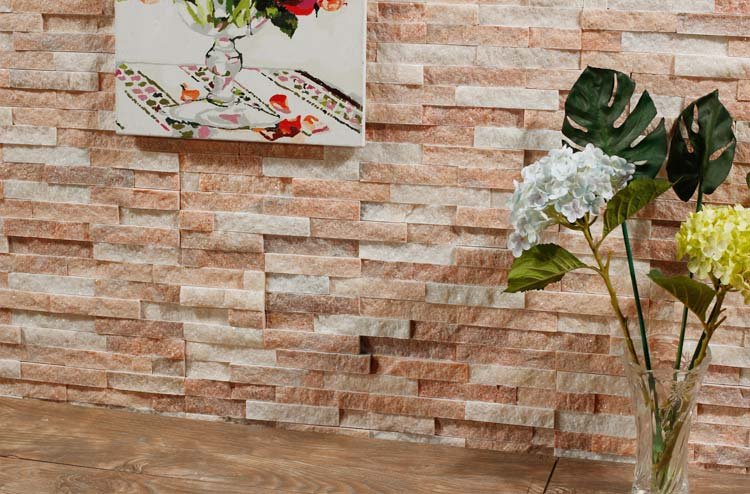
Esterno in pietra accatastata è una scelta straordinaria per migliorare il fascino architettonico delle case, fornendo un aspetto rustico ma elegante. Questo materiale versatile è ampiamente utilizzato in varie applicazioni, dalle pareti d'accento alle facciate complete. Tuttavia, nel corso del tempo, la bellezza naturale della pietra accatastata esterna può sbiadire a causa di fattori ambientali, richiedendo ai proprietari di casa di prendere in considerazione la ridipintura o la colorazione per mantenerne le qualità estetiche e protettive. In questa guida esploreremo come dipingere la pietra accatastata esterna, approfondendo i motivi della verniciatura, le fasi di preparazione, la selezione della vernice, le tecniche e i suggerimenti per la manutenzione.
Dipingere la pietra accatastata esterna può trasformare l'aspetto della tua casa, offrendo una nuova prospettiva senza la necessità di una ristrutturazione completa. Man mano che andiamo avanti, copriremo tutto ciò che devi sapere per ottenere una finitura professionale garantendo al tempo stesso la longevità dei tuoi pannelli esterni in pietra accatastati.
1. Motivi per dipingere la pietra impilata
1.1 Migliorare l'attrattiva estetica
Una delle motivazioni principali per dipingere la pietra accatastata esterna è migliorarne l'aspetto estetico. Il colore naturale della pietra a volte può scontrarsi con le preferenze del design moderno o con il paesaggio circostante. Selezionando un nuovo colore, i proprietari di casa possono dare nuova vita ai loro esterni. Opzioni di colore spaziano da toni neutri a tonalità audaci e vibranti, consentendo l'espressione creativa.
Ad esempio, le tonalità più chiare possono creare un'atmosfera luminosa e ariosa, mentre i colori più scuri possono aggiungere drammaticità e raffinatezza. Inoltre, la verniciatura consente il coordinamento con lo schema cromatico generale della casa, compresi rivestimenti, porte e finestre, portando a un design coerente.
1.2 Protezione della pietra accatastata esterna
Oltre al miglioramento visivo, la pittura è uno strato protettivo per i pannelli esterni in pietra accatastati. Gli elementi possono mettere a dura prova le superfici in pietra naturale, provocandone erosione, scolorimento e persino danni strutturali. La vernice di qualità fornisce una barriera contro l'umidità, i raggi UV e le variazioni di temperatura, prolungando la vita della tua pietra.
Secondo uno studio del Centro nazionale per la tecnologia e la formazione per la conservazione, le superfici verniciate possono ridurre l'assorbimento di umidità fino al 75%, mitigando significativamente i rischi di muffe e funghi. Pertanto, la pittura non solo abbellisce ma fortifica anche la pietra contro gli stress ambientali.
1.3 Aggiornamento dell'aspetto
La pittura può aggiornare notevolmente l'aspetto della tua casa senza grandi ristrutturazioni. Se di recente hai modificato il paesaggio o aggiunto nuove caratteristiche architettoniche, ridipingere la pietra accatastata esterna può aiutare a creare armonia all'interno del design complessivo. Inoltre, consente ai proprietari di casa di tenere il passo con le tendenze del design, facilitando il rinnovamento dell’aspetto della casa nel corso degli anni.
In sostanza, dipingere la pietra accatastata esterna è un modo semplice ma efficace per modernizzare e migliorare il fascino della tua casa, assicurandoti che rimanga una caratteristica distintiva nel tuo quartiere.
-
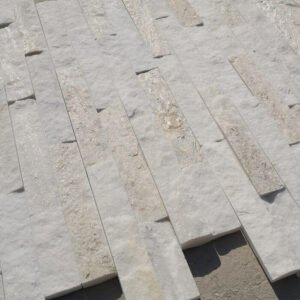 Pannelli in pietra impilati in quarzite di nuovi colori cinesi
 -
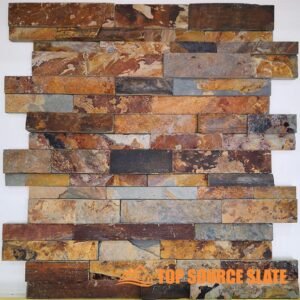 Pannello registro in pietra impilata in ardesia arrugginita ruvida 6 pollici x 24 pollici.
 -
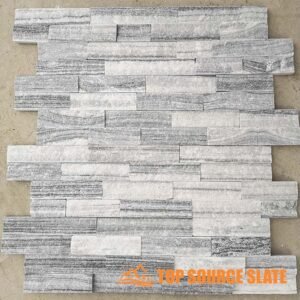 Pannello registro in pietra impilata grigio Alaska grezzo 6 pollici x 24 pollici.
 -
 Pannello registro in pietra impilata in arenaria grezza 6 pollici x 24 pollici.
 -
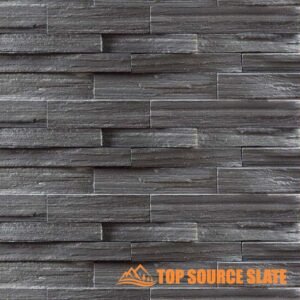 Pannello registro grezzo in ardesia nera naturale 6 pollici x 24 pollici.
 -
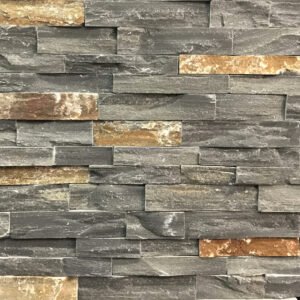 Pannello Sierra Blue Ledger 6 pollici x 24 pollici. Quarzite di pietra naturale
 -
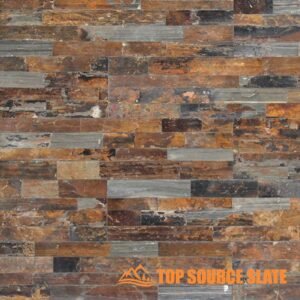 Pannelli in pietra naturale di sporgenza in ardesia dorata della California - 6 x 24
 -
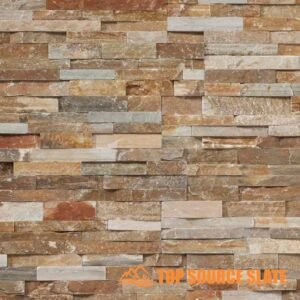 Registro del pannello in ardesia del raccolto dorato – 6×24
-
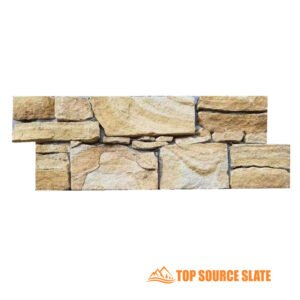 Rivestimento esterno in pietra naturale Z di nuovo stile
 -
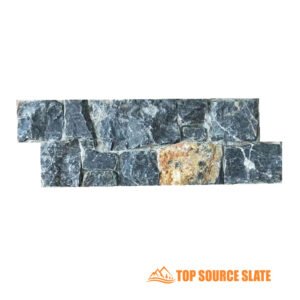 Rivestimento esterno in pietra naturale Z di nuovo stile
 -
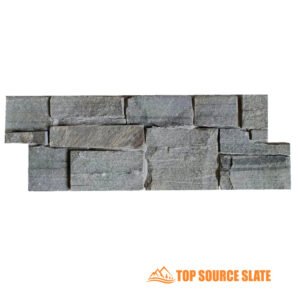 Pannelli in pietra naturale per esterni a prezzo all'ingrosso
 -
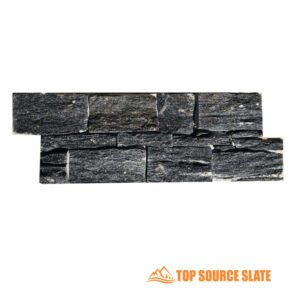 Camino in pietra impilata al quarzo nero
 -
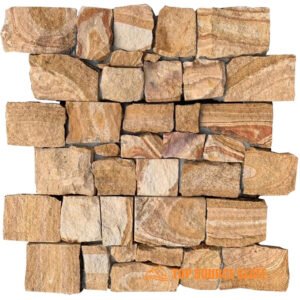 Rivestimento murale in pietra arenaria z con prezzo di fabbrica
 -
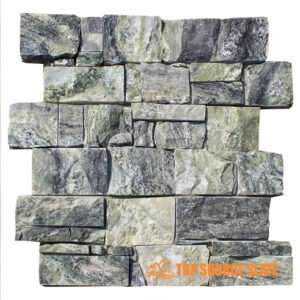 Pannelli di rivestimento in pietra Z ad incastro a prezzo di fabbrica
 -
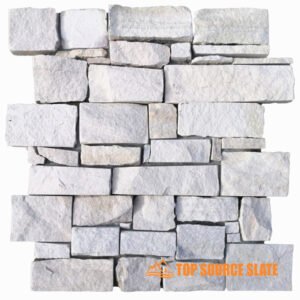 Camino in pietra impilata in arenaria bianca
 -
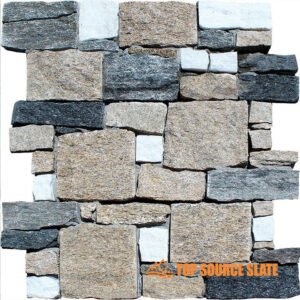 Decorazione esterna in pietra coltivata
-
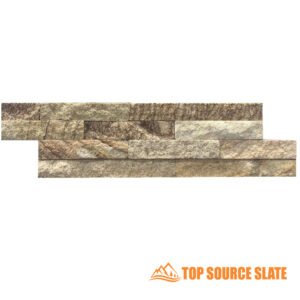 Piastrelle 3D a spacco in pietra arenaria della migliore qualità per interni ed esterni
 -
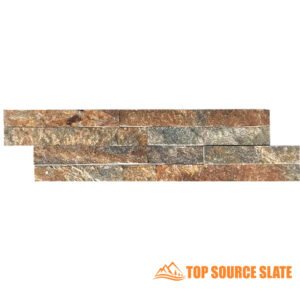 Piastrella a mosaico splitface in quarzo rame rustico prezzo all'ingrosso
 -
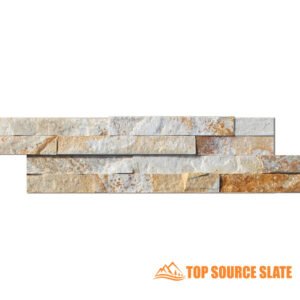 Piastrelle a mosaico a faccia divisa cinese scintillante di alta qualità ostrica
 -
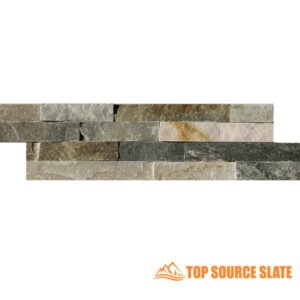 La Cina produce tessere di mosaico in quarzite a faccia divisa con spacco di ostriche
 -
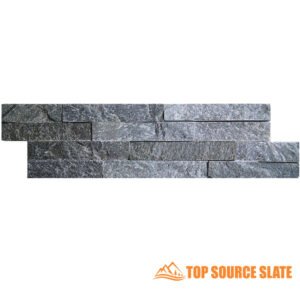 Piastrella a mosaico a faccia divisa in mattoni grigi rotia di produzione professionale 10 * 36 cm
 -
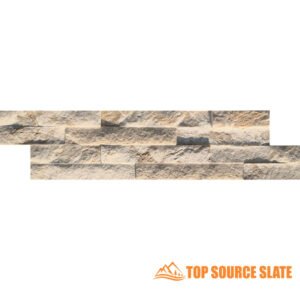 Pannello contabile a faccia divisa bianco reale della fabbrica cinese
 -
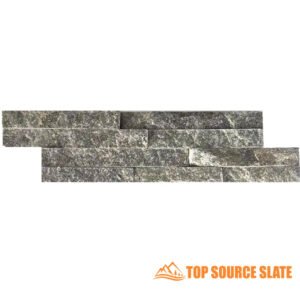 Rivestimenti a mosaico a faccia divisa in quarzite verde fabbrica cinese
 -
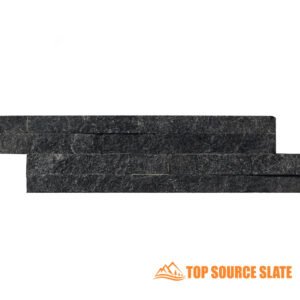 Mini piastrella splitface in quarzite nera del produttore cinese
Pietra impilata: una guida completa all'acquisto【aggiornamento】
Come installare Stacked Stone o Ledge Stone
Come installare un camino in pietra sovrapposto
Rivestimenti in pietra naturale: La Guida Completa
2. Preparazione per il progetto
2.1 Valutazione delle condizioni della pietra accatastata esterna
Prima di immergerti nel processo di verniciatura, valuta le condizioni del tuo esterno in pietra accatastata è essenziale. Osserva attentamente eventuali segni di danno, come crepe, scheggiature o malta sgretolata. Affrontare questi problemi in anticipo migliorerà l’aspetto del tuo progetto e garantirà un lavoro di verniciatura più duraturo.
Se riscontri danni significativi, valuta la possibilità di consultare un professionista per le riparazioni. Questo passaggio è cruciale; trascurare di risolvere i problemi sottostanti può portare a una scarsa adesione della vernice e a danni ancora più estesi in futuro.
2.2 Pulizia della superficie esterna del rivestimento in pietra impilata
Un approfondito pulizia della superficie della pietra è un passaggio non negoziabile nella preparazione. Sporco, sporcizia e muffa possono inibire l'adesione della vernice e portare a finiture irregolari. Ecco alcuni metodi di pulizia efficaci:
- Lavaggio a pressione: L'uso di un'idropulitrice può rimuovere efficacemente sporco e detriti ostinati. Assicurarsi che la pressione sia impostata in modo appropriato per evitare di danneggiare i pannelli esterni di rivestimento in pietra accatastati.
- Sfregamento: Per aree più piccole o pietre delicate, una spazzola con una miscela di acqua e detergente delicato può fare miracoli. Prestare attenzione alle fessure dove lo sporco tende ad accumularsi.
Dopo la pulizia, lasciare asciugare completamente la pietra, poiché la verniciatura su superfici umide può causare bolle e desquamazione.
2.3 Riparazione dei danni
Se hai identificato eventuali crepe o scheggiature durante la valutazione, è fondamentale ripararle prima di verniciare. Ecco alcuni metodi comuni per le riparazioni:
- Riparazione della malta: Utilizzare un composto rappezzante per malta per le crepe nei giunti di malta. Pulisci la giuntura, applica il composto e liscialo con una cazzuola.
- Riempitivo di pietra: È possibile applicare uno stucco per pietra su piccole scheggiature della pietra. Seguire le istruzioni del produttore per i tempi di applicazione e asciugatura.
Prendendoti il tempo necessario per preparare adeguatamente la piastrella in pietra impilata esterna, preparerai il terreno per un progetto di verniciatura di successo che avrà un bell'aspetto e durerà più a lungo.
3. Scegliere la vernice giusta
3.1 Tipi di vernice adatti per pietra accatastata esterna
Selezionare la vernice giusta è fondamentale per ottenere una finitura durevole ed esteticamente gradevole sulla pietra accatastata esterna. Per le superfici in pietra sono generalmente consigliati due tipi principali di vernice:
- Vernice acrilica: Nota per la sua flessibilità e durata, la vernice acrilica è una scelta eccellente per applicazioni esterne. Aderisce bene ai pannelli esterni in pietra impiallacciata, resiste allo sbiadimento e fornisce un'eccellente copertura. Inoltre, consente alla pietra di respirare, riducendo il rischio di accumulo di umidità sotto la vernice.
- Vernice al lattice: Un'altra opzione praticabile, la vernice al lattice è a base d'acqua ed è facile da lavorare. Si asciuga rapidamente, ha basse emissioni di COV ed è più facile da pulire rispetto alle vernici a base di olio. Cerca vernici al lattice di alta qualità specificatamente formulate per uso esterno.
Quando scegli la vernice, assicurati che sia etichettata per muratura o pietra accatastata esterna per garantire che possa resistere efficacemente agli elementi esterni.
3.2 Selezione del colore
La scelta del colore giusto per la tua pietra accatastata esterna può avere un impatto significativo sull'aspetto generale della tua casa. Ecco alcuni suggerimenti per guidare la tua decisione:
- Considera i dintorni: Prendi in considerazione i colori del rivestimento, del tetto e del paesaggio della tua casa. Una tavolozza di colori coerente creerà armonia nel tuo design esterno.
- Campioni di prova: Prova sempre alcuni colori sulla superficie della pietra prima di impegnarti. La vernice può avere un aspetto diverso una volta applicata, influenzata dalle condizioni di illuminazione e dal colore naturale del muro esterno in pietra accatastata.
- Tendenze e atemporalità: Sebbene sia forte la tentazione di scegliere colori alla moda, valuta la possibilità di optare per tonalità più intramontabili se prevedi di rimanere a casa a lungo termine. I toni neutri come i grigi, i beige e i bianchi spesso forniscono un aspetto classico.
In definitiva, il giusto colore della vernice non solo migliora l’attrattiva della tua casa, ma contribuisce anche al suo valore e alla sua longevità.
4. Strumenti e materiali necessari
4.1 Strumenti essenziali
Avere gli strumenti giusti a portata di mano è fondamentale per un progetto di pittura di successo. Ecco un elenco degli strumenti essenziali di cui avrai bisogno per dipingere la pietra accatastata esterna:
- Spazzole: Una varietà di pennelli (sia con setole sintetiche che naturali) è essenziale. Utilizza pennelli a setole rigide per superfici ruvide e pennelli più fini per aree dettagliate.
- Rulli: Un rullo con pelo spesso è ideale per coprire rapidamente aree più grandi. Per lavori dettagliati è possibile utilizzare un rullo più piccolo.
- Attrezzatura di spruzzatura (opzionale): Per una finitura liscia e uniforme, considera l'utilizzo di uno spruzzatore di vernice, soprattutto per superfici più grandi. Assicurati di avere l'equipaggiamento protettivo adeguato quando usi uno spruzzatore.
- Teli e nastri protettivi: Proteggi le superfici adiacenti stendendo dei teli e usando del nastro adesivo per mascherare le aree che non vuoi dipingere.
4.2 Attrezzature di sicurezza
La sicurezza dovrebbe sempre essere una priorità quando si intraprende un progetto di verniciatura. Ecco alcuni dispositivi di sicurezza consigliati:
- Guanti: Utilizza guanti monouso o riutilizzabili per proteggere le mani da vernici e sostanze chimiche.
- Maschere: Una maschera è essenziale, soprattutto quando si lavora con vernice spray o in aree poco ventilate. Scegli una maschera resistente ai fumi di vernice.
- Occhiali di sicurezza: Proteggi gli occhi da schizzi e detriti, soprattutto durante il lavaggio a pressione o l'utilizzo di strumenti.
- Ginocchiere: Se lavorerai a livello del suolo per periodi prolungati, le ginocchiere possono aiutare a ridurre il disagio.
Assicurandoti di avere tutti gli strumenti e le attrezzature di sicurezza necessari, ti prepari per un'esperienza di verniciatura più fluida e sicura.
Linee guida per l'installazione di piastrelle in pietra impilate
Come misurare i pannelli impiallacciati in pietra
Come selezionare le piastrelle di pietra impilate per il tuo progetto
5. Tecniche pittoriche
Quando si dipinge esterno in pietra accatastata, la tecnica utilizzata può influire notevolmente sulla finitura complessiva e sulla durata del progetto. In questa sezione viene fornita una guida approfondita per garantire risultati professionali con effetti duraturi.
5.1 Applicazione del primer
L'utilizzo di un primer di alta qualità è un primo passo essenziale per garantire che la vernice aderisca correttamente e duri sul rivestimento esterno in pietra accatastata. L'adescamento crea una base uniforme, sigilla le superfici porose e impedisce alla pietra di assorbire troppa vernice, il che può portare a una copertura irregolare.
- Scegli il primer giusto: Per la pietra accatastata esterna, optare per un primer acrilico per muratura. I primer acrilici sono altamente durevoli e flessibili, consentendo loro di adattarsi alla struttura della pietra prevenendo screpolature o desquamazioni nel tempo. Se la tua pietra è particolarmente porosa o non è mai stata verniciata, considera un primer ad alto legame per una maggiore aderenza.
- Applicare il primer in modo uniforme:
- Inizia utilizzando un pennello per applicare il primer sui bordi e sulle aree dettagliate. Per le superfici in pietra grezza si consiglia di utilizzare una spazzola a setole rigide per penetrare nelle fessure.
- Dopo aver coperto le aree dettagliate, utilizzare un rullo o uno spruzzatore per sezioni più grandi. UN rullo spesso per pisolini funziona meglio su superfici strutturate come la pietra accatastata.
- Assicurati di coprire ogni angolo, poiché un primer non uniforme può portare a un'applicazione di vernice a chiazze. In genere è sufficiente una sola mano uniforme.
- Consentire un tempo di asciugatura sufficiente: Lasciare asciugare completamente il primer prima di passare alla verniciatura. Di solito ci vogliono circa 24 ore, a seconda delle condizioni meteorologiche. Affrettare questo passaggio può causare la formazione di bolle o il distacco della vernice.
- Passaggio facoltativo – Levigatura: Per una finitura più liscia, carteggiare leggermente la superficie con carta vetrata a grana fine dopo che il primer si è asciugato. Ciò rimuoverà eventuali accumuli di primer nelle aree rialzate e garantirà una superficie più uniforme per la vernice.
5.2 Processo di verniciatura
Dopo che il primer si è asciugato, è il momento di passare al processo di verniciatura vero e proprio. Il metodo che scegli per applicare la vernice, sia con pennello, rullo o spruzzo, dipende dalle dimensioni e dalla struttura della pietra accatastata esterna. Ecco una ripartizione dettagliata:
Mescola accuratamente la vernice:
- Prima di iniziare, assicurati che la vernice sia miscelata uniformemente. Mescola la vernice accuratamente per garantire la coerenza del colore e della consistenza.
Inizia con i bordi e i dettagli:
- Usa un pennello per dipingere i bordi del rivestimento esterno in pietra accatastata, concentrandoti su angoli, fessure e dettagli intricati. Una spazzola offre un controllo migliore per queste aree rispetto a un rullo o uno spruzzatore.
Rullo per Grandi Superfici:
- Per aree più grandi, utilizzare a rullo a pelo spesso per coprire efficacemente la superficie. Il pelo (lo spessore della copertura del rullo) dovrebbe essere almeno ¾ pollice o più, a seconda della profondità della struttura della pietra. Ciò garantisce che la vernice penetri nelle fessure della pietra accatastata esterna.
- Arrotolare in piccole sezioni, utilizzando movimenti lunghi e uniformi per evitare segni di giro. Sfumare i bordi rotolando leggermente sulle aree precedentemente dipinte per creare una fusione senza soluzione di continuità.
Verniciatura a spruzzo (opzionale):
- Se stai coprendo una vasta area, utilizzando a spruzzatore di vernice può risparmiare tempo e fornire una finitura uniforme e professionale. Gli spruzzatori sono particolarmente efficaci per i pannelli in pietra accatastati per esterni altamente strutturati, poiché possono penetrare in piccole crepe e fessure.
- Tuttavia, la spruzzatura richiede una maggiore preparazione, poiché dovrai mascherare le aree circostanti teli e nastro adesivo per evitare spruzzi eccessivi.
La sicurezza è fondamentale:
- Quando usi uno spruzzatore, indossa sempre una maschera e occhiali protettivi per proteggerti dai fumi di vernice e dagli spruzzi eccessivi.
Più strati sottili:
- Per ottenere i migliori risultati, applicare più strati sottili anziché uno strato spesso. Questa tecnica fornisce una migliore copertura, riduce al minimo le gocce e garantisce che la vernice aderisca correttamente alla superficie esterna in pietra accatastata. Lasciare asciugare completamente ogni strato prima di applicare quello successivo.
- Mancia: Quando si applica la seconda mano, utilizzare a tecnica incrociata, dipingendo in un senso per la prima mano e nel senso opposto per la seconda. Ciò garantisce una copertura uniforme e aiuta a evitare striature o texture irregolari.
Ispezionare e ritoccare:
- Dopo che la mano finale si è asciugata, ispezionare la superficie verniciata per eventuali punti mancanti, gocce o aree irregolari. Usa un pennellino per ritoccare queste aree per una finitura impeccabile.
5.3 Tecniche per una finitura professionale
Per ottenere una finitura dall'aspetto professionale è necessario utilizzare tecniche avanzate che garantiscono una copertura uniforme e un risultato impeccabile. Ecco alcuni metodi che possono portare il tuo progetto al livello successivo:
Usa il rullo per pisolino destro:
- Per superfici in pietra ruvide o molto strutturate, scegliere a rullo spesso per pisolini (1-1,25 pollici). Il pelo più spesso consentirà al rullo di raggiungere in profondità le fessure della pietra accatastata esterna.
- Se la superficie è più liscia, è possibile utilizzare un rullo a pelo più corto (½ pollice) per ottenere una finitura lucida.
Sfumatura dei bordi:
- La sfumatura è una tecnica in cui unisci i bordi di ciascuna sezione mentre dipingi. Ciò garantisce che non vi siano linee dure o segni di sovrapposizione nel punto in cui un'area verniciata incontra un'altra. Ad esempio, se stai stendendo la vernice su una sezione, stendi leggermente i bordi nell'area adiacente per creare una transizione senza soluzione di continuità.
Non sovraccaricare la vernice:
- Spazzolare o rotolare eccessivamente la vernice può causare striature, segni di pennello e una consistenza irregolare. Applicare la vernice con tratti lisci e uniformi, ed evitare di ripassare più volte la stessa area una volta che la vernice inizia ad asciugarsi. Ciò è particolarmente importante con superfici strutturate come la pietra accatastata esterna, dove un eccessivo utilizzo della vernice può causare un accumulo non uniforme nelle fessure.
Tempo di asciugatura tra gli strati:
- Consenti almeno 4-6 ore del tempo di asciugatura tra una mano e l'altra per le vernici all'acqua. Per le vernici a olio è meglio aspettare 24 ore. Ciò impedisce il sollevamento del sottopelo e garantisce che ogni strato aderisca correttamente.
- Nei climi più freschi o più umidi, i tempi di asciugatura possono essere prolungati. Sii paziente, poiché una corretta asciugatura garantisce la longevità della vernice.
Backrolling (per spruzzatori):
- Se stai usando uno spruzzatore, considera backrolling. Questa è una tecnica in cui, dopo aver spruzzato una sezione, si utilizza un rullo per ripassare la vernice bagnata. Questo metodo aiuta a spingere la vernice nelle fessure esterne delle pietre accatastate e garantisce una copertura uniforme.
Utilizzando un sigillante (opzionale):
- Per una maggiore protezione e longevità, considera l'applicazione di a sigillante per muratura trasparente dopo che la vernice si è asciugata. Questo non solo esalta il colore della pietra dipinta ma la protegge anche dagli agenti atmosferici, come pioggia, esposizione al sole e accumulo di sporco.
- Scegli un Sigillante traspirante e resistente ai raggi UV progettato per murature esterne. Applicarlo con pennello o rullo seguendo le stesse tecniche utilizzate per la verniciatura.
5.4 Considerazioni speciali per il rivestimento esterno in pietra accatastata
Le piastrelle in pietra impilate per esterni spesso presentano sfide uniche a causa della sua superficie irregolare e della natura porosa. Ecco alcune considerazioni aggiuntive specifiche per questo materiale:
- Porosità della Pietra: Le pietre altamente porose, come la pietra calcarea o l'arenaria, potrebbero richiedere strati aggiuntivi di primer o vernice per evitare che la pietra assorba troppo prodotto. Testare sempre prima una piccola area per valutare come reagisce la pietra.
- Texture e scanalature naturali: A causa della sua struttura robusta, le piastrelle di pietra impilate tendono ad avere scanalature e aree irregolari che possono non essere visibili durante la verniciatura. Per contrastare questo problema, assicurati di cambiare l'angolo di visione mentre dipingi, assicurandoti che nessuna area venga lasciata scoperta.
Seguendo queste tecniche di pittura complete, ti assicurerai il tuo esterno in pietra accatastata sembra rifinito professionalmente ed è ben protetto dagli elementi per gli anni a venire.
Come pulire la pietra accatastata interna?
Come tagliare i pannelli in pietra registro?
Come rimuovere il rivestimento esterno in pietra
6. Manutenzione dopo la verniciatura
6.1 Ispezione della vernice
Dopo aver dipinto la pietra accatastata esterna, una manutenzione regolare è essenziale per preservarne l'aspetto e la durata. Inizia ispezionando periodicamente la superficie verniciata, in particolare dopo condizioni meteorologiche avverse. Cerca eventuali segni di usura, come:
- Peeling o screpolature: Questi problemi possono indicare una scarsa adesione o danni alla pietra sottostante.
- Scolorimento: Lo scolorimento della vernice può derivare da una prolungata esposizione al sole.
- Crescita di muffe o muffe: Verificare la presenza di eventuali macchie scure, soprattutto nelle zone umide.
Affrontare tempestivamente questi problemi può prevenire danni più significativi e prolungare la durata del lavoro di verniciatura.
6.2 Suggerimenti per il ritocco
Per mantenere fresca la pietra accatastata esterna verniciata, potrebbero essere necessari ritocchi. Ecco come gestire in modo efficace le riparazioni minori:
- Identificare le aree problematiche: Dopo l'ispezione, contrassegnare eventuali punti che richiedono attenzione.
- Pulisci l'area: Prima del ritocco, pulire le aree interessate con un detergente delicato e acqua per rimuovere sporco o muffa.
- Usa la stessa vernice: Per i ritocchi, utilizza sempre la stessa vernice e lo stesso colore applicati inizialmente. Se la vernice è stata esposta alla luce solare per un lungo periodo, valuta di portare un campione al negozio per far corrispondere accuratamente il colore.
- Metodo di applicazione: Usa un pennello piccolo per precisione, fondendo la nuova vernice sulla superficie esistente per un aspetto uniforme.
Mantenere i pannelli esterni in pietra accatastati non solo li mantiene in ottime condizioni, ma aiuta anche a proteggere il tuo investimento nel tempo.
7. Errori comuni da evitare
7.1 Saltare la preparazione
Uno degli errori più gravi commessi dai proprietari di case è saltare i passaggi essenziali della preparazione. Una preparazione adeguata, compresa la pulizia e la riparazione della pietra accatastata esterna, è fondamentale per ottenere una finitura durevole e attraente. Senza di essa, la vernice può sfaldarsi, sbucciarsi o scheggiarsi, comportando costose riparazioni e la necessità di una riverniciatura completa prima del previsto.
7.2 Utilizzo di prodotti incompatibili
Un altro errore comune è utilizzare il tipo sbagliato di vernice o primer. Non tutte le vernici sono adatte per muratura o pietra e l'utilizzo di prodotti incompatibili può comportare una scarsa adesione e un cedimento prematuro. Seleziona sempre vernici appositamente progettate per la pietra accatastata per esterni ed evita le vernici a base di olio a meno che non siano esplicitamente consigliate per le superfici in pietra.
7.3 Ignorare le condizioni meteorologiche
Il tempo gioca un ruolo fondamentale nel successo del tuo progetto di pittura. La verniciatura a temperature o umidità estreme può influenzare negativamente i processi di applicazione e asciugatura. Idealmente, scegli una giornata asciutta e mite per dipingere, evitando condizioni come pioggia o luce solare diretta, che possono far asciugare la vernice troppo rapidamente e provocare una finitura irregolare.
7.4 Affrettare il processo
Infine, affrettare il processo di verniciatura può portare a errori e a una finitura scadente. Prenditi il tuo tempo in ogni passaggio, dalla preparazione all'applicazione. Consentire un tempo di asciugatura adeguato tra una mano e l'altra e non saltare alcun passaggio necessario, come l'adescamento. Un lavoro affrettato spesso comporta la necessità di rilavorazioni, il che può essere dispendioso in termini di tempo e frustrante.
Essendo consapevoli di queste insidie comuni e prendendo le precauzioni necessarie, puoi garantire un progetto di verniciatura di successo che esalti la bellezza e la longevità della tua pietra accatastata esterna.
Punti chiave
- La preparazione è fondamentale: Non sottovalutare mai l'importanza di pulire e riparare la pietra prima di verniciarla. Una superficie ben preparata garantisce una migliore adesione e una finitura più duratura.
- Scegli i prodotti giusti: Seleziona primer e vernici di alta qualità specifici per la muratura per proteggere e abbellire la tua pietra accatastata esterna.
- Manutenzione regolare: Ispeziona regolarmente le superfici verniciate ed esegui i ritocchi necessari per mantenere la tua casa fresca.
- Evita errori comuni: Presta attenzione alla preparazione, alla compatibilità del prodotto, alle condizioni meteorologiche e prenditi il tuo tempo durante tutto il processo per evitare insidie.
Con queste linee guida in mano, puoi intraprendere con sicurezza il tuo progetto di pittura su pietra accatastata per esterni. Non solo migliorerai l'aspetto estetico della tua casa, ma proteggerai anche il tuo investimento per gli anni a venire. Che tu stia cercando un aspetto fresco o uno strato protettivo, dipingere la pietra accatastata esterna è uno sforzo utile.
8. Conclusione
Pittura esterno in pietra accatastata può essere un progetto gratificante che esalta la bellezza e la longevità della tua casa. Comprendendo i motivi per dipingere, preparando accuratamente la superficie, scegliendo i materiali giusti e applicando la vernice con cura, puoi ottenere risultati sorprendenti che aumentano il fascino della tua casa.
Elenco delle migliori fonti eccelle in tutte queste aree, rendendoci il miglior complice dei vostri desideri di rivestimento in pietra, sia che si tratti di un rivestimento in pietra esterno di una casa o di una caratteristica parete interna.Contattaci oggi per saperne di più su come aiuteremo il tuo prossimo incarico.