La scienza delle texture determina il successo dei rivestimenti architettonici su larga scala, dove una scelta errata della finitura spesso porta a costosi rifiuti di progetti e danni irreversibili al marchio. Architetti e costruttori affrontano rischi finanziari significativi quando le superfici in pietra non riescono a soddisfare gli standard di riflessione della luce o le aspettative tattili, trasformando uno sviluppo di fascia alta in una responsabilità visiva. La scelta tra i metodi di spacco a mano e di taglio a macchina implica molto più che una semplice estetica; richiede una profonda comprensione di come le strutture geologiche reagiscono ai diversi stress di fabbricazione.
Questa analisi tecnica stabilisce uno standard chiaro per la valutazione delle texture della pietra, concentrandosi sulle differenze meccaniche tra la tradizionale spaccatura artigianale e il taglio meccanico di precisione. Esaminiamo il modo in cui i profili delle fessure naturali influenzano il gioco di luci e ombre, se la lavorazione manuale influisce sull'integrità strutturale dei pannelli sottili e la fisica della percezione tattile in design moderno. Utilizza questo confronto basato sui dati come risorsa definitiva per specificare la pietra che soddisfa sia i rigorosi codici di sicurezza che gli esigenti requisiti visivi dei progetti commerciali.
Perché la divisione a mano conserva il “Anima geologica” della Pietra Naturale?
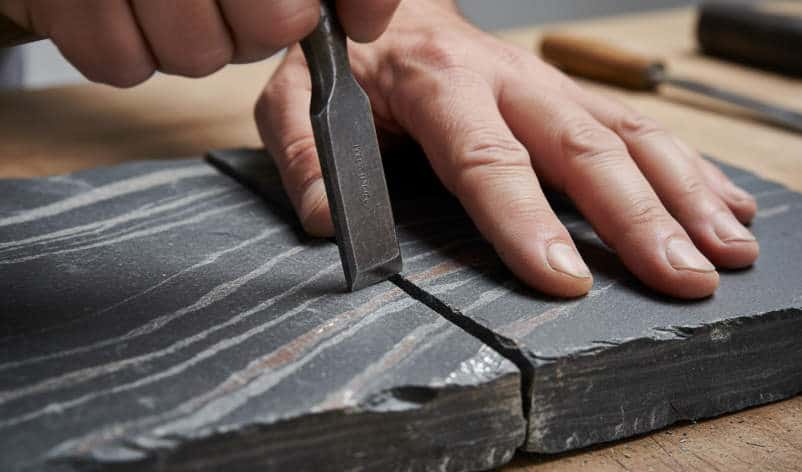
La spaccatura manuale mantiene l’integrità meccanica ed estetica dell’ardesia e della quarzite rispettando i piani di clivaggio intrinseci del materiale anziché forzare tagli geometrici arbitrari.
Identificazione della sfaldatura naturale e della direzione del grano
Il processo di spaccatura a mano inizia con l’abilità di un artigiano “Leggere” la pietra. Questa abilità tecnica implica l’identificazione delle linee di frattura nascoste e delle direzioni dei grani formatesi dall’accumulo di sedimenti nel corso di milioni di anni. A differenza della segatura meccanica, che impone un percorso rigido indipendentemente dallo stato interno del materiale, la spaccatura manuale funziona con le debolezze strutturali esistenti della pietra.
- Gli artigiani identificano le linee di frattura nascoste e le direzioni delle venature prima di applicare la forza.
- Il processo segue i percorsi predeterminati di minor resistenza della pietra piuttosto che imporre tagli geometrici arbitrari.
- Lavorando con il DNA della pietra, la scissione rivela la vera struttura interna formatasi nel corso di milioni di anni.
Esporre la composizione minerale autentica
Le tecniche di spaccatura manuale rivelano la stratificazione minerale grezza e le variazioni di colore che definiscono la fascia alta pannelli contabili. Il taglio con macchine industriali genera calore e attrito significativi, che spesso lasciano residui opachi o bruciati che mascherano la lama la pietra è naturale lustro. La spaccatura manuale evita questo degrado superficiale, esponendo facce minerali fresche che rimangono vibranti e fedeli alla loro fonte geologica.
- IL la superficie divisa espone facce minerali fresche che rimangono vibranti e fedeli alla loro origine geologica.
- A differenza della segatura a macchina, la spaccatura manuale evita l'effetto opacizzante del taglio calore e attrito sulla pietra superficie.
- Ogni pannello presenta modelli di stratificazione unici, garantendo che in un progetto architettonico del 2026 non esistano due pezzi identici.
Preservare l’integrità geologica rispetto alla forza meccanica
La spaccatura manuale evita le microfratture e i danni superficiali spesso causati dalle pesanti attrezzature di taglio industriali. Gli strumenti manuali creano una separazione netta lungo gli strati naturali, mantenendo la densità intrinseca e il legame strutturale della pietra. Questo metodo protegge il carattere tattile del materiale, fornendo un'estetica robusta che sintetiche alternative e modellate “falso” le pietre non possono replicarsi.
- Gli strumenti manuali creano una separazione netta lungo gli strati naturali, mantenendo la densità intrinseca della pietra.
- La texture risultante fornisce una superficie altamente dimensionale che interagisce naturalmente con luci e ombre.
- Questo metodo tradizionale protegge il carattere tattile della pietra, fornendo un'estetica robusta che le alternative sintetiche non possono replicare.
La precisione del taglio automatico: quando ha senso per il B2B?
La precisione del taglio a macchina fornisce la scalabilità e l'affidabilità dimensionale richieste per volumi commerciali elevati applicazioni in pietra laddove le variazioni manuali rappresentano un rischio per le tempistiche del progetto e i costi di manodopera specifici del sito.
Coerenza dimensionale per progetti commerciali su larga scala
Gli acquirenti B2B richiedono la massima uniformità tra gli ordini ad alto volume per garantire che le tempistiche del progetto rimangano intatte. Il taglio a macchina elimina l'imprevedibilità inerente alla divisione manuale, fornendo pannelli che aderiscono rigorosamente alle specifiche 6" x 24". Questa affidabilità geometrica è fondamentale per gli atri commerciali e le facciate esterne dove migliaia di metri quadrati devono allinearsi perfettamente per mantenere l'integrità architettonica.
- Il taglio a macchina elimina le variazioni dimensionali comuni nella divisione manuale, fornendo pannelli che soddisfano le rigorose specifiche 6" x 24".
- Le dimensioni uniformi consentono agli appaltatori di calcolare il fabbisogno materiale con la precisione dello standard 2026, riducendo il rischio di carenze o sprechi in eccesso.
- La coerenza su migliaia di metri quadrati garantisce che le linee architettoniche rimangano diritte e professionali negli atri e nelle facciate commerciali.
Tecnologia a infrarossi e sistemi di interblocco senza soluzione di continuità
I progetti architettonici moderni spesso richiedono a “senza soluzione di continuità” finitura che maschera la modularità dei pannelli lapidei. Utilizziamo apparecchiature a infrarossi avanzate per calibrare il percorso di taglio per la nostra serie ad incastro a forma di Z. Questa tecnologia garantisce la “maschio-femmina” i punti di connessione si adattano con precisione chirurgica, mimetizzando efficacemente le giunzioni verticali e il substrato sottostante.
- Gli strumenti di precisione tagliano la pietra con tolleranze esatte, consentendo al sistema ad incastro di nascondere le linee di malta e creare una superficie continua.
- I bordi tagliati a macchina consentono un assemblaggio più rapido per gli installatori, riducendo significativamente le ore di manodopera necessarie per il montaggio della pietra specifico per il sito.
- La precisione del taglio a infrarossi garantisce che i pezzi angolari e i pannelli piatti si allineino perfettamente, mantenendo un'estetica di fascia alta design moderni.
Efficienza dei costi attraverso l'automazione della produzione
I cicli di taglio automatizzati stabilizzano la catena di fornitura riducendo i costi generali di produzione e neutralizzando l’errore umano. Integrando sistemi CNC e robotici, manteniamo un rigoroso controllo di qualità su ogni lotto del nostro inventario Big 10. Per grossisti e dettaglianti, questa efficienza si traduce in prezzi diretti in fabbrica più competitivi e tempi di consegna prevedibili, anche durante i cicli di domanda elevata.
- L’integrazione di sistemi CNC e robotici riduce i costi della manodopera manuale associati alla muratura tradizionale, portando a prezzi diretti in fabbrica più competitivi.
- L'automazione mantiene il controllo di qualità durante l'anno di produzione 2026, garantendo che ogni lotto soddisfi gli stessi standard di durabilità indipendentemente dalle dimensioni dell'ordine.
- I processi macchina standardizzati consentono tempi di consegna più rapidi, aiutando i distributori a rifornire le serie di pietre ad alta richiesta senza lunghi ritardi.
Ottimizzazione dei materiali e gestione delle risorse
Il taglio di precisione massimizza la resa di ogni lastra di pietra grezza, migliorando direttamente il ROI per produttori e distributori. La nostra tecnologia di taglio sottile produce pannelli leggeri (8-13 libbre/piedi quadrati). offrono la profondità visiva della pietra naturale senza l’onere logistico del peso in eccesso. Questo l'efficienza riduce gli scarti di pietra e ottimizza spazio nei container, garantendo costi di spedizione prevedibili per la logistica internazionale.
- La tecnologia a taglio sottile consente pannelli leggeri (8-13 libbre/piedi quadrati) che non compromettono la profondità visiva del Pietra naturale.
- I percorsi di taglio ottimizzati riducono gli scarti e gli scarti di pietra, allineandosi ai requisiti di settore del 2026 per pratiche di produzione sostenibili.
- La gestione precisa del peso attraverso la calibrazione della macchina garantisce costi di spedizione prevedibili e massimizza lo spazio del contenitore durante la logistica internazionale.
Pannelli contabili in pietra naturale durevoli e ad alto margine
Come i metodi di divisione influenzano il gioco di luci e ombre (Chiaroscuro)
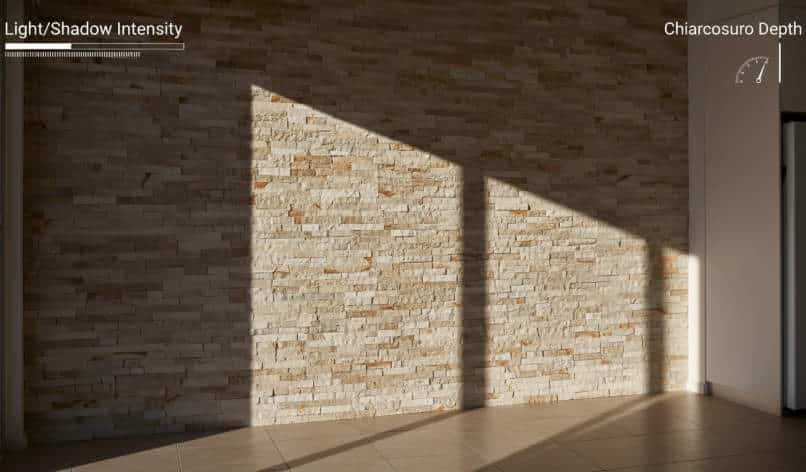
La profondità fisica di una superficie lapidea funge da modificatore della luce, dove specifiche tecniche di sdoppiamento dettano l'intensità del chiaroscuro per definire il volume architettonico e il peso percepito di una facciata.
Divisione a fessura naturale e profondità ad alto contrasto
Le tecniche di spaccatura manuale sfruttano il piani di allettamento naturale della pietra per creare irregolari, superfici in rilievo. La nostra serie Rough utilizza questo metodo per produrre profondità di pietra che vanno da 1 a 1,75 pollici. Questi pesanti picchi superficiali bloccano la luce direzionale in modo più efficace rispetto alle superfici trattate, dando luogo a profonde sacche di oscurità. Questo gioco di ombre ad alto contrasto definisce il carattere robusto della pietra, fornendo un senso di permanenza e forza strutturale.
- Picchi irregolari creano ombre pesanti e drammatiche che cambiano in base alla posizione del sole.
- Gli architetti nel 2026 specificano questi profili ad alta struttura per le facciate esterne per creare aspetti visivi dinamici e in evoluzione.
- La spaccatura in profondo rilievo sottolinea il “anima geologica” della materia rivelando autentiche stratificazioni minerali.
Taglio di precisione per sottili gradazioni di luce
La suddivisione meccanica e i bordi della lama diamantata CNC producono altezze superficiali costanti, che portano a ombre più morbide e un'estetica più uniforme. La serie Flat mantiene uno spessore compreso tra 0,75 e 1,25 pollici con linee pulite che riducono al minimo il gioco di ombre aggressivo. Questi piani superficiali coerenti consentono alla luce di diffondersi uniformemente attraverso la pietra, evidenziando le venature naturali e le macchie minerali piuttosto che la profondità fisica del pannello.
| Serie di divisione | Profondità della superficie | Carattere d'ombra |
|---|---|---|
| Serie grezza | 1.0″ – 1,75″ (Fino a 3,5 cm) | Chiaroscuro aggressivo; Profondo sollievo |
| Serie piatta | 0.75″ – 1.25″ (Standard) | Gradazione sottile; Lavaggio della trama |
| Serie di matite | Strisce lineari multifila | Sfarfallio ritmico; Alta frequenza |
Divisione lineare e modelli di ombre ritmiche
La disposizione di sottili strisce di pietra spaccate crea una sequenza ripetitiva di chiaro-scuro che aggiunge un senso di movimento a un muro. La serie Pencil presenta da 10 a 12 file di pietra sottile strisce per pannello, creando una superficie complessa con centinaia di piccoli punti d'ombra. La luce che colpisce questi bordi lineari produce un ritmo “sfarfallio” effetto mentre lo spettatore si sposta oltre l'installazione. I progettisti utilizzano questo specifico profilo diviso per gli atri commerciali per introdurre texture ad alto impatto senza l'ingombro o il peso dei pezzi di pietra più grandi.
Densità materiale e percezione dell'ombra
La composizione geologica della pietra interagisce con il metodo di spacco per modificare il modo in cui l'occhio percepisce le ombre. I materiali più scuri, come il nostro Midnight Slate, assorbono più luce, facendo apparire le ombre più profonde e più integrate nel materiale stesso. Viceversa, riflessivo pietre come la quarzite Glacier White fa rimbalzare la luce nelle fessure, attenuando l'effetto chiaroscurale e facendo apparire la parete complessivamente più luminosa. Specificare la giusta combinazione di profondità di spacco e colore della pietra consente agli appaltatori di controllare il peso visivo della parete per progetti residenziali e commerciali di fascia alta.
- Le ardesie più scure assorbono la luce, intensificandola “vuoto” in fessure profonde.
- Le varianti in quarzite e marmo rimbalzano la luce ambientale, riducendo la durezza delle ombre.
- Selezione strategica di il colore della pietra e la profondità della spaccatura ottimizzano il muro per ambienti di illuminazione specifici, come LED morbidi o luce solare diretta.
La spaccatura manuale compromette l'integrità strutturale del pannello?
Spaccare le mani la pietra conserva la sua matrice geologica interna seguendone la natura piani di clivaggio, prevenendo le microfratture tipicamente introdotte da segature meccaniche aggressive.
Ingegneri e architetti spesso si chiedono se la fabbricazione manuale introduca punti deboli rispetto alle alternative lavorate a macchina. In realtà, la spaccatura manuale sfrutta la fisica intrinseca della pietra. Di “leggendo la pietra,” i tecnici identificano i piani della lettiera e le direzioni delle venature per applicare la forza esattamente dove si trovano la pietra è progettata separare. Questo metodo mantiene l’integrità della superficie del minerale e rivela un’autentica stratificazione senza frantumare la struttura cristallina interna.
Legame epossidico ad alta resistenza e stabilità interna
Moderno produzione presso Top Source Stone integra resine epossidiche specializzate ad alta resistenza che trasformano i singoli pezzi spaccati a mano in un'unica unità architettonica rigida. Polimerizziamo questi pannelli a temperatura e pressione controllate per eliminare le sacche d'aria che altrimenti potrebbero ospitare umidità o creare punti deboli. Il legame risultante offre tipicamente una resistenza alla trazione maggiore rispetto alla pietra stessa, garantendo che le singole sporgenze rimangano permanentemente attaccate al substrato anche in caso di notevole stress termico.
| Fattore strutturale | Divisione manuale (fonte principale) | Taglio a macchina standard |
|---|---|---|
| Rischio di frattura | Basso; preserva il grano naturale. | Moderare; le lame della sega provocano microfessure. |
| Sistema adesivo | Resina ad alta flessibilità 2026. | Cemento/colla rigido standard. |
| Distribuzione del carico | Interblocco a forma di Z (continuo). | Bordo dritto (il peso si accumula verticalmente). |
Piani di scissione naturali e distribuzione dello stress
Il taglio meccanico impone tagli arbitrari che spesso vanno contro la grana geologica della pietra. Ciò crea punti di concentrazione dello stress in cui è probabile che si sviluppino crepe nel tempo. La spaccatura manuale evita questo problema seguendo le vene geologiche esistenti della pietra. Collaborando con il la fisica naturale della pietra, manteniamo la capacità portante intrinseca di ciascun pezzo, il che contribuisce alla longevità complessiva del gruppo parete.
Design ad incastro e continuità del percorso di carico
Il profilo ad incastro a forma di Z ha uno scopo strutturale oltre l'estetica. Questo “maschio-femmina” Il sistema di connessione distribuisce i carichi verticali su più punti di contatto anziché concentrare il peso su una singola cucitura orizzontale. Con un peso di 8-13 libbre per piede quadrato, questi pannelli rimangono entro i margini di sicurezza per i substrati standard in muratura o pannelli di cemento. I bordi di precisione della lama diamantata CNC sui supporti dei pannelli assicurano che la superficie posteriore sia perfettamente piana, massimizzando l'area di contatto con la malta a spessore sottile per una presa sicura.
Resistenza ambientale negli standard esterni del 2026
Sottoponiamo ogni lotto a rigorosi test di congelamento-scongelamento per confermare che la superficie ruvida e spaccata a mano non intrappola l'acqua in modo da causare delaminazione. Poiché utilizziamo quarzite e ardesia naturali al 100% senza pigmenti artificiali, i pannelli sono intrinsecamente stabili ai raggi UV e non combustibili. Ciò li rende ideali sia per i bordi dei camini ad alto calore che per i climi esterni estremi del Nord America e del Medio Oriente, dove la salinità e l'umidità spesso degradano i materiali minori.
- La durabilità standard ASTM garantisce l'assenza di crepe durante i cicli di temperature estreme.
- La consistenza della cava dello stesso lotto impedisce “irregolare” debolezze strutturali su grandi pareti.
- Le barriere traspiranti consentono all'umidità interna di fuoriuscire senza compromettere il legame epossidico.
- L'imballaggio rinforzato per l'esportazione a 5 strati protegge i bordi strutturali durante il transito internazionale.
Ottenimento di un aspetto senza soluzione di continuità con profili di superficie a fessura naturale
Vera continuità dentro muratura in pietra naturale si basa sulla sincronizzazione matematica della geometria ad incastro a forma di Z e sulla profondità caotica delle superfici naturali delle fessure per oscurare i giunti meccanici.
Precisione geometrica nei sistemi di interblocco a forma di Z
Il nostro processo di produzione utilizza Pannello a forma di Z disegni per nascondere giunti verticali e orizzontali, creando una superficie continua in pietra. Questa geometria ad incastro elimina le linee di malta visibili e le giunture a bordo dritto comuni nella muratura tradizionale. Utilizziamo il taglio a infrarossi di precisione per garantire che ogni pannello aderisca perfettamente a quello vicino, mantenendo l'illusione di un'unica parete posata a mano. Le dimensioni standardizzate 6" x 24" consentono ripetizioni prevedibili del modello che mascherano i confini dei singoli pannelli.
- Il sistema di collegamento maschio-femmina mimetizza il supporto di posa ed elimina “fatto un passo” lacune.
- I bordi della lama diamantata CNC forniscono una vestibilità uniforme preservando la faccia ruvida della pietra.
- Le dimensioni precise riducono la necessità di regolazioni in loco, garantendo che lo schema di incastro rimanga indisturbato.
Sfruttare la texture naturale per mascherare le transizioni del pannello
La variazione intrinseca delle superfici a fessura naturale funziona come un camuffamento visivo per i giunti di installazione. Varie profondità di pietra, che vanno da 0,75" a 1,75", creano ombre drammatiche che distolgono l'occhio dalle cuciture funzionali. I profili a fessura naturale forniscono un'estetica robusta dove le altezze irregolari di le singole pietre si sovrappongono al pannello bordi. Il nostro 2026 gli standard di produzione danno priorità alle pietre con piani di clivaggio organici per garantire che la trama rimanga coerente durante l'intera installazione.
| Metrica delle prestazioni | Pannelli rettangolari standard | Interblocco a forma di Z di origine principale |
|---|---|---|
| Visibilità congiunta | Cuciture verticali/orizzontali visibili | Mimetizzato “Maschio-Femmina” articolazioni |
| Artigianalità all'avanguardia | Bordi dritti segati | Precisione della lama diamantata CNC |
| Dimensione della profondità | Uniforme/Piatto (1 cm – 2 cm) | Variabile (0,75″ – 1,75″ Fessura ruvida) |
Gradazione dei colori preordinata per l'armonia visiva
Implementiamo un sistema di ispezione e classificazione in tre fasi per garantire la coerenza del colore in progetti su larga scala. L'approvvigionamento di materiale da un unico lotto di cava previene le vibrazioni cambiamenti di colore che altrimenti rivelerebbero dove si trova un pannello finisce e ne inizia un altro. La cernita manuale prima del montaggio garantisce una distribuzione equilibrata dei toni, mantenendo un'anima geologica unitaria su tutta la facciata. Il nostro team logistico coordina le spedizioni 2026 per garantire che tutta la pietra per un progetto specifico arrivi dallo stesso ciclo di produzione.
- La consistenza della cava dello stesso lotto impedisce il “irregolare” aspetto tipico dei materiali di origine mista.
- L'uniformità della tonalità raggiunge il 95% all'interno di un singolo lotto di produzione.
- Forniamo verifica visiva pre-spedizione tramite foto e video ad alta definizione delle casse finite.
Soluzioni angolari a forma di L per transizioni ininterrotte
I pezzi angolari coordinati eliminano la necessità di tagli obliqui tagliati in loco, fornendo un aspetto avvolgente senza soluzione di continuità per pilastri e pareti. I pezzi prefabbricati a forma di L mantengono la naturale struttura della fessura attorno agli angoli senza mostrare un bordo tagliato. Gli installatori risparmiano tempo e riducono gli sprechi utilizzando unità progettate specificatamente per transizioni a 90 gradi. Gli elementi angolari si integrano direttamente con il piano a Z pannelli per preservare lo scorrimento della pietra modello su piani diversi.
- Gli angoli prefabbricati sincronizzano colore e struttura con i pannelli piatti.
- Eliminazione i tagli obliqui impediscono l'esposizione della pietra nucleo interno, che spesso differisce nel colore dalla faccia spaccata.
- Gli angoli a L abbinati garantiscono una finitura avvolgente professionale per facciate commerciali e pilastri residenziali.
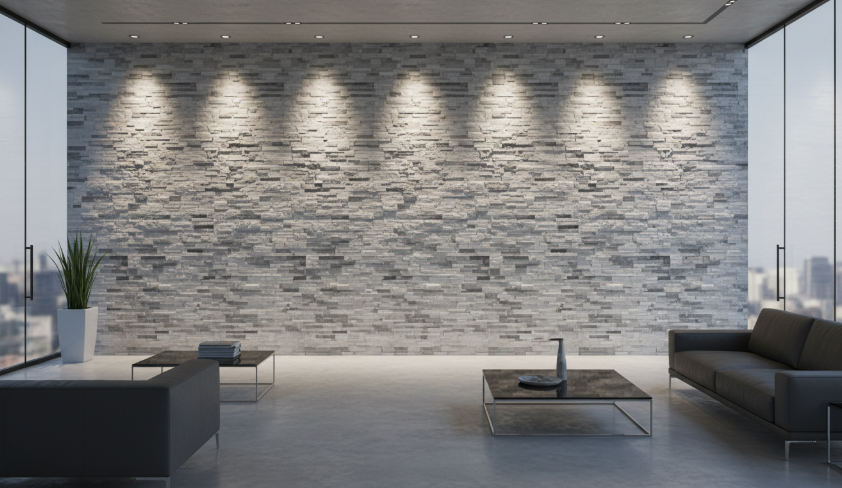
La fisica della percezione tattile: perché tocchiamo la pietra naturale
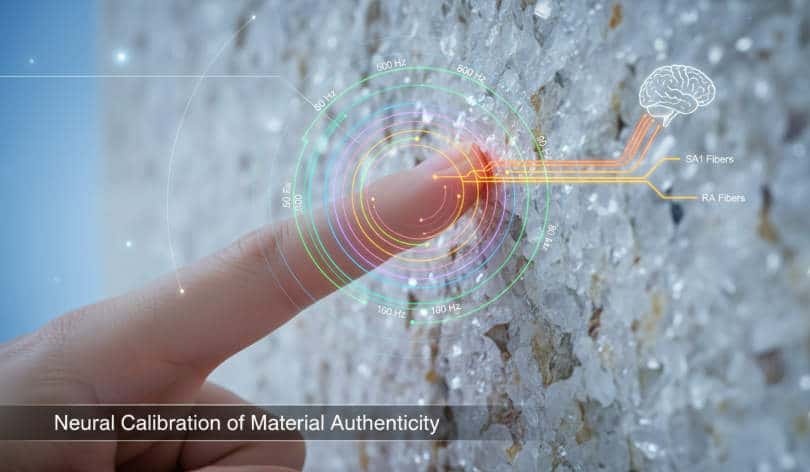
Interazione tattile umana con Pietra naturale è una sofisticata calibrazione neurale in cui il cervello decodifica le vibrazioni superficiali ad alta frequenza per verificare l'autenticità del materiale e la densità geologica.
Processo umano strutture di pietra attraverso due percorsi neurali paralleli che funzionano come sensori biologici ad alta risoluzione. Caratteristiche grossolane, come i macrocontorni di un pannello di quarzite spaccato a mano, vengono mappate adattando lentamente le afferenze di tipo 1 (SA1) attraverso la codifica spaziale. Questo sistema identifica il fisico “picchi e valli” della pietra, fornendo la linea di base iniziale per il riconoscimento della struttura.
Elaborazione neurale di strutture di pietre grossolane e fini
I dettagli fini della superficie generano vibrazioni ad alta frequenza tra 50 e 800 Hz mentre la pelle si muove sulla superficie minerale. Le fibre ad adattamento rapido (RA) e Paciniane (PC) trasducono questi segnali, consentendo al cervello di percepire le trame con una risoluzione molto più fine rispetto ai punti di contatto fisico della pelle. Questo sistema a doppio meccanismo garantisce che anche la stratificazione minerale microscopica sia percepita come una firma tattile distinta.
- La codifica spaziale identifica la macrogeometria e gli strati strutturali della pietra spaccata a mano.
- La codifica temporale converte le microtessiture in frequenze vibrazionali specifiche affinché il cervello possa decodificarle.
- Le afferenze neurali consentono una discriminazione della trama che supera la risoluzione fisica della pelle.
Come la biomeccanica della punta delle dita amplifica le caratteristiche geologiche
L'interfaccia fisica tra il polpastrello umano e la superficie della pietra funge da amplificatore meccanico. Le creste delle impronte digitali fungono da filtro che migliora le frequenze vibrazionali specifiche durante il movimento laterale. Questa interazione fornisce dati empirici immediati riguardanti la densità e la conduttività termica del materiale, che sono indicatori chiave della vera pietra.
Gli architetti nel 2026 danno priorità a queste firme tattili per soddisfare l’innata spinta umana verso l’irregolarità organica. Le superfici prodotte in serie spesso non riescono ad innescare queste risposte meccaniche specifiche. Utilizzando profili a fessura naturale, i progettisti creano ambienti che forniscono il feedback ricco di sensazioni necessario per gli spazi commerciali e residenziali di fascia alta.
Discriminazione tattile tra superfici naturali e sintetiche
I modelli neurali mostrano che il feedback spaziale e temporale combinato rappresenta il 95% del modo in cui percepiamo la ruvidità. Gli esseri umani rilevano facilmente il “planarità” di compositi di calcestruzzo stampato perché mancano dei modelli di vibrazione ad alta frequenza inerenti all'ardesia o alla quarzite autentica. I materiali sintetici tendono a smorzare questi segnali, portando a “morto” o esperienza sensoriale artificiale.
Top Source Stone utilizza resine epossidiche ad alta resistenza nel nostro pannelli di pietra impilati per mitigare questo effetto smorzante. Queste resine preservano la vibrazione strutturale della pietra, garantendo che il materiale mantenga la sua anima geologica unica e fornisca il feedback autentico che gli utenti si aspettano dai minerali premium. Questa conservazione tecnica è fondamentale per mantenere il valore materiale nelle installazioni B2B su larga scala in cui la qualità sensoriale è una metrica primaria.
Conclusione
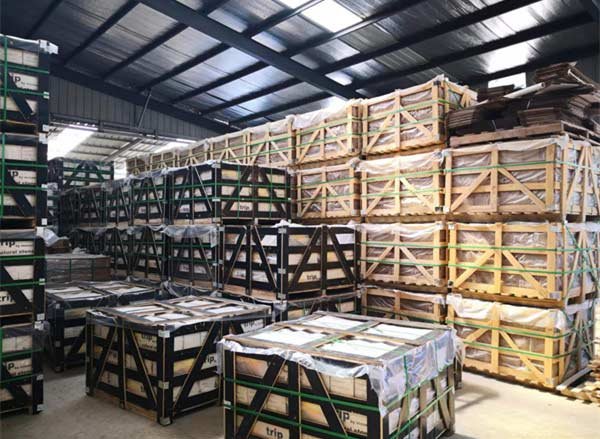
La selezione del metodo di suddivisione appropriato determina il modo in cui una facciata interagisce con la luce e l'ombra, garantendo al tempo stesso la longevità strutturale dell'installazione. Il bilanciamento della struttura organica della pietra spaccata a mano con la precisione dei bordi della lama diamantata CNC consente agli architetti di ottenere una finitura senza soluzione di continuità senza sacrificare la profondità naturale del materiale. L'approvvigionamento da un'unica cava garantisce che questi standard estetici e tecnici rimangano coerenti su ogni pallet.
Visualizza il nostro inventario di pietra naturale impilata per trovare la texture giusta per la tua prossima specifica architettonica. Contatta il nostro team per richiedere campioni fisici o una guida tecnica dettagliata per la nostra serie di pannelli ad incastro.
Domande frequenti
Cos'è un “fessura naturale” superficie in pannelli di pietra sovrapposti?
UN la superficie a spacco naturale è la struttura organica creata dalla pietra è suddiviso lungo i piani o i grani della lettiera geologica intrinseca. Piuttosto che imporre tagli arbitrari, questa finitura segue la geometria intrinseca della pietra, rivelando l’autentica composizione minerale e la stratificazione unica che ne definiscono la storia geologica.
La pietra tagliata a mano è più difficile da installare rispetto a quella tagliata a macchina?
Diviso a mano i pannelli in pietra richiedono un po' più di attenzione durante l'installazione a causa del loro spessore variabile e del profilo ad altorilievo. Mentre i pannelli tagliati a macchina sono uniformi, potrebbero essere necessari pannelli divisi a mano “imburrare la schiena” con adesivo extra per tenere conto delle profondità irregolari, garantendo un legame sicuro e una finitura professionale che gestisce correttamente l'ombreggiatura naturale.
Perché i pannelli in pietra tagliati a macchina sembrano “Piatto” su un muro?
Tagliato a macchina i pannelli sembrano piatti perché la sega meccanizzata taglia la pietra struttura minerale su un unico piano uniforme, che spesso oscura o danneggia la struttura naturale. Questo processo rimuove la tridimensionalità “salire e scendere” della superficie della pietra, con conseguente mancanza di profondità e l'assenza delle ombre naturali trovate nelle alternative spaccate a mano.
La spaccatura manuale rende i bordi della pietra più affilati o più sicuri?
La divisione a mano crea bordi più nitidi e definiti che seguono il la pietra è naturale linee di frattura. Sebbene questi bordi siano visivamente più nitidi, spesso sono strutturalmente più sicuri a lungo termine; a differenza del taglio a macchina, che può causare microfessurazioni o “lividi” della pietra tramite forza meccanica, la spaccatura manuale preserva l'integrità della superficie e la resistenza strutturale di ogni pezzo.
Quale texture è migliore per i design commerciali moderni e minimalisti?
Le texture tagliate a macchina sono generalmente più adatte per i design commerciali moderni e minimalisti. Il loro aspetto uniforme e le linee pulite e geometriche enfatizzano la forma e la precisione architettonica, fornendo un'estetica sofisticata e di basso profilo che si abbina a materiali contemporanei come il vetro e l'acciaio senza il peso visivo rustico della pietra spaccata a mano.