Le specifiche dei caminetti da esterno fanno la differenza tra un'installazione conforme al codice e un sito che si ritrova con cedimenti della pietra causati dall'acqua, riparazioni di emergenza e richieste di garanzia che riducono i margini e allungano i tempi.
Questa guida funziona come una SOP tecnica per i caminetti esterni in pietra accatastati: trattiamo i requisiti di substrato e adesione, l'impermeabilizzazione dei comignoli con rivestimento in pietra, il ruolo dei cappucci gocciolanti e delle scossaline, i dettagli della pietra antigelo-disgelo per prevenire scheggiature, la selezione di pigmenti minerali stabili ai raggi UV per la stabilità del colore a lungo termine e la manutenzione pratica per muschio e alghe. Aspettatevi richiami di specifiche attuabili, riferimenti ASTM e produttori consigliati e dettagli sul campo che collegano la selezione dei materiali alle prestazioni a lungo termine in modo che i team di progettazione, costruzione e manutenzione possano ridurre il rischio di fallimento su progetti di qualsiasi scala.
Perché i caminetti da esterno richiedono specifiche di pietra e adesione diverse?
I caminetti da esterno necessitano di pietra non combustibile, stabile al gelo-disgelo e di un incollaggio alle alte temperature per soddisfare le normative ed evitare rapidi guasti dovuti alle condizioni atmosferiche o termiche.
Selezione delle pietre e specifiche dei pannelli per esposizioni esterne al fuoco
Specifica 100% quarzite naturale o ardesia per impiallacciature che affrontano il caldo e le intemperie diretti; scegli la quarzite quando necessiti la massima resistenza ai cicli termici, al gelo-disgelo e alle nebbie saline. Misurare pannelli e finiture per adattarsi all'esposizione: le impiallacciature standard funzionano bene con uno spessore di 10–25 mm, mentre i pannelli grezzi o premium destinati alle facciate di focolari direttamente esposte dovrebbero essere di 25–35 mm. Progettare il substrato e i supporti in base al peso effettivo del pannello: prevedere circa 30–40 kg/m² per pannelli piani e fino a 55 kg/m² per pannelli grezzi installazioni sovrapposte per evitare assestamenti o allontanamenti.
Utilizzare pannelli ad incastro a forma di Z o a S e angoli a L abbinati per ridurre i giunti visibili e limitare la pesante malta agli angoli; La precisione della lama diamantata CNC migliora l'adattamento maschio-femmina e accelera l'assemblaggio sul campo. Per grandi altezze, procurarsi materiale dalla stessa cava per mantenere l'uniformità della tonalità vicino al 95% e specificare pietra stabile ai raggi UV e resistente ad alta salinità/umidità per i climi costieri e del Golfo per prevenire il degrado della superficie.
- Pietra consigliata: quarzite o ardesia naturale al 100%; quarzite per la massima durabilità.
- Spessore del pannello: 10–25 mm (standard), 25–35 mm (grezzo/premium).
- Pesi strutturali: ~30–40 kg/m² (piatto), fino a 55 kg/m² (impilato grossolanamente).
- Dimensioni del pannello tipicamente utilizzato: 150×600 mm (6″×24″) o 150×550 mm (6″×22″).
- Specificare l'approvvigionamento in cava dello stesso lotto (uniformità della tonalità di circa il 95%) e finiture stabili ai raggi UV per l'esposizione al sole o alla costa.
Metodi di adesione e rivestimento ad alta temperatura per interfacce focolare e rivestimento
Gestione dei cicli di gelo-disgelo in Esterno in pietra naturale Circonda
La scelta di pietra a bassa porosità, attacco ingegnerizzato e un substrato drenante impedisce i guasti dovuti al gelo-disgelo e riduce le riparazioni a lungo termine.
Selezionare la pietra e verificare l'idoneità al gelo-disgelo
Seleziona quarzite o ardesia per la massima resistenza al gelo-disgelo; utilizzare il granito quando la massa e la stabilità termica sono importanti ed evitare o trattare pietre altamente porose come alcune arenarie e marmi. Richiedere al fornitore di dichiarare la resistenza al gelo-disgelo standard ASTM e di dichiarare la resistenza al gelo-disgelo standard ASTM pannelli di origine dalla stessa vena di cava per raggiungere un'uniformità di tonalità del 95%: ciò riduce la concentrazione di patch e stress termico su grandi altezze.
Montare a secco un modello rappresentativo ed eseguire una prova di bagnatura/asciugatura controllata per rivelare delaminazione, macchie o migrazione della malta prima dell'installazione completa. Utilizzare il modello per confermare la movimentazione dei pannelli, la geometria del giunto e la corrispondenza della finitura in cicli meteorologici reali, quindi documentare i risultati e accettare/rifiutare i criteri per iscritto.
- Dimensioni del pannello: 150 x 600 mm o 150 x 550 mm.
- Spessore: standard 1,0–2,5 cm; fino a 3,5 cm per pannelli grezzi/premium.
- Peso: ~30–40 kg/m² (piatto); ~55 kg/m² (grezzo).
- Risultati finali del fornitore: rapporto di prova di congelamento-scongelamento ASTM + dichiarazione di cava dello stesso lotto.
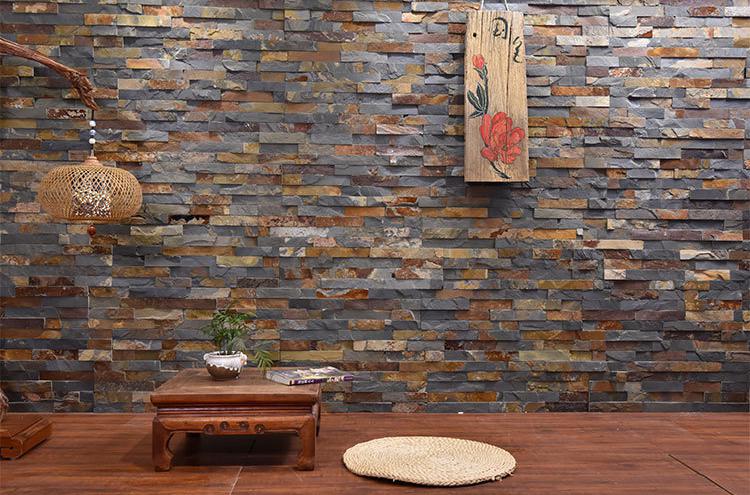
Predisporre il supporto, il piano di drenaggio e la disposizione dei giunti di dilatazione
Calcola i carichi permanenti utilizzando i pesi dei pannelli (30–55 kg/m²) e i fissaggi di progettazione, l'intelaiatura del substrato e gli ancoraggi per gestire tali carichi, oltre ai carichi mobili applicabili e al sollevamento del vento. Dimensioni dei montanti di supporto, dei tiranti in muratura o della struttura metallica in base alla normativa locale e al carico combinato; confermare che i valori di estrazione dei dispositivi di fissaggio del substrato superano i carichi di progetto calcolati con un fattore di sicurezza appropriato.
Fornire un piano di drenaggio continuo dietro il rivestimento, terminare la scossalina nelle transizioni e creare percorsi di drenaggio/sfiato continui in modo che l'umidità intrappolata lasci la cavità. Posizionare i giunti di movimento in corrispondenza di tutti i cambi di piano e lungo percorsi lunghi e ininterrotti; determinare la spaziatura e la larghezza dei giunti attraverso l'ingegneria del progetto per adattarsi all'espansione termica e al movimento del substrato. Rimuovere i substrati combustibili dietro la pietra e verificare la planarità del supporto e la compatibilità con l'adesivo o il sistema di ancoraggio scelto prima di fissare i pannelli.
- Nota progettuale: utilizzare 30–55 kg/m² come base di carico proprio per il dimensionamento del substrato e dell'ancoraggio.
- Drenaggio: cavità continua, risalite verso l'alto e canali di fondo a intervalli di 600–900 mm ove possibile.
- Giunti di dilatazione: posizionare ad ogni cambio di piano, in corrispondenza delle linee del pavimento e dove la lunghezza della facciata supera la spaziatura progettata.
- Controllo del supporto: confermare la tolleranza di planarità e rimuovere i combustibili dietro il rivestimento.
Specificare adesivi, ancoraggi e compatibilità per i cicli di gelo-disgelo
Specificare una malta o un adesivo modificato con polimero, classificato per esterni, che offra resistenza al gelo-disgelo e un'elevata forza di adesione; seguire le dimensioni della spatola, il tempo aperto e le istruzioni di condizionamento del produttore. Per i lavori di sigillatura sulle transizioni orizzontali, selezionare un silicone resistente alle intemperie classificato per climi estremi (ad esempio, prodotti con gamme di servizio paragonabili a GE Silicone II: da circa -51°C a +95°C) e consentire la polimerizzazione completa, in genere 24 ore, prima di sottoporre i giunti agli agenti atmosferici.
Utilizzare ancoraggi meccanici resistenti alla corrosione (acciaio inossidabile o zincati a caldo) dimensionati e distanziati in base al peso del pannello e alla normativa locale. Pannelli posteriori con burro dove necessario per eliminare i vuoti e garantire il pieno contatto con la lettiera; i vuoti intrappolano l'acqua e accelerano i danni da congelamento. Verificare la compatibilità chimica tra adesivo, primer e sigillante per evitare guasti o macchie Pietra naturale.
- Adesivo: malta modificata con polimero, resistente al gelo-scongelamento; seguire le specifiche della cazzuola e del tempo aperto.
- Sigillante: silicone per esterni con ampio intervallo di temperature di esercizio; consentire una polimerizzazione completa di 24 ore prima dell'esposizione.
- Ancoraggi: inox o zincati a caldo; specificare la profondità e la spaziatura dell'incasso in base al peso e al codice del pannello.
- Controllo dell'installazione: burro posteriore per eliminare i vuoti e verificare il pieno contatto su ciascun pannello.
- Compatibilità: richiedere la conferma del laboratorio o del produttore che adesivi, primer e sigillanti siano adatti alla chimica della pietra.
Installare pannelli e angoli ad incastro per ridurre al minimo l'ingresso di acqua
Utilizza pannelli ad incastro a forma di Z o S con bordi di precisione a lama diamantata CNC per nascondere i giunti verticali e ridurre l'area di giunzione esposta. Inizia dal basso e lavora verso l'alto, innesta completamente gli incastri maschio/femmina e sfalsa le cuciture verticali per distribuire il movimento ed evitare linee deboli verticali continue. Adatta gli angoli a L corrispondenti per mantenere struttura e colore continui agli angoli e alle terminazioni.
Dettagliare le transizioni e le penetrazioni orizzontali con un sigillante esterno flessibile ed evitare di intrappolare la malta o il substrato dietro gli incastri. Adattare a secco ogni ciclo, verificare la presenza di spazi vuoti, oscillazioni o disallineamenti, quindi regolare prima che l'adesivo polimerizzi per evitare interventi correttivi post-polimerizzazione.
- Ordine di adattamento: dal basso verso l'alto; coinvolgere pienamente il maschio/femmina; cuciture verticali sfalsate.
- Utilizzare bordi tagliati a CNC per mantenere giunti stretti e ridurre le superfici esposte della malta.
- Sigillare le terminazioni e gli attraversamenti orizzontali con sigillante esterno flessibile; lasciare liberi i percorsi di drenaggio.
- Eseguire il controllo di qualità del montaggio a secco e correggere l'allineamento prima che l'adesivo polimerizzi.
Sigillare, verificare le prestazioni e stabilire un programma di ispezione
Applicare un sigillante penetrante traspirante resistente ai raggi UV, alla salinità e all'esposizione al gelo-disgelo; selezionare prodotti che non cambino scivolamento o colore e che il produttore di pietre approva. Testare le prestazioni del sigillante con un test delle gocce d'acqua di 30 minuti e documentare i risultati; richiudere a intervalli del produttore, in genere ogni 12-24 mesi per l'esterno circonda il camino a seconda dell'esposizione e della pietra porosità.
Condurre verifiche sul campo dopo l'installazione con test di ristagno d'acqua e spruzzi per confermare il drenaggio, l'adesione del sigillante e l'assenza di perdite; fotografare e registrare le misurazioni. Ispezionare l'installazione dopo il primo inverno e poi almeno una volta all'anno per individuare eventuali crepe, scheggiature, efflorescenze e guasti del sigillante. Pulisci la crescita biologica con detergenti approvati, sostituisci i giunti sigillanti guasti e stringi o sostituisci immediatamente eventuali ancoraggi corrosi per prevenire danni progressivi da gelo e disgelo.
- Sigillante: prodotto penetrante traspirante resistente ai raggi UV e alla salinità; riapplicare ogni 12-24 mesi o per produttore.
- Prove sul campo: prove di ristagno d'acqua e spruzzi; documentare foto e misurazioni.
- Programma di ispezione: dopo il primo inverno, poi annualmente; ispezionare eventuali crepe, scheggiature, efflorescenze e guasti del sigillante.
- Manutenzione: rimuovere muschio/alghe con detergenti approvati, sostituire i giunti guasti e sostituire tempestivamente gli ancoraggi corrosi.
Pietra impilata premium, installazioni più veloci
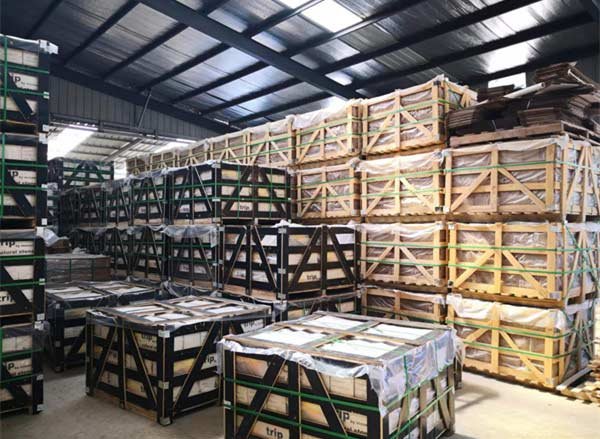
Impermeabilizzazione della struttura del camino prima dell'applicazione del rivestimento in pietra
Proteggi l'involucro del camino prima del rivestimento per prevenire infiltrazioni di umidità, danni strutturali e costose rilavorazioni sui caminetti esterni.
Valutare il substrato, la capacità di carico e lo spazio libero prima dell'impermeabilizzazione
Inizia documentando il substrato: identifica l'inseguimento in muratura, l'inseguimento intelaiato con guaina o la struttura in acciaio e registra il tipo e lo spessore del materiale. Dimensionare il sistema di supporto in base al carico morto previsto: Pietra impilata standard Top Source pesa circa 30–40 kg/m² (8–12 lb/ft²), mentre i pannelli grezzi possono avvicinarsi a 55 kg/m²; utilizzare questi numeri per specificare gli angoli degli scaffali o l'intelaiatura strutturale e verificare il progetto dell'angolo degli scaffali con un ingegnere. Confermare le distanze richieste rispetto alle canne fumarie e ai combustibili in base alla normativa locale e al produttore del caminetto: muratura installazioni comunemente richiedere un 1 nell'autorizzazione ai combustibili e registrare qualsiasi opzione di autorizzazione ridotta per gli insiemi classificati.
- Documentare il tipo di substrato, lo spessore della guaina ed eventuali isolamenti o spazi d'aria.
- Utilizzare 30–40 kg/m² per pannelli standard, 55 kg/m² per pannelli grezzi quando si specificano gli angoli dei ripiani o l'intelaiatura.
- Verificare le distanze minime dalla canna fumaria e dai combustibili con il codice e il produttore (spazio tipico in muratura: 1 pollice).
- Definire l'approccio di ancoraggio: angoli meccanici delle mensole, tiranti in muratura o programma di fissaggio ingegnerizzato per substrati incorniciati.
- Contrassegnare la linea del tetto, la copertura, il cornicione e gli offset per pianificare WRB continui e terminazioni scossaline.
Stabilire un piano di drenaggio continuo: WRB, membrana autoadesiva e scossalina passante
Crea una barriera continua resistente all'acqua compatibile con impiallaccia di pietra e il substrato; sulle tracce incorniciate combinano WRB o carta da costruzione ad alte prestazioni con membrane applicate fluide o autoadesive in corrispondenza delle giunzioni ad alto rischio. Utilizzare membrane autoadesive con uno spessore polimerizzato nominale di 40–60 mil, adescare il substrato secondo le indicazioni del produttore e installare sovrapposizioni laterali di almeno 50 mm (2 pollici) e sovrapposizioni finali di 75 mm (3 pollici) per garantire la continuità.
Installare la scossalina passante ad ogni angolo della mensola, sfalsata e alla base del rivestimento con metallo resistente alla corrosione; specificare un minimo di acciaio inossidabile calibro 26 (~0,018 pollici / 0,46 mm) e passare a acciaio inossidabile 316 per esposizioni costiere o del Golfo. Scossalina in pendenza per sporgere verso l'esterno, estenderla per terminare sopra un bordo gocciolatoio o un massetto di drenaggio e ruotare la scossalina di almeno 50 mm (2 pollici) verso l'alto sul WRB dietro il rivestimento per integrare il piano di drenaggio. Fornire un drenaggio/intercapedine d'aria definito dietro il rivestimento (6–10 mm (1/4–3/8 pollici) o in base al produttore) e un massetto ventilato continuo alla base per la fuoriuscita dell'acqua.
- Strategia WRB: WRB continuo sul substrato; membrana applicata con fluido o autoadesiva in corrispondenza delle giunzioni critiche.
- Specifiche della membrana: spessore indurito 40–60 mil; substrato principale; Sorde laterali da 50 mm, falde finali da 75 mm.
- Scossalina: passante agli angoli e alle basi delle mensole; acciaio inossidabile calibro minimo 26 (~0,018 pollici / 0,46 mm); utilizzare l'acciaio inossidabile 316 nelle zone costiere/del Golfo.
- Pendenza e terminazione: pendenza verso l'esterno, terminare sul gocciolatoio o sul massetto, girare la scossalina di 50 mm verso l'alto sul WRB.
- Intercapedine e traverse di drenaggio: intercapedine di 6–10 mm dietro il rivestimento e massetto ventilato continuo alla base.
Attaccare il listello resistente alla corrosione, applicare un rivestimento antigraffio o un sistema adesivo e sequenziare l'ancoraggio del rivestimento
Fissare il listello metallico resistente alla corrosione o il supporto tecnico (utilizzare listello inossidabile o zincato a caldo per uso esterno) e spaziare i dispositivi di fissaggio in genere a 150–200 mm (6–8 pollici) al centro in modo che il listello si integri completamente nel rivestimento antigraffio. Per i sistemi cementizi applicare uno strato antigraffio modificato con polimero di 6–10 mm (1/4–3/8 pollici) di spessore, incidere la superficie per la calettatura e attendere 24–72 ore di polimerizzazione a seconda della temperatura e dell'umidità prima di posizionare i pannelli. Scegli malte o adesivi modificati con polimeri classificati per l'esposizione esterna e il ciclo termico; in prossimità del focolare, verificare la compatibilità non combustibile e alle alte temperature e riservare materiali refrattari solo per l'interno del focolare.
Ancorare meccanicamente pesante o pannelli ad incastro in base ai requisiti del produttore: tipici ancoraggi o ancoraggi in muratura a 300–400 mm (12–16 pollici) O.C., con ancoraggi inossidabili supplementari in corrispondenza di aperture e angoli. Metti in sequenza il lavoro per proteggere il piano di drenaggio: completa prima il WRB e la scossalina, quindi installa la listellatura e il rivestimento antigraffio e applica il rivestimento dal basso verso l'alto integrando la scossalina e la controsversalità attraverso la parete sulle linee del tetto, sulle coperture e sulle transizioni da copertura a rivestimento. Fornire giunti di movimento/controllo a 2,5–3,5 m (8–12 piedi) o secondo indicazioni tecniche e sigillare tali giunti con un sigillante flessibile e non combustibile compatibile con Pietra naturale.
- Listello: inossidabile o zincato a caldo; fissare 150–200 mm (6–8 pollici) O.C.; completamente incorporato nel rivestimento antigraffio.
- Strato antigraffio: malta modificata con polimero da 6–10 mm (1/4–3/8 pollici); punteggio per la codifica; curare 24–72 ore.
- Malta/adesivo: utilizzare sistemi modificati con polimeri adatti al gelo-disgelo e ai cicli termici; utilizzare refrattario solo all'interno del focolare.
- Ancoraggio: tiranti/ancoraggi in muratura a 300–400 mm (12–16 pollici) O.C.; aggiungere ancoraggi inossidabili alle aperture e agli angoli.
- Sequenza di lavoro: WRB/scossalina → listello/rivestimento antigraffio → impiallacciatura dal basso verso l'alto con scossalina e controscossalina integrate.
- Giunti di movimento: spaziatura 2,5–3,5 m (8–12 piedi) o per tecnico; utilizzare sigillante flessibile e non combustibile compatibile con la pietra.

Perché i pigmenti minerali stabili ai raggi UV prevengono lo sbiadimento del colore all'aperto?
Utilizza pietra densa con pigmenti inorganici proveniente dalla stessa cava e installazioni dettagliate di drenaggio, buffering termico e refrattari per preservare il colore esterno per decenni.
Meccanismi di stabilità ai raggi UV nei pigmenti minerali naturali
I pigmenti minerali inorganici – ossidi di ferro, biossido di titanio e minerali simili – resistono alla decomposizione fotochimica perché i loro reticoli cristallini assorbono e disperdono l’energia UV invece di rompere i legami molecolari come fanno i coloranti organici. I pigmenti minerali si trovano all'interno della matrice della pietra anziché su un legante polimerico, quindi i fotoni ultravioletti non scindono i cromofori e il colore rimane stabile per decenni sotto esposizione ai raggi UVA e UVB.
La chimica della pietra e la struttura fisica aggiungono protezione: la quarzite ad alta cristallinità e le lamine compatte di ardesia limitano le microfratture e la perdita di pigmento durante i cicli termici guidati dai raggi UV, mentre i gradi resistenti al gelo-disgelo riducono gli agenti atmosferici superficiali. Top Source Stone specifica il 100% naturale pietra con “stabilità UV intrinseca (nessun sbiadimento)” e utilizza l'approvvigionamento in cava dello stesso lotto per ottenere un'uniformità di tonalità pari a circa il 95% per ordine, evitando così irregolarità visive che i clienti spesso scambiano per sbiadimento.
Selezione dei tipi di pietra e delle finiture superficiali per la ritenzione del colore esterno a lungo termine
Dai la priorità alla quarzite e all'ardesia densa quando hai bisogno di una comprovata stabilità termica e ai raggi UV. I modelli in quarzite come Alaska Grey e Glacier White e le opzioni in ardesia come Carbon Black offrono bassa porosità e forte resistenza ai raggi UV, rendendoli la prima scelta per le facciate in pieno sole. Scegli finiture naturali a spacco o a faccia divisa rispetto a rivestimenti topici sottili in modo che la profondità del pigmento rimanga integrale alla pietra e resista all'erosione superficiale.
Specificare la geometria e la massa del pannello per ridurre l'usura dei bordi e lo shock termico: i pannelli Top Source standard misurano 150 x 600 mm o 150 x 550 mm con uno spessore compreso tra 1,0 e 2,5 cm (aggiornamento a 3,5 cm per sezioni ruvide premium). I pannelli piani pesano circa 30–40 kg/m² e i pannelli grezzi ~55 kg/m²; posizionare sezioni più pesanti dove si verificano rapidi sbalzi di temperatura per migliorare il buffering termico. Richiedono materiale con la stessa vena di cava e angoli a L corrispondenti per eliminare la mancata corrispondenza dei colori visibile su facciate di grandi dimensioni.
- Esempi di inventario principale: Alaska Grey (quarzite), Glacier White (quarzite), Carbon Black (ardesia).
- Finiture preferite: spacco naturale, spacco, incastro senza soluzione di continuità.
- Specifiche del pannello: 150 x 600 mm o 150 x 550 mm; spessore 1–2,5 cm (fino a 3,5 cm premium).
Pratiche di progettazione e installazione che impediscono la perdita di colore all'esterno
Controllare l'acqua, i sali e il movimento termico in fase di progettazione. Fornire un substrato drenato, un'intercapedine d'aria continua e giunti di dilatazione in modo che l'umidità non si depositi dietro il rivestimento e non migri i sali sulla superficie, che accelerano il degrado e lo scolorimento della superficie. Installare correttamente bordi lampeggianti e antisgocciolamento dimensionati per l'esposizione: i tappi standard utilizzano un 3″ bordo antigoccia; i progetti ad alta esposizione utilizzano 8–9″ cappucci a tutta larghezza per deviare la pioggia battente e proteggere le corone.
Per le caratteristiche ad alto calore, seguire le specifiche specifiche del fuoco: rivestire il focolare con 1¼” (1.25″) mattoni refrattari conformi alla norma ASTM 1261 e incollati con cemento refrattario o malta adesiva FireRock. Utilizzare materiale non combustibile impiallacciature di pietra e mantieni 1″ autorizzazione ai combustibili laddove richiesto dai codici. Utilizzo Pannelli a forma di Z/forma a S ad incastro Top Source con precisione della lama diamantata CNC per nascondere i giunti verticali e ridurre l'ingresso di acqua e selezionare sigillanti penetranti traspiranti e stabili ai raggi UV: applicare secondo le istruzioni del produttore per evitare pigmenti organici che possono sbiadire o ingiallire sotto i raggi UV.
- Supporto e carico: progetto per 30–40 kg/m² per pannelli piani e ~55 kg/m² per pannelli grezzi; verificare che il supporto supporti tali carichi.
- Specifiche del focolare: installare 1¼” mattoni refrattari (ASTM 1261) con cemento refrattario o adesivo FireRock dove richiesto.
- Drenaggio e scossalina: incorporare una scossalina sali/scendi con un intercapedine d'aria e dettagli di scarico in modo che l'acqua intrappolata possa fuoriuscire.
- Controllo qualità: richiede una verifica visiva pre-spedizione e l'approvvigionamento dalla cava dello stesso lotto per garantire che il colore consegnato corrisponda al campione del progetto.
Pulire muschio e alghe: consigli per la manutenzione dei caminetti ombreggiati
Ispezione mirata e a basso impatto pulizia preserva rivestimento in pietra, prevenire la perdita di malta e proteggere il rivestimento incombustibile del focolare richiesto dalla normativa.
Ispezione pre-pulizia: identificare il tipo di pietra, i giunti dei pannelli e i confini del focolare
Confermare il materiale del rivestimento e le specifiche del pannello prima di toccare la superficie: Pannelli in pietra naturale impilata in genere misurano 1,0–3,5 cm di spessore e pesano circa 30–55 kg/m², e i pannelli ad incastro a forma di Z o S si basano su bordi maschio/femmina tagliati a CNC e angoli a L abbinati per nascondere i giunti verticali. Documenta il tipo di pietra (ardesia, quarzite, arenaria, marmo) e registra le foto di qualsiasi crescita biologica e aree problematiche in modo da poter confrontare le condizioni prima/dopo e verificare se la pietra è calcarea prima di selezionare i detergenti.
Mappare le zone ad alto rischio - superfici ombreggiate, sporgenze orizzontali, giunti verticali stretti e l'interfaccia con il focolare - e verificare le distanze di sicurezza antincendio: l'interno del focolare deve utilizzare un rivestimento refrattario (minimo 1¼” mattoni refrattari secondo ASTM 1261) e il focolare deve estendersi di 30″ davanti e 8″ ogni lato quando è a livello. Sondare i bordi della malta e del pannello per eventuali movimenti; rimuovere o fissare qualsiasi pannello che si muova più di 5 mm prima della pulizia per evitare spostamenti durante il lavaggio o la spazzolatura.
- Registrare lo spessore e il peso del pannello per area (1,0–3,5 cm; ~30–55 kg/m²).
- Fotografa volti ombreggiati, sporgenze e l'interfaccia del focolare per il monitoraggio delle condizioni.
- Confermare il rivestimento refrattario (≥1¼” mattoni refrattari) e le distanze necessarie dal focolare (30″ anteriore, 8″ lati).
- Controllare il movimento del pannello; fissare o sostituire i pannelli con >Gioco di 5 mm.
Rimozione sicura: metodi meccanici a basso impatto e uso di biocidi approvati
Inizia con una pulizia meccanica a basso impatto: strofina con spazzole di nylon morbide e usa raschietti di plastica per sollevare muschio o alghe senza scheggiare i pannelli sottili (molti pannelli Top Source misurano 1–2,5 cm). Non utilizzare mai spazzole metalliche, scalpelli o spugnette abrasive aggressive sui bordi ad incastro: questi strumenti danneggiano i giunti maschio/femmina tagliati a CNC e causano rotture. Se si utilizza la pulizia a umido, provare prima su una piccola area per verificare la presenza di scheggiature o dilavamento delle giunture.
Quando hai bisogno di qualcosa di più della semplice spazzolatura, segui rigorosi controlli di pressione e prodotti chimici. Mantenere basse le impostazioni di lavaggio a pressione: eseguire il test a 500–800 psi con un ugello grandangolare da 25°–40° tenuto a 30–45 cm (12–18 pollici) dalla superficie; eseguire un test su una piccola area per confermare l'assenza di danni alla pietra. Per il controllo chimico, utilizzare alghicidi approvati per l'edilizia o una diluizione controllata di ipoclorito di sodio (esempio: candeggina:acqua 1:10 per alghe ostinate), attendere 10-15 minuti, quindi risciacquare abbondantemente con acqua a bassa pressione. Non utilizzare detergenti acidi su pietre calcaree come il marmo o alcune arenarie; pulire sempre per prova un pannello poco appariscente e proteggere la vegetazione circostante e i giunti di malta per limitare l'esposizione al deflusso.
- Attrezzi meccanici: spazzola morbida in nylon, solo raschietto in plastica.
- Limiti di lavaggio a pressione: 500–800 psi; Ugello da 25°–40°; distanza 30–45 cm; prova prima.
- Esempio di biocida: ipoclorito di sodio diluito 1:10, permanenza per 10–15 minuti, quindi risciacquo.
- Avvertenze sui materiali: evitare acidi su pietra calcarea; testare i detergenti su un pannello nascosto.
- DPI e contenimento: indossare guanti resistenti agli agenti chimici, protezione per gli occhi e coprire i combustibili; raccogliere il deflusso dove le norme locali lo richiedono.
Riparazioni post-pulizia, trattamento protettivo e programma di routine
Dopo la pulizia, sostituire o riposizionare eventuali pannelli allentati e rimodellare i giunti aperti con una malta non combustibile per esterni. Nelle aree adiacenti al focolare o dove le temperature superano la normale esposizione esterna, fissare giunti e ancoraggi con cemento refrattario o malta adesiva FireRock per mantenere la resistenza al calore e l'integrità del legame. Non applicare sigillanti polimerici o topici all'interno del focolare o all'interno della zona di combustione primaria: trattare solo il rivestimento esposto all'esterno della barriera non combustibile.
Proteggere il rivestimento con idrorepellente traspirante silano/silossano omologato per pietre naturali; prevedere una copertura di circa 4–6 m² per litro a seconda della porosità e dei tempi di polimerizzazione record del fornitore dopo un piccolo test di assorbimento. Ispeziona i volti in ombra ogni 6 mesi, rimuovi la ricrescita biologica quando rilevata e pianifica la riapplicazione del repellente ogni 2-5 anni: accorcia l'intervallo nelle regioni ad alta salinità o umide tutto l'anno. Ridurre l'umidità ricorrente tagliando la vegetazione sovrastante, garantendo un drenaggio e una scossalina adeguati sulle sporgenze degli scaffali e utilizzando interblocchi e angoli a L corrispondenti per ridurre al minimo i giunti verticali esposti e l'ingresso di acqua.
- Riparazione: ripristino pannelli, ripuntatura con malta non combustibile; utilizzare cemento refrattario/FireRock accanto al focolare.
- Sigillante: silano/silossano traspirante; testare l'assorbimento; aspettarsi una copertura di circa 4–6 m² per litro.
- Limite applicativo: non sigillare mai all'interno del focolare o della zona di combustione primaria.
- Programma: ispezionare ogni 6 mesi; riapplicare il repellente ogni 2-5 anni; intervallo più breve nei climi costieri o umidi.
- Correzioni progettuali: tagliare la vegetazione, migliorare il drenaggio e la scossalina, utilizzare angoli a L e interblocchi per ridurre l'esposizione dei giunti.

Il ruolo dei cappucci antigoccia nel prevenire l'ingresso di acqua dietro la pietra
Un correttamente specificato e il tappo antigoccia installato impedisce l'ingresso di umidità dietro la pietra accatastata, proteggendo i legami adesivi, il WRB e i substrati strutturali.
Come i tappi antigoccia reindirizzano l'acqua all'interfaccia pietra-substrato
I cappucci antigoccia creano un profilo a goccia negativa che rompe la tensione superficiale e costringe il deflusso lontano dal rivestimento in pietra e il piano di drenaggio dietro di esso. La formazione di un orlo risvoltato in corrispondenza del bordo e la proiezione del bordo anteriore oltre la facciata in pietra assicurano che l'acqua venga dispersa invece di aderire al bordo del pannello; la pratica standard richiede un bordo minimo di 6 mm e una sporgenza anteriore di 10–15 mm in modo che l'acqua cada liberamente dal rivestimento anziché rientrare nella cavità.
Mantenere la cavità di drenaggio continua e libera: mantenere uno spazio di aria/drenaggio di 6–12 mm dietro pannelli di pietra sporgente in questo modo l'acqua che raggiunge la cavità si sposta verso il basso verso il gocciolatoio ed esce attraverso appositi percorsi di scarico. Posizionare un tappo antigoccia orizzontale in corrispondenza di ogni interruzione del percorso in cui termina una cavità continua o un WRB, compresi gli interblocchi a forma di Z e a forma di S e gli angoli a L corrispondenti, per arrestare la migrazione laterale dell'acqua nelle transizioni.
- Orlare il labbro di gocciolamento di almeno 6 mm per rompere la tensione superficiale ed evitare che si aggrappino.
- Proiettare il gocciolatoio 10–15 mm oltre la faccia esterna del pannelli di pietra impilati.
- Mantenere uno spazio continuo di aria/drenaggio di 6–12 mm dietro i pannelli per un drenaggio positivo verso il gocciolatoio.
- Installare la scossalina gocciolante orizzontale su ogni giunto orizzontale, compresi gli interblocchi Z/S e gli angoli a L.
Materiali, profili e spessori minimi consigliati per i gocciolatoi esterni
Scegli i materiali per abbinare l'esposizione. Utilizzare l'acciaio inossidabile 304 per ambienti esterni generici e passare all'acciaio inossidabile 316 o al rame nei siti costieri, GCC o ad alta salinità. Per i contesti non marini è possibile specificare l'alluminio rivestito in PVDF/Kynar quando le aspettative di durabilità locale e la garanzia del rivestimento supportano l'esposizione. Profili di design con gamba posteriore da 20–30 mm che sovrappone il WRB, gocciolatoio orlato da 6 mm e sporgenza anteriore da 10–15 mm; formare uno spazio di gocciolamento di 3–5 mm sul bordo in modo che l'acqua possa fuoriuscire in modo pulito.
Seguire le linee guida sullo spessore minimo per evitare deformazioni premature e problemi galvanici: acciaio inossidabile tipicamente 0,6–0,8 mm (ca. 24–26 calibro), PVDF-alluminio minimo 0,7 mm e rame 0,7–1,0 mm a seconda del profilo e delle campate. Dettagliare le sovrapposizioni per sovrapporre la scossalina adiacente di almeno 50 mm (2 pollici) e integrare i cappucci gocciolatori con la scossalina passante attraverso la parete in corrispondenza dei cambiamenti di piano. Per le specifiche 2026, richiedere la compatibilità con adesivi per pietra e sigillanti per siti per prevenire attacchi chimici e corrosione galvanica.
- Materiale: norma 304 SS; Acciaio inossidabile 316 o rame per esposizione costiera/GCC/ad alta salinità.
- Prefinito: alluminio rivestito in PVDF/Kynar accettabile per esposizioni non marine; specificare la garanzia del rivestimento.
- Spessore minimo: inossidabile 0,6–0,8 mm (24–26 ga); Alluminio PVDF ≥0,7 mm; rame 0,7–1,0 mm per profilo.
- Profilo: gamba posteriore 20–30 mm sopra WRB, orlo 6 mm, sporgenza 10–15 mm, spazio antigoccia 3–5 mm.
- Sovrapposizione: sovrapposizione minima di 50 mm (2 pollici); integrarsi con la scossalina passante nei cambi di piano.
- Specificare la compatibilità del metallo/rivestimento con adesivi e sigillanti per pietra per evitare attacchi chimici e corrosione galvanica.
Fasi di installazione: integrazione della scossalina, schemi di fissaggio e pratica del sigillante
Preparare il muro e verificare un piano WRB/drenaggio continuo prima di impostare qualsiasi scossalina gocciolante. Assicurarsi che il piano del substrato sia solido, a piombo e allineato nel punto in cui verrà posizionato il tappo antigoccia; correggere le irregolarità locali in modo che la gamba posteriore poggi uniformemente sul WRB. Infilare il gocciolatoio sotto il WRB o il listello con una sovrapposizione di 50 mm e sigillare la gamba posteriore con nastro adesivo approvato dalla fabbrica o una membrana a copertura totale quando il sistema lo richiede, mantenendo un percorso libero affinché l'acqua raggiunga il gocciolatoio.
Fissare il tappo antigoccia a centri di 200–300 mm (8–12 pollici) utilizzando elementi di fissaggio resistenti alla corrosione e rondelle in neoprene o EPDM; specificare elementi di fissaggio in acciaio inossidabile 316 in ambienti corrosivi. Sigillare le sovrapposizioni e le terminazioni con un sigillante elastomerico a polimerizzazione neutra compatibile sia con i metalli che con la pietra; limitare il sigillante alle zone del giro e utilizzare un numero minimo di cordoni per evitare macchie visibili sul viso. Fornire percorsi di drenaggio continui sotto il tappo antigoccia e testare il drenaggio allagando la cavità o eseguendo un test del tubo prima di te installare la pietra. Per i pannelli Z/S ad incastro Top Source e gli angoli a L, installare una scossalina gocciolante orizzontale continua dietro ogni interruzione del percorso e in tutte le transizioni per mantenere un piano di drenaggio ininterrotto.
- Preinstallazione: confermare il piano di drenaggio/WRB continuo; rendere il substrato a piombo e sano dove si trovano i gocciolamenti.
- Integrazione lampeggiante: gocciolatoio sotto WRB con falda da 50 mm; sigillare la gamba posteriore con nastro o membrana approvati.
- Fissaggio: centri da 200–300 mm (8–12 pollici); utilizzare elementi di fissaggio resistenti alla corrosione e rondelle in neoprene/EPDM; specificare 316 SS in siti corrosivi.
- Giunti: sigillare le testate e le terminazioni con elastomeri a polimerizzazione neutra compatibili con metallo e pietra; mantenere i talloni minimi e confinati nelle zone del giro.
- Piani e test: fornire percorsi di pianto continui sotto il gocciolamento; eseguire un test di allagamento della cavità o del tubo prima dell'installazione della pietra.
- Pannelli Sorgente superiore: per gli interblocchi Z/S e gli angoli a L, installare una scossalina gocciolante orizzontale continua ad ogni interruzione e transizione del percorso.
Conclusione
La corretta selezione della pietra, l'impermeabilizzazione del substrato e i dettagli relativi al gelo-disgelo prevengono l'intrusione di umidità e la delaminazione che portano a cedimenti strutturali. Questi passaggi proteggono la sicurezza degli occupanti, aiutano a soddisfare i requisiti OSHA e le normative locali e prolungano la durata del rivestimento del caminetto.
Inizia verificando i dettagli del tuo caminetto attuale rispetto alla lista di controllo dei dettagli di congelamento-scongelamento e di impermeabilizzazione in questa guida. Per campioni certificati, schede tecniche e immagini pre-spedizione, contattare Pietra di alto livello per rivedere i requisiti del progetto e garantire materiali verificati in fabbrica.
Domande frequenti
Qual è la migliore pietra naturale per un camino da esterno?2. La pietra esterna può sopportare forti piogge e cicli di neve?3. È necessario sigillare più spesso un camino esterno in pietra?4. Come evitare che la pietra cada da un caminetto esterno?5. Il miglior adesivo per temperature esterne estreme?
La ricerca fornita afferma che l'esterno è stato approvato i materiali di superficie del camino includono mattoni ignifughi, piastrelle o pietra naturale, ma non ne identifica nessuna “migliore” pietra naturale. I requisiti critici sono che i materiali esposti siano non combustibili, adeguatamente supportati senza materiale combustibile contro la parte inferiore e installati per soddisfare le dimensioni e gli spazi liberi previsti dalla normativa. Scegli un Pietra naturale prodotto specifico per caminetti/uso esterno e installarlo su un sistema di supporto adeguatamente progettato in conformità con la normativa locale.
La pietra per esterni può sopportare forti piogge e cicli di neve?
Sì se installato per far fronte alle intemperie e ai movimenti termici: la ricerca enfatizza fondazioni robuste (a 4″–8″ piattaforma in cemento armato su 4″–8″ base di aggregato frantumato), incorporazione di giunti di dilatazione per prevenire fessurazioni dovute all'umidità e ai cicli termici e adeguato supporto/supporto in modo che la pietra possa tollerare il gelo/disgelo e lo stress termico. I sistemi prefabbricati utilizzano anche spazi d'aria tra i mattoni refrattari e gli stampi per consentire il raffreddamento e ridurre il rischio di guasti strutturali dovuti alla dilatazione termica.
È necessario sigillare più spesso un camino in pietra da esterno?
La ricerca fornita non affronta la frequenza di sigillatura. Il materiale si concentra sulla selezione di materiali non combustibili, fondazioni strutturali, giunti di dilatazione e adesivi appropriati per l'esposizione al calore elevato e agli agenti atmosferici; non fornisce indicazioni su se o quanto spesso applicare i sigillanti.
Come evitare che la pietra cada da un caminetto esterno?
Prevenire il distacco utilizzando materiali non combustibili installati su supporti strutturali e fondazioni adeguati, incorporando giunti di dilatazione per il controllo del movimento e utilizzando adesivi e malte formulati per l'applicazione. Per le aree esposte al focolare, la ricerca specifica cemento refrattario o malte adesive appositamente realizzate (ad esempio, malta adesiva FireRock) piuttosto che malta standard, e sottolinea anche che i sistemi prefabbricati includono spazi aerei e supporti ingegnerizzati per evitare cedimenti dovuti all'espansione termica.
Il miglior adesivo per temperature esterne estreme?
La ricerca specifica che la malta standard non può resistere allo stress termico estremo dei camini esterni; utilizzare cemento refrattario e prodotti appositamente formulati come la malta adesiva FireRock per le zone ad alto calore. Questi materiali sono progettato per legarsi in condizioni sostenute temperature elevate e cicli termici rapidi in cui la malta ordinaria si degraderebbe o si spezzerebbe.