Black Natural Stone choices directly affect project timelines and can trigger costly construction delays and warranty claims when installation complexity, substrate preparation, or on-site handling are underestimated. Dark stacked stone reads as luxury only when seams align, anchoring is precise, and surface finish accounts for dust and efflorescence—miss any of those and you risk redraws, extra labor, and unhappy clients.
This guide functions as a practical technical SOP for designers, fabricators, and contractors: it explains why black natural stone defines modern luxury, sets step-by-step maintenance and dust-control procedures for dark mineral surfaces, outlines pairing principles with metal accents and industrial decor, details lighting strategies to avoid a “dark hole” effect, and offers a side-by-side comparison of natural black slate versus anthracite quartzite. Apply these specifications and on-site checks to cut call-backs, streamline schedules, and protect the intended ‘modern noir’ aesthetic from specification through long-term care.
Why Black Natural Stone is the Ultimate “Modern Luxury” Statement
Specifying batch-consistent black stone with CNC interlocks and clear logistics prevents visual failures and protects margins on premium projects.
Project specification: choose stone type, panel model and finish
Define the material and geometry up front: choose Slate, Quartzite, Sandstone, Granite or Marble and reference the Top ソースストーン “ビッグ10” (例: カーボン ブラック / ミッドナイト スレート) すぐに出荷できる在庫が必要な場合。直辺の長方形が必要かどうかを決定します。 伝統的な棚石の外観または Z 型/S 型連動パネル 隙間のない、洗練された外観が必要な場合。これらを一致する L コーナーと組み合わせて、コーナー全体の連続したテクスチャを維持します。
- パネルサイズ:150×600mm(6枚)″ ×24″)または150×550mm(6″ ×22″)。
- 厚さ: 標準 1.0 ~ 2.5 cm。ラフ/プレミアムパネルと重い質感の場合は、最大3.5 cmまで注文できます。
- 表面仕上げ: 自然な裂け目、分割面、またはシームレス仕上げ。深いレリーフには粗いパネルを指定します。
- 品質管理: 斑状の隆起を避けるために、少なくとも 95% の色相均一性を備えた同じバッチの採石場での一貫性が必要です。
- エッジ加工: オスとメスのしっかりとした嵌合を確保し、垂直方向の接合部を隠すために、インターロック モデルでは CNC ダイヤモンド ブレードの精度を要求します。
Material quantity takeoff and procurement parameters
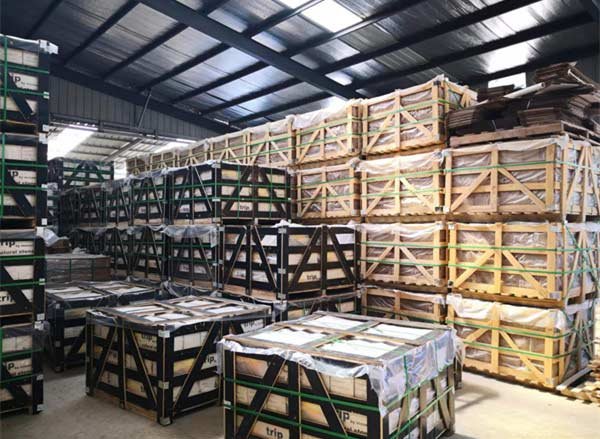
Build your takeoff from carton coverage and pallet packing to avoid last-minute shortfalls. Use the per-box coverage to convert elevation area into box counts, then plan pallets and containers to match site rhythm and port restrictions. Protect cash flow with the supplier’s standard commercial terms and require pre-shipment visual verification before you release the balance payment.
- Carton coverage: standard panels — 7 pcs/box = 0.63 m² or 8 pcs/box = 0.72 m²; rough panels — 5 pcs/box = 0.45 m².
- Pallet loading: Option A (48 boxes) ≈ 30.24 m² standard; Option B (60 boxes) ≈ 37.80 m² standard.
- 20GP container plan: 25–30 pallets; max coverage ≈ 750–860 m² (standard) or 480–540 m² (rough).
- Weight planning: flat panels ≈ 30–40 kg/m²; rough panels ≈ 55 kg/m². US ports typically restrict to 17.5 tons without special approval—confirm destination limits before loading.
- Commercial terms: MOQ (Trial/Private Label/Custom Box) = 300 m². Payment: T/T 30% deposit, 70% balance before shipment. Lead time: in-stock 10–15 days; production 20–25 days for a 20GP.
- Risk control: request HD photos/videos of finished crates and pallet counts as part of pre-shipment visual verification before you pay the balance.
Site preparation, handling and storage best practices
木枠を受け入れる前に、構造が死荷重をサポートしていることを確認してください。フラット パネルのベースラインとして 30 ~ 40 kg/m² を使用し、粗いパネルを指定する場合は ~55 kg/m² を予算として使用します。到着時にカートンの完全性、箱の数、L コーナーの一致を検査します。在庫追跡および損害賠償請求のため、カートンのサイズは通常 61 × 15 × 13 cm であることに注意してください。
- 受け取り: 箱の数を数え、箱のシールを確認し、L コーナーを確認し、配送書類に箱の損傷がないかメモします。
- 保管: パネルを開梱し、水平で乾燥した換気の良い場所に平らに保管します。保つ パレット上のパネルを地面から離し、保護するためのカバー 長時間の湿気や塩水噴霧から保護されます。
- Handling: use mechanical handling for pallets and rely on team lifts for individual panels; never drag panels across each other—lift and set to avoid edge chips.
- Acclimation: place panels in the installation zone 24–72 hours where possible to reduce thermal and moisture differentials prior to fixing.
Installation sequence for seamless interlocking and luxury finish
Establish reference planes and level lines before you lay the first course; interlocking Z- and S-shape systems demand a flat substrate so the male-female joints seat without gaps. Choose a substrate and fixing method per the structural engineer: for high façades use mechanical anchors, for interior veneers follow approved mortar or adhesive systems compatible with 天然石。
Install matching L-corners first at critical transitions to lock texture and color continuity. Stagger vertical joints, verify each CNC-cut edge seats fully to hide the substrate, and confirm the interlock eliminates visible stepped lines. For exposed or Gulf-region exteriors, specify thicker panels (≥2.5 cm) or mechanical anchors to resist wind loads and long-term adhesion challenges.
- Set level lines and check substrate flatness before first panel.
- Install L-corners first, then proceed across the plane to maintain texture continuity.
- Engage male-female interlocks fully and inspect for visible substrate between joints.
- Stagger vertical joints and confirm CNC edges seat to eliminate stepped gaps.
- Specify ≥2.5 cm panels or mechanical anchors for windy exteriors and GCC projects per engineer recommendation.
Verification, testing and handover checklist
Before handover, inspect visual uniformity across the full elevation and confirm same-batch hue consistency to avoid unacceptable color variance. Check every interlock seam for full engagement and flatness so the installation reads as a continuous plane without exposed substrate or stepped lines.
Run simple post-install performance checks: confirm no surface delamination, verify UV stability and test humidity/salinity resistance where the project demands. Record installed quantities and batch/serial numbers, take high-definition photos for warranty and profit-protection, and hand over a practical maintenance plan specifying dust-mopping, pH-neutral daily cleaning and recommended sealant schedules for high-use areas.
- Visual: confirm same-batch hue consistency and acceptable color variance across elevations.
- Seams: inspect interlocks for full engagement and no visible substrate or stepped lines.
- Performance: verify UV stability and check for delamination, and test resistance to humidity/salinity where applicable.
- Documentation: log installed quantities, batch/serial numbers and capture HD photos/videos for warranty and margin protection.
- Maintenance: recommend routine dust-mopping, clean with a pH-neutral stone cleaner and schedule resealing on high-use exteriors as part of the client handover package.

Dealing with Dust: How to Maintain Dark Natural Mineral Surfaces
Consistent dust control preserves finish, reduces restoration costs, and protects project margins on dark 天然石の被覆。
Routine dry-dusting: tools, cadence and static-control for dark slate and quartzite
Dark faces show dust quickly on standard panels (150 x 600 mm, 10–25 mm thick; ~30–40 kg/m²), so plan higher-frequency dry-dusting than you would for light-colour stone. Use gentle suction and soft agitation to remove abrasive grit before it abrades the surface or migrates into joints; clean joints and interlocks first to stop debris transferring onto visible faces.
- Tools: HEPA-rated vacuum with soft brush head; 300–400 GSM microfiber flat mop or cloth; soft nylon dust brush for textured or cleft finishes.
- Cadence: exterior high-dust sites (desert/GCC) — weekly; high-traffic interiors — weekly; low-traffic interiors — monthly; adjust after seasonal assessments.
- Static control: use anti-static microfiber and avoid dry sweeping with stiff brooms that can embed grit or cause micro-scratches.
- Joint care: vacuum loose debris from vertical joints and male/female interlocks before surface dusting to prevent grit migration.
Wet-cleaning protocol: pH, dilution, application and rinsing for dark mineral finishes
Select pH-neutral stone cleaners (target pH ~7–8) and avoid acids, muriatic acid, bleach, or strong alkalis that etch or dull 天然石. For concentrated detergents follow label instructions; typical dilution runs 1:10 to 1:20 and use lukewarm water no hotter than 40°C to improve dissolution without stressing sealers or grout.
- Application: apply cleaner with microfiber or a soft non-abrasive pad; agitate textured faces with a soft nylon brush working along the grain or vein direction to lift dust from clefts.
- Rinse: rinse with low-pressure fresh water until suds clear; remove standing water with a rubber squeegee or microfiber towel to avoid streaks and mineral spots.
- Coastal sites and salts: flush with fresh water weekly and use a pH-neutral desalinator product if salt crust persists; always test on an inconspicuous panel before full application。
Preventive protection and on-site dust mitigation: sealers, handling and construction-period controls
Specify a breathable impregnating sealer (silane/siloxane or a manufacturer-approved option) formulated for silicate stones; plan reapplication every 1–3 years depending on exposure. Verify uptake and appearance with a small water absorption or drop test on a spare piece before committing to full-site application.
- On-site controls: cover installed walls with breathable tarps, erect temporary barriers, and require local exhaust or wet-cutting at nearby trades to limit airborne dust during construction.
- Edge and corner care: use pre-fabricated L-corners supplied per project to minimize exposed raw edges; avoid abrasive grinding on dark faces and call a stone professional for reprofiling.
- 取り扱いに関する注意事項: パネルは薄いですが重い (約 30 ~ 40 kg/m²)。単一パネルの場合は 2 人でリフトを使用し、木枠の場合は機械で取り扱います (木枠の平均総重量は約 900 ~ 1,000 kg)。微細な傷を防ぐため、パネル同士を引きずらないでください。
- シーラーテスト: 広い領域を処理する前に、小さな部位の水滴テストを実行して、吸収と視覚的影響を確認します。
高いROIを実現するプレミアムスタックストーン
ブラックストーンとメタルアクセントおよびインダストリアル装飾の組み合わせ
Specify panel profiles, metal grades, and anchorage early to control weight, corrosion risk, and visible variation on long, metal-framed black stone runs.
Select stone panel profile and thickness for structural and visual compatibility
Choose a panel profile that matches your metal trim strategy: use Rectangle for simple reveals, and Z-Shape or S-Shape interlocking panels when you need concealed vertical joints to align with linear metal trims. Order interlocking Z/S panels with CNC diamond-blade precision so factory-cut male/female edges tighten against metal trims and hide the substrate; this reduces field cutting and speeds installation.
- Standard sizes: 150 x 600 mm or 150 x 550 mm (6″ ×24″ or 6″ ×22″)。
- 厚さ:標準1.0〜2.5cm。より深い露出または限られた機械的固定が存在するラフ/プレミアム パネルの場合は最大 3.5 cm。
- 質量: フラットパネル ≈ 30 ~ 40 kg/m²。粗いパネル ≈ 55 kg/m² - これらの数値を構造および固定技術者に提供してください。
- 同一バッチの採石一貫性と出荷前の視覚的検証を指定して、長い金属フレームの実行で目に見えるばらつきを回避します。
機械的な固定が制限されている場合、または金属トリムをより深く露出させる必要がある場合は、より厚いパネル (最大 3.5 cm) にステップアップし、それに応じてアンカーの間隔を調整します。パネルの重量とプロファイルの選択を構造エンジニアや金属加工業者と共有し、調達前にアンカーの埋め込み、クリップの間隔、戻りの深さのトリムを調整します。
Specify metals, finishes and corrosion control for coastal or industrial environments
Select metal types and finishes with the exposure conditions in mind: use stainless steel (specify grade 316) for high-salinity or Gulf-area exposures, choose powder-coated aluminum for lightweight, non-contact trim, and restrict weathering steel (Corten) to isolated applications where you can prevent runoff staining onto the stone. Pick finishes that complement black stone texture—brushed or satin stainless creates a subtle contrast, and matte black powder coat maintains an industrial palette; avoid high-gloss reflective metals that compete with the 石の自然な cleft surface.
- Recommended metals: 316 stainless for saline sites; powder-coated aluminum for non-contact trims; isolate Corten to prevent staining.
- Preferred finishes: brushed/satin stainless or matte black powder coat; avoid high-gloss reflective surfaces.
- Corrosion control: separate dissimilar metals and stone with non-conductive tape or neoprene strips to prevent galvanic action and staining in humid/saline conditions.
- Thermal/movement allowance: detail expansion gaps and slip joints where long metal runs meet 積み上げられた石 to accommodate differential thermal movement.
Isolate metal fasteners and trims from the stone substrate and specify 316 fasteners in exposed locations. Call out isolation layers and finish tolerances on the contract drawings so the fabricator applies sacrificial coatings or non-conductive separators where required. Require the design team to detail expansion joints and slip joints at metal-to-stone interfaces so thermal movement does not transfer stress into stone anchors or sealants.
Detail jointing, edge treatments and mechanical support for stone-to-metal transitions
Use matching L-corners and prefabricated corner panels to maintain continuous texture where stone meets metal and to cut field labor. Take advantage of interlocking Z/S seam technology to conceal the substrate at metal terminations; the interlock reduces visible stepped gaps and gives the metal trim a clean edge to land against. Where stone abuts metal, specify a flexible neutral-cure sealant with an appropriate backer rod and controlled joint width to allow for movement—leave the exact sealant selection to the project specifier based on exposure.
- Edge strategy: use matching L-corners and pre-fabricated corner panels to avoid on-site texture breaks.
- Seam treatment: use Z/S interlocks to hide substrate; fill movement joints with neutral-cure sealant over backer rod.
- 固定戦略: 設置業者の規定で許可されている場合は、メカニカル アンカーと接着剤を組み合わせます。パネルの重量データ (平坦で 30 ~ 40 kg/m²、粗い場合は 55 kg/m²) を使用して、構造エンジニアとアンカーの間隔と埋め込みの深さを決定します。
- QA チェックリスト: オンサイトの金属トリム テンプレートが納品されたものと一致するように、CNC 精密エッジ、一致するコーナー、およびプロジェクト対応のフル ソリューション ドキュメント (出荷前の写真/ビデオ) が必要です。 石のパネル。
ファブリケーターを提供し、 完成したパネルを備えたインストーラー samples, corner panels, and the Pre-Shipment Visual Verification pack. Coordinate a shop-check or template stage between the metal trim shop and the stone supplier—use the supplier’s photos and CNC edge data to fabricate trim that matches panel tolerances and guarantees tight, predictable interfaces on site.

The Role of Lighting in Preventing a “Dark Hole” Effect
Correct lighting preserves perceived material quality on black stacked stone, reduces rework, and protects installation value during handover.
Optimize illumination angle, beam profile, and CCT for textured stacked stone
Aim grazing fixtures at 15°–25° relative to the wall plane so the stone’s cleft face reads as depth instead of flat shadow. Use narrow-to-medium beams (10°–40°) to emphasize ridges and veins, then layer a wide-fill beam (≈60°) to avoid isolated dark pockets where texture concentrates light loss. Keep a minimum 6 cm separation when backlighting translucent pieces and add frosted diffusion to even out the
Natural Black Slate vs. Anthracite Quartzite: Pros and Cons
Choose quartzite for exposed, high-traffic façades and slate for tactile interior cladding—specify thickness, batch sourcing, and fixings to control performance and cost.
Material performance: hardness, weather resistance, and long-term stability
無煙炭珪岩は、天然黒色スレートに比べて鉱物硬度が高く、優れた耐摩耗性を備えているため、建築家は摩耗や衝撃が問題となる外装ファサードや交通量の多い床に珪岩を指定しています。天然黒色スレートは、薄く一貫したパネルとテクスチャーのある分割面仕上げを生み出す強い劈開性という明らかな利点を保持しており、スレートは内壁、垂直クラッディング、および触感のある仕上げと薄い部分が重要な低衝撃用途に最適です。
Both materials provide inherent UV stability and resist high salinity and humidity, making them suitable for Gulf and coastal projects when you pick dense grades and proper sealers. For cold climates, select quartzite options that meet freeze‑thaw resistance to ASTM‑equivalent durability. Use standard panel thicknesses of 1.0–2.5 cm for typical cladding and increase to 3.5 cm for rough or premium installations where structural robustness or heavy anchorage matters. Request same‑batch quarry sourcing to achieve roughly 95% hue uniformity across large elevations.
Installation and architectural fit: panel formats, joint systems, and structural planning
Design modular runs around standard panel sizes: 6″ ×24″ (150 x 600 mm) or 6″ ×22″ (150 x 550 mm) deliver clean linear coursing and simplify cutting schedules. Specify natural cleft or split‑face for exterior tactile texture and slip resistance, and choose seamless finishes for refined interiors. Use Z‑shape or S‑shape interlocking panels with CNC diamond‑blade edges to conceal vertical joints and keep the substrate hidden on continuous runs.
Plan corners and transitions with matching L‑corners to avoid field cutting and to synchronize texture and color at 90° turns. Design anchorage for typical panel weights of 30–40 kg/m² for flat panels and up to 55 kg/m² for rough faces; confirm substrate capacity and fixing schedule before procurement. Use thinner panels (1–1.5 cm) for non‑structural interior cladding and specify 2–3.5 cm for exterior or freestanding 石の壁 to meet wind, impact, and edge retention requirements.
- Panel sizes: 150 x 600 mm or 150 x 550 mm for modular layouts.
- Edge/finish choices: natural cleft/split‑face for texture; seamless for interiors.
- Interlock systems: Z‑shape / S‑shape male‑female for concealed vertical joints.
- Weight design load: 30–40 kg/m² (flat), up to 55 kg/m² (rough).
- Thickness by location: 1–1.5 cm interior, 2–3.5 cm exterior/freestanding.

Procurement, customs and logistics: HS codes, MOQs, lead times and shipping constraints
Classify imports correctly: use HS 6803.00.90 for slate and HS 6802.93.11 for quartzite to plan duties and documentation. Set commercial expectations early: MOQ sits at 300 m² (trial, private label, and custom boxes allowed). Follow the payment cadence T/T 30% deposit and 70% balance before shipment, and require pre‑shipment photos and videos to verify same‑batch color and finish before you release funds.
Use the carton and pallet specs to plan storage and loading. Standard carton: 61 x 15 x 13 cm with 7 pcs/box (0.63 m²) or 8 pcs/box (0.72 m²); rough panels pack 5 pcs/box (0.45 m²). Pallet configurations cover roughly 30–38 m² depending on box count; a 20GP container will load approximately 750–860 m² for standard panels or 480–540 m² for rough panels. Confirm port weight rules: U.S. ports typically limit loads to 17.5 t unless the destination approves heavy‑weight loads of 24–26.5 t. Lead times: in‑stock items dispatch in 10–15 days; production for a 20GP container runs 20–25 days.
- HS codes: Slate 6803.00.90 | Quartzite 6802.93.11.
- MOQ: 300 m² (mix & match allowed).
- Carton: 61 x 15 x 13 cm — 7 pcs = 0.63 m², 8 pcs = 0.72 m².
- Pallet: ~30–38 m² depending on configuration.
- 20GP capacity: ~750–860 m² (standard) | ~480–540 m² (rough).
- Port weight: US standard 17.5 t; heavy loads 24–26.5 t need approval.
- Payment & QA: T/T 30% deposit, 70% before shipment; request pre‑shipment photos/videos.
- Lead times: In‑stock 10–15 days; production 20–25 days for 20GP.
結論
適切な取り付け and wiring of stacked-stone fireplaces protects occupants, ensures OSHA and local-code compliance, and preserves the finish and structural integrity of the stone panels. Following manufacturer guidance and using qualified installers reduces warranty risks and on-site rework. Pre-shipment visual verification further prevents color or fit issues on large walls.
Review your current project setup and electrical routing, or contact us to request a certified lighting catalog and finished-sample photos for spec approval. We can advise on light placement to avoid a “dark hole” effect and provide matching L-corners to simplify installation.
よくある質問
Does black stone show more dust than lighter colors?
Dark finishes create stronger contrast, so light-colored dust and particles are more noticeable than on lighter stones. However, many black 天然石 have polished finishes that reflect light and preserve brightness; regular cleaning keeps the surface looking luxurious.
How to clean white calcium deposits off black stone?
The research emphasizes that black 天然石 like granite and basalt are durable and resistant to stains and weather, but mineral deposits require appropriate care. For mineral or calcium buildup, follow the stone supplier’s care instructions or use a stone-safe, non-abrasive descaler recommended for the specific stone to avoid damaging the polished surface.
Best grout color for a seamless black stone look?
For a seamless, continuous appearance choose a dark or black grout that matches the stone tone so joints recede visually. If the stone has contrasting veining, select grout that complements the dominant background color to maintain visual cohesion.
Can black slate handle high heat without flaking?
The research highlights that stones like granite and basalt offer strong resistance to heat, scratches and weather; slate was not specifically profiled. Because properties vary by stone type and finish, confirm heat tolerance and installation recommendations with your stone supplier before high-heat applications.
Does black stone make a small room look smaller?
Not necessarily; the polished finish of black stone can reflect light and add depth, helping to enhance brightness while still delivering dramatic contrast. With thoughtful use (lighting, veining, and placement), black stone can make a small room feel sophisticated rather than cramped.