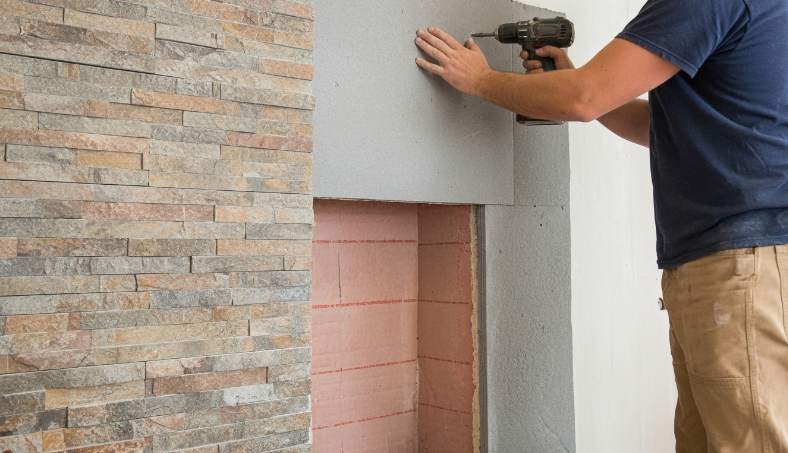
熱安全を最優先に & この規定は、現代の住宅および商業用暖炉設備における構造火災および壊滅的責任の請求に対する主な防御として機能します。間違った石を選択したり、局所的な熱ゾーンを無視したりすると、突然の熱衝撃が発生し、構造上の破損や高額な法的不遵守につながります。建設業者や請負業者は、不適切なクリアランスや、高効率ガスや薪燃焼装置の高熱出力に耐えられない材料の選択が原因で検査が不合格になった場合、重大な経済的損失に直面します。
この技術概要では、標準的な操作手順を説明します。 石の選択と設置 厳しい安全基準を満たす表面。間のパフォーマンスの違いを調べます。 天然および人工の積み石、熱膨張の仕組み、および可燃物の重要な 12 インチのクリアランス規則。このガイドでは、層間剥離の防止における高温接着剤の役割についても言及し、長期的な耐久性と規格の承認を確保するために火室周囲のヒートゾーンを管理するための具体的な戦略を提供します。
積み上げられた石はすべて熱に安全ですか?自然なパフォーマンスと偽物のパフォーマンス
変成 珪岩や粘板岩のような石は、 暖炉の周囲に最も高い熱安定性をもたらしますが、堆積石や模造代替品は、高温が続くと焼成や顔料の劣化の危険があります。
天然珪岩およびスレートパネルの熱安定性
天然石 珪岩やスレートなどの品種は高温下でも構造の完全性を維持するため、暖炉の周囲に最適です。 2026 年のコレクションでは、 本物の切り石 本質的に不燃性のものです。これらの材料は高い耐熱衝撃性を示し、300°F に達する持続的な温度でも安定性を保ちます。これらのパネルは未加工の鉱物で構成されているため、熱にさらされても揮発性有機化合物 (VOC) や有毒ガスを放出しません。これは室内の空気品質にとって重要な安全要素です。
| 材料カテゴリー | 熱性能 | 色の安定性 |
|---|---|---|
| 天然珪岩/スレート | 高い; 300°F+まで安定 | パーマネント(ミネラルベース) |
| 人造(人造)石 | 適度;裏反りの危険性 | 低い;時間の経過とともに色素が薄くなる |
| 堆積物(石灰岩) | センシティブ;か焼しやすい | Stable but texture may degrade |
人造石および人造石の裏地の熱感受性
人造石 性能は、バインダーの化学組成と使用される特定のバッキングシステムに大きく依存します。人造石にはコンクリート複合材や表面顔料が使用されていることが多く、熱源に近づきすぎると色あせたり劣化したりする可能性があります。 2026 年のテストでは、低品質で製造されたパネルは熱応力によって歪み、最終的にはパネルの剥離や層間剥離につながる可能性があることが示されています。これらの脆弱性のため、製造された製品は通常、通常よりも大きなクリアランス距離を必要とします。 天然石 見苦しい変色を防ぐため。
堆積石における物質の分解と焼成
石灰岩やその他の堆積石は、変成石と比べて極度の熱に対する反応が異なります。石灰石は特に、極端な直接熱に長時間さらされると、多孔性が増大し、焼成の可能性が生じます。この化学反応により、石の構造密度が弱まる可能性があります。私たちの場所で見つかった珪岩や粘板岩のような変成石 “ビッグ10” 一般に、高熱の住宅用途では、在庫は堆積物のオプションを上回ります。その間、すべて 天然石 不燃性であるため、構造密度によって、材料が破損することなく急速な温度変化にどれだけうまく対処できるかが決まります。
熱下での長期的な美しさと色の保持
ビジュアル 暖炉の機能の寿命は石の状態によって決まります。 色が生まれます。 自然の積み石 色相は表面顔料を追加するのではなくミネラルベースであるため、その色は永久に保持されます。多くの 加工された石 製品には酸化鉄顔料が使用されており、色調が変化したり、 “黄色” 加熱と冷却のサイクルを繰り返した後。高品質で耐熱性のあるコーティングを適用することをお勧めします。 保護する天然石シーラー 表面をすすや煙による汚れから守り、何十年も使用しても建築の仕上げがきれいな状態を保ちます。
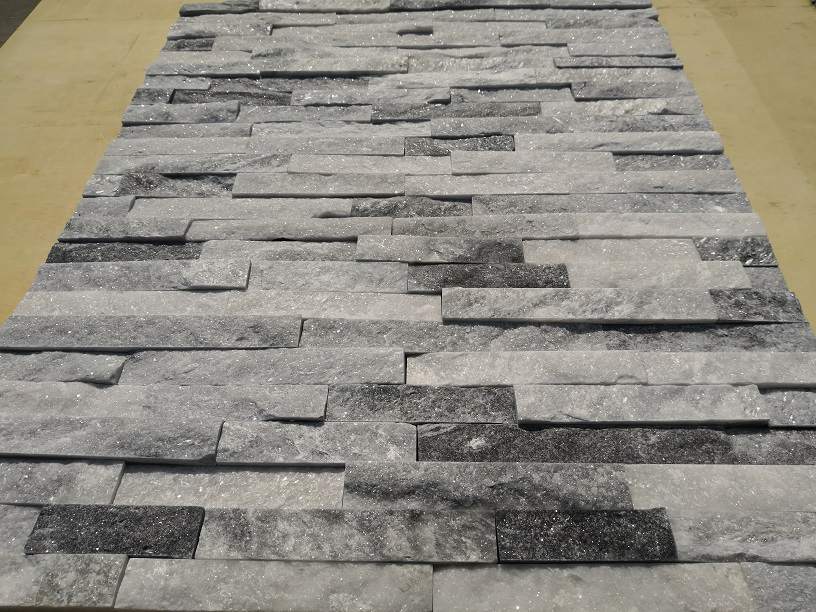
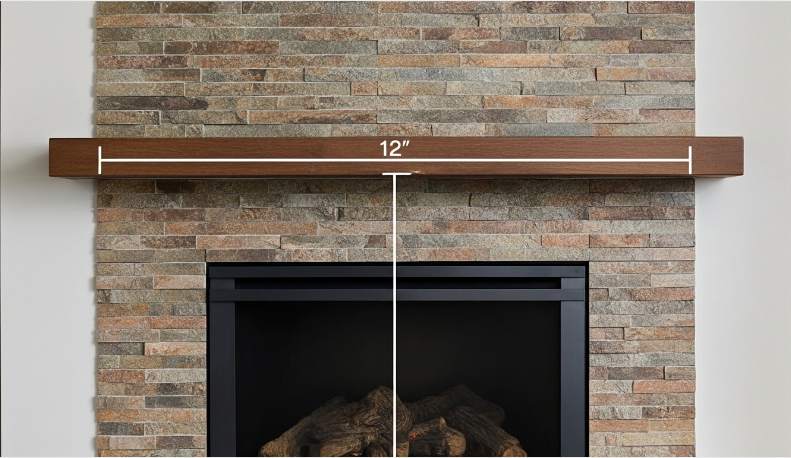
理解 “可燃物との距離”: 12 インチ ルール
12 インチのクリアランス規則を遵守することで、火室からの熱放射が木造建築要素の熱分解を引き起こさないことが保証されます。
12 インチのマンテルのクリアランス標準の定義
国の火災安全基準では、通常、暖炉の開口部の上部と可燃性炉棚の底部の間に少なくとも 12 インチの隙間が必要です。この距離は、次のような不燃性物質のみが存在する重要な緩衝ゾーンとして機能します。 自然の積み石、存在するはずです。 2026 年の建築基準では、マントルピースが壁から 1 インチ突き出るごとに、熱トラップを防ぐために追加のクリアランス高さが必要になる可能性があると指定されています。たとえば、マンテルが 6 インチ突き出ている場合、現代の検査官が使用する突出対高さの比率を満たすために、多くの場合 18 インチの垂直方向のクリアランスが必要です。
| クリアランスコンポーネント | 標準要件 | 材料のコンプライアンス |
|---|---|---|
| 垂直マントルクリアランス | 12″ 最小値(ベース) | 天然石 / 珪岩 |
| 水平方向のサイドクリアランス | 6″ 8まで″ 側面 | 連動する Z パネル |
| 基板材料 | 不燃区域 | セメントバッカーボードのみ |
自然の積み石 熱源と可燃性の建築要素の間のギャップを埋める不燃性の表面材として機能します。設置業者は、珪岩やスレートなどの 100% 天然鉱物を利用することで、暖炉のピーク稼働時でも構造の完全性を維持する熱シールドを提供します。
NFPA-211 および国際居住法への準拠
安全プロトコル 2026 年に向けては、火災のリスクを軽減するために、NFPA-211 および国際居住法 (IRC) によって確立されたベンチマークに依存しています。現在の IRC ガイドラインでは、可燃性コンポーネントの表面温度が安全限界を超えないようにするために、特定の離隔距離を義務付けています。設置業者がこれらの距離を無視すると、熱分解(長期間の熱暴露によって引き起こされる木材の化学分解)が発生し、時間の経過とともに木製フレームの発火温度が低下する危険があります。
- 検査官は木材の温度が 90°C の閾値を下回っていることを確認するためのクリアランスを検証します。
- Professional installers use these codes to determine the exact transition point from 天然石 木のトリムに。
- 準拠するには、装飾的なファサードではなく、火室の内側の端から測定する必要があります。
基材要件と遮熱層の統合
その間 天然石パネル 不燃性であるため、その背後にある材料が暖炉アセンブリの全体的な安全性を左右します。施工者は、直接加熱ゾーン内の標準石膏乾式壁をセメントバッカーボードまたは石積みユニットに交換する必要があります。付着 天然石 熱バリアなしで可燃性スタッドに直接接続すると、ほとんどの 2026 安全プロトコルに違反し、メーカーの保証が無効になります。
空冷バリア システムの使用により、狭い建築設計におけるクリアランスの削減が可能になります。これらのシステムは石材仕上げ材の裏側で空気を循環させ、内壁構造への熱伝達を大幅に低減します。この工学的アプローチにより、家の構造的な完全性を損なうことなく、現代的な埋め込み式暖炉の美しさを実現できます。
縦横すきま仕様
クリアランス ルールは、火室の上の垂直面と開口部の側面に隣接する水平面の両方に適用されます。側壁の隙間には通常、木製パネルやキャビネットを設置する前に 6 ~ 8 インチの不燃性材料が必要です。自然 石のパネルはシームレスを提供します 特に目に見えるグラウトラインを排除する Z 字型のインターロック設計を使用する場合、これらのゾーンのソリューションになります。
請負業者は、正確な規格準拠を保証するために、火室の内側の端から測定する必要があります。 CNC ダイヤモンドブレードの精密パネルを使用することで、これらの安全性が重要な寸法が一貫した石の厚さで確実にカバーされ、 “ホットスポット” この場合、石が薄いほど基材への熱伝達が高くなる可能性があります。
建築ニーズに応えるプレミアム積み石
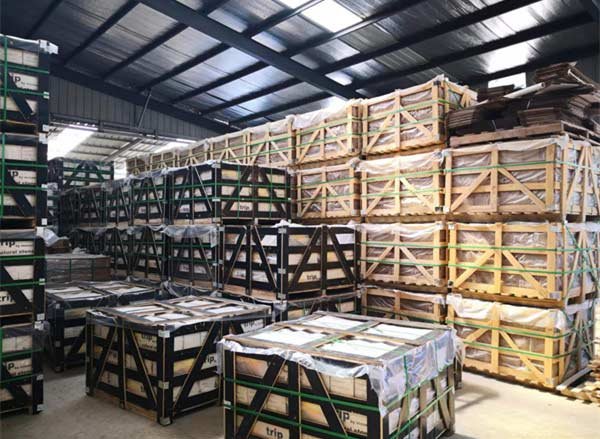
Why Thermal Expansion Leads to Cracking in Low-Quality Stone
Thermal stress represents the primary cause of 石の失敗 in fireplace applications, occurring when incompatible material densities or rigid bonding agents cannot accommodate natural expansion cycles.
Materials used in high-heat environments must manage significant internal pressure as temperatures fluctuate. Low-quality or composite stones often contain inconsistent mineral densities that react unevenly to heat sources, leading to structural instability over time.
Mineral Composition and Differential Expansion
石の内部構造によって、石が熱をどのように処理するかが決まります。材料に均一な鉱物マトリックスが欠けていると、石の異なる部分が異なる速度で膨張し、材料が維持できない内部張力が生じます。
- 単一の低品位石の内部で膨張係数が異なるため、温度が上昇すると内部引張応力が発生します。
- 天然石 粒界構造が貧弱な場合、破壊することなくこれらの熱変化を吸収する弾性が不足します。
- 偽物または培養されたもの 石製品 顔料を多く含むコンクリート複合材を使用すると、多くの場合、内部補強材とは異なる速度で膨張し、表面にクモの巣が発生します。
接着剤の脆弱性とパネルの剥離
The bonding system is just as critical as the stone itself. Failure often begins at the point of contact between the stone and the substrate when the adhesive cannot withstand thermal cycling.
- Inferior resins and glues often lose their grip and become brittle when exposed to the 2026 industry standard heat tests.
- We use high-strength, stone-specific epoxy adhesives designed to maintain a permanent bond even as the stone naturally moves.
- A lack of flexible bonding in cheap panels means the stone has nowhere to expand, so it either cracks or detaches from the substrate.
Precision Cutting to Prevent Pressure Build-up
Mechanical pressure between individual stones can accelerate damage if the installation is too tight or the cuts are imprecise. Manufacturing defects create “pinch points” that concentrate heat and stress in small areas.
- Inconsistently sized stones in low-quality panels leave no room for natural movement, forcing stones to press against each other until they snap.
- We utilize advanced infrared cutting equipment to ensure every component fits with microscopic precision, allowing for uniform heat distribution.
- Poorly manufactured panels often skip the critical three-stage quality check, allowing stones with pre-existing micro-fissures to reach the job site.
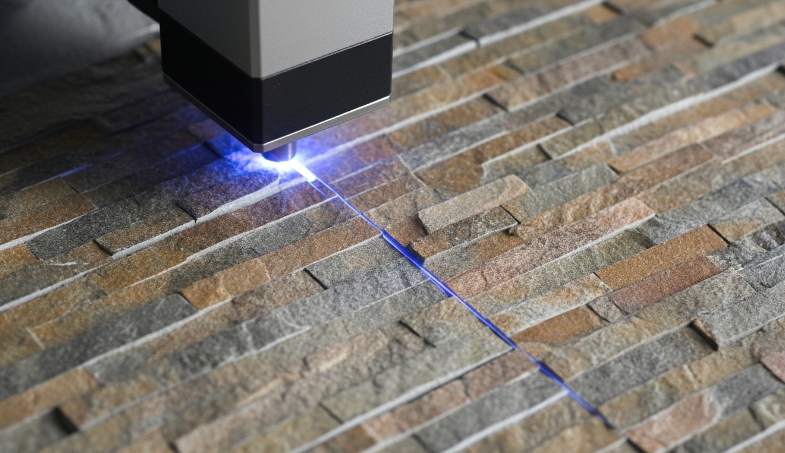
Firebox Surrounds: Managing High-Temperature Zones Safely
Architectural firebox surrounds require a transition from standard combustible framing to a strictly non-combustible stone barrier to prevent structural ignition and manage the 300°F thermal loads common in modern heating appliances.
材料の完全性: 不燃性バリアとしての天然石
自然 石のパネル 本質的に耐火性があるため、重要な安全バリアとして機能します。人造石や人造石製品とは異なり、100% 天然ミネラルは、持続的な熱にさらされても有毒ガスを放出したり、化学ガスを発生したりしません。採石された材料を選択することにより、周囲が熱シールドとして機能することが保証されます。
- 構造を劣化させることなく周囲が機能的な熱シールドとして機能するように、100% 切り出されたスレート、珪岩、または大理石を指定します。
- それを確認してください 石のパネル 2026 年の住宅および商業消防法で要求される不燃分類基準を満たしています。
- 高温ゾーンでの溶融や有毒ガスの発生のリスクを避けるために、顔料を多く含む人造石製品の使用は避けてください。
ガスおよび固形燃料暖炉の規制遵守
現在 2026 年 安全基準には熱に対する微妙なアプローチが必要です 特定の燃料源に基づいた管理。最新のガス機器は現在、厳格なガラス温度規制の下で動作しますが、従来の固体燃料ユニットは近くの木製フレームへの発火を防ぐためにかなりの隙間を必要とします。コンプライアンスには、特定の材料の厚さと確立された分離距離を遵守する必要があります。
- 最新のガス機器の設置では現在標準となっている 172°F のガラス温度制限規制を遵守してください。
- 設計段階で、工場で組み立てられたユニットと伝統的な石積みの暖炉のクリアランス要件を区別します。
- 基礎となる壁構造に木製フレームが含まれている場合は、可燃物に 12 インチ ルールを適用します。 ストーンベニア 厚さ。
Substrate Preparation: Cement Board and Thermal Support
The longevity of a 積み重ねられた石の暖炉 depends entirely on the substrate. The intense thermal cycling—the constant expansion and contraction of materials—can cause standard drywall to crumble or adhesives to fail. Using cement-based backer boards and specialized adhesives creates a stable foundation that resists delamination and cracking.
- Replace standard gypsum drywall with cement-based backer boards in all zones designated as high-temperature contact areas.
- Utilize high-strength, heat-rated epoxy adhesives to secure the 8-13 lbs/sqft panels, ensuring the bond remains stable during thermal cycling.
- Install matching L-shaped corner pieces to manage thermal expansion at joints and maintain a seamless architectural profile.
How Professional Adhesives Prevent Stone Delamination from Heat
The longevity of a 積み重ねられた石の取り付け near heat sources depends less on the stone itself and more on the chemical integrity of the adhesive bond under repetitive thermal cycling.
モダンな 積み上げられた石のパネル utilize specialized epoxy resins engineered to create a permanent bond between the natural stone and the substrate base. Adhesives specifically formulated for 天然石 provide chemical stability that prevents the stone from separating when surface temperatures rise. Manufacturing processes in 2026 focus on high-tensile strength resins that maintain their grip even during prolonged exposure to fireplace heat. This chemical composition resists the softening or “off-gassing” common in lower-grade glues used in budget ストーンベニア, ensuring the structural assembly remains intact regardless of the fireplace’s BTU output.
Accommodating Thermal Expansion and Contraction
Professional-grade adhesives act as a flexible interface that absorbs the physical movement of stone as it heats and cools. 天然石 expands when heated; elastomeric adhesive compounds allow for this micro-movement without breaking the bond. Advanced polymers maintain performance across extreme temperature ranges, typically from -40°C to +90°C, ensuring integrity in both indoor and outdoor settings. Using adhesives with high elasticity prevents the brittle fractures that lead to stone pieces falling off the panel over time.
| パフォーマンス指標 | Factory-Applied Epoxy Resin | Standard Field Mortar |
|---|---|---|
| Temperature Stability | -40°C to +90°C (Stable) | Degrades above 50°C |
| Expansion Management | Elastomeric (Flexible) | Rigid (Prone to Cracking) |
| Heat Retention Strength | >95% Bond Strength | Rapid Loss of Adhesion |
| Chemical Off-Gassing | Zero VOC / Heat Stable | Potential Odor Release |
Factory-Controlled Bonding vs. Site Application
The bond strength of a pre-assembled 積み上げられた石のパネル depends heavily on the environment where the adhesive was applied. Applying adhesives under controlled temperature and pressure conditions ensures a more uniform and secure bond than manual on-site application. High-quality manufacturers utilize three-stage inspection protocols to verify adhesive coverage before the panels leave the facility, drastically reducing the risk of delamination once the stone faces heat. Automated application systems eliminate human error, ensuring every square inch of the stone surface receives the precise amount of resin required for heat resistance.
- 精密なダイヤモンドブレード CNC エッジによりしっかりとフィットし、熱が接着層に浸透する隙間を最小限に抑えます。
- 工場環境では硬化に最適な湿度レベル (40 ~ 95°F) が維持されますが、建設現場ではこれを保証することは不可能です。
- 多層複合材バッキングが熱応力を吸収し、パネル全体に熱を再分配してホットスポットを防ぎます。
高温ゾーンでの長期耐久性
Professional adhesives must withstand thousands of heating cycles near fireboxes and ovens without losing structural integrity. Testing shows that high-quality stone adhesives maintain over 95% of their bond strength after repeated exposure to radiant heat. Properly bonded panels function as a single unit, preventing moisture from entering the adhesive layer and causing steam-related pressure pops. Contractors prioritize factory-assembled panels to avoid the common failures seen when using standard thin-set mortars for heavy natural stone pieces, especially in high-traffic commercial zones or residential focal points.
結論
Selecting 自然の積み石 and adhering to strict clearance codes mitigates fire risks while preventing structural issues like cracking or delamination. Architects and inspectors rely on these established safety standards to ensure the structural integrity of high-heat fireplace surrounds. Precision material sourcing and correct adhesive application eliminate the common hazards associated with thermal expansion.
Review the Top Source Stone technical data manual or explore the Big 10 inventory to find project-ready natural stone solutions that meet international building codes. Contact us to request a professional sample for your next commercial or residential specification.
よくある質問
Is stacked stone heat safe for high-efficiency gas fireplaces?
はい、 自然の積み石 materials such as quartzite and slate are exceptionally heat-safe, maintaining their structural integrity at sustained temperatures of 300°F and higher. For high-efficiency gas fireplaces, which generate significant radiant heat, it is critical to use natural stone or manufactured panels that have undergone rigorous ASTM thermal testing to ensure they can handle the specific thermal output of the unit.
What is the minimum clearance for a wood mantel over stone?
Industry standard safety codes generally require a minimum clearance of 12 inches between the top of the fireplace opening and the bottom of a combustible wood mantel. However, this clearance often increases based on the depth of the mantel; a common rule of thumb is to add one inch of vertical clearance for every inch the mantel protrudes from the stone face beyond a standard depth.
Can stacked stone crack from excessive fireplace heat?
While high-quality natural stone is resilient, cracking can occur due to thermal shock or calcination, particularly in softer stones like limestone. To prevent cracking, it is essential to use a heat-rated thin-set mortar or adhesive that allows for the natural expansion and contraction of the stone during heating and cooling cycles.
Does the stone need a special fire-rated sealer?
Standard stacked stone does not require a “fire-rated” sealer, but it does require a heat-resistant, penetrating sealer (such as a silane/siloxane blend). You must avoid topical or film-forming sealers, as these can yellow, bubble, or release fumes when exposed to the high temperatures of a fireplace surround.
How to protect the stone from direct flame contact?
Stacked stone is designed for use as a decorative surround and should never come into direct contact with flames. Protection is achieved by ensuring the stone is installed only on the exterior facade, while the interior of the fireplace is lined with professional-grade firebrick or a manufacturer-approved steel heat shield to contain the direct combustion zone.