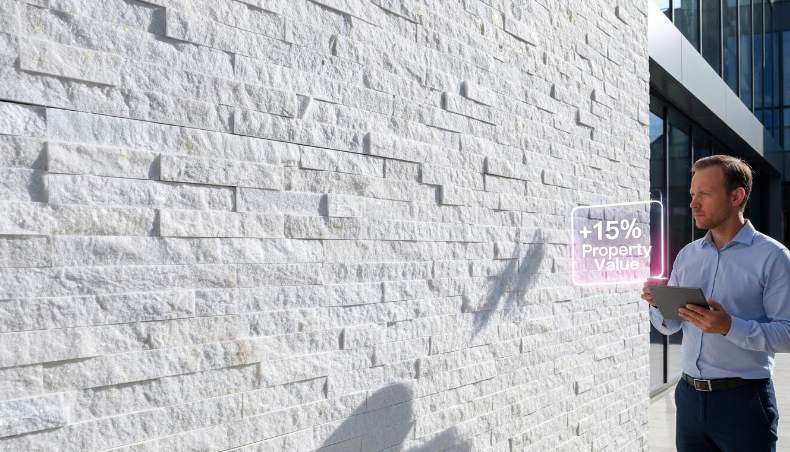
天然石と人造石の間の 20 年にわたる ROI の戦いが、商業資産が価値を高めるか、ファサードの早期故障による経済的負担に屈するかを決定します。人工石はすぐにはコスト削減につながりますが、長期的な現実として、色褪せ、湿気の浸入、資産評価の大幅な低下が発生することがよくあります。間違った資料を選択すると、貸し手の信頼からテナント維持率まであらゆるものに影響を与える負債が生じます。
This guide examines the technical differences in durability and maintenance requirements that separate these two materials. We analyze initial price gaps against the reality of replacement cycles, insurance premium reductions for non-combustible natural minerals, and the specific impact of 本物の石 on commercial appraisal values. Use this data as a strategic framework to ensure your building envelope remains an asset rather than a recurring expense.
The Upfront Cost Trap: Why Initial Savings Often Lead to Future Loss
Selecting facade materials based on initial purchase price ignores the compounding expenses of UV-driven color restoration and the structural liabilities inherent in synthetic bonding agents.
Artificial Pigmentation and the Price of UV Degradation
Synthetic coloring in manufactured stone panels 通常、表面レベルの顔料に依存しており、直射日光にさらされると数年以内に鮮やかさを失います。 2026 年の環境基準までに、これらのファサードは、人工的な色合いが劣化すると現れる鈍い灰色がかったセメントの芯を隠すために、専門的で高価な再塗装が必要になることがよくあります。これにより、不動産所有者にとっては、ブランドイメージの悪化か、美観の継続的な維持のどちらかを選択しなければならない、繰り返しの経済的負担が生じます。
天然石パネル 色は鉱物構造全体に存在するため、その美的完全性は無期限に維持されます。私たちは同じ採石場の鉱脈から材料を調達し、表面から中心に至るまですべてのパネルが同じ地質学的 DNA を共有していることを保証します。もし 天然石パネル suffers a minor chip, the exposed area remains identical to the surface, eliminating the need for touch-up kits or color matching services.
Adhesive Failure and Remedial Repair Expenses
Lower upfront costs often stem from the use of inferior bonding agents that compromise the structural link between the stone and the substrate. Cheap alternatives frequently utilize low-grade resins that become brittle over time, especially in freeze-thaw climates. This brittleness leads to stone fallout, creating hazardous conditions on exterior walls and exposing the property owner to significant liability and remedial repair costs.
| パフォーマンス指標 | Manufactured Faux Stone | トップソースの天然石 |
|---|---|---|
| Color Longevity | Fades in 3-5 years (UV sensitive) | Permanent UV Stability |
| 20-Year Maintenance Cost | $3.00 – $7.00 per sq.ft. | $0.00 – $2.00 per sq.ft. |
| Structural Composition | Porous Cement Aggregate | 100% Natural Minerals |
Utilizing high-strength epoxy resin formulated specifically for 天然石 prevents this cycle of constant re-attachment. Our engineering process ensures the bond remains flexible enough to handle thermal expansion but strong enough to withstand high salinity and humidity. This investment in material science at the factory level removes the “hidden tax” of future patchwork repairs.
Structural Preparation and Labor Opportunity Costs
Initial savings on material price are frequently erased by the complex structural requirements of heavy masonry. While traditional full-bed stone requires dedicated footings and expensive structural reinforcement, our lightweight natural panels (8-13 lbs/sqft) eliminate these foundational costs entirely. This allows architects to specify real stone for retrofits and light-gauge steel builds where heavy alternatives are physically impossible or cost-prohibitive.
Z 字型連動システムにより、設置時間が 30% 以上短縮され、予算がさらに最適化されます。 CNC ダイヤモンドブレードのエッジにより、各ピースが正確にフィットするため、垂直方向の接合部がカモフラージュされ、現場での特殊な石材の切断が不要になります。請負業者は次のプロジェクトに早く移行できるため、請求される総労働時間が削減され、設置業者と開発者の両方の純利益率が大幅に向上します。
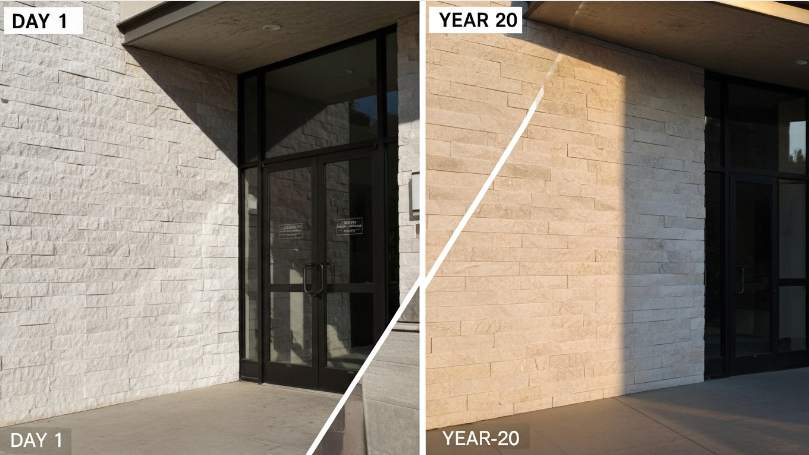
メンテナンスの計算: 人工石の再塗装 vs. “ゼロケア” 自然な現実
本物 天然石 色は永続的な鉱物の特徴であるため、構造的および美的完全性が維持されますが、製造されたベニヤは表面レベルの化学顔料に依存しており、紫外線暴露により必然的に劣化します。
Natural Mineral Stability vs. UV-Driven Pigment Loss
天然石 minerals like slate and quartzite remain chemically stable under 2026 environmental conditions. This prevents the “washed out” look common in synthetic alternatives. 人造石 uses iron oxide pigments in a concrete base. These pigments break down under direct ultraviolet exposure, often requiring specialized masonry stains to restore their appearance every few years. 積み重ねられた石のパネル eliminate the need for recurring color touch-ups, ensuring the facade looks identical to day one after decades of service.
| パフォーマンス指標 | トップソースの天然石 | Manufactured Faux Stone |
|---|---|---|
| Color Composition | Full-thickness natural minerals | Surface-applied iron oxide dyes |
| 耐紫外線性 | Inherent stability; no fading | Prone to pigment bleaching |
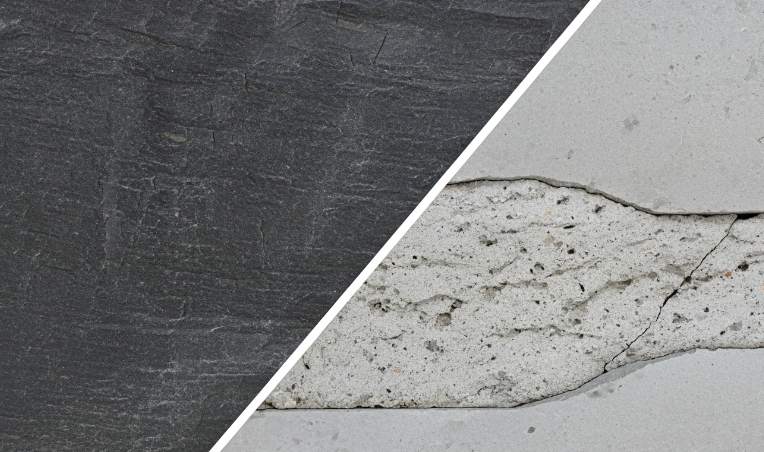
| Damage Response | Chips reveal identical stone texture | Chips reveal gray/white cement core |
| Expected Lifespan | 50 – 100+ Years | 20 – 30 Years (Exterior) |
Hidden Costs of Repairing Chipped Concrete Veneers
Natural stone features consistent color そして全体の質感。チップは単により多くの石を明らかにし、小さな衝撃を事実上目に見えなくします。人造石に衝撃を与えると、ライトグレーまたはホワイトのセメントコアが露出し、コントラストの高い傷が生じ、専門家による即時修理またはパネル交換が必要になります。私たちは、 “コンクリートコア” 100% 採石材を使用することで問題を解決し、職人による石積みパッチキットの長期的な必要性を軽減します。
天然石の表面に対する最小限のシーリング要件
人造石は磨耗を隠すために積極的な洗浄と再塗装が必要になることがよくありますが、自然のものでは 石のパネル 環境汚染物質を防ぐための基本的な保護のみが必要です。有機物の増殖や汚れを防ぐために、数年ごとに高品質で pH 中性のシーラーを使用することをお勧めします。このプロセスは、合成ファサードを再塗装するよりも大幅に速く、費用対効果が高くなります。 Natural stone resists high-pressure cleaning better than manufactured stone, which can lose its surface texture and color if washed too aggressively. Stacked stone systems simplify the maintenance schedule by requiring only soft-brush cleaning and water for most routine care.
Twenty-Year Financial Outlook for Facade Maintenance
Projected ROI data for 2026 shows that the initial premium for 天然石 is offset by the total absence of restoration cycles required by synthetic products. Natural stone retains its appraisal value over a 20-year cycle, whereas faux stone typically faces a value “cliff” once the surface pigments begin to fail. Labor costs for repainting or re-staining 5,000 square feet of faux stone often exceed the original price difference between synthetic and natural materials. Property owners realize lower total cost of ownership by selecting natural panels that bypass the 10-year replacement cycle common in low-tier manufactured products.
- Direct quarry sourcing ensures material consistency and lowers initial B2B acquisition costs.
- Natural minerals provide inherent freeze-thaw resistance, preventing the delamination issues found in porous cement composites.
- 精密カット Z-shape panels utilize seamless technology to hide joints and protect the substrate from moisture.
Premium Natural Stone for Efficient Installation
評価への影響: 本物の石がどのように商業再販価値を高めるか
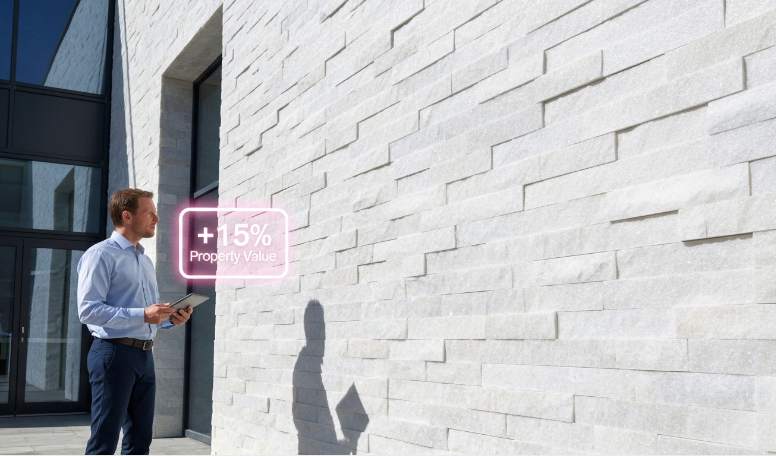
天然石 は、維持コストの圧縮と市場評価における大幅なプレミアムを通じて純営業利益 (NOI) を高める戦略的金融資産として機能します。
資産評価と即時ROIの可能性
2026 年の商業評価データにより、次のことが確認されています。 天然石のインスタレーション provide an immediate uplift to property book value. Buildings featuring authentic stone facades or interior architectural elements see value increases of up to 15% compared to those using synthetic or cement-based composites. This valuation boost stems from the market’s high desirability for authentic materials, which leads to properties selling approximately 20% faster than their competitors.
Investors often view natural stone as a “safe harbor” for capital. While manufactured ストーンベニア might offer lower entry costs, real stone projects currently recover nearly 100% of their initial expenditure during resale. This high recovery rate transforms a decorative choice into a structural equity play, ensuring that the initial investment remains liquid within the property’s total valuation.
Tenant Attraction and Premium Lease Rates
The psychological impact of authentic minerals in lobbies, retail fronts, and executive offices directly translates to the bottom line. Tenants associate natural stone with permanence, stability, and high-tier branding, allowing landlords to command higher rental premiums. This is particularly evident in the hospitality and high-end retail sectors, where authentic textures like 100% natural slate or quartzite convey a luxury experience that manufactured products cannot replicate.
- Higher occupancy levels in commercial assets utilizing authentic mineral finishes.
- Improved professional branding for corporate tenants, making the property more competitive.
- Sustained rental growth driven by the “prestige factor” of natural architectural materials.
Long-Term Appreciation vs. Material Depreciation
Standard synthetic veneers act as depreciating liabilities, often requiring full replacement within a 10-15 year cycle due to UV fading and structural delamination. In contrast, 天然石 appreciates at an estimated 5-10% annually when integrated into the building’s structural design. Because the color is consistent throughout the mineral—rather than a surface-level pigment—the material does not “age out” of style or functionality.
Operational Cost Management and Portfolio Health
For REITs and institutional investors, the appeal of natural stone lies in its resistance to the stressors of high-traffic environments. Authentic stone resists scratching, staining, and UV damage, which significantly lowers lifecycle ownership costs. By reducing the frequency of cosmetic repairs and avoiding expensive restoration cycles, owners keep their Net Operating Income (NOI) higher, making the asset more attractive to sophisticated buyers.
Furthermore, the non-combustible nature of natural minerals provides a favorable risk profile for insurance carriers. This can lead to lower premiums and better risk ratings, further enhancing the financial health of the property portfolio. Investing in high-durability materials ensures the property remains a functional asset rather than a liability during future transfers.
Replacement Cycles: Does Your Facade Need a Full Re-install Every 10 Years?
天然石 facades eliminate the 10-year replacement anxiety by providing a 30-to-50-year structural lifecycle that resists the material fatigue common in synthetic veneers.
Natural Stone Longevity vs. Common Replacement Myths
Many developers mistakenly believe that commercial facades require a total overhaul every decade. This misconception often stems from the failure of low-grade synthetic materials. Industry data shows that high-quality commercial building facades operate on a 15 to 25-year cycle before they need even minor interventions like tuckpointing. Natural stone panels avoid the material fatigue found in manufactured alternatives, which often degrade or lose color within the first 10 years due to pigment breakdown.
| Material Category | First Maintenance Trigger | Full Replacement Cycle |
|---|---|---|
| 自然 Stone Panels (Top Source Stone) | 20–25 Years (Tuckpointing) | 50+ Years |
| Manufactured ストーンベニア | 5–8 Years (Color fading/cracks) | 20–25 Years |
| Stucco / Painted Masonry | 3–5 Years (Repainting) | 15–20 Years |
Choosing 100% quarried stone ensures the exterior maintains its structural integrity and aesthetic value for decades rather than seasons. While faux stone reveals cement cores when chipped, natural stone maintains its hue throughout the entire slab. This “本物の石” advantage means you are investing in a permanent mineral asset, not a temporary decorative layer.
Environmental Stressors and Facade Durability
External factors like freeze-thaw cycles and coastal air dictate how often a facade needs professional attention. Buildings in extreme climates or coastal regions see maintenance cycles shorten to 10-15 years if they use porous, pigment-based materials. Natural minerals used in 石のパネル resist UV-induced fading and chemical weathering because their color is geological, not additive.
- ASTM-standard freeze-thaw resistance prevents the delamination common in lower-tier veneers.
- High salinity resistance makes quartzite and slate ideal for high-humidity Gulf regions.
- Non-combustible minerals provide a permanent safety barrier without requiring recurring fire-retardant reapplications.
Safety Inspection Schedules vs. Structural Re-installation
Regulatory requirements for facade checks often create the misconception that a full replacement is imminent. Major urban centers like New York City mandate safety inspections every five years for tall structures. These checks aim to identify minor sealant wear or loose mortar before they become structural failures. Routine maintenance at the 10-year mark usually involves simple cleaning and sealant checks. Preventative care in 2026 focuses on these small adjustments, which extends the total life of a stone facade to 30 years or more.
Performance of Lightweight Interlocking Panel Systems
モダンな manufacturing techniques ensure that stone panels remain secure, reducing the risk of premature failure. Our panels weigh between 8 and 12 lbs per square foot, which reduces the load on building footings. This weight reduction prevents the settling cracks that often lead to facade replacement in heavy masonry projects. We use high-strength epoxy resins to create a permanent bond between the stone and the substrate, eliminating the “stone shedding” seen in older methods.
Precision-cut Z-shape panels utilize CNC diamond-blade technology to create a tight “男性-女性” interlock. This design camouflages vertical joints and protects the underlying structure from water ingress. By minimizing exposed joints, these systems significantly extend the replacement interval, ensuring the building remains weather-tight and visually seamless for the long term.
Insurance Benefits: Lowering Premiums with Non-Combustible Natural Minerals
自然 石のパネル serve as a permanent, non-combustible shield that reduces property risk profiles, allowing owners to capture significant insurance premium credits through verified home hardening initiatives.
Fire-Resistant Exterior Grading
Natural stone panels offer a level of fire protection that synthetic materials cannot match. Slate, quartzite, and marble act as an inert thermal shield, preventing the spread of flames across a building’s envelope. Because these minerals formed under extreme geological heat, they do not ignite, melt, or release hazardous off-gassing when exposed to external fire sources. This makes them a preferred choice for developers working in high-density urban areas or wildfire-prone regions.
- Slate, quartzite, and marble provide a natural shield that does not ignite or spread flames during external fire exposure.
- Building standards in 2026 prioritize “hardened” exteriors to prevent structural failure during high-heat events.
- 積み上げられた石 eliminates the melting or off-gassing risks associated with synthetic or polymer-based siding.
Direct Premium Discounts for Home Hardening
Insurance carriers are shifting from general regional risk assessments to granular, property-specific audits. Owners who replace flammable wood or vinyl siding with natural 石のパネル often qualify for specific rate credits. These discounts are a response to measurable risk reduction; structural modifications that use non-combustible minerals provide a permanent mitigation measure that remains effective for the life of the building.
- Current actuarial models show up to a 75% reduction in risk when owners combine vegetation management with stone facades.
- Many carriers now offer specific rate credits for structural modifications that exceed local fire safety minimums.
- Replacing flammable wood or vinyl with natural 石のパネル serves as a permanent mitigation measure for insurance audits.
Data-Driven Risk Mitigation in Wildfire Zones
Advanced catastrophe modeling in 2026 correlates building material selection directly with loss ratios for commercial and residential assets. Properties featuring natural stone exteriors consistently show lower damage costs following spot fires or ember storms. Because stone maintains its structural integrity under intense thermal stress, it significantly reduces the likelihood of a total loss claim, making the asset more attractive to conservative lenders and underwriters alike.
- Loss data shows that properties with natural stone exteriors suffer less perimeter damage during spot fires.
- Granular risk assessments allow insurers to offer more competitive rates to buildings using Class A fire-rated materials.
- Natural stone maintains its structural integrity under thermal stress, reducing the likelihood of a total loss claim.
結論
Choosing facade materials based on long-term performance shifts the focus from initial savings to total asset value. Natural stone eliminates the recurring costs of repainting or replacing faux alternatives while securing higher commercial appraisals through inherent durability. These mineral-based panels provide the structural integrity and fire resistance needed to protect commercial investments over a twenty-year horizon.
Review the technical specifications in our Big 10 inventory to find a 石 profile that aligns with your project requirements. You can also contact our team to request a factory-direct quote or a visual verification of current quarry batches.
よくある質問
Is natural stone significantly more expensive than faux stone?
While the nominal material cost of natural stone is typically 20% to 30% higher than manufactured alternatives, the real price gap is found in installation. Natural stone requires specialized masonry skills and often structural reinforcement due to its weight. However, choosing faux stone can lead to an “upfront cost trap” where immediate savings are negated by a shorter lifecycle and lower long-term property valuation.
How much value does real stone add to home resale?
Real stone veneer consistently ranks as one of the highest ROI home improvements, often recouping between 92% and 105% of its cost at the time of sale. Beyond the direct financial return, it significantly enhances curb appeal and buyer confidence, leading to faster closing times and more competitive offers.
What is the average lifespan of manufactured stone veneer?
Manufactured stone veneer typically has an average lifespan of 20 to 50 years. Unlike natural stone, which lasts for centuries, faux stone is subject to UV fading, moisture absorption, and delamination. Over a 20-year horizon, the structural integrity of manufactured products may begin to show significant signs of weathering that require replacement or costly repairs.
Does natural stone require annual sealing to maintain value?
No, natural stone does not require annual sealing. For most exterior applications, high-quality stone only needs to be sealed every 3 to 7 years to protect against deep staining or salt damage. High-density stones like granite or quartz-based fieldstones often require no sealing at all to maintain their structural integrity and aesthetic value.
Why do commercial lenders prefer natural stone exteriors?
Commercial lenders prefer natural stone because it represents a “永続” asset with superior capital preservation. Natural stone offers maximum fire resistance and extreme durability, which reduces the long-term risk of the collateral. Lenders understand that timing and material structure reshape ROI outcomes, and natural stone ensures the building maintains high market value throughout the life of a 20 or 30-year loan.