Comparing stacked stone veneer with paint, brick, or siding can feel tricky: you want curb appeal, durability, and smart spend without surprise upkeep. We distill the real-world benefits so you can decide whether stone veneer is worth it for your home.
This guide covers durability and longevity, aesthetic appeal and design versatility, and cost considerations compared to other materials, helping homeowners compare options quickly, set realistic budgets, and choose a finish that holds value over time.
Durability and Longevity of Stacked Stone Veneer
Stacked stone veneer exhibits significant durability differences by type: natural stone veneer lasts 50+ jaar, often indefinitely, due to its non-porous, weather-resistant nature. Manufactured stone veneer spans 10–75 years depending on quality, installation, and maintenance, but tends to suffer from moisture damage and fading.
If you’re comparing the benefits of stacked stone veneer to paint, brick, or siding, durability sits near the top of the list.
In our experience, understanding how material type, climate, and installation affect lifespan helps you pick the right system for your home.
Lifespan and Durability Comparison
| Type | Levensduur | Porosity | Color Retention | Primary Failure Modes | Install Quality Impact |
|---|---|---|---|---|---|
| Natural Stone Veneer ✅ | 50+ jaar average; often 100+ years or indefinite ✅ | Non-porous ✅ | Permanent, no UV fading ✅ | Minimal failure; occasional mortar issues only ⚠️ | Less sensitive than manufactured 💡 |
| Manufactured Stone Veneer ❌ | 10–75 years depending on quality, install, and maintenance ⚠️ | Highly porous ❌ | Fades over time ❌ | Moisture damage, cracking, chipping, efflorescence ❌ | Critical to longevity ⚠️ |
| General Exterior Stone Veneer 💡 | 25–50 years with proper maintenance | Varies by material ⚠️ | Material-dependent ⚠️ | Varies; moisture and joints are common risks ⚠️ | Important across all systems 💡 |
Durability Advantages of Natural Stone Veneer
- ✅ Natural stone’s crystalline structure resists moisture infiltration, preventing degradation in wet and coastal conditions.
- ✅ Excellent resistance to freeze–thaw cycles and extreme weather; panels remain stable across temperature swings.
- ✅ Maintains appearance over time and develops a natural patina without UV fading, protecting curb appeal for 50+ jaar.
- ✅ Minimal maintenance—occasional cleaning and optional sealing keep surfaces fresh with low ownership cost.
- 💡 More forgiving of installation quality, reducing the risk of premature failure compared to manufactured alternatives.
Challenges and Maintenance of Manufactured Stone Veneer
- ⚠️ Higher porosity increases moisture absorption, which can lead to cracking, spalling, and efflorescence in damp or shaded areas.
- ❌ Color fading commonly appears within 10–20 years due to synthetic pigments and UV exposure.
- ⚠️ Vulnerable to freeze–thaw damage; repairs can be complex and may require partial panel replacement.
- 💡 Premium products can last up to 50 years, but they need regular inspections, resealing, and joint maintenance.
- ⚠️ Installation quality critically affects lifespan; poor installation can cut durability by up to 50%.
Environmental Factors and Installation Impact
- ⚠️ Harsh climates with frequent freeze–thaw cycles and high humidity accelerate manufactured veneer degradation.
- ✅ Natural stone tolerates climate extremes with minimal damage, keeping color and surface integrity intact.
- 💡 For manufactured stone, proper installation with weather-resistive barriers, drainage planes, and flashing is essential.
- ⚠️ Poor installation drives water infiltration and trapped moisture, reducing lifespan by up to 50%.
- 💡 Regular maintenance and sealing extend manufactured veneer life, but they still cannot match natural stone durability over 50+ jaar.
Aesthetic Appeal and Design Versatility
Aesthetic appeal strongly shapes user perception and purchase decisions, with high-aesthetic designs driving up to 87.6% buying intent vs. 67.3% for low-aesthetic options. Design versatility amplifies this effect by adapting across styles and spaces, lifting visual impact and market relevance.
For homeowners comparing materials, the benefits of stacked stone veneer start with how it looks and how easily it fits different styles. In our experience, high-aesthetic, adaptable panels win attention and move projects forward.
Key Data on Aesthetic Impact
| 📌 Metric | 🔎 Data | 💡 Insight |
|---|---|---|
| 🛒 Buying Intent Ratio | High-aesthetic: 87.6% ± 13.4% vs. Low-aesthetic: 67.3% ± 10.5% | 🚀 Strong uplift from visual quality, driving selection. |
| 📊 Statistical Significance | t = 7.58, p < 0.001 | ✅ Robust effect of aesthetics on decisions. |
| ⏱️ Response Time | Accept high-aesthetic: 731 ms vs. reject high-aesthetic: 701 ms | 💡 Slightly longer time signals deeper engagement. |
| 🧠 Neurological Responses | Increased frontal attention (N100) and positive emotion (P200)) | ✅ Aesthetic stone activates attention and reward pathways. |
Design Versatility as a Market Multiplier
- 🚀 Novelty increases appeal more than typicality, so multi-series options keep designs fresh across projects.
- ✅ Diverse looks across the Flat, Rough, Pencil, and Marble Series match modern minimalist, rustic, and luxury spaces without redesigning the layout.
- 💡 Apply one system across homes and businesses—kitchens and fireplaces at home, and lobbies and facades in commercial projects—for consistent specs and visuals.
Cognitive and Emotional Benefits of Aesthetic Stone Veneer
- ✅ Authentic, textured stone veneer feels more trustworthy and durable than plain alternatives, lifting confidence in long-term value.
- 💡 Longer choice times with high-aesthetic options (e.g., 731 ms vs. 701 ms) reflect deeper processing, which aligns with higher perceived investment quality.
- 🧠 Symmetry and clean interlocks trigger reward responses, reinforcing a premium experience that owners notice daily.
How Aesthetic Appeal Compensates for Functional Trade-offs
- ⚠️ Exterior or wet areas still need proper moisture barriers and flashing, yet the natural beauty of stacked stone veneer often outweighs this added step in buyer evaluations.
- 💡 Clear, professional guidance on substrate prep and sealing preserves trust while keeping focus on the finished look and the benefits of stacked stone veneer.
- ✅ Symmetrical, interlocking panels build perceived reliability and precision, pairing structural confidence with visual satisfaction.
Cost Effectiveness: High Value & ROI
Comparing stacked stone veneer with vinyl siding or full brick helps clarify the value proposition. While vinyl is cheaper upfront, it lacks the longevity and ROI of stone. Full brick offers similar durability but comes with much higher installation costs and structural requirements.
Use the table below to weigh upfront cost against lifetime performance. In our experience, stacked stone offers the “zoete plek” between premium aesthetics and manageable installation costs.
| Metric | Natuursteen fineer | Gefabriceerd stenen fineer | Vinyl Siding | Takeaway |
| Initial Cost | High ($$) | Moderate ($) | Low ($) | Vinyl is cheapest upfront; Stone is an investment. |
| Onderhoud | Very Low (Occasional wash) | Moderate (Sealing/Checking) | Moderate (Wash/Repair cracks) | Natural stone wins on low maintenance. |
| Duurzaamheid | 50+ Years (Lifetime) | 20–50 Years | 15–25 Years | Stone outlasts siding by decades. |
| ROI / Resale | High (Boosts Value) | Moderate/High | Low (Basic Expectation) | Stone adds measurable property value. |
Balancing Initial Cost and Total Cost of Ownership
Upfront savings do not always translate into the best lifetime value. Factor in maintenance, replacements, and performance in the real environment.
- Vinyl Siding can deliver 20–40% upfront savings, but stone often wins on total cost over 15 to 30 years due to property value increases.
- Natuursteen resists impact and cuts lifecycle expenses by eliminating the need for replacement or repairs common with vinyl (cracking) or wood (rotting).
- Manufactured Veneer offers a middle ground, providing the stone look at a lower material cost, though it may fade over long periods unlike natural stone.
For exterior cladding, the benefits of stacked stone veneer are clear: strong durability, low upkeep, and a premium look that supports long-term value.
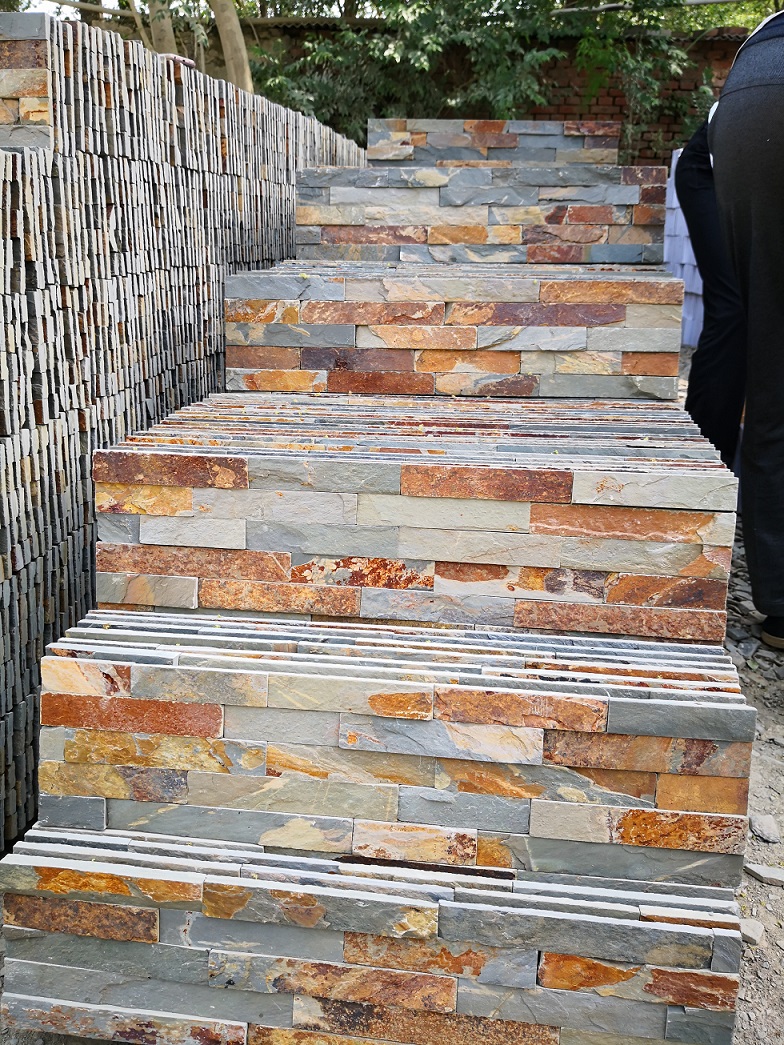
Elevate Your Projects with Authentic, Versatile Ledger Stone
Partner with a manufacturer who delivers unmatched natural beauty, rapid installation, and lasting durability—perfect for contractors, designers, and distributors aiming to boost value and efficiency. Request your personalized wholesale quote today and transform your inventory with our premium stone solutions.
Maintenance and Upkeep Benefits
Regular maintenance of stone veneer systems delivers measurable long-term value, extending system lifespan by 5–10 years and reducing emergency repair costs by up to 75%. An annual investment of $150–300 in upkeep typically results in $1,200–1,500 in energy savings and avoided repairs over five years.
In our experience, homeowners who maintain stacked stone veneer see durable performance, cleaner lines, and stronger curb appeal. If you are weighing materials, the benefits of stacked stone veneer grow when you keep the system clean, sealed, and dry.
Cost and Efficiency Benefits of Maintenance
Small planned visits beat big unplanned fixes. Use these figures to budget your upkeep and compare payback.
| Metric | Value | What it means |
|---|---|---|
| ✅ Annual maintenance cleaning (per visit) | $150–300 | Plan a modest line item to protect finish and joints. |
| ✅ Professional inspection | $150–200 | Find flashing, sealant, or mortar issues before water gets in. |
| 🚀 Efficiency improvement from upkeep | 15–25% | Tighter, drier cladding reduces thermal loads around the envelope. |
| 🚀 Average annual household energy savings | $1,200–1,500 | Savings add up when joints, sealants, and details stay sound. |
| ✅ Five-year maintenance ROI | $3,500–4,000 positive | Net benefit from avoided repairs and efficiency gains. |
| ✅ System lifespan extension | 5–10 years beyond standard 25–30 years | Push replacement further out with simple upkeep. |
| ⚠️ Typical emergency repair if neglected | $3,000+ | Unplanned spend from moisture ingress or cracked mortar. |
| 💡 Avoided repair costs over lifetime | $1,500–2,000 | Catch small issues before they become major fixes. |
| ✅ Home value boost with well‑maintained veneer | ~4% higher resale | Clean, intact stone supports appraisal and buyer confidence. |
Why Maintenance Matters for Stone Veneer
Stone veneer is water-resistant, not a waterproof barrier, so details like flashing and sealants do the heavy lifting. Dirt and weathering can hide loose stones or hairline mortar cracks that let water travel behind panels.
| Factor | Risk if ignored | Action that works |
|---|---|---|
| 💡 Dirt buildup and weathering | Hidden loose pieces, staining, and masked cracks | Gentle cleaning and visual checks each season |
| ✅ Preventive maintenance | Costly emergency repairs and shortened service life | Repair minor mortar and sealant gaps as soon as you spot them |
| ⚠️ Moisture management | Water traveling behind panels, freeze‑thaw damage | Inspect flashing, weeps, and sealants; keep pathways clear |
| 🚀 Annual pro cleaning impact | Trapped moisture accelerates deterioration | Soft‑wash with pH‑neutral cleaner; typical efficiency gain 5–10% |
As a direct manufacturer, we design stacked stone veneer systems that stay stable when you keep water out and joints sound. This is where the real benefits of stacked stone veneer show up year after year.
Common Misconceptions and Best Practices
Myths can lead to the wrong cleaning methods or skipped inspections. Use this guidance to protect both appearance and structure.
| Misconception | Reality | Risk |
|---|---|---|
| ❌ “Stone doesn’t need maintenance.” | The installation system needs monitoring and occasional upkeep. | Hidden moisture, loose pieces, and bigger repairs later |
| ❌ Skipping cleaning is fine. | Dirt and biofilm retain moisture against the surface. | Premature deterioration and staining |
| ⚠️ DIY high‑pressure washing saves time. | High pressure can damage mortar and sealants. | Cracks, water ingress, and costly fixes |
- ✅ Annual inspection: $150–200. Check flashing, weeps, sealants, mortar joints, and signs of efflorescence.
- ✅ Biennial professional cleaning: $150–300. Use soft‑brush and pH‑neutral stone cleaner; avoid acid products.
- ✅ Timely sealant repairs: address gaps as soon as you see them to prevent moisture paths and freeze‑thaw damage.
- 💡 Keep vegetation and sprinklers off the wall to reduce constant wetting and staining.
Keep these steps, and your stacked stone veneer can look fresh while adding value long term. We see the best outcomes when homeowners follow a simple schedule and use stone‑safe products.
Environmental Impact and Sustainability
Stacked stone veneer has a moderate environmental impact; its natural stone composition offers exceptional durability that reduces replacement needs and maintenance, which supports sustainability. However, extraction, processing, and transportation introduce environmental costs that require management through certification, sourcing transparency, and lifecycle assessment.
Homeowners researching the benefits of stacked stone veneer often ask how it fits into a sustainable build. In our experience, its long service life and low maintenance help offset impacts from extraction and shipping.
Environmental Impact Factors of Stacked Stone Veneer
| Indicator 💡 | Global Stat 📊 | Relevance to Stone Veneer 🧭 |
| Plastic waste ⚠️ | 430 million tonnes/year; 65% from short‑lived products | Durable surfaces reduce replacements ✅ — a key advantage of natural stone veneer. |
| Freshwater scarcity 💧 | 2.2 billion people face shortages | Manufacturing should minimize water use and recycle process water ✅. |
| Food system GHGs 🌍 | 26% of global emissions; drives 80% of deforestation | Highlights why material choices beyond bio-based products still matter 💡. |
| Design-stage impact 🏗️ | 80% of impact set before manufacturing | Early selection of stone veneer influences lifetime footprint ✅. |
| Digital & AI potential 🚀 | Up to 20% reduction by 2050; 3.2–5.4 billion tonnes CO₂‑e by 2035 | Optimized quarrying, routing, and loads cut emissions ✅. |
| ESG momentum 📈 | Projected $33.9 trillion by 2026; 90% of majors report; 72% of consumers pay more | Transparent sourcing and data support trust and value ✅. |
| Circular economy ♻️ | Up to 80% of plastic waste recyclable by 2040 | Drive recycling of packaging and stone offcuts ✅. |
These signals favor long‑lasting materials that need fewer replacements. That’s a core sustainability angle among the benefits of stacked stone veneer.
Durability and Lifecycle Benefits
| Lifecycle Benefit ✅ | Data / Spec 📊 | Environmental Effect 🌿 |
| Long service life | 50+ jaar in typical applications | Spreads upfront impacts across decades; fewer replacements ✅. |
| UV and weather resistance | Color stays stable; no fading under sun ☀️ | Lower material turnover versus some synthetics ✅. |
| Low maintenance | Occasional cleaning; sealing as needed | Reduced water, cleaners, and labor over life ♻️. |
- ✅ Durable cladding protects substrates, helping extend building life.
- 💡 When you factor lifespan, the benefits of stacked stone veneer improve cradle‑to‑grave metrics.
Extraction, Processing, and Transportation Considerations
| Stage 🏭 | Key Impacts ⚠️ | Mitigation & Practices ✅ |
| Quarrying | Energy, dust, waste rock, habitat disturbance | Precision cutting, water recycling, and habitat restoration reduce footprint. |
| Processing & bonding | Epoxy adhesives and potential VOCs | Use purpose‑formulated resins, control emissions, and maintain QA checks. |
| Transportation | Freight emissions from weight and distance | Veneer is lighter: 8–13 lbs/sqft vs. full‑bed stone at 40+ lbs/sqft ✅; regional sourcing; optimize loads — some programs move over 220 containers/year efficiently. |
- 💡 Regional materials cut travel miles and embodied carbon.
- ✅ Interlocking panels speed installs, lowering onsite energy and labor.
Addressing Common Misconceptions
- ⚠️ Natural stone is not automatically “green.” Responsible quarrying and certifications like ISO 14001 matter.
- ✅ Lightweight veneer brings transport and install gains, but you should weigh durability and maintenance for the full picture.
- ❌ Some synthetics can show lower initial extraction impacts, yet frequent replacements raise lifetime burdens.
- 💡 Transparency in sourcing, published lifecycle data, and circular design practices unlock real sustainability benefits.
Alignment with Current Sustainability Trends
| Trend 🚀 | Key Figure 📊 | What It Means for Stone Veneer 🧩 |
| Design choices drive impact | 80% of a product’s impact set at design | Selecting stone veneer early shapes embodied carbon and longevity ✅. |
| Consumer demand | 72% of consumers pay more for sustainable products | Sustainable cladding can support home value and buyer preference ✅. |
| ESG reporting & capital | 90% of S&P 500 report; ESG could reach $33.9 trillion by 2026 | Suppliers with transparent data, regional sourcing, and LCAs gain trust 📈. |
| Circular design | Design for disassembly and recovery ♻️ | Use modular panels and reclaim offcuts to reduce waste ✅. |
- ✅ Ask for sourcing transparency and regional options to lower transport impact.
- 💡 Prioritize long life finishes — a core reason many choose the benefits of stacked stone veneer for feature walls and facades.
Frequently Asked Questions about Stacked Stone Veneer
Does stacked stone veneer add value to a home?
Yes. Real quarried stone veneer boosts curb appeal and perceived quality that buyers notice. One of the key benefits of stacked stone veneer is its authentic texture and timeless look.
In our experience, the best returns come from high‑visibility focal areas and entry sequences. You gain a premium finish without the structural burden of full‑thickness stone.
- ✅ Real stone, not dyed concrete—each panel feels unique and premium.
- ✅ Lightweight panels deliver a full‑stone look without a footing in most homes.
- ✅ Noncombustible around fireplaces and outdoor kitchens for added design flexibility.
- 💡 Prioritize entryways, fireplaces, and front facades to maximize impact.
Is stacked stone veneer durable?
Yes. Natural stone stands up to weather and UV exposure, and the color won’t fade. Our interlocking panels use high‑strength bonding on a stone backer for long‑term integrity.
| Item | Details |
|---|---|
| ✅ Material | 100% natural, quarried stone; no dyes to fade. |
| ✅ Color stability | Permanent mineral color; UV will not bleach the stone. |
| ✅ Fire | Noncombustible; suitable for fireplace surrounds (follow local code). |
| 🚀 Typical panel weight | Over 8–13 lbs/sqft; footing usually not required. |
| 💡 Standard panel size | 6″ × 24″ panels for fast coverage. |
| 💡 Thickness range | Approx. 0.75″ – 1.75″ depending on series. |
| ⚠️ Exterior/wet areas | Use WRB and flashing behind the veneer; seal the surface after install. |
Install on sound substrates (cement board, brick, or concrete) and follow moisture‑management best practices for exterior work. This setup delivers long service life with minimal upkeep.
How long does stacked stone veneer last?
With the right substrate, drainage, and sealing, stone veneer delivers a service life measured in decades. The stone itself is permanent; attention goes to water management and proper bonding.
Follow manufacturer guidelines on substrates, corner pieces, and flashing to keep the assembly solid through freeze‑thaw and seasonal movement. Periodic cleaning and resealing help preserve the finish.
Is it waterproof?
The stone is naturally water‑resistant, but the panel system is not a waterproof barrier. For exterior walls or wet zones, add a proper moisture barrier and flashing behind the veneer.
Seal the surface after installation to resist stains and simplify cleaning. Reapply sealer as needed based on exposure and use.
- ⚠️ Exterior or shower areas: use cement board plus WRB/membrane before installing panels.
- 💡 When water stops beading on the surface, it’s time to reseal.
Is it high maintenance?
No. Most owners clean panels with a soft brush and water. For tougher marks, use a pH‑neutral natural‑stone cleaner.
- ✅ No repainting or frequent touch‑ups needed.
- ✅ Natural color won’t fade under sun exposure.
- ❌ Avoid acidic cleaners and high‑pressure washing.
- 💡 Seal after installation to reduce staining and make routine cleaning easier.
Final Thoughts
By leveraging natural stone veneer’s 50+ year durability, UV‑stable color, and interlocking design, you secure lasting curb appeal and fewer replacements. Prioritize moisture management—WRB, flashing, drainage—and quality installation to protect joints and substrates. Budget light upkeep ($150–300/visit) to extend service life 5–10 years and avoid costly repairs, while the lighter veneer profile trims install effort and supports a lower lifetime cost than repaint cycles or frequent siding refreshes. Sustainable sourcing and regional logistics further improve the footprint.
Turn insight into action: shortlist high‑impact zones (entry, fireplace, front facade), validate substrate conditions, and request samples with a detailed install plan that covers sealing and maintenance. Partner with a reliable stone supplier‑installer team to reduce risk, hit timelines, and protect resale value—so your project delivers a premium look and stronger long‑term ROI.
SEO
Title: 5 Key Benefits of Stacked Stone Veneer (Is It Worth It?)
Description: Stacked stone veneer offers durable, low-maintenance exterior cladding with lasting curb appeal and design versatility for homeowners.
URL: stacked-stone-veneer-durability-design-cost
Keywords: stacked stone veneer