Skjønnheten og allsidigheten til naturlige stablede steiner har gjort dem stadig mer populære i arkitektoniske og interiørdesignprosjekter over hele verden. Enten du forbedrer fasaden til en bygning, skaper en fantastisk peis eller legger til et snev av rustikk sjarm til et interiør, er naturlige stablede steiner et godt valg for mange designere og byggherrer.
Kina, som en av de største produsentene og eksportørene av naturlige stablede steiner, tilbyr et bredt spekter av alternativer for å møte ulike designbehov. Imidlertid kan import av disse panelene være en kompleks prosess, spesielt for de som ikke er kjent med internasjonal handel. Denne omfattende guiden vil navigere deg gjennom trinnene for å importere naturlig stablet stein fra Kina, og sikre en jevn prosess fra innkjøp til levering.
Forstå naturlig stablet stein
Det første trinnet i forberedelsesprosessen er å tydelig definere hva du trenger. naturlige stablede steiner kommer i forskjellige typer, størrelser, farger og utførelser, så det er viktig å vite nøyaktig hva du leter etter.
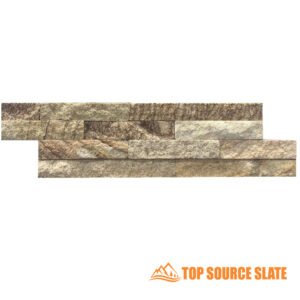
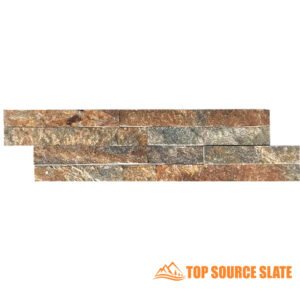
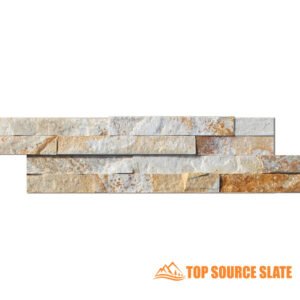
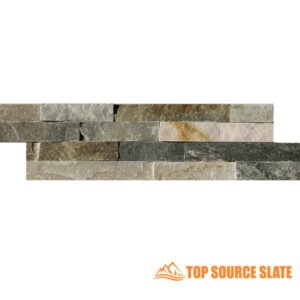
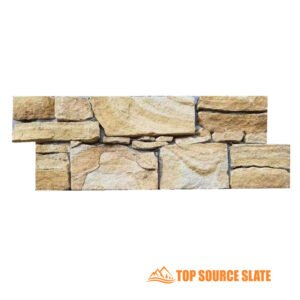
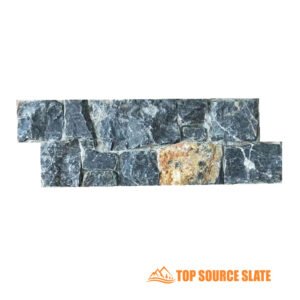
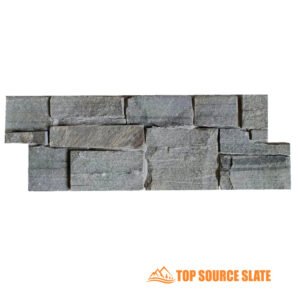
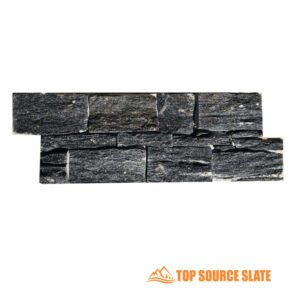
Type naturlig stablede steinpaneler:
- Stablet steinflis: Ideell for både innvendige og utvendige bruksområder, naturlig stablede steinbokpaneler er allsidige og kan brukes til vegger, peiser og andre dekorative funksjoner.
- Veggfliser med delte ansikter: Et tynnere alternativ, en naturlig stablet steinfinér er perfekt for prosjekter som krever en lett løsning uten å gå på kompromiss med natursteinsutseendet.
- Ledgestone veggkledning: Dette er forhåndsmonterte paneler som forenkler installasjonsprosessen, noe som gjør dem til et populært valg for store prosjekter.
- Crazy Paving Flaggstein: de er uregelmessig formede steiner i sandstein, skifer og kvartsitt, og en svært kostnadseffektiv måte å skape et annerledes utseende for gulv og vegger med enestående kvalitet, best verdi, utmerket kundeservice og korte leveringstider.

Størrelse og tykkelse:
- Standardstørrelser er vanligvis 6×24 tommer, men tilpassede størrelser er ofte tilgjengelige.
- Tykkelsen kan variere, vanligvis mellom 1-2 tommer, avhengig av bruken. Tykkere paneler egner seg mer til utvendig bruk, som f.eks hyllestein veggkledning, på grunn av deres økte holdbarhet.
Farge og finish:
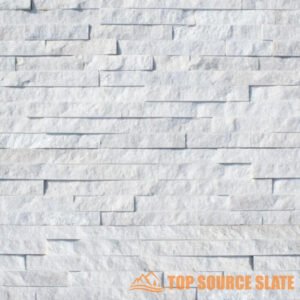
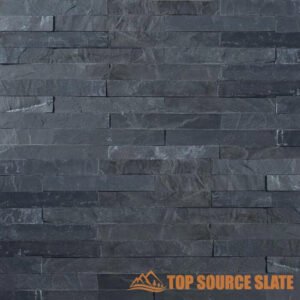
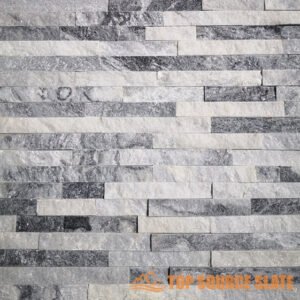
- Farger: naturlige stablede steinpaneler kommer i et bredt spekter av farger, inkludert beige, svart, rustikk brun, grå og mer. Fargen skal utfylle den generelle utformingen av prosjektet.
- Fullfør: Finishen på steinen kan variere fra en naturlig, grov tekstur til et mer polert utseende. Vurder om du vil ha et rustikk utseende for en landlig stablet steinstil eller et elegant, moderne utseende for en innendørs stablet steinplate.
| Spesifikasjon | Alternativer |
|---|---|
| Type | Stablet steinfliser, hyllesteinfiner, stablet steinpaneler |
| Størrelse | Standard: 6×24 tommer; Tilpassede størrelser tilgjengelig |
| Tykkelse | 1-2 tommer |
| Farge | Beige, svart, rustikk brun, grå, hvit, etc. |
| Fullfør | Naturlig, grov, polert |
| Søknad | Peiser, aksentvegger, fasader, bakplater |
Stacked Stone: A Complete Buyer's Guide【oppdatering】
Hvordan installere stablet stein eller hyllestein
Hvordan installere en stablet steinpeis
Bruk av naturlig stablet stein
Naturlig stablet stein er et allsidig materiale som kan forbedre ulike arkitektur- og landskapsprosjekter. Dens unike teksturer, farger og holdbarhet gjør den egnet for mange bruksområder. Her er noen populære bruksområder for naturlig stablet stein:
1. Utvendige fasader
Naturlig stablet steinbakplate brukes ofte til å lage en fantastisk stablet steinfasade eksteriør for bolig- og næringsbygg. Steinens rustikke sjarm og tidløse appell gir betydelig verdi og estetisk interesse.
- Designfleksibilitet: Stablet stein kan brukes i ulike stiler, fra moderne til tradisjonelle, slik at arkitekter og designere kan skape unike utseende.
- Varighet: Den tåler tøffe værforhold, noe som gjør den til et ideelt valg for utendørs bruk. Den naturlige motstanden mot falming og nedbrytning sikrer langvarig skjønnhet.
- Energieffektivitet: Steinfasader kan bidra til forbedret isolasjon, bidra til å regulere innetemperaturer og redusere energikostnadene.
2. Landscaping funksjoner
I landskapsarbeid gir naturlig stablet stein både funksjonalitet og visuell appell. Den kan brukes til å bygge ulike utendørsfunksjoner, forbedre hager og uterom.
- Støttemurer: Stablet stein er ideell for å bygge støttemurer som forhindrer jorderosjon og støtter hagebed. Deres naturlige utseende blander seg sømløst med utendørsmiljøer.
- Hagestier: Å lage gangveier og stier med stablet stein gir holdbarhet og et organisk utseende. Steinene kan ordnes i ulike mønstre for å forsterke landskapets estetikk.
- Vannfunksjoner: Å innlemme naturlig stablet stein i vannelementer, som dammer eller fontener, gir en naturlig touch og forbedrer roen til uterom.
3. Peiser
Naturlig stablet steinfliser er et populært valg for å konstruere peiser, som gir varme og eleganse til innendørsrom.
- Visuell appell: De unike teksturene og fargene til stablet stein kan skape et fantastisk fokuspunkt i stuer eller utendørs terrasser, og forbedre den generelle stemningen.
- Varmebestandighet: Stein er naturlig varmebestandig, noe som gjør det til et trygt alternativ for peiskonstruksjon. Den tåler høye temperaturer uten at det går på bekostning av den strukturelle integriteten.
- Tilpasning: Huseiere kan tilpasse utformingen av peisene sine ved å bruke forskjellige steintyper og arrangementer for å matche interiørdekorasjonen deres.
4. Aksentvegger
Å lage aksentvegger med naturlig stablet steinfiner er en effektiv måte å legge til dybde og karakter til interiørrom.
- Fokuspunkter: An accent wall can serve as a striking focal point in rooms such as living rooms, dining areas, or entryways. The texture of the stone draws attention and adds dimension.
- Versatile Design: Stacked stone can be paired with various color schemes and furniture styles, making it a versatile choice for interior design. Homeowners can choose stones that complement their existing decor.
- Sound Absorption: Natural stone can help reduce noise levels within a space, making it an ideal choice for busy areas or homes located in noisy environments.
5. Outdoor Living Spaces
Incorporating natural stacked stone veneer panels into outdoor living areas can elevate the design and functionality of patios, decks, and outdoor kitchens.
- Outdoor Kitchens: Stablet stein kan brukes til å konstruere utendørs kjøkken eller griller, og gir en slitesterk og estetisk tiltalende overflate for matlaging og underholding.
- Branngraver: Å bygge branngroper med naturlig stablet stein skaper et koselig samlingssted for utendørs underholdning. Steinens varmebestandighet gjør den til et praktisk valg for denne applikasjonen.
- Sitteplasser: Ved å bruke stablet stein til sittevegger eller benker gir terrasser og hageområder en innbydende touch, og gir både funksjonalitet og skjønnhet.
6. Kommersielle rom
Naturlig stablet stein er ikke begrenset til boligapplikasjoner; det er også mye brukt i kommersielle rom for å skape effektfulle design.
- Detaljhandelsmiljøer: Many retailers use natural stone stacked tile in their storefronts or interior design to convey a sense of authenticity and quality, attracting customers.
- Hospitality Industry: Restaurants, hotels, and resorts often incorporate natural stone into their designs to create a welcoming atmosphere that reflects nature.
- Corporate Offices: Stacked stone can enhance the aesthetics of corporate offices, lobbies, and conference rooms, contributing to a sophisticated and professional environment.
Hvordan velge stablede steinfliser for prosjektet ditt
Topp 5 best stablede steinfliser for peiser
10 gode grunner til stablede steinfinerpaneler
Why Import natural stacked stones from China?
China is a global leader in the production of natural stacked stones, offering a unique combination of variety, quality, and affordability. Here’s why sourcing from China makes sense:
- Variety and Quality: Kinesiske produsenter tilbyr et bredt utvalg av naturlige stablede steinpaneler, inkludert Ledger stone fliser, naturlig stablet stein finér, og naturstein regnskap paneler. Disse produktene er tilgjengelige i forskjellige farger, teksturer og utførelser, slik at du kan finne den perfekte matchen for ethvert prosjekt. Kvaliteten på disse panelene opprettholdes gjennom streng overholdelse av internasjonale standarder, noe som sikrer at du får holdbare og estetisk tiltalende produkter.
- Konkurransedyktige priser: En av de mest overbevisende grunnene til å importere fra Kina er kostnadsfordelen. På grunn av lavere lønnskostnader og effektive produksjonsprosesser kan kinesiske leverandører tilby naturlige stablede steinpaneler til priser som er betydelig lavere enn i vestlige markeder. Disse kostnadsbesparelsene kan være en betydelig faktor, spesielt når man arbeider med store prosjekter.
- Avanserte produksjonsegenskaper: Gjennom årene har kinesiske fabrikker investert tungt i moderne utstyr og teknologi. Denne investeringen har gjort dem i stand til å produsere høy kvalitet stablede steinbokpaneler og skiferboksteiner med presisjon og konsistens. Tilgjengeligheten av avansert maskineri gjør også at disse fabrikkene kan håndtere store bestillinger effektivt, noe som reduserer ledetiden.
- Global eksportopplevelse: Kinesiske produsenter er godt kjent med å eksportere produktene sine til ulike deler av verden. Denne erfaringen betyr at de forstår kravene og preferansene til forskjellige markeder, spesielt i Nord-Amerika og Europa. De er også kjent med internasjonale frakt- og tollprosedyrer, som kan forenkle importprosessen for deg.
Undersøker og velger leverandører
Finne pålitelige produsenter av naturlige stablede steiner
Innkjøp av høykvalitets produsert stablet steinfiner begynner med å identifisere anerkjente produsenter. Slik finner du og evaluerer leverandører effektivt:
- Online kildeplattformer: Bruk plattformer som f Alibaba, Laget i Kina, og Globale kilder, som har mange leverandører. Disse plattformene lar deg filtrere søkeresultater basert på produktkategorier, vurderinger og tilbakemeldinger fra kunder.
- Leverandørbekreftelse: Se etter leverandører som plattformen har verifisert. Mange nettsteder tilbyr merker som indikerer at leverandøren har gjennomgått en verifiseringsprosess, noe som kan gi ekstra trygghet.
- Messer og utstillinger: Å delta på messer relatert til byggematerialer kan gi verdifulle muligheter til å møte leverandører ansikt til ansikt. Hendelser som Kantonmessen i Kina vise frem en rekke produsenter, slik at du kan inspisere produkter og etablere relasjoner direkte.
- Henvisninger og anbefalinger: Søk henvisninger fra bransjekontakter, kolleger eller bedriftsforeninger. Personlige anbefalinger kan føre til pålitelige leverandører og lette smidigere transaksjoner.
Her er noen av messene hvor du kan finne Kina kjøkkenfliser, gulvfliser, porselensfliser, keramiske fliser, marmorfliser, mosaikkfliser, steinbelagte takstein, keramiske veggfliser, baderomsfliser og mer i Kina.
| Varemesse | Sted | Dato |
|---|---|---|
| Kina internasjonale keramikk- og bademesse | Foshan internasjonale konferanse & Utstillingssenter | 18.–21. april 2021 |
| Keramikk Kina Fair | Kina Import og Export Fair Pazhou Complex | 22.–25. juni 2021 |
| Rooftile Kina | Kina import- og eksportkompleks – Canton Fair Complex | 10.–12. mai 2021 |
| Keramikk, fliser & Sanitærutstyr Expo | Shanghai New International Expo Center | 29. mars – 1. april 2021 |
| Shanghai internasjonale | Shanghai verdensutstilling | 23.–25. mai 2021 |
| Avansert keramikkutstilling & Konferanse | Utstillings- og konferansesenter | |
| DOMOTEX Asia/ Kina Gulv | Nasjonalt utstillings- og konferansesenter, Shanghai | 25.–27. mai 2022 |
| Kina Xiamen internasjonale steinmesse | Xiamen internasjonale konferanse & Utstillingssenter, Xiamen, Kina | 18.–21. mai 2021 |
Evaluering av leverandørens evner
Når du har identifisert potensielle leverandører, er det viktig å vurdere deres evner for å sikre at de kan møte dine behov:
- Produksjonskapasitet: Spør om leverandørens produksjonskapasitet. Å forstå produksjonsmulighetene deres vil hjelpe deg med å avgjøre om de kan oppfylle bestillingsvolumet ditt innenfor ønsket tidsramme.
- Kvalitetskontrollprosesser: Spør om hvilke kvalitetssikringstiltak de har på plass. Leverandører bør ha strenge kvalitetskontrollprosesser, inkludert interne inspeksjoner og overholdelse av internasjonale standarder.
- Erfaring og kompetanse: Vurder leverandørens erfaring i natursteinindustrien. En veletablert leverandør med en merittliste for vellykket eksport er mer sannsynlig å forstå nyansene i internasjonale frakt- og tollforskrifter.
- Eksempelforespørsler: Be alltid om prøver før du legger inn en massebestilling. Dette lar deg vurdere steinens kvalitet, tekstur og finish på første hånd, for å sikre at den oppfyller spesifikasjonene dine.
Forstå importforskrifter og -krav
Tollforskriften
Navigering i tollregler er en kritisk del av importprosessen. Her er de viktigste aspektene du må vurdere:
- Dokumentasjonskrav: Sørg for at du har all nødvendig dokumentasjon forberedt for tollbehandling, inkludert:
- Kommersiell faktura: En detaljert salgsregning som beskriver transaksjonen, inkludert varebeskrivelser, mengder og priser.
- Pakkeliste: En omfattende liste som viser innholdet i forsendelsen, inkludert varedimensjoner og vekter.
- Bill of Lading: Et juridisk dokument mellom avsender og transportør, som fungerer som en kvittering for varene og en kontrakt for transport.
- Opprinnelsessertifikater: Dokumentasjon som bekrefter produksjonslandet, som kan være nødvendig for å beregne avgifter og avgifter.
- Importtillatelser: Avhengig av destinasjonslandet kan det hende du trenger spesifikke importtillatelser for naturstein. Sjekk med lokale myndigheter for å sikre samsvar med alle forskrifter som gjelder for skiferstablede steinfliser.
Importavgifter og avgifter
Å forstå de økonomiske konsekvensene av å importere naturlig stablet stein er avgjørende for effektiv budsjettering og økonomisk planlegging. Importavgifter og avgifter kan påvirke de totale kostnadene for forsendelsen din betydelig. Her er en detaljert oversikt over hva du trenger å vite:
1. Harmonisert tariffplan (HTS)
Den harmoniserte tariffoversikten (HTS) er et globalt standardisert system som klassifiserer handlede produkter. Å forstå hvordan man navigerer i HTS er avgjørende for å bestemme gjeldende avgifter på importerte varer.
- Produktklassifisering: Hvert produkt er tildelt en spesifikk HTS-kode basert på materialsammensetning, bruk og egenskaper. For naturlige stablede steiner må du finne den riktige HTS-koden som tilsvarer typen stein du importerer.
- Undersøker HTS-koder: Du kan finne HTS-koder på nettstedet til landets tollmyndighet. I USA, for eksempel, tilbyr U.S. International Trade Commission (USITC) en online database hvor du kan søke etter relevante koder.
- Tollsatser: Hver HTS-kode har en tilknyttet tollsats, som angir prosentandelen av produktets verdi som må betales som avgift ved import. Disse prisene kan variere betydelig basert på type stein, opprinnelse og handelsavtaler på plass.
Natural stacked stone HS code: 68030090
2. Beregning av importavgifter
Følg disse trinnene for å beregne importavgiftene dine nøyaktig:
- Bestem tollverdi: Tollverdien er vanligvis basert på det totale fakturabeløpet, inkludert kostnaden for steinen, fraktgebyrer og forsikring. Sørg for at du har en klar forståelse av alle kostnadene forbundet med kjøpet.
- Bruk tollsatsen: Når du har bestemt tollverdien, multipliserer du dette beløpet med gjeldende tollsats for å beregne importavgiftene dine. Hvis for eksempel tollverdien av forsendelsen din er $10 000 og tollsatsen er 5 %, vil importavgiftene beløpe seg til $500.
- Ekstra avgifter: Vær oppmerksom på at andre gebyrer kan påløpe, for eksempel behandlingsgebyrer, gebyrer for havnevedlikehold eller leveringsgebyrer. Disse kan variere etter jurisdiksjon og bør tas med i den totale kostnaden.
3. Merverdiavgift (mva.) eller avgift for varer og tjenester (GST)
I tillegg til importavgifter pålegger mange land en merverdiavgift (MVA) eller vare- og tjenesteavgift (GST) på importerte varer:
- Skattesats: MVA/GST-satsen varierer fra land til land og er vanligvis en prosentandel av tollverdien pluss eventuelle importavgifter. For eksempel, hvis tollverdien din er USD 10 000 og importavgiftene dine er USD 500, kan det skattepliktige beløpet for MVA være USD 10 500.
- Overholdelse: Sørg for at du overholder lokale skatteregler når du importerer naturlig stablet stein. Det er viktig å forstå hvordan disse avgiftene beregnes og brukes i din jurisdiksjon for å unngå uventede kostnader.
4. Tollklareringsprosess
Det kan være komplisert å navigere i fortollingsprosessen, og det er avgjørende å forstå ansvaret ditt:
- Tollerklæring: Når forsendelsen din ankommer, må du sende inn en tolldeklarasjon som inkluderer all nødvendig dokumentasjon, for eksempel handelsfaktura, pakkeliste og konnossementer. Nøyaktig og fullstendig informasjon er avgjørende for å unngå forsinkelser.
- Arbeide med tollmeglere: Mange importører velger å samarbeide med tollmeglere som spesialiserer seg på å håndtere kompleksiteten i fortolling. Meglere kan bistå med å arkivere nødvendig papirarbeid, beregne avgifter og sikre overholdelse av alle forskrifter.
- Mulige inspeksjoner: Vær forberedt på muligheten for tollinspeksjoner, der myndighetene kan undersøke forsendelsen din for å sikre at den er i samsvar med regelverket. Å ha all dokumentasjon i orden vil bidra til å fremskynde denne prosessen.
5. Tollfritak og handelsavtaler
Å forstå tilgjengelige tollfritak og handelsavtaler kan bidra til å redusere importkostnadene dine:
- Frihandelsavtaler (FTA): Undersøk om landet ditt har noen frihandelsavtaler med Kina som kan redusere eller eliminere importavgifter for naturlig stablet stein. Slike avtaler kan forbedre konkurranseevnen til dine importerte produkter betydelig.
- Spesielle tariffprogrammer: Noen land har programmer som tilbyr reduserte tollsatser for visse produkter eller for varer hentet fra bestemte regioner. Undersøk disse alternativene for å se om de passer for din situasjon.
6. Journalføring og overholdelse
Å opprettholde nøyaktige registre over importtransaksjonene dine er avgjørende for overholdelse og fremtidig referanse:
- Dokumentasjonshåndtering: Hold oversikt over alle fakturaer, fraktdokumenter, tolldeklarasjoner og betalingskvitteringer. Disse dokumentene vil være viktige for revisjoner eller tvister.
- Overvåke endringer: Hold deg informert om endringer i tollsatser, importforskrifter og handelspolitikk som kan påvirke fremtidige importer. Regelmessig sjekking av oppdateringer fra tollmyndighetene vil hjelpe deg å holde deg i samsvar.
Ved å forstå importavgifter og skatter knyttet til import av naturlig stablet stein fra Kina, kan du ta informerte beslutninger, budsjettere prosjektet ditt nøyaktig og sikre en jevnere importprosess. Denne kunnskapen vil hjelpe deg med å unngå uventede kostnader og forbedre den generelle importopplevelsen.
Hva er avsats av høy kvalitet?
Pakkemetode for stablet stein for eksport
Ledgestone Panel 6″ x 24″ Pakkeprosess
Importprosessen, frakt og logistikk
Å forstå logistikken til frakt er avgjørende for en jevn importopplevelse. Her er det du trenger å vite:
Legge inn bestillinger
Å plassere bestillinger effektivt er avgjørende for en vellykket importopplevelse. Slik navigerer du i denne fasen:
- Forhandling av priser og vilkår: Vær åpen om budsjettet ditt og forhandle priser med leverandører. Etabler klare betalingsbetingelser, for eksempel et depositum på forhånd med saldoen ved forsendelse.
- Bruk av kredittbrev: For å beskytte begge parter i transaksjonen bør du vurdere å bruke et remburs (L/C). Dette finansielle instrumentet sikrer at selgeren mottar betaling først etter å ha oppfylt sine forpliktelser, for eksempel frakt av varene som spesifisert.
- Klare spesifikasjoner: Oppgi detaljerte spesifikasjoner for bestillingen din. Dette inkluderer dimensjoner, finish, fargepreferanser og eventuelle spesifikke krav som er unike for prosjektet ditt. Klarhet reduserer risikoen for misforståelser.
Fraktalternativer og Incoterms:
- FOB (gratis om bord): Dette er en av de mest brukte Incoterms i internasjonal handel. Med FOB er leverandøren ansvarlig for å levere varene til havnen og laste dem på skipsfartøyet. Etter det påtar kjøper seg ansvaret, inkludert kostnad og risiko for frakt.
- CIF (kostnad, forsikring og frakt): Under CIF dekker leverandøren kostnadene for varene, forsikringen og frakten til destinasjonshavnen. Kjøper overtar imidlertid risikoen når varene er på fartøyet. Dette alternativet er mer praktisk for kjøpere som foretrekker at leverandøren håndterer det meste av fraktlogistikken.
- EXW (Ex Works): Med EXW er kjøperen ansvarlig for alle kostnader og risikoer fra det øyeblikket varene forlater leverandørens fabrikk. Dette alternativet gir kjøperen full kontroll over fraktprosessen, men krever mer innsats for å arrangere transport.
Velge en leveringsmetode:
- Containerfrakt: Gitt vekten og volumet av naturlig stablede steinpaneler, er containerfrakt vanligvis det beste alternativet. Du kan velge mellom Full Container Load (FCL) eller Less than Container Load (LCL) avhengig av mengden.
- Luftfrakt: Selv om det er dyrere, er luftfrakt raskere og kan være egnet for mindre, tidssensitive bestillinger. Men på grunn av vekten av steinprodukter, brukes denne metoden sjelden for naturlige stablede steiner paneler.
- Konsolidert frakt: Hvis bestillingen din ikke fyller en hel container, kan du velge konsolidert frakt, der varene dine deler containerplass med andre forsendelser. Dette kan redusere kostnadene, men kan forlenge leveringstiden.
Tabell: Oversikt over leveringsmetoder
| Fraktmetode | Fordeler | Ulemper |
|---|---|---|
| FOB | Lavere kostnad, kontroll over frakt | Kjøper påtar seg risiko etter at varene er lastet |
| CIF | Convenience, leverandør håndterer frakt og forsikring | Høyere kostnad, kjøper overtar risiko midt på reisen |
| EXW | Full kontroll over logistikken | Mer ansvar, potensial for høyere kostnader |
| Containerfrakt (FCL/LCL) | Økonomisk for store bestillinger, sikker | Lengre transporttid, potensial for forsinkelser |
| Luftfrakt | Rask, egnet for små bestillinger | Dyrt, begrenset av vekthensyn |
| Konsolidert frakt | Kostnadseffektiv for små forsendelser | Potensielle forsinkelser på grunn av flere forsendelser |
Emballasje og beskyttelse:
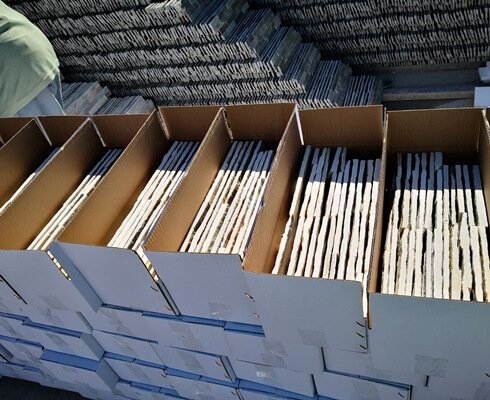
- Emballasje: Riktig emballasje er avgjørende for å forhindre skade under transport. naturlig stablede steinpaneler er vanligvis pakket i trekasser eller paller, med skum eller beskyttende lag mellom panelene for å unngå riper eller brudd.
- Merking: Sørg for at hver kasse eller pall er riktig merket med firmanavnet ditt, produktdetaljene og destinasjonsadressen. Dette vil hjelpe til med enkel identifikasjon under fortolling og levering.
- Forsikring: Mens CIF inkluderer forsikring, hvis du bruker FOB eller EXW, er det tilrådelig å kjøpe sjøforsikring for å dekke potensielle tap under transport.




Beregning av fraktkostnader:
- Fraktkostnader: Disse beregnes basert på vekt og volum på forsendelsen. Størrelsen på containeren og fraktmetoden vil påvirke kostnadene betydelig.
- Havneavgifter: Once the shipment arrives at the destination port, there are additional charges such as unloading fees, customs fees, and storage fees if the goods aren’t cleared immediately.
- Delivery to Final Destination: After customs clearance, you’ll need to arrange for the goods to be delivered to your site. This can be done through a local logistics provider.
Tracking Shipments
Once your order is shipped, monitoring the shipment’s progress is crucial:
- Tracking Information: Obtain tracking information from your freight forwarder to stay informed about the shipment’s status.
- Communication with Suppliers: Oppretthold åpne kommunikasjonslinjer med leverandøren og speditøren for raskt å løse eventuelle problemer som oppstår under transport, for eksempel forsinkelser eller tollforespørsler.
Ved å undersøke leverandører grundig, forstå importforskrifter og effektivt navigere i importprosessen, kan du strømlinjeforme opplevelsen din og sikre en vellykket import av naturlig stablet stein fra Kina.
Kvalitetskontroll og inspeksjon
Å sikre kvaliteten på stablet steinfinerfliser før den når hendene dine er avgjørende for å unngå kostbare feil og sikre kundetilfredshet. Her er en detaljert tilnærming til implementering av effektive kvalitetskontrolltiltak og gjennomføring av inspeksjoner.
Inspeksjon før forsendelse
En inspeksjon før forsendelse er et kritisk trinn i importprosessen. Det bidrar til å bekrefte at produktene oppfyller dine spesifikasjoner og kvalitetsstandarder før de forlater leverandørens anlegg.
- Viktigheten av inspeksjoner før forsendelse: Gjennomføring av inspeksjoner kan bidra til å identifisere eventuelle feil, uoverensstemmelser eller kvalitetsproblemer før forsendelse. Dette proaktive tiltaket kan spare deg for tid og penger i det lange løp ved å minimere avkastning og ombestilling.
- Velge inspeksjonstjenester: Velg en anerkjent tredjeparts inspeksjonstjeneste som spesialiserer seg på byggematerialer. Tjenester som SGS, Bureau Veritas eller lokale selskaper i Kina kan gi omfattende inspeksjoner. Sørg for at de har erfaring med natursteinsprodukter.
- Inspeksjonskriterier: Etablere klare kriterier for inspeksjonsprosessen. Nøkkelfaktorer å vurdere inkluderer:
- Fargekonsistens: Kontroller at fargene på steinene samsvarer med bestillingsspesifikasjonene dine. Naturstein kan variere, så sørg for at prøvene stemmer overens med dine forventninger.
- Størrelsesnøyaktighet: Sjekk at dimensjonene til hver stein oppfyller dine spesifiserte krav. Dette er avgjørende for riktig installasjon og estetisk appell.
- Finish kvalitet: Inspiser overflaten på steinene. Se etter eventuelle defekter, for eksempel riper, fliser eller ujevne overflater, som kan påvirke steinens generelle utseende.
- Vekt og tykkelse: For visse bruksområder kan vekten og tykkelsen på steinen være kritisk. Sørg for at de samsvarer med spesifikasjonene dine.
Hvordan inspisere avsatssteinprodukter før du eksporterer?
Hvordan laste stablede steiner i en container for eksport?
Utmerket service etter bestilling
Håndtering av kvalitetsproblemer
Til tross for grundige inspeksjoner kan det fortsatt være tilfeller der produktene ikke oppfyller forventningene ved ankomst. Det er viktig å ha en klar plan for håndtering av kvalitetsspørsmål.
- Dokumentasjon av problemer: Hvis det er kvalitetsproblemer, dokumenter problemene grundig. Ta klare bilder av eventuelle skader eller avvik. Dette beviset vil være avgjørende når du kommuniserer med leverandøren.
- Communication with Suppliers: Ta umiddelbart kontakt med leverandøren din for å løse eventuelle kvalitetsproblemer. Bruk dokumentasjonen du har samlet for å forklare situasjonen tydelig. De fleste anerkjente leverandører vil være villige til å samarbeide med deg for å løse problemer, enten det betyr å utstede en refusjon, gi erstatninger eller justere fremtidige bestillinger.
- Retningslinjer og garantivilkår: Før du legger inn bestillingen, diskuter og forstå leverandørens retningslinjer for retur og garantivilkår. Å vite disse detaljene på forhånd vil hjelpe deg å navigere i potensielle problemer mer effektivt. Vær tydelig på hvilke omstendigheter som garanterer en retur eller erstatning og tidsrammen for å håndtere disse kravene.
- Fremtidige forebyggende tiltak: Etter å ha løst eventuelle kvalitetsproblemer, bør du vurdere å implementere erfaringene i fremtidige bestillinger. Dette kan inkludere justering av spesifikasjoner, raffinering av inspeksjonskriterier, eller til og med bytte leverandør om nødvendig. Ved å opprettholde en proaktiv tilnærming vil du forbedre den generelle importopplevelsen.
Ved å prioritere kvalitetskontroll og grundige inspeksjoner kan du redusere risikoen betraktelig for at problemer oppstår etter at din naturlige stablede stein er importert. Denne aktsomheten beskytter ikke bare investeringen din, men forbedrer også omdømmet ditt hos kunder og interessenter.
Konklusjon
Importerer naturlig stablet stein fra Kina kan være en enkel prosess når den tilnærmes med nøye planlegging og grundig research. Ved å forstå leverandørvalg, navigere i regelverk og implementere kvalitetskontrolltiltak, kan du lykkes med å importere vakre og holdbare natursteiner til dine prosjekter.
Vi har mer enn 18 års eksportserfaring og tilbyr prøver før ordreplassering.
Hvis du trenger mer hjelp eller vil diskutere noe tilpasset, vær så snillkontakt oss når som helst.
Og vil gjerne dele vår ekspertise for å hjelpe deg også!