Kontroll av stablede steinprodusenter direkte ved kilden eliminerer 13 % til 26 % margerosjon som er vanlig med mellommann-markeringer. Å stole på forhandlere risikerer inkonsekvente batchfarger og limfeil, noe som resulterer i prosjektpåstander som devaluerer merkevaren din.
Hebei-basert produksjon må oppfylle ASTM C170-standarder og 17,5 tonns vektoptimalisering i amerikansk port for å forbli levedyktig for distribusjon i Nord-Amerika. Vi evaluerer fabrikker på direkte steinbruddintegrasjon for å sikre 20-dagers ledetider og konsistent batchgradering som stabiliserer dine landkostnader.
Fabrikk vs. handelsselskap: Fortjenestemargingapet
Direkte fabrikker fanger opp 13–26 % EBIT-marginer gjennom produksjonsskala, mens handelsselskaper sliter med 1–3 % nettomarginer på grunn av mellommann-påslag og inflasjon i forsyningskjeden.
| Finansiell metrikk | Direkte steinbruddfabrikk | Handelsselskap (mellommann) |
|---|---|---|
| Gjennomsnittlig EBIT-margin | 13 % – 26 % | 1 % – 3 % (netto) |
| Primær kostnadsdriver | Arbeid & Energi | Beholdningskjøp (>50 % av inntekten) |
| Ledetid (standard) | 10 – 25 dager | 30 – 45+ dager |
| Bruttomarginpotensial | Opptil 84 % (Naturstein) | 10 % – 15 % (markeringsbasert) |
Strukturelle forskjeller i operasjonelle marginer
Trading companies operate on thin spreads. Their primary expense is purchasing finished goods, which leaves them vulnerable to energy and logistics inflation. They cannot optimize raw material recovery because they do not own the blocks. Factories achieve superior gross margins by controlling the entire process from quarrying to panel assembly.
- Raw Material Efficiency: Manufacturers reach 84% gross margins by optimizing stone recovery from raw blocks.
- Cost Absorption: Wholesalers lack the scale to absorb a 10-percentage-point unit profit erosion caused by rising energy costs.
- Operational ROIC: Manufacturer models peak at 17% Return on Invested Capital, while trader margins remain capped by intermediary markups.
- Supply Chain Speed: Mellommenn står overfor variable ledetider som eroderer B2B-kjøpers kontantstrøm.
Direkte beskyttelse for prissetting av steinbruddskilder
Direkte steinbruddskontroll i Hebei sikrer grad A materialkonsistens. Vi fjerner fortjenesteerosjonen forårsaket av mellommann-markups. Denne stabiliteten gjør at nordamerikanske og australske grossister kan sette langsiktige priser for sine egne forhandlere uten konstant frykt for kostnadssvingninger. Vår logistikkmodell adresserer spesifikt internasjonale veivektforskrifter for å maksimere hver containers verdi.
- US-Port vektoptimering: Containere lastet med 17,5 tonn for nordamerikanske veivektgrenser.
- Ledetider: 10–15 dager for lagerbeholdning; 20–25 dager for nye produksjonskjøringer.
- Batch-konsistens: Visuell verifisering før forsendelse (bilder/videoer) sikrer fargetilpasning før saldobetalingen.
- Grossistsikkerhet: Strengt B2B-modell beskytter forhandlermarginer ved å ekskludere detaljhandel/C-end-konkurranse.
- Fysiske standarder: Stein valgt for å møte ASTM C170 (Kompressiv styrke) og ASTM C97 (Absorpsjon) holdbarhetsbenchmarks.
Hvorfor Hebei (Yixian) er det globale knutepunktet for skifer & Ledger Stone
Hebeis Yixian-region gir direkte tilgang til skifer- og kvartsittavsetninger med høy tetthet, og sikrer batchkonsistens og ASTM-kompatibel holdbarhet for B2B-arkitektoniske prosjekter med høy volum.
Geologisk konsentrasjon av skifer- og kvartsittressurser
Yixian-regionen i Hebei fungerer som det primære utvinningspunktet for natursteiner som oppfyller strenge internasjonale krav til fysisk eiendom. Disse forekomstene med høy tetthet utgjør råmaterialet for globale bestselgere som Carbon Black Slate og Golden Honey Quartzite. I motsetning til sekundærmarkeder som er avhengige av fabrikkavslag, produserer denne industrielle klyngen hovedbok stein med den strukturelle integriteten som kreves for utvendig kledning i ekstreme fryse-tine-miljøer.
- Materialstandarder: Steiner er valgt for å møte eller overgå ASTM C170 for trykkstyrke og ASTM C97 for lav vannabsorpsjon.
- Primær litologi: Naturskifer (HS 6803.00.90) og kvartsitt (HS 6802.93.11).
- Regionale modeller: Kjernebeholdningen inkluderer Alaska Grey, Sierra Blue, Arctic Golden og California Gold.
- Varighet: Høy mineraltetthet sikrer at steinen tåler nordlige klimasykluser uten avskalling eller avskalling.
Direkte steinbruddsinnkjøp og batchfargekonsistens
Direkte steinbruddskontroll ved Hebei-kilden fjerner mellommannmerkinger og beskytter forhandlermarginer ved å stabilisere direkte fabrikkpriser. Integrerte produksjonsanlegg implementerer strenge sorteringsprotokoller for å håndtere geologisk variasjon. Denne prosessen forhindrer “ujevn” estetikk som er vanlig i forsendelser hentet fra forhandlere, og sikrer at store kommersielle fasader opprettholder et enhetlig utseende på tvers av flere containerlaster.
Logistikken er optimalisert gjennom Tianjin havn, og tar spesifikt tak i vektbegrensningsutfordringene til nordamerikansk og europeisk veitransport. Vi gir visuell verifisering før forsendelse gjennom bilder og videoer for å sikre 100 % åpenhet før saldobetalingen utføres.
- US-Port vektoptimering: Containere er lastet til 17,5 tonn for å overholde strenge veivektforskrifter og samtidig maksimere antall paller.
- Standard Eksportbelastning: 24–26,5 tonn tilgjengelig for regioner med høyere vekttoleranser, og leverer 756–864 m2 per 20GP beholder.
- Ledetider: 10–15 dager for lagerbeholdning; 20–25 dager for nye produksjonskjøringer.
- B2B-beskyttelse: Vi opererer på en strengt engrosbasis, og nekter C-end detaljsalg for å forhindre direkte konkurranse med våre distributører.

Essensielle fabrikkrevisjoner: ISO, CE og sosial overholdelse
Grossister sikrer forsyningskjeder ved å verifisere ISO 9001, ASTM C1670-samsvar for nordamerikanske koder, og sosiale revisjoner som SMETA for å sikre etisk, høy tetthet produksjon av stein.
Overholdelse av globale kvalitets- og arbeidsetiske standarder
Audits remove the guesswork from international stone procurement. We use a documented system to ensure every batch of slate or quartzite meets commercial expectations before it leaves the yard. These certifications prove the factory can handle the volume and quality required for large-scale distribution.
- ISO 9001: Standardizes batching and traceability for mass production.
- SMETA / BSCI: Verifies fair labor practices, safety monitoring, and wage transparency within our quarry and factory operations.
- CE Marking: Confirms compliance with European Construction Products Regulation (CPR) for structural stone strength.
- ASTM C1670: We adhere to this standard to meet 2026 infrastructure safety requirements under IBC and IRC building codes.
Verification of ASTM Material Density and Visual Quality Controls
Teknisk testing beskytter B2B-investeringer ved å identifisere materielle svakheter før forsendelse. Vi prioriterer råvarer med høy tetthet som tåler ekstreme miljøbelastninger som fryse-tine-sykluser og UV-eksponering. Direkte steinbruddskontroll lar oss filtrere ut dårligere stein ved kilden.
- ASTM C170 & C97: Disse målestokkene for trykkstyrke og absorpsjon sikrer at kvartsitt og skifer overlever tøffe nordlige klimaer.
- Batch fargesortering: Vi graderer råvarer før montering i Z-form for å forhindre det ujevne utseendet som er typisk for handelsbedriftsbeholdning.
- Visuell bekreftelse: Vi tilbyr høyoppløselige bilder og videoer av de spesifikke 6″x24″ paneler i bestillingen din før du betaler saldoen på 70 %.
- Logistikkstandarder: Vi pakker enheter i 3-5 lags eksportkartonger og optimerer USA-bundne 20GP-beholdere til 17,5 tonn for å møte strenge veivektforskrifter.
Øk prosjekter med Factory-Direct Ledger-paneler
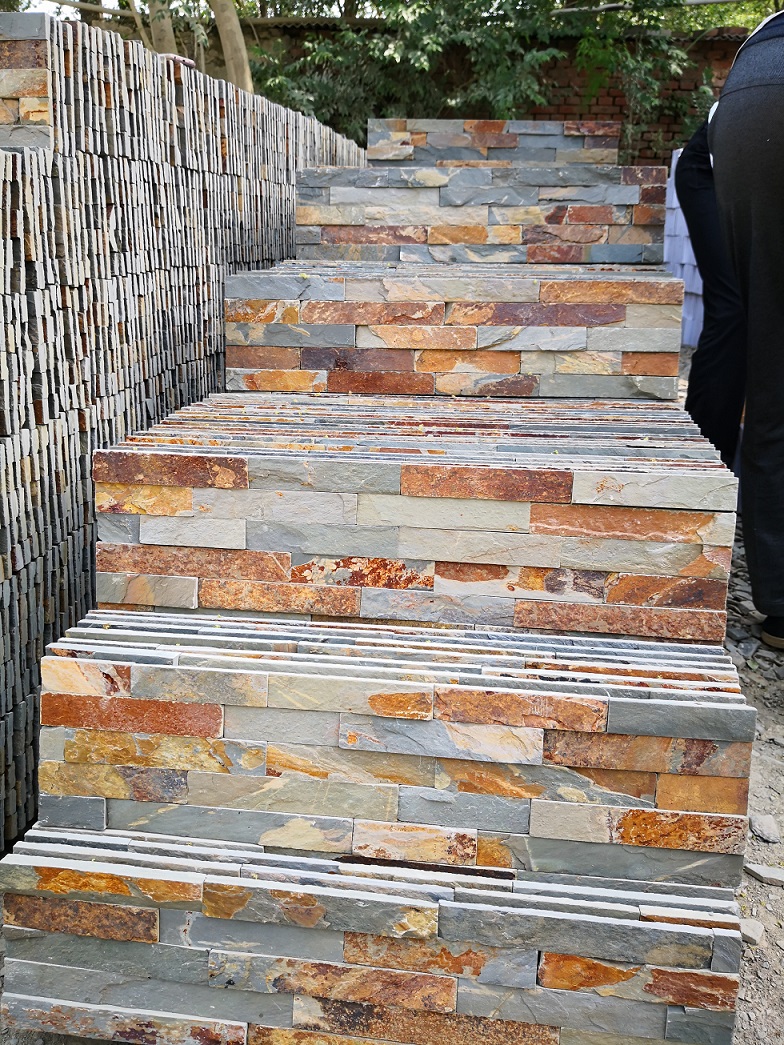
Evaluering av produksjonskapasitet: Kan de håndtere 200+ containere/år?
Frakt 200,- containere krever årlig produksjon av 63 000 til 150 000 kvadratmeter av stein, støttet av direkte bruddkontroll og vektoptimalisert logistikk.
Beregner kvadratmeter og tonnasje for 200+ årlige forsendelser
A 20GP container reaches its weight limit long before it runs out of physical space. For high-volume buyers, the bottleneck is rarely the warehouse size but the factory’s ability to secure raw material and manage heavy-load logistics without triggering overweight violations at the destination port.
- Annual Output: 200 containers represent a production floor output of approximately 63,000 to 150,000 square meters.
- Container Capacity: Export-ready factories maintain a baseline of 756–864 m² per 20GP container for standard 6″x24″ flat panels.
- Weight Metrics: Loads typically range from 24 to 27 metric tons per container, necessitating heavy-weight approval for standard logistics.
- Handling Standards: Infrastruktur må overholde ISO 668 og ISO 1161 for å håndtere sikker løfting og sikring av paller med høy tetthet.
Opprettholde 20-dagers ledetider gjennom direkte steinbruddsintegrasjon
Hastighet i steinindustrien er en funksjon av eierskap i forsyningskjeden. Handelsselskaper opplever ofte forsinkelser fordi de er avhengige av tredjepartsavdrag. Topp kildestein omgår disse mellommannforsinkelsene ved å bruke direkte bruddkilder i Hebei, og opprettholder en kapasitet på over 220 containere per år.
- Ledetider på lager: Kjernebeholdningsartikler som Alaska Grey og Glacier White sendes innen 10–15 dager.
- Produksjonsrunde: Spesialtilpassede bestillinger med høyt volum opprettholdes med en ledetid på 20–25 dager gjennom integrerte arbeidsflyter fra steinbrudd til fabrikk.
- US-portoptimalisering: Lasting med 17,5 tonn per 20GP sikrer at nordamerikanske grossister oppfyller veivektforskriftene samtidig som containerverdien maksimeres.
- Teknisk presisjon: Infrarød skjæreutstyr og høystyrke marine epoxy sikrer paneler oppfylle ASTM C170 standarder for trykkfasthet for kommersiell kledning.
- Overholdelse av HS-kode: Riktig klassifisering under Skifer (6803.00.90) eller Quartzite (6802.93.11) forhindrer tollflaskehalser under høye fraktsesonger.

De “Steinbrudd-til-container” Arbeidsflyt for kvalitetskontroll
Vår 3-trinns prosess sikrer ±1–2 mm toleranser og ASTM-standard holdbarhet. Vi bruker høyfast epoksy og gir visuell verifisering før endelig betaling for å beskytte B2B-marginer.
| QC-metrisk | TSS fabrikkstandard | B2B fordel |
|---|---|---|
| Dimensjonstoleranse | ±1–2 mm | Eliminerer “leppeside” og gapende sømmer. |
| Limsystem | Høystyrke marin epoksy | Forhindrer panelbrudd under transport og kutting. |
| Absorpsjonsrate | <00,5 % (ASTM C97) | Sikrer frost-tinebestandighet i kaldt klima. |
| US Road Compliance | 17,5 tonn optimalisert lasting | Unngår overvektige bøter og forenkler havnelogistikken. |
Tre-trinns inspeksjon og dimensjonell presisjon
Vi kontrollerer kvalitet ved kilden ved å gradere råstein blokker direkte ved Hebei-bruddene. Dette forhindrer “avskåret” innkjøp vanlig blant handelsmenn, noe som fører til tetthetsvariasjoner og tidlig materialsvikt. Ved å administrere kalibreringen internt, opprettholder vi en streng toleranse på ±1–2 mm over alle 6″ x 24″ paneler, inkludert populære modeller som Alaska Grey og Carbon Black Slate.
- ASTM C170-samsvar: Trykkfasthet over 30 MPa for kraftig kommersiell kledning.
- ASTM C97 Testing: Water absorption verified below 0.5% to mitigate efflorescence and moisture degradation.
- Backing Integrity: We replace standard PVA glue with high-strength marine epoxy to ensure stones remain bonded during high-speed wet-saw cutting.
Pre-Shipment Visual Verification and Batch Consistency
Batch color consistency is the biggest pain point for large-scale projects. Traders often mix different quarry lots, resulting in patchy wall aesthetics that trigger project claims. We utilize a high-level color sorting protocol during the assembly of our Z-shape sammenlåsende paneler to ensure tonal uniformity across the entire container.
- Transparency Protocol: We provide mandatory high-definition photos and videos of the actual order for buyer approval before the 70% balance payment.
- Logistics Optimization: USA-bundne containere er begrenset til 17,5 tonn (ca. 20 paller) for å oppfylle strenge 2026 veivektforskrifter, mens standard globale forsendelser kan nå 26,5 tonn.
- Pakkestandarder: Vi bruker 3-5 lags eksportkartonger med 7-8 stykker per kartong for flatpaneler, sikret på 40×48 tommers paller med forsterket bånd.
Denne arbeidsflyten minimerer feltfeil og reduserer installasjonsarbeidet med 40-60 %. Ved å fjerne mellommannen gir vi grossister klasse A naturstein som oppfyller de strukturelle kravene til nordamerikanske og australske byggeforskrifter.
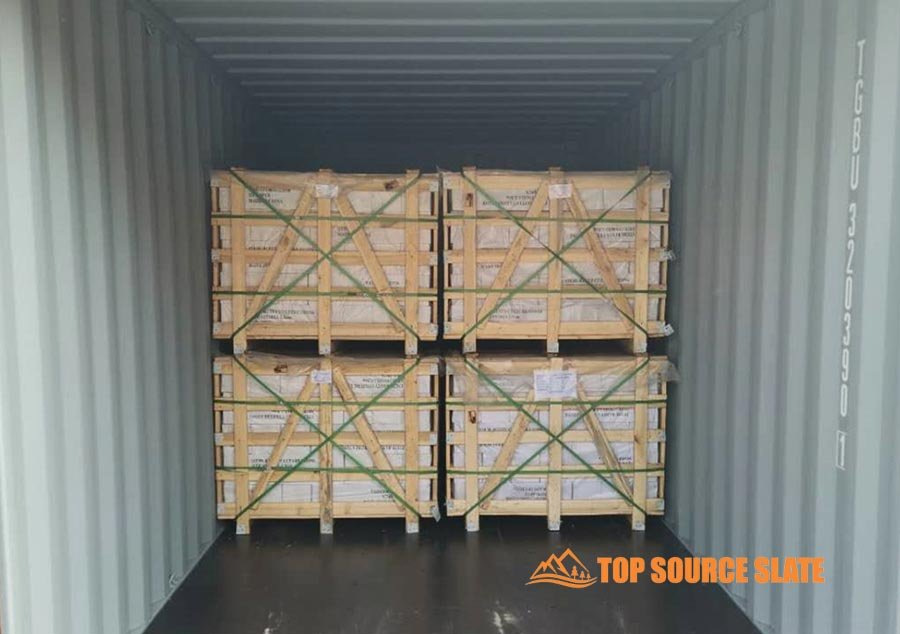
Forstå Incoterms: FOB Tianjin vs. DDP Logistics
FOB Tianjin gir grossister fraktkontroll via sine speditører, mens DDP tilbyr en fast landkostnad ved å flytte all toll og innlandslogistikk til fabrikken.
Operasjonelle forskjeller mellom port-til-havn og dør-til-dør-vilkår
FOB Tianjin krever at du administrerer sjøfrakt og forsikring når stablet stein er lastet opp på fartøyet. Grossister med etablerte transportørkontrakter foretrekker ofte dette for å utnytte sine egne forhandlede priser og opprettholde kontroll over frakttidslinjen. Du tar eiendomsretten til varene i opprinnelseshavnen.
DDP (Delivered Duty Paid) shifts every logistical hurdle to the manufacturer. We manage US Customs entry, duties, and local drayage to your warehouse. This setup provides a fixed landed cost for 2026 projects, protecting your margins from unexpected port congestion surcharges or terminal storage fees that frequently hit port-to-port shipments.
Strategic Loading Specs for North American Weight Compliance
Stone products hit weight limits long before they fill the cubic capacity of a container. We calculate every load to maximize value while staying within regional road legalities. For North American buyers, we specialize in weight-optimized configurations:
- US Optimized Load: 17.5 Tons (Strictly for road weight compliance)
- Standard/Heavy Load: 24–26,5 tonn (for godkjente ruter med kun jernbane eller tungtransport)
- Dekning: 756–864 m2 per 20GP container
- Konfigurasjon: 20 paller per beholder
- Pakking: 7–8 stykker per eksportkartong
Strategisk palleorientering er kritisk. Vi sikrer steinen for å minimere forskyvninger under overgangen fra sjø- til veitransport. Dette forhindrer kantavhugging og ansiktsslitasje som oppstår når paller er løst pakket eller feil avstivet. Hver forsendelse inkluderer visuell verifisering før forsendelse, og gir bilder av containerlastingsprosessen før saldobetalingen er fullført.
Kommunikasjon av tekniske spesifikasjoner med kinesiske ingeniører
Bygg over tekniske hull ved å bruke standardiserte ASTM C170- og C97-målinger, mens du håndhever visuelle porter før forsendelse for å sikre batchfargekonsistens og strukturell tetthet.
Standardizing Engineering Metrics via ASTM Compliance
Chinese stone engineers rely on precise data over vague descriptions. Using international standards like ASTM forces a common language that eliminates production ambiguity. As a direct quarry source, we align raw material extraction with these structural benchmarks to ensure the final product survives extreme environments.
- Compressive Strength: Align with ASTM C170 to ensure stone meets the 2100 PSI minimum for export-grade cladding.
- Modular Dimensions: Specify the 6 inch x 24 inch Z-shape interlocking system to minimize field-cutting errors and site gaps.
- Vannabsorpsjon: Enforce ASTM C97 limits (typically <0.5%) to guarantee freeze-thaw resistance in Northern climates.
Implementing Pre-Shipment Visual Verification for Batch Consistency
Papirspesifikasjoner forhindrer ikke ujevne vegger eller fargebånd. Synsfeil stammer vanligvis fra feil sortering på fabrikknivå. Vi implementerer en obligatorisk visuell port hvor ferdigvarer inspiseres mot prosjektspesifikke fargeskalaer før containeren lastes i havnen.
- Manuell sortering: Karakter naturstein under produksjon for å forhindre “sjakkbrett” effekter på storskala fasader.
- Digital bekreftelse: Bruk høyoppløselig foto- og videodokumentasjon av ferdige paller som en teknisk port før du frigir 70 % saldobetaling.
- Støttesystemer: Verifiser den høyfaste limte baksiden og sammenlåsende passform ved å bruke 1:1 fabrikkmaler for å sikre null-gap installasjon.
Standardisering av disse beregningene forhindrer 10 % enhetsfortjenesteuthuling som er typisk i grossistavhengige kjeder. Ved å kontrollere steinbruddskilden direkte opprettholder vi et ±1–2 mm toleransenivå som handelsmenn ofte ikke kan garantere på grunn av fragmenterte forsyningspartier.
Endelige tanker
Innkjøp av billig stein fra mellommenn risikerer prosjektdrepende fargeinkonsekvenser og høye absorpsjonshastigheter som utløser fryse-tinefeil. Vår direkte bruddkontroll i Hebei sikrer ±1–2 mm toleranser og ASTM-kompatibel tetthet, og beskytter grossistomdømmet ditt mot kostbare feltkrav. Fabrikkdirekte forsendelser optimalisert til 17,5 tonn for nordamerikanske veier maksimerer containerverdien samtidig som du eliminerer straffer for overvekt i havnen.
Bekreft batchkonsistensen vår og den strukturelle integriteten til vår marine-epoksybakside ved å be om et fysisk prøvesett. Vi inviterer forhandlere og grossister til å vurdere vår “Store 10” kjernebeholdning, inkludert Alaska Grey og Carbon Black Slate, for å sikre 10–15 dagers ledetider for pågående prosjekter. Send e-post til vårt tekniske team i dag for å motta et kostnadsestimat eller diskutere private label-emballasje for distribusjonsnettverket ditt.
Ofte stilte spørsmål
Hvordan kan jeg verifisere om en leverandør er en direkte fabrikk eller et handelsselskap?
Direkte fabrikker gir validering på stedet gjennom videosamtaler som viser aktive produksjonslinjer, råblokkgårder og infrarødt skjæreutstyr. De tilbyr spesifikke tekniske data, for eksempel dimensjonstoleranser på ±1–2 mm og trykkstyrke over 30 MPa. I motsetning til forhandlere, kontrollerer produsenter steinbruddspesifikke partier og gir visuell verifisering før forsendelse via bilder og videoer av den faktiske batchen før saldobetalingen.
Hvilke regioner i Kina er best for å skaffe naturlig stablet stein?
Hebei-provinsen, nærmere bestemt Yixian-Baoding-beltet, er det primære globale knutepunktet for naturskifer og kvartsitt hyllestein. Mens Fujian og Shandong-provinsene fokuserer på granitt og marmor, gir Hebei-fabrikkene direkte tilgang til skiferavsetninger med høy tetthet som kreves for holdbarhet utvendig kledning og sammenlåsende panelsystemer. Innkjøp direkte fra Hebei fjerner mellommann markeringer og sikrer bedre batchfargekonsistens.
Hva er indikatorene for høykvalitets steinpaneler under en visuell inspeksjon?
Høykvalitetspaneler viser dimensjonsmessig enhetlighet, flate overflater og ren kantintegritet. Når du ser på avstand, skal du ikke se noen synlige hull, synlige limlinjer eller gjentatte mønstersømmer. Vi bruker høystyrke epoksy av marinekvalitet i stedet for PVA for å forhindre delaminering. Eventuelle forvrengninger eller flisete hjørner indikerer generelt at materialet ikke vil oppfylle standard byggeforskrifter for festet murfiner.
Hva er standard ledetid for en 20 fots beholder med hyllestein?
Ledetider for lagerbeholdning varierer fra 10 til 15 dager, mens tilpassede produksjonskjøringer krever 20 til 25 dager. Logistikkteam optimerer containerlasting til ca. 17,5 tonn for nordamerikanske havner for å møte strenge veivektforskrifter. For andre markeder kan vi laste opptil 26,5 tonn for å maksimere pallekapasitet og volumeffektivitet.
Hvordan sikrer fabrikker fargekonsistens for store arkitektoniske prosjekter?
Produsenter implementerer en tre-trinns sorteringsprosess etter kutting, under montering og før endelig pakking. Ved å hente råvarer fra samme bruddparti og gi visuell verifisering før forsendelse, forhindrer fabrikker det ujevnt eller båndete utseendet som er vanlig i forsendelser av lavere kvalitet. Vi velger naturstein for å oppfylle krav til høy tetthet tilsvarende ASTM C170 for å sikre langsiktig estetisk stabilitet.
Hva er de typiske betalings- og MOQ-kravene for B2B-import?
Minimumsbestillingsmengder for prøvebestillinger, private label eller tilpassede bokser starter på 300 kvadratmeter. Standard kommersielle vilkår krever et depositum på 30 % T/T for å starte produksjonen, mens de resterende 70 % skal betales før forsendelse. Vi gir detaljerte bilder og videoer før forsendelse for å sikre at partiet oppfyller kvalitetsstandardene før du gjør opp den endelige balansen.