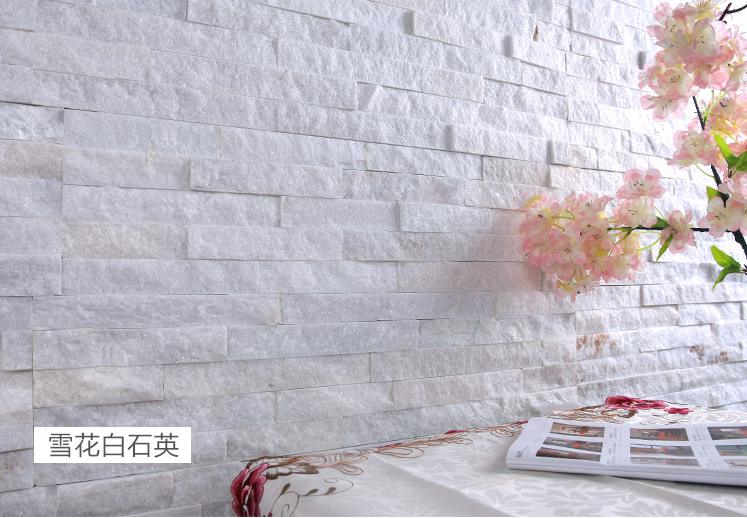
Sourcing Stacked Stone Backsplash inventory requires balancing 3D aesthetics with practical cleanability to prevent retail returns and brand erosion. Retailers frequently lose margins on maintenance complaints or installation failures when excessive panel thickness obstructs standard electrical outlets.
ASTM C97-compliant materials and low-profile designs (0.75″–1.25″) solve these technical hurdles by ensuring grease resistance and flush outlet fitting. We evaluate direct quarry sourcing and Z-shape interlocking systems to help wholesalers secure high-margin, professional-grade kits.
Why Stacked Stone is the Preferred Choice for Modern Kitchens
Naturalny kamień ułożony provides a grout-free, heat-resistant surface that offers distinct visual contrast and authentic masonry depth to increase property value.
Visual Contrast and Organic Depth
Flat-surface cabinetry and high-gloss finishes dominate modern kitchen design. Panele rejestracyjne z kamienia naturalnego break this monotony by introducing organic 3D textures that synthetic materials cannot replicate.
Top Source Stone selects materials directly from our Hebei quarries to ensure every installation avoids the repetitive patterns found in ceramic or porcelain prints. This provides an authentic masonry finish that adds tangible asset value to residential and commercial projects.
- Material Diversity: Available in 100% natural Slate, Quartzite, Sandstone, and Marble.
- Batch Color Consistency: Sortowanie na wysokim poziomie w fabryce zapobiega niejednolitym lub niedopasowanym produktom ściany podczas instalacji masowych.
- Profil estetyczny: Umiarkowane zróżnicowanie odcieni V3 zapewnia niepowtarzalny wzór dla każdej 6″ x 24″ płyta.
Bezszwowe systemy blokujące w kształcie litery Z
Precyzyjnie zaprojektowane panele w kształcie litery Z rozwiązują najczęstszą awarię techniczną w projektach dotyczących odprysków: widoczne pionowe szwy. Te blokujące się elementy tworzą pozbawione fug wykończenie imitujące tradycyjne układanie na sucho kamienny mur.
Modułowy konstrukcja przyspiesza montaż i znacznie obniża koszty pracy dla hurtowników i wykonawców. Wymiary 6 na 24 cale pozwalają na efektywne pokrycie standardowych blatów i górnych szafek przy minimalnych stratach związanych z wycinaniem.
- Projekt konstrukcyjny: Blokujące się panele w kształcie Z i S wyeliminować widoczne złącza.
- Specyfikacja przyczepności: High-strength glue backing ensures individual stones remain bonded in high-heat zones behind cooktops.
- Logistical Efficiency: US-Port optimized weights (17.5 tons per 20GP) maximize container value while meeting strict road regulations.
- Durability Standards: Materials meet high-density requirements equivalent to ASTM C170 and ASTM C97.

Material Suitability: Slate vs. Marble for Splash Zones
Slate provides high acid resistance and low porosity for heavy-cooking zones, while marble requires intensive sealing to prevent etching from common kitchen acids like citrus and vinegar.
Porosity and Chemical Resistance in Kitchen Environments
Marble typically measures 3–4 on the Mohs scale. This softness makes the stone susceptible to scratches and edge chipping near stovetops where heavy cookware is used. In contrast, slate offers higher density and natural resistance to staining. Its cleft texture requires specific cleaning methods to remove grease trapped in crevices, but the stone itself remains chemically stable.
Acidic liquids like tomato sauce, wine, and citrus cause immediate surface etching on marble. These spills lead to permanent cosmetic changes if the stone is not wiped instantly. Slate handles high heat behind ranges without structural damage, ensuring stability in zones where temperature fluctuations occur frequently.
ASTM-Compliant Selections for High-Moisture Zones
Najlepszy kamień źródłowy utilizes ASTM C97 standards for absorption and ASTM C170 for compressive strength. We apply these metrics to ensure every panel jest odporny na poziom wilgoci spotykany w handlu i mieszkalne strefy rozbryzgowe. Ta weryfikacja techniczna chroni hurtowników przed awariami na budowie związanymi z degradacją kamienia.
- Łupek północy & Złoto Kalifornii: Modele te zapewniają najniższy współczynnik absorpcji w strefach intensywnego użytkowania i pozostają bestsellerami pod względem trwałości.
- Królewska biel Marmur: Ta seria oferuje ulepszenia o wysokiej wartości, ale wymaga ścisłego cyklu uszczelniania trwającego 6–12 miesięcy, aby zachować swój wygląd.
- Spójność partii: Nasze sortowanie zapasów na rok 2026 zapewnia, że instalacje na dużą skalę zachowują jednolity wygląd, zapobiegając “niejednolity” efekt często obserwowany w przypadku przesyłek przeznaczonych do sprzedaży detalicznej.
- Dane techniczne: Norma 6″x24″ panele ważą 8–12 funtów/stopę kwadratową i wymagają podłoża z płyty cementowej o grubości 1/2 cala, aby zapewnić bezpieczną przyczepność pionową.
Wholesalers should recommend slate for clients prioritizing long-term utility. Marble remains the preferred choice for high-end architectural aesthetics where the end-user accepts a higher maintenance schedule.
The Sealing Secret: Making Natural Stone Grease-Resistant
ASTM C97-compliant penetrating sealers create a hydrophobic barrier that prevents grease absorption, protecting stone backsplashes from permanent staining and bacterial growth in high-conviction kitchens.
| Typ materiału | Absorption Risk | Norma techniczna | Częstotliwość uszczelniania |
|---|---|---|---|
| kwarcyt (e.g., Arctic Golden) | Low/Moderate | ASTM C97 | 12–24 Months |
| Łupek (e.g., California Gold) | Niski | ASTM C97 | 12–18 Months |
| Marmur (Pencil Styles) | Wysoki | ASTM C503 | 6–12 Months |
Porosity and Grease Penetration Risks
Kamień naturalny zawiera mikroskopijne pory, które działają jak naczynia włosowate. W kuchni niezabezpieczony kamień wchłania aerozolowy tłuszcz i oleje kuchenne, co prowadzi do przebarwień w głębokich tkankach. Te plamy nie są na poziomie powierzchni; integrują się z kamienna matryca i stają się prawie niemożliwe do usunięcia bez specjalistycznych okładów.
Wykończenia teksturowane, takie jak nasza seria Rough, zwiększają to ryzyko poprzez zwiększenie powierzchni. Profile o wysokim reliefie zatrzymują warstwę sadzy i tłuszczu, która jest odporna na standardowe wycieranie. Jeśli te substancje organiczne pozostaną w porach, mogą z czasem sprzyjać rozwojowi bakterii i pogarszać jakość powietrza w pomieszczeniach.
- Nasycenie plam: Niezamknięte pory pozwalają lipidom trwale przyciemnić kamień.
- Tarcie czyszczące: Szorstka tekstura wychwytuje cząsteczki jedzenia, które wymagają szorowania, a nie wycierania.
- Pogorszenie higieny: Open joints and pores trap organic residue, creating sanitation issues behind cooktops.
ASTM C97 Compliance and Penetrating Sealers
Najlepszy kamień źródłowy selects raw materials based on high-density requirements equivalent to ASTM C97. While these stones are naturally resilient, professional B2B installations require penetrating sealers to create a sub-surface hydrophobic barrier. Unlike topical coatings, these impregnating agents allow the stone to breathe while repelling water and oil-based liquids.
Maintaining this barrier is a technical necessity for commercial and residential durability. We recommend a standardized maintenance protocol that includes annual reapplication of these sealers to ensure the backsplash remains grease-resistant and easier to sanitize.
- Vapor Permeability: Penetrating sealers protect against grease without trapping internal moisture that causes spalling.
- Density Metrics: Materials meeting ASTM C170 and C97 provide the structural baseline for long-term kitchen use.
- Chemical Shielding: Proper sealing limits the etching effects of acidic splashes like vinegar or citrus on softer stones.
Boost Project Profits with Premium Stacked Stone
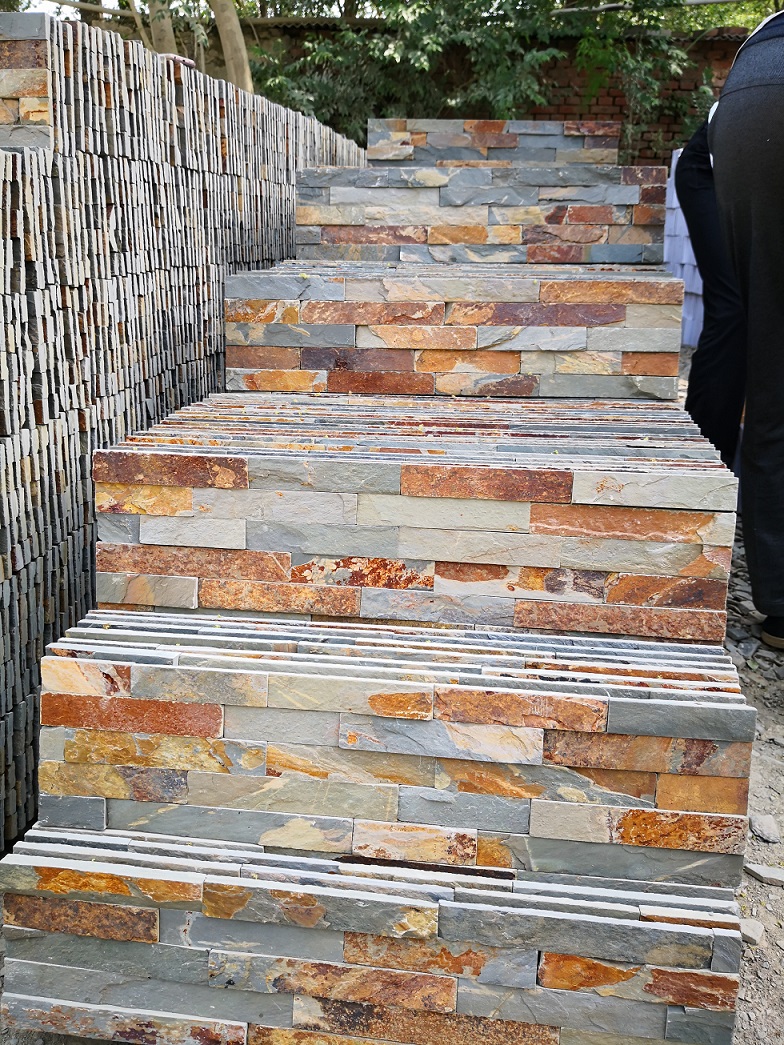
Low-Profile Panels: Saving Space in Compact Kitchen Designs
Low-profile panels (0.75″–1.25″ grube) zapobiegają występowaniu odprysków z blatów, eliminując potrzebę przedłużania skrzynek elektrycznych przy zachowaniu ich pełnego wypełnienia Kamień naturalny trwałość.
Zalety wymiarowe dla prześwitów pionowych
Wąskie profile minimalizują ślad kamienia. Zapobiega to ciasnocie, “zapadnięty” efekt wizualny typowy dla tekstur o dużym reliefie w ciasnych układach miejskich kuchni. Zmniejszając głębokość kamienia, projektanci maksymalizują powierzchnię użytkową standardowych blatów o głębokości 24 cali.
Standardowe elektryczne płyty czołowe przylegają do kamiennej powierzchni. Eliminuje to pracę i koszty związane z przedłużeniami głębokich pudełek lub nieestetycznymi podkładkami. Jednolita grubość zapewnia profesjonalne wykończenie bez konieczności stosowania obejść technicznych na każdym wylocie.
- Występ ściany: 00,75 do 1,25 cala.
- Waga systemu: 8–12 lbs/sqft (compatible with 1/2-inch cement board).
- Substrate Requirement: Standard framed walls with 1/2-inch cementitious backing.
Precision Specs of the Flat Series Interlocking System
Engineering tolerances dictate the success of space-saving designs. We use infrared cutting equipment to maintain a strict thickness range. This consistency allows for flush mounting across large surfaces without the “lippage” that creates shadows and traps grease in small rooms.
Batch color consistency across our high-density quartzite prevents the patchy look that makes compact walls feel cluttered. We prioritize sorting at the quarry level to ensure tonal harmony across full pallet quantities, protecting dealer margins by reducing job-site sorting time.
- Thickness Tolerance: ±1/16 inch per panel.
- Joint Geometry: Seamless Z-shape interlock to eliminate visible vertical seams.
- Material Standards: 100% Kamień naturalny meeting ASTM C170 and ASTM C97.
- Quality Control: Pre-shipment visual verification (Photos/Videos) provided for all B2B wholesale orders.
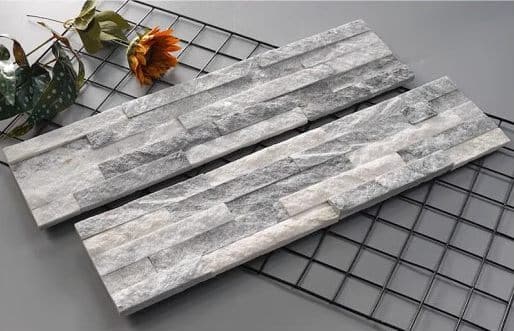
Coordinating Stone with Quartz and Granite Countertops
Balance polished quartz with rugged stone textures. Align color undertones and use batch-sorted ledger panels to ensure a professional, high-value kitchen transition.
Visual Harmony Between Natural Stone and Polished Surfaces
Designing high-end kitchens requires balancing the flat, non-porous nature of quartz or granite with the depth of Kamień naturalny. Zalecamy połączenie gładkich płyt blatowych z teksturami o wysokim reliefie, takimi jak nasza seria Rough, aby stworzyć wyczuwalną w dotyku przerwę w obszarze tylnych rozprysków. Kontrast ten definiuje obwód i zwiększa postrzeganą wartość instalacji.
Skuteczny projekt koncentruje się na pasującym kamieniu podkreśla podstawowe żyłkowanie blatu. Dla klientów B2B zarządzających dużymi projektami mieszkaniowymi dostosowujemy nasze zapasy kamienia naturalnego do aktualnych trendów w zakresie nawierzchni, aby zapewnić spójny wygląd.
- Biały kwarcyt lodowcowy: Najlepiej komponuje się z chłodnym, marmurowym kwarcem lub białym granitem, aby zachować jasną, przewiewną estetykę.
- Szary Alaska lub Niebieski Sierra: Uzupełnia szare żyłki kwarcowe lub ciemniejsze płyty granitowe, zapewniając neutralne, ale teksturowane tło.
- 6″ x 24″ Panele księgi głównej: ten standard dimension provides a rhythmic horizontal pattern that anchors large-format countertop slabs and reduces vertical joint visibility.
Batch Color Consistency for Professional Material Transitions
The junction where the stone meets the countertop edge is a critical failure point for aesthetics. Wholesalers often face the “patchy wall” problem when sourcing through middlemen who mix different quarry lots. Top Source Stone solves this through direct quarry control in Hebei, implementing high-level batch sorting before any shipment leaves the factory.
We use specialized interlocking systems to ensure the stone flows directly from the countertop surface. This eliminates the need for distracting vertical joints and maintains the “suchy stos” look required for modern architectural specifications in 2026.
- Seamless Z-Shape Interlock: Our panels use a precision-cut Z-shape to provide a grout-free finish that hides seams at the countertop transition.
- Load Specifications: Panels weigh 8–12 lbs/sqft. We mandate 1/2-inch cement board substrates to support this weight and prevent sagging at the countertop line.
- Zgodność z ANSI: Installers must use polymer-modified thinset meeting ANSI A118.15 to ensure a permanent bond between the kamień i ściana.
- Pre-Shipment Verification: We provide high-resolution photos and videos of the actual batch to verify color consistency before the balance payment, protecting your project margins from site-level rejects.
Because natural stone is porous, professional sealing is non-optional in kitchen environments. We recommend penetrating sealers post-installation to block grease and lipid ingress, particularly behind high-convection cooking zones where splatter is frequent.
Retail Kit Sourcing: Pre-packed Boxes with Corners and Trim
Retail-ready kits combine Z-shape panels and L-corners in reinforced packaging to minimize job site labor and distribution damage while maximizing US road weight compliance.
| Część | Technical Specification | Retail Advantage |
|---|---|---|
| Main Panels | 6″ x 24″ Seamless Z-Shape | Grout-free, interlocking finish |
| Corner Units | Factory-Matched L-Shape | Eliminates on-site miter cutting |
| Opakowanie | 5-Ply Reinforced Export Grade | Reduces breakage during transit |
Standardized Panel and Corner Component Synchronization
Retail-ready inventory relies on modularity. We produce 6×24-calowe panele, które pasują do standardowych 18-calowych wysokości tylnych rozprysków, bez nadmiernych odpadów i cięcia pionowego. Łącząca konstrukcja w kształcie litery Z zapewnia wygląd suchego stosu, który maskuje szwy pomiędzy panelami.
- Wymiary: 6″ x 24″ (ok. 150mm x 600mm) panele główne.
- Typ narożnika: Wstępnie zmontowany panel dopasowujący narożniki L tekstura i głębia koloru.
- Profil wagi: 8–12 funtów na stopę kwadratową w zależności od gęstości kamienia.
- Wspólny styl: Szczelne, pozbawione fug, zazębiające się krawędzie.
Zsynchronizowane narożniki mają kluczowe znaczenie dla dystrybucji hurtowej. Pozwalają użytkownikom końcowym owijać filary lub toczyć narożniki kuchenne bez specjalistycznej siły roboczej potrzebnej do cięć ukośnych tarczą diamentową. Zmniejsza to ryzyko związane z pyłem krzemionkowym i skraca czas instalacji, czyniąc produkt bardziej atrakcyjnym dla rynku majsterkowiczów i wykonawców.
Reinforced 5-Ply Export Cartons and OEM Branding
Logistics often determine wholesale profitability. We optimize załadunek kontenera specifically for North American regulations to avoid overweight fines and axle weight violations during domestic trucking from the port.
- US Port Optimization: 17.5 Tons per 20GP container (approx. 20 pallets).
- Carton Strength: 3-ply and 5-ply reinforced export-grade corrugated cardboard.
- Box Content: 7–8 pieces per carton for standard thickness; 5 pieces for rough textures.
- MOQ for Private Label: 300 m² for custom box printing and dealer branding.
Direct quarry sourcing from Hebei allows us to offer private label services where wholesalers can integrate their own SKU systems and branding onto the packaging. Before final payment, we provide visual verification through high-resolution photos and videos of the actual batch to ensure color consistency across the order.
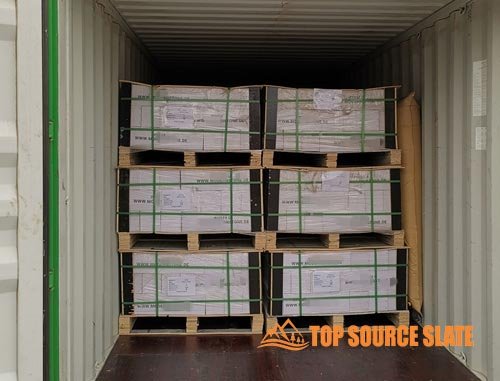
Maintenance Guide for Homeowners: B2B Support Materials
Standardized care protocols focus on pH-neutral cleaning and ASTM C97-compliant sealing. These guides help B2B partners minimize service calls and preserve stone durability.
Daily Care Protocols for High-Texture Stone Surfaces
B2B distributors should provide homeowners with clear instructions on managing the deep crevices found in high-relief textures. We recommend using soft-bristle brushes and warm water to reach between the natural clefts of our Rough and Pencil Series panels without scratching the surface.
Advise clients to steer clear of the “all-purpose” aisle. Acidic or abrasive cleaners eat away at the mineral structure of slate and quartzite, leading to surface dulling or structural weakening. Our factory-sorted stones maintain batch color consistency, but chemical etching can create irreversible patchy spots.
In high-use splash zones, grease needs immediate attention. Porous kamienne panele can darken permanently if organic oils sit for too long. A quick wipe prevents the need for aggressive chemical degreasing later, which often damages the kamień jest naturalny patina.
Technical Standards for Sealing and pH-Neutral Maintenance
Maintaining the integrity of the high-strength epoxy bond in Top Panele z kamienia źródłowego requires the exclusive use of pH-neutral cleaners. Harsh chemicals compromise the backing system, which can lead to panel delamination in high-moisture kitchen environments.
- Sealer Grade: Use only high-grade penetrating sealants that meet ASTM C97 absorption standards.
- Maintenance Interval: Establish a re-sealing schedule every 12 to 24 months based on the specific density of the slate or quartzite model.
- Chemical Restrictions: Ban any cleaners containing bleach, ammonia, or vinegar to protect the stone’s mineral composition.
- Performance Metric: Sealed surfaces must maintain a grease-resistant barrier to prevent lipid absorption in cooktop splash zones.
Creating a grease-resistant barrier isn’t a one-time task. Distributors should educate contractors on these maintenance cycles to ensure the installation maintains its ASTM-rated durability. By standardizing these protocols, B2B partners protect their margins by reducing post-installation service requests and aesthetic complaints.
Ostatnie przemyślenia
Poleganie na zwykłych pośrednikach często prowadzi do niejednolitych instalacji i dużych awarii absorpcji, które podważają reputację dealera. Eliminujemy to ryzyko, kontrolując produkcję w naszych kamieniołomach w Hebei, aby zapewnić zgodność z normą ASTM C97 i ścisłą spójność kolorystyczną partii. Ten model bezpośredniej dostawy do fabryki zabezpiecza Twoje marże, zapobiegając odrzuceniom na poziomie zakładu, typowym dla alternatywnych rozwiązań detalicznych o małej gęstości.
Poproś o fizyczny zestaw próbek, aby na własnej skórze sprawdzić nasze niskoprofilowe dopasowanie 0,75 cala i precyzję blokowania. Zapewniamy weryfikację wizualną przed wysyłką i branding marki własnej dla zamówień hurtowych już od 300 metrów kwadratowych. Skontaktuj się z naszym zespołem ds. eksportu już dziś, aby przejrzeć nasze zasoby zoptymalizowane pod kątem portu w USA i zabezpieczyć przydział kolejnego projektu.
Często zadawane pytania
Czy trudno jest utrzymać osłonę przeciwbryzgową ułożoną w stosy w obszarach o dużej zawartości tłuszczu?
Kamień naturalny ma teksturowaną powierzchnię, która wychwytuje w szczelinach oleje i kurz w aerozolu. Zalecamy stosowanie środka o neutralnym pH środek do czyszczenia kamienia i miękka szczoteczka do rutynowej pielęgnacji. W przypadku obszarów kuchenek wybranie bardziej płaskich profili, takich jak seria Pencil lub Flat, upraszcza proces wycierania w porównaniu z szorstkimi teksturami o wysokim reliefie.
Czy muszę nakładać fugę na panele z kamienia naturalnego?
NIE. Najlepsze panele z kamienia Source użyj bezszwowego systemu łączenia w kształcie litery Z, zaprojektowanego specjalnie z myślą o estetyce bez fug i suchego układania. Wypełnianie fug zaprawą zasłania naturalna głębokość kamienia. Instalatorzy powinni zastosować cienką warstwę modyfikowaną polimerami, spełniającą normy ANSI A118.15, aby zapewnić ścisłe dopasowanie paneli bez widocznych szwów.
Can I install stacked stone directly over existing kitchen tiles?
Industry standards advise against this. Our naturalny kamień ułożony weighs between 8 and 12 lbs per square foot, which often exceeds the weight capacity and bond strength of existing tile. For a secure installation, remove the old tile and install a 1/2-inch cementitious backer board to support the dead load and prevent delamination.
Which stone colors complement a white kitchen cabinet design?
Neutral tones provide the best visual balance. Alaska Gray and Glacier White quartzite offer subtle gray veining that maintains a bright, open feel. For high-contrast modern looks, Carbon Black or Midnight Slate provides a sophisticated backdrop that highlights white cabinetry and stainless steel appliances.
Jak chronić kamień przed plamami z tłuszczu kuchennego i oleju?
Niezbędne jest zastosowanie wysokiej jakości uszczelniacza penetrującego. Ponieważ kamień naturalny jest porowaty, uszczelniacz wnika w pory, tworząc barierę przed lipidami i wilgocią. Zalecamy ponowne uszczelnienie powierzchni co 1 do 3 lat, aby zachować integralność kamienia i ułatwić czyszczenie w strefach gotowania o wysokiej konwekcji.
Czy można bezpiecznie używać kamienia ułożonego bezpośrednio za kuchenką gazową?
Kamień naturalny jest z natury niepalny i odporny na ciepło. Jednakże instalacja musi być zgodna z lokalnymi przepisami budowlanymi, które zazwyczaj wymagają podłoża ognioodpornego, takiego jak płyta z cementu włóknistego, za strefą gotowania. Właściwe uszczelnienie jest konieczne, aby zapobiec odbarwieniu termicznemu i wchłanianiu tłuszczu spowodowanego wysoką temperaturą kuchenki.