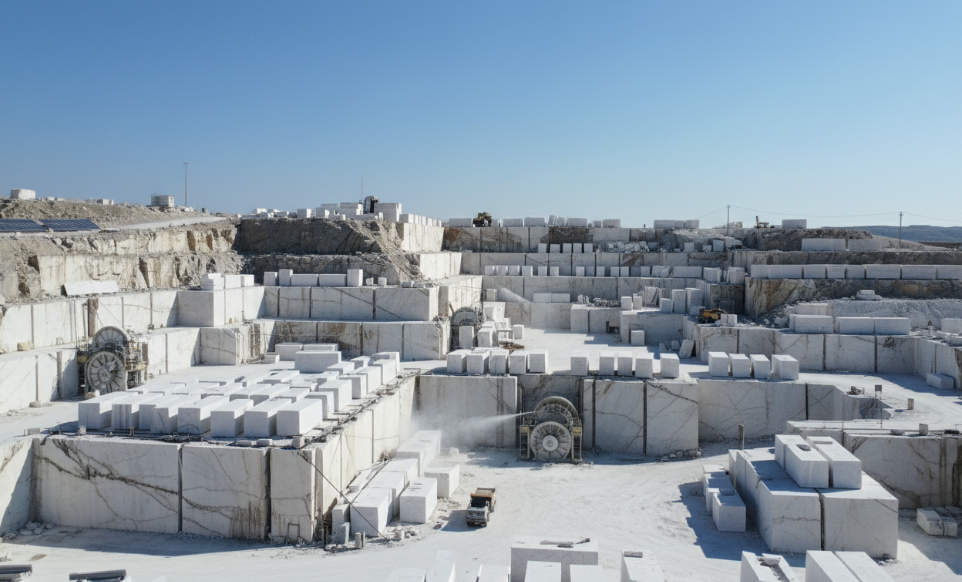
Quarrying science determines whether a high-profile architectural project maintains its structural integrity or suffers from premature surface degradation and cracking. Choosing stone based on surface-level aesthetics without considering extraction depth risks using material with low density and high porosity, leading to structural failures and massive financial losses for developers. This geological oversight often results in brittle slabs that cannot withstand the load-bearing requirements of commercial construction, turning a premium investment into a long-term liability.
This analysis explores how extraction techniques in deep geological veins impact the bond strength and longevity of natural stone. We examine the technical criteria for raw block selection, the science behind color stability across different quarry sections, and the environmental standards governing modern extraction. Use this guide as a technical framework for evaluating material quality to ensure every slab meets the rigid performance demands of large-scale engineering projects.
How is Natural Stone Actually Extracted from Deep Geological Veins?
Direct quarry extraction using precision diamond-wire technology preserves the structural integrity of deep-vein minerals, ensuring 95% hue uniformity and superior interfacial bond strength for B2B architectural applications.
Identifying High-Yield Geological Formations
Our geologists survey active quarry regions to locate veins that meet 2026 architectural standards for mineral density and color stability. We analyze the stratification layers to ensure the raw material withstands environmental exposure without structural degradation. This early-stage mapping focuses on identifying consistent mineral patterns, allowing us to source from the same quarry vein for an entire order to eliminate the “patchy” appearance common in lower-grade stone batches.
Diamond-Wire Sawing and Block Removal
We utilize mechanical extraction methods to harvest massive stone blocks while protecting the material from micro-cracking. Large-scale diamond-wire saws cut through dense geological layers with high precision, replacing the destructive blasting techniques used in the past. Hydraulic machinery handles the extraction of these raw blocks, ensuring a steady supply for large-scale wholesale orders while maintaining the integrity of the stone’s natural cleavage planes.
| Extraction Metric | Traditional Blasting | Precision Diamond-Wire |
|---|---|---|
| Material Yield | 40% – 60% (High Waste) | 85% – 95% (High Yield) |
| Structural Integrity | Prone to micro-cracking | Preserved mineral bond |
| Color Consistency | Inconsistent (Mixed Layers) | High (Vein-Specific) |
Slicing Raw Blocks into Veneer Thickness
Transitioning massive blocks into stacked stone panels requires specialized slabbing and splitting techniques. Primary saws slice blocks into manageable slabs while preserving the natural veining characteristics. For our Rough Series, we use a natural splitting process that maintains deep textures and dramatic shadows. We calibrate the thickness to ensure each piece stays within the 8-13 lbs/sqft weight range, which allows for installation on standard walls without the need for expensive structural footings.
Infrared Precision Cutting and Calibration
Our manufacturing process employs infrared technology to ensure every panel fits into our interlocking system. Infrared cutting equipment provides exact dimensions for our Z-shape and S-shape panels, creating a “male-female” connection that camouflages vertical joints. Quality control teams inspect the stone post-cutting to verify the integrity of the geological layers. This precise calibration ensures that linear patterns, such as those in our Pencil Series, maintain a fluid visual flow across large-scale architectural surfaces.
- CNC diamond-blade edges ensure tight fits and eliminate visible grout lines.
- Automated dust suppression systems protect workers and the surrounding environment.
- Pre-shipment visual verification provides high-definition confirmation of batch consistency.
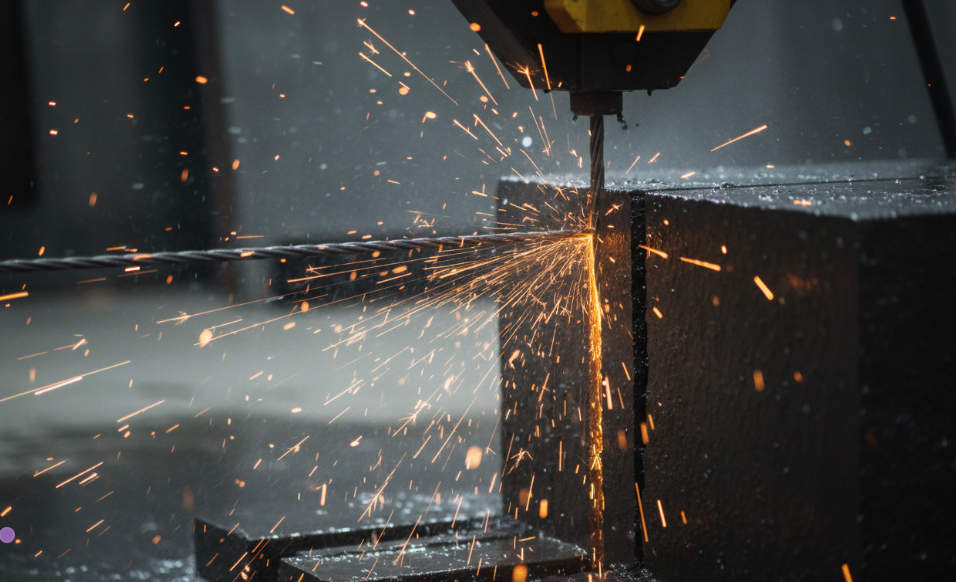
Why “First-Grade” Deep Layers Provide 30% More Bond Strength?
Deep-layer extraction eliminates surface weathering micro-fissures, creating a high-density substrate that maximizes epoxy resin mechanical anchoring and prevents delamination in architectural applications.
Mineral Density and Surface Porosity in Deep-Vein Extraction
Extracting stone from deeper geological veins ensures the raw block avoids the natural degradation seen in surface-level rock. Surface materials often harbor micro-fissures and irregular pore structures caused by centuries of environmental exposure and weathering. In contrast, deep-vein stone maintains a compact molecular structure that remains stable during the split-face processing required for stacked stone panels.
- Stone from deep layers avoids the natural weathering and micro-fissures found in surface rock.
- A denser molecular structure provides a more stable substrate for the high-strength epoxy resin used in stacked stone panels.
- Reduced internal voids prevent the stone from absorbing excessive adhesive, ensuring the bond stays on the interface rather than soaking into the stone.
Interfacial Bond Strength and Graded Material Precision
Quarrying science confirms that controlling aggregate gradation and fines content directly impacts the shear strength of bonded panels. First-grade deep layers offer a cleaner split surface, which increases the effective contact area for adhesives. Lower-grade stones often produce “dusty” or crumbly backings that interfere with chemical adhesion, leading to premature failure in the field.
| Material Source | Relative Bond Strength | Internal Porosity |
|---|---|---|
| Surface-Level Rock | Baseline (Standard) | High (Weathered) |
| First-Grade Deep Vein | +30% Increase | Ultra-Low (Dense) |
- First-grade deep layers offer a cleaner split surface, which increases the effective contact area for adhesives.
- CNC diamond-blade cutting ensures the stone backing remains perfectly flat, eliminating gaps that weaken the bond.
- Optimized filler characteristics in the backing system create a 30% increase in structural resilience compared to standard-grade stone.
Moisture Resistance and Permanent Epoxy Adhesion
Deep-layer materials possess lower permeability, protecting the bond from environmental degradation over decades. High permeability in surface stones allows water to seep between the stone and the panel base, a primary cause of delamination in exterior facades. By selecting stone from the same-batch quarry vein, we ensure that moisture resistance remains uniform across the entire installation.
- Lower permeability reduces the risk of water seeping between the stone and the panel base.
- The proprietary epoxy resin forms a chemical anchor with the deep-vein stone that remains unaffected by UV exposure or thermal expansion.
- Quality checks confirm these panels maintain integrity in both high-moisture exterior facades and high-heat fireplace surrounds.
Premium Stacked Stone for Architectural Excellence
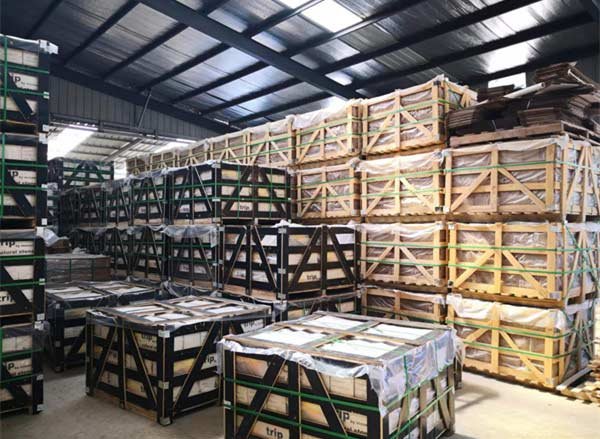
Managing Fissures and Veining: The Science of Raw Block Selection
Selective extraction based on natural stratification systems prevents internal stress fractures, ensuring that every panel maintains high interfacial bond strength in architectural applications.
Natural stone integrity starts long before the material reaches the factory floor. Our quarry teams analyze joint systems and stratification to predict how a block will respond to mechanical stress during the primary cut. By identifying natural cleavage planes, we ensure the stone splits along its inherent geological lines, which preserves the mineral structure and prevents the formation of secondary fractures.
Geological Assessment of Natural Cleavage Planes
Mapping the rock face allows geologists to identify structural patterns that govern the stone’s stability. We prioritize material that demonstrates clean separation, particularly for thin-panel manufacturing where any internal stress can lead to delamination. This rigorous assessment phase eliminates lower-grade material that might appear aesthetic but lacks the structural foundation required for modern high-load construction standards.
| Extraction Parameter | Traditional Blasting | Controlled Splitting (Our Standard) |
|---|---|---|
| Structural Integrity | High risk of micro-fractures | Preserved internal grain |
| Material Yield | Low (40-50% usable) | High (80%+ usable) |
| Bond Strength Impact | Reduced shear resistance | Maximum interfacial adhesion |
Mitigating Microcracks through Controlled Splitting
Older extraction methods relied on heavy blasting, which sent shockwaves deep into the stone vein. This created microcracks—invisible to the naked eye but catastrophic for the longevity of stacked stone panels. We utilize precision drilling and hydraulic splitting to minimize overbreak. By replacing explosives with CNC diamond-wire cutting and low-impact separation, we protect the structural bond and increase the usable volume of each block harvested.
Grading Raw Material for Visual and Structural Consistency
Consistency in large-scale B2B projects depends on systematic block grading. We categorize raw material by vein intensity and mineral distribution to achieve 95% hue uniformity within a single batch. By distinguishing between stable mineral veins—which provide the desired aesthetic character—and structural fissures—which threaten durability—we ensure only the most resilient blocks reach the production line.
- Technical experts sort blocks to match specific product series, such as the precision-cut Flat Series or the high-texture Rough Series.
- Same-batch quarry sourcing prevents the “patchy” appearance common when mixing materials from different extraction layers.
- Systematic grading protocols allow the factory to allocate material based on the natural surface textures required for S-Shape and Z-Shape interlocking designs.
This data-driven approach to selection ensures that the final product meets ASTM durability standards for freeze-thaw resistance and UV stability. By controlling the supply chain from the mountain to the crate, we maintain the technical distinction between surface-grade rubble and the deep-layer premium material required for high-end architectural facades.
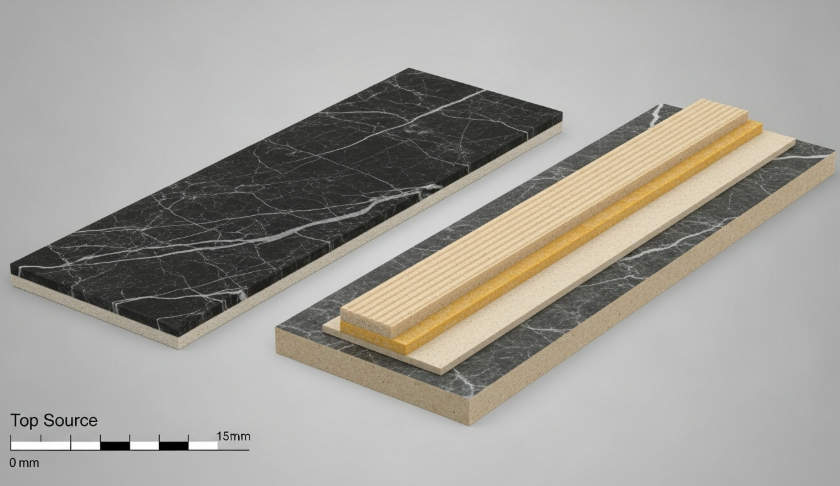
How Quarry Location Influences the Long-Term Color Stability of Your Order
Geological depth and precise vein location directly dictate a stone’s mineral density, determining whether a facade maintains its original hue or succumbs to environmental oxidation over time.
Geological Depth and Mineral Concentration
The specific depth and vein location within a quarry determine the mineral density and base color stability of natural stone. Deep geological veins often yield stones with higher mineral purity, providing more resistance to environmental fading than surface-level extractions. Stone sourced from stable formations, such as high-purity calcium carbonate marble zones, ensures the material maintains its original hue over decades of exposure. Variations in localized geological contacts create distinct color profiles even within the same quarry site, making depth a primary indicator of quality.
| Performance Metric | Surface-Level Extraction | Deep-Vein (Top Source Standard) |
|---|---|---|
| Hue Uniformity (Batch) | 75% – 80% (High Variance) | 95% Consistency |
| Mineral Purity | Weathered / Porous | High-Density / Unweathered |
| Oxidation Risk | High (Susceptible to Rusting) | Low (Chemically Stable) |
Iron Content and Oxidation Risks
Quarry locations with high concentrations of iron-bearing minerals are more susceptible to color shifts when exposed to the elements. Stone sourced from iron-rich regions can undergo oxidation-reduction reactions, leading to “rusting” or darkening when used in exterior applications. Regional climate variables, including intense solar exposure and moisture cycling typical in high-UV environments like Arizona, accelerate these chemical changes. We utilize 2026 quality benchmarks that require mineralogical testing to identify stones with low reactivity, ensuring the stone remains stable in harsh climates.
- Iron oxide concentrations create red and orange tones but increase the risk of surface leaching.
- High calcium carbonate purity in specific formations delivers superior color consistency.
- Moisture cycling acts as a catalyst for mineralogical instability in poor-quality quarry layers.
Batch Consistency Through Zonal Extraction
Controlled sourcing from specific quarry zones minimizes color drift and ensures visual harmony across large ledger panel orders. Strategic procurement involves selecting blocks from the same extraction window to prevent batch-to-batch variance. Direct manufacturer control over the quarry site allows for pre-grading stone based on color intensity and veining patterns. Rigid selection protocols during the 2026 production cycle ensure that large-scale commercial orders remain visually consistent throughout the installation, maintaining 95% hue uniformity within a single batch.
By sourcing exclusively from the same quarry vein per order, we eliminate the patchy appearance common in mixed-source logistics. This level of technical oversight protects project margins by reducing the need for on-site sorting and minimizing client rejections due to color mismatching.
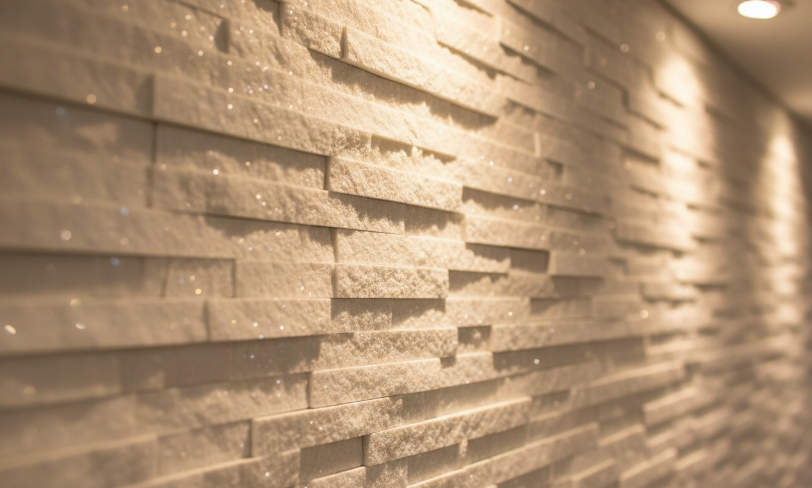
Environmental Ethics: How Modern Quarrying Minimizes Waste and Dust
Modern stone extraction relies on precision digital mapping and closed-loop systems to transform quarrying from a high-impact activity into a surgically efficient resource recovery process.
Precision Extraction Technology and Material Efficiency
Quarry operators now utilize 3D geological modeling and GPS-guided machinery to target specific veins with surgical accuracy. This digital approach drastically reduces the excavation of unnecessary overburden, ensuring that only high-value material is disturbed. By pinpointing the exact location of the stone, we minimize the environmental footprint of the extraction site from the initial planning phase.
- Precision diamond wire sawing techniques replace traditional blasting, allowing for cleaner cuts at the source and maximizing the yield of usable blocks.
- The manufacturing process at Top Source Stone repurposes smaller fragments into specialized mosaic or thin-veneer products.
- Nearly 100% of extracted material serves a functional purpose, effectively eliminating the concept of “stone waste” in our supply chain.
Closed-Loop Water Management and Filtration
Advanced filtration systems and recycling protocols allow modern quarries to operate with minimal freshwater consumption. We implement closed-loop systems that capture, treat, and recirculate water used during the high-intensity cutting and polishing phases of ledger panel production. This prevents local water contamination and protects the surrounding hydrological ecosystem.
- Sedimentation tanks and high-efficiency filter presses remove fine stone particles from wastewater, reducing total consumption by up to 40%.
- Filtered stone slurry is repurposed as a stabilizer for local road construction or as raw material for other industrial applications.
- Our zero-discharge protocols ensure that runoff never enters local streams or riparian waterways.
Automated Dust Suppression and Air Quality Protection
High-pressure misting systems and automated sensors maintain air quality standards at both the extraction site and throughout our processing facilities. These systems neutralize airborne dust particles at the point of origin, preventing silica and debris from migrating to surrounding habitats. This level of control is essential for protecting the health of our workforce and the integrity of the local atmosphere.
- Automated misting cannons trap dust before it can become airborne during heavy-duty extraction.
- Real-time air quality monitors track particulate matter to ensure 2026 operations remain within strict international safety guidelines.
- Enclosed conveyor systems and specialized ventilation filters at infrared cutting stations capture micro-dust before it enters the environment.
Digital Site Monitoring and Progressive Land Reclamation
Drones and satellite imagery facilitate responsible land management by tracking the environmental footprint of the quarry in real-time. We use these surveys to monitor the quarry perimeter, ensuring extraction activities do not disturb local biodiversity or protected habitats. This data-driven approach allows for dynamic adjustments to our operations to protect the local water table and wildlife corridors.
- Progressive reclamation plans involve backfilling exhausted sections of the quarry while active extraction continues in other zones.
- Replanting efforts focus on native vegetation to restore the landscape to a stable, natural state.
- Post-extraction monitoring ensures that the land remains productive and ecologically healthy long after the vein has been depleted.
Conclusion
Extraction depth determines the long-term durability and structural performance of natural stacked stone. Selecting high-grade material from deep geological veins provides the necessary bond strength and color stability required for demanding architectural applications. These technical standards help project managers maintain consistency across large-scale installations while reducing structural risks.
You can evaluate our current batch availability and technical specifications through the Top Source Stone digital catalog. Contact our team to request physical samples or specific vein data for your upcoming procurement requirements.
Frequently Asked Questions
Where does Top Source Stone quarry its premium raw materials?
Top Source Stone harvests its premium raw materials from the world’s most renowned geologically active regions. Our extraction network spans Tier-1 quarries in Italy, Brazil, Turkey, and Greece, ensuring access to the highest grade of marble, granite, and quartzite characterized by superior structural integrity and aesthetic depth.
Why does stone color vary between different quarry sections?
Variation is a natural result of the mineralogical evolution of the stone. Shifts in mineral deposits, temperature, and pressure during the stone’s geological formation create unique patterns and color gradients. Even within a single quarry, the concentration of elements like iron or carbon evolves, resulting in the distinct veining and tonal shifts that define authentic natural stone.
Is the raw stone tested for naturally occurring radioactivity?
Yes, all raw materials undergo rigorous quality control and safety testing. We ensure that every batch of stone complies with international safety standards regarding naturally occurring radioactivity (NORM), verifying that radon and thoron emission levels are well within the safe thresholds required for residential and commercial interior installations.
How is the environmental impact of quarrying managed sustainably?
Sustainability is achieved through the use of precision diamond-wire cutting and hydraulic machinery, which minimizes material waste during extraction. Furthermore, we implement closed-loop water recycling systems to reduce consumption and maintain comprehensive land reclamation programs to restore the natural landscape and local ecosystems once a quarry section is exhausted.
How long does a typical quarry vein last for a specific project?
While the physical duration of a vein depends on the deposit geometry, we optimize project continuity through “lot reservation.” For large-scale architectural projects, we identify and secure specific high-yield veins or consecutive blocks to ensure aesthetic consistency in color and veining across the entire project lifecycle, which can span several months to years.