Here’s a stat that might surprise you: installing traditional tile can take up to three times longer than using stacked stone panels with interlocking designs. As someone who’s spent over 15 years in the stacked stone industry, I’ve seen firsthand how these numbers translate to real savings—both in time and money—for contractors, homeowners, and designers alike.
I’m Coco from Top Source Slate, where we’ve built a reputation on delivering premium stacked stone interlocking panels systems that don’t just look good but perform better. Whether it’s slashing labor costs with efficient installation or outlasting tile in harsh conditions, our direct-from-factory approach ensures you get top-tier quality without the middleman markup. This comparison of stacked stone panels versus traditional tile isn’t just about aesthetics—it’s about making informed choices that boost your project’s bottom line and durability.
In the sections ahead, I’ll break down the data on cost, durability, and design flexibility, so you can decide what’s best for your next build—whether it’s a commercial facade or a cozy interior accent.
Stacked Stone Panels vs. Tile: Understanding the Basics
When evaluating wall covering options for your next construction or renovation project, understanding the fundamental differences between stacked stone interlocking panel systems and traditional tile is essential. As a professional with 15 years in the stone industry, I’ve guided countless clients through this important decision-making process, helping them select materials that balance aesthetics, functionality, and budget considerations.
What Are Stacked Stone Panels? Interlocking Systems and Material Options
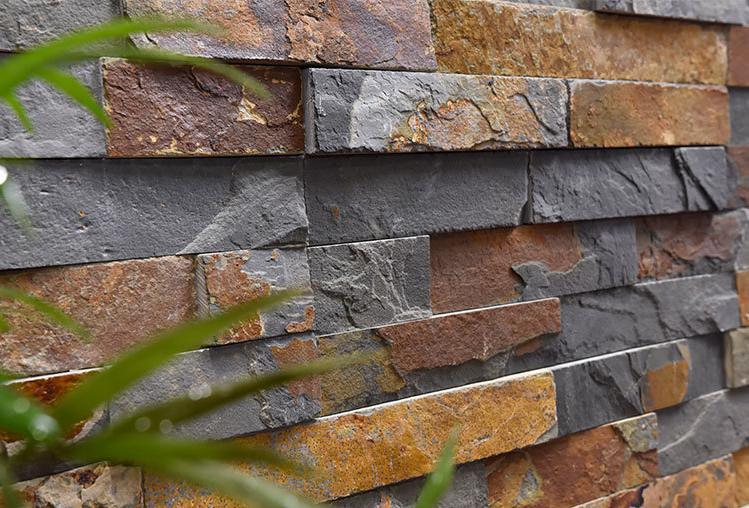
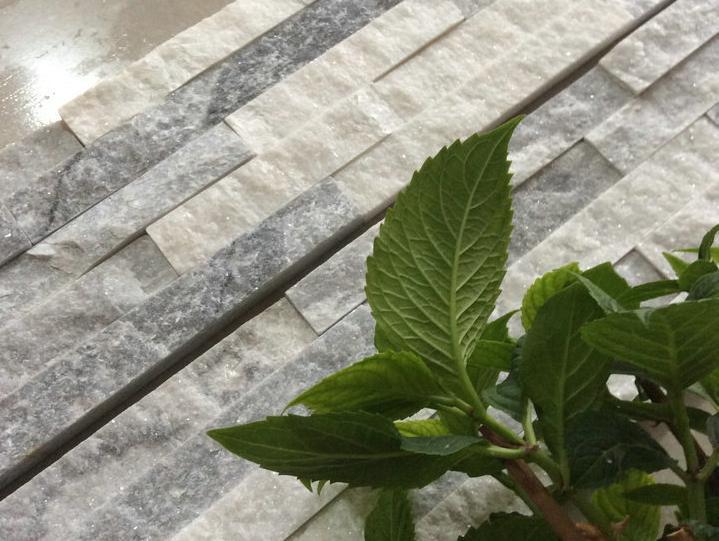
Stone veneer panels represent a revolutionary advancement in wall cladding technology. These engineered products feature natural stone pieces precisely cut and assembled onto a backing material, creating panels that fit together seamlessly. The stacked stone interlocking panels design allows for significantly faster installation compared to individual stone placement.
Material Composition of Modern Stone Panels
Modern stacked stone siding panels typically incorporate:
| Component | Description | Function |
|---|---|---|
| Natural Stone Face | Quarried stone (slate, quartzite, limestone, etc.) | Provides authentic appearance and texture |
| Backing Material | Cement, fiberglass, or composite material | Supports stone pieces and enables interlocking |
| Interlocking Mechanism | Precision-engineered edges | Creates seamless connections between panels |
| Waterproofing Treatment | Sealants and water-resistant compounds | Enhances durability in various environmental conditions |
What Is Traditional Tile? Ceramic, Porcelain, and Installation Norms
Traditional tile has been a staple in construction for centuries, offering versatility across numerous applications. Unlike stacked stone, tile products are manufactured through firing processes that transform clay materials into durable, uniform pieces.
Common Traditional Tile Categories
The tile category encompasses several distinct product types, each with specific characteristics:
| Tile Type | Composition | Typical Applications |
|---|---|---|
| Ceramic | Clay fired at lower temperatures | Interior walls, lower-traffic areas |
| Porcelain | Dense clay fired at high temperatures | Floors, high-moisture environments |
| Natural Stone Tile | Cut individual stone pieces | Premium applications, feature areas |
| Glass Tile | Melted silica formed into tiles | Decorative accents, backsplashes |
Key Differences in Composition and Construction
The fundamental differences between these materials extend far beyond aesthetics. Understanding these distinctions helps contractors and homeowners make informed decisions that align with project requirements and long-term performance expectations.
Installation Efficiency Comparison
Learning how to install interlocking stone panels reveals significant advantages over tile installation. The engineered nature of stacked stone panels dramatically reduces labor requirements and installation timelines. While tile installation demands meticulous individual placement, stacked stone panels cover larger areas quickly with fewer seams.
Why This Choice Matters for Contractors and Homeowners
Your selection between these materials impacts not just appearance but also project timelines, maintenance requirements, and long-term performance. Suppliers like Top Source Slate offer interlocking systems that streamline procurement processes, providing direct-from-factory delivery that reduces project timelines significantly.
Decision Factors for Material Selection
| Consideration | Stacked Stone Panels | Traditional Tile |
|---|---|---|
| Installation Speed | Fast (up to 5x quicker than individual stones) | Moderate to slow (individual placement) |
| Labor Costs | Lower (reduced installation time) | Higher (more precision work required) |
| Material Cost | Premium initial investment | Variable (from economical to luxury) |
| Dimensional Stability | Excellent (factory-controlled) | Excellent (uniform production) |
While aesthetics often drive initial interest in stacked stone, the installation efficiency through interlocking systems represents a major advantage that significantly reduces labor costs—a benefit that deserves greater attention in material selection conversations.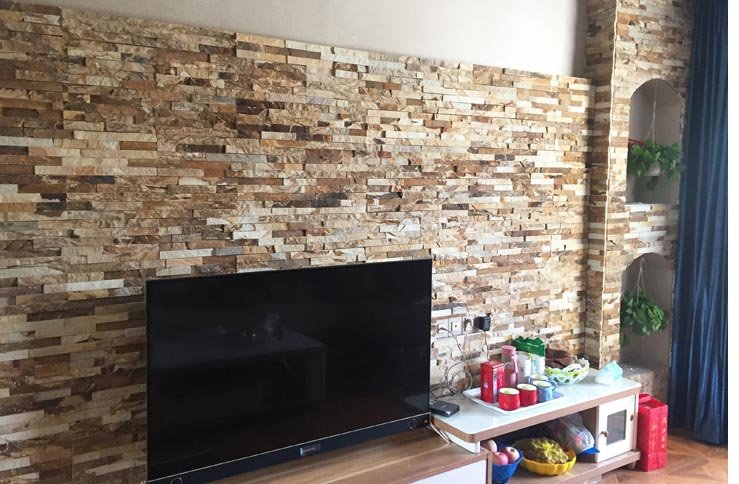
Cost Comparison: Breaking Down the Numbers
When evaluating wall cladding options for your project, understanding the complete cost picture beyond just material prices is essential. As someone who has analyzed thousands of construction budgets over 15 years in the industry, I’ve observed that the true cost advantage of stacked stone interlocking panel systems often becomes apparent only when examining all financial factors. Let’s break down these costs comprehensively to guide your procurement decisions.
Installation Costs: Labor Time and Skill Requirements
The most significant yet frequently overlooked cost factor in any wall covering project is installation labor. Stone cladding panels and traditional tile differ dramatically in their labor requirements, directly impacting your bottom line.
Installation Labor Comparison
| Installation Factor | Stacked Stone Panels | Traditional Tile |
|---|---|---|
| Average Installation Rate | 40-50 sq ft per day per installer | 15-25 sq ft per day per installer |
| Skill Level Required | Moderate (carpentry skills) | High (specialized tile setting) |
| Labor Cost Range (per sq ft) | $4.50-$7.00 | $7.00-$12.00 |
| Additional Materials Needed | Adhesive, fasteners | Thinset, grout, spacers, sealer |
The stacked stone panels interlocking design creates a significant labor advantage, reducing installation time by up to 60% compared to individual tile placement. This efficiency translates directly to labor cost savings, particularly valuable for large commercial projects.
Material Costs: Natural Stone vs. Faux Panels vs. Tile
Initial material costs vary widely across options, with natural stone generally commanding premium pricing over manufactured alternatives. However, evaluating only the per-unit price fails to capture the complete cost picture.
Material Price Comparison
| Material Type | Average Cost Range (per sq ft) | Typical Lifespan |
|---|---|---|
| Natural Stone Panels | $12-$25 | Lifetime (50+ years) |
| Faux Stone Panels | $6-$15 | 15-25 years |
| Ceramic Tile | $2-$8 | 20+ years |
| Porcelain Tile | $3-$10 | 30+ years |
Hidden Savings: Coverage Efficiency and Waste Reduction
Understanding stacked stone panel coverage per square foot reveals significant efficiency advantages. Standard panels cover larger areas with fewer seams, reducing waste substantially compared to individual tile installation.
Material waste represents a hidden cost that can significantly impact budgets:
| Material Type | Typical Waste Factor | Coverage Efficiency |
|---|---|---|
| Stacked Stone Panels | 5-8% | High (interlocking design) |
| Traditional Tile | 10-15% | Moderate (individual placement) |
| Individual Stone Veneer | 15-20% | Low (irregular shapes) |
Budgeting Tips for Commercial Projects
For large-scale commercial applications, the cost advantages of engineered stone solutions become even more pronounced. Working directly with manufacturers like Top Source Slate provides consistent pricing through direct-from-factory procurement, eliminating distributor markups.
Commercial Project Cost Optimization Strategies
| Cost Factor | Optimization Strategy | Potential Savings |
|---|---|---|
| Material Acquisition | Direct manufacturer sourcing | 15-25% below distributor pricing |
| Installation Timeline | Interlocking panel systems | 40-60% reduction in labor hours |
| Project Scheduling | Faster installation timeline | Earlier project completion (indirect savings) |
| Material Quantity | Precise panel dimensioning | 5-10% reduction in material waste |
While the aesthetic impact of stone cladding often drives initial interest, the installation efficiency through interlocking systems represents a substantial financial advantage that significantly reduces total project costs—making these systems increasingly attractive for cost-conscious commercial developers.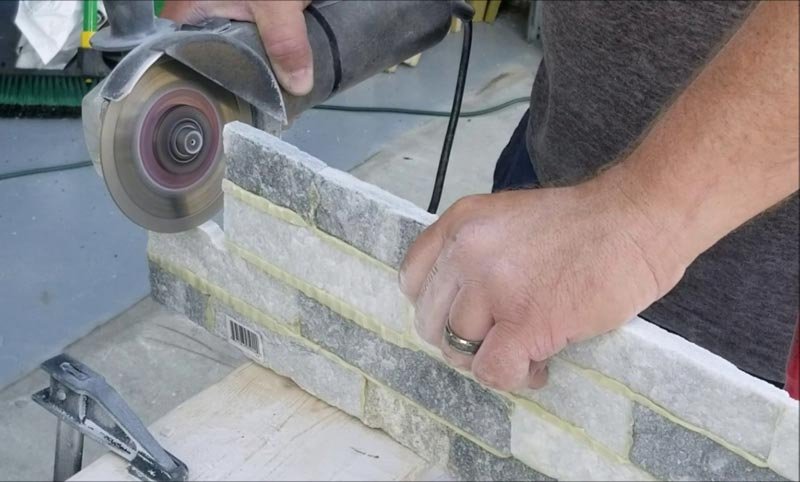
Durability Showdown: Which Option Lasts Longer?
When evaluating wall cladding materials for long-term investments, durability becomes the defining factor separating exceptional choices from merely adequate ones. Drawing from my 15 years of industry experience, I’ve observed how stacked stone interlocking panel systems and traditional tile perform across diverse environmental conditions and usage scenarios. This analysis provides a data-driven assessment of their comparative longevity.
Weather Resistance: Exterior Applications Compared
Natural stone panels demonstrate superior resilience against environmental stressors compared to most tile options. This performance difference becomes particularly pronounced in exterior applications where materials face constant exposure to elements.
Climate Resilience Metrics
| Environmental Factor | Stacked Stone Panels | Traditional Tile |
|---|---|---|
| Freeze-Thaw Cycling | Excellent (minimal expansion) | Variable (grout susceptible to cracking) |
| UV Exposure Resistance | Superior (natural color stability) | Good to Poor (depends on tile type/glaze) |
| Moisture Resistance | Excellent with proper sealing | Variable (grout lines remain vulnerable) |
| Salt Exposure Tolerance | High (coastal application suitable) | Moderate (grout deterioration risk) |
The dry stack stone configuration, particularly with properly sealed natural materials, creates a highly weather-resistant surface that maintains structural integrity through seasonal changes. In contrast, tile installations often show vulnerability at grout lines, which can deteriorate faster than the tiles themselves.
Wear and Tear: High-Traffic Area Performance
For commercial applications where durability under constant use becomes critical, the material composition significantly impacts performance longevity. The stacked stone interlocking panels design distributes weight loads more effectively than individual tiles.
Impact and Abrasion Resistance
| Performance Metric | Natural Stone Panels | Ceramic/Porcelain Tile |
|---|---|---|
| Impact Resistance | High (composite backing absorbs impact) | Moderate to Poor (brittle under direct impact) |
| Scratch Resistance | Excellent (7-8 Mohs hardness for most natural stone) | Variable (4-7 Mohs hardness depending on type) |
| Surface Wear Rating | Class IV-V (highest durability) | Class I-V (varies widely by product) |
Maintenance Requirements: Stone vs. Tile Upkeep
Long-term durability is directly linked to maintenance demands. A comprehensive natural vs faux stacked stone panels comparison must account for ongoing maintenance requirements that impact both appearance and structural integrity over time.
Maintenance Comparison
The maintenance profile between these materials differs significantly:
| Maintenance Factor | Natural Stone Panels | Traditional Tile |
|---|---|---|
| Resealing Frequency | Every 3-5 years | Grout lines: 1-2 years |
| Cleaning Complexity | Moderate (texture requires appropriate techniques) | Variable (grout lines require special attention) |
| Repair Feasibility | Moderate (panel replacement) | Simple (individual tile replacement) |
Real-World Examples: Lifespan Data Insights
Empirical evidence from completed projects provides the most reliable durability insights. Our data from commercial installations demonstrates that natural stone panels from quality suppliers like Top Source Slate consistently outperform ceramic and porcelain tile in exterior applications.
Material Lifespan Projections
| Application Environment | Natural Stone Panels Expected Lifespan | Tile Installation Expected Lifespan |
|---|---|---|
| Exterior Commercial Facades | 50+ years | 25-35 years |
| Interior High-Traffic Commercial | 35+ years | 20-30 years |
| Residential Exterior | Lifetime (50+ years) | 30-40 years |
While aesthetic considerations often drive initial material selection, the superior durability profile of properly manufactured stone panels translates to significantly lower lifetime costs despite higher initial investment—making them increasingly attractive for quality-focused commercial applications.
Design Flexibility: Aesthetics and Applications
When evaluating wall covering materials, design versatility often becomes the decisive factor for both architects and homeowners. In my 15 years specializing in stone products, I’ve observed how stacked stone interlocking panel systems offer distinct aesthetic advantages over traditional tile options. This analysis explores their respective design capabilities, customization potential, and application versatility across residential and commercial projects.
Aesthetic Variety: Textures, Colors, and Finishes
Both stacked stone and traditional tile offer considerable aesthetic range, but their visual characteristics differ fundamentally. The natural variations inherent in stone panels provide depth and dimension that manufactured tile products typically cannot replicate authentically.
Surface Characteristics Comparison
| Aesthetic Element | Stacked Stone Panels | Traditional Tile |
|---|---|---|
| Texture Range | Natural variations with split-face texture options | Primarily smooth with limited embossed options |
| Color Consistency | Natural variation within controlled parameters | High consistency across production lots |
| Light Reflection | Multi-dimensional (varies across surface) | Uniform (consistent across surface) |
| Finish Options | Natural, honed, polished, tumbled | Glazed, matte, polished, textured |
Customization Options: Tailored Sizes and Styles
Modern manufacturing techniques have significantly expanded customization possibilities for both materials, though their base characteristics create different design parameters. Stacked stone siding offers dimensional versatility while maintaining its characteristic layered appearance.
Customization Parameters Comparison
| Customization Factor | Stacked Stone Panels | Traditional Tile |
|---|---|---|
| Size Variety | Standard panels with custom length options | Extensive range from mosaic to large format |
| Pattern Versatility | Linear, random, ashlar, split-face texture | Grid, herringbone, basketweave, chevron |
| Edge Treatment Options | Corner pieces, finished edges, staggered ends | Bullnose, pencil, rectified, beveled |
| Custom Color Options | Limited by natural stone varieties | Virtually unlimited with manufactured colors |
Interior vs. Exterior Use Cases: From Fireplaces to Facades
Application versatility differs significantly between these materials, with the stacked stone interlocking panels design offering particular advantages for specific installations. Understanding performance characteristics in various environments is crucial for appropriate material selection.
Application Suitability Ratings
| Application | Stacked Stone Panels | Traditional Tile |
|---|---|---|
| Fireplaces | Excellent (natural heat resistance) | Good (with appropriate materials) |
| Exterior Facades | Superior (weather resistant) | Variable (material-dependent) |
| Kitchen Backsplashes | Good (requires proper sealing) | Excellent (easy cleaning) |
| Shower Surrounds | Limited (requires significant sealing) | Excellent (purpose-designed) |
For residential applications, the best interlocking stone panels for fireplaces tend to be those featuring natural slate or quartzite, which provide superior heat resistance while delivering dramatic visual impact that ceramic tile struggles to match.
Design Trends for 2025: What’s Driving Choices
Current market analysis reveals evolving preferences that influence material selection decisions. The design trajectory for both residential and commercial applications shows distinctive pattern emergence.
Trend Forecast Analysis
| Design Trend | Impact on Stone Panel Demand | Impact on Tile Demand |
|---|---|---|
| Biophilic Design | Strong positive (natural material) | Neutral (depends on aesthetic) |
| Minimalist Aesthetics | Moderate (textural interest) | Strong positive (clean lines) |
| Mixed Material Installations | Strong positive (complementary element) | Strong positive (versatile pairings) |
| Sustainability Focus | Positive (natural, durable material) | Variable (manufacturing dependent) |
While aesthetic considerations drive material selection, Top Source Slate’s customizable panels meet diverse design needs while offering significant installation efficiency—an often understated advantage that reduces labor costs substantially for commercial installations.
Making the Choice: Pros, Cons, and Next Steps
After examining the various aspects of wall cladding options, it’s time to consolidate our findings into actionable insights. As someone with extensive experience in the stone industry, I’ve guided numerous clients through this decision-making process, focusing on the practical implications of choosing between stacked stone interlocking panels systems and traditional tile. Below, I’ve synthesized the key considerations to facilitate your selection process.
Pros and Cons Table: Stacked Stone Panels vs. Tile
This comprehensive comparison addresses the critical factors that influence material selection for both residential and commercial applications:
| Factor | Stacked Stone Panels | Traditional Tile |
|---|---|---|
| Initial Cost | Higher ($12-25/sq ft) | Lower to moderate ($2-10/sq ft) |
| Installation Labor | Lower (40-50 sq ft/day per installer) | Higher (15-25 sq ft/day per installer) |
| Durability | Superior (50+ year lifespan) | Good to excellent (20-40 year lifespan) |
| Weather Resistance | Excellent | Variable (grout vulnerability) |
| Design Versatility | Natural textures, limited color range | Extensive pattern and color options |
The stacked stone vs tile cost comparison reveals that while initial material expenses are higher for stone panels, the reduced installation labor often balances the overall project budget, particularly for larger commercial installations.
Decision-Making Checklist: Key Factors to Consider
To determine the optimal material for your specific project, evaluate these critical considerations:
Project-Specific Evaluation Criteria
| Decision Factor | Choose Stacked Stone Panels If: | Choose Traditional Tile If: |
|---|---|---|
| Application Location | Exterior facades, feature walls, fireplaces | Bathrooms, kitchens, high-moisture areas |
| Budget Priority | Long-term value, reduced labor costs | Lower initial investment, DIY installation |
| Performance Needs | Impact resistance, weather exposure | Water resistance, easy cleaning |
| Design Goal | Natural texture, dimensional depth | Precise patterns, color consistency |
Supplier Partnerships: Ensuring Quality and Delivery
Material quality varies significantly between manufacturers. Stone veneer panels particularly benefit from rigorous production standards and quality control procedures. For commercial-scale projects, partnering with established suppliers like Top Source Slate provides critical advantages through consistent manufacturing processes and reliable global logistics.
Supplier Evaluation Metrics
| Evaluation Criteria | Quality Indicators | Risk Factors |
|---|---|---|
| Manufacturing Experience | Established production history (5+ years) | Limited production track record |
| Quality Control | Multi-stage inspection protocols | Minimal quality verification |
| Supply Chain Reliability | Direct manufacturing, streamlined logistics | Multiple intermediaries, extended lead times |
| Customization Capability | Flexible specifications, material options | Limited standard offerings only |
Next Steps: How to Source and Start Your Project
Once you’ve determined whether stacked stone interlocking panels systems or traditional tile best suits your project requirements, follow this implementation roadmap:
Project Implementation Process
| Phase | Action Items | Timing Considerations |
|---|---|---|
| Material Specification | Request samples, verify colors/textures | 2-3 weeks before ordering |
| Quantity Calculation | Calculate square footage plus 5-15% overage | Prior to procurement |
| Supplier Selection | Evaluate faux stone panels vs natural options | Based on budget and performance needs |
| Order Placement | Secure production slot with deposit | 4-8 weeks before installation date |
While the aesthetic impact of stone cladding often drives initial interest, the significant labor efficiency through interlocking systems represents a substantial but frequently overlooked advantage, potentially reducing installation costs by 30-50% compared to individual stone placement techniques.
Conclusion
After 15 years in the stacked stone industry, I’ve seen how stacked stone interlocking panels systems outshine traditional tile in installation speed, durability, and long-term value. While tile offers versatility and lower initial costs, stacked stone’s efficiency—up to three times faster to install—and superior weather resistance make it a standout choice for projects prioritizing savings and longevity. From cost breakdowns to design flexibility, the data shows each material has its strengths, but the decision hinges on your project’s unique needs.
I’m Coco from Top Source Slate, where we’ve honed our expertise to deliver premium stone solutions direct from the factory. With a passion for maximizing value without cutting corners, my team and I are here to guide you toward the best choice—ensuring your next build is both stunning and smartly executed.