بركة سباحة ذات جودة عالية & يعد تركيب الشلال بمثابة حجر الزاوية في المناظر الطبيعية الفاخرة، ولكن التنفيذ غير السليم يؤدي إلى الاضمحلال الهيكلي والمسؤولية المالية الكبيرة للمقاولين. تعرض البيئات المغمورة الحجر الطبيعي للضغط الهيدروستاتيكي المستمر والمواد الكيميائية المسببة للتآكل التي تكشف بسرعة العيوب في تقنيات البناء التقليدية. غالبًا ما يؤدي الفشل في أخذ هذه المتغيرات في الاعتبار إلى طحن الحجارة، وتدمير بطانات حمامات السباحة، وإصلاح الموقع المكلف الذي يؤدي إلى تآكل هوامش الربح والإضرار بالسمعة المهنية.
يوفر هذا الانهيار الفني البروتوكولات المحددة اللازمة للتعامل مع الحجر في المناطق ذات الرطوبة العالية والبيئات المائية القاسية. نحن نغطي اختيار المواد غير المسامية مثل الكوارتزيت لمقاومة التآكل الكيميائي والاستخدام الإلزامي لملاط كامل الطبقة لإزالة الفراغات الداخلية حيث يمكن أن تتجمع المياه. توضح هذه الصفحات أيضًا ضرورة عزل القشرة وتسرب المياه إدارة الجريان السطحي الثانوي لمنع تلطيخ ونمو الطحالب، ووضع إجراءات تشغيل قياسية موثوقة لكل مشروع خاص بالمياه المغمورة.
لماذا تعتبر بيئات حمامات السباحة هي الاختبار النهائي لالتصاق الحجر؟
موضوع البيئات المائية القشرة الحجرية إلى ثلاثية عقابية من الأكسدة الكيميائية، والتمدد الحراري، والضغط الهيدروستاتيكي الذي من شأنه أن يضر بأي نظام ربط غير مصمم لتشبع الرطوبة بنسبة 100%.
المرونة الكيميائية في المياه المعالجة
تخلق كيمياء مياه حمامات السباحة في عام 2026 بيئة مؤكسدة لا هوادة فيها. غالبًا ما تفتقر مدافع الهاون القياسية الرفيعة إلى الكثافة الجزيئية المطلوبة لمقاومة التعرض طويل المدى لأنظمة ORP (إمكانية تقليل الأكسدة) العالية ومستويات الأس الهيدروجيني المتقلبة. يؤدي هذا الإجهاد الكيميائي إلى أ “الطباشير” تأثير على واجهة الرابطة، مما يؤدي في النهاية إلى تفتيت الحجارة أو تحولها مع ذوبان المصفوفة الأسمنتية.
- يمكن للمعالجات الكيميائية في أنظمة حمام السباحة 2026 أن تؤدي إلى تحلل الملاط القياسي الرقيق بمرور الوقت.
- توفر المواد اللاصقة المصنوعة من راتنجات الإيبوكسي عالية القوة حاجزًا غير تفاعلي يمنع تشقق الحجارة.
- الألواح الحجرية الطبيعية تظل خاملة، مما يضمن عدم تلاشي المظهر الجمالي أو التفاعل مع مطهرات حمام السباحة.
الدراجات الحرارية والضغط الهيدروستاتيكي
تواجه ميزات المياه الخارجية فروقًا شديدة في درجات الحرارة حيث حرارة الأسطح الحجرية تحت الإشعاع الشمسي المباشر وتنكمش على الفور عندما تضربها رذاذ الماء البارد. يفرض هذا التدوير الحراري السريع توسعًا وانكماشًا مستمرًا، مما يؤدي إلى إجهاد القص عند خط الرابطة. بدون آلية ربط مرنة، تظهر هذه الحركات الدقيقة على شكل كسور شعرية في الركيزة أو فشل كامل للرابطة.
- يؤدي ضوء الشمس المباشر الذي يتبعه رذاذ الماء البارد إلى تمدد الحجر وانكماشه.
- تعمل تصميمات لوحة Z المتشابكة على توزيع الضغط الجسدي عبر السطح بأكمله بدلاً من الحجارة الفردية.
- تمتص أنظمة الربط المرنة الحركات الدقيقة، وتمنع التشققات أثناء دورات التجميد والذوبان الشائعة في البيئات الخارجية.
سلامة السندات في المناطق ذات الرطوبة العالية
تعتمد سلامة السندات على إزالة الجيوب المجوفة الشائعة في البناء التقليدي. المياه محاصرة خلف أ تمارس الألواح الحجرية ضغطًا هيدروستاتيكيًا يمكن أن يؤثر على التثبيت من الداخل الى الخارج. بحلول عام 2026 للمعايير المعمارية، يعد تحقيق تغطية الملاط بنسبة 100٪ أمرًا إلزاميًا لمنع هجرة المياه والتطور اللاحق للإزهار أو التآكل الهيكلي.
- غالبًا ما يفشل البناء التقليدي بسبب تسرب الماء خلف الحجر وتآكل الرابطة.
- نحن نستخدم راتنجات الإيبوكسي المطبقة في المصنع لإنشاء اتصال دائم ومقاوم للماء بين الحجر واللوحة شبكة.
- تضمن مراقبة الجودة الصارمة أثناء عملية التصنيع المكونة من ثلاث مراحل أن كل لوحة تلبي المعايير المعمارية لعام 2026 للسلامة المائية.
الكلور مقابل المياه المالحة: اختيار الحجر الطبيعي الذي لن يتفكك
تتطلب أنظمة حمامات المياه المالحة أحجارًا عالية الكثافة وغير مسامية مثل الكوارتزيت لمنع تبلور الملح والتشظي تحت السطح الذي يؤدي عادةً إلى تدمير المواد الرسوبية الأكثر ليونة.
مخاطر التآكل الكيميائي وتبلور الملح
تقوم مولدات حمامات المياه المالحة بإدخال كلوريد الصوديوم الذي يخترق المسام المجهرية الحجر الطبيعي. ومع تبخر الماء، يظل الملح محصورًا داخل الهيكل الحجري ويبدأ في التبلور. يخلق هذا النمو ضغطًا داخليًا هائلاً، مما يؤدي إلى عملية مدمرة تسمى التشظي. ستشاهد هذا واضحًا على شكل تقشر أو تقشير أو تساقط طبقات رقيقة من سطح الحجر، مما يؤدي في النهاية إلى الإضرار بالحجر بأكمله لوحة دفتر الأستاذ.
تمثل حمامات الكلور القياسية مجموعة مختلفة من التحديات. في حين أنها أقل عرضة للتسبب الهيكلي “انفجار” من بلورات الملح، تعمل تركيزات الكلور العالية كعامل مؤكسد قوي. يؤدي هذا التفاعل الكيميائي غالبًا إلى تبييض السطح أو بهتان اللون بشكل ملحوظ، خاصة في الأحجار ذات المحتوى المعدني العضوي العالي. يجب أن يأخذ الاختيار المناسب للمواد في الاعتبار كلاً من الضغط الميكانيكي للملح والتفاعل الكيميائي للكلور لضمان بقاء التركيب سليمًا لعقود من الزمن.
الكوارتزيت عالي الكثافة كمعيار الصناعة لعام 2026
برز الكوارتزيت باعتباره الخيار الأول للبيئات المائية بسبب كثافته المعدنية الاستثنائية ومعدلات امتصاصه المنخفضة. مع معدل صلابة موس يتجاوز 7، فإن الكوارتزيت يقاوم المادة الكيميائية “النقش” شائع في التطبيقات المغمورة أو منطقة الرش. يستخدم معيار التصنيع لعام 2026 للمشاريع المتميزة على مسافة 10 أقدام من حوض السباحة دقة الشفرة الماسية باستخدام الحاسب الآلي لضمان توافق محكم وسلس، مما يحد بشكل طبيعي من مساحة السطح المعرضة لدخول المواد الكيميائية.
| نوع المواد | متانة المياه المالحة | عامل الخطر الأساسي |
|---|---|---|
| الكوارتزيت (رمادي ألاسكا) | ممتاز (غير مسامي) | الحد الأدنى / التحجيم السطحي |
| الحجر الجيري | معتدل | تأليب / التجويف |
| الحجر الرملي | فقير | التفكك الهيكلي |
أنماط التدهور في الحجارة الرسوبية المسامية
تعمل الأحجار الرسوبية مثل الحجر الرملي وبعض أنواع الحجر الجيري مثل الإسفنج في أماكن بجانب حمام السباحة. إنهم يسحبون المياه الثقيلة المملحة إلى عمق لوحة دفتر الأستاذ الأساسية من خلال العمل الشعري. وعندما تجفف الشمس الحجر فإن تمدد الملح الداخلي يسبب ظاهرة تعرف باسم “الصنفرة.” يتحول الحجر حرفيًا إلى حبيبات رملية، ويفقد قوامه وسلامته الهيكلية على مدى بضعة مواسم قصيرة. يؤدي هذا إلى ارتفاع تكاليف الاستبدال والفوضى المستمرة لجزيئات الرمل في نظام ترشيح حوض السباحة.
- تترك مولدات حمامات المياه المالحة بقايا معدنية تتدلى في الشقوق الطبيعية.
- تعمل دورات الترطيب والتجفيف المستمرة على تسريع تآكل السطح في المواد منخفضة الكثافة.
- تزيد الحجارة المسامية من خطر الإزهار - وهي رواسب معدنية بيضاء تدمر جمالية الحجر.
بروتوكولات الختم للتخفيف من التآكل الكيميائي
حماية طبيعة الحجر تتطلب الجمالية مواد مانعة للتسرب عالية الأداء. على عكس الموضعي “تشكيل الفيلم” المواد المانعة للتسرب التي يمكن أن تتقشر عند تعرضها للأشعة فوق البنفسجية والمواد الكيميائية في حمام السباحة، وتستقر المواد المانعة للتسرب المخترقة تحت السطح. إنها تمنع جزيئات الماء والملح من دخول الحجر بينما تسمح للمادة بذلك “يتنفس” خارج الرطوبة الداخلية. وهذا يمنع الضغط الهيدروستاتيكي من دفع المادة المانعة للتسرب خارج الحجر من الداخل إلى الخارج.
يجب على القائمين على التركيب وضع مادة مانعة للتسرب على كل حافة مكشوفة من حجر دفتر الأستاذ لمنع “فتل” من الجوانب أو الخلف. يتضمن جدول الصيانة القوي التنظيف باستخدام عوامل محايدة للأس الهيدروجيني للحفاظ على سلامة المادة المانعة للتسرب. سيؤدي استخدام المنظفات الحمضية القاسية إلى تجريد الطبقة الواقية وحفر الحجر مما يجعله عرضة لأضرار الملح والكلور ذاتها التي تحاول تجنبها.
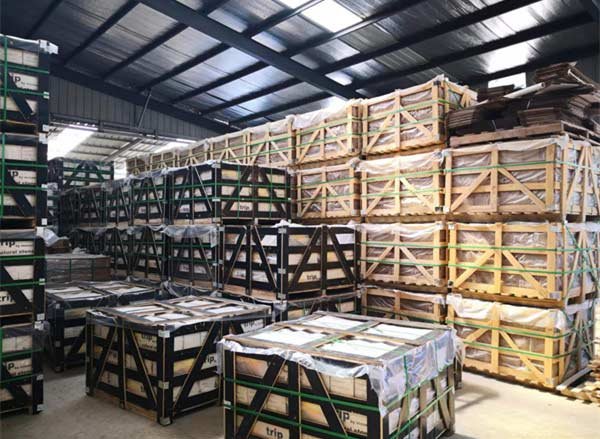
ألواح دفاتر حجرية مكدسة ممتازة من المصنع مباشرة
لماذا “سرير كامل” الملاط إلزامي لميزات المياه المغمورة؟
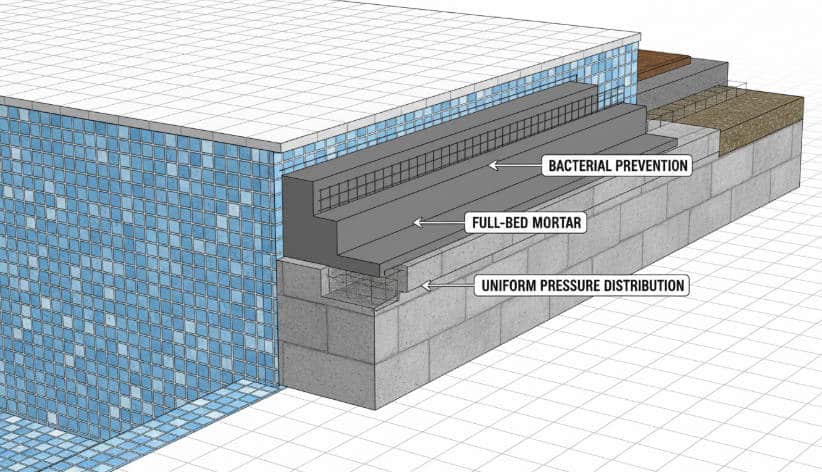
مغمورة المنشآت الحجرية تفشل عندما تصبح الفجوات الهوائية خزانات مياه مضغوطة؛ يعد تطبيق الملاط الكامل بنسبة 100٪ هو الطريقة الوحيدة للقضاء على الجيوب الراكدة التي تسبب نمو البكتيريا وانفصال الروابط.
القضاء على الفراغات المجوفة وجيوب المياه الراكدة
لا يزال العديد من المثبتين يعتمدون على الترابط الموضعي أو “ربت” طرق لتوفير الوقت، ولكن هذه التقنيات تخلق فجوات هوائية خطيرة في البيئات المائية. وفي البيئة المغمورة بالمياه، يجد الماء طريقه في النهاية إلى هذه التجاويف. تصبح المياه المحاصرة راكدة، مما يخلق أرضًا خصبة للبكتيريا والعفن الذي يأكل رابطة الملاط من الداخل إلى الخارج. بمعايير 2026، نحن نعتبر أي فراغ وراء أ لوحة الحجر نقطة الفشل الحتمي.
- يؤدي تطبيق السرير الكامل إلى إزالة الأكسجين والمساحة اللازمة لنمو المستعمرات البكتيرية.
- إزالة جيوب الهواء يمنع “صوت جوفاء” غالبًا ما يُسمع في جدران حمام السباحة سيئة التركيب.
- تضمن التغطية بنسبة 100% أن الرابطة الكيميائية للمجموعة الرفيعة تكون متسقة عبر الركيزة بأكملها.
| طريقة التثبيت | تغطية الملاط | المخاطر المائية الأولية |
|---|---|---|
| الربط الموضعي (التربيت) | 30% – 50% | تعشيش المياه الراكدة & الاضمحلال البكتيري |
| مجرفة & زبدة خلفية | 80% – 90 ٪ | إزهار طفيف في نقاط الضعف المشتركة |
| سرير كامل (قياسي) | 100 ٪ | الحد الأدنى؛ الحد الأقصى لطول العمر الهيكلي |
إدارة الضغط الهيدروستاتيكي وقوة الروابط الهيكلية
مغمورة الألواح الحجرية مواجهة الضغط الهيدروستاتيكي المستمر. تبحث هذه القوة عن أي نقطة ضعف أو جيب هوائي للدفع ضدها. تعمل طبقة الملاط الكاملة كمثبت هيكلي عن طريق توزيع هذا الضغط بالتساوي عبر الجدار. نرى عددًا أقل من التشققات الألواح عند الحجر لديه دعم موحد. بدون ذلك، يمكن للألواح مقاس 6 × 24 بوصة أن تتحرك أو ترتخي لأن حركة الماء تخلق ضغطًا ميكانيكيًا على نقاط الترابط غير المستوية.
تقليل ترشيح المعادن والإزهار السطحي
الإزهار هو فشل في العزل المائي، وليس مجرد فشل تجميلي. ويحدث ذلك عندما يتحرك الماء عبر الملاط ويذيب الأملاح ويحملها إلى سطح الحجر. عن طريق ملء المساحة بأكملها بين اللوحة والجدار، نحن نقيد تدفق المياه. إذا لم يتمكن الماء من التحرك خلف الحجر، فلن يتمكن من نقل المعادن التي تسبب تلطيخ اللون الأبيض. تعد المجموعات الرفيعة عالية الأداء والمعدلة بالبوليمر ضرورية هنا للحفاظ على رابطة كيميائية مستقرة ضد المواد الكيميائية العدوانية.
دعم أوزان الألواح الثقيلة في الظروف الرطبة
ألواح حجرية مكدسة طبيعية ثقيلة، وتزن عادةً ما بين 8 و13 رطلاً لكل قدم مربع. في بيئة مشبعة، يضع هذا الوزن طلبًا هائلاً على الرابطة اللاصقة العمودية. توفر الملاط ذو الطبقة الكاملة الحد الأقصى لمساحة السطح المطلوبة للحفاظ على ثقلها ألواح الأردواز والكوارتزيت يؤمن. نحن نستخدم هذه الطريقة جنبًا إلى جنب مع راتنجات الإيبوكسي عالية القوة المطبقة في المصنع لضمان التثبيت الدائم لأغلفة الخرسانة أو الألواح الأسمنتية.
- الحد الأقصى لمنطقة الاتصال يمنع الألواح من “انزلاق” أثناء عملية المعالجة.
- التغطية الكاملة تعمل مع الحجر طبيعي المسامية لإنشاء قفل ميكانيكي.
- تشغيل دقة شفرة الماس باستخدام الحاسب الآلي أعلى المصدر حجر تضمن المنتجات أن يكون السطح الخلفي مسطحًا من أجل انتشار الملاط بشكل مثالي.
إدارة الإزهار: لماذا يعتبر الصرف المناسب هو مفتاح الجمال بجانب حمام السباحة؟
الإزهار هو فشل هيكلي في العزل المائي وليس عيبًا حجريًا، يحدث عندما تنقل الرطوبة المحتبسة الأملاح القابلة للذوبان من الركيزة إلى السطح أثناء التبخر.
تحديد مصدر الرواسب المعدنية البيضاء
يظهر الإزهار على شكل رواسب مسحوقية بيضاء طباشيرية عندما يذيب الماء المعادن مثل كربونات الكالسيوم داخل الملاط أو الركيزة. تخلق بيئات حمامات السباحة دورة لا هوادة فيها من التعرض للرطوبة والتبخر، والتي تعمل كمحرك أساسي لانتقال هذه الأملاح نحو الوجه الحجري. بالنسبة للمنشآت الراقية، فإن هذه الرواسب تحجب القوام الأصيل للصخور الطبيعية أو الكوارتزيت، مما يقلل من التأثير المعماري للحجر.
- تنتقل الأملاح الذائبة من قاعدة الإعداد عبر المسام الشعرية للحجر.
- يوفر الرش المستمر الرطوبة المستمرة اللازمة لهجرة المعادن.
- الركائز الجافة هي الطريقة الوحيدة لضمان اللون الطبيعي للحجر يبقى نابضا بالحياة.
تصميم المنحدرات لمنع ركود المياه
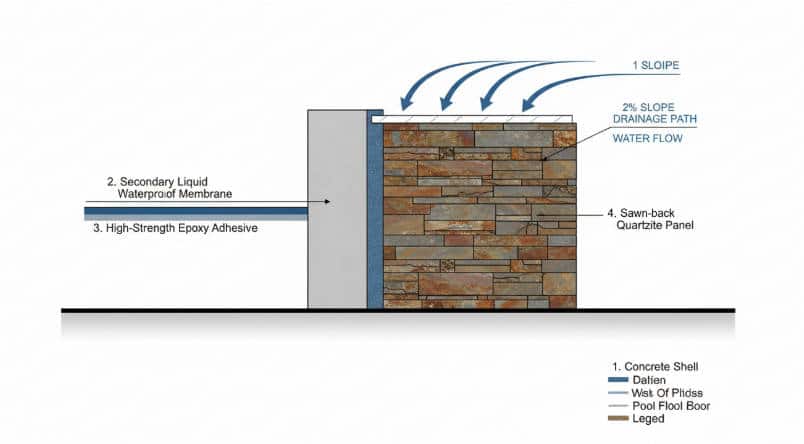
يضمن تصميم الصرف المناسب هروب المطر والمطر من الحجر بدلاً من نقعه في قاعدته. يفرض كبار مهندسي المناظر الطبيعية في عام 2026 حدًا أدنى بنسبة 2٪ لجميع الأسطح المجاورة الجدران الحجرية. عندما تتجمع المياه عند سفح أ جدار الحجر دفتر الأستاذ، فهو يتطاير للأعلى من خلال العمل الشعري، مما يؤدي إلى تشبع مجموعة البناء وتحفيز ترشيح المعادن من الأسفل إلى الأعلى.
- تمنع أسطح المشي المنحدرة الماء من الجلوس على حافة الحجر.
- تعمل إدارة الجريان السطحي على تقليل الضغط الهيدروستاتيكي الذي يدفع الماء إلى الركيزة.
- الصرف الاستراتيجي يمنع “تأثير فتل” الذي يسبب تغير اللون على المستوى الأدنى.
وضع حواجز الرطوبة خلف الحجر المكدس
ألواح حجرية مكدسة طبيعية عبارة عن قشور مسامية، وليست حواجز مقاومة للماء. يتطلب الهيكل الأساسي - سواء كان لوح أسمنتي أو كتلة خرسانية - مثبط بخار مخصص أو غشاء مقاوم للماء مطبق بالسائل قبل تطبيق الحجر. يمنع هذا الحاجز الثانوي وصول الماء إلى الأملاح القابلة للذوبان المتأصلة في طبقات التثبيت الأسمنتية التقليدية. المصدر الأعلى المعايير الفنية الحجرية التأكيد على أن المواد اللاصقة الإيبوكسي عالية القوة توفر الرابطة الأكثر موثوقية عندما يظل الجزء الخلفي معزولًا عن الرطوبة الداخلية.
- تعمل الأغشية المقاومة للماء على عزل الحجر عن الركائز الثقيلة بالملح.
- يمنع الجزء الخلفي الجاف فشل الروابط وتصفيحها في المناطق ذات الرطوبة العالية.
- تعطي معايير B2B الحديثة الأولوية للتكرار متعدد الطبقات في أعمال البناء بجانب حمام السباحة.
حماية طويلة الأمد باستخدام المواد المانعة للتسرب الحجرية
إن تطبيق مادة مانعة للتسرب عالية الجودة يخلق سطحًا كارهًا للماء يحد من امتصاص الماء مع الحفاظ على جمالية الحجر. تعتبر المواد المانعة للتسرب من السيلان-سيلوكسان القابلة للتنفس هي المعيار الصناعي لأنها تسمح لأبخرة الماء الداخلية بالهروب بينما تمنع دخول الماء السائل من الخارج. يعد هذا أمرًا حيويًا بشكل خاص بالنسبة للمنتجات ذات الأنسجة العميقة مثل سلسلة Rough and Pencil، حيث يمكن للشقوق احتجاز الرطوبة وتسريع نمو العفن أو الترسبات المعدنية.
- تمنع المواد المانعة للتسرب المخترقة الماء من النقع في قلب الحجر.
- تركيبات قابلة للتنفس تمنع الرطوبة من الانحباس خلف الوجه الحجري.
- الاستخدام المنتظم للمنظفات المحايدة للأس الهيدروجيني يمنع المعادن من التصلب إلى قشرة يصعب إزالتها.
منع نمو الطحالب والعفن في الشقوق الحجرية العميقة
يتطلب التحكم البيولوجي الفعال في بيئات حمامات السباحة التحول من الغسل الكيميائي التفاعلي إلى الختم الجزيئي الاستباقي وتصريف الرطوبة بدقة.
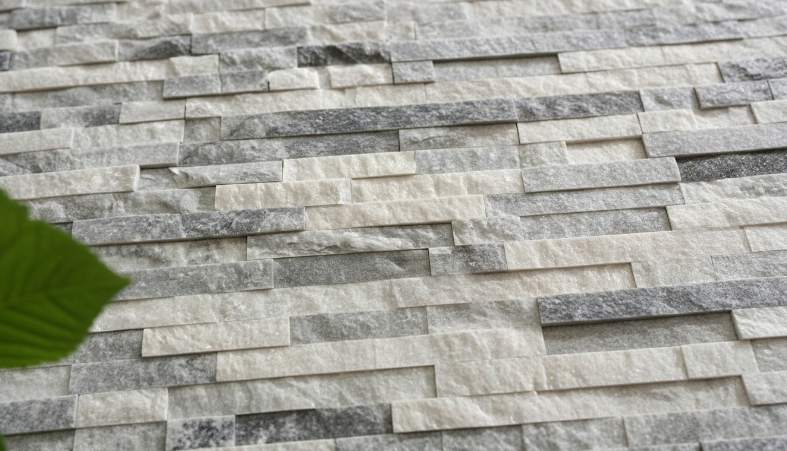
توفر الأحجار ذات النسيج العميق، مثل سلسلة Rough Series أو الكوارتزيت ذو الوجه المنقسم، موائل دقيقة مثالية للطحالب والعفن إذا ركد الماء داخل تجاويفها. في مناطق حمامات السباحة ذات الرطوبة العالية، تخلق رطوبة السطح جنبًا إلى جنب مع الحطام العضوي طبقة حيوية يصعب على التنظيف التقليدي اختراقها. تعطي التركيبات الاحترافية الآن الأولوية للتدابير الوقائية أثناء مرحلة البناء لضمان بقاء الحجر أحد الأصول بدلاً من مسؤولية الصيانة.
حماية استباقية باستخدام مواد مانعة للتسرب متداخلة
يستخدم معيار الصناعة لعام 2026 لصيانة الأحجار تقنية الربط الجزيئي المتقدمة لإنشاء حاجز داخلي دائم. على عكس المواد المانعة للتسرب الموضعية التقليدية التي توضع على السطح وتتقشر في النهاية، فإن المواد المانعة للتسرب المتقاطعة تخترق مسام الحجر وتترابط على المستوى الخلوي. هذه التكنولوجيا ضرورية للهندسة غير النظامية الحجر الطبيعي مكدسةحيث غالبا ما تختبئ الرطوبة في المجهر “الوديان.
- استخدم مواد مانعة للتسرب عالية الأداء تستخدم تقنية الربط المتقاطع لإنشاء حاجز وقائي عميق داخل مسام الحجر.
- تأكد من وصول المادة المانعة للتسرب إلى أعمق فترات الاستراحة في سلسلة Rough لمنع الرطوبة التي تغذي النمو العضوي.
- حافظ على جدول منتظم لإعادة الختم للحفاظ على سلامة الحجر في البيئات عالية الرطوبة مثل محيط حمام السباحة.
استراتيجيات إدارة الرطوبة والصرف
لا تستطيع الطحالب البقاء على قيد الحياة بدون رطوبة ثابتة. إن هندسة التركيب لتسهيل التجفيف السريع أمر بالغ الأهمية مثل اختيار الحجر نفسه. عندما ينحصر الماء خلف الألواح أو داخل الشقوق العميقة، فإنه يخلق “صندوق رطب” التأثير الذي يسرع الاستعمار البيولوجي. يجب أن يتضمن التصميم المناسب للموقع مسارات ميكانيكية لخروج المياه من سطح الحجر بسرعة بعد التعرض للرذاذ أو المطر.
- تثبيت السليم أنظمة وامضة وحواجز رطوبة خلف الألواح لمنع انحباس الماء على الركيزة.
- تصميم ميزات مائية بمسارات صرف محددة توجه الجريان السطحي بعيدًا عن الشقوق العميقة في سطح الحجر.
- تحسين تدفق الهواء حول التثبيت الحجر لتسريع أوقات التجفيف بعد التعرض للمطر أو مياه حوض السباحة.
بروتوكولات الصيانة للأسطح المركبة
يجب أن تركز الصيانة الدورية على إزالة المواد العضوية “مصدر الغذاء” للعفن – الغبار وحبوب اللقاح – قبل أن يستقر في نسيج الحجر. ننصح بعدم الغسيل بالضغط العالي القشرة الحجرية مكدسة، حيث يمكن للقوة الميكانيكية أن تؤثر على المواد اللاصقة الإيبوكسي عالية القوة أو تدفع الماء إلى عمق الركيزة، مما يزيد في الواقع من خطر الإزهار والعفن على المدى الطويل.
- استخدم فرشًا ذات شعيرات ناعمة وماءً لإزالة المواد العضوية والغبار من الأنسجة العميقة للحجر.
- استخدم منظفات ذات درجة حموضة محايدة مُصممة خصيصًا لذلك الحجر الطبيعي لمعالجة البقع العنيدة دون الإضرار بالطبقة النهائية.
- تجنب أنظمة الغسيل ذات الضغط العالي التي يمكن أن تدفع الماء خلف الألواح أو تضعف المواد اللاصقة الإيبوكسي عالية القوة.
اختيار المواد على أساس التعرض البيئي
ليست كل الحجارة مناسبة لكل مناخ محلي. في المناطق ذات ضوء الشمس المنخفض والرطوبة العالية، تتطلب الأحجار عالية الملمس مثل سلسلة Rough مزيدًا من الصيانة بشكل ملحوظ. لهذه محددة “مناطق المشكلة,” نوصي غالبًا بالكوارتزيت عالي الكثافة أو السلسلة المسطحة، والتي توفر نفس الجمالية الطبيعية مع حواف أفقية أقل لتجمع المياه.
- حدد الكوارتزيت غير المسامي أو الرخام عالي الكثافة لميزات المياه للحد من امتصاص الرطوبة.
- اختر السلسلة المسطحة للمناطق ذات ضوء الشمس المحدود والرطوبة العالية لتبسيط عملية التنظيف.
- قم بتقييم مستويات الرطوبة المحلية والتعرض لأشعة الشمس عند الاختيار بين سلسلة Rough وسلسلة Pencil للتركيبات الخارجية.
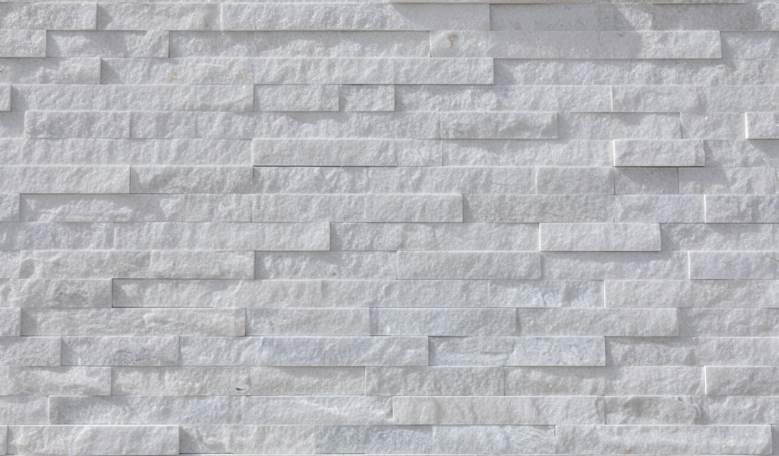
عزل الصدفة من الماء: لماذا الجانب الخلفي لا يقل أهمية عن الواجهة؟
تظل هجرة الرطوبة تحت السطح هي المحرك الرئيسي لتصفيح الحجارة في البيئات المائية؛ إن حماية الرابطة اللاصقة من الضغط الهيدروستاتيكي أمر بالغ الأهمية مثل إغلاق الوجه المرئي.
تحييد الضغط الهيدروستاتيكي الناتج عن التسرب تحت السطح
غالبًا ما يخترق الماء التجمعات الحجرية من الخلف من خلال رطوبة الأرض أو التكثيف الهيكلي. وهذا يخلق ضغطًا هيدروستاتيكيًا يدفع الجزء الخلفي من الحجر، مما يؤدي غالبًا إلى التصفيح الكارثي. في بناء حمامات السباحة الاحترافية، لا تحدث معظم حالات فشل النظام بسبب تناثر المياه السطحية، ولكن بسبب الرطوبة المحاصرة بين الركيزة والطبقة اللاصقة من حجر الحافة.
تعطي معايير التثبيت الحديثة لعام 2026 الأولوية للعزل المائي للقبو لاعتراض هذه الرطوبة قبل أن تصل إلى الواجهة الخرسانية بالحجر. نحن نرى أفضل النتائج عندما يتعامل القائمون على التركيب مع هيكل حوض السباحة بالكامل باعتباره وعاء مضغوط، مما يضمن عدم انتقال المياه عبر الجدار الخرساني وإضعاف رابطة الهيكل. ألواح حجرية مكدسة من الداخل الى الخارج.
حواجز الرطوبة الثانوية للركائز الخرسانية
يستخدم المثبتون المحترفون نماذج متكررة متعددة الطبقات لضمان بقاء الركيزة جافة حتى في حالة فشل ختم السطح الأساسي بمرور الوقت. نوصي بوضع أغشية مرنة مباشرة على الغلاف الخرساني لتكون بمثابة دفاع ثانوي ضد التسرب الهيكلي. تعتبر هذه الحواجز ضرورية للحفاظ على السلامة الجمالية للحجر عن طريق منع تسرب المعادن الموجودة داخل الخرسانة.
- تمنع الأغشية المرنة تكوين الإزهار الأبيض القشري عن طريق منع نقل المعادن.
- توفر المواد المانعة للتسرب المخترقة طبقة حماية ثلاثية من خلال تكثيف الركيزة وتقليل المسامية الكلية.
- تضمن الحواجز الزائدة بقاء الحجر متماسكًا حتى في المناطق عالية التشبع مثل الحواف السلبية.
الحفاظ على قوة السندات من خلال العزل المائي الزائد
تضمن حماية الجزء الخلفي من التركيب استخدام راتنجات الإيبوكسي عالية القوة لوحات ليدجيستون الحفاظ على قبضة دائمة. عندما يسمح للرطوبة بالبقاء خلف الحجر، فإنه يخلق بيئة غير مستقرة تتقلب مع درجة الحرارة. يحافظ العزل المائي للجزء الخلفي على استقرار البيئة اللاصقة، مما يمنع دورات التجميد والذوبان التي عادة ما تكسر الحجارة في البيئات الرطبة.
يحدد المهندسون المعماريون في عام 2026 هذه الأنظمة الزائدة عن الحاجة لإطالة عمر الحجر الطبيعي الميزات في المناطق ذات الرطوبة العالية مثل الحواف اللامتناهية والشلالات. من خلال الحفاظ على الرطوبة خارج حديد التسليح الداخلي والقلب الخرساني، تحمي هذه الأنظمة متعددة الطبقات السلامة الهيكلية لجدار حمام السباحة بالكامل، مما يضمن بقاء الميزة الحجرية آمنة كما كانت في يوم تركيبها.
إدارة جريان المياه: منع البقع على الأسطح الثانوية
يمنع تصميم الصرف الاستراتيجي هجرة المواد الكيميائية والمعادن الذائبة من حوض السباحة الحجر الطبيعي ميزات على الممرات المجاورة، والقضاء على السبب الرئيسي لتلطيخ السطح الثانوي.
تصنيف الموقع الاستراتيجي وإدارة المنحدرات
يجب على المصممين تنفيذ انحدار لا يقل عن 2٪ بعيدًا عن الجدران المكسوة بالحجارة لضمان توجيه الجاذبية للمياه المكلورة أو المالحة نحو المصارف المخصصة. يمنع هذا التدرج الماء من التجمع عند قاعدة الميزة، وهو ما يؤدي غالبًا إلى “فتل”- عملية تنتقل فيها الرطوبة إلى أعلى داخل الركيزة الحجرية وتسبب تدهورًا موضعيًا. من خلال التحكم في تدفق المياه من المصدر، يمكنك حماية السلامة الهيكلية للحجر والجودة الجمالية للسطح المحيط.
- يعطي المهندسون في عام 2026 الأولوية لخطط الارتفاع الخاصة بالموقع للتخفيف من التآكل الشديد المنشآت الحجرية.
- يقلل التصنيف المناسب من خطر تشبع السطح السفلي الذي يمكن أن يضعف الرابطة بين الحجر والركيزة.
- يؤدي توجيه الجريان السطحي بعيدًا عن المناطق ذات حركة المرور العالية إلى إبقاء الممرات جافة ويقلل من تراكم الرواسب المعدنية الزلقة.
البنية التحتية المتكاملة للصرف الصحي وأحواض الصيد
تقوم مكونات الصرف القياسية مثل أحواض الصيد والأنابيب المموجة بالتقاط الجريان السطحي قبل أن تلامس الأسطح الثانوية المسامية مثل الخرسانة أو الرصف. يؤدي تركيب هذه الأحواض عند قاعدة المياه إلى احتجاز المعادن والحطام بشكل فعال والتي قد تحفر في العناصر المعمارية المجاورة أو تغير لونها. تمثل هذه الأنظمة حلاً منخفض التكلفة وعالي التأثير للحفاظ على المظهر الاحترافي لبيئة حمام السباحة الفاخرة.
- يستخدم المقاولون أحواض الصيد للتخلص من المياه الراكدة، والتي تعمل كمحفز أساسي لنمو العفن والطحالب في الشقوق الحجرية.
- توفر أنظمة الصرف المموج خيارات توجيه مرنة لتوجيه الفائض إلى ري المناظر الطبيعية الحالية أو خطوط الجريان السطحي البلدية.
- إن التقاط المياه المحملة بالملح قبل أن تصل إلى الرصف الثانوي يمنع حدوث ذلك “تبييض” التأثير الناجم عن تبلور الملح.
الختم الوقائي لقنوات الجريان السطحي
تطبيق مواد مانعة للتسرب عالية الجودة على كل من حجر مكدس والأسطح الثانوية أدناه تقلل من ترابط الرواسب المعدنية. الاستخدام الدوري للمواد المانعة للتسرب ذات درجة الحموضة المحايدة يمنع المعادن المنقولة بالماء من الحفر في الخرسانة الثانوية. يعمل هذا الحاجز على تبسيط عملية إزالة البقع العضوية وبلورات الملح التي تتراكم بشكل طبيعي في المناطق ذات الرذاذ العالي. نوصي بالتحقق من توافق المادة المانعة للتسرب مع كل من الحجر الطبيعي والمواد الثانوية لضمان الالتصاق والتهوية على المدى الطويل.
- توفر تقنية مانع التسرب المتقاطع فترات حماية ممتدة، مما يقلل من تكرار دورات الصيانة.
- يؤدي إغلاق مسارات الجريان السطحي إلى إنشاء طبقة مضحية تحمي المادة الأساسية من التأثيرات المسببة للتآكل للمواد الكيميائية الموجودة في حمامات السباحة.
- تضمن الصيانة الدورية لهذه القنوات المغلقة استمرار تدفق المياه بكفاءة نحو نظام الصرف.
أنظمة التحكم في الفائض والمستوى الآلي
تستخدم إدارة حمامات السباحة الحديثة الآن التكنولوجيا الذكية والصمامات الآلية للحفاظ على مستويات دقيقة للمياه. تعمل وحدات التحكم الآلية المدمجة مع أنظمة المنزل الذكي 2026 على منع امتلاء حوض السباحة أثناء الأمطار الغزيرة أو دورات إعادة الملء. تقوم أجهزة الاستشعار الإلكترونية بتشغيل مضخات الصرف قبل وصول المياه إلى الجزء العلوي من ألواح الدفتر الحجرية المكدسةمما يضمن بقاء الماء داخل الغلاف المقاوم للماء وبعيدًا عن الممرات الثانوية. هذا النهج الاستباقي يزيل الأخطاء البشرية ويقلل من مخاطر الانتشار العرضي.
- تسمح صمامات التعبئة المستندة إلى المؤقت بإدارة المياه بدقة، وتقليل النفايات ومنع الجريان السطحي غير المنضبط.
- تقوم أجهزة الاستشعار المدمجة بتنبيه مديري العقارات إلى انسدادات الصرف المحتملة قبل أن تسبب فيضانات محلية.
- يمكن برمجة الأنظمة الذكية لخفض مستويات المياه تحسبا لأحداث العواصف الكبرى، توفير عازلة السلامة للحجر ميزة.
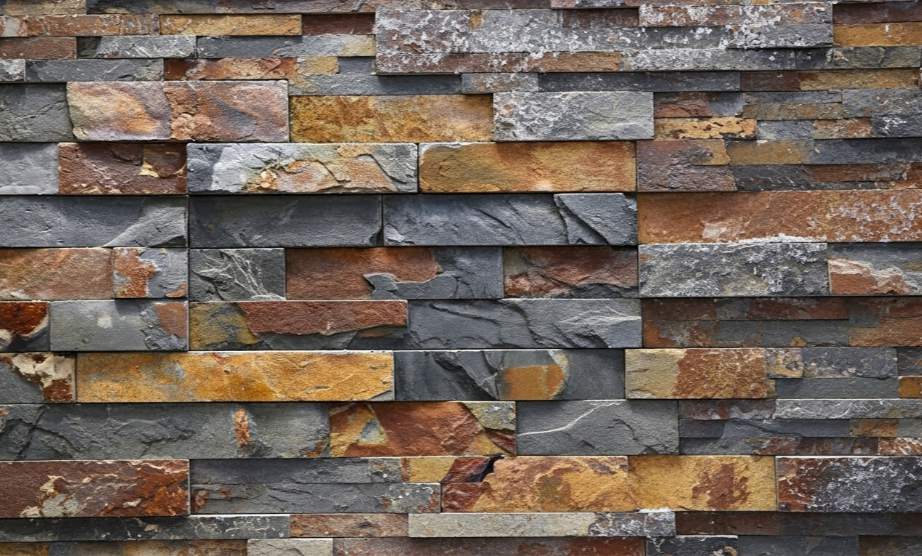
لماذا يعتبر الكوارتزيت غير المسامي هو ملك المواد المميزة للمياه؟
تخلق الكثافة البلورية للكوارتزيت وصلابة موس البالغة 7+ حاجزًا هيكليًا ضد الضغط الهيدروستاتيكي والأكسدة الكيميائية التي لا يمكن للبدائل المسامية مثل الحجر الجيري أن تتطابق معها.
صلابة معدنية فائقة وكثافة هيكلية
يعد الكوارتزيت الاختيار الأول لميزات المياه المعمارية لعام 2026 لأنه يتجاوز 7 على مقياس موس. توفر هذه الصلابة ميزة كبيرة على الرخام أو الحجر الجيري، والتي تتراوح عادةً ما بين 3 و5. في الشلالات عالية السرعة، يؤدي التأثير المستمر للمياه والحطام المعلق إلى تآكل الأحجار الناعمة بمرور الوقت. يظل الهيكل البلوري الكثيف للكوارتزيت دون تغيير فيزيائيًا حتى في ظل الضغط الميكانيكي المستمر، مما يضمن بقاء نسيج الوجه المشقوق حادًا لعقود من الزمن.
| نوع المواد | صلابة موس | معدل امتصاص الماء |
|---|---|---|
| الكوارتزيت (ألاسكا غراي / سييرا بلو) | 7.0 – 7.5 | <0.5% (غير مسامية) |
| الترافرتين / الحجر الجيري | 3.0 – 4.0 | 2.0% – 5.0% (مسامية) |
| الحجر الرملي (عام) | 2.0 – 3.0 | 5.0% – 10.0% (عالية المخاطر) |
- يقاوم الهيكل البلوري الكثيف التآكل الجسدي والتأثيرات في ميزات المياه عالية السرعة.
- صلابة معدنية عالية تمنع خدش السطح من معدات الصيانة أو الحطام الثقيل.
- تظل السلامة الهيكلية مستقرة حتى عند تعرضها لضغط هيدروستاتيكي ثابت في المناطق المغمورة.
معدلات امتصاص منخفضة للأداء المغمور
يتميز الكوارتزيت الطبيعي بحبيبات معبأة بإحكام تحد من تغلغل الرطوبة، وتحمي الحجر من أضرار المياه الداخلية. معظم الحجارة الطبيعية تفشل في البيئات المائية لأن الماء يتخلل الحبوب، مما يؤدي إلى تحولات معدنية داخلية أو تفتيت التجميد والذوبان. تضمن المسامية المنخفضة المتأصلة في الكوارتزيت بقاء الكيمياء الداخلية للحجر مستقرة، حتى عند تعرضها للمياه المعالجة في حمام السباحة الحديث.
- تمنع المسامية المنخفضة الماء من التسرب إلى الحجر، مما يقلل من خطر التشقق الناتج عن التجميد والذوبان في المناخات الشمالية.
- توفر أسطح الكوارتز المصقولة أو المصقولة طبقة إضافية من الحماية ضد الملوثات التي تنقلها المياه.
- يؤدي انخفاض الامتصاص إلى الحفاظ على استقرار الكيمياء الداخلية للحجر عند تعرضه للتشبع المستمر.
مقاومة التآكل الكيميائي وبهتان الأشعة فوق البنفسجية
على عكس الحجر المصنع أو الصخور الرسوبية الأكثر ليونة، يحافظ الكوارتزيت الطبيعي على لونه وملمس سطحه عند تعرضه للكلور والملح وأشعة الشمس الشديدة. تخلق مولدات الكلور في المياه المالحة بيئة شديدة التآكل تعمل على إذابة روابط الكالسيت الموجودة في الحجر الجيري والحجر الرملي. لأن الكوارتزيت يتكون من معادن طبيعية 100% بدون مواد رابطة صناعية، فإنه يقاوم تأثيرات التبييض والحفر الهيكلية الشائعة في المواد الأقل.
- يقاوم الحجر آثار التبييض للمواد الكيميائية في حمامات السباحة وأنظمة المياه المالحة الحديثة.
- تتميز الأصباغ الطبيعية بأنها مقاومة للأشعة فوق البنفسجية، مما يضمن عدم فقدان ميزة الماء لجاذبيتها البصرية على مدار عقود من التعرض لأشعة الشمس.
- يفتقر الكوارتزيت إلى المواد الرابطة الكيميائية الموجودة في المنتجات الاصطناعية والتي غالبًا ما تتحلل تحت التعرض البيئي القاسي.
الحد الأدنى من الصيانة والمقاومة البيولوجية
يجعل السطح الكثيف للكوارتزيت من الصعب على الطحالب والعفن أن تتجذر، مما يبسط عملية تنظيف الميزات الخارجية. غالبًا ما تحتوي الأحجار المسامية مثل الأردواز أو الحجر الجيري على نمو عضوي داخل مسامها، مما يتطلب علاجات كيميائية قوية. يحافظ الكوارتزيت على قيمته الجمالية من خلال الشطف الأساسي والمنظفات المحايدة لدرجة الحموضة، مما يقلل بشكل كبير من تكاليف العمالة على المدى الطويل لأصحاب العقارات ومديري المرافق.
- يسمح السطح الأملس غير المسامي بإزالة التراكمات العضوية بسهولة باستخدام بروتوكولات التنظيف الأساسية.
- مطلوب ختم أقل تواترا مقارنة بالأحجار الناعمة مثل الأردواز أو الحجر الجيري.
- يحتفظ الكوارتزيت بقيمته المعمارية بأقل قدر من الشطف، مما يخفض التكلفة الإجمالية للملكية.
خاتمة
تتطلب مشاريع حمامات السباحة والميزات المائية الناجحة مواد عالية الكثافة مثل الكوارتزيت غير المسامي إلى جانب بروتوكولات صارمة للعزل المائي والصرف. تمنع هذه القرارات الفنية الإزهار وتفكك الحجارة ونمو الطحالب لضمان السلامة الهيكلية والقيمة الجمالية على المدى الطويل. تعمل تقنيات التثبيت المناسبة، بما في ذلك الملاط الكامل والألواح المتشابكة المقطوعة بدقة، على إنشاء تشطيب سلس يقاوم الغمر المستمر والتعرض للمواد الكيميائية.
قم بمراجعة مخزوننا الحالي من الكوارتزيت والأردواز المقاوم للملح للعثور على المادة المناسبة لمشروعك المعماري القادم. يمكنك الاتصال بفريقنا لطلب كتالوج فني أو مجموعة عينات مادية من مجموعتنا الأساسية.
الأسئلة المتداولة
هل الحجر الطبيعي المكدس آمن داخل حمام السباحة؟
نعم، الحجر الطبيعي مكدسة آمن لبيئات حمامات السباحة بشرط اختيار أصناف منخفضة المسامية ومقاومة للملح مثل الكوارتزيت أو الجرانيت. يكمن مفتاح السلامة وطول العمر في طريقة التثبيت؛ يجب عليك استخدام مواد لاصقة معدلة بالبوليمر أو ملاط إيبوكسي لتحقيق تغطية بنسبة 100%. وهذا يمنع الماء من الانحباس خلف الحجارة، مما قد يؤدي إلى فشل الروابط أو “ظهرت” تحت الضغوط الميكانيكية لحركة المياه.
كيفية منع تراكم الكالسيوم على الشلالات الحجرية؟
يتطلب منع تراكم الكالسيوم (الإزهار والحجم) اتباع نهج مزدوج: الحفاظ على كيمياء المياه الصارمة وتطبيق مادة مانعة للتسرب عالية الجودة. تأكد من بقاء الرقم الهيدروجيني لحمام السباحة الخاص بك بين 7.2 و7.6 لمنع ترسب المعادن من الماء. بالإضافة إلى ذلك، فإن تطبيق مادة مانعة للتسرب قائمة على السيلان قابلة للتنفس ستخلق حاجزًا كارهًا للماء يمنع المياه الغنية بالمعادن من النقع في الحجر وترك الرواسب عند التبخر.
ما هو السداد الأفضل للحجر في منطقة عالية الرش؟
بالنسبة للمناطق ذات الرش العالي، فإن مادة مانعة للتسرب (مشربة) تعتمد على المذيبات هي المعيار الصناعي. على عكس المواد المانعة للتسرب الموضعية التي يمكن أن تتقشر أو تصبح زلقة عندما تكون مبللة، فإن المواد المانعة للتسرب المخترقة توضع تحت السطح لصد الماء والمواد الكيميائية مع الحفاظ على نفاذية البخار. ابحث عن المنتجات التي تحتوي على السيلان أو السيلوكسان، والتي تم تصميمها خصيصًا لتحمل التدوير الحراري والتعرض الكيميائي النموذجي لمحيط حمام السباحة.
هل يمكن للكلور أن يتسبب في تفكك الحجر الطبيعي مع مرور الوقت؟
لا يعد الكلور بحد ذاته هو سبب تفكك الحصوات، لكن الاختلالات الكيميائية التي يمكن أن يسببها - وخاصة انخفاض الرقم الهيدروجيني - تؤدي إلى تآكل شديد للأحجار القائمة على الكالسيوم مثل الحجر الجيري والحجر الجيري. في أنظمة الملح والكلور، “هجوم الملح” هو خطر أكبر. عندما يتبخر الماء المالح داخل مسام الحجر، تتوسع البلورات المتكونة ويمكن أن تتسبب في تقشر الحجر أو تناثره. وهذا يجعل استخدام أنظمة الربط المرنة كيميائيًا والختم المنتظم أمرًا ضروريًا.
كيفية تركيب الحجر حول حواف حوض السباحة المنحنية دون وجود فجوات؟
للقضاء على الفجوات على الحواف المنحنية، يجب استخدام المثبتين “قطع شعاعي,” حيث تكون جوانب كل قطعة حجرية مدببة قليلاً لتتناسب مع نصف قطر المنحنى. ل ألواح الدفتر أو الحجر المكدس، باستخدام مكونات فردية أصغر يسمح بانتقال أكثر سلاسة حول المنعطف. ومن الأهمية بمكان الاستفادة من “الزبدة الخلفية” تقنية خلال هذه العملية لضمان تغطية الملاط بنسبة 100٪وملء جميع الفراغات وتوفير رابطة مرنة وعالية القوة يمكنها التعامل مع الضغط الميكانيكي للركيزة المنحنية.