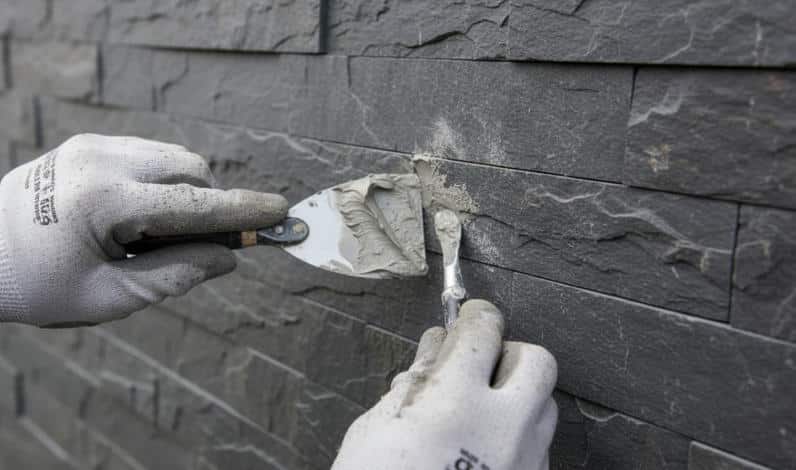
إصلاح فعال & تعد استراتيجيات استبدال الأحجار المكدسة ضرورية لحماية الاستثمارات العقارية والتخفيف من مخاطر الأضرار الناجمة عن المياه بغلاف المبنى. إن اللوح الحجري المتشقق هو أكثر من مجرد عيب بصري؛ فهو يخلق نقطة دخول للرطوبة التي يمكن أن تؤثر على الرابطة اللاصقة للجدار بأكمله. تمنع الصيانة الاستباقية تصاعد الصدمات الصغيرة أو كسور الإجهاد إلى مخاوف هيكلية واسعة النطاق تستنزف ميزانيات المنشأة.
يوضح هذا الدليل إجراءات التشغيل القياسية لعزل وإزالة الأجزاء التالفة الألواح الحجرية without breaking the adjacent sections. We detail how to prepare the existing substrate for new mortar and how to blend color variations between different stone batches. Following these steps ensures that repairs remain invisible and durable, extending the life of the القشرة الحجرية.
Why Do Stones Crack? Identifying Stress vs. Impact Damage
Distinguishing between internal structural failure and external mechanical impact is the first step in determining whether a wall requires a localized patch or a full-scale substrate stabilization.
Thermal Cycling and Internal Expansion Stress
Natural stones act as thermal batteries, absorbing solar radiation and undergoing constant volumetric shifts throughout the day. By 2026, architectural standards emphasize the critical need for managing this expansion, as الألواح الحجرية تتوسع عند تسخينها وتنكمش عند تبريدها. عندما يفشل القائمون على التركيب في توفير مفاصل حركة كافية، يتراكم الضغط الداخلي حتى يخفف الحجر الضغط من خلال الكسور الشعرية التي تتبع عادةً الأوردة الطبيعية للمادة.
- تمتص الحجارة الداكنة، مثل حجر الكربون الأسود، قدرًا أكبر بكثير من الإشعاع الشمسي، مما يزيد من تواتر وشدة التدوير الحراري.
- غالبًا ما تكون كسور الإجهاد الداخلي رفيعة وموضعية ولكنها يمكن أن تنتشر عبر منطقة لوحة إذا التثبيت يبقى جامدا ضد التدرج في درجة الحرارة المتغيرة.
- تتطلب إدارة هذه التحولات حوافًا مقطوعة بدقة، مثل تلك الموجودة في اللوحات المتشابكة المُشكَّلة باستخدام الحاسب الآلي، للسماح بحركات دقيقة دون فجوات مرئية.
أنماط الضرر الناتج عن الصدم والتكسير السطحي
التأثير الميكانيكي يترك أثرا متميزا “بصمة” والتي تختلف بشكل حاد عن كسور الإجهاد الطبيعية. ينتج هذا الضرر عن قوة خارجية تضرب السطح الحجري، مما يؤدي إلى تدمير موضعي بدلاً من فشل هيكلي. يتعرف المقاولون على هذه الحوادث من خلال البحث عن أ “نجم” نمط أو منطقة سحق محددة عند نقطة الاتصال.
- غالبًا ما تظهر نقاط التأثير باللون الأبيض “كدمات,” علامة مرئية على أن التركيب الجزيئي للحجر قد تم ضغطه بقوة مفاجئة.
- على عكس شقوق الإجهاد التي قد تمتد عبر وحدات دفتر الأستاذ المتعددة، عادةً ما يقتصر الضرر الناتج عن الارتطام على منطقة محددة من الضربة.
- حواف متكسرة على وجه الحجر هي الأكثر شيوعا مؤشر للأضرار الميكانيكية التي تحدث أثناء عبور الموقع أو نشاط ما بعد التثبيت.
التسوية الهيكلية وحركة الركيزة
عندما يتحول الجدار الأساسي أو الأساس، جامدة الألواح الحجرية يضطرون إلى استيعاب الحمل الهيكلي الناتج. في عام 2026، حتى المباني الجديدة المتطورة تواجه استقرارًا طفيفًا، وهو ما يُترجم إلى إجهاد القص للقشرة الرقيقة لوحات دفتر الأستاذ. نظرًا لأن الحجر أقل مرونة من الإطار الخشبي أو الفولاذي، فإنه يتشقق لاستيعاب هندسة الجدار الجديدة.
- غالبًا ما تمتد الشقوق الناتجة عن التسوية بشكل قطري عبر الجدار، وتقطع الحجارة الفردية بغض النظر عن حبيباتها أو كثافتها.
- يساعد استخدام ركيزة مستقرة مثل الألواح الداعمة الأسمنتية على توزيع هذه الضغوط، على الرغم من أن حركة الأساس الكبيرة ستتجاوز حتماً هذه الحماية.
- يمكن للملاط المعالج بشكل صحيح والمجموعات الرقيقة المرنة أن تخفف من التحولات الطفيفة، لكنها لا يمكن أن تحل محل الحاجة إلى جدار فرعي مستقر ومصمم هندسيًا.
عمل التجميد والذوبان وضغط المسام الداخلي
يؤدي اختراق الماء إلى مسام الحجر إلى خلق ضغط خارجي هائل أثناء دورات التجميد. عندما يتشكل الجليد داخل المسام الدقيقة، فإنه يتوسع بنسبة 9٪ تقريبًا، مما يؤدي إلى حدوث خلل داخلي “الرفع.” هذا عملية تهدد سلامة الحجر من الداخل إلى الخارج، وغالبًا ما تظهر على شكل تصفيح أو تقشر بدلاً من كسر واحد نظيف.
- الأحجار الرسوبية مثل الأردواز أو طبقات الكوارتز معرضة بشكل خاص لهذا النوع من الضرر الناتج عن ضغط المسام.
- يعد تطبيق مادة مانعة للتسرب عالية الجودة وقابلة للتنفس أمرًا ضروريًا للتطبيقات الخارجية لمنع امتصاص الماء الزائد مع السماح للأبخرة الداخلية بالهروب.
- تعد مقاومة التجميد والذوبان وفقًا لمعايير ASTM متطلبًا أساسيًا للحجر المستخدم في المناخات الشمالية لضمان عدم حدوث أي تشقق أو تشقق في ظل دورات الطقس القاسية.
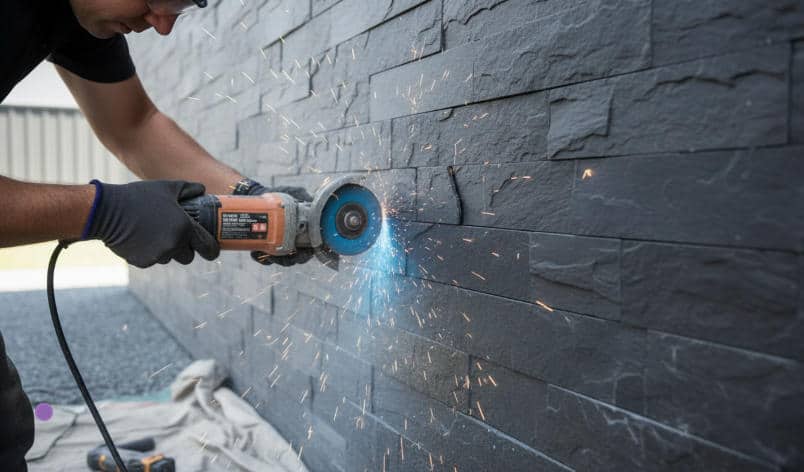
كيفية إزالة لوحة واحدة تالفة دون كسر اللوحات الأخرى
يتطلب الاستخراج الناجح للوحة واحدة فصل الوحدة عن نظام الشكل Z المتشابك من خلال تسجيل الشفرة الماسية لمنع اهتزازات الاصطدام من كسر الأحجار المجاورة.
عزل اللوحة باستخدام شفرة الماس
يجب على المقاولين أولاً فصل الوحدة التالفة عن نظام الشكل Z المتشابك لمنع انتقال الاهتزاز إلى الحجارة المجاورة. نوصي باستخدام طاحونة زاوية ذات قطر صغير بشفرة ماسية لقطع وصلات الإيبوكسي المحيطة باللوحة التالفة. يجب أن يصل هذا القطع إلى الركيزة لإنشاء فجوة مادية، مما يضمن أن أي قوة ميكانيكية يتم تطبيقها لاحقًا لا يتردد صداها عبر قسم الجدار بأكمله.
| مقياس الاستخراج | معيار الحجر الطبيعي | المصدر الأعلى لسلسلة Z-Shape |
|---|---|---|
| الاتصال المشترك | بعقب مشترك (بسيط) | التعشيق الدقيق باستخدام الحاسب الآلي |
| خطر الاهتزاز | معتدل | عالية (بسبب الملاءمة السلسة) |
| طريقة العزل | إزميل يدوي | سجل الماس بليد |
- تأكد من أن القطع يخلق انفصالًا ماديًا بنسبة 100% عن البيئة المحيطة “سلسلة الخام” أو “سلسلة قلم رصاص” القوام.
- قم بتطبيق شريط رسام منخفض على حواف الألواح المجاورة لمنع خدوش السطح العرضية أثناء العملية.
التقطيع التدريجي لكسر روابط الإيبوكسي عالية القوة
نظرًا لأن عملية التصنيع لعام 2026 لدينا تستخدم راتنجات الإيبوكسي عالية القوة للربط الدائم، فإن الإزالة تتطلب تجزئة يتم التحكم فيها بدلاً من التحديق البسيط. ابدأ من مركز المنطقة المتضررة لوحة واستخدام إزميل البناء لكسر الحجر إلى قطع أصغر يمكن التحكم فيها. من خلال العمل من المركز، أنت توفير منطقة الإغاثة للحجر للانهيار فيها، مما يحمي المفاصل المتشابكة المحيطة بها من الضغط الجانبي.
- قم بتوجيه قوة الإزميل نحو مركز الوحدة المستهدفة، وليس نحو المفاصل المحيطة أبدًا.
- قشر الطبقات الحجرية بعناية حتى تكشف الطبقة اللاصقة والركيزة.
تنفيذ واقيات الحواف للأحجار المحيطة
تتطلب حماية القوام الفريد للأردواز الطبيعي والكوارتزيت حواجز مادية أثناء مرحلة الإزالة الميكانيكية. حتى زلة الإزميل البسيطة يمكن أن تشوه السطح المشقوق الطبيعي للوحة رمادية أو سوداء كربونية مجاورة. نوصي بإدخال حشوات معدنية رفيعة أو فواصل بلاستيكية صلبة في الوصلات المحززة لتكون بمثابة درع.
- حافظ على ثبات يدك أثناء العمل بالقرب من الألسنة المتشابكة لضمان الألواح المجاورة’ الدعم الهيكلي لا يزال سليما.
- قم بتفريغ الغبار وشظايا الحجر بشكل متكرر للحفاظ على رؤية واضحة للخطوط المشتركة طوال فترة الاستخراج.
إزالة المادة اللاصقة المتبقية من قواعد الألواح الأسمنتية
A successful 2026 repair depends on a flat, clean substrate to ensure the replacement panel sits flush with the existing installation. Residual epoxy bumps will cause the new panel to protrude, ruining the seamless Z-shape effect. Use a flat-head floor scraper or a wide masonry chisel to plane away leftover adhesive from the concrete or cement board.
- Avoid gouging the substrate; if the cement board sustains damage, fill the voids with a small amount of thin-set before applying the new panel.
- Wipe the area with a damp cloth to remove all particulates, ensuring the new high-strength adhesive achieves a 100% surface bond.
Premium Natural Stone Panels for Professionals
The Secret to Cleaning “Old” Substrates for “جديد” Adhesion
Bond longevity in stone panel repair depends less on the adhesive grade and more on the microscopic removal of legacy contaminants from the structural wall.
Mechanical Stripping of Degraded Bonding Agents
Effective stone panel repair begins with removing physical barriers that prevent new high-strength epoxy from reaching the structural base. We use mechanical grinders or stiff wire brushes to strip away old mortar, paint, or failed adhesives from the masonry or cement board. This process creates the necessary “profile” or surface roughness required for mechanical interlocking.
Technicians must ensure the substrate remains structurally sound and able to support the 8-13 lbs/sqft weight of الألواح الحجرية الطبيعية without flexing. After grinding, we vacuum all microscopic dust and debris. Skipping this step creates a “slip layer” that causes panels to detach as the building settles or undergoes thermal expansion.
| Preparation Phase | Standard Repair Method | Top Source B2B Protocol |
|---|---|---|
| Debris Removal | Manual scraping and dusting | Mechanical grinding and HEPA vacuuming |
| Surface Degreasing | Soap and water wash | Sequential organic solvent and IPA wipe |
| Moisture Control | Ambient air drying | Infrared thermal extraction & moisture metering |
| Adhesion Testing | Visual inspection only | Water droplet surface tension testing |
Sequential Chemical Degreasing Protocols
Old substrates harbor oils and environmental pollutants that require a multi-stage chemical cleaning process for optimal stone bonding. We apply organic solvents to break down deep-seated grease or atmospheric carbon buildup found on older exterior facades. This is particularly vital for projects in high-traffic urban areas where exhaust particulates accumulate over years.
- Follow solvent application with an isopropyl alcohol (IPA) wipe to neutralize the surface.
- Test the surface tension by applying water droplets; if the water beads, further degreasing is mandatory.
- Ensure all chemical agents evaporate fully to prevent interference with the epoxy resin cure.
Moisture Extraction and Substrate Dehydration
Trapped moisture in old brick or concrete leads to catastrophic bond failure. Current 2026 industry standards emphasize controlled thermal drying before stone application. We utilize air-moving equipment or infrared heaters to draw out moisture from the core of the substrate, preventing future freeze-thaw delamination.
Monitoring the wall with moisture meters ensures levels are low enough for the high-strength epoxy resin to cure permanently. We maintain a moisture-controlled environment during the repair phase to avoid cross-contamination from nearby wet construction tasks, such as pressure washing or concrete pouring.
Adhesion Promoter Application for Weathered Surfaces
Primers and adhesion promoters bridge the gap between aged, porous materials and the precise backing of modern stone panels. We select primers formulated for the specific substrate type, such as smooth concrete, metal oxides, or old cementitious boards. This chemical bridge increases the surface energy of the wall, allowing for a stronger grip with the panel adhesive.
Applying the adhesion promoter evenly ensures the surface is tacky and ready for Z-shape panel installation. We wait for the specified flash-off time as dictated by the manufacturer. This precision ensures that when the interlocking “ذكر أنثى” connection of our stacked stone is applied, the bond is immediate and structurally superior to the original installation.
How to Match Stone Colors Across Different Production Batches?
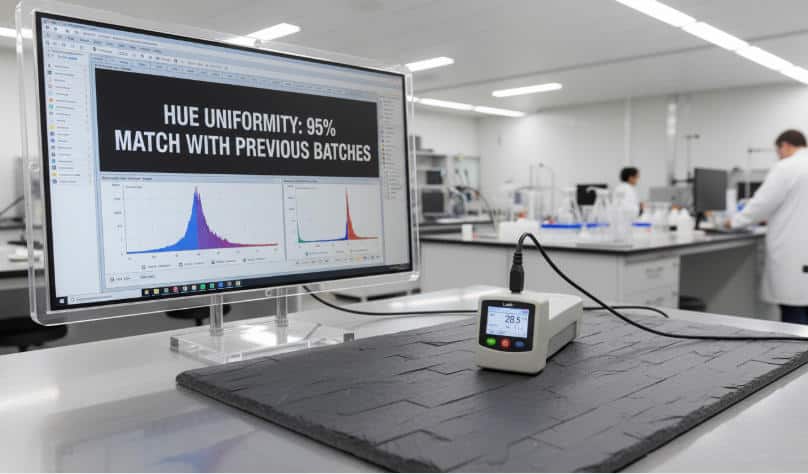
Achieving seamless color transitions in natural ledgestone requires a shift from manual visual sorting to data-driven quarry management and digital spectrophotometric analysis.
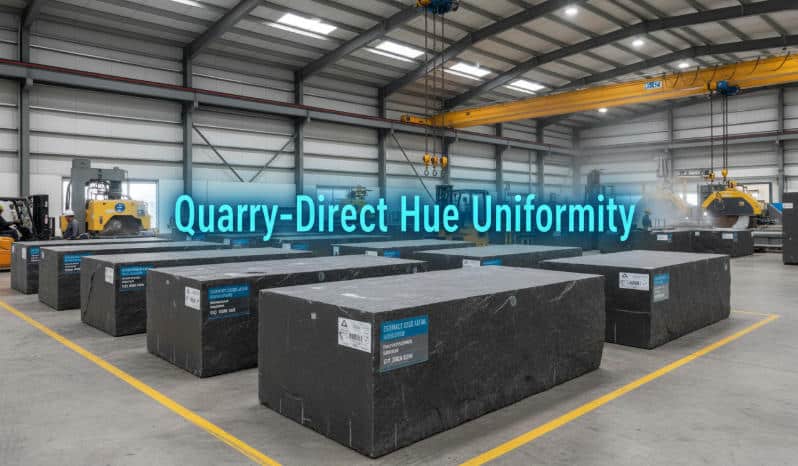
Color inconsistency often ruins large-scale architectural projects when replacement panels or add-on orders arrive with visible shade shifts. We solve this by controlling the supply chain at the geological level. الحجر الطبيعي chromatography changes based on quarry depth, mineral oxidation, and atmospheric exposure. Blue-mapping specific mineral veins and reserving blocks from a single extraction cycle, we maintain 95% hue uniformity within a project batch.
Strategic Quarry-Zone Selection and Material Reservation
We eliminate the “غير مكتمل” look on large walls by sourcing material from the same quarry layer per order. Geological shifts occur even within a few meters of extraction; so, our managers lock down specific veins for high-volume B2B contracts. This ensures the base mineral profile remains consistent from the first crate to the last.
- Quarry managers reserve specific blocks from the same mineral vein to ensure the base chromatography remains uniform.
- We prioritize sourcing from the same quarry depth to avoid color shifts caused by varying mineral oxidation levels.
- Project managers should calculate total square footage plus a 10% waste factor upfront to secure the entire inventory from a single extraction cycle.
Automated Spectrophotometric Batch Analysis
Manual visual inspection is prone to human error and environmental lighting bias. In 2026, we utilize advanced infrared sensors to measure the L*a*b* color space of every لوحة الحجر المكدسة during final quality control. This digital grading categorizes panels into “shade-matched” groups with quantifiable data.
| Consistency Metric | Standard Market Grade | Top Source Stone Protocol |
|---|---|---|
| Color Grading Method | Manual Visual Inspection | Digital Spectrophotometry (L*a*b*) |
| Sourcing Logic | Mixed Quarry Layers | Single-Vein Extraction |
| Batch Deviation | 15 ٪ – 20% Variance | <5% Hue Uniformity |
Digital Inventory Tracking and Batch Coding
Precise record-keeping allows distributors to fulfill orders using sequential production runs. Each crate features a unique batch ID linked to a digital production log. This log documents the exact date and raw material source, ensuring that add-on orders for existing projects match the original shipment’s technical profile.
- Batch IDs provide a digital “بصمة” for every crate in the warehouse.
- Warehouse management systems prioritize “First-In, First-Out” (FIFO) logic within specific shade groups.
- Distributors access cloud-based data to verify technical compatibility before shipping replacement panels.
On-Site Blending Protocols for Natural Variation
Even with strict factory controls, الحجر الطبيعي contains inherent variation. Proper installation techniques mask these subtle differences by integrating panels from multiple crates throughout the project area. This avoids “checkerboarding,” where distinct lines between different production batches become visible on the finished wall.
- Installers should pull panels from at least three different crates simultaneously to distribute tones evenly.
- Dry-laying the stone before applying adhesive allows the team to identify and relocate “hot spots.”
- Blending ensures a harmonious finish that celebrates الحجر الطبيعي while maintaining professional architectural standards.
Can You Repair Chipped Corners Without Replacing the Whole Panel?
In-situ repairs for natural stone corners reduce project overhead by approximately 90% compared to full panel extraction, provided the underlying epoxy bond remains structurally sound.
Evaluate the Extent of Corner Damage
Determining whether a chipped corner requires a full panel swap or a localized fix depends on the structural integrity of the stone piece. We prioritize inspecting the chip depth to ensure the underlying epoxy bond with the panel substrate remains intact. If the fracture penetrates the adhesive layer or the backing mesh, replacement is usually the safer choice to prevent long-term delamination.
Small surface chips often result from impact during transit or installation. These minor blemishes rarely affect the overall durability of the L-shaped corner piece. According to 2026 industry safety standards, technicians must check for sharp edges that could snag clothing or cause injury in high-traffic areas. If the chip is purely aesthetic and does not compromise the “Project-Ready Full Solution” wrap-around finish, we recommend a resin-based repair.
- Analyze if the chip is a result of internal stress concentration or external impact damage.
- Confirm the panel still meets UV stability and salinity resistance requirements after the chip occurred.
- Assess the visibility of the damaged area from standard viewing angles.
Apply Color-Matched Resin and Stone Dust
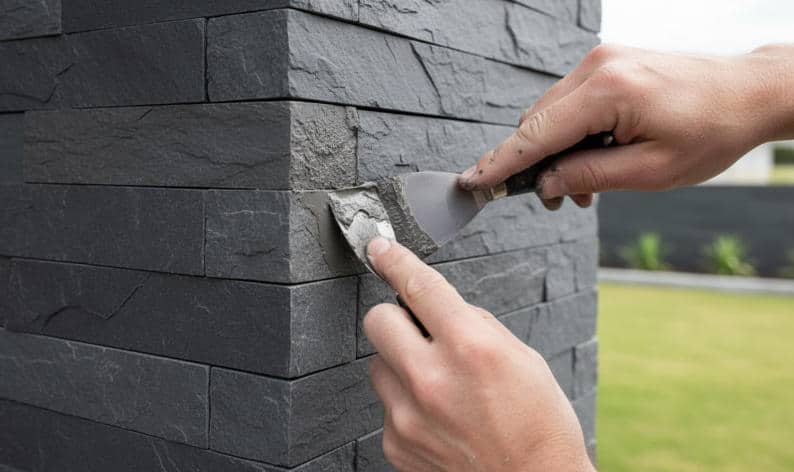
The most effective in-situ repair method involves creating a custom filler using materials already present on the job site. We collect fine stone dust by using a wet saw to cut an offcut of the same material, such as slate or quartzite. Using dust from the same batch ensures 95% hue uniformity, which is critical for maintaining the “نفس دفعة المحجر الاتساق” our dealers expect.
We mix this dust with a high-strength, UV-stable epoxy resin similar to the one used in the original manufacturing process. Apply the mixture to the chipped area with a small putty knife, slightly overfilling the void. This allows for the natural shrinkage that occurs as the compound cures. This technique works exceptionally well for our “10 كبيرة” colors, including Glacier White and Midnight Slate, where the mineral particulate is distinct.
Restore Texture through Precision Finishing
Once the repair compound hardens, technicians use specific tools to blend the patch into the natural stone’s unique profile. A variable-speed polisher with a low-grit diamond pad levels the repair with the surrounding stone surface. Because Top Source Stone panels feature natural cleft and split-face finishes, a flat patch will look artificial.
Technicians mimic the natural “سلسلة الخام” أو “سلسلة مسطحة” texture by hand-tooling the semi-cured resin. By using a small pick or chisel to match adjacent clefts, the repair becomes virtually invisible to the naked eye. We finish the process by cleaning the area with a pH-neutral stone cleaner to remove any excess resin film before the final inspection. This maintains the CNC diamond-blade precision look of the interlocking Z-shape edges.
Seal the Repaired Corner for Longevity
Repaired areas require protection to prevent moisture infiltration and ensure the color remains consistent over time. We wait for the epoxy to cure fully based on 2026 environmental guidelines before applying any chemical treatments. This is especially vital for outdoor installations where freeze-thaw cycles can test the bond strength of the repair.
Applying a high-quality penetrating sealer over the repaired chip and the surrounding stone locks in the color match and protects the natural minerals. In outdoor or fireplace applications, we check the bond strength periodically. The repair must remain stable against thermal expansion to avoid the microcrack propagation patterns seen in lower-quality stone substitutes.
- Use only penetrating sealers that do not yellow under direct UV exposure.
- Ensure the sealer is compatible with the 100% natural quartzite or slate mineralogy.
- Monitor the patch during seasonal temperature shifts to ensure it expands at the same rate as the الحجر الطبيعي.
خاتمة
Effective repairs preserve the structural integrity and aesthetic flow of a جدار حجري without the expense of a full replacement. Precise removal techniques and careful substrate preparation allow new panels to bond securely and align with existing masonry. Sourcing replacement stone from consistent quarry batches ensures these repairs blend seamlessly into the original installation.
Evaluate your current inventory of matching panels and L-corners to prepare for future maintenance needs across your facility. You can contact our team to discuss batch availability or request technical specifications for your specific الحجر الطبيعي model.
الأسئلة المتداولة
How to remove one stone panel without damaging the rest?
To isolate a single panel, first use a multi-tool with a diamond-grit blade or a small masonry chisel to carefully remove the mortar or grout joints surrounding the target stone. By clearing the joints entirely, you eliminate the risk of stress transfer to adjacent panels. Once the perimeter is free, use a flat pry bar—leveraging against a protective wood block rather than neighboring stones—to gently ease the panel from the substrate.
Can I glue a cracked stone back together?
Yes, cracked stones can be effectively repaired using a high-quality two-part epoxy or polyester resin specifically formulated for masonry. Before application, clean the fracture surfaces with acetone to remove dust and oils. For an invisible finish, mix the adhesive with stone dust or compatible color pigments to match the stone’s natural grain and crystalline structure.
Why is my new stone a different color than the old one?
Color variations occur because الحجر الطبيعي is subject to mineralogical shifts within the quarry and environmental aging. Older stone has undergone years of thermal cycling, UV exposure, and oxidation, which creates a distinct surface patina. Additionally, internal stress and salt crystallization patterns in the existing stone change its light-reflective properties compared to freshly quarried material.
How to remove old dried mortar from the wall?
For heavy buildup, use a hammer and masonry chisel held at a shallow angle to pop off large chunks. For remaining residue, apply a specialized masonry cleaner or a diluted muriatic acid solution (following strict بروتوكولات السلامة) to soften the bond, then scrub with a stiff-bristled wire brush. Always pre-wet the area to prevent the chemicals from soaking too deeply into the stone’s pore structure.
Can I use epoxy for quick stone repairs?
Epoxy is the industry standard for rapid, high-strength stone repairs. Its superior bonding capabilities and resistance to thermal stress make it ideal for fixing chips, cracks, or loose panels. For vertical applications, use a “knife-grade” (non-sagging) epoxy to ensure the material stays in place during the curing process, providing a durable bond that often exceeds the strength of the stone itself.