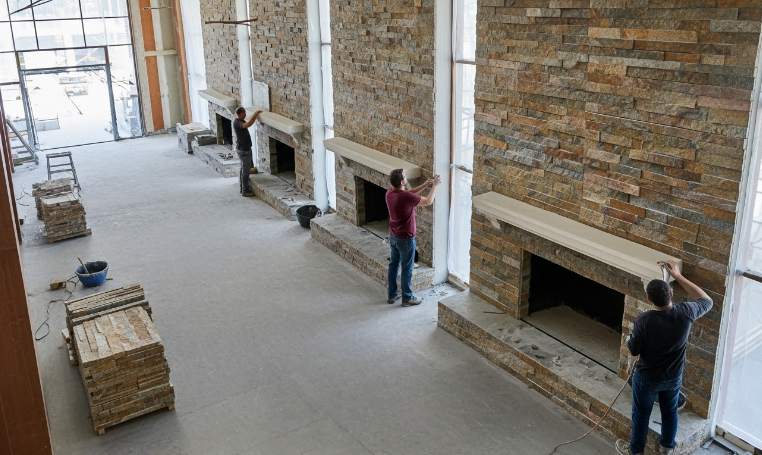
رف دقيق & يعد Hearth Integration بمثابة الضمانة الأساسية للاستقرار الهيكلي والامتثال لقواعد مكافحة الحرائق في تصميم البناء. إن تركيب الأخشاب الثقيلة على الشكل غير المنتظم للأحجار المكدسة يخلق مخاطر ميكانيكية محددة تؤدي غالبًا إلى ترهل التركيبات أو الخلوص الحراري الخطير. يؤدي تجاهل هذه التفاوتات أثناء مرحلة البناء إلى فشل عمليات فحص السلامة وتحمل القائمين على التركيب مسؤولية كبيرة. تتطلب التركيبات الناجحة التزامًا صارمًا بنسب الخلوص وتقنيات التركيب المتخصصة لضمان بقاء التجميع مستقرًا تحت الضغط الحراري العالي.
يوضح هذا الدليل إجراءات التشغيل القياسية لربط الرفوف بشكل غير متساو القشرة الحجرية دون المساس بالجدار نزاهة. نوضح تقنية الكتابة المستخدمة لإزالة الفجوات وتوفير نقاط البيانات اللازمة لحساب ارتفاع رف الموقد بناءً على مخرجات وحدة حرارية بريطانية (BTU) لصندوق الاحتراق. تفصل الأقسام التالية أيضًا اختيار المواد للمواقد والطرق المحددة لإغلاق التحولات بين الخشب والحجر. توفر هذه الوثائق الإطار الفني اللازم لتحقيق توافق آمن ومسطح على الأسطح الوعرة.
لماذا يعتبر تقاطع Mantel-Stone هو أهم تفاصيل التصميم؟
التقاطع حيث تلتقي الأخشاب الثقيلة الحجر الطبيعي بمثابة الواجهة الهيكلية والسلامة الأساسية، حيث تحدد ما إذا كانت المدفأة تحافظ على سلامتها أو تعاني من الترهل والتلف الناتج عن الحرارة والفجوات القبيحة بمرور الوقت.
الاستقرار الهيكلي وإدارة الأحمال
هذا التقاطع هو نقطة الدعم الحاسمة حيث يلتقي الوزن الهائل للرف مع القشرة الحجرية والركيزة الأساسية. في المباني السكنية لعام 2026، نعطي الأولوية لدقة الحمل في هذه الواجهة المحددة لمنع رف الموقد من الابتعاد عن الواجهة. الألواح الحجرية الطبيعية، مثل تلك التي يتم الحصول عليها من عروق الكوارتزيت أو الأردواز عالية الكثافة، توفر الأساس الصلب اللازم للأرفف الخشبية أو الحجرية الثقيلة.
- نحن نستخدم أنظمة تثبيت ميكانيكية، بما في ذلك البراغي المتأخرة والأعمدة المعدنية الملولبة، لضمان نقل رف الموقد وزنه مباشرة إلى ترصيع الحائط بدلا من الاعتماد على الحجر الزخرفي للحصول على الدعم.
- تعمل الوصلات المصممة بشكل صحيح على توزيع الضغط التنازلي عبر سطح الجدار، مما يمنع تشقق الفرد الوحدات الحجرية أو تصفيح القشرة.
- المصدر الأعلى توصي ستون باستخدام الألواح المتشابكة على شكل Z لتوفير سطح تثبيت مسطح وأكثر اتساقًا للأقواس مقارنة بالحجر السائب التقليدي غير المنتظم.
القيمة الجمالية والتدفق البصري
الانتقال بين الملمس الوعرة حجر مكدس ويحدد السطح الأملس للرف الحرفية الشاملة للتركيب. إن التقاطع الفوضوي ذو الفجوات المرئية أو الملاط المفرط يدمر الجاذبية الراقية للمواد الطبيعية. يستخدم المثبتون المحترفون الوصلة لإخفاء أدوات التثبيت الهيكلية، مما يضمن بقاء التأثير العائم نظيفًا وبسيطًا.
يؤدي القضاء على الفجوات المرئية عند نقطة الوصل إلى إنشاء مظهر مخصص يؤثر بشكل مباشر على قيمة العقار. من خلال استخدام تقنيات مثل الكتابة، يقوم القائمون على التركيب بتتبع الشكل المحدد للحجر المشقوق الطبيعي على الجزء الخلفي من الرف الخشبي. يتيح ذلك ملاءمة متدفقة تجعل الخشب يبدو كما لو أنه نما مباشرة من الوجه الحجري. تعد المحاذاة الدقيقة هنا أمرًا حيويًا للحفاظ على الاستمرارية البصرية للمواد المتميزة مثل Midnight Slate أو Alaska Gray.
المقاومة الحرارية والسلامة من الحرائق
يدير التقاطع الواجهة الدقيقة بين مواد الموقد القابلة للاحتراق والحاجز الحجري غير القابل للاحتراق. الحجر الطبيعي تعمل الألواح كدرع حراري، حيث تحمي الخشب من مخرجات BTU العالية للغاز أو وحدات حرق الأخشاب الحديثة. يمنع الغلق الاستراتيجي عند هذه النقطة الهواء الساخن من الارتفاع خلف القشرة، مما يقلل بشكل كبير من خطر الضرر الحراري الخفي لإطار الجدار.
- يتبع المصممون تصاريح السلامة الصارمة، عادةً ما لا يقل عن 12 بوصة فوق صندوق الاحتراق، لضمان بقاء الوصلة في درجة حرارة آمنة.
- يؤدي استخدام مواد مانعة للتسرب مرنة ومقاومة للحرارة عند الوصلات إلى استيعاب التمدد والانكماش الطبيعي للخشب مع الحفاظ على حاجز حراري محكم.
- يعمل تصميم الوصلات على زيادة انعكاس الحرارة إلى الغرفة، وذلك باستخدام الكتلة الحرارية للحجر لتحسين التدفئة الشاملة للمدفأة كفاءة.
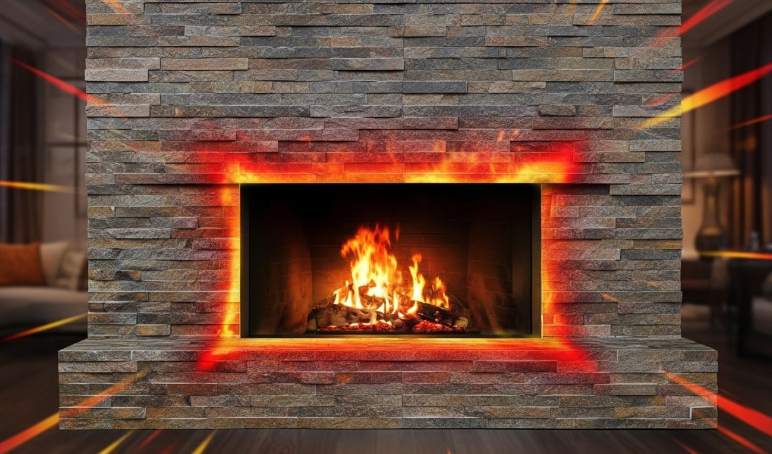
الرفوف العائمة: كيفية تأمين الخشب الثقيل على واجهة حجرية؟
رف عائم موثوق التركيبات على الحجر الطبيعي تتطلب الأسطح التحول من المواد اللاصقة الكيميائية إلى أنظمة التثبيت الميكانيكية عالية القوة التي تتجاوز الواجهة المزخرفة لإشراك الإطار الهيكلي للمبنى.
يتطلب تأمين الأرفف الخشبية الثقيلة بالحجر في عام 2026 مثبتات ميكانيكية عالية القوة لإدارة أحمال القص الكبيرة ومنع الترهل. نحن نستخدم البراغي المتأخرة، أو المراسي الإسفينية، أو الأعمدة المعدنية الملولبة لإنشاء رابطة دائمة مع البناء أو الخرسانة الأساسية. توفر هذه القضبان المعدنية الملولبة نظام دعم داخلي مستقر يسمح للأرفف الخشبية الصلبة بالانزلاق مباشرة على الأجهزة، مما يوفر مقاومة للسحب لا يمكن للمواد اللاصقة الكيميائية أن تتطابق مع المواد الطبيعية الثقيلة تطبيقات الحجر.
| نوع الأجهزة | سعة التحميل (القص) | أفضل حالة استخدام |
|---|---|---|
| قضبان معدنية مترابطة | 150+ رطل | الأخشاب الصلبة / الألواح الخام الممتازة |
| إسفين المراسي | 100 – 150 رطل | دعم الخرسانة / البناء |
| البراغي المتأخرة (في الأزرار) | 80 – 120 رطلا | 2×6 التأطير الهيكلي الخشبي |
وضع المرساة الاستراتيجية في الركائز الهيكلية
يعتمد طول عمر تركيب الرف على التثبيت في الإطار الهيكلي بدلاً من الطبقة الحجرية المزخرفة فقط. يجب أن يستهدف القائمون على التركيب وصلات الملاط أو الألواح الأسمنتية الهيكلية لتجنب الضغط غير الضروري أو التشقق الفردي الألواح الحجرية. إشراك المراسي الأساسية الحاملة للوزن مباشرة باستخدام 2×4 أو 2×6 مسامير خشبية غير قابلة للتفاوض من أجل السلامة.
- استخدم مكتشفات المسامير عالية الدقة أثناء مرحلة التأطير لرسم نقاط الربط قبل ذلك التثبيت الحجر.
- تأكد من وصول أجهزة البناء إلى الركيزة الهيكلية لتمثل 8-13 رطلاً لكل قدم مربع وزن الحجر المكدس.
- بالنسبة للرفوف المجوفة، قم بتثبيت زاوية حديدية بسمك 3/8 بوصة مثبتة بمسامير على الكتلة الخرسانية خلف الحجر لتحقيق أقصى قدر من الاستقرار.
تكامل الأقواس للقوام الحجري غير المتساوي والمكدس
التغيرات الطبيعية في سمك الحجر، وخاصة في “سلسلة الخام” تتطلب الألواح أقواسًا يمكنها التكيف مع الأسطح عالية الأبعاد. قوس مناسب للاحتكاك تساعد التصميمات القائمين على التركيب على إدارة الأعماق المختلفة للحجر الطبيعيوالتي يمكن أن تتراوح من 0.75 إلى 1.75 بوصة. إن تلميع قاعدة الدعامة يسمح للرف الخشبي بالجلوس في مستوى وتدفقه على لوحة متشابكة على شكل Z النظام دون وجود فجوات مرئية. تمنع أنظمة الأقواس القابلة للتعديل الخشب من الميل للأمام، حتى عند تركيبه على الأنسجة العميقة والظلال الدرامية الحجر الطبيعي.
معايير التثبيت وحسابات الوزن
إن اتباع ارتفاعات التثبيت القياسية وحدود الحمولة يضمن بقاء المدفأة آمنة ومتوازنة من الناحية الجمالية. نقوم بحساب إجمالي قدرة التحمل من خلال الجمع بين وزن رف الموقد والوزن المحدد للواجهة الحجرية، والذي يبلغ متوسطه 30-40 كجم/م2 للألواح القياسية. يمنع الحفر الدقيق باستخدام لقم البناء ذات الرؤوس الماسية تقطيع الكوارتزيت الطبيعي أو الأردواز أثناء إنشاء ثقوب نظيفة لأعمدة الدعم.
- حافظ على ارتفاع التركيب القياسي 54 بوصة من الأرض للحصول على أبعاد بصرية مثالية.
- استخدم دقة الشفرة الماسية CNC أثناء قطع الحجر لضمان إحكامها “ذكر أنثى” متشابكة حول قوسين رف.
- تحقق من رموز السلامة من الحرائق المحلية الخاصة بـ NFPA للخلوص بين صندوق الاحتراق وأسفل الرف الخشبي.
قم بتوسيع نطاق أعمالك باستخدام لوحات دفتر الأستاذ المباشر من المصنع
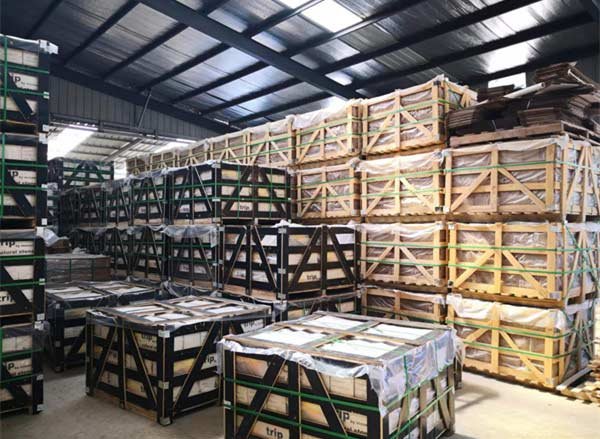
اختيار مادة الموقد المناسبة لاستكمال الحجر المكدس
يعمل الموقد عالي الأداء بمثابة عازل حراري ومرساة بصرية، مما يتطلب مواد توازن بين معايير عدم الاحتراق لعام 2026 مع المظهر القوي للموقد الطبيعي. ألواح القشرة.
يتطلب اختيار مادة الموقد أكثر من مجرد مطابقة الألوان البسيطة. نحن نعطي الأولوية الحجر الطبيعي لاستقراره الحراري المتأصل، خاصة عند التعامل مع مخرجات الموقد ذات الوحدات الحرارية العالية. على عكس المواد الاصطناعية أو المركبة التي قد تنبعث منها الغازات أو تتحلل في ظل دورات الحرارة المتكررة، الحجر الطبيعي يحافظ على سلامته الهيكلية. ل مشاريع B2B، تقلل هذه الموثوقية من المسؤولية طويلة الأجل وتكاليف الصيانة لأصحاب العقارات.
إعطاء الأولوية لمقاومة الحرارة والمعايير غير القابلة للاحتراق
تتطلب بروتوكولات السلامة الحالية مواد مواقد تتجاوز المتطلبات المحلية غير القابلة للاحتراق. نحن نوصي الحجر الطبيعي الألواح التي توفر حاجزًا حراريًا كافيًا للأرضية السفلية. وهذا يمنع انتقال الحرارة إلى الأعضاء الهيكلية القابلة للاحتراق، وهو عامل حاسم في البناء السكني ذو الإطارات الخشبية.
- حدد مواد الكوارتزيت الطبيعية أو الأردواز التي تظل مستقرة عند درجات حرارة عالية دون تكسير أو انفصال.
- يتجنب “زائف” أو على أساس الراتنج المنتجات الحجرية التي يمكن أن تحرق أو تطلق الروائح عند تعرضها لحرارة ثابتة.
- تأكد من أن سمك الموقد يلبي الحد الأدنى من قيمة R المطلوبة لإدخال الموقد المحدد أو صندوق الاحتراق الذي يتم تثبيته.
تنسيق القوام مع التشطيبات المشقوقة والمصقولة
يعتمد النجاح البصري للمدفأة على العلاقة الملموسة بين الموقد الأفقي والواجهة الرأسية. تعمل التشطيبات المشقوقة الطبيعية بشكل أفضل عندما تعكس السطح الوعر متعدد الأبعاد لدينا “سلسلة الخام” حجر مكدس. وهذا يخلق مظهرًا ريفيًا متماسكًا يخفي البلى في المناطق ذات الازدحام الشديد.
بالنسبة للتركيبات الحديثة، توفر الألواح المصقولة أو المصقولة تباينًا حادًا “سلسلة مسطحة” الألواح الحجرية. تخلق هذه الأسطح الملساء انتقالًا نظيفًا يناسب الأنماط المعمارية الانتقالية والمعاصرة. عند الاختيار بين الحجر العميق والأسطح الملساء، فإننا نزن الأهداف الجمالية مقابل سهولة الصيانة، حيث يسهل تنظيف الأسطح الأكثر نعومة من الرماد والحطام.
مطابقة لوحات الألوان للتماسك البصري
غالبًا ما يهدف المصممون إلى الحصول على مظهر متجانس من خلال محاذاة الموقد الحجر ذو اللون الأساسي السائد لألواح القشرة. على سبيل المثال، يؤدي استخدام موقد من حجر الأردواز الأسود الكربوني مع ألواح Midnight Slate إلى إنشاء مجموعة متكاملة تبدو منحوتة من كتلة واحدة. وبدلاً من ذلك، تحدد الألوان المتباينة مثل الموقد الأردوازي الأسود مقابل قشرة الكوارتزيت الأبيض الجليدي أثر الموقد وتضيف عمقًا معماريًا.
- استخدام اختراق الحجر الطبيعي مواد مانعة للتسرب لتعميق لون الموقد، مما يضمن تطابقه مع حيوية حجر الجدار.
- مصدر ألواح الموقد من نفس طبقات المحجر للحفاظ على تجانس اللون عبر وحدة الموقد بأكملها.
- استخدم المواقد ذات الألوان الترابية لسد الفجوة بين الريف حجر مكدس وداخلية محايدة الأرضيات.
تحسين الوزن وكفاءة التثبيت
تتجه الصناعة نحو ألواح حجرية أرق وأكثر كفاءة تكمل الطبيعة خفيفة الوزن للألواح الحجرية المكدسة من 1 سم إلى 2.5 سم. نقوم بتحديد ألواح حجرية بسمك 1 بوصة إلى 1.5 بوصة لتقليل الحمل الهيكلي الإجمالي على روافد الأرضية مع الحفاظ على المظهر الضخم للقاعدة الحجرية الصلبة. يعمل هذا الأسلوب على تبسيط العمليات اللوجستية ويقلل الحاجة إلى تعزيز إضافي للأرضية.
يتم تحسين الكفاءة في موقع العمل بشكل أكبر باستخدام أحجار الموقد المقطوعة في المصنع. تلغي هذه القطع ذات الأبعاد المسبقة الحاجة إلى عمليات قطع ثقيلة في الموقع، مما يقلل من تكاليف الغبار والعمالة أثناء مرحلة التجميع النهائية. نقوم بتنسيق ارتفاع الموقد بدقة مع الصف السفلي من الألواح الحجرية لإزالة الفجوات الصعبة أو خطوط الملاط المرئية، مما يضمن الحصول على لمسة نهائية احترافية ومتدفقة.
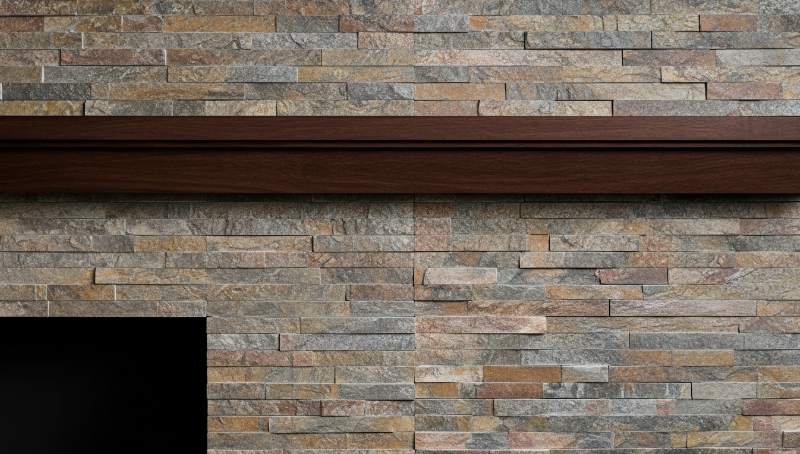
ال “الكتابة” التقنية: كيفية ملاءمة رف الموقد مع الملمس غير المستوي؟
تعمل الكتابة الدقيقة على تحويل تركيب الرف القياسي إلى ميزة معمارية راقية من خلال مطابقة شكل الخشب ميكانيكيًا مع نسيج الحجر الطبيعي بنسبة 100%، مما يلغي الحاجة إلى مواد حشو قبيحة أو خطوط سد سميكة.
المبادئ الأساسية للكتابة على الأسطح الحجرية
الكتابة تنقل صورة غير منتظمة للحجر الطبيعي الجدار - مثل القوام الثقيل الموجود في الألواح المشقوقة أو ذات الوجه المنقسم الطبيعية في Top Source Stone - على لوح رف مسطح. تخلق هذه العملية اتصالاً سلسًا حيث يبدو أن الخشب ينمو خارجًا الحجر بدلا من الجلوس على القمة منه. في عام 2026 الفخامة تصاميم الموقد، النوبات المتدفقة هي المعيار المتوقع. يتجنب القائمون على التركيب استخدام خطوط الجص السميكة أو قطع الزخرفة كبيرة الحجم عند التقاطع بين الخشب والحجر، لأن ذلك يضر بالخطوط النظيفة للحجر المعماري الحديث.
| طريقة التثبيت | الجمالية البصرية | طول العمر & صيانة |
|---|---|---|
| التدوين الاحترافي | حافة منحوتة بدون خياطة | الأعلى؛ يسمح بحركة الخشب الطبيعي دون فجوات |
| حشوة السد/الجص | مرئية 1/4″ إلى 1/2″ خطوط انتقالية | واسطة؛ غالبًا ما تتشقق الحشوات بسبب التمدد الحراري |
| فجوة الظل (غير مقصوصة) | مظهر صناعي وعائم | قليل؛ يجذب الغبار والحطام في الجيوب الحجرية المريحة |
الأدوات الأساسية وطرق التتبع
يتطلب تحقيق أثر دقيق أدوات بسيطة تُستخدم بانضباط عالٍ. الهدف هو الاستيلاء على كل قمة ووادي مكدسة الحجر بدقة حتى القطع النهائي يعكس تضاريس السطح بشكل مثالي.
- تعمل بوصلة النجار القياسية أو قلم الرصاص البسيط وقطعة الخشب الخردة كدليل تتبع أساسي للفجوات التي يقل حجمها عن 1/8 بوصة.
- إن إبقاء أداة الكاتب في وضع أفقي تمامًا وموازية لحافة الموقد يمنع التشويه أثناء نقل ملف التعريف.
- إن تطبيق شريط لاصق على سطح الخشب يسمح بخطوط قلم رصاص أكثر وضوحًا ويحمي تشطيب الموقد من جرجر الأدوات أثناء التتبع.
تنفيذ قطع المجسم الخلفي
تحدد تقنية القطع مدى إحكام ثبات الخشب على الحواف البارزة للحجر. غالبًا ما يؤدي قطع خط عمودي إلى ترك فجوات لأن الكتلة الداخلية للخشب تصطدم بالحجر قبل أن تصطدم الحافة المرئية.
- يستخدم القائمون على التركيب منشارًا لتتبع الخط المكتوب، مستخدمين زاوية مائلة خلفية لضمان أن الحافة الأمامية للرف تلامس الحجر أولاً.
- تسمح إزالة المزيد من المواد من الجزء الخلفي للقطعة الخشبية بالحافة الأمامية المرئية بالانغماس بعمق في التجاويف الطبيعية للحجر.
- إن ترك خط القلم الرصاص مرئيًا قليلاً أثناء القطع الأولي يوفر هامش أمان للضبط الدقيق باستخدام أداة الصنفرة أو مستوى الكتلة لاحقًا.
التركيب النهائي وتعديلات التفاصيل
تتضمن المرحلة النهائية اختبارًا تكراريًا. يتميز الحجر الحقيقي - خاصة الأصناف مثل الكوارتزيت أو الأردواز الطبيعي بنسبة 100% من Top Source Stone - بإسقاطات فريدة تتطلب إزالة المواد الفردية من الجزء الخلفي للرف.
- يساعد التركيب الجاف للرف عدة مرات على تحديد نقاط عالية محددة على الواجهة الحجرية والتي تتطلب راحة أعمق في الخشب.
- تعمل أدوات الصنفرة بالحزام أو الأدوات المتأرجحة على تحسين الحافة لتحقيق توافق محكم مع الأنسجة الحجرية غير المنتظمة.
- تخلق الكتابة الناجحة الوهم المعماري بأن البناء تم بناؤه حول الخشب، مما يؤدي إلى تكامل على مستوى احترافي.
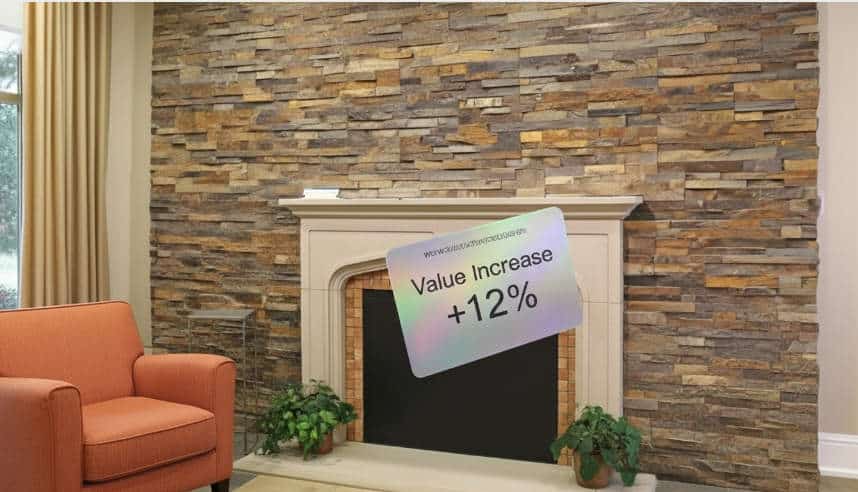
السلامة أولاً: حساب ارتفاع رف الموقد بناءً على مخرجات وحدة حرارية بريطانية
تتطلب السلامة الهيكلية للموقد في عام 2026 حسابًا دقيقًا للأعمدة الحرارية، حيث يتم تحديد الخلوص الرأسي للرف القابل للاحتراق من خلال معايير NFPA 211 وحمل BTU المحدد لوحدة التسخين.
تعطي بروتوكولات التثبيت الاحترافية الأولوية لمعايير الجمعية الوطنية للحماية من الحرائق (NFPA) 211 لضمان السلامة السكنية. نبدأ بتفويض أساسي بمسافة عمودية تبلغ 12 بوصة بين فتحة صندوق الاحتراق وأسفل أي رف خشبي قابل للاحتراق. تعمل هذه الفجوة كخط دفاع أساسي ضد الانحلال الحراري، وهو التحلل الكيميائي للخشب الناتج عن التعرض للحرارة على المدى الطويل.
تقوم إدارات البناء المحلية في كثير من الأحيان بفرض “حكم النتوء,” مما يضيف التعقيد إلى التثبيت. لكل بوصة يمتد رف الرف إلى ما وراء وجه الواجهة الحجرية، يجب على القائمين بالتركيب عادةً إضافة بوصة إضافية من الارتفاع الرأسي. وهذا يمنع رف الموقد من العمل كمصيدة حرارية لارتفاع الهواء الحملي. التحقق من الركيزة الحجرية مكدسة أمر حيوي أيضًا؛ يجب أن تستقر أجهزة التثبيت على سطح ثابت ومسطح لمنع الترهل، مما قد يؤدي إلى تعريض هوامش الأمان المحسوبة للخطر بمرور الوقت.
| مخرج حرارة الموقد (BTU) | الخلوص الرأسي القياسي | أوصى الانتقال الحجري |
|---|---|---|
| قياسي (حتى 30000 وحدة حرارية بريطانية) | 12 بوصة | الألواح الحجرية الطبيعية المكدسة القياسية |
| إنتاجية عالية (30,000 – 45,000 وحدة حرارية بريطانية) | 15 – 18 بوصة | الكوارتزيت أو الأردواز (كتلة حرارية عالية) |
| عالي جدًا (45,000+ وحدة حرارية بريطانية) | خاص بالشركة المصنعة (20″+) | رأس عتب حجري غير قابل للاحتراق |
ضبط الفجوات الرأسية لوحدات المواقد ذات الوحدات الحرارية العالية
تنتج وحدات الغاز التي تتجاوز 40 ألف وحدة حرارية بريطانية أعمدة حرارية شديدة يمكن أن تحرق أو تشوه رفًا خشبيًا حتى عند الارتفاع القياسي 12 بوصة. في عام 2026، ستكون لأوراق البيانات الخاصة بالشركة المصنعة الأسبقية على الرموز العامة. غالبًا ما تحدد هذه المستندات نسب التخليص التي تمثل الحد الأقصى لإخراج الحرارة للوحدة وأنماط تدفق الهواء المحددة لتصميم الموقد.
- تساعد حسابات الانحراف الحراري في تحديد ما إذا كانت هناك حاجة إلى رأس حجري غير قابل للاحتراق.
- غالبًا ما تتطلب وحدات BTU العالية “الدروع الحرارية” أو سماكات حجرية محددة لتبديد الطاقة قبل أن تصل إلى مرحلة التحول الخشبي.
- القطع الدقيق 6″ × 24″ الألواح الحجرية توفير الاحتياطي اللازم غير القابل للاحتراق لتلبية متطلبات التأمين الحديثة.
الاعتبارات الحرارية للأسطح الحجرية المركبة
يؤثر الملمس المادي للحجر على كيفية توزيع الحرارة حول الموقد. محكم بعمق لوحات دفتر الأستاذ، مثل تلك الموجودة في سلسلة Top Source Stone Rough، تخلق اضطرابًا صغيرًا في الهواء الساخن المتصاعد. يمكن أن يؤدي هذا الاضطراب إلى تركيز الحرارة عند الحافة الأمامية للرف، مما يجعل اختيار المادة الحجرية قرارًا وظيفيًا وليس قرارًا جماليًا بحتًا.
تعمل الأحجار الطبيعية مثل الكوارتزيت والأردواز ككتل حرارية. إنها تمتص الحرارة أثناء التشغيل وتطلقها ببطء، مما يؤدي إلى استقرار درجة الحرارة عند تقاطع رف الموقد. لضمان انتقال أكثر أمانًا في التطبيقات ذات الحرارة العالية، نوصي باستخدام عتب حجري غير قابل للاحتراق من سلسلتنا المسطحة. وهذا يوفر نمطًا أكثر قابلية للتنبؤ بتدفق الهواء وسطحًا متفوقًا للتركيب مقارنةً بتركيب الخشب مباشرة على الفراغات غير المنتظمة للنسيج الثقيل. جدار حجري.
كيفية ختم الانتقال بين الأسطح الحجرية والخشبية؟
تعتمد التحولات الناجحة من الحجر إلى الخشب على مواد مانعة للتسرب عالية المرونة تفصل الحركة الموسمية للخشب عن الواجهة الحجرية الصلبة، مما يمنع حدوث كسور الإجهاد عند التقاطع.
مواد مانعة للتسرب مرنة للحركة الهيكلية
تعتبر الأرفف الخشبية الطبيعية استرطابية، مما يعني أنها تتوسع وتتقلص بشكل كبير مع تقلب مستويات الرطوبة المحيطة. في المقابل، الواح حجر طبيعي من الأعلى يبقى حجر المصدر جامدًا تمامًا. يعد تطبيق الجص التقليدي القائم على الأسمنت عند هذا التقاطع أمرًا خاطئًا. سيؤدي نقص المرونة إلى ظهور تشققات شعرية خلال الدورة الموسمية الأولى.
- حدد سدادات بلاط السيراميك الرملي أو مواد مانعة للتسرب مرنة من الخشب إلى الحجر توفر قدرة حركة بنسبة 25٪ على الأقل.
- تجنب المواد اللاصقة الصلبة أو الجص القائم على الإيبوكسي الذي لا يمكنه امتصاص الطاقة الحركية للخشب المتحرك.
- اختر لونًا مانعًا للتسرب يتناسب مع الألوان الداكنة للشق الطبيعي للحجر لجعل المفصل يختفي في النسيج.
تقنيات تحضير السطح والشريط
تمتص الأحجار المسامية مثل الأردواز والكوارتزيت بسهولة المكونات السائلة من المواد المانعة للتسرب، مما قد يؤدي إلى تلطيخ دائم أو “تأطير الصورة” حول الرف. تعتبر الأسطح النظيفة أمرًا إلزاميًا لرابطة طويلة الأمد، خاصة عند التعامل مع الغبار المتولد أثناء تركيب الحجر المكدس.
- استخدم فرشاة فراغ وقاسية لإزالة جميع الحطام الناعم والأجزاء السائبة من فجوة الانتقال.
- ضع شريط رسام عالي الجودة على حافة الموقد الخشبي والوجه الحجري لتحديد حدود دقيقة.
- تأكد من أن الركيزة الحجرية جافة تمامًا، لأن الرطوبة المحتبسة في المسام ستمنع المادة المانعة للتسرب من الالتصاق.
تنعيم وتشطيب المفصل
تعتمد الجودة الجمالية للانتقال على تقنية التشطيب. تبدو حبة السد الخام وكأنها عملية إصلاح، في حين أن الوصلة الناعمة والمجوفة تبدو وكأنها تفاصيل معمارية مخططة. يستخدم المثبتون المحترفون طريقة الأدوات الرطبة لضمان ملء المادة المانعة للتسرب للشكل غير المنتظم للحجر.
- قم بحقن المادة المانعة للتسرب في عمق الوصلة باستخدام مسدس السد لضمان الاتصال الكامل بكلتا المادتين.
- رش حبة مانع التسرب بمحلول خفيف من الماء والصابون لتسهيل التنعيم بسهولة باستخدام إصبع مبلل أو أداة تحديد ملامح.
- اسحب الشريط اللاصق بعيدًا بينما لا تزال المادة مبللة لمنعه “السلخ” وحواف خشنة.
اختراق السدادات لحماية الحجر
حماية سطح الحجر نفسه لا يقل أهمية كما ختم التقاطع. بينما لدينا الحجر الطبيعي المكدس متين بطبيعته، يوفر مانع التسرب المخترق حاجزًا غير مرئي ضد الرطوبة والسخام، خاصة في تطبيقات المواقد. لا تغير هذه المواد المانعة للتسرب خصائص الحجر العاكسة للضوء، وتحافظ على المظهر الأصلي غير اللامع المفضل في العصر الحديث مشاريع B2B.
- ضع مادة مانعة للتسرب (مشربة) عالية الجودة تسمح للحجر بالتنفس أثناء صد الزيوت والماء.
- تجنب المواد المانعة للتسرب الموضعية التي تشكل الفيلم والتي تخلق لمعانًا صناعيًا أو “نظرة رطبة” والتي يمكن أن تتقشر مع مرور الوقت.
- جدولة إعادة التقديم وفقًا لـ 2026 معايير الصيانة للحفاظ على حيوية الحجر الطبيعي المعادن.
خاتمة
يتطلب التصميم الناجح للمدفأة موازنة تقنيات الكتابة الدقيقة مع الالتزام الصارم برموز تصريح السلامة الخاصة بـ BTU. يضمن استخدام الألواح المقطوعة باستخدام الحاسب الآلي والزوايا L الجاهزة انتقالًا سلسًا يحافظ على السلامة الهيكلية للواجهة الحجرية الطبيعية. تمنع هذه التفاصيل الفنية التلف الناتج عن الحرارة وتزيل الفجوات المرئية للحصول على تشطيب معماري احترافي ومتين.
قم بمراجعة مخزوننا الحالي لتحديد القوام والزوايا المطابقة للألوان لمواصفات مشروعك القادم. يمكنك الاتصال بفريقنا لطلب ورقة بيانات فنية أو مجموعة عينات حجرية لمكتبتك المعمارية.
الأسئلة المتداولة
هل تحتاج إلى موقد عند استخدام قشرة الحجر الطبيعي؟
نعم، إذا كنت كذلك تركيب مدفأة تعمل بالحطب أو الغاز، يلزم تمديد الموقد غير القابل للاحتراق بموجب قوانين البناء (عادةً معايير NFPA 211) بغض النظر عن المواد المواجهة للجدار. بينما قشرة الحجر الطبيعي الموقد في حد ذاته غير قابل للاحتراق، ويحمي الموقد الأرضيات المحيطة به من الإشعاع الحراري والجمر المتطاير. بالنسبة للمواقد الكهربائية أو الجدران المزخرفة البحتة، فإن الموقد اختياري ولكن يوصى به غالبًا لتحقيق التوازن الجمالي.
كيفية ربط رف خشبي ثقيل بجدار حجري؟
لضمان السلامة الهيكلية، يجب تثبيت رف خشبي ثقيل مباشرة في قوائم الحائط أو ركيزة البناء بدلاً من تثبيته في القاعدة. القشرة الحجرية نفسها. يتضمن معيار الصناعة تركيب دعامة تثبيت فولاذية أو مسامير متخلفة للخدمة الشاقة في الإطار قبل تطبيق الحجر. وهذا يسمح بوضع الحجر حول أجهزة التثبيت، مما يضمن دقة الحمل اللازمة لدعم وزن الخشب بأمان مع مرور الوقت.
هل يمكنني استخدام رف حجري مع ألواح حجرية طبيعية مكدسة؟
قطعاً. دمج رف الحجر مع ألواح حجرية مكدسة طبيعية يخلق جمالية راقية وسلسة. ونظرًا لأن كلا المادتين تشتركان في خصائص التمدد الحراري نفسها، فإنهما يعملان معًا بشكل جيد في البيئات عالية الحرارة. ومع ذلك، نظرًا للوزن الكبير للرف الحجري الصلب، يجب عليك استخدام مثبتات بناء متخصصة أو نظام لوحة دفتر الأستاذ الذي ينقل الوزن إلى الإطار الهيكلي للمبنى بدلاً من الاعتماد على الرابطة اللاصقة للألواح.
ما هي المسافة المطلوبة بالكود بين صندوق الاحتراق والرف؟
تتطلب قوانين البناء القياسية عمومًا خلوصًا لا يقل عن 6 بوصات بين الجزء العلوي من فتحة صندوق الاحتراق وبداية الرف القابل للاحتراق. علاوة على ذلك، مقابل كل بوصة يبرز فيها الرف من الجدار، عادةً ما تكون هناك حاجة إلى بوصة إضافية من الخلوص الرأسي. على سبيل المثال، يتطلب الرف الذي يبلغ عمقه 6 بوصات خلوصًا يبلغ 12 بوصة فوق صندوق الاحتراق. تحقق دائمًا من المتطلبات المحددة مع بلديتك المحلية وقائمة الشركة المصنعة للمدفأة.
كيفية سد الفجوة بين رف الموقد والحجر؟
للحصول على لمسة نهائية احترافية، استخدم مادة مانعة للتسرب مرنة من السيليكون تتحمل درجة حرارة عالية أو مادة عازلة مطابقة للون اللون. لأن الحجر الطبيعي له سطح غير منتظم، “الكتابة” يوفر رف الموقد للملف الحجري أثناء التثبيت التوافق الأكثر إحكامًا. بالنسبة لأي فجوات صغيرة متبقية، فإن تطبيق حبة من مادة مانعة للتسرب المرنة يستوعب التمدد الحراري الطبيعي وانكماش المواد المختلفة مع منع تراكم الدخان أو الحطام خلف الرف.