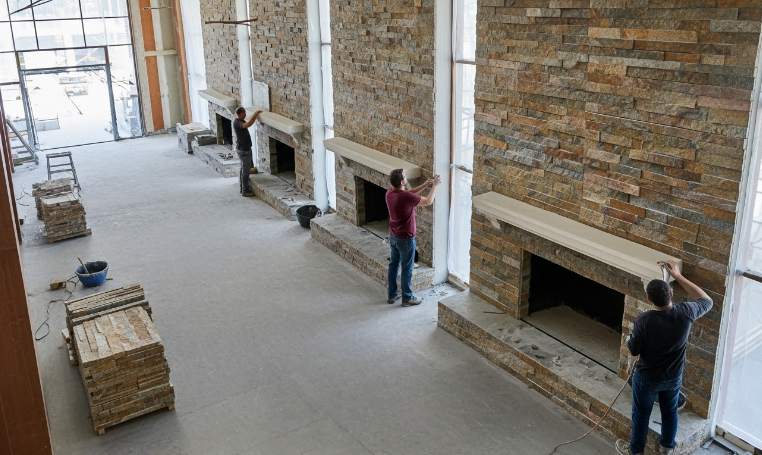
精密なマントルピース & 炉床の統合は、石積み設計における構造の安定性と消防法への準拠のための主要な保護手段として機能します。積み上げられた石の不規則な輪郭に重い木材を取り付けると、固定具のたるみや危険な熱クリアランスにつながる特定の機械的リスクが生じます。構築段階でこれらの公差を無視すると、安全検査が不合格となり、設置者に重大な責任が生じます。取り付けを成功させるには、クリアランス比を厳密に遵守し、高い熱応力下でもアセンブリが安定した状態を保つようにするための特殊な取り付け技術が必要です。
このガイドでは、マントルピースを凹凸のある場所に取り付けるための標準的な操作手順の概要を説明します。 壁の外観を損なうことなく石材のベニヤを貼り付ける 誠実さ。ギャップを除去するために使用されるスクライビング技術について説明し、ファイアボックスの BTU 出力に基づいてマンテルの高さを計算するために必要なデータ ポイントを提供します。次のセクションでは、炉床の材料の選択と、木と石の間の移行部をシールするための具体的な方法についても詳しく説明します。このドキュメントは、凹凸のある表面に面一で確実にフィットするために必要な技術的フレームワークを提供します。
マントルピースとストーンの接合部が最も重要な設計詳細である理由
重い木材が交わる接合部 天然石 主要な構造および安全性のインターフェイスとして機能し、暖炉が完全性を維持しているか、時間の経過とともにたわみ、熱損傷、見苦しい隙間が生じているかどうかを判断します。
構造の安定性と荷重管理
この接合部は、マントルピースの重量がマンテルの重みと接触する重要な支持点です。 石材ベニヤとその下の下地。 2026 年の住宅建築では、マントルピースがファサードから離れるのを防ぐために、この特定の境界面での耐荷重精度を優先します。 天然石パネル高密度の珪岩やスレート鉱脈から得られるものは、重い木材や石の棚に必要な硬い基礎を提供します。
- ラグボルトやネジ付き金属ポストなどの機械的締結システムを使用して、マントルピースの重量が直接本体に伝わるようにしています。 装飾的な石に頼るのではなく、壁の間柱を使用する サポートのために。
- 適切に設計された接合部により、壁面全体に下向きの圧力が分散され、個々の接合部の亀裂が防止されます。 石材ユニットまたはベニヤの剥離。
- トップソース Stone では、Z 型連動パネルの使用を推奨しています。 従来の不規則なルースストーンと比較して、ブラケットのより平坦でより安定した取り付け面を提供します。
美的価値と視覚的な流れ
の凹凸のある質感の間の移行 積み上げられた石 マントルピースの滑らかな表面は、インスタレーション全体の職人技を定義します。目に見える隙間や過度のモルタルによる乱雑な接合部は、天然素材の高級感を台無しにします。プロの設置業者は接合部を使用して構造アンカーを隠し、フローティング効果がクリーンでミニマリストに保たれるようにします。
接合点で目に見える隙間をなくすことで、資産価値に直接影響を与えるカスタムビルドの外観が作成されます。施工者は、スクライビングなどの技術を使用して、天然の割れた石の特定の輪郭を木製マントルピースの背面にトレースします。これにより、木材が石の表面から直接伸びたかのように見えるフラッシュフィットが可能になります。ミッドナイト スレートやアラスカ グレーなどの高級素材の視覚的な連続性を維持するには、ここでの正確な位置合わせが不可欠です。
耐熱性と防火性
接合部は、可燃性マントル材料と不燃性石バリアの間の繊細な界面を管理します。 天然石 パネルは熱シールドとして機能し、最新のガスまたは薪燃焼ユニットの高 BTU 出力から木材を保護します。この時点での戦略的なシーリングにより、ベニヤの裏側から熱気が上昇するのを防ぎ、壁のフレームに隠れた熱損傷が発生するリスクを大幅に軽減します。
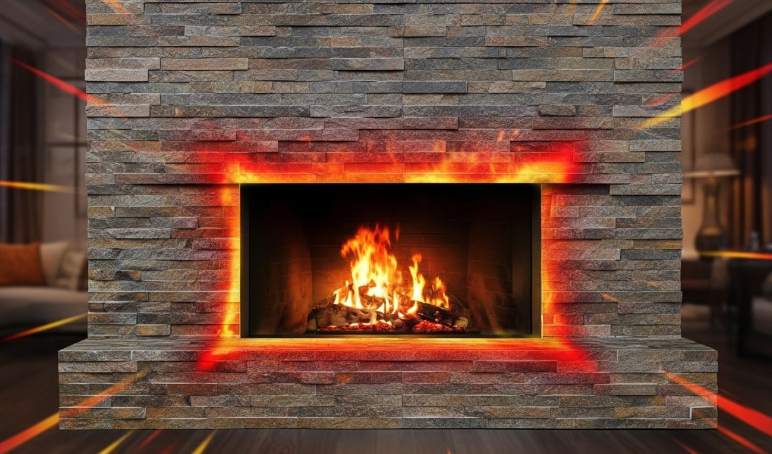
- 設計者は、接合部が安全な温度に保たれることを保証するために、厳格な安全クリアランス (通常、火室から最低 12 インチ上) に従います。
- 接合部に柔軟で耐熱性のシーラントを使用することで、気密な断熱層を維持しながら木材の自然な膨張と収縮に対応します。
- 接合部の設計により、室内への熱反射を最大化します。 石の熱質量を利用して暖炉全体の暖房を改善します 効率。
フローティングマンテル: 重い木材を石のファサードに固定するにはどうすればよいですか?
信頼性の高いフローティングマントル 天然石を使ったインスタレーション 表面には、化学接着剤から、装飾的なファサードを迂回して建物の構造フレームに係合する高強度の機械的固定システムへの移行が必要です。
2026 年に重い木製のマントルピースを石に固定するには、大きなせん断荷重に対処し、たるみを防ぐために高強度の機械的留め具が必要です。ラグボルト、ウェッジアンカー、またはネジ付き金属ポストを使用して、下にある石材またはコンクリートとの永久的な結合を確立します。これらのネジ付き金属ロッドは安定した内部支持システムを提供し、無垢材のマントルピースをハードウェア上で直接スライドさせることができ、化学接着剤では重量のある天然素材には匹敵しない引き抜き耐性を提供します。 石材の用途。
| ハードウェアの種類 | 耐荷重(せん断) | ベストユースケース |
|---|---|---|
| ねじ付き金属棒 | 150ポンド以上 | 無垢材/ラフプレミアムパネル |
| ウェッジアンカー | 100 – 150ポンド | コンクリート/石材の裏打ち |
| ラグボルト(スタッド内) | 80 – 120ポンド | 2×6 木造構造フレーム |
構造基板への戦略的なアンカーの配置
マントル設備の寿命は、装飾的な石の層だけでなく、構造フレームへの固定に依存します。設置者は、不必要な応力や個々の亀裂を避けるために、モルタル接合部または構造用セメントボードをターゲットにする必要があります。 石のパネル。主要な重量を支えるアンカーを 2 つで直接係合する×4または2×安全性を考慮すると、6 本の木製スタッドは交渉の余地がありません。
- フレーミング段階で高精度のスタッドファインダーを使用して、事前にアンカーポイントを計画します。 石の取り付け。
- 平方フィートあたり 8 ~ 13 ポンドを考慮して、石積みハードウェアが構造下地に達していることを確認してください。 積まれた石の重さ。
- 中空コアマントルの場合、安定性を最大限に高めるために、石の後ろのコンクリートブロックに厚さ 3/8 インチのアングル鉄をボルトで取り付けます。
不均一に積み上げられた石のテクスチャのためのブラケットの統合
石の厚さの自然な変化、特に “ラフシリーズ” パネルには、高次元の表面に適応できるブラケットが必要です。フリクションフィットブラケット デザインは、設置業者がさまざまな深さの天然石を管理するのに役立ちます、0.75 ~ 1.75 インチの範囲です。ブラケットのベースにシムを入れると、木製マントルピースが水平になり、ブラケットと面一になるようになります。 Z型連動パネル 目に見える隙間のないシステム。調整可能なブラケットシステムは、木の深い質感や劇的な影に対して取り付けられた場合でも、木材が前方に傾くのを防ぎます。 天然石。
設置のベンチマークと重量の計算
標準化された設置高さと荷重制限に従うことで、暖炉の安全性と美的バランスの両方が確保されます。マントルピースの重量と特定の石材のファサード重量を組み合わせて総耐荷重を計算します。これは、標準パネルの平均で 30 ~ 40kg/m² です。ダイヤモンド先端の石材ビットを使用した精密な穴あけにより、天然珪岩やスレートの欠けを防ぎ、支柱用のきれいな穴を作成します。
- 最適な視覚的比率を得るために、床から 54 インチの標準的な取り付け高さを維持してください。
- 石材の切断中に CNC ダイヤモンドブレードの精度を利用して、しっかりと締め付けます。 “男性-女性” マントルブラケットの周りで連動します。
- 火室と木製炉棚の底部の間の隙間については、地域の NFPA 火災安全規定を確認してください。
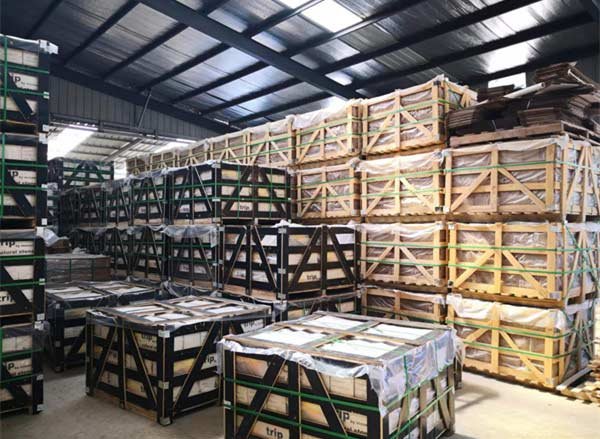
工場直送の台帳パネルでビジネスを拡大
積み石を補完する適切な炉床材料の選択
高性能炉床は、熱緩衝材と視覚的アンカーの両方として機能し、2026 年の不燃性基準と自然の頑丈なプロファイルのバランスをとった材料が必要です。 ベニヤパネル。
炉床材の選択には、単純な色合わせだけでは不十分です。私たちは優先します 天然石 特に高熱量の暖炉の出力を扱う場合、その固有の熱安定性が優れています。繰り返しの熱サイクルによってガスが発生したり劣化したりする可能性のある合成または複合材料とは異なり、 天然石 構造的な完全性を維持します。のために B2Bプロジェクト、この信頼性により、不動産所有者の長期責任とメンテナンスコストが軽減されます。
耐熱・不燃規格を重視
現在の安全プロトコルでは、地域の不燃性要件を超える炉床材料が要求されています。お勧めします 天然石 下地床に十分な断熱層を提供するスラブ。これにより、木造住宅建築における重要な要素である可燃性の構造部材への熱伝達が防止されます。
- 割れたり剥離したりすることなく高温でも安定した天然珪岩またはスレート素材を選択してください。
- 避ける “偽物” または樹脂ベースの 石製品 継続的に熱にさらされると焦げたり、臭いが発生したりする可能性があります。
- 炉床の厚さが、設置される特定の暖炉インサートまたは火室に必要な最小 R 値を満たしていることを確認します。
クレフト仕上げとポリッシュ仕上げによるテクスチャの調整
暖炉の視覚的な成功は、水平の炉床と垂直のファサードの間の触覚的な関係に依存します。自然な裂け目仕上げは、当社の凹凸のある多次元表面を鏡映する場合に最も効果的です。 “ラフシリーズ” 積み上げられた石。これにより、交通量の多いエリアの磨耗を隠す、統一感のある素朴な外観が生まれます。
現代的な設置の場合、研がれたまたは磨かれたスラブは、建物に鋭いコントラストをもたらします。 “フラットシリーズ” 石のパネル。これらの滑らかな表面は、過渡的および現代的な建築スタイルに適したきれいな移行を作成します。深い質感の石と滑らかな表面のどちらかを選択する場合、滑らかな表面は灰や破片を簡単に取り除くことができるため、美的目標とメンテナンスの容易さを比較検討します。
視覚的な統一感をもたらすカラーパレットのマッチング
デザイナーは多くの場合、炉床を揃えて一体型の外観を目指します。 ベニヤパネルの主なベースカラーを持つ石。たとえば、ミッドナイト スレート パネルとカーボン ブラック スレート ハースを使用すると、単一のブロックから彫られたように見える統合アセンブリが作成されます。あるいは、グレイシャーホワイトの珪岩化粧板に対する黒いスレート炉のような対照的な色調が暖炉の設置面積を定義し、建築的な奥行きを加えます。
- 貫通して使う 天然石 シーラントを使用して囲炉裏の色を深め、壁石の鮮やかさと調和するようにします。
- 暖炉ユニット全体の色合いの均一性を維持するために、同じ採石層から炉床スラブを調達します。
- 素朴な雰囲気のギャップを埋めるためにアースカラーの囲炉裏を利用する 積み上げられた石とニュートラルなインテリア 床材。
重量と設置効率の最適化
業界は、1 cm ~ 2.5 cm の積み上げ石パネルの軽量性を補完する、より薄く、より効率的な石スラブを目指しています。堅固な石ベースの重厚な外観を維持しながら、床根太にかかる総構造負荷を軽減するために、厚さ 1 インチから 1.5 インチの石スラブを指定します。このアプローチにより、物流が簡素化され、追加の床補強の必要性が減ります。
工場でカットされた炉床石を使用することで、現場での効率がさらに向上します。これらの寸法が事前に決定された部品により、現場での重度の切断作業が不要になり、最終組み立て段階での粉塵や人件費が削減されます。炉床の高さを下段の炉床と正確に調整します。 石のパネル 厄介な隙間や目に見えるモルタルのラインを排除し、プロフェッショナルな平らな仕上がりを保証します。
の “スクライビング” テクニック: マントルピースを凹凸のあるテクスチャに合わせるには?
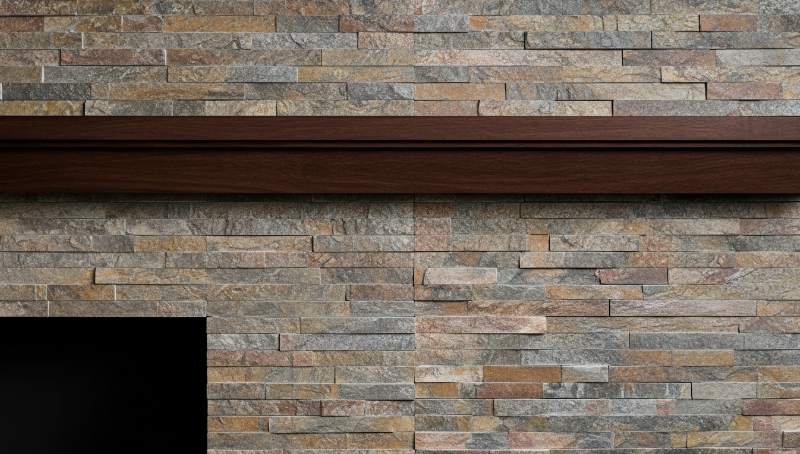
精密なスクライビングにより、木材のプロファイルを 100% 天然石のテクスチャに機械的に一致させることで、標準的なマントル設備がハイエンドの建築上の特徴に変わり、見苦しいフィラーや太いコーキング線が不要になります。
石材表面のスクライビングの基本原理
スクライビングは、 天然石の不規則な形状 トップ ソース ストーンの自然な裂け目や分割面のパネルに見られる重いテクスチャーの壁を、平らなマントル ボードに貼り付けます。このプロセスにより、木材がそこから成長しているように見えるシームレスな接続が作成されます。 石の上に座るのではなく、 それの。 2026年には贅沢に 暖炉のデザイン、フラッシュフィットが期待される標準です。施工業者は、木と石の接合部に太いグラウトラインや特大のトリムピースを使用することを避けています。これらは現代建築用石材のきれいなラインを損なうからです。
| 設置方法 | 視覚的な美学 | 長寿 & メンテナンス |
|---|---|---|
| プロのスクライビング | シームレスなカスタム彫刻エッジ | 最高;隙間なく自然な木の動きを可能にします。 |
| コーキング/グラウト充填 | 可視1/4″ 1/2まで″ トランジションライン | 中くらい;フィラーは熱膨張により亀裂が発生することが多い |
| シャドウ ギャップ (トリミングされていない) | インダストリアルで浮遊感のある外観 | 低い;凹んだ石のポケットにほこりや破片が集まります |
必須のツールとトレース方法
正確なトレースを実現するには、高度な規律を持って使用されるシンプルなツールが必要です。目標は、山と谷をすべてキャプチャすることです。 石を正確に積み上げたので、最終的なカットが可能 表面の地形を完全に反映します。
- 標準的な大工用コンパス、または単純な鉛筆と廃木のブロックが、1/8 インチ未満の隙間の主なトレース ガイドとして機能します。
- スクライブツールを完全に水平かつマントルエッジと平行に保つことで、プロファイル転写中の歪みを防ぎます。
- 木の表面にマスキングテープを貼ると、鉛筆の線がより鮮明になり、トレース中にマントルピースの仕上げを工具の擦り傷から保護します。
バックベベルカットの実行
切断技術によって、木材が石の突出した端にどれだけしっかりと固定されるかが決まります。単純に垂直な線を切ると、目に見えるエッジよりも先に木材の内部部分が石に当たるため、多くの場合隙間が残ります。
- 施工者はジグソーを使用してケガキ線をたどり、マンテルの前端が最初に石に接触するように背面のベベル角度を採用します。
- 木材の後部からより多くの材料を除去すると、目に見える前端が石の自然な凹みに深く入り込むことができます。
- 最初のカット中に鉛筆の線をわずかに見えるようにしておくと、後でサンダーやブロックプレーンで微調整するための安全マージンが得られます。
最終的なフィッティングと細部の調整
最終段階では反復テストが行われます。本物の石、特にトップ ソース ストーンの 100% 天然珪岩やスレートなどの石には、独特の突起があり、マントルの裏側から材料を個別に除去する必要があります。
- マントルピースを複数回乾式で取り付けると、木材のより深いレリーフが必要な石造りのファサード上の特定の高い位置を特定するのに役立ちます。
- ベルトサンダーや振動工具を使ってエッジを磨き、不規則な石のテクスチャーに光が当たらないようにフィットさせます。
- スクライビングが成功すると、木材の周りに石積みが構築されているかのような建築上の錯覚が生じ、プロレベルの統合が得られます。
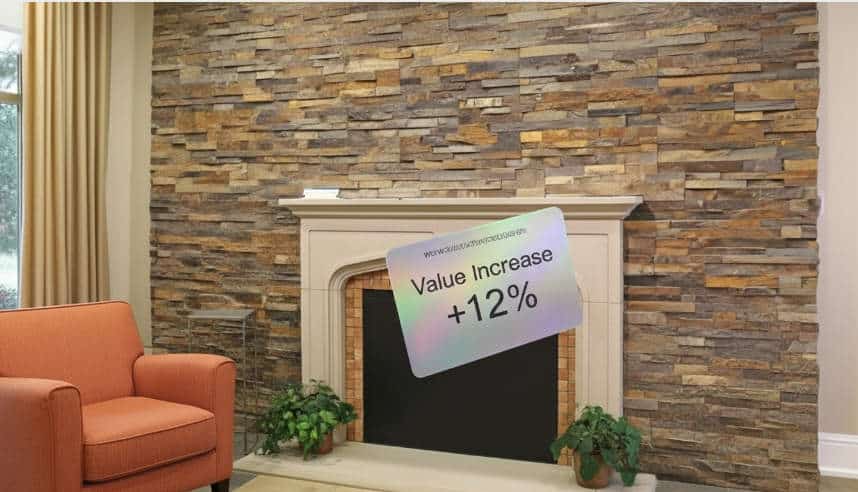
安全第一: BTU 出力に基づいたマントルの高さの計算
2026 年の暖炉の構造上の安全性には、熱プルームの正確な計算が必要です。可燃性マンテルの垂直クリアランスは、NFPA 211 規格と暖房ユニットの特定の BTU 負荷の両方によって決まります。
専門的な設置プロトコルでは、住宅の安全を確保するために全米防火協会 (NFPA) 211 基準を優先します。まず、火室の開口部と可燃性の木製炉棚の底部との間の垂直距離を 12 インチとするというベースラインの義務から始めます。このギャップは、長期の熱暴露によって引き起こされる木材の化学分解である熱分解に対する主な防御として機能します。
地元の建築部門は頻繁に次のことを実施します。 “突出ルール、” これにより、インストールが複雑になります。マントルシェルフが石造りのファサードの面を越えて伸びるごとに、設置業者は通常、垂直方向の高さをさらに 1 インチ追加する必要があります。これにより、マントルピースが対流空気の上昇に対する熱トラップとして機能するのを防ぎます。の検証 積み上げ石基板 も重要です。たわみを防ぐために、取り付け金具は安定した平らな面に食い込む必要があります。これにより、時間の経過とともに計算された安全マージンが損なわれる可能性があります。
| 暖炉の熱出力 (BTU) | 標準垂直すきま | 推奨される石の移行 |
|---|---|---|
| 標準 (最大 30,000 BTU) | 12インチ | 標準的な天然石積み石パネル |
| 高出力(30,000 – 45,000BTU) | 15 – 18インチ | 珪岩またはスレート (高熱量) |
| 超高 (45,000+ BTU) | メーカー固有 (20″+) | 不燃石製まぐさヘッダー |
高BTU暖炉ユニットの垂直ギャップの調整
40,000 BTU を超えるガスユニットは、標準的な 12 インチの高さでも木製マントルピースを焦がしたり、歪ませたりする可能性のある強力な熱プルームを生成します。 2026 年には、メーカー固有のデータシートが一般的なコードより優先されます。これらの文書では、ユニットの最大熱出力と暖炉設計の特定の通気パターンを考慮したクリアランス率が指定されていることがよくあります。
- 熱たわみの計算は、不燃性のストーンヘッダーが必要かどうかを判断するのに役立ちます。
- 高 BTU ユニットでは、多くの場合、 “熱シールド” エネルギーが木材の移行部に到達する前にエネルギーを分散させるために、特定の石の厚さを設定することもできます。
- 精密カット6″ ×24″ 石のパネル 最新の保険要件を満たすために必要な不燃性の緩衝材を提供します。
テクスチャーのある石の表面の熱に関する考慮事項
石の物理的な質感は、マントルピースの周囲に熱がどのように分布するかに影響します。深みのある質感 元帳パネル、トップソースストーンラフシリーズのものと同様に、上昇する熱気の中に微小な乱流を引き起こします。この乱流によりマントルピースの前縁に熱が集中する可能性があるため、石材の選択は純粋に審美的なものではなく、機能的な決定になります。
珪岩や粘板岩などの天然石は熱塊として機能します。動作中に熱を吸収し、ゆっくりと放出することで、マンテル接合部の温度が安定します。高温用途での移行をより安全に行うために、フラット シリーズの不燃性石製まぐさを使用することをお勧めします。これにより、重厚な質感の不規則な空隙に木材を直接取り付ける場合と比較して、より予測可能な空気の流れパターンと優れた取り付け面が提供されます。 石垣。
石と木の表面の間の移行をシールするにはどうすればよいですか?
石から木材への移行を成功させるには、木の季節による動きを硬い石のファサードから切り離し、接合部での応力破壊を防ぐ高弾性シーラントが必要です。
構造運動用の柔軟なシーラント
天然木のマントルピースは吸湿性があり、周囲の湿度レベルが変動すると大幅に伸縮します。対照的に、 天然石パネルを上から ソースストーンは完全に硬いままです。この接合部に従来のセメントベースのグラウトを塗布するのは間違いです。弾力性が不足すると、最初の季節サイクル内にヘアラインの亀裂が生じます。
- 少なくとも 25% の移動能力を備えた、やすりで磨かれたセラミック タイル コーキング材または特殊な木と石の間の柔軟なシーラントを選択してください。
- 木材の移動の運動エネルギーを吸収できない硬質接着剤やエポキシベースのグラウトは避けてください。
- 石の自然な亀裂の暗い色調と一致するシーラントの色を選択して、接合部がテクスチャの中に隠れるようにします。
表面処理とテーピング技術
スレートや珪岩のような多孔質の石は、シーラントの液体成分を容易に吸収し、永久的な汚れや汚れを引き起こす可能性があります。 “額縁” マントル周り。長期間の接着には、特に接着中に発生する粉塵に対処する場合、きれいな表面が必須です。 積み石の設置。
- 掃除機と硬いブラシを使用して、移行ギャップから細かい破片や緩んだ破片をすべて取り除きます。
- 高品質のペインターテープを木のマントルエッジと石の表面の両方に貼り付けて、正確な境界を定義します。
- 細孔に湿気が溜まるとシーラントの接着が妨げられるため、石材の下地が完全に乾燥していることを確認してください。
接合部の平滑化と仕上げ
トランジションの美的品質は、仕上げ技術によって決まります。コーキングの生のビードは修理のように見えますが、滑らかにされた凹んだ接合部は計画された建築の詳細のように見えます。専門の施工業者は、湿式工具法を使用して、石の不規則な輪郭にシーラントを確実に充填します。
- コーキングガンを使用してシーラントを接合部の奥深くに注入し、両方の材料が完全に接触するようにします。
- シーラント ビーズに中性洗剤と水の溶液を霧吹きすると、濡れた指やプロファイリング ツールで簡単に滑らかにできます。
- マスキングテープを剥がすときは、素材が濡れているうちに剥がしてください。 “皮剥ぎ” そしてギザギザのエッジ。
石保護用浸透シーラー
を保護する 石の表面自体も同様に重要です 接合部のシールとして。私たちの間、 自然の積み石は本質的に耐久性があります、浸透性シーラーは、特に暖炉での用途において、湿気や煤に対する目に見えないバリアを提供します。これらのシーラーは石の光反射特性を変えず、現代で好まれている本物のマット仕上げを維持します。 B2Bプロジェクト。
- 油や水をはじきながら石の呼吸を可能にする高品質の浸透(含浸)シーラーを塗布します。
- 合成の光沢や光沢を生み出す局所的な皮膜形成シーラーの使用は避けてください。 “濡れた表情” 時間が経つと剥がれる可能性があります。
- 2026年に合わせて再申請をスケジュールする 石本来の輝きを保つためのメンテナンス基準 ミネラル。
結論
暖炉の設計を成功させるには、正確なスクライビング技術と BTU 安全クリアランス コードの厳守のバランスをとる必要があります。 CNC カットパネルと事前に製造された L コーナーを使用することで、天然石のファサードの構造的完全性を維持するシームレスな移行が保証されます。これらの技術的な詳細により、熱による損傷を防ぎ、目に見える隙間を排除して、耐久性のあるプロフェッショナルな建築仕上げを実現します。
現在の在庫を確認して、今後のプロジェクトの仕様に合わせてテクスチャと色の一致するコーナーを選択してください。当社のチームに連絡して、建築ライブラリ用の技術データシートまたは石材サンプルキットをリクエストしてください。
よくある質問
天然石突板を使用する場合、囲炉裏は必要ですか?
はい、もしそうなら 機能的な薪暖炉またはガス暖炉の設置、壁に面している材質に関係なく、建築基準法 (通常は NFPA 211 規格) により、不燃性の炉床延長が必要です。その間 天然石ベニヤ 囲炉裏はそれ自体が不燃性であるため、周囲の床材を熱放射や飛び火から守ります。電気暖炉や純粋に装飾的な壁の場合、囲炉裏はオプションですが、美的バランスを考慮して推奨されることがよくあります。
重い木のマントルピースを石の壁に取り付けるにはどうすればよいですか?
構造の完全性を確保するには、重い木のマントルピースを壁の間柱または石材の下地に直接固定する必要があります。 ストーンベニア 自体。業界標準では、石材を適用する前に、スチール製の取り付けブラケットまたは頑丈なラグボルトをフレームに取り付ける必要があります。これにより、石を取り付け金具の周りに配置することができ、木材の重量を長期間にわたって安全に支えるために必要な耐荷重精度が確保されます。
天然石を積み上げたパネルを備えた石製マントルピースを使用できますか?
絶対に。石のマントルピースとの一体化 天然石積み上げパネル ハイエンドでシームレスな美しさを生み出します。どちらの材料も同様の熱膨張特性を共有しているため、高温環境下で良好に機能します。ただし、堅い石の炉棚はかなりの重量があるため、パネルの接着剤に依存するのではなく、重量を建物の構造フレームに伝達する特殊な石積みアンカーまたは台帳システムを使用する必要があります。
コードで要求されるファイアボックスと炉棚間の距離はどれくらいですか?
標準建築基準では、一般に、火室の開口部の上部と可燃性マントルピースの始まりとの間に少なくとも 6 インチの隙間が必要です。さらに、マントルピースが壁から 1 インチ突き出るごとに、通常、さらに 1 インチの垂直方向のクリアランスが必要になります。たとえば、深さ 6 インチの炉棚には、火室の上に 12 インチのスペースが必要です。特定の要件については、必ず地方自治体および暖炉メーカーのリストで確認してください。
マントルピースと石の間の隙間を埋めるにはどうすればよいですか?
プロフェッショナルな仕上げを実現するには、高温で柔軟なシリコンシーラントまたは同色の石材コーキングを使用してください。天然石は表面に凹凸があるため、 “けがき” 設置中にマンテルと石のプロファイルが最もしっかりとフィットします。残りの小さな隙間には、柔軟なシーラントのビードを適用することで、さまざまな材料の自然な熱膨張と収縮に対応しながら、煙や破片がマンテルの後ろに蓄積するのを防ぎます。