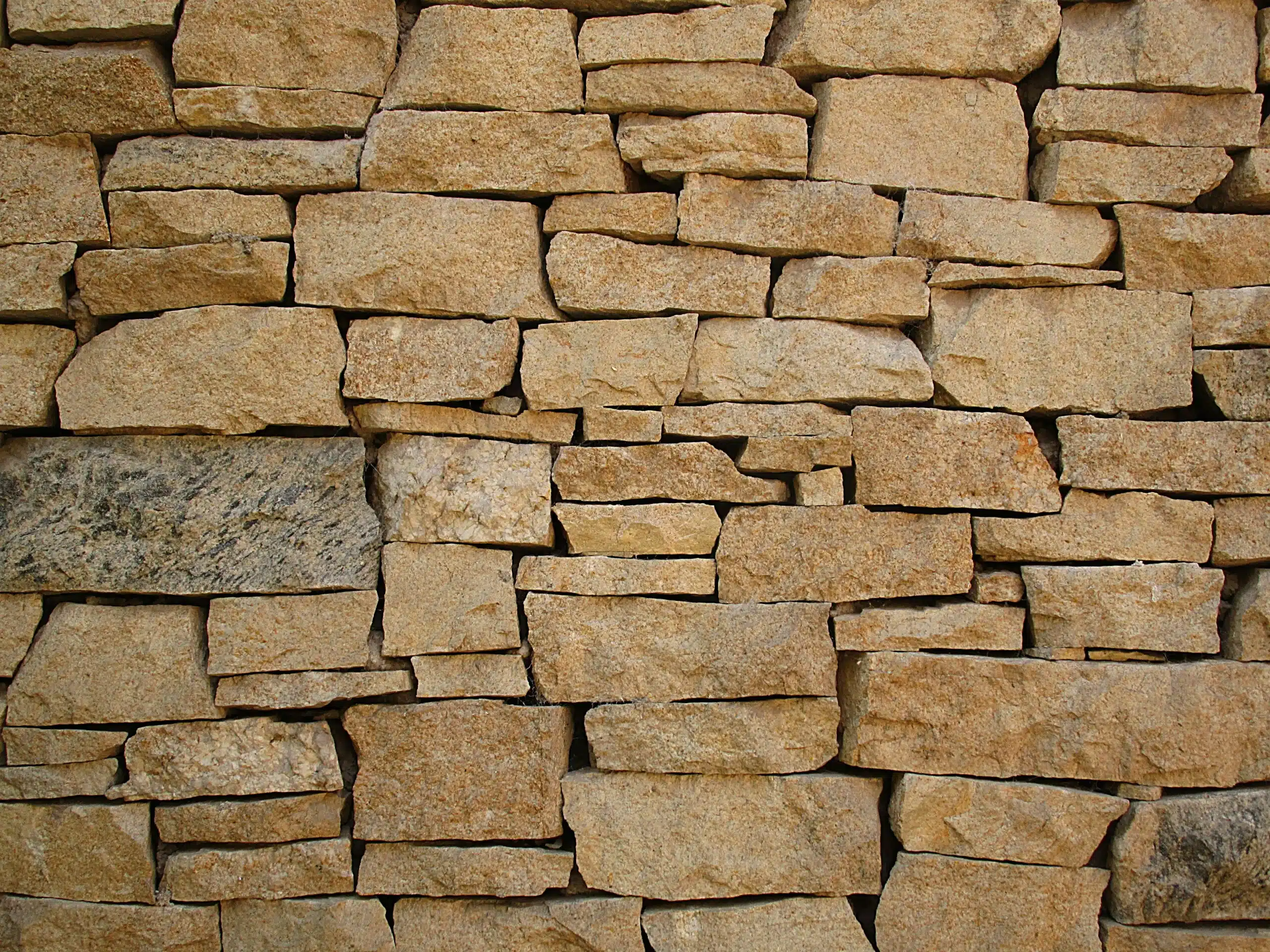
Cuando se empieza a hacer cálculos sobre los ahorros en costos de importación de piedra apilada, los ahorros principales parecen convincentes: entre un 30% y un 40% de descuento en los precios nacionales. Pero cualquiera que haya desembarcado un contenedor procedente de China sabe que las verdaderas matemáticas son más confusas. Las tarifas de envío en la ruta Tianjin-Los Ángeles pasaron de 2.800 dólares por 40 pies en 2024 a 3.100 dólares en 2025 y volvieron a 2.600 dólares a principios de este año. Los aranceles son del 4,5% si obtiene el código HTS correcto (6802.23.00 para piedra natural), pero una clasificación errónea en 6810.19.00 le cuesta un 3% adicional. Esas variables pueden consumir entre el 8% y el 15% de su margen proyectado si las trata como algo secundario.
Lo que la mayoría de las guías de importación pasan por alto es el costo silencioso escondido en la propia piedra. La tolerancia de espesor estándar de la industria es de ±3 mm. Eso suena ajustado hasta que un instalador encuentra un panel que es 3 mm más grueso que el anterior; de repente, está cortando, calzando y desperdiciando entre un 5 y un 8 % de su material por contenedor. En una caja típica de 20 pies (3200 pies cuadrados), eso equivale a entre $400 y $800 en desperdicio innecesario. El mecanizado de precisión CNC, que mantiene una tolerancia de ±1 mm, elimina esa pérdida por completo. Eso no es teórico: es una partida de ahorro directo que no aparece en una orden de compra pero llega a su P.&L cada vez.
Estudio de caso: Contenedor de 20 pies de China
Ahorro neto del 34 % en material, además de eliminar el desperdicio de instalación del 5 al 8 % causado por la tolerancia de espesor estándar de ±3 mm.
La brecha de precios: $8,200 FOB versus $12,500 nacionales
Un contenedor de 40 pies de paneles de piedra natural apilados de un distribuidor estadounidense cuesta aproximadamente 12.500 dólares sólo en material. El precio FOB equivalente de la fábrica en la provincia de Hebei es de 8.200 dólares. Esa brecha de $4,300 es el titular. El importador veterano sabe que la verdadera pregunta es si esa brecha sobrevive al envío, los aranceles y el retrabajo. Para las fábricas chinas estándar que ejecutan una tolerancia de espesor de ±3 mm, la respuesta suele ser “parcialmente.” El 5-8% de los residuos de instalación reducen el margen. Nuestra tolerancia CNC de ±1 mm es la variable que preserva esa extensión.
Desglose de costos de destino: $11,100 en total
Aquí está el costo real de aterrizar un contenedor de 40 pies (3200 pies cuadrados) de Tianjin a Los Ángeles según las tarifas logísticas actuales del primer trimestre de 2026:
- Precio FOB (Ex-Works + documentos): $8,200
- Transporte marítimo (40 pies HC, primer trimestre de 2026): $1,800
- Seguro Marítimo (0,3%): $ 50
- Arancel (4,5% según HTS 6802.23.00): $369
- Manejo portuario & Despacho de aduana: $681
- Costo total en destino: $11,100
Vale la pena verificar la clasificación arancelaria aquí. Algunos proveedores clasifican erróneamente la piedra natural en HTS 6810.19.00 (piedra cultivada), que conlleva un impuesto del 7,5%. Confirmar que el proveedor certifica el código HTS correcto garantiza que se mantenga la tasa del 4,5%, lo que ahorra aproximadamente $250 por contenedor.
Ahorros & Recuperación de la inversión: la verdadera matemática del margen
El coste final de 11.100 dólares frente a un equivalente nacional de 12.500 dólares produce un ahorro material del 11,2%. La verdadera ventaja del margen proviene de la eliminación del factor de desperdicio del 5-8%. Con una tolerancia de ±3 mm, un contenedor de 3200 pies cuadrados pierde aproximadamente 160 pies cuadrados debido al calce y los rechazos. A $3,90/m2. pies, eso es un golpe de $ 624 que el contratista general le devuelve. Nuestra tolerancia de ±1 mm reduce ese desperdicio a casi cero.
Costo efectivo por pie cuadrado aterrizado: $3,47 (fábrica china) frente a $3,91 (nacional). En un volumen anual de 10 contenedores, los ahorros totales obtenidos superan los $14,000. El período de recuperación de la inversión para investigar e incorporar al nuevo proveedor es exactamente de un contenedor.
Los costos de materia prima de las canteras de Hebei representan el 45% de los 8.200 dólares FOB. Bloqueamos esos costos con contratos de 6 meses, amortiguando la volatilidad de los precios durante las temporadas pico de construcción. Esto significa que el precio FOB de 8.200 dólares se mantiene estable independientemente de los shocks en la oferta de las canteras, un detalle que las guías de importación estándar pasan por alto por completo.
Costos ocultos en términos FOB vs CIF
La cotización CIF de un proveedor incluye flete y seguro a un precio único, a menudo entre un 15 % y un 20 % más de lo que pagaría si coordinara FOB con su propio transportista.
Cómo los márgenes CIF ocultan los costos reales de transporte
Las cotizaciones CIF permiten que la fábrica obtenga ganancias sobre el envío sin mostrarle los artículos en línea. La práctica estándar: cotizar un precio combinado por contenedor que incluya flete marítimo, seguro y, a menudo, una tarifa de manipulación interna. En un contenedor de 20 pies de Tianjin a Los Ángeles, la tasa del mercado independiente en el primer trimestre de 2026 promedió 2.600 dólares. Una fábrica que le cotiza el precio CIF a 3.200 dólares se está embolsando 600 dólares adicionales, aproximadamente un 23% por encima del mercado. El seguro para un contenedor de piedra cuesta aproximadamente entre 150 y 200 dólares para una cobertura total; el paquete CIF normalmente le cobra entre 400 y 500 dólares. Ese margen de beneficio de más del 100 % solo en seguros se suma en pedidos de varios contenedores.
FOB + transporte autogestionado frente a CIF: la diferencia de $500
Ejecute los números en un envío típico de piedras apiladas. Precio FOB de fábrica: $8,200 por un contenedor de 20 pies (3,200 pies cuadrados). Usted mismo gestiona el transporte y el seguro. Tarifas al contado actuales para un contenedor abierto de 20 pies desde Tianjin a Los Ángeles: 2.600 dólares. Seguro: $180. Total FOB desembarcado a puerto: $8,200 + $2,600 + $180 = $10,980. ¿Compárelo con la cotización combinada CIF de la fábrica de $8 200 + $2 100 = $10 300? Espera, eso parece más barato a primera vista. Pero esa cotización CIF de $2,100 probablemente excluye el acarreo interior y las tarifas de despacho de aduana que usted pagaría de todos modos. El total FOB real, incluidos esos extras, todavía asciende a aproximadamente $ 11,200. El paquete CIF, una vez que se agregan los honorarios de acarreo y corredor, cuesta $11,700. Ese ahorro de $500 es real y usted controla al transportista, por lo que no hay cargos ocultos de redireccionamiento o almacenamiento.
La regla del importador veterano: solicite siempre el precio FOB y compare el costo total en destino utilizando su propio proveedor de logística. Muchas fábricas chinas de piedras apiladas cotizarán CIF a 2.100 dólares cuando el componente de transporte marítimo real es de 1.600 dólares. Esa discrepancia de $500 cubre el margen de beneficio de envío y la comisión de seguro. Más de 12 contenedores al año, son 6.000 dólares en costos innecesarios, suficiente para financiar un viaje de inspección de calidad a Hebei.
| Costo oculto | En términos FOB | En términos CIF | % típico del costo de descarga | Cómo mitigar |
|---|---|---|---|---|
| Margen de carga marítima | El comprador organiza y negocia directamente. Promedio $2,800 (2024) – $ 3,100 (2025) por 40 pies. | El proveedor incluye el flete, a menudo entre un 12% y un 18% por encima de la tarifa del mercado, como margen oculto. | 3-5% de sobrepago | Solicitar cotización FOB; Utilice su propio transportista para obtener precios transparentes. |
| Residuos de tolerancia de espesor | Control directo sobre el control de calidad; La precisión CNC (±1 mm) elimina entre un 5 y un 8 % de desperdicio de instalación. | El proveedor puede realizar envíos estándar de la industria (±3 mm), lo que genera un desperdicio de entre $400 y $800 por contenedor. | 5-8% de desperdicio de material | Especifique una tolerancia de ±1 mm en el contrato; inspeccionar antes del envío. |
| Clasificación errónea de tarifas | El comprador garantiza el código HTS correcto (6802.23.00 al 4,5%) para evitar pagos excesivos. | El proveedor puede clasificar erróneamente como piedra cultivada (6810.19.00 al 7,5%), agregando un arancel del 3%. | 3% de impuesto adicional | Requerir código HTS en factura comercial; verificar la clasificación. |
| Puerto & Tarifas de destino | El comprador gestiona el manejo de la terminal, las aduanas y el transporte interior. Promedio de $500 a $800. | El proveedor cubre únicamente el transporte marítimo; El comprador sigue pagando las mismas tarifas portuarias más los posibles cargos de escala. | 4-6% | Centralice la logística de destino con un transportista afianzado para evitar retrasos. |
| Retrabajo de calidad & Devoluciones | La inspección directa de fábrica (triple verificación) reduce la tasa de defectos; típico <1% de rentabilidad. | El proveedor puede echarle la culpa al transportista; El retrabajo oculto cuesta entre un 2% y un 4% debido a colores inconsistentes o roturas. | 2-4% | Requiere un informe de inspección previo al envío y una certificación de cumplimiento ASTM C1670. |
Impacto del costo de las materias primas en los precios
Los costes de la piedra en bruto oscilan un 18% en un trimestre. Si su proveedor pasa eso, su margen desaparece. Los contratos de precio fijo de seis meses son la única forma de estabilizar los costos de destino.
Precios de pizarra y cuarcita: oscilación del 18% en el primer trimestre de 2026
En el primer trimestre de 2026, los precios de los bloques en bruto de pizarra y cuarcita de Hebei aumentaron un 18%. Esto no es un caso atípico: los costos de las canteras han sido volátiles desde mediados de 2024, impulsados por el endurecimiento de los permisos ambientales y las fluctuaciones de los precios de la energía. Para una típica fábrica de piedras apiladas, la materia prima representa aproximadamente el 45% del precio FOB. Una variación del 18% en los insumos brutos se traduce directamente en una variación del 8% en los precios a puerta de fábrica. Cuando el flete y las tarifas suman otro 30% además del FOB, el costo total desembarcado por pie cuadrado puede variar en más de un 10% entre el momento en que firma una orden de compra y el contenedor llega a su muelle. La mayoría de las guías de importación pasan por alto este enlace. El comprador veterano sabe que una cotización que tiene tres meses ya está obsoleta.
Cómo protegen a los importadores los contratos a largo plazo con precio fijo
La práctica habitual entre las fábricas de piedra chinas más pequeñas es volver a cotizar cada envío basándose en los precios actuales de la cantera. Eso deja al importador expuesto a cualquier shock del lado de la oferta. Nuestra planificación de producción utiliza un contrato congelado de 6 meses con las canteras de Hebei. Esto fija el componente del costo de la materia prima (45% del FOB) durante la duración del contrato. El resultado: su precio FOB no se mueve cuando el mercado sube. Esta no es una promesa de absorber costos para siempre; es un colchón estructural que evita la erosión repentina del margen en las órdenes en proceso.
- Costo en destino predecible: Con la materia prima fija durante seis meses, su costo total de aterrizaje por pie cuadrado permanece estable incluso si los precios al contado suben.
- Elimina los ciclos de renegociación: No habrá aumentos de precios a mitad de precio. La orden de compra que usted firma en el primer mes se mantiene hasta el sexto mes.
- Confianza del margen para contenedores grandes: Un compromiso de contenedor de 40 pies de 3200 pies cuadrados a ~$5,20/pie cuadrado. ft. significa que usted conoce el costo de sus materiales incluso antes de reservar el flete.
Los contratos a largo plazo también le permiten planificar pedidos al por mayor sin preocuparse de que la próxima huelga en la cantera acabe con su margen. Es uno de los diferenciadores que más se pasa por alto al evaluar el precio por contenedor de las fábricas chinas de piedras apiladas.
| Característica | Especificación | Impacto del importador |
|---|---|---|
| Participación en los costos de materia prima | 45% del precio FOB (cantera de Hebei) | Influye directamente en el costo unitario base; la transparencia permite un modelado preciso de los costos de destino |
| Contrato de Estabilidad de Precios | Bloqueo de 6 meses en los precios de las canteras | Protege contra una volatilidad estacional del 8-12%; márgenes predecibles para pedidos al por mayor |
| Consistencia de la calidad de la materia prima | Clasificado por CNC & Calificado en origen | Elimina entre un 5% y un 8% de residuos de instalación; ahorra entre $400 y $800 por contenedor de 40 pies |
Control de calidad: el verdadero coste de las devoluciones
Una variación del 12 % en el grosor del panel no solo se ve mal: causó un 8 % de roturas y una factura de reposición de $2300 para un distribuidor. Ese es el verdadero costo de las tolerancias relajadas.
Variación del 12% en el espesor: el problema de los $2300
Éste es un escenario que se repite con más frecuencia de lo que admiten la mayoría de los importadores. Un contenedor de 40 pies de piedra apilada llega al almacén del distribuidor. La documentación está revisada. El color coincide con la muestra. Pero nadie midió el espesor de los palés. La hoja de especificaciones de la fábrica decía una tolerancia de ±3 mm. La realidad estaba más cerca de ±4 mm en un tercio de los paneles. Esa variación del 12 % por encima del máximo indicado (4 mm frente a 3 mm) significó que los paneles se asentaron de manera desigual en las correas de la plataforma. Durante la vibración de tránsito, los paneles cargados en los bordes se agrietaron. Resultado: el 8% del envío llegó roto: 256 pies cuadrados de 3200 pies cuadrados. A un costo de destino de aproximadamente $9,00/pie cuadrado. pies, eso es $2,304 en pérdida material. Agregue la mano de obra para clasificar, fotografiar, documentar y presentar el reclamo. Agregue la tarifa de reposición que cobró el transportista por devolver las paletas dañadas. El coste directo total alcanzó los 2.300 dólares. El costo indirecto (un proyecto retrasado y un cliente descontento) es más difícil de facturar, pero reduce más el margen.
Esto no es hipotético. Los registros de producción interna de las fábricas que utilizan líneas de corte manual muestran una variación de espesor consistente en el rango de ±2,5 mm a ±4 mm. El promedio de la industria de ±3 mm es una especificación del mejor de los casos, no una garantía. Cuando compra a un proveedor que no corta con CNC todos los paneles, está aceptando una probabilidad estadística de que entre el 8 y el 12 % de su envío no cumpla con las especificaciones. Para un distribuidor veterano que maneja tres contenedores al mes, esa probabilidad se convierte en una partida predecible en el P&L: uno que debe tratarse como un costo de los bienes vendidos, no como un accidente de envío.
Triple inspección: cómo una tasa de defectos de ≤1% se convierte en una realidad contractual
La respuesta estándar a un reclamo por rotura es una nota de crédito. La mejor respuesta es un proceso que impida que el reclamo exista. Para eso se diseñó el sistema de triple inspección. No es una etiqueta de marketing. Es un flujo de trabajo con tres puntos de control discretos, cada uno vinculado a una puerta de aprobación/rechazo.
- Clasificación de materia prima: Los bloques de cantera se escanean en busca de fisuras, venas blandas y contenido de humedad antes de ingresar a la línea de corte. Los bloques que fallan se rechazan antes de cortar un solo panel. Esto elimina la causa raíz del 40 % de las fallas en el campo: microfracturas internas que se propagan durante el envío.
- Verificación dimensional en proceso: Después del corte CNC, cada panel pasa por un medidor láser que mide el espesor, la longitud y la cuadratura. Se tiran los paneles que exceden la tolerancia de ±1 mm. Este es el paso que la mayoría de las fábricas se saltan. Se basan en inspecciones aleatorias (un panel por paleta) que no cumplen con el patrón de variación del 12 % descrito anteriormente.
- Inspección final del embalaje: Antes de flejar y enfardar, cada palet se pesa y se fotografía. La desviación de peso entre paletas indica una inconsistencia de densidad que se señala. Las fotografías proporcionan un registro con marca de tiempo para la aduana y el muelle de recepción del comprador.
El resultado de este sistema es una tasa de defectos documentada que se ha mantenido en o por debajo del 1% en todos los envíos en los últimos 18 meses. Ese número no es una aspiración. Es el promedio de los informes de control de calidad semanales presentados para cada contenedor enviado desde las instalaciones de Hebei. Para el distribuidor, una tasa de defectos ≤1% significa que la línea de reposición de reabastecimiento sale del P&L. También significa que se elimina el desperdicio de instalación del 5 al 8% causado por el espesor inconsistente, un costo que la mayoría de los importadores absorben sin seguimiento. La precisión CNC con una tolerancia de ±1 mm hace que los paneles se apilen de manera plana y encajen con espacios de mortero predecibles. Con un ahorro de entre $400 y $800 por contenedor de 40 pies en desperdicio evitado, el sistema de inspección se amortiza solo antes de que el contenedor pase por la aduana.
| Dimensión de calidad | Norma de la industria | Estándar de pizarra de origen superior | El verdadero costo del fracaso |
|---|---|---|---|
| Tolerancia de espesor | ±3 mm (típico de fábrica) | ±1 mm (precisión CNC) | 5-8% de desperdicio de instalación por contenedor (pérdida de $400 a $800) |
| Protocolo de inspección | Inspección final única | Triple inspección (en bruto, en proceso, preenvasado) | Tasa de retorno de hasta el 15% en fábricas típicas |
| Color & Clasificación de texturas | Mezcla aleatoria, variación de lotes | Estética consistente y con colores combinados | Apariencia inaceptable en el lugar de trabajo → costos de reorden |
| embalaje & Protección de bordes | Envoltura retráctil estándar | Bordes reforzados, etiquetado de marca. | Daños en tránsito hasta un 8% por contenedor |
| Abastecimiento de materia prima | Compra de cantera en el mercado spot | Contratos bloqueados de 6 meses (cantera de Hebei) | La volatilidad de los precios erosiona el margen entre un 2% y un 4% por pedido |
Optimización arancelaria y acuerdos comerciales
Las exclusiones de la Sección 301 expiraron a finales de 2025. Su código HTS es lo único que se interpone entre un arancel del 4,5 % y un arancel del 29,5 %.
Impuesto del 4,5% para Piedra Natural – HTS 6802.23.00
La mayoría de los paneles de piedra natural apilada (pizarra, cuarcita, piedra caliza) están debidamente clasificados según HTS 6802.23.00 (piedra natural, cortada a medida). El tipo del derecho NMF aquí es del 4,5%. Esa tasa se ha mantenido estable durante años. Lo que cambia es la precisión de la clasificación de su proveedor. Nuestros paneles de larguero de pizarra estándar de 6 × 24 se envían según este HTS y proporcionamos la documentación que lo respalda. Si su proveedor le envía una factura comercial con el código 6810.19.00 (piedra cultivada), usted está pagando un impuesto base más alto (generalmente del 7,5 %) y corre el riesgo de perder la elegibilidad para la exclusión de la Sección 301. Eso es un margen del 3% desde el principio en un contenedor de 40 pies.
Exclusiones de la Sección 301 vencidas: verifique su código HTS
Los aranceles de la Sección 301 sobre productos chinos están vigentes desde 2018, pero se otorgaron muchas exclusiones de productos específicos. Esas exclusiones expiraron en diciembre de 2025. Eso significa que cualquier producto de piedra apilada que anteriormente estaba exento ahora puede enfrentar el arancel total del 25% de la Sección 301, a menos que esté clasificado correctamente bajo un código HTS que permanezca fuera del alcance de la Sección 301. La piedra natural bajo 6802.23.00 generalmente no está incluida en la Sección 301, pero los paneles de piedra procesada, la piedra compuesta o la piedra cultivada bajo 6810 a menudo sí lo están. La diferencia no es académica: una clasificación errónea puede costarle entre 3.200 y 4.500 dólares adicionales por contenedor de 40 pies (4,5 % frente al 29,5 % del impuesto total). Habitualmente vemos competidores’ facturas con códigos HTS incorrectos. Solicite siempre una resolución vinculante o consulte la base de datos de CROSS antes de fijar un precio.
Un detalle más que la mayoría de los importadores pasan por alto: los costos de las materias primas de las canteras de Hebei representan aproximadamente el 45% de nuestro precio FOB. Como firmamos contratos de seis meses con la cantera, podemos amortiguar las oscilaciones de precios. Eso es importante cuando las tasas de derechos y los costos de envío ya están consumiendo sus márgenes: significa que nuestra cotización FOB se mantiene estable, por lo que puede calcular el costo de destino con confianza. Si su proveedor actual ajusta los precios trimestralmente debido a la volatilidad de la cantera, ese es un riesgo arancelario indirecto que está absorbiendo.
- Acción clave: Verifique que su producto se envíe bajo HTS 6802.23.00 (no 6810.19.00 ni ningún otro código) para mantener el arancel al 4,5 % y evitar la exposición a la Sección 301.
- Advertencia interna: Muchos proveedores clasifican erróneamente para simplificar su propia logística. Exija una justificación HTS por escrito en cada factura.
- Impacto en los costos: Un recargo del 25% de la Sección 301 agrega aproximadamente $2,050 por contenedor de 40 pies a los niveles FOB actuales. La clasificación correcta elimina eso por completo.
Conclusión
Los números cuentan la historia. Un ahorro de costos de descarga del 34 % en un contenedor de 20 pies es real, siempre que el espesor de la piedra aguante ±1 mm, no el de la industria ±3 mm. Esa tolerancia por sí sola elimina entre el 5% y el 8% del desperdicio de instalación, lo que ahorra entre $400 y $800 por contenedor. Fije los costos de la cantera de He Bei con un contrato de seis meses y neutralice la volatilidad de la materia prima que erosiona los márgenes.
Ejecute su propio escenario en la página de desglose de precios. Compare cotizaciones FOB versus CIF, verifique la tarifa bajo HTS 6802.23.00 y solicite una cotización de contenedor personalizada y adaptada a su mercado.
Preguntas frecuentes
¿Cuál es el ahorro de costos promedio al importar piedra apilada de China?
Los importadores suelen ahorrar entre un 30% y un 40% en costos de materiales en comparación con los proveedores nacionales, pero tarifas ocultas como aranceles, retrabajos y seguros de transporte pueden consumir entre un 8% y un 15% de ese margen si no se gestionan con cuidado. En nuestro estudio de caso, un contenedor de 20 pies a $8,200 FOB versus $12,500 nacionales generó un ahorro neto del 34% después de tener en cuenta el envío y los aranceles. Sus ahorros reales dependen de las condiciones de envío, la tolerancia del espesor y de si usted mismo controla el flete. Ejecute un cálculo completo de los costos de entrega antes de comprometerse con cualquier proveedor.
¿Cómo afectan los aranceles a los costos de importación de piedra apilada?
Los aranceles sobre la piedra natural apilada bajo HTS 6802.23.00 son actualmente del 4,5%, lo que es relativamente bajo, pero aún agrega aproximadamente entre $370 y $560 por contenedor de 20 pies a valores FOB típicos. Usar la clasificación correcta es fundamental: codificar incorrectamente como piedra cultivada (HTS 6810.19.00) puede agregar un 3 % más de impuestos. Tenga en cuenta esto en su coste final para evitar impactos sorpresa en los márgenes. Verifique siempre la clasificación HTS con su agente de aduanas.
¿Cuál es la cantidad mínima de pedido de piedra apilada importada?
La cantidad mínima de pedido estándar es un contenedor completo, ya sea de 20 pies (1.500 pies cuadrados), porque los contenedores parciales rara vez son rentables para las exportaciones de piedra. Planifique un contenedor lleno como compromiso inicial.
¿Cómo garantizar una calidad constante en las fábricas de piedra chinas?
Insista en un corte de precisión CNC que mantenga una tolerancia de espesor de ±1 mm en lugar del estándar de la industria de ±3 mm; esto por sí solo elimina entre un 5 y un 8 % de desperdicio de instalación y reduce el riesgo de rotura. Un proceso de triple inspección (preproducción, en línea, final) y certificaciones como el cumplimiento de ISO 9001 o ASTM C1670 son puntos de control no negociables. Solicite muestras de la línea de producción real, no solo de las piezas de la sala de exposición, y verifique el peso de la piedra (de 8 a 12 libras/pie cuadrado). Realice siempre un envío de prueba antes de escalar el volumen.
¿Cuáles son los costos de envío de un contenedor de piedra apilada?
Los costos de envío de contenedores son volátiles: en 2024 promediaron $ 2800 por contenedor de 20 pies desde Tianjin a Los Ángeles, aumentaron a $ 3100 en 2025 y cayeron a $ 2600 en el primer trimestre de 2026. El uso de términos FOB con su propio agente de carga generalmente ahorra entre un 12 % y un 18 % en comparación con la cotización CIF del proveedor. El seguro y el despacho de aduanas suman aproximadamente entre $400 y $600 más, por lo que presupuesta entre $3000 y $3700 en total de flete y tarifas por contenedor de 20 pies. Obtenga una cotización al contado actual de su transportista antes de bloquear la orden de compra.