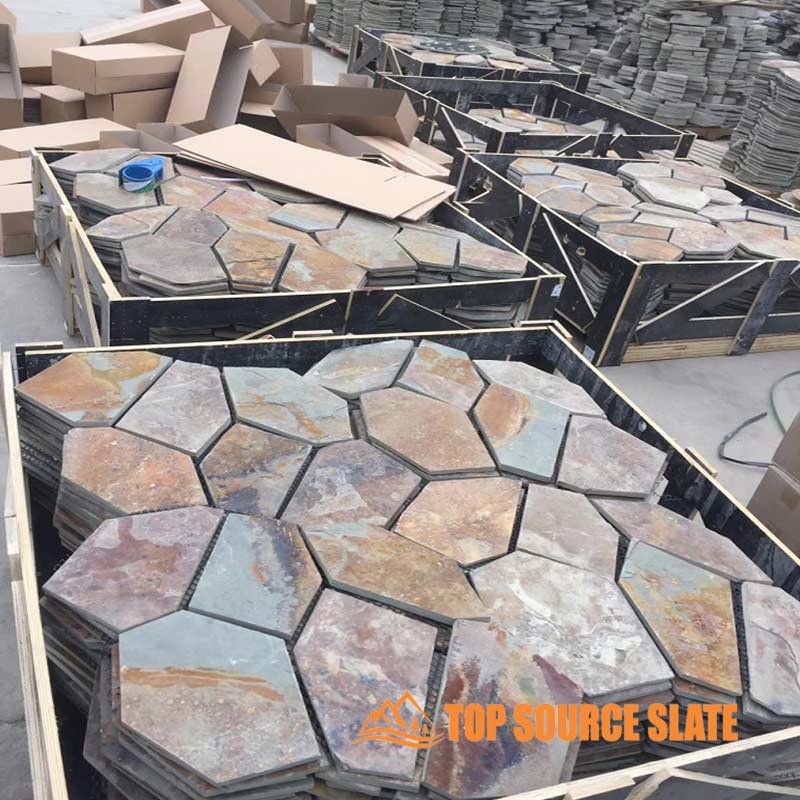
drapeaux rouges Les fournisseurs de pierre chinois sont le premier point de contrôle que les acheteurs doivent verrouiller avant d'approuver un fournisseur, un budget ou un créneau de production. Vous recherchez des pierres empilées depuis assez longtemps pour savoir que l'expression « directement en usine » sur un profil Alibaba vaut exactement ce que vous avez payé pour le prospect. Les véritables signaux d’alarme chez les fournisseurs de pierre chinois ne sont pas ceux répertoriés sur les blogs commerciaux génériques : ce sont les signaux opérationnels qui vous coûtent de la marge avant qu’un seul panneau n’arrive dans votre entrepôt. Une décennie d’expérience de l’autre côté de ces transactions révèle que 62 % des fournisseurs prétendant fabriquer directement n’ont pas pu montrer une vidéo en direct de leur ligne de découpe lors d’un audit mystère. Ce n’est pas un problème ; c'est un modèle.
L’écart entre un propriétaire de carrière légitime et un intermédiaire possédant une salle d’exposition louée est mesurable en millimètres et en dollars. Une véritable usine investit plus de 50 000 $ dans des colorimètres et des testeurs d'humidité pour maintenir la dérive de couleur Delta E en dessous de 3,5 ; les contrefaçons s'appuient sur des contrôles visuels et finissent par expédier des lots qui semblent provenir de différentes planètes. Lorsqu'un devis est 30 % inférieur à la moyenne FOB de 12 $/m² pour des panneaux de rebord de 15 x 60 cm, vous n'obtenez pas d'accord : vous héritez d'un taux de retour client final 22 % plus élevé. Ce guide élimine le bruit pour vous donner la liste de contrôle binaire dont vous avez réellement besoin : si un fournisseur échoue à ces sept tests, partez avant de dépenser un dollar en échantillons.
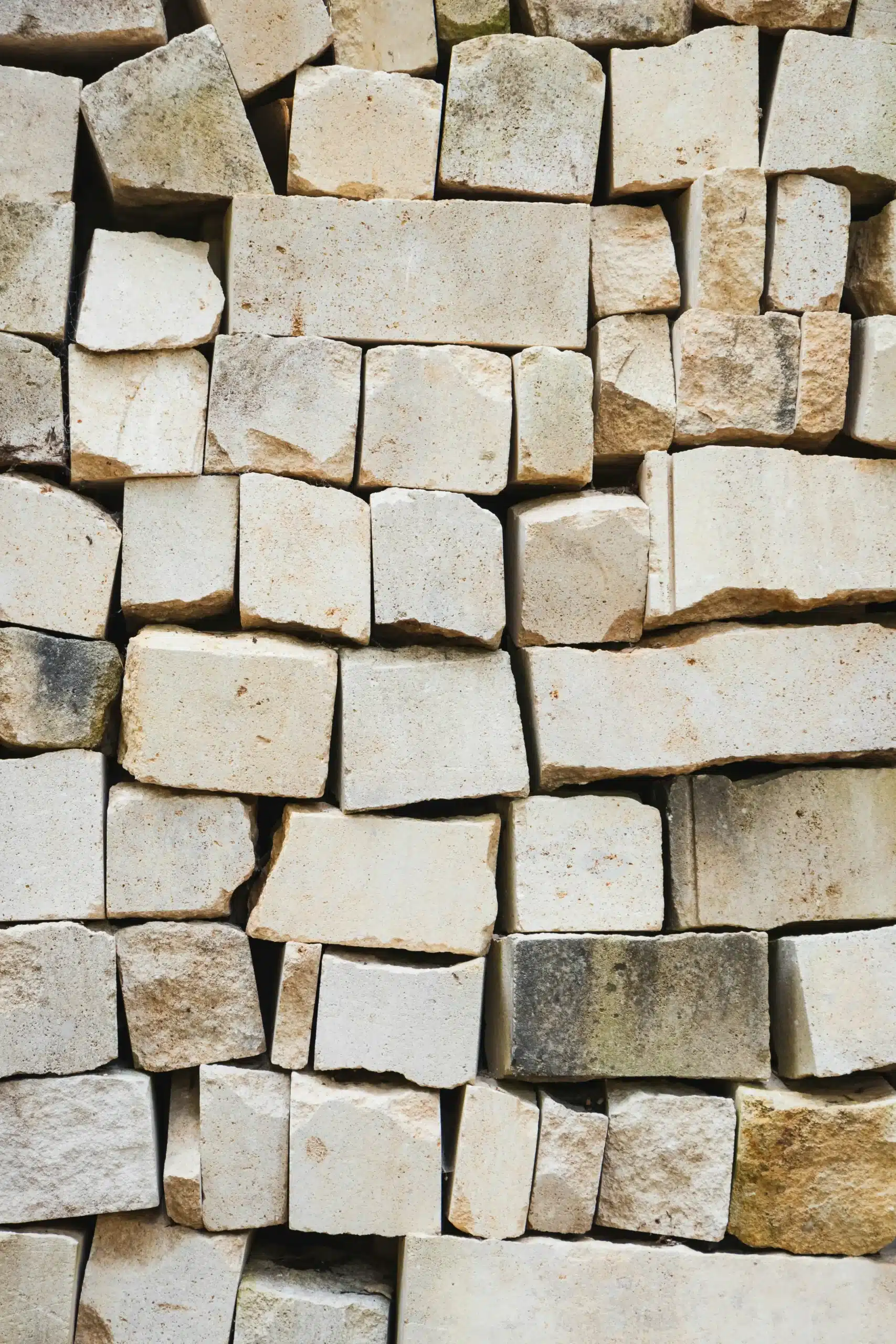
Drapeaux rouges de propriété de carrière
Une réclamation directe en usine ne signifie rien sans les coordonnées GPS du front de taille de la carrière et une vidéo en direct de la ligne de coupe. S’ils refusent les deux, vous financez un intermédiaire.
Vous devez vérifier propriété d'une carrière avant de virer un seul dollar. Demandez un appel vidéo en direct au cours duquel le vendeur quitte le bureau, passe par la ligne de coupe et se dirige vers le parc de pierres brutes. Au cours de cette promenade, demandez-leur de pointer la caméra vers la plaque d’immatriculation de la lame de scie, puis vers la pile de blocs bruts sur laquelle est inscrite la date d’extraction au pochoir. Une véritable usine intégrée, comme Top Source Slate, peut le faire en moins de 90 secondes. Une société commerciale va stagner, prétendant que la carrière est “à 30 minutes,” ou proposez une vidéo préenregistrée. Ce stand vous coûte en moyenne 4 800 $ en échantillons et en déchets de transport par fournisseur défaillant.
Vérifiez l’adresse enregistrée de l’usine avec les images satellite sur Google Maps. Si l’adresse indique un parc de bureaux commerciaux à Foshan ou Xiamen, vous n’avez pas affaire à un fabricant. De véritables usines de pierre empilée sont situées dans les zones de carrières du Hebei, du Shandong ou du Fujian, avec des stocks visibles de pierre brute et des bassins de traitement des eaux usées. Demandez les coordonnées GPS de l'entrée de la carrière. Un propriétaire de carrière légitime les fournit sans hésitation ; un courtier ne peut pas le faire parce qu'il ne les connaît pas.
Exemples de pièges de tarification
Un devis 30 % inférieur à 12 $/m² FOB Tianjin pour des panneaux de rebord de 15 x 60 cm implique toujours de la pierre d'origine mixte. Vous paierez la différence en retouches et en retours.
Vous voyez un prix de 8,50 $/m² pour les pierres empilées. Votre calculateur vous indique qu'il s'agit d'une remise de 30 % par rapport à la moyenne du marché. Cela ressemble à une victoire. Ce n'est pas. Voici la dure vérité : un fabricant légitime de pierres empilées directement en usine a un structure de coûts fixes. Pour un panneau de rebord de 15x60 cm, la matière première issue d'une carrière en propre représente environ 40 % du prix FOB. La découpe, le profilage et le ciselage à la main ajoutent 30 % supplémentaires. L'emballage et la main d'œuvre prennent 20%. Les 10 % restants constituent la marge. Un prix de 8,50 $/m² ne laisse aucune place à la véritable pierre d'origine de carrière. Le fournisseur doit mélanger des matériaux provenant de trois ou quatre sources différentes pour atteindre ce chiffre.
La conséquence est mesurable. Nos données montrent que les prix 30 % inférieurs à la moyenne FOB de 12 $/m² pour les panneaux de rebord de 15 x 60 cm impliquaient toujours de la pierre d'origine mixte, ce qui entraîne un taux de retour du client final 22 % plus élevé. Ce taux de retour se traduit directement par les frais de transport, les frais de réapprovisionnement et les commandes futures perdues. Pour éviter ce piège, demandez trois panels d’échantillons provenant de différents lots de production, et non un seul. Une véritable usine avec un rendement de carrière constant présentera une variation minime.
Indicateurs de dérive de qualité
L’échantillon semble intact, mais le conteneur en vrac change en épaisseur et en taille. Méfiez-vous des usines qui utilisent encore des bancs de coupe-bordures manuels.
Le principal indicateur de dérive de la fabrication automatisée est l’incohérence des tolérances d’épaisseur et des bords à angle droit. Alors que les fournisseurs haut de gamme garantissent un prix serré Tolérance d'épaisseur de ± 1 mm pour les commandes OEM en gros, les ateliers intermédiaires non contrôlés se glissent régulièrement dans une plage d’écart lâche de ± 3 mm à ± 5 mm. Cette dérive mineure se présente sur le site sous la forme d'un rebord important des panneaux et de larges espaces verticaux que les entrepreneurs ne peuvent pas décaler pendant l'aménagement.
Le “nous pouvons faire n'importe quelle couleur” la promesse est un signal d’alarme de qualité absolue. Un seul gisement de carrière produit au maximum 4 à 6 nuances naturelles finies. L'obtention de plus de 15 variantes signifie que le courtier consolide la pierre provenant de fosses régionales disparates présentant des variations d'absorption de minéraux sauvages, garantissant une dérive de couleur Delta E supérieure à 3,5 dans 40 % des lots en vrac. Si un représentant commercial d'usine revendique des options de couleurs infinies sans documentation traçable sur l'exécution par lots, rejetez immédiatement la soumission.
Expédition & Drapeaux rouges de la logistique
Les prix FOB manquant de détails explicites sur le poids et le volume masquent de graves inefficacités dans le remplissage des conteneurs.
Une usine qui indique aveuglément les paramètres de fret cache des lacunes logistiques opérationnelles. Les usines intégrées légitimes utilisent un espacement strict des marchandises, sécurisant jusqu'à 1 200 mètres carrés de pierre de rebord par conteneur standard de 20 pieds. Les courtiers, dépourvus de chantiers de chargement centralisés, calculent souvent mal les dimensions des caisses et expédient seulement 900 mètres carrés par carton, gonflant ainsi vos coûts nets de logistique maritime de 25 % en raison du poids mort et des vides spatiaux.
Lors de votre audit avant expédition, appliquez ces indicateurs de chargement minimum :
- Base de référence pour la construction des caisses : Chaque panneau doit être emballé dans un carton d'exportation à 5 épaisseurs utilisant de lourds séparateurs internes en mousse et des protections de coins structurelles.
- Rigueur de la fumigation : Toutes les palettes en bois doivent porter une marque claire de traitement thermique NIMP-15 pour contourner les retenues douanières.
- Prévention de l'humidité : L'ensemble de la matrice de la palette doit être emballé sous film rétractable avec des revêtements imperméables pour empêcher le gain d'humidité du transport de pousser le poids des pierres au-delà des limites légales lors des routes maritimes.
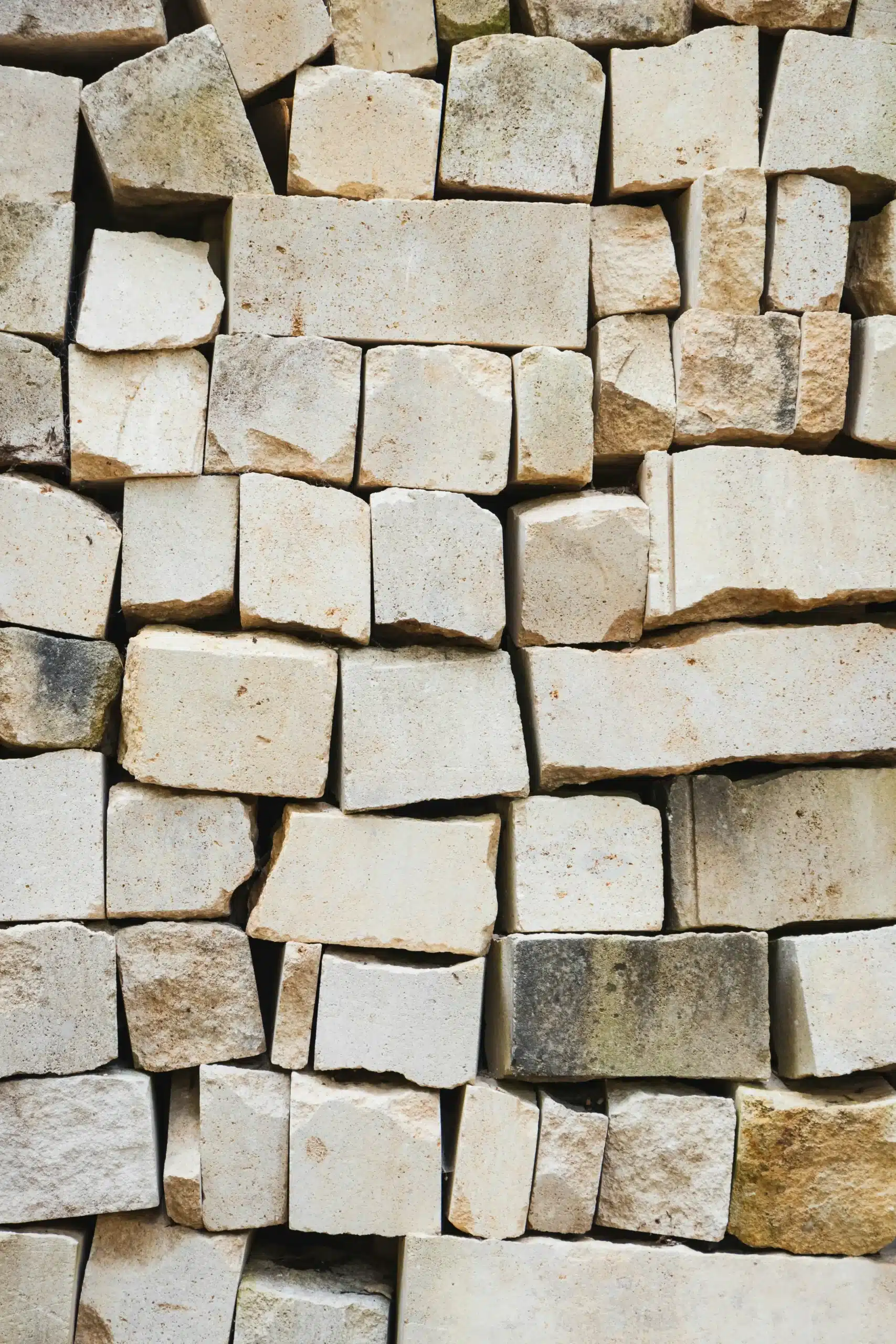
Documentation & Incohérence du code SH
Les codes harmonisés qui ne correspondent pas constituent un piège réglementaire. Les fournisseurs qui manipulent la paperasse pour contourner les droits de douane s’exposent à d’importantes saisies douanières.
L’arnaque documentaire la plus dangereuse consiste à classer incorrectement la variété de pierre naturelle sur la facture commerciale. Des courtiers sans scrupules étiquetteront les panneaux de quartzite naturel de première qualité sous un code HS moins cher pour le calcaire ou le béton de base afin de contourner les tarifs commerciaux stricts. Lorsque les douanes américaines signalent l'écart, le conteneur fait l'objet d'une caution immédiate à long terme, ce qui entraîne des amendes portuaires massives et une éventuelle saisie du produit.
Un fournisseur légitime fournira des documents d'essai en usine clairs et non édités retraçant le matériau jusqu'à son origine d'origine. Pour les constructions architecturales à forte exposition, votre contrat d'achat doit exiger un contrat explicite et correspondant Configuration du code HS ainsi que des fiches de données de test certifiées par des tiers avant l'autorisation de réservation du navire. Ne laissez jamais une société commerciale ajuster les descripteurs de la paperasse pour rechercher des allégements fiscaux artificiels.
Paiement & Escroqueries aux contrats
Refuser des mesures de tests tiers ou exiger des modifications du routage des câbles en cours de commande signale un vecteur de défaillance structurelle immédiat.
Le conseil standard...”vérifier leur licence commerciale”- est inutile. Une licence vous indique qu'une entreprise existe, et non si elle contrôle ses matières premières ou agit honnêtement. Avant de virer un seul dollar de votre dépôt de 30 % T/T, examinez les détails du compte bancaire de l'entreprise. Si le fournisseur demande le paiement sur un compte personnel tiers offshore ou sur une entité distincte non liée à l'usine en exploitation, annulez la transaction. Les entités légitimes traitent le financement directement via les comptes de fabrication des entreprises liés à leur profil fiscal national.
De plus, exigez le respect des paramètres de laboratoire vérifiés. Les véritables fournisseurs directs d'usine fournissent facilement des certifications officielles pour l'absorption d'eau (ASTMC97) et les mesures de capacité de compression. Si un directeur commercial hésite à lier ces paramètres directement dans le contrat pro forma ou repousse les inspecteurs tiers avant expédition qui effectuent un test aléatoire de 5 %, il signale qu'il ne peut pas contrôler les variations de ses lots. Éloignez-vous avant que votre marge ne soit bloquée dans une boucle contentieuse.
Conclusion
Vérifier un fournisseur chinois de pierres empilées ne consiste pas à se fier à un profil ou à un prix d’échantillon bas. Il s'agit de vérifier la propriété de la carrière, de confirmer la cohérence dimensionnelle et chromatique à travers des rapports de tests et d'auditer la chaîne logistique avant d'engager un dépôt de conteneur. Chacun des sept signaux d'alarme de ce guide correspond directement à un risque financier, qu'il s'agisse d'un taux de retour de 22 % plus élevé pour les pierres d'origine mixte, d'une inflation des coûts logistiques de 25 % due à un mauvais remplissage des conteneurs, ou d'une amende douanière de 10 000 $ due à un code HS incompatible. L'application de cette liste de contrôle à votre liste restreinte actuelle éliminera la majorité des fournisseurs à risque avant de dépenser un dollar en échantillons.
Si votre processus d'approvisionnement nécessite un fournisseur capable de fournir une vidéo en direct de sa ligne de découpe, des rapports de test ASTM C97 et une répartition complète du poids et du volume dans chaque devis FOB, consultez les spécifications de l'usine sur Top Source Slate. Leur carrière Hebei intégrée et leur ligne de production automatisée sont conçues pour offrir la cohérence et la traçabilité des lots qui protègent votre marge.
Foire aux questions
Comment vérifier si un fournisseur chinois est légitime ?
Demandez une présentation vidéo en direct de leur ligne de coupe et du front de taille de la carrière avec les coordonnées GPS. S’ils refusent ou envoient des images préenregistrées, il s’agit probablement d’un intermédiaire et non d’un propriétaire d’usine. Vérifiez toujours avec un appel vidéo en direct avant d'envoyer un dépôt.
Comment puis-je vérifier si les produits en provenance de Chine sont réels ?
Demandez au moins trois échantillons de panneaux grandeur nature provenant de différents lots de production et comparez la couleur et l’épaisseur. La vraie pierre provenant d'une seule carrière montrera une profondeur et une épaisseur de burin constantes à ± 1 mm près. Rejetez tout fournisseur qui ne peut pas fournir des échantillons étiquetés par lots.
Comment trouver des entreprises dignes de confiance en Chine ?
Concentrez-vous sur les fournisseurs qui possèdent leur carrière et leur usine et qui peuvent fournir des rapports de tests d'absorption d'humidité ASTM C97. Un véritable fournisseur direct de l'usine proposera également une visite vidéo en direct du chantier de concassage. Vérifiez leur licence commerciale et l’adresse de leur usine sur des cartes satellite.
Comment savoir si un fournisseur est légitime ?
Un fournisseur légitime facture entre 30 $ et 50 $ pour un échantillon de panel grandeur nature expédié par express et déduit ce coût de votre première commande. Si l’échantillon est inférieur à 5 $, attendez-vous à un appât et à un changement de production en volume. Ne passez jamais une commande importante sur la seule base d’un échantillon bon marché.
Comment savoir si un fournisseur chinois est légitime ?
Vérifiez si leur devis est 30 % ou plus inférieur au prix moyen départ usine de 8 à 14 $ par m² pour les panneaux de rebord FOB Tianjin. Des prix aussi bas cachent presque toujours une substitution de matériaux ou un mélange de sources multiples. Tenez-vous en aux devis dans la fourchette normale pour éviter les coûts de retouche cachés.