シームレスなコーナーの秘密をマスターすることが、薄いベニヤのアプリケーションが素人っぽく見えてプロジェクトの価値が損なわれるのを防ぐ唯一の方法です。外側のエッジを不適切に処理すると、基板の隙間や未加工のパネルのプロファイルが明らかになり、高額な保証請求や設置業者や卸売業者の人件費の増加につながります。
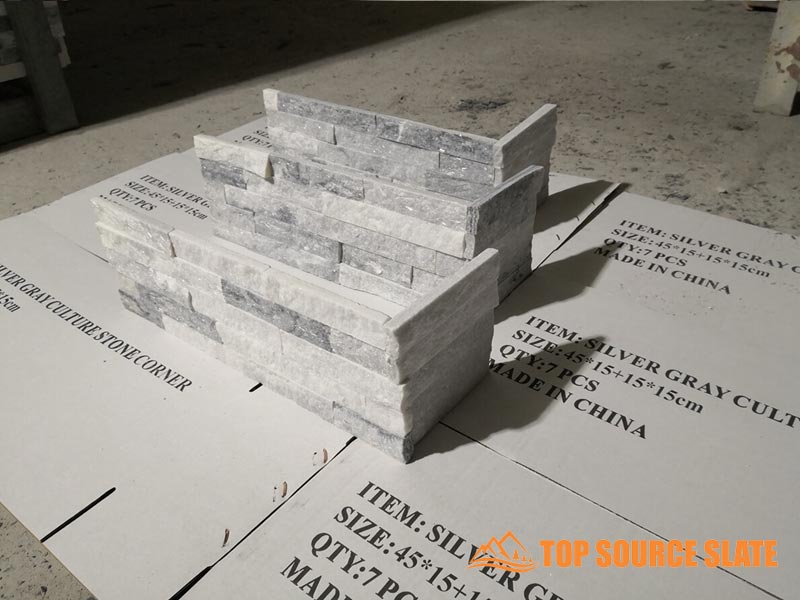
当社は、CNC ダイヤモンドブレードの精度と 95% の色相均一性を備えた工場で組み立てられた L コーナーによってこの問題を解決しました。同じ採石場からコンポーネントを調達することで、これらのユニットは建築上の完全性を維持しながら、手動のマイターカットと比較して現場での設置時間を 50% 短縮します。
なぜコーナーが石材プロジェクト全体の品質を決定するのでしょうか?
角は素材の性質を表したり隠したりします。適切な施工は構造的な石積みの錯覚を生み出し、建築の価値を直接高め、専門家を際立たせます。 薄いベニヤで作った石細工 アプリケーション。
ビジュアルの信頼性とプレーンブレイク効果
デザイナーと検査官は角に注目します。 自然 視覚的な均一性が崩れます。この平面の変化は、目が自然に着地する場所です。コーナーの施工がずさんな場合は、ベニヤの薄いプロファイルが現れ、構造的な石積みではなく表面レベルでの使用を示します。プロフェッショナルなトランジションがパネルの端を隠し、 本物の石の重量と存在感を維持する設置。
これらの焦点の精度によって、プロジェクトの長期的な知覚価値が決まります。角の下地が見える暖炉やファサードは、すぐに豪華な魅力を失います。 2 つの平面が接する継ぎ目をマスキングすることにより、しっかりした完全な深さの石積みの外観を作成できます。この詳細が、平均的な請負業者と専門家を区別します。
構造同期のためのマッチング L コーナー技術
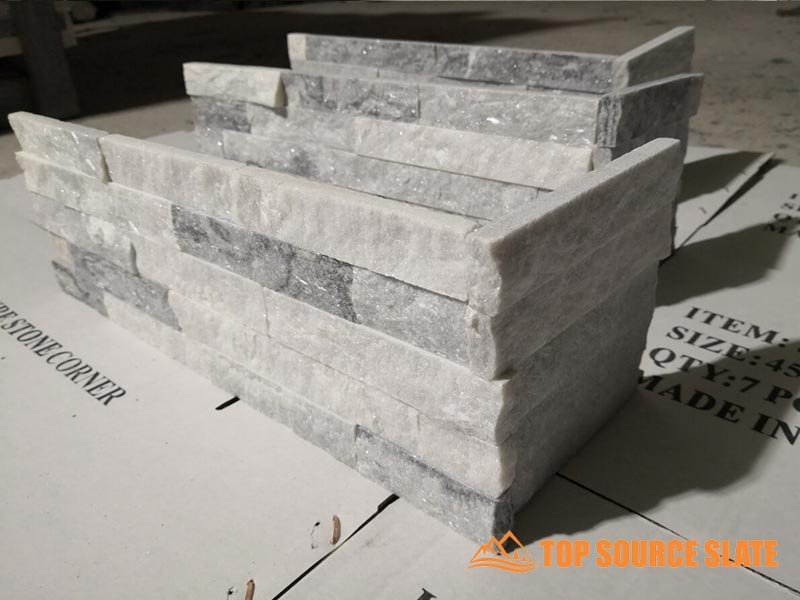
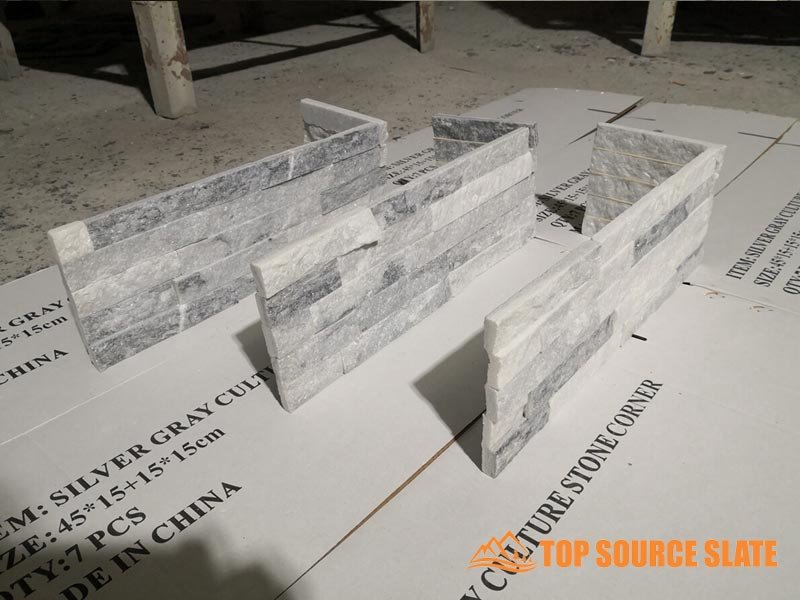
現場での現場切断マイターでは、不均一なギャップや不一致なテクスチャが発生することがよくあります。トップ ソースストーン 構造の同期を考慮して設計された、事前に製造された 90 度の L コーナーによってこの問題を解決します。当社はこれらのコンポーネントをフラット パネルと同じ採石場から調達し、バッチ全体で 95% の色相の均一性を保証し、サードパーティのコーナー調達にありがちなまだらな外観を防ぎます。
- 労働効率: プレハブユニットにより、現場での設置時間が 50% 短縮され、特殊な留め鋸のスキルが不要になります。
- CNC 精度: ダイヤモンドブレードのエッジにより、しっかりとした “男性-女性” 垂直接合部をカモフラージュし、ズレを防止するインターロック “ジッパー効果。”
- 寸法: 一致するコーナー 6で利用可能″ × 24″ または6″ ×22″ 標準のledgestoneシリーズに適合するフォーマット。
- シームレステクノロジー: インターロッキング構造により、 設置基板を削減し、目に見える部分を排除します “段差のある” 最終的なファサードの隙間。
工場で作られたコーナーを使用すると、材料の無駄や現場でのミスが減り、卸売業者や販売業者の利益が保護されます。これらのユニットは、フルデプスブロックを模倣したラップアラウンド仕上げを提供し、交通量の多い商業環境や住宅環境での綿密な検査に耐える専門的な結果を提供します。
プロの選択: 工場であらかじめ製造された L コーナーの効率上のメリット
工場出荷時の L コーナーは、設置時間を 50% 削減し、人件費を 25% 削減します。 CNC ダイヤモンドブレード切断により、シームレスなテクスチャ同期が保証され、「ジッパー効果」が排除されます。’ 手動による現場切断では一般的です。
| 効率の指標 | 工場で組み立てられたLコーナー | 手動サイトカット |
|---|---|---|
| 設置速度 | オンサイト時間の 50% 削減 | 高 (個別の留め継ぎカットが必要) |
| 人件費 | 最大 25% 削減 | プレミアム (熟練の石工が必要) |
| 材料廃棄物 | 90%削減(サイトスクラップゼロ) | 高 (10 ~ 15% の破損/オフカットロス) |
| 精度 & フィット | CNC ダイヤモンド精度 (90°) | 変数(人為的ミスの影響を受けやすい) |
導入の迅速化と人件費の削減
現場での標準的な斜めカット工法は、請求対象となる時間を過剰に消費し、高度な石積みの専門知識を必要とします。当社の既成 L コーナーは、すぐに取り付けられるユニットとして提供されるため、このボトルネックを回避します。これらのコンポーネントにより、作業員が設定に時間を費やすため、総設置時間が 50% 短縮されます。 測るというより石 そして研削角度。
プロジェクト開発者は、並行した建設ワークフローからも恩恵を受けます。お客様のチームが現場の基板を準備している間、私たちは工場でコーナーユニットを製造します。この重複したスケジュールにより、プロジェクトのタイムラインが短縮されます。モジュール式アセンブリを利用することで、請負業者は総人件費を 25% 削減し、材料の無駄を 90% 最小限に抑えます。 従来のものと比較して 石材の切断実習。
CNC ダイヤモンドブレードの精度によるアーキテクチャの完全性
手動によるフィールドカットでは、多くの場合、 “ジッパー効果”- 不均一な接合部と目に見える段差のある隙間が明らかになります。 化粧板としての石。当社では、厳密な 90 度の位置合わせを保証する CNC ダイヤモンドブレード エッジを使用することでこの問題を解決しました。この工業的な精度により、コーナーは 2 つのピースが継ぎ目で接合されるのではなく、しっかりとした石材ブロックのように見えます。
- バッチの一貫性: 95% の色合いの均一性を確保するために、フラット パネルと同じ採石場からコーナー ユニットを調達しています。
- 構造的安定性: 工場の接合部は紫外線に対して安定しており、耐凍結融解性があり、極北および沿岸環境における 2026 年の気候基準を満たしています。
- 視覚的な連続性: 精密にカットされたフィンガーにより、手動カットでは再現できないラップアラウンドテクスチャ同期が可能になります。
- 公差制御: CNC 自動化により 90 度の精度が維持され、長い垂直移行時のアライメントのドリフトが防止されます。
プレハブユニットを選択すると、設計の建築上の意図が保護されます。これらのコーナーは壁面を越えてシームレスに移行し、ハイエンドの商業および住宅顧客が期待する高級感を維持します。
建築ニーズに応えるプレミアム積み石
現場で完璧な留め継ぎカットを実行する方法 (必要な場合)?
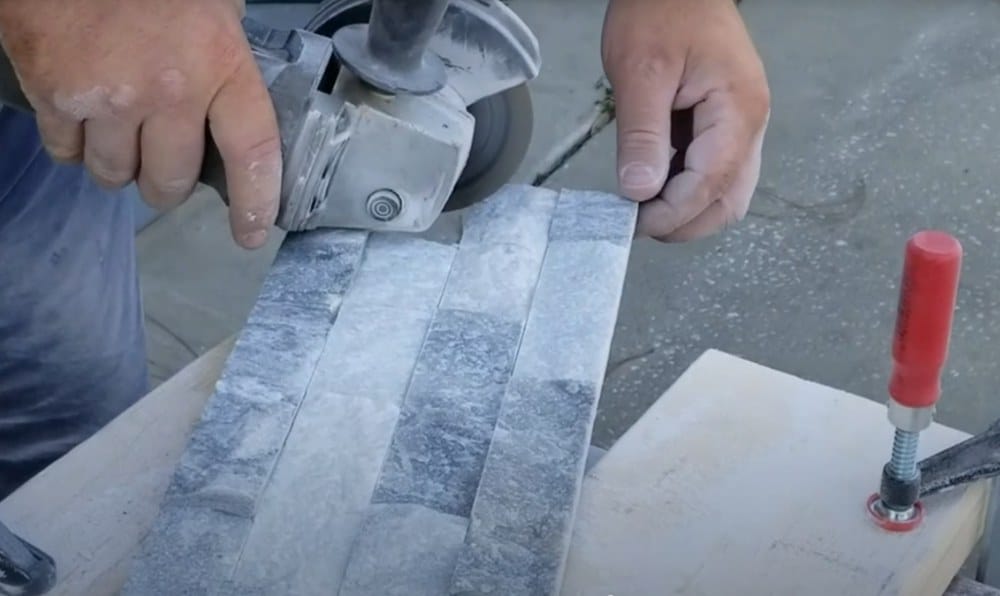
壁のトランジションに既製の L コーナーを使用しない場合は、44.9 度のバック ベベルと連続リム ダイヤモンド ブレードを使用して、タイトでプロフェッショナルなコーナーを作成します。
トップソースでありながら 石が提供する 各シリーズの L 字型コーナーを一致させることで現場の労働力を 50% 削減しますが、特定の建築設計ではカスタムのフィールド留め継ぎが必要です。工場グレードの仕上がりを実現 天然石パネル ベニヤの端が露出しないように、特別な鋸の調整と材料の取り扱いが必要です。
角度キャリブレーションと背面面取り技術
設置が本物のフルベッドのように見えるかどうかは、コーナーの精度によって決まります 石または薄いベニヤ。サイトエラーのほとんどは次の理由で発生します。 設置者は不規則な場所で平らな 45 度のカットを試みます 壁面。
- バックベベル設定: マイターソーを 44.9 度に設定します。このわずかな調整により、石材の表面が確実に一次接触し、その結果、薄い硬化モルタルのための小さな内部ギャップを残しつつ、目に見える継ぎ目がより緊密になります。
- 犠牲のフェンス: 合板フェンスを鋸床に固定します。これにより、ブレード パスのゼロクリアランス基準点が提供され、 防ぐ石 “爆発” カットの終わりに。
- 検証: 同じ厚さのスクラップ片でサンプルカットを実行し、前に直角度を確認します。 フル6を処理中″ ×24″ パネル。
ダイヤモンドブレードの精度によるプロフェッショナルな現場切断
スレートや珪岩などの天然素材は、セラミックや木材とは異なる刃の摩擦に対する反応を示します。ハイエンドの建築仕上げには、切断中に分割面のテクスチャの完全性を維持することが不可欠です。
- ブレードタイプ: セグメント化されたものではなく、連続リムのダイヤモンドブレードを選択してください。連続したリムは自然な割れ目の表面の欠けを防ぎ、工場で使用されている CNC ダイヤモンドブレードの精度を模倣しています。
- 材料の選択: 同じバッチの採石場の一貫性を確保するために、同じ木箱からピースを取り出します。この色とテクスチャの同期は、目が自然に静脈の切れ目を探すコーナー移行部で非常に重要です。
- バンプカット: を使用します。 “バンプカット” 微調整する方法。下の位置で回転ブレードに石をそっと叩きつけ、髪の毛ほどの量の材料を削り取り、シームレスなフィット感を実現します。
こうした技術的な複雑さを回避するには、プロジェクト対応の L コーナーをお勧めします。工場で仕上げられた 90 度のラップにより、テクスチャの同期が保証され、高度な技術を要する現場での切断が不要になります。
重なり合うジョイント: “バットジョイント” 初心者向けのテクニック
突合せジョイントが重なる 90度のコーナーを作るための石のパネル 複雑なマイターカットなし。この親しみやすい技術は、DIY 愛好家や初心者向けにプロ仕様の織り仕上げを提供します。 初心者インストーラー。
突合せ接合は最も現実的な仕上げ方法です。 石の角 湿式鋸や精密マイターツールが利用できない場合。片方の端を重ねることで 石のパネル 別の端の上に、構造的に 90 度回転する構造を作成し、きれいな美観を維持しながら壁の完全性を保護します。
交互コーナーパターンの実行
突合せジョイントを成功させる目標は、未加工のエッジを隠し、 “織られた” 伝統的な石積みを模倣した外観。特定の機械的シーケンスに従うことで、コーナーが安定し、壁の高さ全体にわたって視覚的にバランスが保たれることが保証されます。
- ポジショニング: 最初のパネルの端が素材の角の端と完全に面一になるように配置します。
- 重複: 垂直パネルを最初のパネルと重なるように設定します。 初期石の原石カットを完全に隠す。
- 交互: 列ごとに重なり方向を切り替えて、フルベッドストーンを模倣した連動した外観を作成します。
- 驚くべきこと: 壁面全体に接合部をオフセットして、設置を弱める連続した垂直線を防ぎます。
CNC ダイヤモンドブレードエッジでシームレスなギャップを確保
石自体の精度によって、最終的な接合部の固さが決まります。伝統的な手作業でカットされた石はしばしば残存しますが、 “日光の隙間、” 工場レベルのエンジニアリングにより、これらの重なり合う部分が同一面に収まり、ハイエンドの建築仕上げが実現されます。
- 精密エッジ: トップ ソース ストーンの CNC ダイヤモンド ブレード エッジを利用して、重なり合う表面が目に見える隙間なく接合されることを保証します。
- カラーマッチング: 同じ採石鉱脈からパネルを調達することで、色合いの均一性が 95% 維持され、2 つのピース間の移行が目立ちません。
- シーリング: 接点部に高強度エポキシ樹脂を塗布し、水分の侵入を遮断し、継ぎ目を補強します。
- テクスチャの配置: 一致する 石の自然な亀裂面 コーナートランジションに向かって、しっかりとした重いブロックのような錯覚を作り出します。
これらの技術的な詳細に焦点を当てることで、設置者は、カスタムのオンサイトマイター作業による人件費を発生させることなく、プロジェクトの価値を保護するプロフェッショナルな結果を達成できます。
内側のコーナーのギャップの解決: オーバーラップとマイターのオプション
CNC 精度のパネルを使用して目に見える隙間や下地の露出を排除し、高精細なマイターカットか効率的なオーバーラップジョイントを選択することで、プロフェッショナルなインテリアコーナーを実現します。
マイター精度とオーバーラップジョイント効率の比較
内側のコーナーは、製品の知覚価値を定義する焦点として機能します。 石の取り付け。請負業者は、石の質感と必要な構築速度に基づいて接合方法を選択します。留め継ぎは伝統的な仕上がりの外観を提供しますが、重なり合うジョイントは特定の高質感のコレクションをより効果的に提供します。
- マイターカット: 設置者が石の角度を付ける 45 度で角を横切る連続的なテクスチャ フローを維持します。これは直線状または滑らかな面のパネルに不可欠です。
- 重なり合う突合せジョイント: この方法では、1 つのパネルを別のパネルの面に面一に配置します。これは、自然な厚さの変化により留め継ぎの位置合わせが困難になる、ラフ シリーズのような質感の高い石に最適です。
- ブレード角度オフセット: 鋸刃を正確に 45 度ではなく 44.9 度に設定すると、前端がしっかりと接触し、内部の隙間や基板が隠れます。
CNC ダイヤモンドブレードの精度でシームレスなフィット感を確保
標準的な工場でのカットでは、多くの場合、 “ジッパー効果” または角の色が一致していません。トップソース Stone は自動化された製造を利用することで、これらの現場リスクを最小限に抑えます。 パネルが木箱に届く前にパネルの寸法を安定させるため。
- CNC ダイヤモンドブレード切断: 自動化された精度により、95% の色相均一性と完全に真っ直ぐなエッジが保証され、手動フィラーを必要としない緊密な突合せ接合が可能になります。
- 同一バッチ採石調達: 移行部での色の変化を防ぐため、注文ごとに同じ採石鉱脈から材料を採取し、コーナーの接合部を事実上見えなくします。
- L コーナーの互換性: 当社の工場で製造された 90 度コーナーユニットは、現場での手動留め継ぎの必要性を排除し、 設置作業の手間が 50% 削減される 大規模な B2B プロジェクト向け。
コーナー遷移全体で水平方向の位置合わせを確保するにはどうすればよいですか?
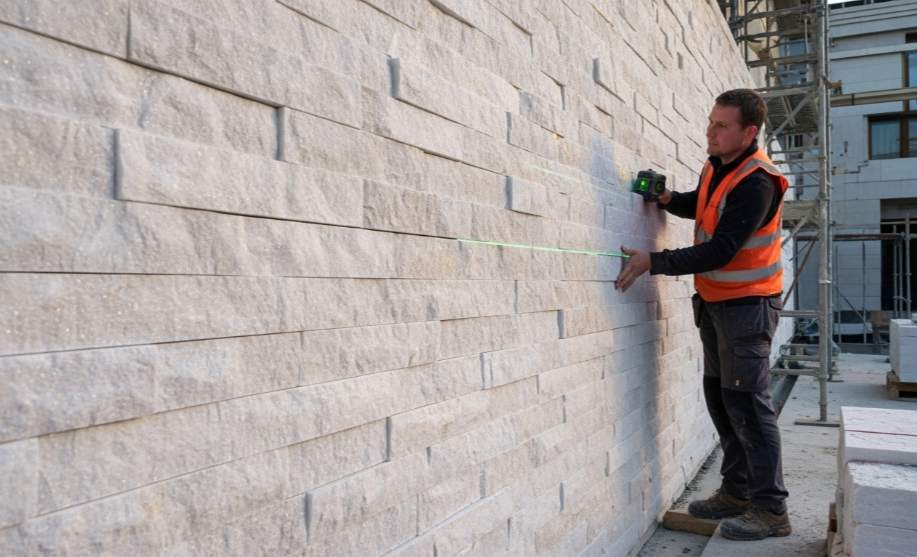
レーザーレベルのベースラインを確立して使用します。 トップソースストーンズ CNCカットのLコーナー。コーナーから外側に向かって作業すると、石のコースが平行になり、目に見える石のコースがなくなります。 “段差のある” トランジションのギャップ。
90 度のターン全体で直線的な一貫性を維持するには、ただ目を安定させるだけでは不十分です。平らな壁を横切るにつれてコーナーでのずれが大きくなり、コースが不均一になり、建築の美観が損なわれます。プロの設置業者は、このような累積的なエラーの発生を防ぐために準備段階に重点を置きます。
統一されたベースラインとコントロールラインの確立
水平調整の基礎は、設置の最下点から始まります。最初の行が数ミリメートルでもずれると、 “ジッパー効果” 目の高さに達するまでにはっきりと明らかになるでしょう。すべてを包含する単一の水平参照を確立することをお勧めします。 壁面 最初の石が基板に接触する前に。
- 参考セットアップ: 2026 規格のレーザー レベルを最低点に設定して、すべての壁面にわたって一貫した水平基準を作成します。
- 垂直監視: デジタルコントロールラインをマークするか、垂直方向に 12 インチの間隔でスナップチョークラインをマークし、登坂中にコースの高さを一定に保ちます。
- フロア補償: 最初の列の上端を完全に水平に保ちながら、床の傾斜に合わせて下の列の石をトリミングします。
- ドライフィットチェック: 最初の 2 つのコースを角の周りに乾式配置し、連動ジョイントが垂直方向のずれなく同一平面に収まっていることを確認します。
CNC精密Lコーナーを利用したテクスチャ同期
サイトカットマイターは、2 つの石がもともと接合されていなかったため、テクスチャのギャップや色の不一致に悩まされることがよくあります。トップ ソース ストーンは、工場で組み立てられた L コーナーを提供することでこの問題を解決します。これらのユニットにより、 石の自然な キャラクターは、まるでベッド全体が固まったブロックであるかのように、角を曲がって流れていきます。
- 視覚的な連続性: 90 度の変化で色とテクスチャの同期を確実にするために、事前に製造された一致する L コーナーを使用します。
- モジュラーフィット: CNC ダイヤモンドブレードのエッジは、標準の 6 と完全に一致するきれいなラインを実現します。×24インチのフラットパネル。
- 縫い目の管理: 「ロングショート」を交互に行う’ あらかじめ作られたコーナーを備えた千鳥状の設置パターンにより、垂直方向の継ぎ目を解消し、水平方向の流れを維持します。
- 労働効率: シームレステクノロジーにより、複雑な留め継ぎ計算や手作業の研磨が不要になり、現場での労働時間が 50% 削減されます。
必ず最初にコーナーピースを取り付けてください。コーナーを設定し、フィールドの外側に向かって作業することで、コーナー自体の重要な焦点ではなく、目立たない壁の中心で必要な調整が確実に行われます。
エッジの仕上げ: 生のカットを自然な顔に合わせて研磨する
60 ~ 320 グリットのダイヤモンド パッドを使用して鋸跡を除去し、ワイヤー ブラシとノミを使用して分割面のテクスチャを複製し、シームレスな建築上の移行を実現します。
現場で修正されたエッジは、多くの場合、滑らかな内部を露出させます。 “心臓” 工場で準備された石の表面と比較すると、人工的に見える石の表面。設置業者が特定の寸法に合わせてパネルをカットしたり、カスタム留め継ぎを作成したりする場合、これらの生のカットを機械的にブレンドして、パネルの美的完全性を維持する必要があります。 トップソースストーンの設置。
エッジを滑らかにするための段階的なサンディングシーケンス
サンディングの主な目的は、濡れた鋸刃によって残された垂直の溝を除去することです。スムーズな移行により、 “ジッパー効果” 切断端が自然な裂け目の表面に接する場所。プロフェッショナルな仕上がりを実現するには、次の手順を使用します。
- 60 グリット ダイヤモンド パッド: 重い溝を研削し、溝の平面を揃えます。 隣接する石材パネルと一緒にカットする。
- 120 ~ 220 グリット: カットの鋭い角を柔らかくして、わずかに風化した外観を再現します。 天然石。
- 320 グリット仕上げ: 石を過度に研磨して反射面にすることなく、工場で準備された基準に一致する触感を作成します。
- 技術: 材料に平らな部分やくぼみができないように、短い円を描くように作業してください。
露出したカットの自然な裂け目のテクスチャを再現する
サンディングすると滑らかさは得られますが、凹凸がありません。 “スプリットフェイス” 高級感を演出するのに欠かせないキャラクター。設置者は、標準の Z 型および L 型コーナー ユニットにある CNC ダイヤモンドブレードの精密エッジを反映するために、エッジを手動で加工する必要があります。
- ワイヤーブラッシング: 丈夫なワイヤーブラシを研磨したエッジに当てて、柔らかい鉱物を引き抜き、珪岩または粘板岩の結晶構造を明らかにします。
- 石ノミ作業: 切り口の上隅を浅い角度で慎重に削ります。これにより、工場の分割面パネルの凹凸のある深さと影のプロファイルが再現されます。
- カラーマッチング: 修正されたエッジを pH 中性のストーンエンハンサーでシールします。これにより、 “同一バッチ採石場” 色の一貫性は壁面全体にわたって均一に保たれます。
適切に仕上げられたエッジは、標準的なベニヤの仕事をハイエンドの建築上の特徴に変えます。これらの機械的な手順に従うことで、ディーラーや設置業者は、手で切ったように見えるコーナーを保証できます。 薄いパネルではなく石 製品。
よくある質問
従来のマイターボックスなしでプロフェッショナルなコーナーを実現できますか?
はい。施工者は、面取りと目の細かいハンドソー、またはカスタムの厚紙テンプレートを使用して切断をガイドできます。山形アイロンで壁に直接印を付けると正確にフィットしますが、目に見える隙間を作るギザギザの線を取り除くために、後でサンドペーパーで端を滑らかにする必要があります。
石角設置の主な技術は何ですか?
プロジェクトでは通常、既製の L コーナー、留め継ぎカット、または織り技術という 3 つの方法が使用されます。 Top Source Stone は、すべてのシリーズに工場で製造された 90 度の L コーナーを提供し、設置を迅速化し、壁の移行部分全体で色の同期を確保します。
積み石パネルには専用のコーナーピースが必要ですか?
専用の L コーナーは、シームレスで連動した外観を実現するために不可欠です。これらのコンポーネントは、90 度の角度で包み込むように製造されており、設置基板と垂直ジョイントを隠しながら、システムの Z 字型または S 字型のモジュール性を維持します。
外側のコーナーの生のカットエッジを隠すにはどうすればよいですか?
最も効果的な方法は、マイターを正確に 45 度ではなく 45.5 度でカットすることです。このわずかなオーバーカットにより、外面がしっかりと接触し、カットエッジが接合部内に埋め込まれます。未加工のエッジが残っている場合は、ダイヤモンド研磨パッドでバフ研磨すると、自然な分割面のテクスチャーと一致するようになります。
厚い天然石にマイターをカットする最も正確な方法は何ですか?
ダブルマイターカットには湿式鋸を使用してください。最初の 45 度のカットを実行し、石片を裏返し、反対側のカットを返します。必要な深さよりも約 1/8 インチ長くリターンピースをカットすると、薄くセットされたモルタルのラインが隠れ、よりきれいな美的外観が得られます。
最終的な考え
精密コーナーは、高級建築プロジェクトと低予算のベニヤ用途を区別します。手動の現場切断に依存すると、15% の材料損失とコストがかかるリスクが発生します “ジッパー効果” ディーラーの評判を損なうような主張。当社の CNC 設計の L コーナーは、バッチ全体で 95% の色の一貫性を確保しながら、労働時間を半分に削減することで利益を守ります。
当社の積み上げ石パネルで市場での地位を確保し、15 日以内に発送可能です。シームレスなインターロッキング技術と凍結融解耐久性を直接確認するには、300 平方メートルのトライアル注文をお勧めします。詳細なカタログをご希望の場合、または流通ネットワーク向けのプライベート ラベルのブランディングを手配する場合は、電子メールでお問い合わせください。