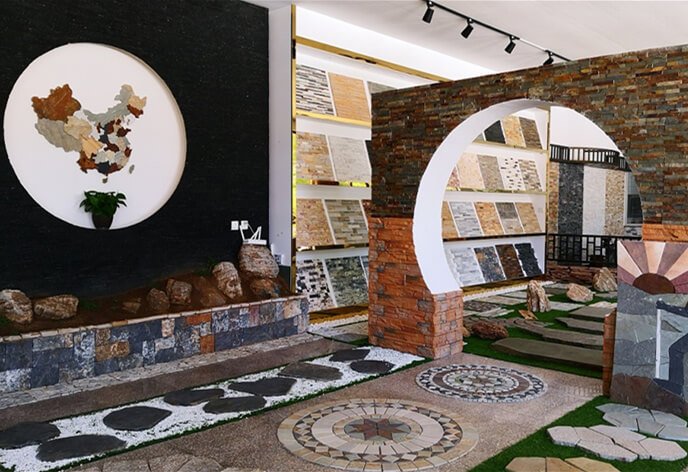
Je vraagt gestapelde steenmonsters aan bij een Chinese fabriek en krijgt er een mooie 12×12 grootboekpaneel, keur het goed en wacht dan zes weken. De container landt bij uw magazijn. Je opent de eerste krat en de kleur is anders. Niet subtiel anders: een kleurverandering die uw klant onmiddellijk zal opmerken. Die bestelling van $ 50.000 is zojuist veranderd in een geschil, vervangingskosten en een verloren klant. De oorzaak? Dat monster werd met de hand geplukt uit de bovenste 5% van de productierun. De fabriek wist dat het niet overeen zou komen met de bulk.
Dit is de valkuil waar de meeste importeurs in lopen. Het moment van ontdekking ligt niet bij de fabriekspoort; het is weken later, nadat de container is verzonden en de betaling is verwerkt. Een goed monsteraanvraagproces is het hulpmiddel dat deze scène voorkomt. U hebt een voorbeeld van productiekwaliteit nodig, een video waarop te zien is dat het uit de huidige voorraad wordt gesneden, en een schriftelijke kleurtolerantietoezegging (doorgaans ΔE ≤ 2,0) die de fabriek ondertekent. Zonder deze drie dingen koop je een varken in de zak. En in deze markt zijn de kosten voor het overslaan van die stap een volle container die je niet kunt verkopen.
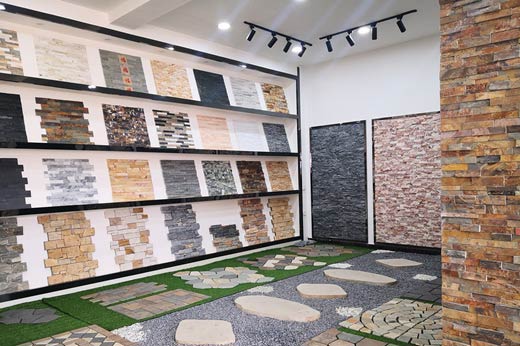
Waarom de meeste aanvragen voor gestapelde steenmonsters mislukken: de valstrik en ontbrekende inkoopdocumenten
Een gratis, niet-geverifieerd monster is de duurste operationele fout die een bedrijf kan maken.
Het is al honderd keer gezien. Een koper krijgt een mooi monster, keurt het goed, bestelt een container en discussieert vervolgens zes maanden over de kleurvariatie. Het probleem is niet de steen. Het is hoe het monster werd geselecteerd.
De meeste fabrieken trekken monsters uit de bovenste 5% van de productierun. Dit zijn de stukken met perfecte kleurverzadiging, minimale nerven en geen chipping. Ze lijken in niets op het gemiddelde paneel dat van de lijn komt. Dit is wat ik de Cherry-Picking Trap noem, en het is de grootste reden waarom sample-to-order-conversies mislukken: grofweg 65% daarvan stort in omdat er geen formeel goedkeuringsdocument was dat vastlegde wat er was afgesproken.
Kwetsbaarheden bij de evaluatie van sourcing:
- De kersenplukval: Als u een monster aanvraagt, accepteer dit dan niet “wij zoeken een mooi exemplaar voor je uit.” Vraag een willekeurig geselecteerd paneel van productiekwaliteit, rechtstreeks uit de huidige voorraad. Als ze aarzelen of dat aanbieden “maak er speciaal een,” u heeft al een leverancier geïdentificeerd die de batchconsistentie niet kan controleren.
- Het ontbrekende sourcing-goedkeuringsdocument: Mondelinge afspraken via WeChat betekenen niets als de container arriveert met steen die er onder daglicht op de thuismarkt anders uitziet dan bij fabrieksfluorescentielampen. U hebt een ondertekend monstergoedkeuringscertificaat nodig waarin de overeengekomen kleurtolerantie ΔE ≤ 2,0 in de CIE Lab-ruimte is vastgelegd.
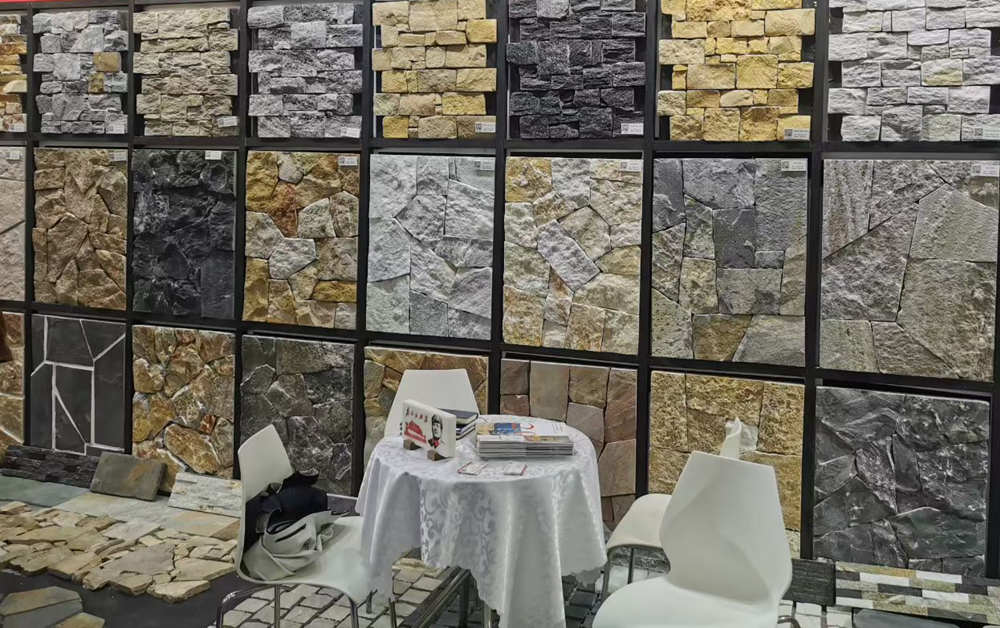
Hoe u gestapelde steenmonsters kunt aanvragen: het minimaal haalbare monsterpakketprotocol
Standaard 4×4 showroomsteenstalen zijn fundamenteel nutteloos voor B2B-inzendingen.
De meeste importeurs vragen om een ‘sample’’ en ontvang een zorgvuldig uitgekozen 4×4 inch staal uit de showroom van de fabriek. Dat stuk komt uit de bovenste 5% van de productierun: de beste kleurmatch, de schoonste rand, het dunste profiel. Het zegt niets over hoe een volle container eruit zal zien. Om 80% van de kleurconflicten te elimineren voordat de container de haven verlaat, moet u een specifiek pakket aanvragen en een bewijs van batchconsistentie eisen.
Componenten van het Strategische Sourcing Framework:
- Minimaal haalbaar voorbeeldpakket: Vraag er één aan 12×12 grootboekpanelen van productiekwaliteit, één standaard hoekstuk en twee willekeurig geselecteerde losse stenen. De 12×12-paneel onthult de uitlijning van de voeglijnen, terwijl het hoekstuk de consistentie van de randen test. De losse stenen laten de natuurlijke kleurvariatie over de hele batch zien.
- Tolerantielimieten voor kwaliteitsdikte: Gestapelde natuursteen moet ±2 mm van de gespecificeerde dikte hebben. Gekweekte panelen hebben ±1 mm nodig. Meet het monster op drie punten met een digitale schuifmaat. Als de fabriek deze toleranties bij een proefrun niet kan handhaven, verwacht dan erger op een container van 500 m².
- CIE Lab kleurruimteovereenkomsten: Eis een schriftelijke toezegging dat de bulkproductie overeenkomt met het goedgekeurde monster binnen ΔE ≤ 2,0 in de CIE Lab-kleurruimte. Dit elimineert subjectieve visuele argumenten. Onderteken een formeel monstergoedkeuringscertificaat waarin deze overeenkomst wordt vastgelegd, samen met de unieke partij-ID's.
- Live batchconsistentiebewijzen: Nadat u het monster heeft ontvangen, vraagt u om een zij-aan-zij foto van uw monster naast een willekeurig geselecteerd paneel uit de huidige live productierun. Vraag ook om een video van de lijn die de steen doorsnijdt die in je pakket zit, om er zeker van te zijn dat het geen vooraf opgeslagen schoonheidsstuk was.
Stapsgewijs proces voor monsteraanvragen: van offerteaanvraagspecificatiebladen tot live videotracking
Een ondertekend monstergoedkeuringscertificaat verhoogt het conversiepercentage van uw bulkcontainers van 35% naar 65%.
Wanneer u een offerteaanvraag verzendt, vraag dan niet alleen om ‘een monster’.’ Geef aan dat u een productieklasse 12 nodig heeft×12 grootboekpanelen, een hoekstuk en twee willekeurig geselecteerde losse stenen. Voeg een regel toe waarin staat dat u elk zorgvuldig uitgekozen pronkstuk afwijst. Dit dwingt de fabriek om uit de huidige voorraad te halen, en niet uit het samengestelde schap. Een formele offerteaanvraag moet aanvaardbaar zijn dikte toleranties: ±2 mm voor natuursteen, ±1 mm voor gekweekt. Eis een schriftelijke kleurtolerantietoezegging van ΔE ≤ 2,0 in de CIE Lab-ruimte.
Chronologische inkoopmijlpalen:
- Stap 2: Videobewijs van bron: Vraag om een video van 30 seconden van de productielijn die de specifieke steen snijdt die in uw proefpakket past. Dit bevestigt dat het monster actieve inventaris vertegenwoordigt, en geen restanten van een onbekend steengroeveblok.
- Stap 3: Protocol voor aankomstinspectie: Fotografeer het monster binnen 30 minuten na het uitpakken bij daglicht op het noorden. Meet de dikte met een schuifmaat op drie punten. Weeg het maar: een dichtheidsinconsistentie van meer dan 5% duidt op verborgen porositeitsfouten.
- Stap 4: Schriftelijke goedkeuringscertificering: Onderteken een monstergoedkeuringscertificaat waarin de overeengekomen ΔE ≤ 2,0 tolerantie, diktebereik en verpakkingsspecificaties zijn vastgelegd. Beide partijen ondertekenen dit document om de wettelijke kwaliteitsbenchmark vast te leggen.
Fabrieken sturen je de beste 5% van de run als je ze dat toestaat. Een goed verzoek met een ondertekend certificaat verschuift het voorbeeld van een marketinginstrument naar een contractueel anker. Als u dit doet, elimineert u 80% van de kleurconflicten voordat de container de tuin verlaat.
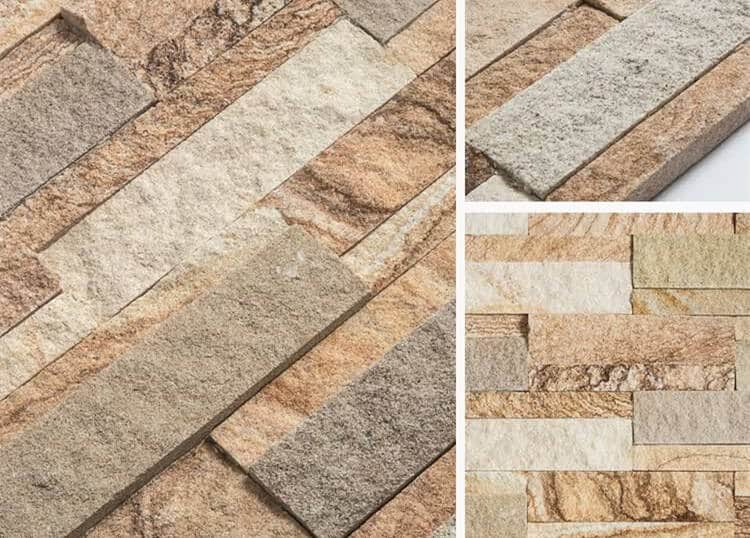
Hoe monsters te testen op kleurcoördinaten, dikte van de dikte en ASTM-materiaalduurzaamheid
Een magazijntest van 30 minuten elimineert 80% van de kleurconflicten voorafgaand aan de vrijgave van de zeevracht.
Plaats het monster naast een raam op het noorden – geen directe zon, geen fluorescerende winkelverlichting. Fotografeer het droog, bevochtig het oppervlak en fotografeer opnieuw. De kleur wordt aanzienlijk dieper als het nat is, en dat natte uiterlijk komt dichter bij de uiteindelijke verzegelde installatie. Vergelijk beide afbeeldingen met de productiefoto's van de fabriek. Als de leverancier zich niet schriftelijk kan verbinden tot een kleurtolerantie van ΔE ≤ 2,0 voor uw goedgekeurde natte monster, ga dan niet verder. Dat document is het enige dat voorkomt dat een container vol met niet-overeenkomende stenen in uw magazijn belandt.
Gestandaardiseerde evaluatiechecklist:
- Dimensionale kalibratielogboeken: Natuursteen moet binnen ±2 mm van de aangegeven dikte liggen. Gekweekte panelen moeten ±1 mm vasthouden. Gebruik direct na ontvangst op drie punten een digitale schuifmaat. (Dikte tolerantie details worden hier gearchiveerd).
- Dichtheids- en porositeitscontroles: Weeg het monster op een gekalibreerde weegschaal. Dichtheidsinconsistenties van meer dan 5% duiden op structurele porositeitsvariatie – een ernstig waarschuwingssignaal voor koude vorstzones.
- Geaccrediteerde ASTM-testruns: Als het volume dit rechtvaardigt, voert u gestandaardiseerde, onafhankelijke teststatistieken uit: waterabsorptie (ASTM C97), vries-dooibestendigheid (ASTM C666) en druksterkte (ASTM C170) om het terugroepen van delaminatie op de locatie volledig te elimineren.
Met kersen geplukte monsters zijn het vuile geheim van de industrie. Fabrieken selecteren routinematig de bovenste 5% van de run voor monsterpakketten. Om dit te omzeilen, kunt u een zij-aan-zij foto van uw monster eisen naast een willekeurig geselecteerd productiepaneel uit dezelfde batch. Vraag dan een korte video aan van de productielijn die de steen zaagt die in uw proefpakket zit. Als de leverancier aarzelt of excuses aanbiedt, verbergt hij batchvariatie. Een eerlijke fabriek met steengroevecontrole zal binnen 24 uur hieraan voldoen.
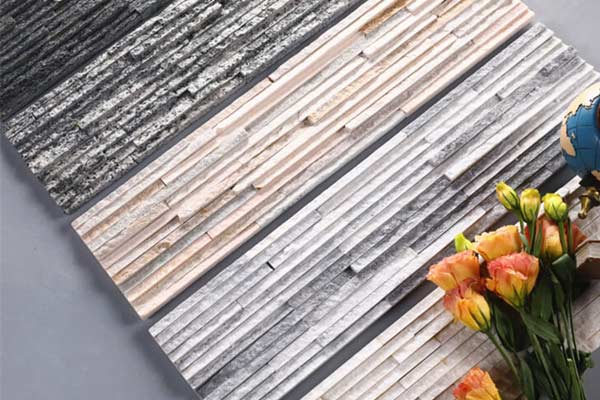
Veel voorkomende inkoopfouten die u moet vermijden bij het uitvoeren van fabrieksmonsteraanvragen
Gratis, niet-geverifieerde monsters zonder een expliciet structureel verzoekprotocol veroorzaken 80% van de veldkleurconflicten.
De grootste fout is het accepteren van een gratis monster zonder te specificeren dat het een productie-kwaliteit stuk, geen showroommonster. Fabrieken kiezen routinematig uit de bovenste 5% van een oplage (de beste kleuren, de krapste randen) om als gratis exemplaar te verzenden. Dat stuk vertegenwoordigt nooit de gemiddelde kwaliteit die je in een container krijgt. Uiteindelijk keurt u een visual goed die niet op schaal kan worden gerepliceerd. Om dit te voorkomen, moet uw voorbeeldaanvraagbrief expliciet een paneel van productiekwaliteit, een hoekstuk en twee willekeurig geselecteerde losse stenen eisen. Als de leverancier aarzelt of weigert een willekeurig getrokken stuk te verzenden, is dat een waarschuwing voor batchconsistentie.
Operationele valkuilen die u moet vermijden:
- Blinde losse inkoop: Een kersengeplukte gratis monster levert nul gegevens op over lay-outvariatie. Dring aan op vergelijkende momentopnames naast actieve containerpallets voordat u saldofinanciering uitgeeft. (Bekijk onze kleurvariatieprotocol hier).
- Logistieke tijdlijn verkeerd uitgelijnd: Door kortingsbonnen te bestellen zonder de transitdeadlines te coördineren, worden de verzendschema's voorbij de sluitingstijden van de containerterminals geduwd. Synchroniseer de goedkeuringsstappen vooraf naast de maritieme boekingsperioden.
Het overslaan van het monstergoedkeuringscertificaat is de derde fatale fout. Zonder een ondertekend document waarin de overeengekomen kleurtolerantie wordt gespecificeerd (ΔE ≤ 2,0), diktebereik (±2 mm natuurlijk, ±1 mm gekweekt) en verpakkingsvereisten, heeft de fabriek geen enkele contractuele verplichting om het monster te matchen. Uit interne gegevens blijkt dat het conversiepercentage van monster naar bestelling stijgt van 35% naar 65% wanneer een formeel goedkeuringscertificaat wordt ondertekend en geretourneerd. Dat certificaat wordt uw juridische anker als de bulkzending afwijkt van de goedgekeurde norm. Stuur altijd een voorbeeldgoedkeuringscertificaat mee met uw offerteaanvraagsjabloon en vraag de leverancier dit te ondertekenen voordat de productie begint.
Conclusie
Een goed monsteraanvraagproces is uw eerste verdedigingslinie tegen kwaliteitsgeschillen bij het importeren van gestapelde stenen. Door een voorbeeldpakket van productiekwaliteit, een video van de productielijn en een ondertekend monstergoedkeuringscertificaat met een kwaliteitstolerantie van ΔE ≤ 2,0 te eisen, elimineert u 80% van de kleurconflicten voordat de container de werf verlaat.
Gebruik die benchmark bij uw volgende leveranciersbezoek. Vergelijk de reactie van de fabriek met deze normen. Een fabriek die onmiddellijk aan de eisen voldoet, is een fabriek waarop u kunt vertrouwen als u een volledige containerbestelling plaatst.
Veelgestelde vragen
Welk maatmonster moet ik aanvragen voor gestapelde steen?
Vraag een productieklasse 12 aan×12 grootboekpanelen, een hoekstuk en twee willekeurig geselecteerde losse stenen. Vermijd 4×4 stalen; ze verbergen kleurvariaties en productiefouten. Vraag deze specifieke stukken om de echte batchkwaliteit te bevestigen.
Hoeveel kost een gestapeld steenmonster?
De meeste Chinese fabrieken bieden gratis of tegen een kleine vergoeding monsters aan, maar u betaalt koerierskosten (doorgaans $30-$60). Betaalde monsters zijn betrouwbaarder dan gratis exemplaren, die vaak door de kers worden geplukt. Investeer in een betaald monster voor een waarheidsgetrouwe weergave van de batchkwaliteit.
Hoe lang duurt het voordat ik een monster uit China ontvang?
De bezorging van monsters vanuit China duurt doorgaans 5 tot 10 werkdagen via koeriersdiensten zoals DHL of FedEx. Voeg indien nodig 2-3 dagen toe voor de productie van aangepaste monsters. Bevestig altijd de verzendmethode en de verwachte leverdatum voordat u bestelt.
Kan ik gratis monsters krijgen van Chinese steenfabrieken?
Ja, veel fabrieken bieden gratis monsters aan, maar deze worden vaak met de hand geplukt uit de beste stukken. Dring aan op een willekeurig geselecteerd productiepanel of een betaald monster om verkeerde voorstelling van zaken te voorkomen. Een gratis monster is de duurste fout die je kunt maken.
Hoe test ik een steenmonster op kleurconsistentie?
Vergelijk het monster met een tolerantiestandaard van ΔE ≤ 2,0 bij natuurlijk daglicht. Vraag ter bevestiging ook een video aan van de productielijn die de steen snijdt die in uw proefpakket zit. Onderteken een monstergoedkeuringscertificaat waarin de overeengekomen kleurtolerantie wordt gedocumenteerd.