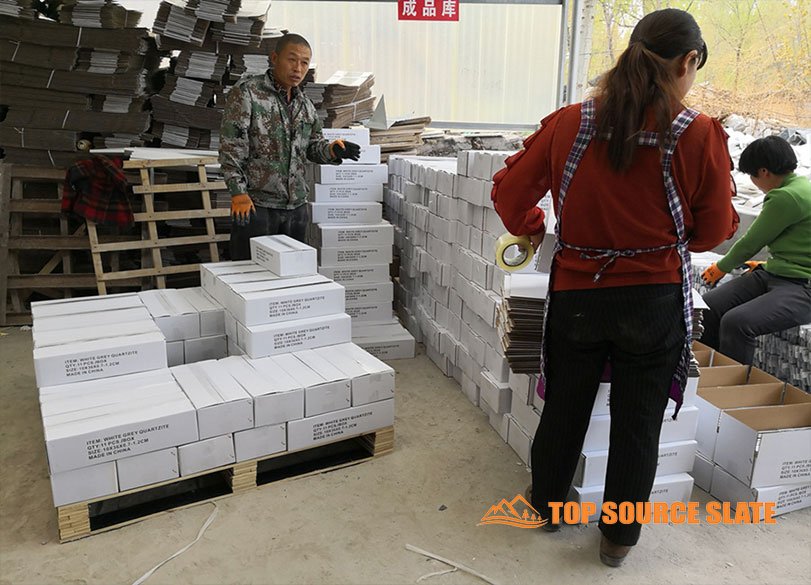
Installasjon av stablet stein er det første sjekkpunktet kjøpere bør låse før de godkjenner en leverandør, et budsjett eller en produksjonsplass. Du er en global importør. Du har en beholder med stablet stein på en brygge, klienten din ringer om en lobbyvegg på 1000 ft², og installeringsteamet spurte akkurat hvilket underlag du spesifiserte. Det spørsmålet - det om underlaget - er der de fleste stablede steininstallasjonsprosjekter enten seiler gjennom eller går inn i en omarbeidingskatastrofe. Å få svaret riktig starter måneder før steinen berører en vegg.
Guidene fra Norstone og MSI forteller deg hvordan du fester stein til en vegg. De hopper over den delen som betyr noe for deg: hvordan sikre at steinen du bestilte fra en fabrikk 6000 miles unna faktisk blir værende på veggen. 80 % av tilbakeringing av installasjoner spores tilbake til feil underlag eller feil tynnsett. Det er ikke et arbeidsproblem. Det er et kildeproblem. En leverandør som ikke kan gi skriftlige underlagsspesifikasjoner eller produksjonsposter på partinivå, gir deg et ansvar, ikke et produkt.
Denne veiledningen dekker pro-standardene for underlag, tynn-sett og layout. Men den kobler også disse standardene til fabrikkbeslutningene du tar før containeren forlater Kina. EN inspeksjon før forsendelse alene reduserer påstandene om fargefeil med 60 %. En bruddgodtgjørelse på 2 % i kontrakten din sparer tusenvis på en typisk ordre. Installasjonsteknikken er viktig. Det samme gjør papirene som beviser at fabrikken din validerte det.
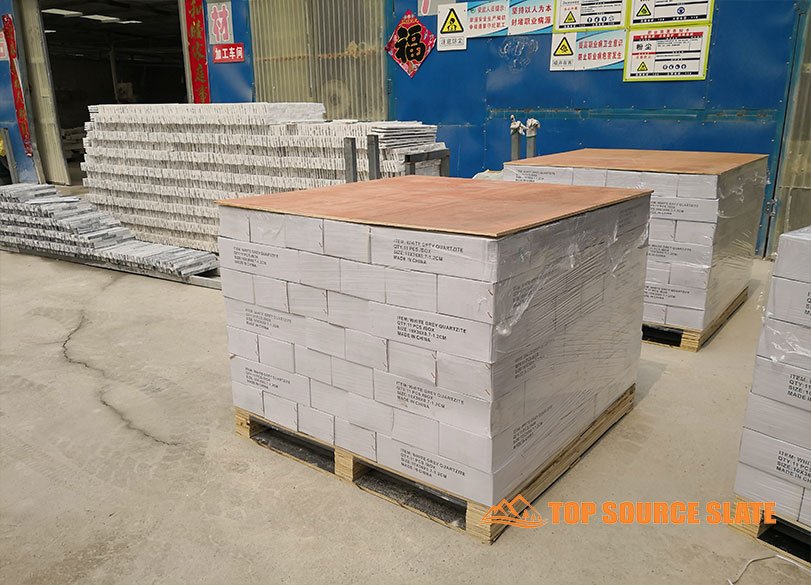
De 3 mest kostbare stablede steininstallasjonsfeilene
80 % av tilbakeringing av installasjoner spores tilbake til en av disse tre strukturelle og prosedyrefeil.
Et enkelt tilbakeringingskrav for feltdelaminering eller ujevne rader på en stor kommersiell installasjon vil raskt utslette containermarginen din. Når man analyserer nettstedsfeil, er hovedårsakene binære: de stammer fra kjemisk substitusjon eller justering-snarveier. Hvis ditt feltinstallasjonsmannskap begår disse tre spesifikke prosedyrefeilene, er fullstendige fasadeavrivningsparametere praktisk talt garantert:
- Feil 1 – Bruk av brennbar gipsplate: Forsøker å montere natursteinsfinerpaneler som veier 7–12,5 lbs/sq ft direkte over malt gipsplate. Gipspapirlaget skjæres uunngåelig under kontinuerlige egenbelastninger.
- Feil 2 — Bytte ut polymertynnesett med basismørtel: Bruk av teglmørtel av type S med lav binding eller organisk flisemasse i stedet for polymermodifisert tynn-sett som er i samsvar med ANSI A118.4/A118.11-standardene. Umodifiserte mørtler mangler bøyeskjærstyrken for å motstå kalde fryse-tine-sykluser.
- Feil 3 – utelate et nivåreferanserutenett: Hopp over en fysisk nivålinjemarkering og innstilling av paneler rett fra ujevn jordkvalitet. Et minutts 1/16-tommers skråningsavvik per rad forener til en grell, forvrengt bølge over et omfattende veggløp.
| Feil | Kostnadspåvirkning | Rotårsak | Forebyggingsstrategi | Leverandørverifisering |
|---|---|---|---|---|
| Feil underlag (gipsvegg) | Full utrivning & erstatning: 2x materiale + arbeidskostnad | Ansiktssaks av gipspapir under tung vertikal kledningsvekt | Bruk 1/2-tommers sementplate, skrudd på 6-tommers sentre på kantene | Be om sertifiserte underlagsspesifikasjonsark fra fabrikken |
| Feil tynn-sett (type S mørtel eller mastikk) | Steiner klippes av innen 1 år; høy juridisk eksponering | Bruk av ikke-polymermodifiserte eller ikke-ANSI-kompatible mørtelbed | Spesifiser polymermodifisert tynnsett som møter ANSI A118.4 eller A118.11 | Bekreft anbefalte tynnsettspesifikasjoner skriftlig fra leverandøren |
| Hopp over nivåreferanselinje | Skjeve rader, ujevne hull, estetisk svikt; full vegg gjøre om | Ingen innledende krittlinje eller gulvrad for å etablere null benchmark | Fest krittreferanse ved den andre kurslinjen; tørrlegg første rad | Sørg for at fabrikken tilbyr fargeblanding og ferdigkuttede hjørnepaneler |
Virkelige underlagsregler: Hva sementplate faktisk fungerer
Gips er ikke et alternativ - det er et strukturelt søksmål som venter på å skje.
Den eneste akseptable basen for vektbærende naturlige tynne steinplater er et sementholdig underlag. Det betyr en minimum 1/2-tommers polypropylen-fiberforsterket sementplate - HardieBacker, Durock eller tilsvarende - mekanisk forankret med støttebrettskruer fordelt hver 6. tommer på kantene og 8 tommer i feltet over stender satt på 16-tommers senter. Kryssfiner, OSB og ark kan ikke håndtere fuktekspansjonssykluser bak natursteinfiner og vil bøye seg og bryte sementmikrokrystallene.
For kommersielle yttervegger er en sertifisert værbestandig barriere (WRB) og en dedikert 1/4-tommers dreneringsplan helt obligatorisk bak sementplatelaget. Importører bør be om fabrikkens tekniske substrat skriftlig spesifikasjonsark før utstedelse av en PO. Legitime produsenter fra steinbrudd gir partispesifikke substratanbefalinger med hver produksjonsbatch for å verifisere ytelsesgrenser under ASTM C1670-standarder.
Thin-Set Showdown: Hvilken mørtel binder seg best?
Feil tynt-sett-formel garanterer langvarig limskjærfeil.
Polymermodifisert tyntsett som møter ANSI A118.4 (interiør) eller ANSI A118.11 (eksteriør) er den eneste pålitelige limspesifikasjonen for tung reskontrostein. Tradisjonell Type S mursteinsmørtel mangler den livsviktige polymerkjedens elastisitet, mens organiske fliser forblir plastiske for lenge, og fanger våt damp som utløser intense mineralutblomstringer. Å investere $25–$35 per 50-lb pose i et premium modifisert tynn-sett representerer den billigste forsikringen din distribusjonskanal kan implementere.
For å maksimere den strukturelle bindingslinjen, må feltmannskapene utføre en **grundig ryggsmørbelegg** på baksiden av hvert modulpanel, og trykke det fast inn i en 1/2″ kvadratisk mørtelbed på sementplateunderlaget. Denne dual-coating-metoden sikrer 95 % total bindingsdekning, og forhindrer at innvendige luftlommer fanger opp fuktighet under fryse-tine-sykluser. Få alltid fabrikkleverandøren din til å validere steintetthetsberegningene deres skriftlig for å nøyaktig matche tynne strekkevner.
Velprøvd layoutmetode: Hvordan sette en perfekt nivålinje
Tørrlegg den første raden på gulvet før du kutter et enkelt stykke stein.
Åpne tre til fire bokser på tvers av forskjellige paller og tørrlegg løpeboken flatt på betonggulvet. Dette er den eneste tilgjengelige mekanismen for å forhåndsvise naturlige fargevariasjoner på tvers av forsendelsespartiet, slik at installatører kan randomisere fargeblokker før materialene er permanent festet til vegghulen. Blandingspaneler sikrer at den ferdige kommersielle lobbyoverflaten leses som en sammenhengende geologisk funksjon i stedet for et blokkaktig sjakkbrett.
Når gulvutformingen er godkjent, knipser du den jevne krittlinjen i nøyaktig høyde av **andre kurs**—start aldri blindt fra et ujevnt jordgulv. Denne målestokken sikrer at de øvre radene forblir parallelle og laserrette; den nederste raden kan trimmes med en våt diamantsag for å tilpasse seg hellinger. For hjørner, installer prefabrikkerte hjørnestykker først, arbeid utover mot senterskjøten for å skjule panelbreddekutt.
Innkjøp fra en integrert steinbruddsprodusent reduserer layouttiden på stedet med omtrent 40 %. Deres fabrikkkontrollerte batching forhåndssorterer paneler etter skygge før eksportpakking, mens CNC-freste hjørneprofiler kommer klare til å henge. Denne prosessteknikken begrenser direkte overskridelser av arbeidstimer og skrapavfallsmarginer på arbeidsplassen.
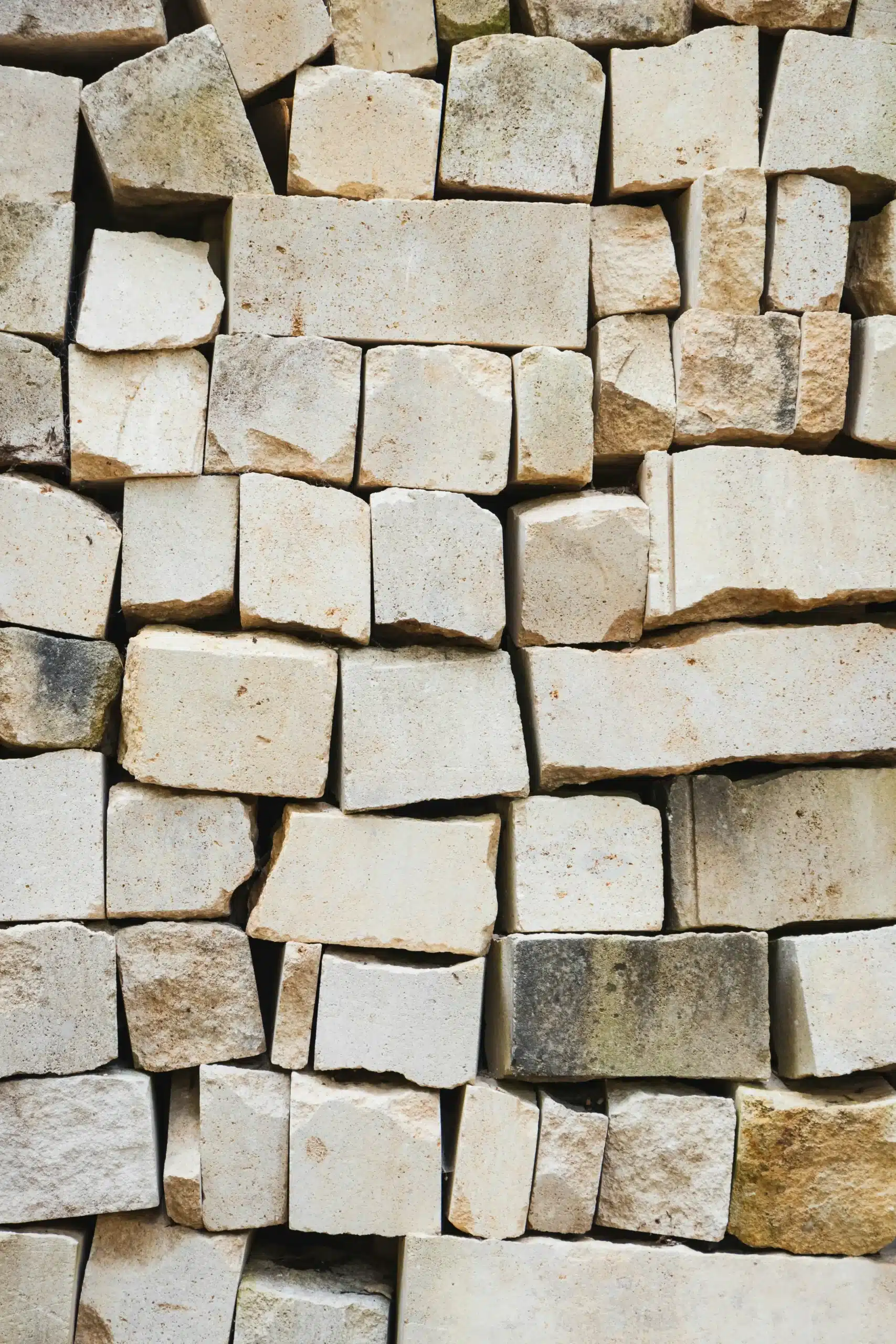
Sourcing Smart: Slik bekrefter du fabrikkinstallasjonsstøtte
Inspeksjonsvideoer før forsendelse reduserer krav om fargefeil med 60 %.
Forskjellen mellom en fabrikk som faktisk kan støtte installasjonen din og en som bare sender stein er i dokumentene de leverer. En legitim produsent vil gi deg skriftlige installasjonsveiledninger som spesifiserer nøyaktig underlagsforberedelse, tynn-sett merke og type (f.eks. Laticrete 254 for utvendig) og fugebredde før det første panelet forlater fabrikken. Hvis svaret er "bare bruk et hvilket som helst tynnsett,’ du snakker med en handelsmann, ikke en fabrikk.
Et sikkert rammeverk for B2B-steinanskaffelse må kreve disse fire dokumentloggene:
- Skriftlige retningslinjer for montering: Må eksplisitt angi krav til substrattetthet, tynne ANSI-klassifiseringer og temperaturherdetidslinjer.
- Merkevareanbefalinger: The factory should outline verified structural mortar brands (e.g., Mapei Ultralite or Custom Building Products Pro-Lite) rather than vague descriptors.
- Lot-Level Production Records: Barcoded lot profiles enable tracking of identical extraction blocks, eliminating the risk of receiving 15% batch-color drift across pallets.
- Pre-Shipment Inspection Video Tracking: Forcing a live video check of random crates on the active staging floor cuts color mismatch claims by 60%, isolating broken panels before port strapping seals.
Konklusjon
Proper substrate and thin-set choices eliminate 80% of stacked stone callbacks. A pre-shipment inspection cuts the color mismatch risk by another 60%. That is the difference between a project that holds its value and one that eats into your margin with rework.
Review the wholesale sourcing guide for factory specs, lot-level production records, and written installation support. Make sure the supplier you choose treats installation documentation as part of the product, not an afterthought.
Ofte stilte spørsmål
What substrate is needed for stacked stone?
You need a cementitious substrate like 1/2-inch cement board, brick, or CMU for both interior and exterior installations. Drywall is never acceptable and will cause failure, leading to a full tear-out. Always spec cement board, never drywall.
How to install rock mount stacked stone?
Install rock mount stacked stone by first screwing 1/2-inch cement board at 16-inch centers over wall studs, then applying a polymer-modified thin-set meeting ANSI A118.4. Always set a level reference line first to keep rows straight and prevent horizontal sagging across courses. Level your first row, then work up.
Hvilket lim bruker du til stablet stein?
Use a polymer-modified thin-set mortar meeting ANSI A118.4 or A118.11 standards for stacked stone. Never use Type S mortar or mastic, as they lack the bonding strength and flexibility needed for stone veneer. Stick with polymer-modified thin-set only.
How to attach a stacked stone?
Attach stacked stone by back-buttering each piece and pressing it firmly into a 1/2-inch notched trowel bed of polymer-modified thin-set on cement board. For panels over 15 lbs per sq ft, add mechanical fasteners like corrosion-resistant structural anchor bolts. Back-butter every piece for full coverage.
How to hang things on stacked stone?
Drill through the stone and mortar joint using a masonry bit, then insert a sleeve anchor or toggle bolt rated for the weight. Avoid hanging heavy items solely on the stone face, as the tension can split individual stone segments. Always anchor into the structural substrate behind the stone.