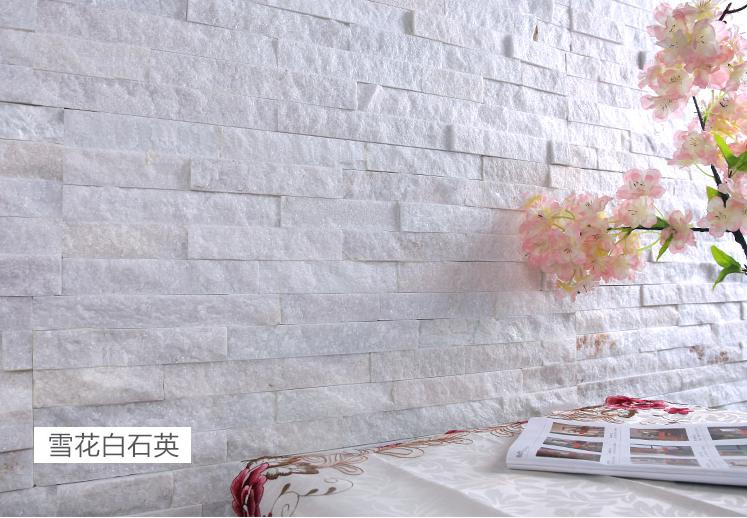
Ignorowanie ryzyka związanego ze stabilnością UV i blaknięciem okładzin zewnętrznych może prowadzić do szybkiego spadku wyceny nieruchomości i kosztownych projektów rekultywacji obejmujących cały obiekt. Dla deweloperów i architektów wizualne niepowodzenie elewacji często sygnalizuje głębszy kompromis materiałowy, zamieniając wysokiej klasy konstrukcję w ciężar, gdy pigmenty zaczynają się wypłukiwać. Wybór materiałów, którym brakuje wewnętrznej odporności na promieniowanie słoneczne, wymusza cykl konserwacji, który wpływa na długoterminowy zwrot z inwestycji i szkodzi wiarygodności zawodowej.
Niniejsza analiza techniczna bada różnice molekularne pomiędzy naturalnymi strukturami mineralnymi a syntetycznymi barwnikami na bazie tlenku żelaza występującymi w produkowanych fornirach. Analizujemy dane z 1000-godzinnego testu obciążeniowego UV, aby dokładnie pokazać, w jaki sposób sztuczny kamień traci integralność strukturalną i dlaczego tradycyjne zestawy do poprawek nie zapewniają trwałej naprawy. Analizując fizykę krystaliczną kwarcytu i łupków, można ustalić protokół doboru materiału, który zapewni, że kolor pozostanie trwałą cechą przegród zewnętrznych budynku przez dziesięciolecia.
Czy Twój kamień blaknie? Chemia minerałów naturalnych a barwniki na bazie tlenku żelaza
Autentyczna integralność architektoniczna zależy od stabilności minerałów nieorganicznych, gdzie Kamień naturalny zachowuje swój pierwotny odcień dzięki odporności molekularnej, której syntetyczne pigmenty nie są w stanie odtworzyć.
Nieorganiczna stabilność minerałów w naturalnym kamieniu ułożonym w stosy
Naturalne panele kamienne czerpią swój kolor z minerałów nieorganicznych powstających przez miliony lat pod wpływem intensywnej temperatury i ciśnienia. Materiały takie jak kwarcyt, łupek i marmur zawierają chemicznie obojętne minerały, które pozostają stabilne nawet pod wpływem bezpośredniego promieniowania słonecznego. Struktura molekularna tych minerałów nie rozpada się ani nie reaguje pod wpływem promieni ultrafioletowych, dzięki czemu estetyka pozostaje niezmieniona przez dziesięciolecia.
- Kamień naturalny zachowuje swój pierwotny odcień na całej grubości, dzięki czemu zużycie powierzchni nigdy nie ujawnia innego koloru pod spodem.
- Minerały nieorganiczne są odporne na “Szok UV” faza, która często jest plagą syntetycznych alternatyw w regionach o wysokim nasłonecznieniu.
- Kwarcyt i łupek zapewniają doskonałą odporność na światło, co czyni je preferowanym wyborem do okładzin zewnętrznych wychodzących na południe.
Utlenianie i blaknięcie w produkowanych pigmentach tlenku żelaza
Fałsz wyroby z kamienia polegają na syntetycznych barwnikach tlenku żelaza zmieszanych z bazą betonową lub poliuretanową, aby naśladować wygląd prawdziwego kamienia. Te pigmenty organiczne i syntetyczne są bardzo podatne na fotodegradację. Ekspozycja na promieniowanie UV niszczy wiązania chemiczne w barwnikach z tlenku żelaza, powodując z czasem wypłukanie żywych kolorów lub zmianę ich na matową szarą. Ponieważ kolor jest często jedynie efektem obróbki powierzchniowej lub skoncentrowaną mieszanką w warstwie zewnętrznej, blaknięcie ostatecznie ujawnia nienaturalne podłoże betonowe.
| Metryka wydajności | Naturalny kamień ułożony | Zrobiony fabrycznie Fornir kamienny |
|---|---|---|
| Skład pigmentu | Nieorganiczne minerały naturalne | Syntetyczne barwniki na bazie tlenku żelaza |
| Stabilność UV | Z natury trwałe | Degraduje (okno 5-10 lat) |
| Głębia koloru | Kolor całego ciała | Nakładanie powierzchniowe / cienka mieszanka |
| Potrzeby konserwacyjne | Minimalne (zero ponownego barwienia) | Okresowe ponowne zamykanie & Barwienie |
Odporność chemiczna i standardy architektoniczne 2026
Wymogi współczesnego budownictwa na rok 2026 traktują priorytetowo materiały łatwe w utrzymaniu, które zachowują wartość estetyczną bez konieczności stosowania toksycznych chemicznych poprawek. Naturalne panele kamienne eliminuje konieczność ponownego bejcowania lub malowania kosmetycznego, zwykle wymaganą od właścicieli blaknących fornirów syntetycznych. To przejście w kierunku “powierzchnie dziedzictwa” zapewnia, że komercyjne i luksusowe projekty mieszkaniowe utrzymają wartość nieruchomości i zmniejszą jej atrakcyjność dzięki długoterminowej stabilności minerałów.
- Gęsta struktura naturalnego łupka i kwarcytu zapobiega zanieczyszczeniu alkalicznemu i wymywaniu minerałów pod wpływem wilgoci.
- Określenie naturalnych minerałów zapewnia budowę wygląd zewnętrzny zapewnia wysoką trwałość standardy wymagane dla środowisk przybrzeżnych i środowisk o wysokim poziomie promieniowania UV.
- Najlepszy kamień źródłowy wdraża ścisłą kontrolę źródła, pobierając z tego samego kamieniołomu, aby zagwarantować konsystencję partii, która pozostaje stabilna pod słońcem.
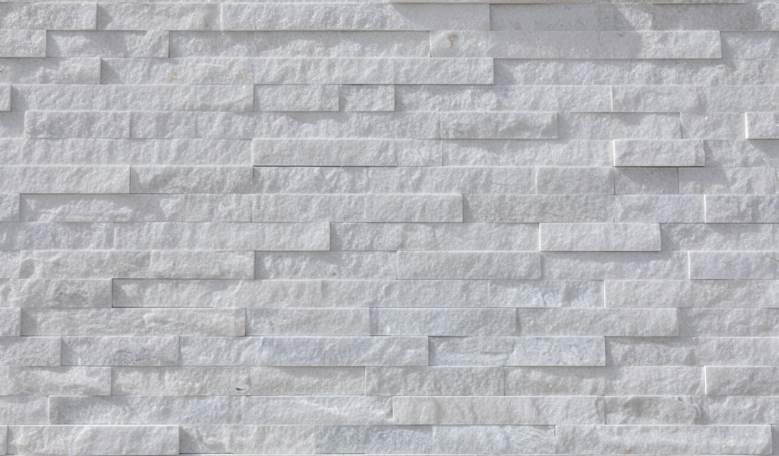
1000-godzinny test UV: jak sztuczny kamień traci swój połysk
Podczas fałszywego producenci kamienia polegają na chemicznych inhibitorach na poziomie powierzchni, aby opóźnić degradację, 1000-godzinne przyspieszone testy starzenia wykazują, że tylko w 100% naturalne minerały zapewniają absolutną trwałość koloru i integralność strukturalną.
Standaryzowane protokoły przyspieszonego starzenia w 2026 r
Nowoczesne laboratoria architektoniczne wykorzystują 1000-godzinne komory do symulacji klimatu, aby skompresować dziesięciolecia stresu środowiskowego w ciągu kilku tygodni. Systemy te wykorzystują łuk ksenonowy i fluorescencyjne lampy UV do odtworzenia pełnego widma słonecznego, w szczególności ukierunkowując wiązania chemiczne w materiałach elewacyjnych. W 2026 roku inżynierowie priorytetowo traktują “Delta-E” przesunięcie — pomiar zmiany koloru niewidoczny gołym okiem przy niskich poziomach, ale katastrofalny dla ograniczenia atrakcyjności po przekroczeniu określonego progu. Protokoły te pomagają specjalistom ds. zamówień rozróżnić tymczasowe wykończenia dekoracyjne od długoterminowych rozwiązań konstrukcyjnych.
| Kategoria materiału | 1000-godzinna zmiana UV Delta-E | Wynik strukturalny |
|---|---|---|
| Naturalny kwarcyt/łupek | < 00,5 (niemierzalne) | Bez zmian; Chemicznie obojętny |
| Beton Fornir kamienny | 3.5 – 6,0 (widoczne wybielenie) | Kruszenie powierzchni & Wzrost porowatości |
| Panele poliuretanowe (PU). | > 7,5 (silne żółknięcie) | Utrata elastyczności; Kruchość powierzchni |
Rozkład pigmentów w kompozytach z kamienia syntetycznego
Kamień syntetyczny opiera się na barwnikach tlenku żelaza i spoiwach żywicznych, które słabo reagują na skoncentrowane promieniowanie UV. Promienie o dużej intensywności rozrywają wiązania chemiczne w pigmentach nakładanych na powierzchnię, co prowadzi do wybielenia i “kredowy” pozostałości w miarę degradacji podłoża betonowego lub plastikowego. Preparaty poliuretanowe często żółkną lub tracą elastyczność strukturalną po kilkuset godzinach ekspozycji. Ponieważ kolor w produktach sztucznych często występuje jedynie jako cienka warstwa wierzchnia, gdy wiązanie powierzchniowe zawiedzie, wartość estetyczna budynku znika, pozostawiając matowe, sztucznie szare lub pożółkłe wykończenie.
- Utlenianie wywołane promieniowaniem UV przekształca żywe ciemne pigmenty w wyblakłe, nierówne plamy.
- Poddawane są spoiwom żywicznym “fotodegradacja,” tworząc mikropęknięcia, które umożliwiają wnikanie wilgoci.
- Kolory na powierzchni zmywają się w miarę zanikania ochronnej powłoki polimerowej.
Stabilność UV naturalnych struktur mineralnych
Naturalny kamienne panele, takie jak kwarcyt i łupek pozyskiwane przez Top Source Stone, zachowują swój kolor, ponieważ ich pigmenty mają charakter geologiczny, a nie chemiczny. Minerały te powstały pod wpływem ekstremalnej temperatury i ciśnienia miliony lat temu, dzięki czemu są naturalnie odporne na promieniowanie słoneczne. Kiedy architekci wybierają naturalny kamień ułożony w stosy dla projektów zewnętrznych na rok 2026zapewniają, że budynek zachowa swój pierwotny odcień przez dziesięciolecia. Materiały te noszą kolor na całej swojej głębokości, więc nawet w przypadku odprysków panelu odsłonięte wnętrze idealnie komponuje się z otoczeniem.
Dystrybutorzy i programiści B2B traktują priorytetowo materiały takie jak Alaska Grey lub Łupek Carbon Black, ponieważ wykazują one zerową mierzalną zmianę koloru w testach trwających 1000 godzin. Pozyskujemy te materiały z określonych żył kamieniołomów, aby zapewnić jednolitość i gęstość odcienia. Ta trwałość geologiczna eliminuje potrzebę stosowania drogich uszczelniaczy chroniących przed promieniowaniem UV lub zestawów do poprawek, zapewniając bezobsługowe rozwiązanie dla środowisk o dużym naświetleniu, takich jak południowo-zachodnie Stany Zjednoczone czy Bliski Wschód.
Wysokiej jakości panele kamienne układane bezpośrednio w fabryce
Dlaczego “Wybielony na słońcu” Ściany mogą zniszczyć atrakcyjność budynku
W przypadku nieruchomości o wysokiej stawce uszkodzenia estetyczne wywołane promieniowaniem UV działają jak wizualny wskaźnik zaniedbań strukturalnych, obniżając wycenę nieruchomości, zanim kupujący w ogóle przekroczy drzwi.
Wybielanie na słońcu to coś więcej niż tylko rozjaśnienie powierzchni; tworzy niejednolity, wyblakły wygląd, który sprawia, że stosunkowo nowe budynki wyglądają na starsze o kilkadziesiąt lat niż ich rzeczywisty wiek. Ta wizualna degradacja sygnalizuje zaniedbanie potencjalnym nabywcom lub najemcom w 2026 roku, gdzie rynek coraz bardziej wymaga “scheda” wysokiej jakości materiały. Wyceny nieruchomości na rynkach luksusowych w dużej mierze opierają się na pierwszym wrażeniu elewacji, a materiały uszkodzone przez promieniowanie UV konsekwentnie nie przechodzą tego testu.
Wymiana lub naprawa wyblakłego sztucznego kamienia wymaga znacznych nakładów inwestycyjnych i pracy. Inaczej Ułożone kamienne panele które zachowują swój pierwotny odcień przez czas nieokreślony, produkowane alternatywy często wymagają całkowitego usunięcia, gdy pigmenty stosowane na powierzchni zawiodą. Właściciele borykający się z tym problemem często zbyt późno zdają sobie sprawę, że “oszczędności” syntetyczne kamień są usuwane przez spadek atrakcyjności krawężnika i wartość odsprzedaży.
Kamień naturalny a trwałość betonu pigmentowanego
Autentyczne minerały w środku Ułożone w stosy kamienie oferują nieodłączną odporność na promieniowanie UV, która została wyprodukowana substytuty nie mogą się replikować. Kamienie sztuczne opierają się na barwnikach z tlenku żelaza, które rozkładają się pod wpływem intensywnego promieniowania słonecznego, co prowadzi do trwałej i często nierównomiernej utraty koloru. Ponieważ pigmenty te są często nakładane jedynie powierzchniowo lub mieszane z porowatym spoiwem do betonu, brakuje im stabilności chemicznej wymaganej przy długotrwałym narażeniu na czynniki zewnętrzne.
| Funkcja wydajności | Najlepsze źródło kamienia naturalnego | Sztuczny beton/kamień PU |
|---|---|---|
| Kompozycja Kolorów | Naturalna struktura mineralna | Barwniki/farby powierzchniowe na bazie tlenku żelaza |
| Stabilność UV | Stały; Żadnego blaknięcia | Zanika po 5-10 latach |
| Integralność powierzchni | Chemicznie obojętny/stabilny | Kruszenie & Ryzyko rozpadu |
Łupek, kwarcyt i marmur użyte w Top Panele z kamienia źródłowego zawierają naturalne struktury krystaliczne, które są chemicznie stabilne. Minerały te nie zmieniają odcienia, ponieważ ich kolor jest wynikiem formacji geologicznej na przestrzeni milionów lat, a nie dodatku chemicznego. Wybór 100% prawdziwy kamień gwarantuje, że budynek zachowa swoje pierwotne założenia projektowe przez cały cykl życia, bez konieczności stosowania toksycznych zestawów do poprawek lub powtarzającego się barwienia.
Zachowanie integralności architektonicznej w strefach wysokiego promieniowania UV
Projekty realizowane w regionach przybrzeżnych lub położonych na dużych wysokościach wymagają materiałów odpornych na trudne warunki atmosferyczne, bez uszkodzeń strukturalnych i estetycznych. Promienie UV nie tylko wybielają kolor; powodują degradację spoiw w sztucznym kamieniu niskiej jakości, co prowadzi do kredowania i kruszenia powierzchni. Dla odmiany naturalne kamienne panele pozostają stabilne termicznie. Zapobiegają wypaczeniu lub pękaniu często spotykanemu w syntetycznych materiałach bocznych podczas szczytowych cykli letnich upałów.
Używając ułożony kamień pozwala architektom wybierać ciemne, odważne kolory – takie jak Carbon Black lub Midnight Slate – mając pewność, że te odcienie pozostaną żywe przez pokolenia. W środowiskach o dużym zasoleniu i wilgotności, takich jak regiony Zatoki Perskiej lub wybrzeża Ameryki Północnej, gęstość naturalnego kwarcytu zapewnia barierę ochronną, której sztuczne polimery nie są w stanie dorównać. Ta trwałość pozwala jednocześnie zachować wizję architektoniczną i powłokę konstrukcyjną.
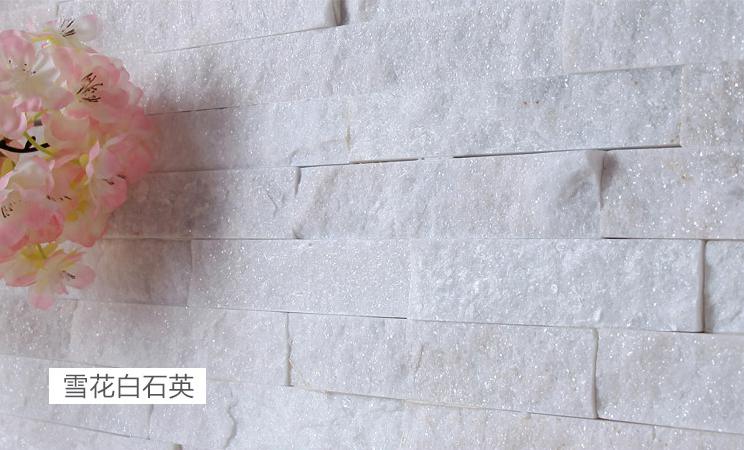
Prawda o zestawach do retuszowania: dlaczego nie można pomalować wyblakłego kamienia betonowego
Miejscowe naprawy lakieru na fornirach cementowych nie powiodą się, ponieważ usuwają problem porowatości strukturalnej za pomocą warstwy na poziomie powierzchni, ostatecznie zatrzymując wilgoć, która powoduje rozwarstwienie nowej powłoki.
Bariery przylegania powierzchniowego i rozwarstwianie folii
Na bazie betonu sztuczne kamienie charakteryzują się naturalnie wysokim poziomem porowatości z biegiem czasu odrzuć miejscowe warstwy farby. W odróżnieniu od minerałów naturalnych, są to substraty wytworzone “oddychać” wilgoć. Stosując standardowy zestaw do poprawek tworzymy warstwę nieprzepuszczającą powietrza. Bariera ta zatrzymuje parę wodną w betonie, wytwarzając wewnętrzne ciśnienie hydrostatyczne, które ostatecznie wypycha warstwę farby z powierzchni. Rezultatem jest cykl widocznego łuszczenia się, pęcherzyków i łuszczenia, który wygląda gorzej niż pierwotne blaknięcie.
| Funkcja | Zestawy do retuszowania lakieru | Kamień naturalny (Najlepsze źródło) |
|---|---|---|
| Mechanizm koloru | Nakładana powierzchniowo folia akrylowa/barwnikowa | Minerały obecne w organizmie |
| Stabilność UV | Niski (zanika w ciągu 12–24 miesięcy) | Trwałe (bez blaknięcia) |
| Oddychalność | Uszczelnia pory; zatrzymuje wilgoć | Naturalnie paroprzepuszczalny |
| Konserwacja | Wymaga ponownego zastosowania co dwa lata | Zero konserwacji związanej z kolorem |
Niestabilność UV w zestawach pigmentów zewnętrznych
Wtórnym zastosowaniom farb brakuje stabilności molekularnej występującej w Kamień naturalny minerały. Większość pigmentów zaprawkowych opiera się na barwnikach z tlenku żelaza, które szybko ulegają degradacji pod wpływem obecnego poziomu promieniowania słonecznego. Ponieważ te ponownie pokolorowane sekcje często blakną w innym tempie niż oryginał wyprodukowany kamieńtworzą niejednolitą, niedopasowaną fasadę, która niszczy stonowany urok. W przeciwieństwie do Topa Księga kwarcytowa lub łupkowa Source Stone panele — które pokrywają kolor całego nadwozia — powłoki miejscowe zapewniają zerową ochronę wewnętrzną przed promieniami UV.
Wizualna niespójność i zaciemnienie tekstury
Nałożenie farby na kamień architektoniczny niszczy organiczne cienie i rozjaśnienia, które definiują estetykę materiału. Grube warstwy farby wypełniają drobne szczeliny i chropowatą fakturę kamienia, tworząc płaski, sztuczny połysk, który bardziej przypomina formowany plastik niż autentyczny mur. Podczas gdy naturalny kwarcyt i łupek zachowują swoją trójwymiarową głębię i krystaliczny blask, malowany beton traci swoją wartość architektoniczną i wydaje się “tani” po dokładnym sprawdzeniu.
Długoterminowe obciążenia konserwacyjne powierzchni malowanych
Tymczasowa naprawa farby inicjuje stały cykl pracochłonnej pracy. Gdy właściciel budynku pomaluje kamień, przywrócenie go do pierwotnego stanu staje się prawie niemożliwe bez agresywnego piaskowania lub chemicznego usuwania. Koszty konserwacji rosną, ponieważ właściciele muszą zobowiązać się do częstych poprawek, aby ukryć rozwarstwiające się sekcje. Inwestycja w autentyczne produkty z kamienia całkowicie eliminuje ten cykl, opierając się na trwałych kolorach mineralnych, które nigdy nie wymagają pędzla ani wiadra barwnika.
- Farba awaria prowadzi do nieodwracalnego uszkodzenia kamienia oryginalna tekstura.
- Niekompatybilność chemiczna pomiędzy betonem a barwnikami stosowanymi miejscowo powoduje szybką zmianę koloru.
- Kamień naturalny pozostaje jedynym “jedno i gotowe” rozwiązanie do okładzin zewnętrznych.
Wniosek
Wybór naturalnego kwarcytu lub łupka gwarantuje, że fasady architektoniczne zachowają swój oryginalny kolor i integralność strukturalną pomimo dziesięcioleci intensywnej ekspozycji na promieniowanie UV. Chociaż produkowane zamienniki opierają się na powierzchniowych barwnikach, które z czasem ulegają rozkładowi, w 100% Panele z kamienia naturalnego stanowią trwałe rozwiązanie, które chroni zarówno zmniejszenie atrakcyjności, jak i długoterminowa wartość nieruchomości. Wybór materiałów z bezpośredniego źródła kamieniołomów dodatkowo gwarantuje spójność partii i parametry techniczne w przypadku zastosowań B2B na dużą skalę.
Możesz zapoznać się z naszymi pełnymi specyfikacjami technicznymi lub poprosić o fizyczną próbkę naszego asortymentu odpornego na promieniowanie UV, aby zweryfikować teksturę i jakość minerałów dla swojego następnego projektu. Skontaktuj się z naszym zespołem, aby omówić ceny za ładunek kontenerowy i dowiedzieć się, w jaki sposób nasze zaopatrzenie w tę samą partię chroni marże Twojego projektu.
Często zadawane pytania
Czy wyprodukowany fornir kamienny blaknie pod wpływem bezpośredniego światła słonecznego?
Tak, wyprodukowane okleina kamienna z biegiem czasu jest podatny na blaknięcie. Inaczej Kamień naturalnyw produktach tych zazwyczaj do nadania koloru wykorzystuje się pigmenty z organicznego tlenku żelaza, które ulegają degradacji pod wpływem stałego promieniowania UV. Prowadzi to do zauważalnej utraty intensywności koloru w porównaniu z chemicznie obojętnymi minerałami znajdującymi się w autentycznym kamieniu.
Czy mogę przywrócić kolor wyblakłej ścianie ze sztucznego kamienia?
Przywrócenie koloru możliwe jest poprzez zastosowanie specjalistycznych oddychających bejc do murów lub barwionych uszczelniaczy silano-siloksanowych. Do ogólnej konserwacji należy zastosować wysokiej jakości farbę odporną na promieniowanie UV Wzmacniacz kamienia może pogłębić pozostały pigment i zapewnić barierę ochronną przed dalszą ekspozycją na słońce i wnikaniem wilgoci.
Dlaczego mój biały sztuczny kamień zmienia kolor na żółty?
Żółknięcie jest często spowodowane zanieczyszczeniem alkaliami lub zastosowaniem nieoddychających uszczelniaczy akrylowych, które zatrzymują wilgoć pod powierzchnią, prowadząc do reakcji chemicznej z podłożem betonowym. Może to również wynikać z zanieczyszczeń środowiska lub rozkładu spoiw organicznych w okleinie pod wpływem wysokiej temperatury i promieni UV.
Czy niektóre kolory kamienia naturalnego są bardziej odporne na promieniowanie UV?
Kamienie naturalne takie jak granit i kwarcyt zapewniają doskonałą odporność na promieniowanie UV w prawie wszystkich profilach kolorystycznych, ponieważ ich odcienie pochodzą z nieodłącznych, nieorganicznych kompozycji mineralnych. Gęste, chemicznie obojętne struktury zapewniają, że kolory pozostają stabilne, nie blakną i nie przesuwają się, niezależnie od intensywności ekspozycji słonecznej.
Po jakim czasie sztuczny kamień zacznie wykazywać uszkodzenia słoneczne?
Widoczne uszkodzenia słoneczne zwykle zaczynają pojawiać się w ciągu 5 do 10 lat od montażu, w zależności od orientacji ściany i lokalnego wskaźnika UV. Obszary o dużym nasłonecznieniu lub ekspozycji południowej wykażą degradację pigmentu i starzenie się znacznie wcześniej niż elewacje zacienione lub skierowane na północ.