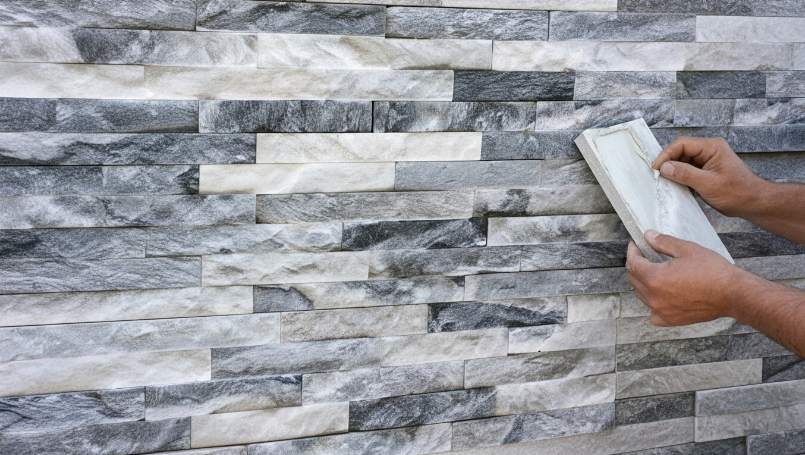
Skuteczne usuwanie kamienia to dla dealerów jedyny sposób na uniknięcie kaskadowych kosztów awarii elewacji i roszczeń gwarancyjnych. Luźne panele i osady soli to nie tylko problemy estetyczne; są to pasywa, które sygnalizują degradację wiązań i naprężenia strukturalne w pionowych budynkach komercyjnych.
Nasze podejście produkcyjne skupia się na tych punktach awarii, wykorzystując precyzję tarcz diamentowych CNC i pozyskiwanie kamieniołomów w tej samej partii. Zapewniamy jednolitość odcienia na poziomie 95% i blokującą geometrię w kształcie litery Z, aby usunąć ścieżki wilgoci i luki w wyrównaniu, które prowadzą do kosztownych napraw na miejscu.
Dlaczego kamienne panele odpadają? Identyfikacja pierwotnych przyczyn niepowodzeń
Panele ulegają uszkodzeniu z powodu histerezy termicznej, zamarzania i rozmrażania pod wpływem wilgoci oraz słabego wiązania. W nowoczesnych konstrukcjach pionowych osiadanie konstrukcyjne i sztywne kotwy często wyrywają panele z fasad.
Stresory środowiskowe i ruch mechaniczny
Fasady pionowe poddawane są intensywnemu naciskowi fizycznemu, który negatywnie wpływa na instalacje o niższej jakości. Research indicates that kamienne panele często odrywają się, ponieważ materiał nie jest w stanie złagodzić naprężeń wewnętrznych spowodowanych zmianami temperatury i wilgocią.
- Thermal Hysteresis: Światło słoneczne nagrzewa powierzchnię kamienia bardziej niż tył. Ta różnica powoduje, że panele wyginają się i nie kurczą w pełni, trwale osłabiając wytrzymałość kamienia na zginanie.
- Freeze-Thaw Cycles: Wnikanie wilgoci prowadzi do ekspansji lodu w porach kamienia. To rozrywa minerały i powoduje korozję wewnętrznych kotwic, prowadząc do nagłego oderwania.
- Niewymiarowe złącza kompensacyjne: Jeśli stawy są zbyt małe, ograniczają Kamień naturalny ruch. Powstałe ciśnienie ostatecznie odrywa panele od podłoża.
- Osiadanie strukturalne: Kurczenie się betonu i ruchy budynków w nowych budynkach z 2026 r. wywierają ogromny nacisk zewnętrzny na systemy sztywnego forniru, którym brakuje elastyczności.
Wytrzymałe wiązanie epoksydowe i precyzja CNC
Szczyt Source Stone rozwiązuje problemy związane z awariami na etapie produkcji poziom. Przenosimy proces montażu z nieprzewidywalnego miejsca pracy do kontrolowanego środowiska fabrycznego, aby zapewnić integralność połączenia.
- Specjalistyczna żywica epoksydowa: Używamy żywicy epoksydowej o wysokiej wytrzymałości opracowanej dla Kamień naturalny aby zapewnić trwałe połączenie odporne na rozwarstwianie typowe dla zaprawy stosowanej na polu.
- CNC Diamond-Blade Edges: Precyzyjne cięcie zapewnia dopasowanie. Zmniejsza to szczeliny i zapobiega przedostawaniu się wilgoci, która zwykle powoduje uszkodzenia spowodowane zamarzaniem i rozmrażaniem.
- 100% Natural Sourcing: By using only 100% Kamień naturalny (Łupek, kwarcyt, granit), unikamy rozkładu strukturalnego i niestabilności UV “fałszywy” composite materials.
- Controlled Assembly: Ustawienia fabryczne pozwalają na określoną temperaturę i ciśnienie podczas utwardzania kleju, tworząc połączenie przekraczające niezawodność ręcznych aplikacji na miejscu.
Co to jest biały wykwit i jak można mu zapobiec podczas utwardzania?
Wykwity to osady soli sygnalizujące ruch wilgoci. Zatrzymujesz go, blokując dopływ wody i migrację minerałów podczas krytycznej początkowej fazy utwardzania.
Mechanika złóż minerałów zależnych od wilgoci
Wykwity nie są wadą kamienia; to reakcja chemiczna. Aby te białe, sypkie kryształy pojawiły się na elewacji, muszą zaistnieć jednocześnie trzy szczególne warunki. Jeśli usuniesz tylko jeden, plik “kwiat” cannot form. Większość projektów komercyjnych spotyka się z tym na początku okres suszenia budynku koperta jest najbardziej narażona.
Trzy obowiązkowe czynniki wywołujące wykwity obejmują:
- Water-soluble salts: Zwykle pochodzą one z zaprawy, zaczynu lub betonu podłoże, a nie kamień się.
- Available moisture: Aby rozpuścić te sole w roztworze, musi być obecna woda w stanie ciekłym.
- A pathway: Kamień musi mieć wystarczającą porowatość lub spoiny muszą być wystarczająco otwarte, aby roztwór mógł przedostać się na powierzchnię.
We often see “New Construction Bloom” w cyklach wczesnowiosennych lub zimowych. Dzieje się tak, gdy szybkie nagrzewanie wnętrza powoduje przeciąganie wilgoci przez nieutwardzone ściany murowane w stronę zimnej powierzchni zewnętrznej. Chociaż proszek powierzchniowy jest zwykle uciążliwy pod względem estetycznym, często służy jako wczesne ostrzeżenie przed głębszym wnikaniem wilgoci lub niewystarczającym drenażem, co może ostatecznie doprowadzić do korozji kotwicy lub pęknięć spowodowanych zamarzaniem i rozmrażaniem.
Wykorzystanie kamienia odpornego na wilgoć i uszczelnienie poinstalacyjne
Zapobieganie zaczyna się na etapie pozyskiwania. W przypadku regionów geograficznych o dużej wilgotności zalecamy materiały o dużej odporności na zasolenie i wilgoć, takie jak seria Quartzite lub Slate. Kamienie te mają niższą szybkość wchłaniania w porównaniu do miękkich wapieni, co utrudnia solom znalezienie drogi do twarz ściany.
Skuteczne zarządzanie wilgocią wymaga wielowarstwowej strategii obrony podczas budowy:
- Bariery dla wilgoci: Zainstaluj dodatkowe systemy obróbcze i paroizolacje na wszystkich zewnętrznych powierzchniach pionowych ściany handlowe przed kamieniem idzie w górę.
- Precyzyjne dopasowanie CNC: Do naszych paneli w kształcie litery Z i w kształcie litery S używamy krawędzi diamentowych CNC. Ta precyzja zapewnia ścisłe połączenie, co minimalizuje odsłonięty obszar zaprawy, w którym zwykle rozpoczyna się wnikanie wody.
- Uszczelnienie po utwardzeniu: Zastosuj najwyższej jakości oddychającą uszczelniacz do kamienia naturalnego dopiero po ścianie całkowicie się wyleczył. Blokuje to ścieżki parowania, jednocześnie umożliwiając substratowi “oddychać” bez zatrzymywania wody w stanie ciekłym za fornirem.
- Wybór zaprawy: Stosować zaprawę typu S wzmocnioną polimerami lub zaprawy na bazie glinianu wapnia, które zapewniają lepszą odporność na przenikanie wody niż standardowe mieszanki.
Kontroluj wodę, a będziesz mieć kontrolę nad solą. Łącząc naturalne minerały o dużej gęstości z precyzyjnie przyciętymi krawędziami, sprzedawcy mogą znacznie zmniejszyć ryzyko reklamacji po montażu związanych z plamami i wykwitami mineralnymi.
Kamień naturalny premium do projektów o wysokiej wartości
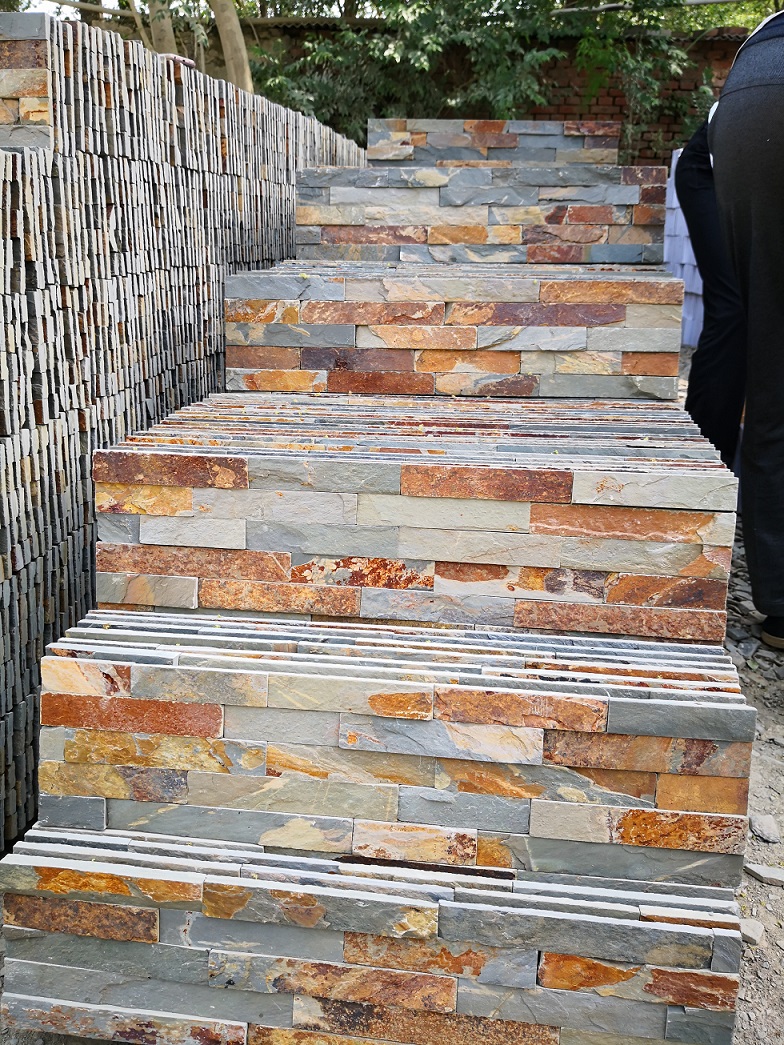
Jak sobie poradzić z opadającymi panelami na wysokich pionowych ścianach komercyjnych?
Zatrzymaj uginanie się w pionie, stosując żywicę epoksydową o wysokiej wytrzymałości i blokujące się panele w kształcie litery Z na sztywnych podłożach, aby redystrybuować ciężar i wyeliminować przemieszczenia spowodowane wilgocią.
Identyfikacja naprężeń strukturalnych i czynników środowiskowych
Problemy z wyrównaniem pionowym w reklamach kamienne fasady często zaczyna się od wilgoci. Wysoka wilgotność osłabia więź między Kamień naturalny i jego wsparcie, co prowadzi do subtelnych zmian, które z czasem się pogłębiają. Histereza termiczna również odgrywa rolę; Światło słoneczne nagrzewa zewnętrzną powierzchnię kamienia bardziej niż tylną, powodując wyginanie się panelu na zewnątrz. To fizyczne wypaczenie powoduje ogromne obciążenie kotw i klejów.
Drugim ważnym czynnikiem jest zarządzanie wagą strukturalną. Wysokie pionowe ściany powodują ogromne skumulowane ciśnienie w dół. Jeśli podparcie podstawy jest niewystarczające lub ruszt sufitowy przesuwa się, panele nieuchronnie tracą swoje gładkie wykończenie. Możesz wykryć awarię na wczesnym etapie, szukając konkretnych znaków ostrzegawczych:
- Widoczne luki: Separacja na w górnej części panelu, gdzie znajduje się kamień oderwała się od podłoża.
- Linie schodkowe: Nierówne poziome połączenia paneli kiedyś były idealnie dopasowane.
- Puste dźwięki: Obszary, które po dotknięciu wydają dźwięk pusty, co wskazuje na całkowity brak połączenia między kamień i ściana.
- Wykwit: Białe, sypkie osady soli sygnalizują aktywny ruch wilgoci w systemie ściennym.
Nakładanie żywicy epoksydowej o wysokiej wytrzymałości i wzmacnianie blokujące
Standardowa płyta gipsowo-kartonowa nie jest w stanie utrzymać ciężaru kamienia naturalnego na wysokich pionowych biegach. Jako podłoże zalecamy użycie sztywnej płyty cementowej lub zbrojonego muru. Aby zapewnić trwałe połączenie, instalatorzy powinni zamiast standardowych zapraw używać klejów na bazie żywicy epoksydowej o wysokiej wytrzymałości, specjalnie opracowanych do kamienia naturalnego. Zapewnia to wytrzymałość na zginanie niezbędną do przeciwstawienia się rozszerzalności cieplnej i kurczeniu.
W przypadku projektów na dużą skalę, projekt panelu samo w sobie dyktuje długoterminową stabilność. Nasze panele blokujące w kształcie litery Z wykorzystują precyzyjnie zaprojektowany system połączeń męskich i żeńskich. Ten projekt to coś więcej niż tylko maskowanie połączeń; fizycznie blokuje panele razem, aby rozłożyć ciężar poziomo na całej powierzchni ścianie, zamiast pozwalać jej układać się w stosy pionowo w jednym punkcie.
- Precyzja ostrza diamentowego CNC: Stosujemy cięcie CNC, aby zapewnić ścisłe dopasowanie modułowe, minimalizując ryzyko indywidualne kamienie przesuwające się w panelu.
- Mechaniczne punkty mocowania: W przypadku ścian przekraczających standardowe wysokości należy zainstalować dodatkowe zaciski lub przewody napinające, aby zapewnić fizyczną redundancję w przypadku zaniku kleju.
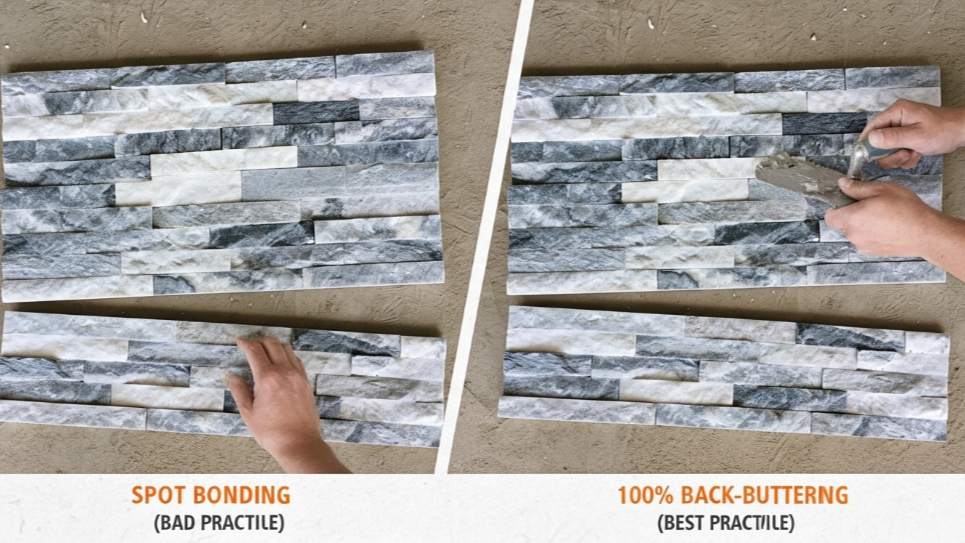
- Masło z tyłu: Zawsze nakładaj klej na tylną część płyta kamienna a podłożem, aby zapewnić 95% pokrycia styku.
- Blokada w kształcie litery Z: Użyj konstrukcji blokujących, aby ukryć połączenia pionowe i zapobiec “wkroczył” braki w obszarach komercyjnych o dużym natężeniu ruchu.
- Wybór podłoża: Unikaj standardowej płyty gipsowo-kartonowej; użyj płyty cementowej lub sztywnego muru, aby zapobiec wypaczeniu podłoża.
Łącząc łączniki mechaniczne z wysokiej jakości żywicą epoksydową i blokującą geometrią panelu, tworzysz wzmocniony system, który jest odporny zarówno na wilgoć otoczenia, jak i osiadanie strukturalne. Takie podejście gwarantuje, że elewacja pozostanie płaska i bezpieczna przez cały okres użytkowania budynku.
Rozwiązywanie zagadki “Puste dźwięki” w Twojej kamiennej ścianie
Puste dźwięki sygnalizują puste przestrzenie powietrzne pomiędzy kamieniem a podłożem. Szczeliny te zwykle wynikają z niewłaściwego klejenia, co z czasem prowadzi do luźnych paneli i utraty wilgoci.
Identyfikacja luk instalacyjnych i pustych przestrzeni po kleju
Kieszenie powietrzne powstają, gdy instalatorzy przedkładają prędkość nad integralność wiązania. Kiedy panel wydaje pusty dźwięk, oznacza to, że kamień nie ma fizycznego połączenia ze ścianą, tworząc echo przypominające bęben. Często wskazuje to na pójście na skróty w fazie nakładania kleju.
- Klejenie punktowe: Nakładanie zaprawy tylko na narożniki i środki pozostawia masywne puste przestrzenie, które zatrzymują powietrze i wilgoć, zamiast zapewniać pełne wsparcie.
- Błędy w uzupełnianiu masła: Nasza 6″ x 24″ Panele wymagają pełnego pokrycia zaprawy od spodu, aby cała powierzchnia kamienia stykała się z podłożem.
- Zanieczyszczenie powierzchni: Kurz, brud lub pozostałości środków utwardzających na gęstym betonie działają jak przerywacze wiązania, zapobiegając przywieraniu zaprawy.
- Zatrzymywanie wilgoci: Pustki w regionach o dużej wilgotności, takich jak Zatoka Perska, gromadzą kondensację, co przyspiesza rozwarstwianie i ostateczną awarię panelu.
Zapewnienie instalacji równo w tej samej partii kamieniołomu
Precyzja produkcji eliminuje konstrukcję “kołysanie” który zatrzymuje powietrze podczas instalacji. Jeśli panele różnią się grubością lub jakością krawędzi, nie mogą przylegać do ściany. Ta wymuszona szczelina tworzy idealne środowisko do tworzenia pustych kieszeni.
- Konsystencja kamieniołomu w tej samej partii: Najlepsze źródła Kamienia pochodzą z tego samego kamieniołomu na zamówienie, aby zachować 95% jednolitości odcienia i grubości w całym projekcie.
- Precyzja ostrza diamentowego CNC: Nasze precyzyjnie przycięte krawędzie umożliwiają idealne dopasowanie paneli, eliminując szczeliny powodujące puste echa.
- Znormalizowane profile: Utrzymujemy ścisły 1cm – Zakres grubości 2,5 cm, pomaga wykonawcom utrzymać zaprawę nawet na dużych ścianach komercyjnych.
- Stabilność: Mundur panele zapobiegają kamieniowi przed przesuwaniem się lub unoszeniem podczas procesu utwardzania, zapewniając 100% kontakt z powierzchnią.
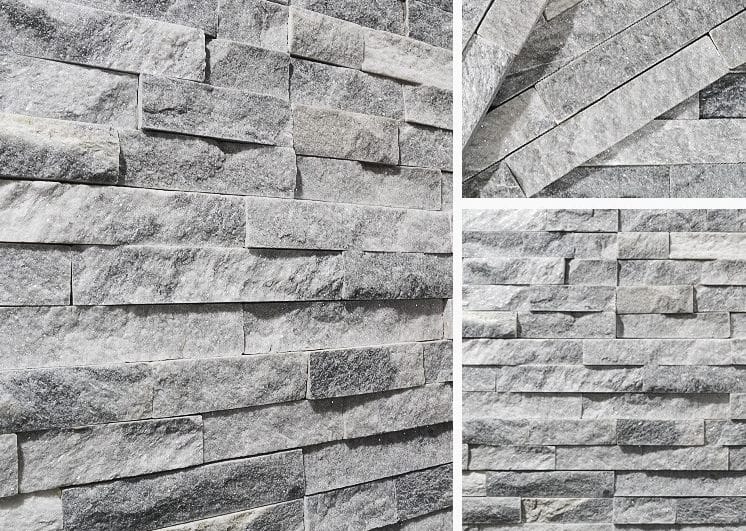
Jak usunąć plamy z zaprawy, nie uszkadzając naturalnej twarzy?
Mokrą zaprawę natychmiast oczyścić wodą. Do zaschniętych pozostałości należy używać sztywnych szczotek i środków czyszczących o neutralnym pH; unikać kwasów ceglanych, aby zapobiec trwałym plamom rdzy na łupku i kwarcycie.
Utrzymanie integralności wizualnej powierzchni z rozciętą powierzchnią lub naturalną szczeliną wymaga specjalnego protokołu czyszczenia. Ponieważ najlepsze źródło Wyroby z kamienia używaj w 100% naturalnych minerałów, takich jak kwarcyt i łupek, agresywne zabiegi chemiczne często wyrządzają więcej szkody niż same plamy. Celem jest oddzielenie wiązania cementowego od lica kamienia bez zmiany składu mineralnego lub tekstury kamienia.
Mechaniczne metody usuwania wysuszonych pozostałości
Czyszczenie mechaniczne działa najlepiej w przypadku miejscowych miejsc, w których zaprawa już stwardniała. Metody te opierają się na tarciu fizycznym, a nie na reakcjach chemicznych, mających na celu usunięcie gruzu z głębokich szczelin kamiennej ściany.
- Sztywne szczotkowanie: Delikatne plamy zaprawy szorować ciepłą wodą z mydłem i niemetalową szczotką o sztywnym włosiu, aby usunąć zanieczyszczenia powierzchniowe.
- Precyzyjne szlifowanie: Ostrożnie nałóż papier ścierny o ziarnistości 60 na małe, uparte, wysuszone obszary, aby zetrzeć pozostałości bez spłaszczania naturalnej powierzchni szczeliny.
- Mycie ciśnieniowe z szeroką dyszą: Za pomocą myjki ciśnieniowej z szeroką dyszą z bezpiecznej odległości spłucz luźne cząsteczki piasku i cementu, nie wydmuchując fug.
Utrzymywanie stabilności powierzchni za pomocą środków czyszczących i uszczelniających o neutralnym pH
Dobór substancji chemicznych ma kluczowe znaczenie w przypadku kamieni o wysokiej zawartości żelaza, takich jak California Gold lub Sierra Blue. Standardowe środki do czyszczenia muru często zawierają kwasy, które powodują utlenianie kamienia, co prowadzi do nieestetycznego pomarańczowego nalotu rdzy.
- Unikanie kwasu: Pomiń kwasy chlorowodorowe; reagują one z żelazem wewnętrznym w naturalnym kwarcycie i łupku, powodując trwałe plamy rdzy.
- Rozwiązania o neutralnym pH: Użyj specjalistycznego środki do czyszczenia kamienia, które bezpiecznie rozpuszczają wiązania cementowe bez wżerów lub trawienie delikatnej powierzchni mineralnej.
- Oddychające uszczelniacze: Po procesie czyszczenia nałóż najwyższej jakości uszczelniacz, aby chronić kamień przed przyszłym zamgleniem fug i wykwitami spowodowanymi wilgocią.
W przypadku projektów komercyjnych na dużą skalę zalecamy najpierw przetestowanie środka czyszczącego na panelu ze złomu. Gwarantuje to, że środek czyszczący nie zareaguje z konkretnymi żyłami kamieniołomu w Twojej partii, chroniąc 95% jednolitość odcienia, którą utrzymujemy w naszych skrzynkach magazynowych.
Poradnik naprawy: Jak wymienić pojedynczy uszkodzony panel kamienny?
Ekstrakt uszkodzony panele od środka na zewnątrz, aby chronić ścianę. Zainstaluj ponownie, używając pasujących jednostek wsadowych i posmaruj zaprawą typu S wzmocnioną polimerami, aby uzyskać jednolite wykończenie.
| Faza wymiany | Wymagania techniczne | Tolerancja krytyczna |
|---|---|---|
| Ekstrakcja | Dłutowanie od środka do zewnątrz | Zerowa dźwignia na sąsiednie jednostki |
| Klejenie | Zaprawa typu S wzmocniona polimerami | 1/2″ do 1″ grubość zaprawy |
| Wyrównanie | Precyzyjne blokowanie CNC | Dopasowanie jednolitości odcienia w 95%. |
Ekstrakcja uszkodzonych jednostek bez uszkodzenia podłoża
Naprawy miejscowe koncentrują się na zachowaniu bariery wilgoci i podłoża konstrukcyjnego. Nieprawidłowe usunięcie pojedynczego panelu często powoduje dodatkowe uszkodzenia sąsiadujących jednostek lub płyty cementowej. Aby wyizolować awarię, stosujemy metodę kontrolowanego niszczenia.
- Oderwij się od centrum: Użyj zimnego dłuta i młotka, aby rozbić kamień na mniejsze segmenty, zaczynając konkretnie od środka uszkodzonego kawałka.
- Uwaga na krawędzie: Pracuj na zewnątrz w kierunku granic. Zapobiega to wywieraniu nacisku na krawędzie zdrowych, sąsiadujących paneli, które w przeciwnym razie mogłyby pęknąć lub rozwarstwieć.
- Oczyszczanie podłoża: Oczyścić podłoże z wszelkich pozostałości utwardzonej zaprawy. Potrzebujesz płaskiej, podatnej powierzchni, aby nowe połączenie przylegało do istniejącej ściany.
- Kontrola bariery: Sprawdź paroizolację lub płytę cementową pod kątem przebić. Napraw wszelkie uszkodzenia strukturalne przed nałożeniem nowego kleju, aby zapobiec przedostawaniu się wilgoci w przyszłości.
Wykorzystanie back-butteringu i precyzji CNC do wyrównania
Aby naprawa była niewidoczna, podążamy Najlepszy kamień źródłowy standardy inżynieryjne. Precyzja to jedyny sposób na utrzymanie siatki blokującej i zapewnienie długotrwałej przyczepności w środowiskach o dużym natężeniu ruchu lub narażonych na warunki atmosferyczne.
- Dopasowanie wizualne: Wybierz jednostkę zamienną z tej samej partii. Utrzymujemy standard jednolitości odcienia na poziomie 95% dla każdego zamówienia, aby zapobiec “niejednolity” wyglądają podobnie do odzyskanych materiałów.
- Wyeliminuj kieszenie powietrzne: Nałóż warstwę zaprawy typu S wzmocnionej polimerami o grubości od 1/2 cala do 1 cala bezpośrednio na tylną część kamienia (masło od spodu). Zapewnia to 100% pokrycia i zapobiega pustym dźwiękom.
- Blokada mechaniczna: Wykorzystaj krawędzie diamentowego ostrza CNC panelu w kształcie Z lub S. Te precyzyjne krawędzie umożliwiają wsunięcie urządzenia do wnętrza “mężczyzna-kobieta” podłączenie istniejącej sieci.
- Ustawianie jednostki: Mocno dociśnij panel, aż zaprawa wyciśnie się z boków. Zapewnia to pełne osadzenie połączenia blokującego, zachowując jednolite wykończenie architektoniczne bez widocznych schodkowych szczelin.
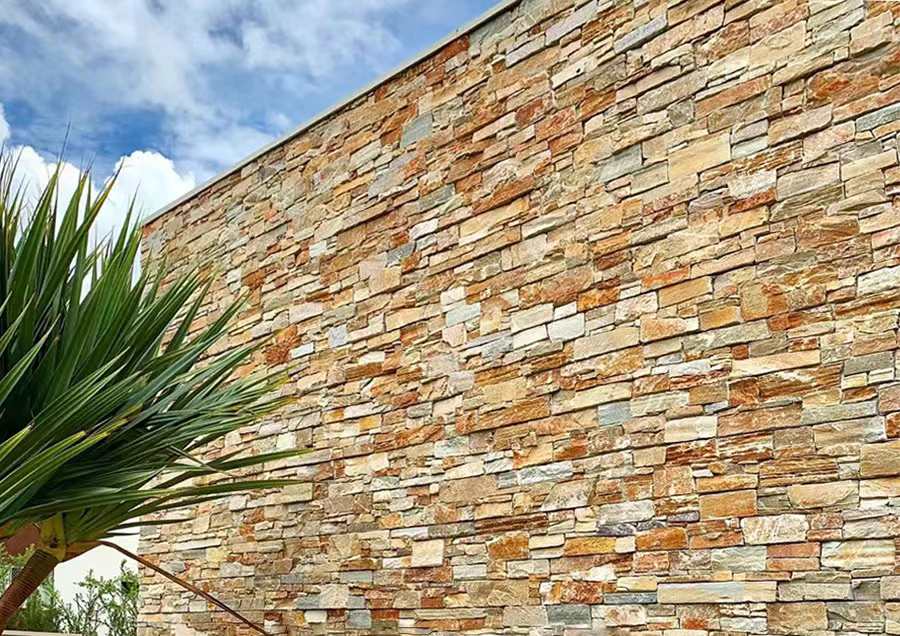
Dlaczego “Skrawek” Wysokiej jakości panele powodują problemy strukturalne?
Panele odzyskane niskiej jakości mają o 20% zmniejszoną siłę wiązania i mikropęknięcia. Bezpośrednie pozyskiwanie żywicy epoksydowej z kamieniołomów zapewnia stabilność strukturalną i zapobiega rozwarstwianiu pod wpływem wilgoci.
Zmęczenie materiału i zmniejszona siła przyczepności
Przewożone są elementy kamienne z odzysku lub niskiej jakości “ukryty” szkody wyrządzone przez ich poprzednie środowisko. W przeciwieństwie do świeżego kamienia, materiały te przetrwały już naprężenia termiczne i cykle obciążenia, które osłabiają ich wewnętrzną strukturę, zanim jeszcze dotrą na nowe miejsce budowy.
- Siła wiązania: Materiały odzyskane osiągają jedynie 80% standardów przyczepności spotykanych w przypadku nowych kamienne panele.
- Zatykanie porów: Resztki zaprawy i żwir z otoczenia zatykają naturalne pory kamienia, co niszczy wiązanie mechaniczne podczas instalacji.
- Problemy z porowatością: Wyższa porowatość w odzyskanych “łosoś” cegieł lub łupków niskiej jakości sprawia, że cała ściana jest podatna na pęknięcia spowodowane zamarzaniem i rozmrażaniem.
- Mikropęknięcia: Poprzednie obciążenia środowiskowe powodują drobne pęknięcia wewnętrzne, które pogarszają nośność systemie panelowym.
Bezpośrednie pozyskiwanie kamieniołomów i klejenie żywicą o wysokiej wytrzymałości
Najlepszy kamień źródłowy eliminuje to ryzyko, kontrolując łańcuch dostaw od góry do skrzynki. Koncentrujemy się na materiale świeżym z kamieniołomu, aby mieć pewność, że właściwości chemiczne i fizyczne kamienia pozostaną nienaruszone przez cały okres użytkowania budynku.
- Kontrola kamieniołomu: Na zamówienie pozyskujemy produkty z tego samego kamieniołomu, aby zapobiec naturalnym zmianom kolorów i niespójnościom strukturalnym.
- Żywica epoksydowa: Używamy żywicy epoksydowej o wysokiej wytrzymałości, opracowanej specjalnie dla kamienia naturalnego, aby stworzyć trwałe połączenie między kamieniem a podstawą panelu.
- Precyzyjne krawędzie: Cięcie diamentowym ostrzem CNC zapewnia modułowe dopasowanie, które eliminuje “wkroczył” szczeliny, w które zazwyczaj wnika wilgoć.
- Weryfikacja wizualna: Ścisła jednolitość odcienia na poziomie 95% i kontrole przed wysyłką zapewniają, że każdy panel spełnia standardy trwałości konstrukcyjnej na rok 2026.
Ostatnie przemyślenia
Awarie podłoża i ciągłe wezwania do zwrotu obniżają marże dealera znacznie szybciej, niż oszczędza je niższa początkowa cena zakupu. Ograniczamy to ryzyko strukturalne, stosując precyzję tarcz diamentowych CNC i pozyskiwanie z kamieniołomów w tej samej partii, aby zagwarantować jednolitość odcienia na poziomie 95% i bezproblemowe dopasowanie. Inwestycja w naturalne minerały o dużej gęstości i fabrycznie kontrolowane wiązania epoksydowe gwarantuje, że Twoje zapasy wytrzymają obciążenia środowiskowe bez konieczności kosztownych prac naprawczych.
Sprawdź jakość naszych materiałów, zamawiając zestaw próbny lub rozpoczynając zamówienie próbne o powierzchni 300 metrów kwadratowych z możliwością łączenia i dopasowywania. Zapewniamy weryfikację wizualną przed wysyłką za pośrednictwem nośników o wysokiej rozdzielczości, aby chronić przepływ środków pieniężnych i mieć pewność, że każda skrzynia spełnia standardy Twojego projektu. Skontaktuj się z naszym zespołem, aby omówić opcje marek własnych lub zabezpieczyć aktualne zapasy od naszych “Wielka 10” spis.