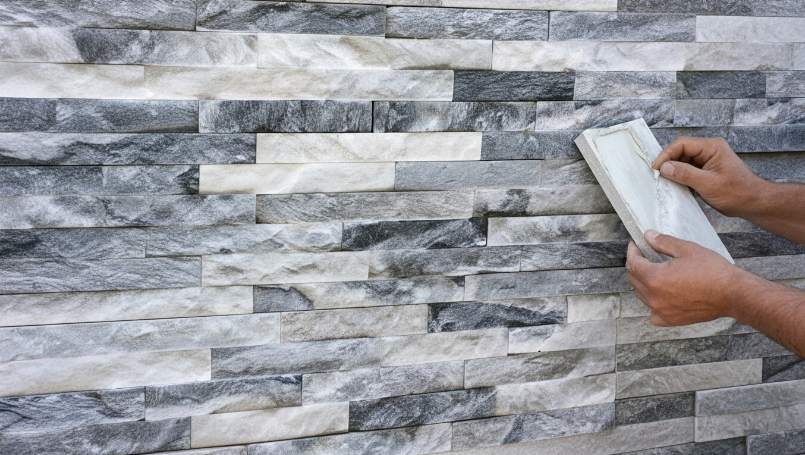
Het effectief oplossen van steenproblemen is voor dealers de enige manier om de oplopende kosten van gevelfalen en garantieclaims te voorkomen. Losse panelen en zoutafzettingen zijn niet alleen esthetische problemen; het zijn verplichtingen die de afbraak van obligaties en structurele stress in verticale commerciële gebouwen signaleren.
Onze productieaanpak richt zich op deze faalpunten met behulp van CNC-diamantzaagprecisie en groeve-sourcing uit dezelfde batch. We garanderen een kleuruniformiteit van 95% en een in elkaar grijpende Z-vormige geometrie om de vochtbanen en uitlijningsopeningen te verwijderen die leiden tot dure reparaties ter plaatse.
Waarom vallen stenen panelen eraf? Het identificeren van de grondoorzaken van mislukkingen
Panelen falen als gevolg van thermische hysteresis, door vocht veroorzaakte bevriezing en dooi en slechte hechting. Structurele zettingen en stijve ankers laten panelen vaak los van gevels in moderne verticale gebouwen.
Omgevingsstressoren en mechanische beweging
Verticale gevels worden geconfronteerd met intense fysieke druk die installaties van lagere kwaliteit in gevaar brengt. Onderzoek wijst dat uit stenen panelen vaak los omdat het materiaal de interne spanning veroorzaakt door temperatuurverschuivingen en vocht niet kan verlichten.
- Thermische hysterese: Zonlicht verwarmt het stenen oppervlak meer dan de achterkant. Dit verschil zorgt ervoor dat panelen buigen en niet volledig samentrekken, waardoor de buigsterkte van de steen permanent wordt verzwakt.
- Vries-dooicycli: Het binnendringen van vocht leidt tot uitzetting van ijs in de steenporiën. Dit scheurt mineralen en corrodeert interne ankers, wat leidt tot plotselinge onthechting.
- Ondermaatse dilatatievoegen: Als gewrichten te klein zijn, beperken ze natuursteen beweging. De resulterende druk laat de panelen uiteindelijk van het substraat loskomen.
- Structurele afwikkeling: Het inkrimpen van beton en het bewegen van gebouwen in nieuwe gebouwen in 2026 oefenen een enorme externe druk uit op stijve fineersystemen die geen flexibiliteit hebben.
Zeer sterke epoxyverbinding en CNC-precisie
Bovenkant Source Stone pakt deze faalpunten bij de productie aan niveau. We verplaatsen het assemblageproces van de onvoorspelbare bouwlocatie naar een gecontroleerde fabrieksomgeving om de integriteit van de verbindingen te garanderen.
- Gespecialiseerde epoxyhars: We gebruiken een zeer sterke epoxy die speciaal is samengesteld voor natuursteen om een permanente verbinding te garanderen die bestand is tegen de delaminatie die gebruikelijk is bij in het veld aangebrachte mortel.
- CNC-diamantbladranden: Precisiesnijden zorgt voor een in elkaar grijpende pasvorm. Dit verkleint de openingen en voorkomt het binnendringen van vocht, wat doorgaans schade door bevriezing en dooi veroorzaakt.
- 100% natuurlijke inkoop: Door slechts 100% te gebruiken natuursteen (Leisteen, Kwartsiet, Graniet), vermijden we het structurele verval en de UV-instabiliteit die daarin voorkomt “nep” composiet materialen.
- Gecontroleerde montage: Fabrieksinstellingen maken specifieke temperatuur en druk mogelijk tijdens het uitharden van de lijm, waardoor een verbinding ontstaat die de betrouwbaarheid van handmatige toepassingen op locatie overtreft.
Wat is witte uitslag en hoe kunt u dit tijdens het uitharden voorkomen?
Uitbloeiingen zijn zoutafzettingen die vochtbewegingen signaleren. U stopt dit door het binnendringen van water en de migratie van mineralen tijdens de kritische initiële uithardingsfase te blokkeren.
De werking van door vocht aangedreven minerale afzettingen
Uitbloeiing is geen steendefect; het is een chemische reactie. Om die witte, poederachtige kristallen op een gevel te laten verschijnen, moeten er tegelijkertijd drie specifieke omstandigheden bestaan. Als u er slechts één verwijdert, wordt de “bloeien” kan niet vormen. De meeste commerciële projecten worden hiermee tijdens de initiële fase geconfronteerd droogperiode wanneer het gebouw envelop is het meest kwetsbaar.
De drie verplichte factoren voor uitbloeiing zijn onder meer:
- In water oplosbare zouten: Deze zijn meestal afkomstig van de mortel, grout of beton substraat in plaats van de steen zelf.
- Beschikbaar vocht: Om deze zouten in een oplossing op te lossen, moet er vloeibaar water aanwezig zijn.
- Een traject: De steen moet voldoende porositeit hebben of de voegen moeten voldoende open zijn zodat de oplossing naar het oppervlak kan migreren.
Wij zien het vaak “Nieuwbouw bloei” in de vroege lente- of wintercycli. Dit gebeurt wanneer snelle binnenverwarming vocht door niet-uitgeharde metselwerkmuren naar de koude buitenkant trekt. Hoewel oppervlaktepoeder meestal een esthetische ergernis is, dient het vaak als een vroege waarschuwing voor dieper binnendringend vocht of onvoldoende drainage, wat uiteindelijk kan leiden tot ankercorrosie of vries-dooischeuren.
Gebruik van vochtbestendige steen en afdichting na installatie
Preventie begint al in de inkoopfase. Voor geografische regio's met een hoog vochtgehalte raden we materialen aan met een hoge zout- en vochtbestendigheid, zoals onze kwartsiet- of leisteenserie. Deze stenen hebben een lagere absorptiesnelheid vergeleken met zachte kalkstenen, waardoor het voor zouten moeilijker wordt om een weg naar het kalksteen te vinden gezicht van de muur.
Succesvol vochtbeheer vereist een meerlaagse verdedigingsstrategie tijdens de bouw:
- Vochtbarrières: Installeer secundaire flitssystemen en dampschermen op alle verticale buitenzijden commerciële muren vóór de steen gaat omhoog.
- CNC-precisiemontage: We gebruiken CNC-diamantbladranden voor onze Z-vormige en S-vormige panelen. Deze precisie zorgt voor een strakke onderlinge vergrendeling, waardoor het blootgestelde mortelgebied, waar het binnendringen van water doorgaans begint, tot een minimum wordt beperkt.
- Afdichting na uitharding: Breng een premium ademend middel aan natuursteenafdichting pas na de muur is volledig genezen. Dit blokkeert verdampingsroutes terwijl het substraat dit wel kan doen “ademen” zonder vloeibaar water achter het fineer op te sluiten.
- Mortelselectie: Gebruik met polymeer versterkte type S-mortel of op calciumaluminaat gebaseerde mortels die een betere weerstand tegen waterpenetratie bieden dan standaardmengsels.
Beheers het water en jij beheert het zout. Door natuurlijke mineralen met een hoge dichtheid te combineren met nauwkeurig gesneden randen, kunnen dealers het risico op terugroepacties na de installatie in verband met vlekken en minerale bloei aanzienlijk verminderen.
Premium natuursteen voor hoogwaardige projecten
Hoe om te gaan met doorhangende panelen op hoge verticale commerciële muren?
Voorkom verticale verzakking door het gebruik van zeer sterke epoxy en in elkaar grijpende Z-vormige panelen op stijve substraten om het gewicht te herverdelen en door vocht veroorzaakte verplaatsing te elimineren.
Structurele stress en omgevingstriggers identificeren
Verticale uitlijningsproblemen in de commerciële sector stenen gevels beginnen vaak met vocht. Een hoge luchtvochtigheid verzwakt de verbinding tussen de natuursteen en de steun ervan, wat leidt tot subtiele verschuivingen die in de loop van de tijd verergeren. Thermische hysterese speelt ook een rol; zonlicht verwarmt het buitenste steenoppervlak meer dan de achterkant, waardoor het paneel naar buiten buigt. Dit fysieke kromtrekken legt extreme druk op ankers en lijmen.
Structureel gewichtsbeheer is de tweede belangrijke factor. Hoge verticale wanden creëren een enorme cumulatieve neerwaartse druk. Als de basisondersteuning onvoldoende is of het plafondrooster verschuift, verliezen de panelen onvermijdelijk hun vlakke afwerking. U kunt vroegtijdig falen opmerken door te letten op specifieke waarschuwingssignalen:
- Zichtbare gaten: Scheiding bij bovenkant van een paneel waar de steen doorheen loopt zich heeft losgetrokken van het substraat.
- Getrapte lijnen: ongelijkmatige horizontale voegen bij panelen waren ooit perfect op elkaar afgestemd.
- Holle geluiden: Gebieden die leeg klinken wanneer erop wordt getikt, wat wijst op een volledige mislukte verbinding tussen de steen en de muur.
- Uitbloei: Witte poederachtige zoutafzettingen die actieve vochtbeweging door het wandsysteem signaleren.
Aanbrengen van zeer sterke epoxy en in elkaar grijpende versterking
Standaard gipsplaten kunnen het gewicht van natuursteen op hoge verticale vlakken niet dragen. Wij adviseren het gebruik van harde cementplaten of versterkt metselwerk als ondergrond. Om een permanente hechting te garanderen, moeten installateurs hoogwaardige epoxyharslijmen gebruiken die speciaal zijn ontwikkeld voor natuursteen, in plaats van standaardmortels. Dit zorgt voor de buigsterkte die nodig is om thermische uitzetting en krimp te weerstaan.
Voor grootschalige projecten is de paneel ontwerp zelf dicteert stabiliteit op lange termijn. Onze Z-vormige in elkaar grijpende panelen maken gebruik van een nauwkeurig ontworpen mannelijk-vrouwelijk verbindingssysteem. Dit ontwerp doet meer dan alleen gewrichten camoufleren; het vergrendelt de panelen fysiek aan elkaar om het gewicht horizontaal over de panelen te verdelen muur in plaats van hem te laten stapelen verticaal op één punt.
- CNC-diamantbladprecisie: We gebruiken CNC-snijden om een strakke modulaire pasvorm te garanderen, waardoor het risico op individuele schade wordt geminimaliseerd stenen die binnen het paneel verschuiven.
- Mechanische bevestigingspunten: Voor wanden die de standaardhoogte overschrijden, installeert u secundaire clips of spandraden om fysieke redundantie te bieden als de lijm faalt.
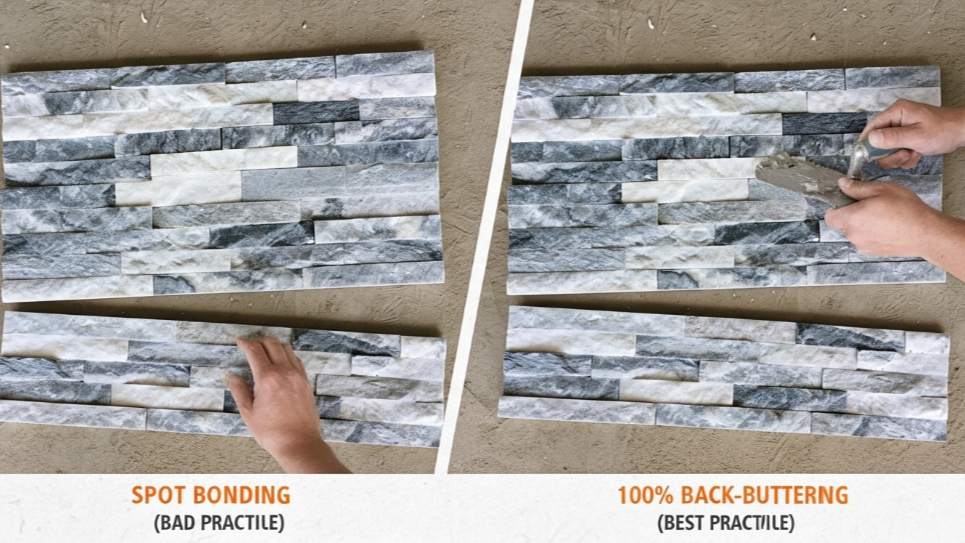
- Back-boteren: Breng altijd lijm aan op de achterkant van de stenen paneel en het substraat om een contactdekking van 95% te garanderen.
- Z-vormige vergrendeling: Gebruik in elkaar grijpende ontwerpen om verticale verbindingen te verbergen en te voorkomen “stapte” gaten in commerciële gebieden met veel verkeer.
- Substraatkeuze: Vermijd standaard gipsplaat; gebruik cementplaat of stevig metselwerk om kromtrekken van de achterkant te voorkomen.
Door mechanische bevestigingsmiddelen te combineren met hoogwaardige epoxy en in elkaar grijpende paneelgeometrie, creëert u een versterkt systeem dat bestand is tegen zowel omgevingsvocht als structurele zetting. Deze aanpak zorgt ervoor dat de gevel vlak en veilig blijft gedurende de levensduur van het gebouw.
Het mysterie oplossen van “Holle geluiden” in je stenen muur
Holle geluiden signaleren luchtbellen tussen de steen en de ondergrond. Deze gaten zijn meestal het gevolg van onjuiste verlijming, wat na verloop van tijd tot losse panelen en vochtverlies leidt.
Identificatie van installatiegaten en lijmruimtes
Er ontstaan luchtzakken wanneer installateurs snelheid boven hechtingsintegriteit stellen. Wanneer een paneel hol klinkt, betekent dit dat de steen mist een fysieke verbinding met de muur, waardoor een drumachtige echo ontstaat. Dit wijst vaak op sluiproutes tijdens de lijmapplicatiefase.
- Spot-verlijming: Door mortel alleen op de hoeken en middens aan te brengen, ontstaan enorme holtes die lucht en vocht vasthouden in plaats van volledige ondersteuning te bieden.
- Back-Buttering-fouten: Onze 6″ x 24″ panelen vereisen een volledige morteldekking aan de achterkant om ervoor te zorgen dat het volledige steenoppervlak contact maakt met de ondergrond.
- Oppervlakteverontreiniging: Stof, vuil of resterende uithardingsmiddelen op dicht beton werken als verbindingsbrekers en voorkomen dat de mortel blijft kleven.
- Vocht vasthouden: In holtes met een hoge luchtvochtigheid, zoals de Golf, verzamelt zich condensatie, wat delaminatie en uiteindelijk het falen van panelen versnelt.
Zorgen voor een vlakke installatie met consistentie in dezelfde batch
Productieprecisie elimineert het structurele “schommelen” dat lucht vasthoudt tijdens de installatie. Wanneer panelen qua dikte of randkwaliteit variëren, kunnen ze niet vlak tegen de muur aanliggen. Deze geforceerde opening creëert de perfecte omgeving voor het vormen van holle zakken.
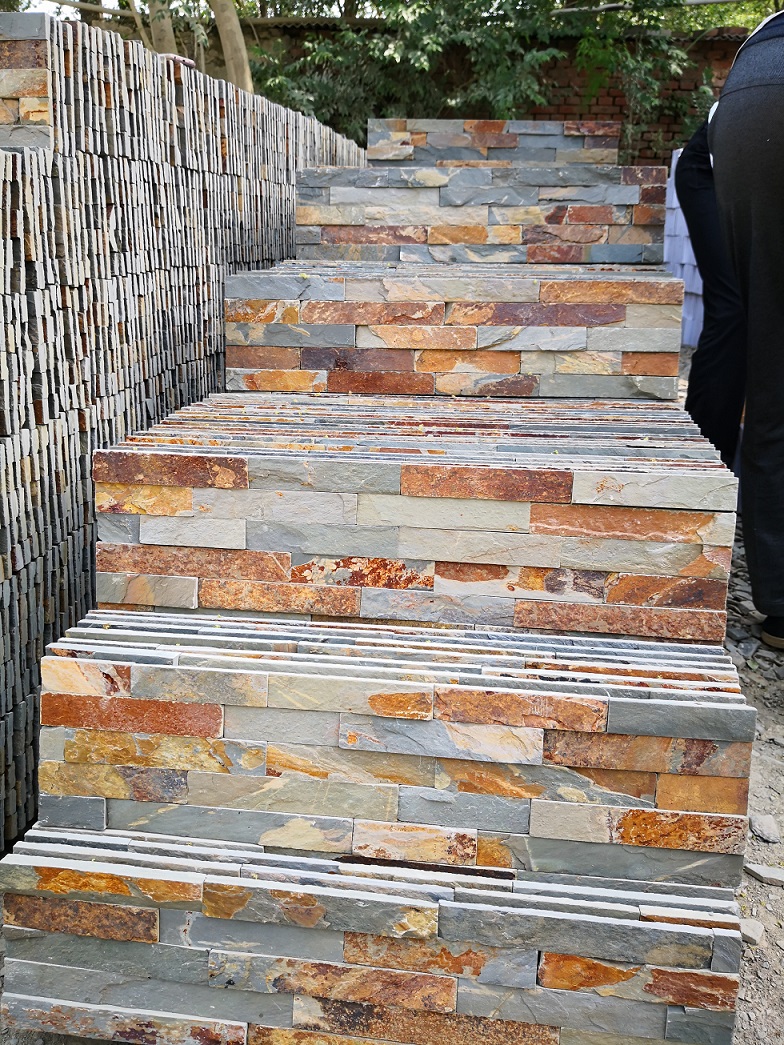
- Consistentie van dezelfde batch: Top Source Steenbronnen uit dezelfde steengroeve per bestelling om 95% kleur- en dikte-uniformiteit over het hele project te behouden.
- CNC-diamantbladprecisie: Onze nauwkeurig gesneden randen zorgen ervoor dat panelen perfect strak passen, waardoor de gaten worden verwijderd die holle echo's veroorzaken.
- Gestandaardiseerde profielen: Wij hanteren een strikte 1cm – Diktebereik van 2,5 cm, waardoor aannemers mortelbedden zelfs over grootschalige commerciële muren kunnen behouden.
- Stabiliteit: Uniform panelen voorkomen de steen van verschuiven of optillen tijdens het uithardingsproces, waardoor 100% oppervlaktecontact wordt gegarandeerd.
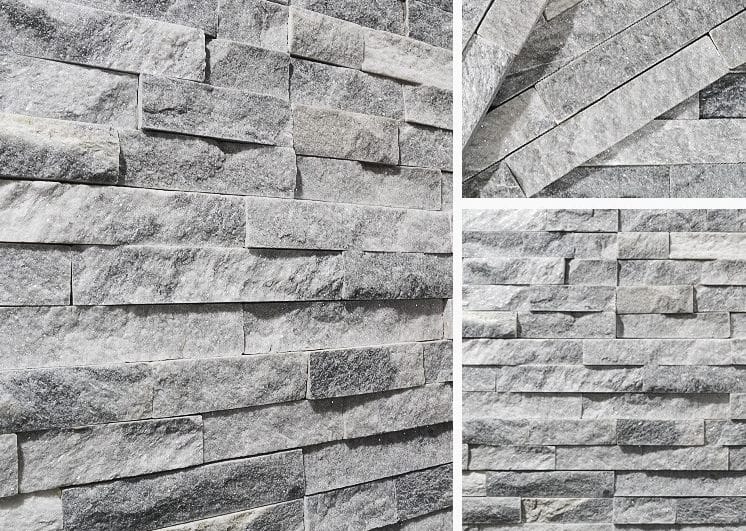
Hoe mortelvlekken verwijderen zonder het natuurlijke gezicht te beschadigen?
Natte mortel onmiddellijk met water reinigen. Gebruik voor opgedroogde resten harde borstels en pH-neutrale schoonmaakmiddelen; vermijd baksteenzuren om permanente roestvlekken op leisteen en kwartsiet te voorkomen.
Het behouden van de visuele integriteit van een gespleten oppervlak of een natuurlijk gespleten oppervlak vereist een specifiek reinigingsprotocol. Omdat Topbron Steen producten gebruik maken van 100% natuurlijke mineralen zoals kwartsiet en leisteen, agressieve chemische behandelingen doen vaak meer schade dan de vlekken zelf. Het doel is om de cementgebonden verbinding van het steenoppervlak te scheiden zonder de minerale samenstelling of textuur van de steen te veranderen.
Mechanische verwijderingsmethoden voor gedroogde resten
Mechanische reiniging werkt het beste op plaatselijke plekken waar de mortel al is uitgehard. Deze methoden zijn gebaseerd op fysieke wrijving in plaats van chemische reacties om puin uit de diepe spleten van het stenen oppervlak te tillen.
- Stijf poetsen: Schrob lichte mortelvlekken met warm zeepsop en een niet-metalen borstel met stijve haren om oppervlakteresten op te tillen.
- Precisieschuren: Breng voorzichtig schuurpapier met korrel 60 aan op kleine, hardnekkige, gedroogde plekken om resten weg te schuren zonder het natuurlijke gespleten oppervlak plat te maken.
- Hogedrukreiniging met brede spuitmond: Gebruik een hogedrukreiniger op veilige afstand met een breed mondstuk om losse zand- en cementdeeltjes weg te spoelen zonder de voegen uit te blazen.
Oppervlaktestabiliteit behouden met pH-neutrale reinigings- en afdichtingsmiddelen
Chemische selectie is van cruciaal belang bij het omgaan met stenen met een hoog ijzergehalte, zoals California Gold of Sierra Blue. Standaard metselreinigers bevatten vaak zuren die oxidatie in de steen veroorzaken, wat leidt tot lelijke oranje roestbloei.
- Zuur vermijden: Sla zoutzuursteenzuren over; deze reageren met inwendig ijzer in natuurlijk kwartsiet en leisteen en veroorzaken permanente roestvlekken.
- pH-neutrale oplossingen: Gebruik gespecialiseerd steenreinigers om cementgebonden verbindingen veilig op te lossen zonder putjes of het etsen van het delicate minerale oppervlak.
- Ademende afdichtingsmiddelen: Breng na het reinigingsproces een hoogwaardig afdichtmiddel aan om de steen te beschermen tegen toekomstige voegenwaas en door vocht veroorzaakte uitbloeiingen.
Voor grootschalige commerciële projecten raden wij aan om eventuele schoonmaakmiddelen eerst op een schrootpaneel te testen. Dit zorgt ervoor dat de reiniger niet reageert met de specifieke steengroeveader van uw batch, waardoor de kleuruniformiteit van 95% die we behouden in onze voorraadkratten behouden blijft.
Reparatiegids: Hoe vervang ik een enkel beschadigd stenen paneel?
Uittreksel beschadigd panelen vanuit het midden naar buiten om de muur te beschermen. Opnieuw installeren met behulp van bijpassende batcheenheden en back-boteren met polymeerversterkte Type S-mortel voor een naadloze afwerking.
| Vervangingsfase | Technische vereiste | Kritische tolerantie |
|---|---|---|
| Extractie | Centrum-buitenwaarts beitelen | Geen invloed op aangrenzende eenheden |
| Verbinden | Polymeerversterkte Mortel Type S | 1/2″ naar 1″ dikte van de mortel |
| Uitlijning | CNC-precisie-in elkaar grijpende | 95% tint-uniformiteitsmatch |
Beschadigde eenheden extraheren zonder substraatfalen
Lokale reparaties zijn gericht op het behoud van de vochtbarrière en de structurele achterkant. Het verkeerd verwijderen van een enkel paneel veroorzaakt vaak bijkomende schade aan aangrenzende eenheden of de cementplaat. We gebruiken een gecontroleerde vernietigingsmethode om de storing te isoleren.
- Pauze van het centrum: Gebruik een koude beitel en hamer om de steen in kleinere segmenten te breken, beginnend vanaf het midden van het beschadigde stuk.
- Randwaarschuwing: Werk naar buiten richting de randen. Dit voorkomt dat er kracht wordt uitgeoefend op de randen van gezonde, aangrenzende panelen die anders zouden kunnen barsten of delamineren.
- Ondergrondreiniging: Schraap de ondergrond schoon van alle uitgeharde mortelresten. U hebt een vlak, ontvankelijk oppervlak nodig om ervoor te zorgen dat de nieuwe verbinding gelijk ligt met de bestaande muur.
- Barrière-inspectie: Inspecteer de dampremmende laag of de cementplaat op lekke banden. Repareer eventuele structurele schade voordat u nieuwe lijm aanbrengt om het binnendringen van vocht in de toekomst te voorkomen.
Gebruikmakend van Back-Buttering en CNC-precisie voor uitlijning
Om een reparatie onzichtbaar te maken, volgen wij Topbronsteen technische normen. Precisie is de enige manier om het in elkaar grijpende raster te behouden en langdurige hechting te garanderen in omgevingen met veel verkeer of aan weersinvloeden.
- Visuele matching: Selecteer een vervangend apparaat uit dezelfde batch. We hanteren een kleuruniformiteitsnorm van 95% per bestelling om de kleuruniformiteit te voorkomen “fragmentarisch” zien er normaal uit met geborgen materialen.
- Elimineer luchtbellen: Breng een laag van 1/2-inch tot 1-inch polymeerversterkte Type S-mortel rechtstreeks op de achterkant van de steen aan (back-boter). Dit zorgt voor 100% dekking en voorkomt holle klanken.
- Mechanische vergrendeling: Maak gebruik van de CNC-diamantbladranden van het Z-vormige of S-vormige paneel. Dankzij deze precisieranden kan het apparaat in de kast glijden “man-vrouw” aansluiting op het bestaande net.
- De eenheid instellen: Druk het paneel stevig aan totdat de mortel uit de zijkanten knijpt. Dit zorgt ervoor dat de in elkaar grijpende verbinding volledig vastzit, waardoor de naadloze architecturale afwerking behouden blijft zonder zichtbare getrapte gaten.
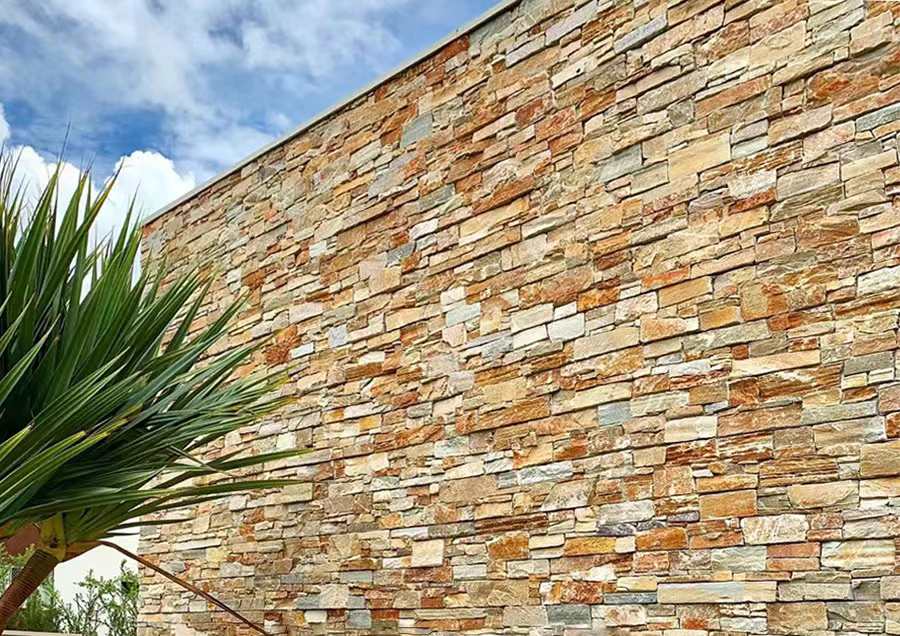
Waarom “Schroot” Kwaliteitspanels leiden tot structurele problemen?
Geborgen panelen van lage kwaliteit hebben last van 20% verminderde hechtsterkte en microbreuken. Directe inkoop uit steengroeven met epoxyhars zorgt voor structurele stabiliteit en voorkomt delaminatie door vocht.
Materiaalvermoeidheid en verminderde hechtsterkte
Geborgen of laagwaardige stenen componenten dragen “verborgen” schade door hun vorige omgeving. In tegenstelling tot verse steen hebben deze materialen al thermische spanningen en belastingscycli doorstaan die hun interne structuur verzwakken voordat ze zelfs maar op een nieuwe bouwplaats aankomen.
- Bandsterkte: Geborgen materialen halen slechts 80% van de hechtingsnormen van nieuwe materialen stenen panelen.
- Verstopping van poriën: Achtergebleven mortel en omgevingsgrit verstoppen de natuurlijke poriën van de steen, waardoor de mechanische hechting tijdens het leggen kapot gaat.
- Porositeitsproblemen: Hogere porositeit bij geborgen “zalm” bakstenen of laagwaardige leisteen maken de hele muur kwetsbaar voor breuken door vorst en dooi.
- Microfracturen: Eerdere omgevingsstress veroorzaakt kleine interne scheurtjes die het draagvermogen van de auto in gevaar brengen paneel systeem.
Directe inkoop uit steengroeven en harsbinding met hoge sterkte
Topbronsteen elimineert deze risico's door de supply chain van de berg tot aan de krat te beheersen. We richten ons op materiaal dat vers uit de steengroeve komt om ervoor te zorgen dat de chemische en fysische eigenschappen van de steen gedurende de hele levensduur van het gebouw intact blijven.
- Steengroevecontrole: We betrekken per bestelling uit dezelfde steengroeve om natuurlijke kleurverschuivingen en structurele inconsistenties te voorkomen.
- Epoxyhars: We gebruiken een zeer sterke epoxyhars die speciaal is ontwikkeld voor natuursteen om een permanente verbinding tussen de steen en de paneelbasis te creëren.
- Precisieranden: CNC-diamantzaagsnijden zorgt voor een modulaire pasvorm die elimineert “stapte” openingen waar doorgaans vocht binnendringt.
- Visuele verificatie: Strenge kleuruniformiteit van 95% en controles vóór verzending zorgen ervoor dat elk paneel voldoet aan de structurele duurzaamheidsnormen van 2026.
Laatste gedachten
Mislukkingen in het substraat en voortdurend terugbellen eroderen de marges van dealers veel sneller dan een lagere initiële aankoopprijs hen kan besparen. We beperken deze structurele risico's door gebruik te maken van CNC-diamantzaagprecisie en steengroeve-inkoop van dezelfde batch om 95% kleuruniformiteit en een naadloze pasvorm te garanderen. Investeren in natuurlijke mineralen met een hoge dichtheid en in de fabriek gecontroleerde epoxyverbindingen zorgt ervoor dat uw inventaris bestand is tegen omgevingsinvloeden zonder dat er dure herstelwerkzaamheden nodig zijn.
Controleer onze materiaalkwaliteit door een monsterpakket aan te vragen of een proefbestelling van 300 vierkante meter te starten met mix-en-match-flexibiliteit. We bieden visuele verificatie vóór verzending via high-definition media om uw cashflow te beschermen en ervoor te zorgen dat elke krat aan uw projectnormen voldoet. Neem contact op met ons team om private label-opties te bespreken of om de huidige voorraad van ons veilig te stellen “Grote 10” inventaris.