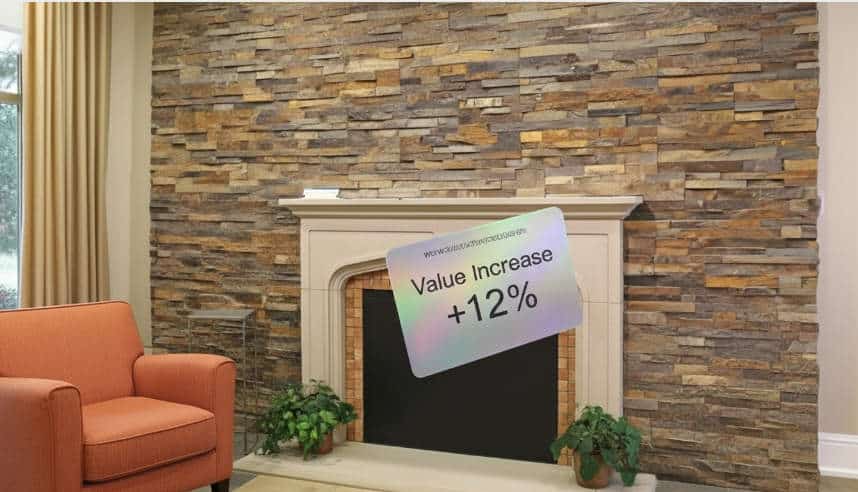
Maksymalizacja zwrotu z inwestycji & Wartość wyceny nieruchomości mieszkalnej zależy w dużej mierze od wyboru elementów architektonicznych, które przemawiają do nabywców z wyższej półki. Wielu deweloperów ryzykuje utratę marży, instalując materiały średniej klasy, które nie poruszają igłą podczas profesjonalnej wyceny. Kamień naturalny stanowi trwały zasób, który zmienia dom ze standardowej oferty w luksusowego konkurenta, co bezpośrednio wpływa na ostateczną cenę sprzedaży.
W niniejszej analizie zbadano lukę finansową pomiędzy zasobami naturalnymi i wyprodukowany kamień, koncentrując się na stosunkach kosztów do wartości i preferencjach rzeczoznawców. Zobaczysz jak jakość kamienia wpływa na pozycjonowanie na rynku i które konkretne ulepszenia zapewniają najwyższy zwrot z projektów salonów. Skorzystaj z tych spostrzeżeń, aby uzasadnić budżety na renowację i mieć pewność, że każdy metr kwadratowy muru przyczynia się do wzrostu wartości nieruchomości.
Dlaczego rzeczoznawcy majątkowi uwielbiają kominki z kamienia naturalnego?
Kominki z kamienia naturalnego działać jako sygnał o wysokiej wiarygodności dla ekspertów ds. wyceny, wskazujący na trwałość konstrukcji i przywiązanie do najwyższej jakości standardów budowlanych, których nie są w stanie odtworzyć materiały prefabrykowane.
Sygnały jakości i trwałość strukturalna
Rzeczoznawcy identyfikują prawdziwy kamień jako główny wskaźnik klasy konstrukcyjnej nieruchomości. Na rynku często nasyconym cienkowarstwowymi płytkami ceramicznymi lub sztucznymi produktami na bazie gipsu, naturalny kamień ułożony oznacza poziom niestandardowego wykonania i trwałość materiału. Kiedy ekspert ocenia dom, od podłogi do sufitu instalacja kamienia sugeruje, że konstruktorowi priorytetowo potraktowano trwałość. Eksperci często postrzegają te funkcje jako przestarzałe komponenty, które są trwalsze od systemów wtórnych budynku.
- Prawdziwy kamień przekazuje ekspertom ds. wyceny wyższy poziom luksusu i niestandardowego rzemiosła.
- Oryginalne materiały sugerują, że element ten wytrzyma dłużej niż pierwotna konstrukcja budynku.
- Rzeczoznawcy interpretują na stałe instalacje kamienne jako wskaźniki inwestycji długoterminowej jakość.
Uznanie na rynku i premia od sprzedaży
Aktualne dane rynkowe z 2026 r. korelują z kluczowymi punktami centralnymi ze znacznym wzrostem wyceny. Kominki stale zwiększają wartość odsprzedaży domów o 6% do 12%, ponieważ zaspokajają podstawowy popyt nabywców. Statystyki pokazują, że 78% właścicieli domów uważa kominek za niezbędny lub wysoce pożądany element. To szerokie uznanie na rynku zapewnia rzeczoznawcom niezbędne, porównywalne dane uzasadniające pozytywne korekty cen, szczególnie w segmentach produktów z najwyższej półki i luksusowych, gdzie kupujący oczekują materiałów naturalnych.
- Kominki obecnie zwiększają wartość odsprzedaży o 6-12% w oparciu o standardowe korekty wyceny.
- Najnowsze dane potwierdzają 20% wzrost zainteresowania kupujących kamiennymi punktami centralnymi w ciągu ostatnich dwóch dekad.
- Silny popyt dostarcza rzeczoznawcom wyraźnych dowodów na pozytywne korekty wyceny w procesie depozytowym.
Użyteczność ekonomiczna i efektywność cieplna
Masa termiczna Kamień naturalny oferuje wymierną użyteczność ekonomiczną wykraczającą poza atrakcyjność wizualną. W odróżnieniu od oklein syntetycznych, Kamień naturalny powierzchnie skutecznie wychwytują i emitują ciepło do przestrzeni mieszkalnej, skutecznie służąc jako drugie źródło ogrzewania. Rzeczoznawcy klasyfikują to jako atut funkcjonalny, uznając, że wysokiej jakości kamień zwiększa profil energetyczny domu i zmniejsza zależność od podstawowych systemów HVAC podczas szczytowych cykli chłodu. Ta praktyczna korzyść dodaje wymierną wartość do ogólnej użyteczności nieruchomości.
- Powierzchnie kamienne skutecznie wychwytują i emitują ciepło z powrotem do przestrzeni mieszkalnej.
- Kominki służą jako praktyczne wtórne źródła ogrzewania, które rzeczoznawcy uznają za korzyść ekonomiczną.
- Wycena eksperci obliczają masę termiczną kamienia naturalnego jako składnik funkcjonalny.
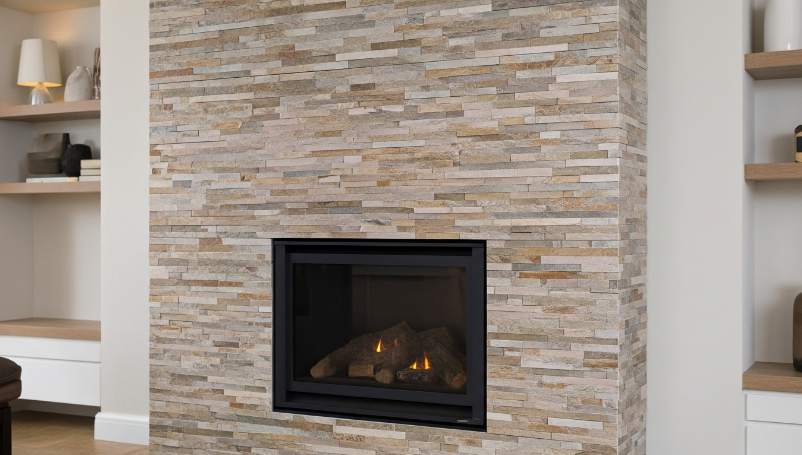
Podział ROI: Koszt początkowy a długoterminowa premia z tytułu odsprzedaży
Obliczanie prawdziwego ROI dla kamienny kominek wymaga wyjścia poza początkową fakturę, aby uwzględnić kompresję pracy i 50-letnią przewagę naturalnych minerałów nad syntetycznymi kompozytami w całym cyklu życia.
Inwestycje początkowe i oszczędności pracy
Finansowa opłacalność ulepszenia kamienia zależy w dużej mierze od metody instalacji. Tradycyjny mur z pełnym łożem często wymaga drogich fundamentów konstrukcyjnych i kotwy ścienne utrzymujące ogromny ciężar kamienia. Nowoczesne systemy modułowe, takie jak Top Panele księgi źródłowej Stone, omiń te wymagania. Ponieważ panele te ważą od 8 do 13 funtów na stopę kwadratową, można je nakładać bezpośrednio na podłoże, eliminując potrzebę stosowania wzmocnionych fundamentów i specjalistycznej inżynierii konstrukcyjnej.
| Czynnik inwestycyjny | Naturalne panele księgi głównej | Sztuczny (sztuczny) kamień |
|---|---|---|
| Wsparcie strukturalne | Nie jest wymagane (8–13 funtów/stopę kwadratową) | Nie jest wymagane (lekki) |
| Prędkość instalacji | Szybki (blokada w kształcie litery Z) | Umiarkowany (panele standardowe) |
| Szacowany zwrot z inwestycji | 70% – 91% | 60% – 80% (krótkoterminowe) |
| Oczekiwana długość cyklu życia | 50+ lat (na stałe) | 15 – 25 lat (z zastrzeżeniem blaknięcia) |
- Nasza blokująca konstrukcja w kształcie litery Z przyspiesza instalację, umożliwiając wykonawcom dotrzymanie napiętych terminów realizacji projektów na rok 2026, jednocześnie skracając czas pracy ręcznej.
- Krawędzie diamentowe CNC zapewniają spójne dopasowanie, redukując ilość odpadów i czas modyfikacji wspólne z nieregularnym surowym kamieniem.
- Bezpośrednie zaopatrzenie w fabryce zapewnia przewidywalną podstawę kosztów dla zamówień B2B, z pominięciem 30-50% narzutów detalicznych spotykanych w lokalnych składach kamieniarskich.
Wpływ na wyceny nieruchomości i wartość rynkową
Profesjonalni rzeczoznawcy kategoryzują Kamień naturalny jako “wysokiej klasy wykończenie,” który działa jako główny czynnik wartości w wycenach luksusowych i średnich rynków. Dane dotyczące nieruchomości wskazują, że nieruchomości z dobrze wykonanym punktem centralnym kominka mają od 6% do 12% wyższe wyceny niż porównywalne domy. W przeciwieństwie do powierzchni malowanych lub syntetycznych kompozytów betonowych wykorzystujących sztuczne pigmenty, serie naturalnego marmuru i łupka oferują wizualną autentyczność, której nie można odtworzyć.
- Prawdziwy Kamień naturalny zwiększa kapitał własności skuteczniej niż produkowane kompozyty betonowe, które często wydają się powtarzalne i “płaski” dla wprawnego oka.
- Rzeczoznawcy uznają Kamień naturalny jako trwały składnik, który zachowuje swoją teksturę i integralność strukturalną przez cały okres użytkowania budynku.
- Wyjątkowa estetyka kamień naturalny zapobiega “powtórzenie wzoru” widziane w podróbce kamień, który jest czynnikiem krytycznym dla pozycjonowania na rynku dóbr luksusowych.
Długoterminowe koszty operacyjne i trwałość
Bezobsługowa praca przez dziesięciolecia gwarantuje, że początkowy zwrot z inwestycji pozostanie wysoki bez powtarzających się kosztów napraw. Chwila wyprodukowany kamień często wymaga cykli wymiany w ciągu 20-30 lat ze względu na blaknięcie i odpryskiwanie pigmentu, kamień naturalny jest zasadniczo odporny na promieniowanie UV. Ta trwałość jest szczególnie istotna w zastosowaniach komercyjnych i nieruchomościach na wynajem, gdzie koszty operacyjne muszą pozostać niskie.
- Kamień naturalny jest odporny na uszkodzenia UV i nie blaknie z upływem czasu, podczas gdy produkty wykonane przez człowieka często wymagają wymiany po 10-15 latach intensywnej ekspozycji na światło.
- Wytrzymałe połączenie żywicy epoksydowej w naszych panelach zapobiega wypadaniu kamieni, redukując potrzebę ciągłego wykonywania patchworków w strefach komercyjnych o dużym natężeniu ruchu.
- Proste protokoły czyszczenia z wykorzystaniem roztworów o neutralnym pH pozwalają zachować wygląd kamienia, utrzymując niskie koszty operacyjne dla zarządców nieruchomości.
Kamień skumulowany premium do projektów wysokiej klasy
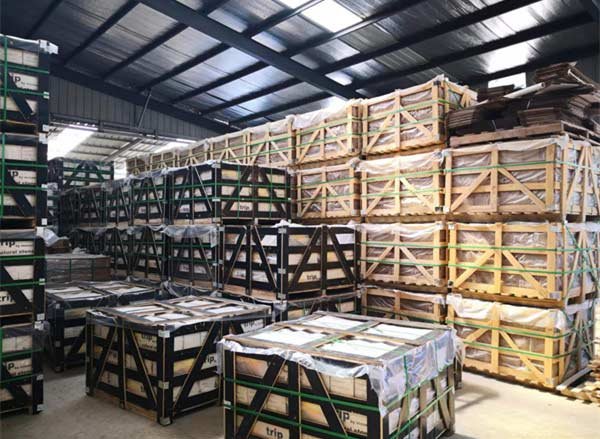
Kamień naturalny czy sztuczny: który zapewnia najlepszy zwrot finansowy?
Dane rynkowe za 2026 rok wskazują, że choć wyprodukowany kamień oferuje niższe koszty wejścia na rynek, panele z kamienia naturalnego zapewniają 50-letni cykl życia aktywów, który eliminuje kosztowne cykle wymiany nieodłącznie związane z imitacjami betonu.
Konwergencja cen na rynku 2026
Postępy w ekstrakcji i produkcji modułowej skutecznie zlikwidowały historyczną różnicę w kosztach pomiędzy autentycznymi minerałami a fornirami syntetycznymi. Top Source Stone wykorzystuje do produkcji precyzję diamentowego ostrza CNC ułożone kamienne panele, które instalują przy ułamku pracy wymaganej przy tradycyjnym murze. Ta zmiana inżynieryjna oznacza całość cena zainstalowana kominka z kamienia naturalnego obecnie znajduje się na równi z wysokiej jakości produkowanymi alternatywami.
- Precyzyjnie przycięte panele w kształcie litery Z i S wykorzystują połączenia blokujące w złączach kamuflażowych, eliminując potrzebę wykonywania specjalistycznych prac fugowych.
- Lekki profil od 1,5cm do 3cm panele instaluje się bezpośrednio na standardzie podłoża, eliminując potrzebę stosowania kosztownych fundamentów konstrukcyjnych lub półek murowanych.
Porównanie wartości cyklu życia i trwałości
Zwrot finansowy z modernizacji kominka zależy w dużej mierze od odporności materiału na stres termiczny i ekspozycję na promieniowanie UV bez degradacji. Naturalny kwarcyt i łupek posiadają naturalną stabilność geologiczną, której produkty na bazie betonu nie są w stanie odtworzyć. Kupujący oceniając nieruchomość, obliczają pozostały okres trwałości wykończenia; kamień naturalny pozostaje trwałym atutem, podczas gdy sztuczny kamień często wymaga pełnej odbudowy po 20 latach.
| Metryka wydajności | Naturalny kamień ułożony | Wyprodukowano sztuczny kamień |
|---|---|---|
| Żywotność usługi | 50+ lat (stopień architektoniczny) | 20-30 lat (z zastrzeżeniem blaknięcia) |
| Stabilność UV | Naturalny (bez utraty koloru) | Umiarkowany (degradacja pigmentu) |
| Zatrzymywanie ciepła | Wysoka (wydajne ogrzewanie wtórne) | Niska (tylko właściwości izolacyjne) |
Wycena aktywów i premia z tytułu odsprzedaży
Profesjonalni rzeczoznawcy klasyfikują prawdziwy kamień jako: “wysokiej klasy wykończenie,” co bezpośrednio wpływa na ocenę jakości nieruchomości w raportach z wyceny. Nieruchomości z autentycznymi półkami zazwyczaj charakteryzują się wzrostem wyceny o 6–12% w porównaniu do domów z przestarzałym lub syntetycznym obramowaniem. Na konkurencyjnych rynkach wyczuwalna w dotyku autentyczność wydobywanego kamienia jest głównym punktem centralnym, często przyspieszając prędkość sprzedaży nawet o 23%.
- Kamień naturalny sygnalizuje luksusowe położenie i niestandardowe rzemiosło, uzasadniając wyższą cenę za metr kwadratowy.
- Unikalna odmiana kamienia pochodzącego z kamieniołomów zapewnia ponadczasową estetykę, która pozwala uniknąć “foremka do ciastek” wygląd powtarzających się sztucznych form.
- Oceny trwałości dokonywane przez pożyczkodawców faworyzują materiały naturalne, uznając je za inwestycje wymagające niewielkiej konserwacji, które pozwalają zachować kapitał przez dziesięciolecia.
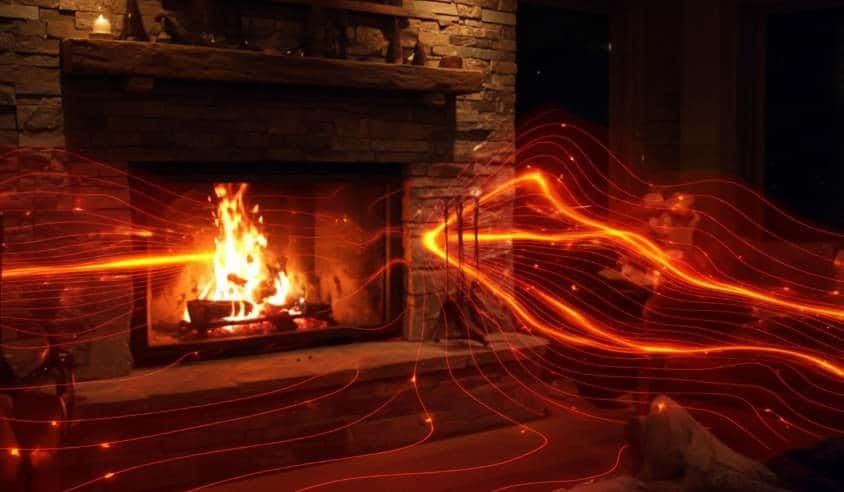
Dlaczego modernizacja kominka jest projektem nr 1 w zakresie ROI w salonie?
Potwierdzają to dane rynkowe z 2026 roku kominek z kamienia naturalnego ulepszenia działają jako podstawowe ulepszenia kapitału, zapewniając zwrot z inwestycji do 91%, zadowalając 89% kupujących, którzy obecnie klasyfikują wysokiej klasy punkty centralne jako istotne cechy nieruchomości.
Renowacje kominków niezmiennie zaliczają się do projektów modernizacji domu o wysokiej stopie zwrotu, ponieważ uwzględniają zarówno walory estetyczne, jak i wartość funkcjonalną. W odróżnieniu od drobnych zmian kosmetycznych, a Remont kamiennego kominka zmienia strukturalny charakter przestrzeni życiowej, przenosząc nieruchomość “standard” Do “luksus” w oczach profesjonalnych rzeczoznawców i potencjalnych nabywców.
Wymierne wzrosty wartości odsprzedaży nieruchomości
Nieruchomości wyposażone kominki z kamienia naturalnego polecenia wyceny od 6% do 12% wyższe niż domy bez nich. Rzeczoznawcy nieruchomości uznają te instalacje za trwałe ulepszenia kapitału, a nie zwykłe dodatki dekoracyjne. To rozróżnienie pozwala uwzględnić inwestycję w podstawowej wycenie, uzasadniając wyższą cenę ofertową w oparciu o trwałość materiału i postrzeganą jakość konstrukcji domu.
- Właściwości z kamienne kominki zobacz wzrost wyceny od 6% do 12% w porównaniu do notowań standardowych.
- Średni zwrot z inwestycji w kominki sięga nawet 91% w zależności od jakości materiału i regionalnej lokalizacji rynku.
- Kamień naturalny jest postrzegany jako “życie” materiału, co zwiększa długoterminową ocenę trwałości nieruchomości.
Preferencje kupującego i przyspieszone ramy czasowe sprzedaży
Szybkość sprzedaży często zależy od siły wizualnej domu “kotwica.” W 2026 r. 89% nabywców domów uzna kominek za niezbędny element, postrzegając go jako podstawowy wymóg w przypadku luksusowych przestrzeni mieszkalnych. Przez montaż profesjonalnie wykonanego kamienia surround, sprzedawcy skracają czas, jaki nieruchomość spędza na rynku, zapewniając dokładnie ten punkt centralny, którego aktywnie szukają kupujący.
- Domy z profesjonalnie zainstalowanymi kominkami sprzedają się średnio o 23% szybciej w porównaniu do ofert bez nich.
- Kominki pełnią rolę głównej kotwicy wizualnej w cyfrowej fotografii ofertowej, zwiększając początkowe współczynniki klikalności.
- Obecność autentycznego kamienia ogranicza kupującego “charakteryzuje się zmęczeniem” oferując wykończoną, luksusową estetykę gotową do wprowadzenia.
Postrzegany luksus dzięki autentycznemu kamieniowi naturalnemu
Używanie autentycznych ułożone kamienne panele zamiast sztucznych alternatyw, znacznie podnosi gęstość wartości pomieszczenia. Autentyczne materiały, takie jak łupek, kwarcyt i marmur, sygnalizują nabywcom luksusowych produktów najwyższą jakość, oferując unikalne tekstury i różnice geologiczne, których produkty syntetyczne nie są w stanie odtworzyć. Prawdziwy kamień zachowuje swój kolor i integralność strukturalną przez dziesięciolecia, zapewniając, że inwestycja nie ulegnie degradacji przed sprzedażą nieruchomości.
- Naturalny kamienne panele zapewniają unikalne tekstury i odmiany kolorów, których brakuje materiałom stworzonym przez człowieka.
- Materiały takie jak kwarcyt i łupek zapewniają naturalną stabilność UV, zapobiegając blaknięciu powszechnemu w produkowanych fornirach.
- Autentyczny kamień komunikuje wrażenie wykonania na zamówienie, co uzasadnia pozycjonowanie premium na rynku luksusowym.
Maksymalizacja zwrotu z inwestycji poprzez obniżone koszty instalacji
Nowoczesny płyta kamienna systemy pozwalają na uzyskanie wysokiej klasy wyników bez wygórowanych kosztów pracy w przypadku tradycyjnego murowania. Lekkie panele o wadze od 8 do 13 funtów na stopę kwadratową eliminują potrzebę stosowania kosztownych fundamentów konstrukcyjnych lub wzmocnień fundamentów. Wydajność ta umożliwia wykonawcom wykończenie na poziomie muru przy ułamku czasu i kosztów, bezpośrednio zwiększając końcowy procent zwrotu z inwestycji dla właściciela.
- Łączące się systemy w kształcie litery Z redukują czas pracy zawodowej poprzez maskowanie połączeń w celu uzyskania bezproblemowego wykończenia.
- Możliwość zainstalować panele bezpośrednio nad istniejącym murem lub płytą cementową znacznie obniża całkowity budżet projektu.
- Precyzja tarczy diamentowej CNC zapewnia spójne dopasowanie, redukując straty materiału i możliwość regulacji na miejscu.
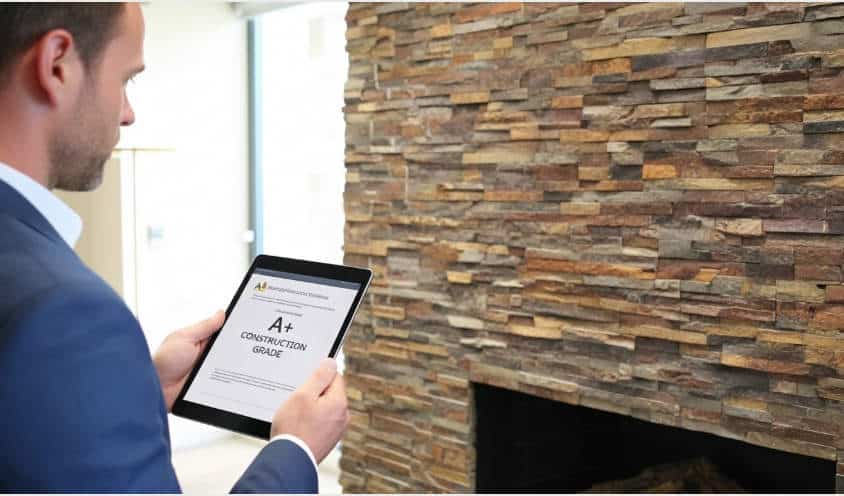
Wykorzystanie jakości kamienia do pozycjonowania swojej nieruchomości na rynku luksusowym
Rzeczoznawcy w 2026 roku traktują kamień naturalny jako trwały składnik majątku, natomiast wykończenia syntetyczne postrzegają jako tracące na wartości przedmioty dekoracyjne, które ostatecznie wymagają wymiany.
Autentyczność materialna jako główny czynnik wartości
Prawdziwy kamienne panele księgi głównej zapewniają unikalne tekstury i odmiany kolorów, których materiały stworzone przez człowieka nie są w stanie odtworzyć. Ta wyjątkowość tworzy jedyne w swoim rodzaju wykończenie niezbędne w ekskluzywnych wnętrzach. W przeciwieństwie do modnych wykończeń syntetycznych, kamień naturalny pozostaje trwałym ulepszeniem, które utrzymuje swoją wartość przez dziesięciolecia. Nabywcy segmentu luksusowego traktują priorytetowo tę autentyczność, często wykorzystując obecność prawdziwego kamienia jako punkt odniesienia dla ogólnej jakości konstrukcji domu.
| Metryka wydajności | Panele księgi z kamienia naturalnego | Zrobiony fabrycznie Fornir kamienny |
|---|---|---|
| Szacowany cykl życia | Ponad 50 lat (aktywo trwałe) | 20-30 lat (element do konserwacji) |
| Oceniony wpływ na wartość domu | Premia od 6% do 12%. | Zmienna (krótkoterminowy nacisk na zwrot z inwestycji) |
| UV & Stabilność koloru | Wrodzona stabilność (bez blaknięcia) | Na bazie betonu (podlega blaknięciu) |
| Detal architektoniczny | Precyzja CNC & Bezszwowa blokada | Formowane powtarzalne wzory |
W 2026 r. rzeczoznawcy przy obliczaniu składek majątkowych coraz częściej rozróżniają kamień naturalny wydobywany od syntetycznych alternatyw. Prawdziwy kamień komunikuje wysokiej klasy konstrukcję i luksusowe położenie, które sygnalizuje trwałą jakość. Ponieważ kamień naturalny pełni funkcję konstrukcyjną lub trwałą okleinę, unika “cykl wymiany” związanych z wytwarzanymi produktami, skutecznie chroniąc długoterminową wycenę nieruchomości.
Tekstura wizualna i głębia architektoniczna w wysokiej klasy designie
. wybór kamienia profil bezpośrednio wpływa na postrzegane wyrafinowanie architektoniczne rezydencji. Na przykład seria Rough tworzy dramatyczne linie cieni i wielkowymiarowe powierzchnie, które pasują do luksusowych osiedli w stylu rustykalnym lub naturalistycznym. Profile te oferują solidny, niestandardowy wygląd, który sugeruje, że dom został zintegrowany z krajobrazem, a nie tylko na nim zbudowany.
- Panele z serii Pencil zapewniają liniowe, skomplikowane detale, które odpowiadają zapotrzebowaniu roku 2026 na nowoczesne, płynne style architektoniczne w lobby komercyjne i wysokiej jakości ściany mieszkalne.
- Krawędzie diamentowe CNC zapewniają spójność wymiarową, umożliwiając dokładne, profesjonalne wykończenie, które rzeczoznawcy uznają za oznakę doskonałego kunsztu.
- Blokujące się projekty w kształcie litery Z i w kształcie litery S wykorzystują system połączeń męskich i żeńskich do maskowania połączeń pionowych, tworząc jednolite wykończenie architektoniczne na dużych powierzchniach.
Długoterminowa konserwacja i ochrona aktywów
Najwyższa jakość kamienia zmniejsza długoterminowe koszty utrzymania, co stanowi istotną zaletę dla zamożnych nabywców skupionych na długowieczności nieruchomości. Naturalny kamienne panele księgi głównej są odporne na promieniowanie UV i zachowują swój pierwotny kolor przez dziesięciolecia. Stanowi to ostry kontrast w stosunku do alternatyw na bazie betonu, które mogą blaknąć lub odpryskiwać już po kilku latach ekspozycji na światło słoneczne lub wilgoć.
Integralność strukturalna pozostaje podstawą zaleta wysokiej jakości kamienia. Wytrzymałe wiązanie epoksydowe zapobiega rozwarstwianiu się kamienia, zapewniając, że kominek lub fasada pozostają nieskazitelne konstrukcyjnie i wizualnie. Minimalne wymagania konserwacyjne przekładają się na niższy koszt posiadania, czyniąc nieruchomość bardziej atrakcyjną podczas ofert na rynku konkurencyjnym, gdy kupujący analizują potencjalne przyszłe wydatki.
Strategiczne wykorzystanie marmuru w celu pozycjonowania rynku premium
Zastosowanie materiałów takich jak seria Marble sygnalizuje natychmiastowe przejście od klasyfikacji standardowej do luksusowej. Używanie Królewska biel marmurowe lub podobne wysokiej jakości wykończenia w łazienkach i przedpokojach podnoszą estetykę obiektu, dostosowując się do wysokiej klasy standardów handlu detalicznego i hotelarstwa. Ta natychmiastowa wizualna wskazówka informuje kupującego i rzeczoznawcę, że nieruchomość należy do wyższego przedziału cen za metr kwadratowy.
Rzeczoznawcy często klasyfikują marmur jako wykończenie wysokiej jakości, co uzasadnia wyższą cenę w porównaniu ze standardowymi płytkami lub łupkami. Ponadczasowe materiały, takie jak marmur, zapewniają neutralną, a jednocześnie wyrafinowaną paletę, która przemawia do szerokiego grona międzynarodowych nabywców towarów luksusowych. Przez wybierając kamienie z tej samej warstwy kamieniołomu właściciele zapewniają jednolitość odcienia i spójność partii, zapobiegając “niejednolity” wygląd, który często dewaluuje instalacje o niższej jakości.
Wniosek
Integracja A kominek z kamienia naturalnego znacząco podnosi wartość wyceny nieruchomości, łącząc trwałość architektoniczną z wysoką estetyką. Wybór w 100% naturalnego kwarcytu lub łupka zamiast produkowanych alternatyw gwarantuje, że element ten zachowa swój kolor i integralność strukturalną przez dziesięciolecia. To specyficzne ulepszenie pozwala inwestorom na rynku nieruchomości uzyskać wyższą cenę, jednocześnie skracając czas, jaki nieruchomość spędza na rynku.
Specjaliści z branży nieruchomości i deweloperzy mogą przeglądać zasoby Wielkiej 10, aby znaleźć poszukiwane tekstury i kolory odpowiednie dla nadchodzących projektów. Skontaktuj się z naszym zespołem, aby poprosić o szczegółowe specyfikacje techniczne lub cennik zamówień w zakresie transportu kontenerowego, aby zabezpieczyć wysokomarżowe materiały do kolejnego remontu.
Często zadawane pytania
Czy kominek z kamienia naturalnego zwiększa wartość domu?
Tak, naturalny kamienny kominek jest znaczącym czynnikiem generującym wartość, który sygnalizuje potencjalnym nabywcom najwyższą jakość i luksus. Rzeczoznawcy majątkowi uznają te instalacje za znaczące wyróżniki, często przyczyniające się do wzrostu ogólnej wartości odsprzedaży domów o 6–12%.
Jaki jest średni zwrot z inwestycji w przebudowę kamiennego kominka?
Średni zwrot z inwestycji (ROI) dla a projekt kominka kamiennego zazwyczaj osiąga 70% lub więcej. Na rynkach o wysokim popycie połączenie zwiększonej estetyki i korzyści funkcjonalnych związanych z zatrzymywaniem ciepła pozwala właścicielom domów odzyskać znaczną część początkowej inwestycji.
Czy prawdziwy kamień jest lepszy do odsprzedaży niż kamień sztuczny?
Prawdziwy kamień jest na ogół lepszy w przypadku odsprzedaży, ponieważ jest postrzegany jako trwały element wykonany na zamówienie. Chwila wyprodukowany kamień naśladuje wygląd, kamień naturalny oferuje niezrównaną trwałość i wysokiej klasy wykończenie, które rzeczoznawcy cenią wyżej ze względu na jego trwałość i autentyczność.
Ile średnio kosztuje ulepszenie kamiennego kominka?
Średnio profesjonalista koszty modernizacji kamiennego kominka od 3500 do 10 000 dolarów. Ten przedział cenowy uwzględnia wysokiej jakości materiały i wykwalifikowaną siłę roboczą, chociaż niestandardowe instalacje od podłogi do sufitu przy użyciu najwyższej jakości płyt naturalnych mogą przekraczać te wartości w zależności od konkretnego wybranego kamienia.
Który kolor kamienia jest najbardziej atrakcyjny przy odsprzedaży?
Neutralne odcienie oferują największą atrakcyjność przy odsprzedaży. Miękkie szarości, kremowa biel i stonowane beże to branżowy standard maksymalizujący atrakcyjność rynkową, ponieważ zapewniają ponadczasową estetykę, która uzupełnia szeroką gamę stylów wnętrz i preferencji kupujących.