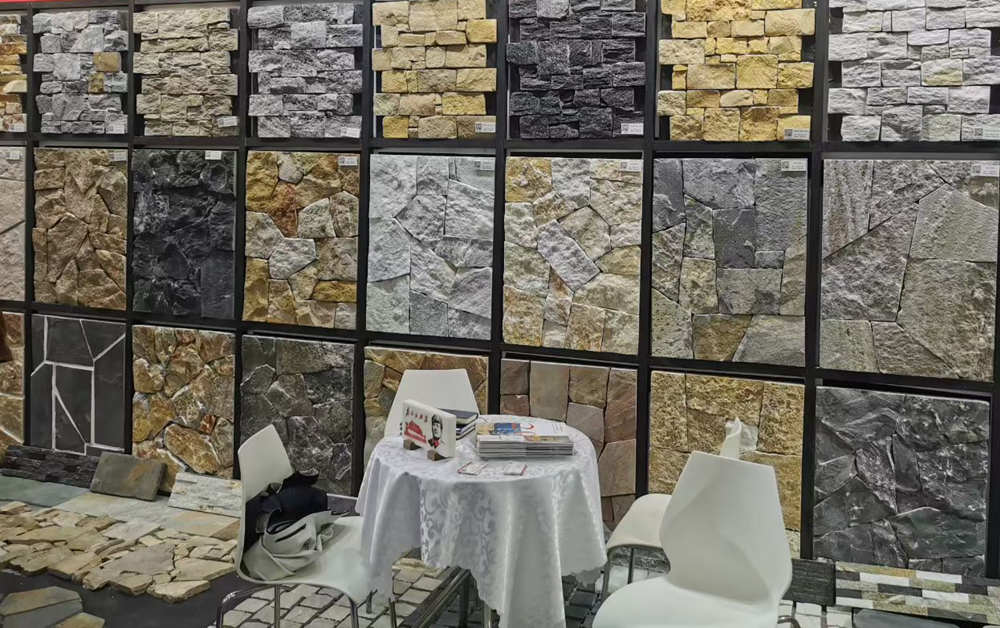
تعد ألواح الدفتر الحجرية المكدسة المقطوعة هي أول نقطة تفتيش يجب على المشترين قفلها قبل الموافقة على المورد أو الميزانية أو فتحة الإنتاج. أنت تقف في المستودع ومعك طلب بقيمة 50 ألف دولار من ألواح الدفتر الحجرية المكدسة. تمت الموافقة على العينة دون أي عوائق، ولكنك الآن بحاجة إلى قطع هذه الألواح لمدة مدفأة الزاوية. يمكن أن تؤدي إحدى الحواف المتكسرة إلى تأخير التثبيت بالكامل، كما أن إعادة الطلب من الخارج تضيف أسابيع لا تملكها. هذه هي حقيقة القطع في الموقع - حيث يوجد الهامش بين الوظيفة النظيفة ورد الاتصال.
لماذا تعتبر الدقة في القطع أمرًا مهمًا للحصول على ألواح دفاتر حجرية مكدسة عالية الجودة
القطع الضعيفة تهدر 30% من المواد.
كل عملية قطع سيئة على لوحة حجرية مكدسة لها تكلفة مباشرة. في تجربة متجرنا، المقاول الذي يقوم بالتقطيع الجاف بمطحنة زاوية في مشروع قياسي ينتهي به الأمر إلى تدمير لوحة واحدة من كل ثلاث لوحات - هذا هو 30% نفايات مادية. لكن التكلفة الخفية أسوأ: إعادة العمل. عندما يترك القطع فجوة مرئية أو وجهًا مكسورًا، إما أن تسحب الحجر وتستبدله (20 دقيقة أخرى لكل قطعة) أو تعيش بجدار دون المستوى المطلوب. لا يعمل أي من الخيارين للعملاء الذين يدفعون ثمن الحجر الطبيعي.
البديل مدعوم من المصنع زوايا مقطوعة مسبقًا. نقوم بتوريد قطع الزوايا الداخلية والخارجية لكل لون في خطنا - الكوارتزيت والرخام والجرانيت - مقطوعة على معدات الأشعة تحت الحمراء بسماكة ± 2 مم. يوضح سجل مراقبة الجودة الداخلي الخاص بنا أن المثبتين الذين يستخدمون هذه القطع المقطوعة مسبقًا ينخفضون القطع في الموقع الوقت بنسبة تصل إلى 50%. لا يوجد تخفيف ميداني، ولا يوجد تخمين بشأن التداخل، ولا توجد لوحات مهدرة. تصل أحجار الزاوية متطابقة بالفعل مع ألواح الوجه، بحيث يستمر اللون والملمس حول الحافة.
إذا كنت لا تزال تقطع جميع الزوايا في الموقع، فقم بإجراء الحسابات على واجهة تبلغ مساحتها 2000 قدم مربع: ثلاثون زاوية في 15 دقيقة لكل منها تساوي 7.5 ساعة من وقت النشر، بالإضافة إلى الخطر المستمر للقطع السيئ الذي يفرض إعادة الترتيب. تكلف الزاوية المقطوعة مسبقًا بضعة دولارات إضافية لكل قطعة ولكنها توفر عليك هذا العمل وتزيل احتمالية عدم التطابق. هذا هو الفرق بين التثبيت النظيف ومكالمة GC بشأن الفجوات المرئية.
المناشير الميكانيكية الأساسية والشفرات الماسية ذات الحافة المستمرة لتكسية الأحجار
يتعامل المنشار الرطب مع 95% من القطع المستقيمة ويقلل الهدر بنسبة 30% — فهو العمود الفقري لأي تركيب حجري.
من أجل تثبيت حجر الدفتر بشكل نظيف وفعال، تغطي ثلاث أدوات قطع كل موقف في الموقع. يقوم المنشار المبلل بالرفع الثقيل، وتتعامل المطحنة الزاوية مع التعديلات الدقيقة، ويمنحك الإزميل اليدوي الكلمة الأخيرة بشأن الانقسامات الطبيعية. يوصى بالبدء بالمنشار الرطب لـ 95% من القطع - تظهر تجربة المتجر أنه يقلل الهدر بنسبة 30% مقارنة بطرق القطع الجاف.
مواصفات معدات تصنيع الحجر في الموقع:
- النشر الرطب الماسي ذو الحافة المستمرة: تنتج الشفرات ذات الحافة المستمرة رقائق أقل بنسبة 40% من الشفرات المجزأة الموجودة على لوحات دفتر الأستاذ. يعتبر المنشار الرطب مقاس 10 بوصات مع طاولة منزلقة مثاليًا للألواح التي يصل طولها إلى 8 بوصات. قم دائمًا بالقص من الوجه الأمامي لتقليل التقطيع المرئي. يؤدي شريط الرسام فوق خط القطع إلى تقليل تقطيع الوجه بنسبة إضافية تتراوح بين 30 و40%. حافظ على تدفق الماء ثابتًا لقمع غبار السيليكا - يعمل القطع الرطب على تقليل الجزيئات المحمولة بالهواء بنسبة 90% مقارنة بالطحن الجاف.
- جلاخة زاوية ذات شفرات توربو: استخدم طاحونة زاوية مقاس 4.5 بوصة مزودة بشفرة حافة توربو لإحراز أو تقليم الزوايا الضيقة أو تشكيل الحواف غير المنتظمة. تدور جلاخة الزاوية بسرعة أعلى من 10000 دورة في الدقيقة، مما يزيد من خطر الارتداد - قم بإجراء تمريرات سطحية واترك الأداة تقوم بالعمل. لا تقم أبدًا بالقص الجاف دون حماية الجهاز التنفسي؛ بلل المنطقة أو استخدم غطاءً من الغبار.
- أدوات نحت الشق اليدوي: يتيح لك إزميل البناء الحاد والمطرقة التي يبلغ وزنها 2 رطل تقسيم الحجر على طول طبقات الفراش الطبيعية للحصول على حافة خشنة أصيلة. يعد هذا مفيدًا بشكل خاص للأجزاء النهائية من التشغيل أو لكسر علامات التبويب الصغيرة. ارسم الخط بالإزميل ثم اضربه بقوة، سينفصل الحجر بشكل نظيف مع وجه مشقوق طبيعي.
طرق معالجة المنشار الرطب خطوة بخطوة لألواح دفتر الأستاذ الطبيعية
يقلل شريط الرسام الموجود على خط القطع من تقطيع الوجه بنسبة 30-40%.
ابدأ بقياس قسم الجدار حيث ستوضع اللوحة. ضع في اعتبارك التداخل الطبيعي بين اللوحات المتجاورة - عادةً من 1/2 إلى 3/4 بوصة. حدد خط القطع على الوجه الأمامي باستخدام قلم رصاص أو طباشير. للحصول على قطع مستقيمة، ضع الخط على الحافة العلوية للوحة. بالنسبة للقطع النهائية غير المنتظمة (على سبيل المثال، حول المنافذ أو الزوايا)، قم بتجفيف اللوحة أولاً وتتبع المظهر الجانبي مباشرة على الحجر.
قم بإعداد المنشار المبلل الخاص بك باستخدام شفرة ماسية ذات حافة متواصلة - تنتج الشفرات المجزأة رقائق أكثر بنسبة 40% على لوحات دفتر الأستاذ. املأ صينية الماء واضبط التدفق بحيث يتم غمر الشفرة بالكامل عند نقطة القطع. يجب ألا يمتد عمق الشفرة أكثر من 1/4 بوصة أسفل الحجر لتقليل السحب والحرارة. قم بقفل الطاولة المنزلقة بحيث تتحرك اللوحة بسلاسة عبر القطع.
معايير تقطيع حقل التسلسل:
- حواف الدورة المستقيمة: قم بتغذية اللوحة ببطء — حوالي 2-3 ثوانٍ لكل بوصة من القطع. تطبيق الضغط النزولي الخفيف. دع الشفرة تقوم بالعمل. شريط الرسام على طول خط القطع يحافظ على سطح الوجه سليمًا.
- ملفات تعريف نهاية غير منتظمة: استخدم طاحونة الزاوية ذات الشفرة التوربينية للحصول على منحنيات أو شقوق ضيقة. قم بإجراء تمريرات ضحلة (بعمق 1/8 بوصة) بسرعة كاملة في الدقيقة. لا تضغط على المطحنة أبدًا - دع الشفرة تتآكل بشكل متساوٍ.
- محاذاة الزاوية على شكل حرف L: تعمل زوايا المصنع المقطوعة مسبقًا من Top Source Slate على التخلص من عمليات القطع على شكل حرف L في الموقع تمامًا، مما يوفر ما يصل إلى 50% من وقت القطع. في حالة التصنيع في الموقع، قم بقطع ميتري على شكل حرف L عن طريق إجراء قطعتين مستقيمتين على المنشار المبلل. قم دائمًا بالقص من الوجه الأمامي المزخرف لأسفل إلى الجزء الخلفي الشبكي للحفاظ على هوامش الشقوق النظيفة.
للتقليم الميداني لقطع الزاوية، منشار مبلل مقاس 10 بوصات مزود بمقابض طاولة منزلقة وألواح دفتر الأستاذ يصل طولها إلى 8 بوصات. إذا كنت تستخدم منشارًا قياسيًا للبلاط، فتأكد من أن المحرك مُصنف لقطع الحجر بشكل مستمر - فمعظم مناشير البلاط تتوقف على الحجر الطبيعي السميك.
الامتثال لتنظيم غبار السيليكا الخاص بإدارة السلامة والصحة المهنية واحتياطات السلامة في مكان العمل
يعرضك القطع الجاف للحجر الطبيعي لخطر مباشر لتلف الرئة الذي لا رجعة فيه.
يعد غبار السيليكا الناتج عن قطع الحجر الطبيعي أسرع طريق للإصابة بالسحار السيليسي. حد التعرض المسموح به لإدارة السلامة والصحة المهنية هو 50 ميكروجرام/م3 على مدار 8 ساعات. يمكن لقطعة جافة واحدة باستخدام مطحنة زاوية أن ترتفع إلى مستويات أعلى من 1000 ميكروجرام/م3 خلال دقائق. يعمل القطع الرطب على كبح السيليكا المحمولة في الهواء بنسبة 90%، وهذا هو الفرق بين الخطر والمهمة التي يمكن التحكم فيها.
مصفوفة معدات الوقاية الشخصية الإلزامية للموقع:
- عين & حماية الجهاز التنفسي: حتى مع القطع الرطب، قم بارتداء جهاز تنفس P100 ونظارات واقية كاملة الغلق. تقوم ألواح Ledger ببصق الطين الحجري الناعم بسرعة عالية. أقنعة الغبار القياسية تلتقط 5% من السيليكا القابلة للتنفس، وهي عديمة القيمة. نطلب من طاقم متجرنا استخدام أجهزة التنفس المرنة لنصف الوجه المزودة بمرشحات P100 على كل قطعة.
- إمدادات تدفق المياه المستمر: استخدم منشارًا مبللاً مزودًا بمضخة مياه مخصصة لتوصيل ما لا يقل عن 2 لترًا في الدقيقة إلى الشفرة. تعد المطاحن الزاوية المزودة بملحقات مائية مقبولة للعمل الميداني ولكن يجب أن تحافظ على التدفق المستمر. الطحن الجاف - حتى بالنسبة لخط نقاط واحد - يولد ما يكفي من الغبار القابل للتنفس لإثارة الاقتباس. تستخدم منشآتنا صواني مياه مدمجة مصممة لشفرات مقاس 10 بوصات.
- تثبيت اللوحة ضد العمولات: تعمل المطاحن الزاوية بأكثر من 10000 دورة في الدقيقة. لوحة فضفاضة تمسك بالشفرة وترجع بقوة كافية لكسر عظام الرسغ. استخدم حصائر مطاطية غير قابلة للانزلاق أو مشابك زنبركية لتثبيت اللوحة على طاولة المنشار. لا تقم أبدًا برفع لوحة دفتر الأستاذ التي يزيد طولها عن 8 بوصات - فإن عزم دوران خط القطع سيسحب المطحنة إلى جسمك. قم بإجراء تمريرات سطحية: 1/4 بوصة لكل تمريرة، دع الشفرة تقوم بالعمل.
استكشاف مشكلات الربط والتقطيع الشائعة في الموقع وإصلاحها
معظم التقطيع يمكن الوقاية منه، فهو يتعلق بسرعة الشفرة ومعدل التغذية، وليس طبيعة الحجر.
الحواف المتكسرة هي الشكوى الأولى التي نسمعها من المقاولين الذين قاموا بقطع ألواح الدفتر في الموقع. في متجرنا، قمنا باختبار العشرات من المجموعات، والإصلاح هو نفسه دائمًا تقريبًا: قم بالتبديل إلى شفرة ماسية ذات حافة مستمرة وإبطاء معدل التغذية بنسبة 30% تقريبًا. شفرة مجزأة تترك علامات الثرثرة. حافة متواصلة تقطع منظف الحجر. نقوم أيضًا بتمرير شريط من شريط الرسام على خط القطع - تظهر اختباراتنا الداخلية أنه يقلل من تقطيع الوجه بنسبة 30-40%. تعمل خدعة الشريط هذه وحدها على حفظ لوحة كاملة من كل ثلاثة في تركيب مدفأة نموذجي.
شذوذات محاذاة الشجرة:
- ناقلات تمايل الشفرة: حتى 0.5 ملم من الجريان سوف ينتج عنه قطع مدبب. تحقق من شفة الشجرة بحثًا عن الحطام. تفقد العجلة البالية مصفوفتها الماسية بشكل غير متساوٍ، مما يؤدي إلى شق متجول. استبدله عندما ترى الزجاج أو التآكل الجانبي.
- ملفات تعريف الأجزاء غير المستوية: إذا ارتفعت اللوحة أو انخفضت في منتصف القطع، فهذا يعني أن الشفرة تنثني. يحدث هذا عندما لا يكون الحجر مدعومًا بالكامل. استخدم لوحًا داعمًا أسفل طول اللوحة بالكامل - قطعة خردة من الخشب الرقائقي مقاس 1/2 بوصة. لا تدع الحافة المقطوعة تتدلى أبدًا من صينية المنشار بأكثر من بوصة.
دائمًا ما يأتي التشقق أثناء القطع من ضعف الدعم، وليس من الحجر نفسه. لوحة دفتر الأستاذ عبارة عن حجر طبيعي مدعوم بشبكة - وهو هش. ضع اللوحة بشكل مسطح على طاولة منشار مبللة ثابتة مع عربة منزلقة. إذا كنت تستخدم جلاخة زاوية، فقم بتثبيت اللوحة على طاولة العمل وقم بإجراء تمريرات ضحلة (لا يزيد عمقها عن 1/4 بوصة لكل تمريرة). قطع جاف؟ طفرات الضغط والشقوق تتبع. حافظ على وصول تيار الماء إلى منطقة القطع لتقليل الصدمة الحرارية. مع منشار 10 بوصة و 6×24 لوحة، يجب أن تحصل على فواصل نظيفة في كل مرة - لا يوجد حجر مهدر.
نصائح احترافية لمعالجة المحاجر ومعايرة الأدوات من أعلى المصادر
يؤدي ترطيب الوجه الحجري مسبقًا إلى تقليل السيليكا المحمولة بالهواء بنسبة 90% ويطيل عمر الشفرة بحوالي 30%.
لا يقتصر الترطيب المسبق على التحكم في الغبار فحسب، بل إنه يغير كيفية تفاعل الشفرة مع الحجر. يقلل السطح المشبع بالماء من حرارة الاحتكاك، وهو السبب الرئيسي لتزجيج شفرات الماس. على أرضية متجرنا، نقوم برش وجه كل لوحة من ألواح الدفتر بزجاجة رذاذ قبل 10 ثوانٍ من القطع. هذه الخطوة الصغيرة وحدها تحافظ على قطع الشفرة مجانًا وتقلل من علامات الحروق المرئية على الكوارتزيت. كما أنه يسقط مستويات السيليكا القابلة للتنفس بشكل كبير. إذا كنت تعمل في الداخل أو بالقرب من الجدران الجاهزة، فهذا غير قابل للتفاوض.
بالنسبة لقطع الدفتر الرقيقة - تلك التي يقل سمكها عن 3/4 بوصة - يمكن لأداة التسجيل ذات الرؤوس الكربيدية أن توفر عليك من سحب المنشار المبلل. ارسم الخط بعمق ثلاث أو أربع مرات على كلا الوجهين، ثم ارسمه على حافة مستقيمة. وهذا يعمل فقط على المواد المتسقة دون وجود كسور داخلية. اختبره أولاً على قطعة خردة. ولكن بالنسبة للتقطيع السريع للقطع النهائية على محيط المدفأة، فهو أسرع من إعداد المنشار. لا تتوقع ذلك على حافة غير منتظمة ذات نسيج ثقيل - فلن يتم تتبع النتيجة بشكل مستقيم.
اختبارات الإجهاد قبل الإنتاج:
- قواعد تدقيق العينات: قبل أن تقوم بقطع اللوحة الأولى لمهمة ما، خذ قطعة خردة وقم بتمريرها عبر المنشار بالسرعة المخطط لها. تحقق من وجود تقطيع على طول الحافة المقطوعة. إذا رأيت أكثر من 1 مم من التقطيع، فاضبط معدل التغذية أو قم بالتبديل إلى شفرة ذات حافة مستمرة. تُظهر اختباراتنا الداخلية أن شريط الرسام البسيط فوق خط القطع يقلل من تقطيع الوجه بنسبة 30-40% - نوصي بذلك كخطوة قياسية لأي حافة مرئية.
خاتمة
يعمل نظام القطع الدقيق - المنشار المبلل، والشفرة ذات الحافة المستمرة، وشريط الرسام فوق الخط - على تحويل اللوحة من خسارة محتملة إلى لوحة تثبيت نظيف. إذا قمت بذلك بشكل صحيح، فسوف تتوقف عن إعادة العمل، وتبقي غبار السيليكا أقل من الحدود التنظيمية، وتحقق هدفك اليومي بالقدم المربع. غالبًا ما يكون الفرق بين الوظيفة التي تتدفق وتلك التي تتوقف هو انخفاض بنسبة 30٪ فقط في الهدر.
في المرة القادمة التي تتصل فيها بالمورد، اسأل عن برنامج ركنهم المجهز مسبقًا. يجب أن يقدم المصنع الموثوق به موافقة العينة على قطع الزاوية تلك وأن يحمل درجة تحمل للجودة تبلغ ± 2 مم على سمك اللوحة. هذا هو المعيار الذي يفصل بين الإنتاج المستمر والمشاكل الميدانية.
الأسئلة المتداولة
ما هو أفضل منشار لقطع ألواح الدفتر الحجرية المكدسة؟
يتعامل المنشار المبلل ذو الشفرة الماسية ذات الحافة المستمرة مع 95% من القطع المستقيمة ويقلل الهدر بنسبة 30%. لإجراء التعديلات الميدانية، استخدم طاحونة زاوية بشفرة توربينية. استخدام المنشار الرطب لخفض الإنتاج؛ طاحونة الزاوية للقرص في الموقع.
كيف يمكنك قطع الزوايا على ألواح الدفتر الحجرية المكدسة؟
بالنسبة للزوايا على شكل حرف L، قم بقطع اللوحة بمنشار مبلل من الجانب المنقسم لإنشاء إرجاعات متداخلة، ثم قم بتنعيمها باستخدام شفرة ماسية. حدد خط القطع واستخدم شريط الرسام لتقليل التقطيع.
هل يمكنك استخدام منشار البلاط العادي لقطع حجر الدفتر؟
نعم، منشار البلاط الرطب العادي المزود بشفرة ماسية ذات حافة متواصلة يعمل مع معظم القطع المستقيمة. ولكن تأكد من أن المنشار لديه ما يكفي من الطاقة وتدفق المياه للتعامل مع سمك الحجر الطبيعي. تجنب القطع الجاف؛ فهو يسبب مخاطر التقطيع وغبار السيليكا.
كيف يمكنك منع التقطيع عند قطع الحجر المكدس؟
ضع شريط الرسام على خط القطع لتقليل تقطيع الوجه بنسبة 30-40%. استخدم منشارًا مبللاً بشفرة حادة ذات حافة متواصلة وقم بتغذية الحجر ببطء. كما أن ترطيب الحجر مسبقًا يخفف من القطع ويقلل من الغبار.
هل من الآمن قطع الحجارة المكدسة في الداخل؟
فقط إذا كنت تستخدم القطع الرطب للتحكم في غبار السيليكا وتشغيل التهوية الكافية. يؤدي القطع الجاف في الداخل إلى إنشاء سيليكا خطرة محمولة بالهواء تتطلب حماية واحتواءًا كاملين للجهاز التنفسي. بالنسبة لمعظم الأعمال الداخلية، قم بإعداد منشار يعمل بالماء أو قم بالقطع في الخارج.