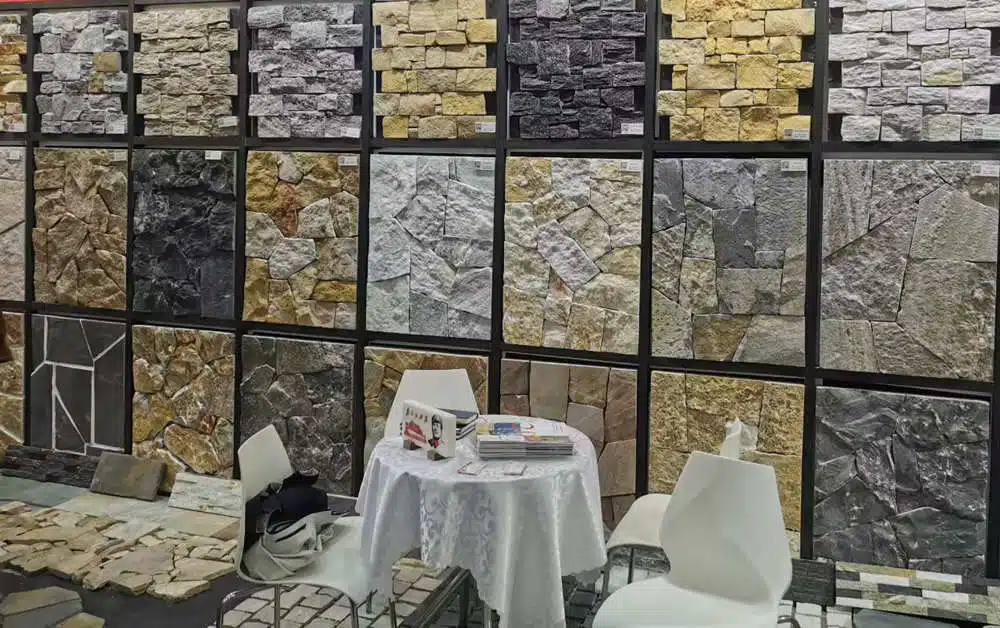
gesneden gestapelde stenen grootboekpanelen zijn het eerste controlepunt dat kopers moeten vergrendelen voordat ze een leverancier, budget of productieslot goedkeuren. Je staat in het magazijn met een bestelling van $ 50.000 aan gestapelde stenen grootboekpanelen. De goedkeuring van het monster verliep zonder problemen, maar nu moet je deze panelen voor een stuk zagen hoek open haard. Eén afgebroken rand kan de hele installatie vertragen, en opnieuw bestellen vanuit het buitenland voegt weken toe die u niet heeft. Dat is de realiteit van snijden op locatie: daar ligt de marge tussen een schone klus en een terugbelactie.
Waarom precisiesnijden belangrijk is bij het verkrijgen van hoogwaardige gestapelde stenen grootboekpanelen
Slechte sneden verspillen 30% van het materiaal.
Elke slechte snede in een gestapeld stenen grootboekpaneel heeft directe kosten. Uit onze werkplaatservaring blijkt dat een aannemer die bij een standaardproject met een haakse slijper slijpt, uiteindelijk ongeveer één op de drie panelen weggooit – dat is 30% materiaalverspilling. Maar de verborgen kosten zijn nog erger: herbewerking. Wanneer een snede een zichtbare opening of een afgebroken oppervlak achterlaat, trek je de steen weg en vervang je deze (nog eens 20 minuten per stuk) of je leeft met een muur die niet aan de normen voldoet. Geen van beide opties werkt voor klanten die voor natuursteen betalen.
Het alternatief wordt door de fabriek ondersteund voorgesneden hoeken. Wij leveren binnen- en buitenhoekstukken voor elke kleur in onze lijn — kwartsiet, marmer, graniet — gesneden op infraroodapparatuur met een diktetolerantie van ± 2 mm. Uit ons interne kwaliteitscontrolelogboek blijkt dat installateurs die deze voorgesneden stukken gebruiken, de kosten verminderen snijden op locatie tijd tot 50%. Geen veldverstekwerk, geen giswerk over overlap, geen verspilling van panelen. De hoekstenen komen al overeen met de frontpanelen, zodat de kleur en textuur doorlopend langs de rand lopen.
Als u nog steeds alle hoeken op locatie aan het zagen bent, voer de berekening dan uit op een gevel van 2000 vierkante meter: dertig hoeken van elk 15 minuten staan gelijk aan 7,5 uur zaagtijd, plus het constante risico van een slechte zaagsnede die een nieuwe bestelling noodzakelijk maakt. Een voorgesneden hoek kost een paar dollar meer per stuk, maar bespaart u die arbeid en elimineert de kans op een mismatch. Dat is het verschil tussen een schone installatie en een telefoontje van de GC over zichtbare hiaten.
Essentiële mechanische zagen en diamantzaagbladen met doorlopende rand voor steenbekleding
Een natte zaag verwerkt 95% van de rechte zaagsneden en vermindert het afval met 30%; het is de ruggengraat van elke grootboeksteeninstallatie.
Voor een schone, efficiënte plaatsing van grootboekstenen zijn drie snijgereedschappen geschikt voor elke situatie ter plaatse. De natte zaag doet het zware werk, de haakse slijper zorgt voor krappe aanpassingen en een handbeitel geeft je het laatste woord over natuurlijke spleten. Het wordt aanbevolen om voor 95% van de zaagsneden te beginnen met de natte zaag. Uit winkelervaring blijkt dat er 30% minder afval wordt bespaard in vergelijking met droge zaagmethoden.
Specificaties steenfabricageapparatuur ter plaatse:
- Diamant-natzagen met doorlopende rand: Messen met een doorlopende rand produceren 40% minder spanen dan gesegmenteerde messen op grootboekpanelen. Een natte zaag van 10 inch met een schuiftafel is ideaal voor panelen tot 8 inch hoog. Zaag altijd vanaf de voorkant om zichtbare afbrokkeling te minimaliseren. Schilderstape over de snijlijn vermindert het afbrokkelen van het gezicht met nog eens 30-40%. Houd de waterstroom stabiel om silicastof te onderdrukken; nat zagen vermindert deeltjes in de lucht met 90% vergeleken met droog slijpen.
- Haakse slijpmachines met turbovelgbladen: Gebruik een haakse slijper van 4,5 inch uitgerust met een turbovelgmes voor het inkerven, het trimmen van krappe hoeken of het vormgeven van onregelmatige randen. Haakse slijpers draaien boven de 10.000 tpm, waardoor het risico op terugslag toeneemt: maak ondiepe passages en laat het gereedschap het werk doen. Nooit droogsnijden zonder ademhalingsbescherming; maak het gebied nat of gebruik een stofdoek.
- Handgespleten beitelgereedschappen: Met een scherpe metselbeitel en een hamer van 2 pond kunt u steen langs natuurlijke bodemvlakken splijten voor een ruwe, authentieke rand. Dit is vooral handig voor de eindstukken van een run of voor het afbreken van kleine lipjes. Kerf de lijn in met de beitel en sla vervolgens stevig - de steen zal netjes scheiden met een natuurlijk gespleten oppervlak.
Stapsgewijze verwerkingsmethoden voor natzagen voor natuurlijke grootboekpanelen
Schilderstape op de snijlijn vermindert het afbrokkelen van het gezicht met 30-40%.
Begin met het meten van het muurgedeelte waar het paneel komt. Houd rekening met de natuurlijke overlap tussen aangrenzende panelen - meestal 1/2 tot 3/4 inch. Markeer de snijlijn op de voorkant met een potlood of krijt. Voor rechte sneden plaatst u de lijn recht tegen de bovenrand van het paneel. Voor onregelmatige eindstukken (bijvoorbeeld rond uitlaten of hoeken), moet u het paneel eerst droog monteren en het profiel rechtstreeks op de steen aftekenen.
Installeer uw natte zaag met een diamantzaagblad met doorlopende rand; gesegmenteerde zaagbladen produceren 40% meer spanen op grootboekpanelen. Vul de waterbak en pas de stroom aan zodat het mes volledig ondergedompeld is op het snijpunt. De bladdiepte mag niet meer dan 1/4 inch onder de steen uitsteken om weerstand en hitte te verminderen. Vergrendel de schuiftafel zodat het paneel soepel door de snede glijdt.
Benchmarks voor het segmenteren van sequentievelden:
- Rechte koersranden: Voer het paneel langzaam door - ongeveer 2 à 3 seconden per inch snede. Oefen lichte neerwaartse druk uit; laat het mes het werk doen. Schilderstape langs de snijlijn houdt de afwerking van het oppervlak intact.
- Onregelmatige eindprofielen: Voor krappe bochten of inkepingen gebruik je de haakse slijper met turbomes. Maak ondiepe passages (1/8 inch diep) op vol toerental. Forceer de molen nooit; laat het mes gelijkmatig slijten.
- L-vormige hoekuitlijningen: Voorgesneden fabriekshoeken van Top Source Slate elimineren L-sneden ter plaatse volledig, waardoor tot 50% van de snijtijd wordt bespaard. Als u ter plaatse fabriceert, zaag dan een L-vormige verstek door twee rechte sneden te maken op de natte zaag. Snij altijd vanaf de gestructureerde voorkant naar beneden tot aan de mesh-achterkant om zuivere gespleten marges te behouden.
Voor het ter plaatse trimmen van hoekstukken kan een 10-inch natte zaag met schuiftafel grootboekpanelen tot 8 inch hoog verwerken. Als u een standaard tegelzaag gebruikt, controleer dan of de motor geschikt is voor continu zagen van steen; de meeste tegelzagen blijven hangen op dik natuursteen.
Naleving van de OSHA-verordening inzake silicastof en veiligheidsmaatregelen op de werkplek
Bij het droogzagen van natuursteen loopt u direct risico op onomkeerbare longschade.
Silicastof afkomstig van het zagen van natuursteen is de snelste route naar silicose. De toegestane blootstellingslimiet van OSHA is 50 µg/m³ gedurende 8 uur. Een enkele droge snede met een haakse slijper kan binnen enkele minuten niveaus van meer dan 1.000 µg/m³ veroorzaken. Nat zagen onderdrukt silica in de lucht met 90% – dat is het verschil tussen een gevaar en een beheersbare klus.
Verplichte PBM-matrix op locatie:
- Oog & Ademhalingsbescherming: Draag zelfs bij nat zagen een P100-masker en een volledig sluitende veiligheidsbril. Grootboekpanelen spuwen met hoge snelheid fijne steenbrij. Standaardstofmaskers vangen 5% van het inadembare silica op – waardeloos. Wij eisen van ons winkelpersoneel dat zij bij elke snee een elastomeren halfgelaatsmasker met P100-filters gebruiken.
- Constante waterstroomvoorziening: Gebruik een natte zaag met speciale waterpomp die minimaal 2 liter per minuut naar het zaagblad levert. Haakse slijpers met wateropzetstukken zijn geschikt voor veldwerk, maar moeten een constante stroom handhaven. Droog slijpen – zelfs voor een enkele breuklijn – genereert voldoende inadembaar stof om een citaat te veroorzaken. Onze faciliteiten maken gebruik van geïntegreerde waterbakken die geschikt zijn voor bladen van 10 inch.
- Paneelverankering tegen terugslag: Haakse slijpmachines werken boven de 10.000 tpm. Een los paneel vangt het lemmet op en slaat met voldoende kracht terug om de polsbeenderen te breken. Gebruik antislip rubberen matten of veerklemmen om het paneel tegen de zaagtafel te vergrendelen. Nooit uit de vrije hand een grootboekpaneel groter dan 20 cm – het koppel van de snijlijn zal de slijpmachine in uw lichaam trekken. Maak ondiepe passen: 1/4 inch per pas, laat het mes het werk doen.
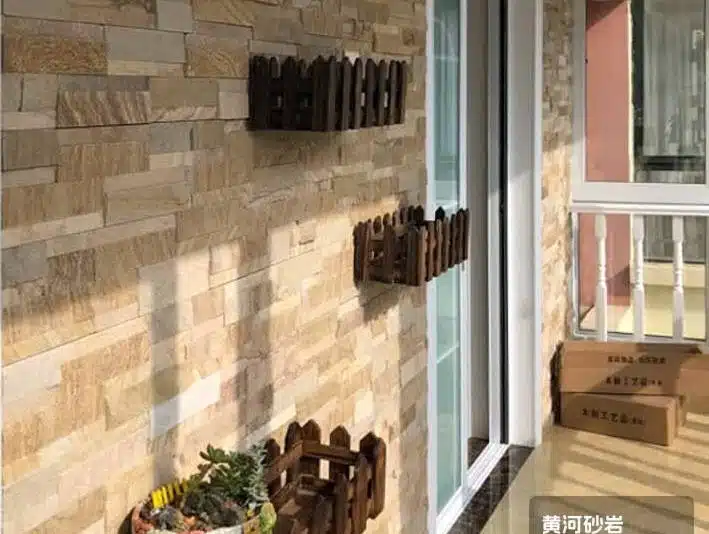
Problemen met veelvoorkomende splitsings- en chippingproblemen op locatie oplossen
Het grootste deel van het versnipperen is te voorkomen; het gaat om de bladsnelheid en de voedingssnelheid, niet om de aard van de steen.
Afgebroken randen zijn de grootste klacht die we horen van aannemers die grootboekpanelen ter plaatse zagen. In onze winkel hebben we tientallen combinaties getest, en de oplossing is bijna altijd hetzelfde: schakel over op een diamantzaagblad met doorlopende rand en verlaag uw voedingssnelheid met ongeveer 30%. Een gesegmenteerd mes laat klappersporen achter; een doorlopende rand knipt de steenreiniger. We voeren ook een strook schilderstape over de snijlijn; onze interne tests tonen aan dat dit de chipping van het gezicht met 30-40% vermindert. Alleen al die tape-truc bespaart een volledig paneel op de drie bij een typische haardinstallatie.
Afwijkingen in de uitlijning van de as:
- Blade wiebelvectoren: Zelfs een slingering van 0,5 mm zal een taps toelopende snede opleveren. Controleer uw asflens op vuil. Een versleten wiel verliest zijn diamantmatrix ongelijkmatig, waardoor een zwervende zaagsnede ontstaat. Vervang wanneer u slijtage aan de ruiten of zijkanten waarneemt.
- Ongelijke fragmentprofielen: Als het paneel halverwege de snede omhoog of omlaag gaat, buigt het mes. Dit gebeurt wanneer de steen niet volledig wordt ondersteund. Gebruik een steunplaat onder de volledige paneellengte - een stukje multiplex van 1/2 inch werkt. Laat de snijkant nooit meer dan 2,5 cm over de zaagbak uitsteken.
Barsten tijdens het zagen zijn bijna altijd het gevolg van slechte ondersteuning, niet van de steen zelf. Een grootboekpaneel is van natuursteen met een gaaslaag – het is broos. Plaats het paneel plat op een stabiele natzaagtafel met schuifslede. Als u een haakse slijper gebruikt, klem het paneel dan op een werkbank en maak ondiepe passages (niet dieper dan 1/4 inch per passage). Droog knippen? Drukpieken en scheuren volgen. Zorg ervoor dat de waterstroom de snijzone raakt om thermische schokken te verminderen. Met een 10-inch zaag en een 6×24-paneel, je zou elke keer schone pauzes moeten krijgen - geen verspilde steen.
Professionele steengroeveverwerking en gereedschapskalibratietips van Top Source Slate
Door het stenen oppervlak vooraf te bevochtigen, wordt het silica in de lucht met 90% verminderd en wordt de levensduur van het blad met ongeveer 30% verlengd.
Voorbevochtigen gaat niet alleen over stofbeheersing; het verandert de manier waarop het mes met de steen omgaat. Een met water doordrenkt oppervlak vermindert de wrijvingswarmte, de belangrijkste oorzaak van verglazing op diamantzaagbladen. Op onze werkvloer besproeien we de voorkant van elk grootboekpaneel 10 seconden vóór het snijden met een mistfles. Alleen al die kleine stap zorgt ervoor dat het mes vrij blijft snijden en vermindert zichtbare brandplekken op kwartsiet. Het verlaagt ook het inadembare silicagehalte dramatisch. Als u binnenshuis of in de buurt van afgewerkte muren werkt, is dit niet onderhandelbaar.
Voor dunne grootboekstukken - die minder dan 3/4 inch dik zijn - kan een scoregereedschap met hardmetalen punt u ervan weerhouden de natte zaag naar buiten te slepen. Kerf de lijn drie of vier keer diep in aan beide zijden en knip dan over een rechte rand. Dit werkt alleen op consistent materiaal zonder interne breuken. Test het eerst op een restje. Maar voor het snel trimmen van eindstukken op de omlijsting van een open haard is het sneller dan het opzetten van een zaag. Verwacht het alleen niet op onregelmatige ledgestone met een zware textuur; de partituur loopt niet recht.
Stresstests vóór productie:
- Voorbeeld van auditregels voor knippen: Voordat u het eerste paneel voor een klus gaat zagen, neemt u een stukje afval en haalt u dit met de geplande snelheid door uw zaag. Controleer op chippen langs de snijrand. Als u meer dan 1 mm chipping ziet, pas dan de voedingssnelheid aan of schakel over op een mes met doorlopende rand. Uit onze interne tests blijkt dat een eenvoudige strook schilderstape over de snijlijn het afbrokkelen van het gezicht met 30-40% vermindert. Wij raden dit aan als standaardstap voor elke zichtbare rand.
Conclusie
Een nauwkeurig snijsysteem – natte zaag, mes met doorlopende rand, schilderstape over de lijn – verandert een paneel van een potentieel verlies in een schone installatie. Als u dit goed doet, elimineert u nabewerking, houdt u silicastof onder de wettelijke drempels en haalt u uw dagelijkse vierkante meterdoelstelling. Het verschil tussen een baan die stroomt en een baan die vastloopt, is vaak slechts 30% minder verspilling.
De volgende keer dat u een leverancier belt, vraag dan naar hun voorgesneden hoekprogramma. Een betrouwbare fabriek moet monstergoedkeuring bieden voor die hoekstukken en een kwaliteitstolerantie van ±2 mm op de paneeldikte aanhouden. Dat is de maatstaf die consistente productie scheidt van veldproblemen.
Veelgestelde vragen
Wat is de beste zaag voor het zagen van gestapelde stenen grootboekpanelen?
Een natte zaag met een diamantzaagblad met doorlopende rand kan 95% van de rechte zaagsneden verwerken en vermindert het afval met 30%. Gebruik voor aanpassingen ter plaatse een haakse slijper met turbomes. Gebruik een natte zaag voor productiesneden; haakse slijper voor aanpassingen ter plaatse.
Hoe snijd je hoeken op gestapelde stenen grootboekpanelen?
Voor L-vormige hoeken zaagt u het paneel met een natte zaag vanaf de gespleten zijde om overlappende ruggen te creëren, en maakt u vervolgens glad met een diamantzaagblad. Markeer de snijlijn en gebruik schilderstape om afbrokkelen tot een minimum te beperken.
Kun je een gewone tegelzaag gebruiken om grootboeksteen te zagen?
Ja, een gewone natte tegelzaag met een diamantzaagblad met doorlopende rand werkt voor de meeste rechte zaagsneden. Maar zorg ervoor dat de zaag voldoende kracht en waterstroom heeft om de dikte van natuursteen aan te kunnen. Vermijd droogsnijden; het veroorzaakt gevaar voor chippen en kwartsstof.
Hoe voorkom je chippen bij het zagen van gestapelde steen?
Breng schilderstape aan over de snijlijn om het afbrokkelen van het gezicht met 30-40% te verminderen. Gebruik een natte zaag met een scherp mes met doorlopende rand en voer de steen langzaam in. Het voorbevochtigen van de steen verzacht ook de snede en vermindert stof.
Is het veilig om gestapelde stenen binnenshuis te zagen?
Alleen als u nat zagen gebruikt om silicastof onder controle te houden en voor voldoende ventilatie zorgt. Bij droog zagen binnenshuis ontstaat gevaarlijk silica in de lucht, waarvoor volledige ademhalingsbescherming en insluiting vereist is. Voor de meeste klussen binnenshuis kunt u een zaag met watertoevoer opzetten of buiten zagen.