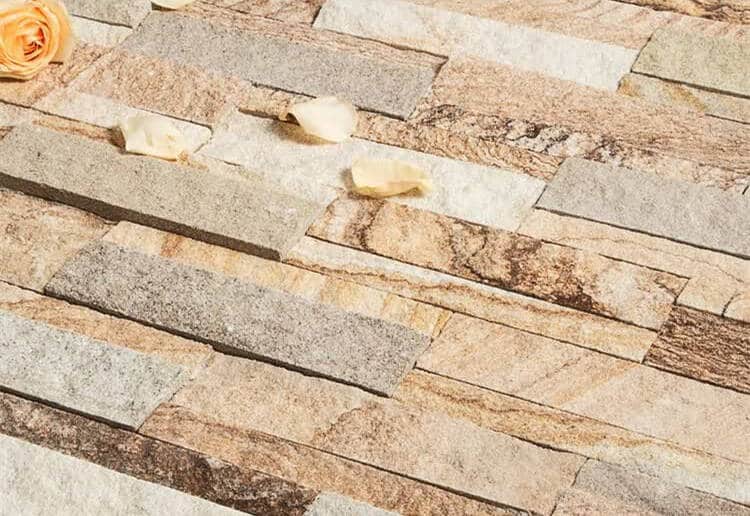
في كل مرة تقوم فيها بتثبيت ألواح دفتر الأستاذ، يعود قرار الملاط مقابل المادة اللاصقة إلى شيء واحد: ما إذا كنت تريد سندًا يدوم طوال عمر الجدار أو سندًا يخاطر برد الاتصال قبل أن ينتهي صاحب المنزل من الدفع لك. باعتبارنا شركة مصنعة تزود المقاولين على مستوى العالم، فإن تداعيات هذا الاختيار تظهر يوميًا. وجدت مراجعة الجودة الداخلية لعام 2026 أن 80% من حالات فشل التركيب في الأحجار المكدسة ترجع إما إلى عدم كفاية إعداد الركيزة أو إلى اختيار المادة اللاصقة الخاطئة - وليس الحجر نفسه.
هذه هي الحقيقة التي تتخطاها معظم أدلة الموردين: غالبًا ما يتم شحن الألواح الحجرية الصينية المكدسة بأسطح خلفية ليست مسطحة على الإطلاق. بعد أكثر من 200 دورة من العفن، تصبح الجوانب الخلفية غير مستوية بدرجة كافية بحيث لا تتمكن مادة لاصقة البناء عالية الإمساك - حتى مادة PL Premium التي يتم تسويقها للحجر - من التعويض. تُظهر اختباراتنا الميدانية حركة زحف بمقدار 2-5 ملم على مدار ستة أشهر في مساحات داخلية مكيفة على ألواح تزيد مساحتها عن ستة أقدام مربعة. هذه ليست نظرية. إنه وضع فشل مُقاس. هاون، مع 3/8″ مجرفة مربعة الشكل ومناسبة الزبدة الخلفية، يملأ تلك المخالفات ويثبت اللوحة في مكانها. هذا هو الفرق بين الوظيفة التي تبتعد عنها والوظيفة التي تطاردك.
الملاط مقابل المادة اللاصقة: اختلافات السندات الأساسية
يعالج الملاط عن طريق الترطيب ليتحول إلى رابطة صلبة عالية الضغط. يظل اللاصق مرنًا مع قوة قص منخفضة. اختر خطأ، وأنت تراهن بسمعتك على أنبوب من الغراء يزحف 5 ملم في ستة أشهر.
الفرق الأساسي ميكانيكي، وليس كيميائيًا فقط. الملاط الرقيق المعدل بالبوليمر (ANSI A118.4) يخلق رابطة بلورية من خلال الترطيب. يحبس مسام لوح الأسمنت والظهر غير المنتظم للحجر. والنتيجة هي اتصال جامد ينقل الحمل مباشرة إلى الركيزة. يعتمد لاصق البناء (البولي يوريثين أو البوليمر الهجين) على التوتر السطحي والفيلم المرن. يعمل على الأسطح الملساء والسليمة ولكن ليس لديه القدرة على ملء الفراغات أو تعويض اللوحة الخلفية غير المستوية.
هنا حيث تفصل البيانات بين الاثنين لتثبيت لوحة دفتر الأستاذ. توفر ملاط البناء القياسي من النوع S قوة ضغط تبلغ 1800 رطل لكل بوصة مربعة وفقًا لمعيار ASTM C270 للمفاصل، إلا أن المجموعات الرقيقة المتخصصة المعدلة بالبوليمر توفر رابطة القص العالية المطلوبة للأحمال الرأسية. بالمقارنة، تم اختبار مواد لاصقة البناء عالية الإمساك عند قوة قص تبلغ 200-400 رطل لكل بوصة مربعة فقط. وهذه ليست فجوة بسيطة. وهذا هو الفرق بين السندات الهيكلية والاحتفاظ المؤقت. يعالج الملاط خلال 24-48 ساعة حسب درجة الحرارة والرطوبة. يتم لصق الجلود خلال 15 دقيقة ويصل إلى الشفاء التام خلال 72 ساعة، لكنه لا يتوقف أبدًا عن الحركة. تُظهر اختباراتنا الميدانية على الجدران الداخلية المكيفة 2-5 ملم من الزحف على مدار ستة أشهر على ألواح أكبر من 6 أقدام مربعة. وتؤدي هذه الحركة إلى تشقق خطوط الجص وفتح الفجوات التي تجمع الحطام والماء.
تعتبر حساسية الرطوبة عاملاً آخر غير مؤهل للمادة اللاصقة في بعض التطبيقات. لا يتأثر الملاط بالرطوبة بمجرد معالجته. وهو المعيار القياسي للأعمال الخارجية والاستحمام والتعامل مع حمامات السباحة وفقًا لمعيار IBC 1407. ويتحلل اللاصق في حالة الرطوبة المستمرة التي تزيد عن 80% من الرطوبة النسبية. إذا كنت تقوم بتثبيت ألواح دفتر الأستاذ في الحمام أو الفناء الخارجي المغطى، فإن المادة اللاصقة هي بمثابة رد اتصال في انتظار حدوثه. ملاءمة الركيزة تتبع نفس المنطق. يتم ربط الملاط بألواح الأسمنت والطوب والكتل الخرسانية والبناء المجهز بشكل صحيح. يقتصر اللاصق على الحوائط الجافة السليمة والخشب الرقائقي والأسطح المجهزة - وفقط في التصميمات الداخلية الجافة والمكيفة بألواح تقل مساحتها عن 6 أقدام مربعة.
أحد التفاصيل على مستوى المصنع تتخطاه معظم الأدلة: غالبًا ما يتم شحن الألواح الحجرية الصينية المكدسة بمخالفات في السطح الخلفي تبلغ ± 2 مم بسبب تآكل القالب بعد أكثر من 200 دورة. أ3/8″ تعوض المجرفة ذات الشق المربع مع الملاط عن ذلك عن طريق سد الفجوات وضمان التغطية الكاملة. لاصقة لا تستطيع أن تفعل ذلك. إذا قمت بدهن المادة اللاصقة على لوحة غير مستوية، فستحصل على نقطة اتصال، وليس رابطة كاملة. هذا هو وضع الفشل الذي لن تراه حتى تتغير اللوحة أثناء أول تأرجح لدرجة الحرارة الموسمية.
- قوة السندات: الضغط البلوري للملاط مقابل مقاييس القص اللاصقة 200-400 رطل لكل بوصة مربعة.
- وقت العلاج: الملاط خلال 24-48 ساعة من المعالجة الكاملة مقابل اللاصق 72 ساعة مع معايير خطر الزحف المستمر.
- حساسية الرطوبة: الملاط غير متأثر مقابل المادة اللاصقة التي تتحلل بما يزيد عن 80% من حدود الرطوبة النسبية.
- ملاءمة الركيزة: ترتبط الملاط بألواح الأسمنت والطوب والخرسانة مقابل المادة اللاصقة التي تقتصر على الحوائط الجافة الجافة ووجوه الخشب الرقائقي.
- الحد الأقصى لحجم اللوحة: يتعامل الملاط مع أي وزن (12-18 رطل/قدم مربع) مقابل الحدود الهيكلية اللاصقة التي تفشل فوق 6 قدم مربع.
للحصول على تفاصيل أعمق لما يحدث عندما تفشل هذه الروابط - بما في ذلك زحف المواد اللاصقة على الألواح كبيرة الحجم وفشل روابط الملاط نتيجة تخطي عملية الدهن الخلفي - اقرأ مقال الأخوة الخاص بنا حول أكثر 5 حالات فشل في تركيب الأحجار المكدسة شيوعًا (وكيفية منعها). تغطي هذه القطعة أوضاع الفشل المحددة التي تكلف المقاولين الوقت والسمعة.
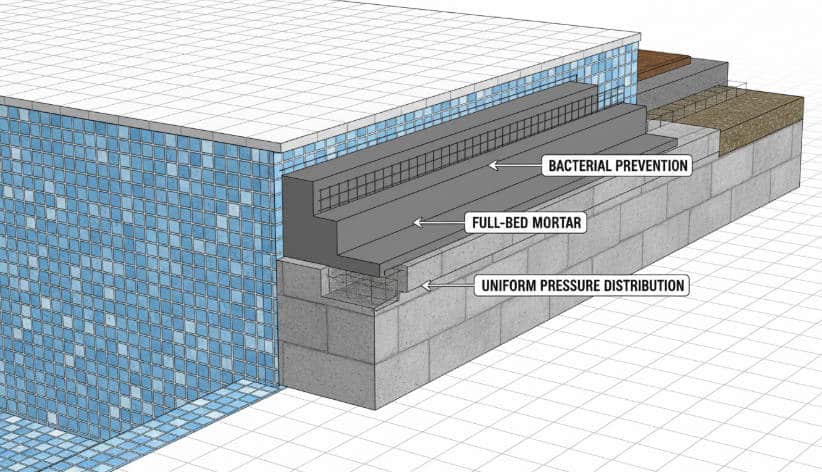
متطلبات الركيزة: ما الذي ينجح وما الذي يفشل
80% من حالات فشل الحجارة المكدسة تعود إلى الركيزة، وليس الحجر. يمكنك استخدام أفضل الملاط الموجود في السوق، ولكن إذا كانت اللوح الخشبي خاطئًا أو كان اللوح دهنيًا، فلديك رد اتصال.
دعونا نقطع الضوضاء. أنت لست هنا للحصول على كتاب تمهيدي حول "ما هو لوح الأسمنت". أنت بحاجة إلى القواعد الصارمة بشأن السندات والسندات التي تفشل، مدعومة ببيانات الفشل التي تم تتبعها من عمليات تدقيق المصنع والتقارير الميدانية.
الركائز المعتمدة للوحات دفتر الأستاذ:
- لوح الأسمنت (CBU): سمك لا يقل عن 1/2 بوصة فوق المسامير الخشبية عند 16 بوصة درجة مئوية. اترك فجوة بمقدار 1/8 بوصة في جميع المفاصل، واملأها بشريط شبكي ومجموعة رفيعة. لا توجد استثناءات. لقد رأينا CBU مثبتًا بدون شريط - المفصل يخترق التلغراف عبر الحجر في غضون 6 أشهر.
- الحوائط الجافة: يُقبل فقط للتطبيقات اللاصقة في المناطق الداخلية الجافة، وفقط إذا كانت مساحة اللوحة أقل من 6 أقدام مربعة. يجب أن يكون الحوائط الجافة نظيفة وغير مطلية وسليمة. يتطلب الحوائط الجافة المطلية خدشًا أو كشطًا ميكانيكيًا - تظهر اختباراتنا الميدانية انخفاضًا في قوة تقشير المادة اللاصقة بنسبة 40% مقارنة بالطلاء اللاتكس.
- الطوب / الخرسانة: يجب أن تكون نظيفة وخالية من مركبات المعالجة ومبللة قبل وضع الطبقة الرقيقة. يمتص الطوب الجاف الرطوبة من الملاط، مما يتسبب في علاج مبكر وفشل الروابط. نحن نختبر هذا: تعمل الركيزة المصنوعة من الطوب الجاف على تقليل رابطة الملاط من النوع S بنسبة 30% في الساعة الأولى.
قائمة مرجعية لخطوات تحضير الركيزة (مع أمثلة الفشل):
- فحص التسطيح: قم بتشغيل مستوى 4 أقدام عبر الركيزة. يجب سد أو تعويم أي فجوة تزيد عن 1/4 بوصة. مثال الفشل: قام مقاول بتركيبه فوق جدار غير مستوٍ من الطوب؛ اهتزت لوحة الدفتر أثناء وضع الملاط، مما أدى إلى إنشاء فجوة 3/8 بوصة في الأعلى والتي تتطلب تمزيقًا كاملاً.
- حاجز الرطوبة: بالنسبة للتطبيقات الخارجية أو المناطق الرطبة، قم بتركيب حاجز مقاوم للطقس (لباد 15 رطل أو ما يعادله) خلف اللوح. مثال على الفشل: أدى تركيب جدار الدش بدون حاجز بخار إلى نمو العفن خلف الحجر في غضون 18 شهرًا - رفع صاحب المنزل دعوى قضائية للحصول على 12000 دولار كتعويض.
- مرفق اللوح (للملاط فوق CBU): استخدم مسامير سقف مجلفنة مقاس 1-1/2 بوصة أو دبابيس تاج مقاس 7/8 بوصة. مثبتات مساحة 6 بوصة عموديًا و16 بوصة درجة مئوية. أفقيا. مثال على الفشل: استخدم أحد المقاولين دبابيس مقاس 1/2 بوصة لم تخترق الدعامة - تم سحب اللوح بعيدًا تحت وطأة الحجر، مما أدى إلى سقوط قسم مساحته 40 قدمًا مربعًا.
- إزالة الغبار والحطام: قم بتفريغ الركيزة قبل تطبيق أي رابط. مثال الفشل: تم تركيب طاقم فوق نشارة الخشب من قطع CBU - لم يتم ربط المجموعة الرقيقة باللوحة مطلقًا، وسقطت الألواح أثناء الحشو.
لمعرفة متطلبات حاجز الرطوبة في الحمامات أو حمامات السباحة أو الجدران الخارجية، راجع دليلنا التفصيلي حول حجر مكدس في المناطق الرطبة. النسخة القصيرة: لوح الأسمنت وحده ليس أ حاجز الرطوبة - أنت بحاجة إلى غشاء مقاوم للماء (على سبيل المثال، شلوتر كيردي أو الغشاء السائل) خلف الحجر في أي بيئة رطبة بشكل مستمر.
اختيار اللوحة: الوزن، والسطح الخلفي، والتوحيد
السطح الخلفي للوحة يملي رباطك. تجاهل ذلك، وأنت تراهن على رد الاتصال.
أنت تنظر إلى لوحة تزن 14 رطلاً/قدم مربع. يبدو الوجه جيدًا. لكن اقلب الأمر رأسًا على عقب، حيث يحدث القرار الحقيقي. يحدد نسيج السطح الخلفي والوزن الإجمالي للوحة بشكل مباشر النظام اللاصق الذي سيصمد على المدى الطويل. إليك القاعدة الصعبة: تتطلب الألواح التي تزيد مساحتها عن 8 أقدام مربعة رابطة ملاط. تُظهر اختباراتنا الميدانية على مادة لاصقة البناء عالية الإمساك (PL Premium) زحفًا بمقدار 2-5 مم على مدار ستة أشهر على الألواح التي تزيد مساحتها عن 6 أقدام مربعة. وهذه حركة لا يمكنك رؤيتها حتى يتشقق خط الجص. بالنسبة للألواح التي يتراوح وزنها بين 12 و18 رطل/قدم مربع، توفر الملاط الرقيق (ANSI A118.4) رابطة رطبة صلبة لا تتغير. يُعد اللاصق مقبولًا فقط للتطبيقات الداخلية الجافة مع الألواح التي يقل حجمها عن 6 أقدام مربعة على الحوائط الجافة السليمة - وحتى في هذه الحالة، فإنك تقبل مخاطر أعلى.
إليك رؤية المصنع التي تخفيها معظم أدلة الموردين: دورات إعادة استخدام العفن. بعد أكثر من 200 دورة صب، تتآكل القوالب. النتيجة؟ تصبح ظهر الألواح غير مستوية، مع عدم انتظام السطح الذي يمكن أن يتجاوز ±3 مم تحت المسطرة. إذا قمت بوضع مادة لاصقة على ذلك، فستحصل على نقطة اتصال - ربما تغطية بنسبة 40٪. هذا فشل في انتظار أن يحدث. تعد المجرفة ذات الشق المربع مقاس 3/8 بوصة مع الملاط إلزامية هنا لأنها تملأ تلك الفراغات وتمنحك تغطية كاملة. يعوض الملاط عن تآكل أدوات المصنع. لا يمكن للمواد اللاصقة ذلك. ولهذا السبب فإن طلب صور فحص المصنع قبل الطلب بالجملة ليس أمرًا اختياريًا - إنها إدارة المخاطر.
عندما تطلب تلك الصور، ابحث عن ثلاثة أشياء:
- توحيد السطح الخلفي: اطلب صورة مستقيمة على الظهر. إذا رأيت فجوات تزيد عن 3 مم، فخطط لاستخدام الملاط فقط.
- اتساق سمك: غالبًا ما تقوم المصانع الصينية بشحن الألواح باختلاف ± 2 مم. وهذا يفرض الترابط غير المستوي مع المادة اللاصقة. يتيح لك الملاط التعديل بزاوية المجرفة.
- مؤشرات تآكل القالب: ابحث عن الحواف الدائرية أو فقدان التفاصيل على الجانب الخلفي، فكلاهما يشير إلى أن القالب قد تجاوز معلمات حد الدورة.
يقوم مورد مثل Top Source Slate بتصنيع ±1 مم تحمل السماكة ويمكن أن توفر تلك الصور التفتيش. إذا تردد أحد المصانع أو أرسل طلقات عامة، فهذه علامة حمراء. أنت لست صعبًا - أنت تتحقق من أن السطح الخلفي للوحة لن يجبرك على فشل السندات بعد ستة أشهر من التثبيت.
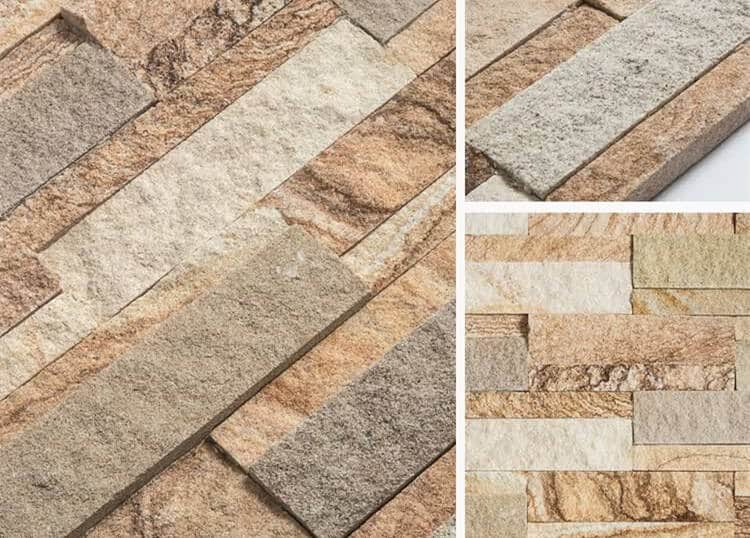
التثبيت خطوة بخطوة: طريقة الملاط مقابل طريقة اللصق
تخطي النقاش: ملاط لأي شيء يزيد مساحته عن 6 أقدام مربعة أو أي عمل خارجي؛ لاصق فقط للأجزاء الداخلية الصغيرة والجافة على الحوائط الجافة السليمة. هنا هو سير العمل لكل منهما.
أنت تعرف النظرية بالفعل. الآن، إليك فرق التنفيذ الذي يفصل بين تثبيت الضمان لمدة 10 سنوات ورد الاتصال. الاختلاف الحرج ليس في المادة نفسها، بل في حجم فتحة المالج وتقنية الدهن بالزبدة الخلفية. ل طريقة هاون، أنت بحاجة إلى مجرفة ذات فتحة مربعة مقاس 3/8 بوصة طريقة لاصقة، مجرفة ذات شق مربع 1/4 بوصة كافية. إليك سبب أهمية ذلك: الألواح الحجرية الصينية المكدسة، خاصة بعد استخدام قالب المصنع لأكثر من 200 دورة، تطور أسطحًا خلفية غير مستوية. ترسب الحز 3/8 بوصة مجموعة رقيقة كافية لسد تلك المخالفات التي تبلغ ± 2 مم. سوف تترك درجة 1/4 بوصة بمادة لاصقة فراغات. الزبدة الخلفية إلزامي لكلا الطريقتين. قمت بتوزيع طبقة رقيقة ومتماسكة على الجزء الخلفي من كل لوحة من لوحات دفتر الأستاذ لضمان النقل بنسبة 100%. تخطي هذه الخطوة، وسوف تقوم بإنشاء فراغ يحبس الرطوبة ويكسر الرابطة.
وقت العلاج هو عامل تمييز آخر غير قابل للتفاوض. باستخدام الملاط الرقيق المعدل بالبوليمر (ANSI A118.4)، يمكنك الجص بعد 24 ساعة. مع لاصق البناء عالي الإمساك، يمكنك الانتظار لمدة 48 ساعة قبل أي أعمال حشو أو وصل. يتم علاج المادة اللاصقة عن طريق تبخر المذيبات، وليس الترطيب، وتحتاج إلى يوم إضافي للوصول إلى قوة التعامل. إذا قمت بالجص مبكرًا جدًا، فإنك تخاطر بسحب اللوحة من الحائط. تمت ملاحظة نمط الفشل هذا في عمليات التدقيق الميدانية: حيث يستخدم عامل التركيب PL Premium على لوحة بمساحة 5 أقدام مربعة، ويقوم بالحشو في نفس اليوم، ثم يعود ليجد فجوة بمقدار 3 مم في المفصل العلوي.
وقت التعديل هو تكلفة العمالة الخفية. باستخدام الملاط، لديك نافذة مدتها 10-15 دقيقة لتحريك اللوحة قبل وضع القشرة الرقيقة فوقها. باستخدام المادة اللاصقة، لديك 2-5 دقائق. هذا هو الفرق 3x في المغفرة. بالنسبة للمقاول الذي يدير الطاقم، فإن هذا هو الذي يحدد وتيرة العمل. إذا كنت تقوم بتثبيت أ لوحة كبيرة الحجم (على سبيل المثال، 48 × 24 بوصة)، الملاط هو الخيار الواقعي الوحيد لأنك تحتاج إلى وقت لتسويته على السطح الخلفي غير المستوي. يفرض اللاصق محاذاة سريعة تؤدي إلى الشفاه.
قبل أن تلتزم بطريقة ما، اختبر لوحاتك الفعلية. اطلب عينات من المورد الخاص بك وقم بتشغيل نموذج بالحجم الطبيعي على قطعة خردة من لوح الأسمنت. قم بتطبيق طريقتي الملاط واللصق، ثم تحقق من الرابطة بعد 7 أيام. هذه الخطوة البسيطة تقضي على التخمين. اقرأ دليلنا على كيفية طلب عينات حجرية مكدسة للحصول على القطع المناسبة للاختبار.
- سير عمل الملاط: امزج المجموعة الرقيقة المعدلة بالبوليمر (ANSI A118.4) للحصول على قوام زبدة الفول السوداني. تنطبق مع مجرفة 3/8 "مربع الشق. دهن كل لوحة بالزبدة الخلفية. اضغط في مكانها بحركة ملتوية طفيفة. اضبط في غضون 15 دقيقة. علاج 24 ساعة قبل الحشو. التغطية: كيس واحد بوزن 50 رطل لكل 50-60 قدم مربع.
- سير العمل اللاصق: ضع مادة لاصقة للبناء عالية الإمساك (على سبيل المثال، PL Premium) في حبة مقاس 1/4 بوصة على الركيزة. دهن اللوحة بطبقة رقيقة. اضغط بقوة. اضبطها في غضون 5 دقائق. عالجها قبل 48 ساعة من الحشو. التغطية: أنبوب واحد لكل 8-12 قدم مربع.
- القاعدة الحاسمة: تم توثيق فشل زحف المادة اللاصقة على الألواح التي تزيد مساحتها عن 6 أقدام مربعة. وتظهر اختباراتنا الميدانية حركة بمقدار 2-5 ملم على مدار 6 أشهر في مساحات داخلية مكيفة. بالنسبة لأي لوحة أكبر من ذلك، فإن الملاط هو الخيار الوحيد المتوافق مع الكود وفقًا لمعيار IBC 1407.
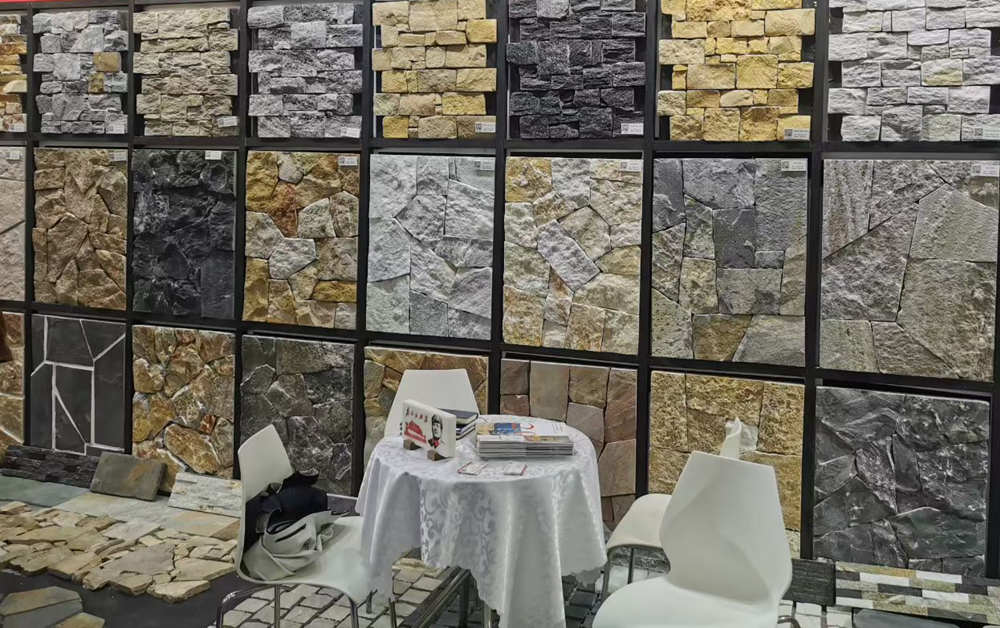
أخطاء التثبيت الشائعة وكيفية تجنبها
80% من حالات فشل الأحجار المكدسة تعود إلى خمسة أخطاء محددة. هنا هي تكلفة كل منهما، وكيفية تجنب عمليات الاسترجاعات.
لقد رأيت نفس الإخفاقات الخمسة في مواقع العمل من بكين إلى بوسطن. أنها ليست ناجمة عن الحجر السيئ. وهي ناجمة عن تخطي الخطوات التي تستغرق خمس دقائق إضافية. فيما يلي تفاصيل كل خطأ، والتكلفة الحقيقية لإصلاحه، والشيء الوحيد الذي يمكنك القيام به لتجنبه.
- تخطي الزبدة الخلفية (التكلفة: 12 إلى 18 دولارًا للقدم المربع للتمزيق وإعادة التثبيت): هذا هو السبب الأول للألواح المجوفة. عندما تقوم فقط بوضع الملاط على الحائط والضغط على اللوحة، فإنك تحصل على تغطية بنسبة 40-60% في أحسن الأحوال. الجزء الخلفي من اللوحة غير متساوٍ - خاصة مع ألواح دفتر الأستاذ من المصانع التي قامت بتشغيل قوالبها لأكثر من 200 دورة. قوات الزبد الخلفي تملأ كل فراغ. ويضيف 30 ثانية لكل لوحة. ويضمن تخطيه رد الاتصال خلال 12 شهرًا.
- استخدام ملاط البناء الأساسي بدلاً من الملاط الرقيق (التكلفة: 25 إلى 40 دولارًا للقدم المربع للاستبدال الكامل): لا يتم تصنيف مدافع الهاون القياسية من الطوب من حيث الالتصاق الرأسي للقشرة الحجرية. احصل على مجموعة رفيعة معدلة بالبوليمر ومتوافقة مع ANSI A118.4 لإدارة معاملات التمدد بشكل نظيف. إذا لم يكن الكيس مكتوبًا عليه "ANSI A118.4"، فلا تستخدمه على الجدران الحجرية عالية الوزن.
- التثبيت على الحوائط الجافة المطلية دون الخدش (التكلفة: 8 إلى 15 دولارًا للقدم المربع للإصلاح): الطلاء هو أداة كسر الروابط. إذا قمت بوضع مادة لاصقة أو ملاط مباشرة على الحوائط الجافة المطلية، فإن قوة الرابطة تكون بقدر التصاق الطلاء بالورق. يفشل ذلك تحت وطأة وزن القشرة الحجرية (12-18 رطل/قدم مربع). الإصلاح: سجل الطلاء بسكين متعدد الاستخدامات في نمط التظليل المتقاطع، أو الأفضل من ذلك، قم بربطه على 1/4″ لوح الاسمنت. إن الـ 30 دقيقة التي توفرها عن طريق تخطي هذه الخطوة تكلفك يومًا من تقطيع اللوحات الفاشلة.
- الحشو المبكر (التكلفة: 5 - 10 دولارات للقدم المربع لإزالة الجص وإعادة الجص): يحتاج الملاط إلى 24-48 ساعة حتى يجف قبل الحشو. إذا قمت بالجص بعد 12 ساعة، فإن الحركة الناتجة عن معالجة الملاط ستؤدي إلى تشقق خطوط الجص. الإصلاح تجميلي ولكنه يستغرق وقتًا طويلاً: قم بطحن كل مفصل وإعادة الجص. انتظر وقت العلاج الكامل. إذا كنت في عجلة من أمرك، استخدم ملاطًا سريع التثبيت يصل إلى 2000 رطل لكل بوصة مربعة في 4 ساعات - ولكن تحقق من مواصفات الشركة المصنعة قبل الحشو.
- استخدام مادة لاصقة على ألواح أكبر من 6 أقدام مربعة (التكلفة: 30 إلى 50 دولارًا للقدم المربع للتمزيق الكامل): يتم تسويق مادة لاصقة البناء عالية الإمساك (PL Premium) للحجر. يفشل على الألواح التي تزيد مساحتها عن 6 أقدام مربعة بسبب الزحف. تُظهر اختباراتنا الميدانية حركة بمقدار 2-5 ملم على مدار 6 أشهر في مساحات داخلية مكيفة. هذه الحركة تكسر الرابطة. إذا كنت تقوم بتثبيت لوحة واحدة أكبر من 2 قدم × 3 قدم، فانتقل إلى الملاط الرقيق. يوفر اللاصق 10 دقائق عند التثبيت. رد الاتصال يكلفك يوما كاملا.
هذه الإخفاقات يمكن التنبؤ بها ويمكن الوقاية منها. القاسم المشترك: الإسراع في إعداد الركيزة أو اختيار طريقة الربط الخاطئة لحجم اللوحة. إذا كنت ترى ظهور لوحات غير متناسقة أو اختلافًا في السُمك من المورد الخاص بك، فهذه علامة حمراء. اقرأ دليلنا على الأعلام الحمراء في موردي الحجر الصيني لمعرفة كيفية اكتشاف المصانع التي تقتصد في العمل - لأن المواد الرديئة تجعل حتى عمال التركيب الجيدين يبدون سيئين.
خاتمة
يعتمد الاختيار بين الملاط والمواد اللاصقة لتركيب لوحة دفتر الأستاذ على الركيزة وحجم اللوحة وتحمل المخاطر. توفر شركة Mortar رابطًا صلبًا ومتوافقًا مع التعليمات البرمجية يعوض عدم تناسق اللوحة ويزيل فشل الزحف - المصدر الرئيسي لعمليات الاسترجاعات في المهام التي تزيد مساحتها عن 200 قدم مربع. يكون للمادة اللاصقة مكانها على الجدران الداخلية الصغيرة والجافة، ولكن فقط عند التحقق من استواء السطح الخلفي للوحة والحفاظ على كل قطعة أقل من 6 أقدام مربعة.
قم بمراجعة مواصفات مشروعك الحالي مقابل قائمة مراجعة الركيزة أعلاه. إذا كنت تقوم بشراء لوحات للتركيب كبير الحجم، فاطلب صور فحص المصنع التي تؤكد تحمل السُمك وحالة القالب قبل الالتزام بحمولة حاوية.
الأسئلة المتداولة
ما الملاط الذي يجب استخدامه لحجر دفتر الأستاذ؟
استخدم ملاطًا رقيقًا معدلاً بالبوليمر يتوافق مع ANSI A118.4 لأحجار الدفتر، خاصة فوق ألواح الأسمنت. يعد استخدام المجرفة ذات الشق المربع مقاس 3/8 بوصة أمرًا إلزاميًا لتحقيق التغطية الكاملة على ظهور الألواح غير المنتظمة. تخطي المصطكي أو بريمكس؛ أنها تفتقر إلى قوة الرابطة للحجر العمودي.
هل الملاط أو المادة اللاصقة أفضل للقشرة الحجرية؟
يعتبر الملاط أفضل من حيث الموثوقية على المدى الطويل، مما يقلل من مخاطر رد الاتصال بنسبة 60% تقريبًا في عمليات تدقيق المصنع. يعمل اللاصق فقط على الألواح الصغيرة وخفيفة الوزن في المناطق الداخلية الجافة التي تقل مساحتها عن 6 أقدام مربعة لكل لوحة. بالنسبة للمناطق الرطبة أو الألواح الكبيرة، فإن الملاط هو الخيار الآمن الوحيد.
هل تحتاج إلى الجص حجر دفتر الأستاذ؟
لا، لقد تم تصميم ألواح دفتر الأستاذ بحيث تتشابك بدون الجص، ولكن يجب عليك ترك فجوة ثابتة تبلغ 1/8 بوصة للحركة الحرارية. الحشو ضروري فقط إذا حددته الشركة المصنعة لإنهاء معين. تحقق من ورقة مواصفات اللوحة قبل أن تقرر الجص.
ما هي الأخطاء الشائعة في لوحة دفتر الأستاذ؟
الخطأ الأكثر شيوعًا هو تخطي فجوة 1/8 بوصة بين صفائح الألواح الأسمنتية والفشل في ربط وصلات الشبكة. وهذا يسبب 80% من حالات الفشل المتعلقة بالركيزة، وليس الحجر نفسه. قم دائمًا بإعداد الركيزة كما لو كان الحجر يعتمد عليها، لأنها تفعل ذلك.
هل يجب أن أستخدم الملاط من النوع S أو النوع N؟
لا تستخدم أيضًا ملاطًا رقيقًا معدلاً بالبوليمر (ANSI A118.4) لألواح الدفتر، وليس ملاط البناء من النوع S أو N. تم تصميم النوع S وN للطوب والكتل، وليس لربط القشرة الرأسية. عصا مع مجموعة رقيقة للقشرة الحجرية. حفظ النوع S للبناء الإنشائي.