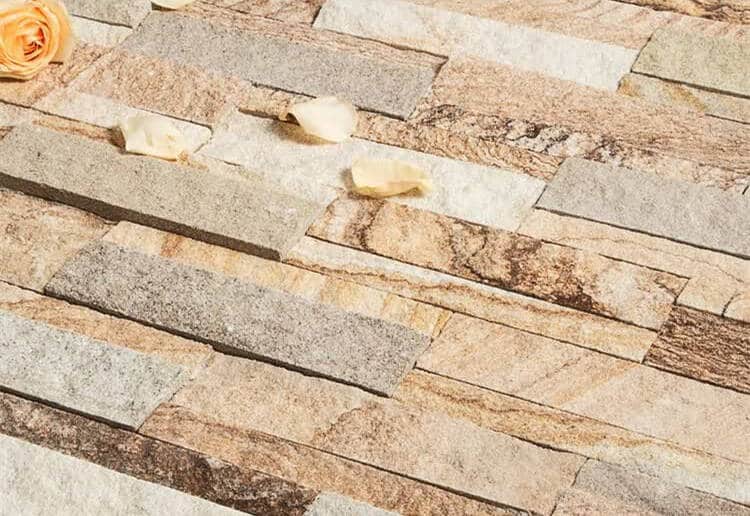
Elke keer dat u grootboekpanelen installeert, komt de beslissing over mortel versus lijm op één ding neer: of u een verbinding wilt die de levensduur van de muur meegaat of een verbinding die het risico loopt teruggebeld te worden voordat de huiseigenaar klaar is met betalen. Als fabrikant die wereldwijd aan aannemers levert, worden de gevolgen van die keuze dagelijks gezien. Uit een interne kwaliteitsaudit voor 2026 is gebleken dat 80% van de installatiefouten bij gestapelde steen te wijten is aan een ontoereikende voorbereiding van de ondergrond of de verkeerde lijmkeuze – en niet aan de steen zelf.
Dit is de realiteit die de meeste leveranciersgidsen overslaan: Chinese gestapelde stenen panelen worden vaak geleverd met een achterkant die allesbehalve vlak is. Na meer dan 200 malcycli worden de achterkanten zo ongelijk dat een constructielijm met een hoge grip – zelfs het PL Premium-materiaal dat voor steen op de markt wordt gebracht – niet kan compenseren. Uit onze veldtesten blijkt dat er gedurende zes maanden een kruipbeweging van 2 tot 5 mm is in geconditioneerde interieurs op panelen van meer dan 2,5 vierkante meter. Dat is geen theorie; het is een gemeten faalmodus. Mortel, met een 3/8″ vierkante troffel en passend terug-boteren, vult deze onregelmatigheden op en vergrendelt het paneel op zijn plaats. Dat is het verschil tussen een baan waar je voor wegloopt en een baan die je achtervolgt.
Mortel versus lijm: verschillen in kernbindingen
Mortel hardt uit door hydratatie tot een stijve verbinding met hoge druk. De lijm blijft flexibel en heeft een lage schuifsterkte. Als u de verkeerde keuze maakt, zet u uw reputatie in op een tube lijm die in zes maanden 5 mm kruipt.
Het kernverschil is mechanisch, niet alleen chemisch. Met polymeer gemodificeerde dunbedmortel (ANSI A118.4) creëert door hydratatie een kristallijne verbinding. Het sluit zich aan in de poriën van de cementplaat en de onregelmatige achterkant van de steen. Het resultaat is een stijve verbinding die de belasting rechtstreeks op de ondergrond overbrengt. Constructielijm (polyurethaan of hybride polymeer) is afhankelijk van oppervlaktespanning en een flexibele film. Het werkt op gladde, stevige oppervlakken, maar heeft niet de mogelijkheid om holtes op te vullen of een ongelijkmatige achterkant van het paneel te compenseren.
Hier scheiden de gegevens de twee voor de installatie van het grootboekpaneel. Standaard Type S metselmortel levert een druksterkte van 1.800 psi volgens ASTM C270 voor verbindingen, maar gespecialiseerde, met polymeer gemodificeerde dunne sets zorgen voor de hoge afschuifsterkte die nodig is voor verticale belastingen. Ter vergelijking: constructiekleefstoffen met hoge grip worden getest bij een schuifsterkte van slechts 200–400 psi. Dat is geen klein hiaat. Dat is het verschil tussen een structurele obligatie en een tijdelijke bewaring. Mortel hardt uit binnen 24-48 uur, afhankelijk van temperatuur en vochtigheid. De lijm is binnen 15 minuten bedekt en is binnen 72 uur volledig uitgehard, maar blijft bewegen. Uit onze veldtesten op geconditioneerde binnenmuren blijkt dat er gedurende zes maanden een kruip van 2 tot 5 mm optreedt bij panelen groter dan 2 m². Door deze beweging scheuren de voegen en ontstaan gaten waarin vuil en water worden verzameld.
Vochtgevoeligheid is een andere diskwalificatie voor lijm in bepaalde toepassingen. Mortel wordt na uitharding niet meer aangetast door vocht. Het is de standaard voor buitenwerkzaamheden, douches en zwembadafdekkingen volgens IBC 1407. De lijm wordt afgebroken bij een aanhoudende luchtvochtigheid boven 80% RH. Als u grootboekpanelen in een badkamer of een overdekt buitenterras installeert, is lijm een kwestie van terugbellen. De geschiktheid van het substraat volgt dezelfde logica. Mortel hecht aan cementplaten, baksteen, betonblokken en goed voorbereid metselwerk. De lijm is beperkt tot gezonde gipsplaten, multiplex en gegronde oppervlakken – en alleen in droge, geconditioneerde interieurs met panelen van minder dan 1,8 m².
Eén detail op fabrieksniveau dat de meeste gidsen overslaan: Chinese gestapelde stenen panelen worden vaak geleverd met onregelmatigheden aan de achterkant van ± 2 mm als gevolg van schimmelslijtage na meer dan 200 cycli. Een 3/8″ Een vierkante lijmkam met mortel compenseert dit door de gaten op te vullen en een volledige dekking te garanderen. Lijm kan dat niet. Als u lijm op een oneffen paneel aanbrengt, krijgt u puntcontact en geen volledige hechting. Dat is een storingsmodus die je pas zult zien als het paneel verschuift tijdens de eerste seizoenstemperatuurschommeling.
- Hechtsterkte: Kristallijne compressie van mortel versus lijm 200–400 psi afschuifmetrieken.
- Uithardingstijd: Mortel 24–48 uur volledige uitharding versus lijm 72 uur met aanhoudende kruiprisicoparameters.
- Vochtgevoeligheid: Mortel wordt niet aangetast versus lijm degradeert boven de RH-limieten van 80%.
- Geschiktheid van het substraat: Mortel hecht aan cementplaat, baksteen, beton versus lijm beperkt tot droge gipsplaat- en multiplexvlakken.
- Limiet paneelgrootte: Mortel kan elk gewicht aan (12-18 lb/sq ft) versus structurele lijmlimieten die boven de 6 sq ft falen.
Voor een diepere analyse van wat er gebeurt als deze verbindingen falen – inclusief het kruipen van lijm op grootformaat panelen en het falen van de mortelverbinding door het overslaan van back-butting – lees ons zusterartikel op De 5 meest voorkomende fouten bij het plaatsen van gestapelde stenen (en hoe u deze kunt voorkomen). Dat stuk behandelt de specifieke faalwijzen die aannemers tijd en reputatie kosten.
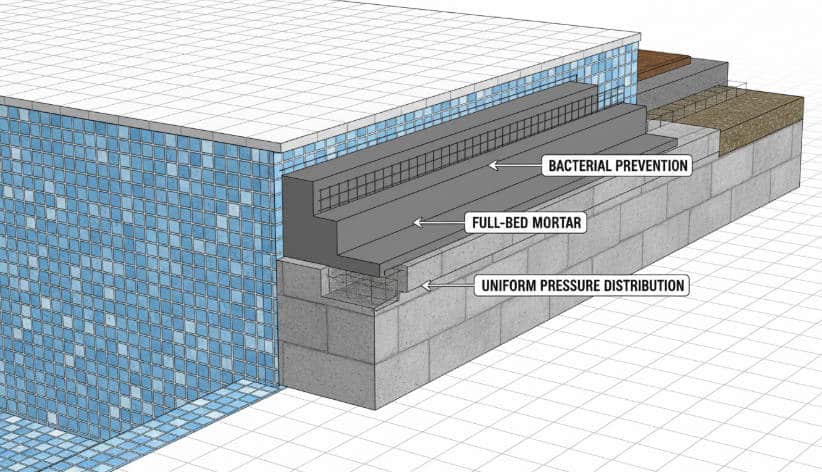
Substraatvereisten: wat werkt en wat faalt
80% van de gestapelde steenbreuken zijn terug te voeren op de ondergrond, niet op de steen. U kunt de beste mortel op de markt gebruiken, maar als de lat verkeerd is of de plank vettig is, heeft u een terugroepactie.
Laten we het lawaai onderbreken. Je bent hier niet voor een inleiding over “wat is cementplaat.” Je hebt harde regels nodig over wat wel en niet faalt, ondersteund door de foutgegevens die zijn bijgehouden tijdens fabrieksaudits en veldretouren.
Goedgekeurde substraten voor grootboekpanelen:
- Cementplaat (CBU): Minimale dikte van 1/2” over houten noppen bij 16” o.c. Laat een opening van 1/8" bij alle verbindingen, vul deze met gaastape en verdun deze. Geen uitzonderingen. We hebben gezien dat CBU gelijk werd geïnstalleerd zonder tape - de verbinding scheurt binnen 6 maanden door de steen.
- Gipsplaten: ALLEEN aanvaardbaar voor lijmtoepassingen in droge binnenruimtes, en alleen als het paneel minder dan 1,8 m² groot is. De gipsplaat moet schoon, ongeverfd en stevig zijn. Geverfde gipsplaat vereist verticuteren of mechanisch schuren. Uit onze veldtesten blijkt dat de afpelkracht van de lijm met 40% afneemt ten opzichte van latexverf.
- Baksteen / Beton: Moet schoon zijn, vrij van uithardingsverbindingen en bevochtigd zijn voordat de dunne laag wordt aangebracht. Droge baksteen zuigt vocht uit de mortel, waardoor voortijdige uitharding en hechtingsproblemen ontstaan. Wij testen dit: een droge baksteensubstraat vermindert de Type S mortelhechting met 30% in het eerste uur.
Controlelijst van stappen voor substraatvoorbereiding (met voorbeelden van fouten):
- Vlakheidscontrole: Voer een waterpas van 1,20 meter over het substraat uit. Elke opening groter dan 1/4" moet worden opgevuld of laten zweven. Voorbeeld van een mislukking: een aannemer installeerde over een oneffen bakstenen muur; het grootboekpaneel schommelde tijdens het uitharden van de mortel, waardoor een opening van 3/8" aan de bovenkant ontstond die volledig moest worden uitgetrokken.
- Vochtbarrière: Voor buitentoepassingen of natte ruimtes installeert u een weerbestendige barrière (15 lb vilt of gelijkwaardig) achter de lat. Voorbeeld van een mislukking: een douchewandinstallatie zonder dampscherm leidde binnen 18 maanden tot schimmelgroei achter de steen – de huiseigenaar klaagde voor $ 12.000 aan sanering.
- Lattenbevestiging (voor mortel over CBU): Gebruik 1-1/2” gegalvaniseerde dakspijkers of 7/8” kroonnieten. Ruimtebevestigingen 6” o.c. verticaal en 16” o.c. horizontaal. Voorbeeld van een mislukking: een aannemer gebruikte nietjes van 1,25 cm (1/2 inch) die niet in de stijl drongen; de lat trok weg onder het gewicht van de steen, waardoor een stuk van 40 vierkante meter naar beneden viel.
- Verwijdering van stof en vuil: Stofzuig de ondergrond voordat u lijm aanbrengt. Voorbeeld van een mislukking: een ploeg die over het zaagsel van het snijden van CBU werd geïnstalleerd - de dunne laag hechtte zich nooit aan de plaat en de panelen vielen eraf tijdens het voegen.
Voor vochtbarrièrevereisten in douches, zwembaden of buitenmuren kunt u onze gedetailleerde handleiding raadplegen gestapelde stenen in natte ruimtes. De korte versie: cementplaat alleen is geen a vochtbarrière — u hebt een waterdicht membraan nodig (bijvoorbeeld Schluter Kerdi of een met vloeistof aangebracht membraan) achter de steen in elke voortdurend natte omgeving.
Paneelselectie: gewicht, achteroppervlak en uniformiteit
De achterkant van een paneel bepaalt uw verbinding. Negeer het en u gokt op een terugbelverzoek.
Je kijkt naar een paneel dat 14 lb/sq ft weegt. Het gezicht ziet er goed uit. Maar draai het om: dat is waar de echte beslissing plaatsvindt. De textuur van het achteroppervlak en het totale paneelgewicht bepalen direct welk lijmsysteem op de lange termijn zal blijven zitten. Hier is de harde regel: panelen van meer dan 8 vierkante meter vereisen een mortelverbinding. Uit onze veldtesten met constructielijm met hoge grip (PL Premium) blijkt dat er gedurende zes maanden een kruip van 2-5 mm is op panelen groter dan 2 m². Dat is een beweging die u pas kunt zien als de voeglijn barst. Voor panelen in het bereik van 12–18 lb/sq ft zorgt dunbedmortel (ANSI A118.4) voor een stijve, gehydrateerde hechting die niet verschuift. Lijm is alleen acceptabel voor droge binnentoepassingen met panelen van minder dan 6 vierkante meter op een stevige gipsplaat – en zelfs dan accepteer je een groter risico.
Dit is het fabrieksinzicht dat de meeste leveranciersgidsen verbergen: hergebruikscycli van mallen. Na meer dan 200 gietcycli verslijten de mallen. Het resultaat? Achterkanten van panelen worden ongelijkmatig, met onregelmatigheden in het oppervlak die groter kunnen zijn dan ±3 mm onder een liniaal. Als je daar lijm op smeert, krijg je puntcontact – misschien 40% dekking. Dat is een mislukking die nog moet gebeuren. Een troffel met vierkante uitsparing van 3/8" met mortel is hier verplicht omdat deze deze holtes opvult en volledige dekking biedt. De mortel compenseert de gereedschapsslijtage van de fabriek. Lijm kan dat niet. Daarom is het opvragen van fabrieksinspectiefoto's vóór een bulkbestelling niet optioneel: het is risicobeheer.
Wanneer u deze foto's opvraagt, let dan op drie dingen:
- Uniformiteit van het achteroppervlak: Vraag om een foto van de liniaal op de rug. Als u openingen van meer dan 3 mm ziet, plan dan alleen mortel.
- Dikteconsistentie: Chinese fabrieken verzenden vaak panelen met een variatie van ±2 mm. Dat dwingt tot een ongelijkmatige hechting met lijm. Met mortel kunt u de hoek van de troffel aanpassen.
- Indicatoren voor schimmelslijtage: Let op afgeronde randen of verlies van details aan de achterkant; beide geven aan dat de mal de cycluslimietparameters heeft overschreden.
Een leverancier als Top Source Slate produceert tot ±1 mm dikte tolerantie en kan die inspectiefoto's verstrekken. Als een fabriek aarzelt of generieke schoten stuurt, is dat een rode vlag. U doet niet moeilijk: u verifieert dat de achterkant van het paneel u zes maanden na de installatie niet tot een mislukte verbinding zal dwingen.
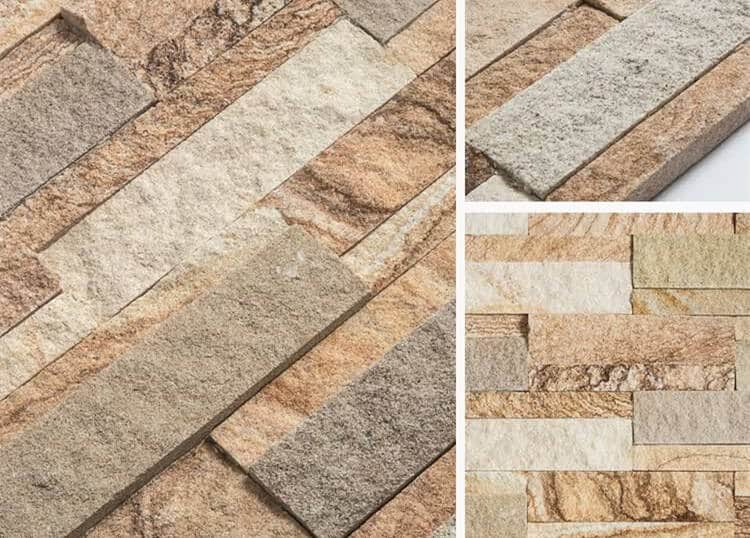
Stapsgewijze installatie: mortelmethode versus lijmmethode
Sla het debat over: mortel voor alles van meer dan 6 vierkante meter of een buitenklus; alleen lijm voor kleine, droge binnenaccenten op gezonde gipsplaat. Hier is de workflow voor elk.
Je kent de theorie al. Hier is het verschil in uitvoering dat een installatie met een garantie van 10 jaar scheidt van een terugbelactie. Het kritische verschil is niet het materiaal zelf, maar de grootte van de troffelkerf en de back-botertechniek. Voor de mortel methodeheeft u een troffel met vierkante uitsparing van 3/8" nodig lijm methodeis een troffel met een vierkante uitsparing van 1/4" voldoende. Hier is waarom dat ertoe doet: Chinese gestapelde stenen panelen ontwikkelen, vooral nadat een fabrieksmal meer dan 200 cycli is gebruikt, oneffen achteroppervlakken. Een inkeping van 3/8" zet voldoende dunne laag neer om die onregelmatigheden van ± 2 mm te overbruggen. Een inkeping van 1/4 inch met lijm zal gaten achterlaten. Back-boteren is verplicht voor beide methoden. U verspreidt een dunne, consistente skimcoat op de achterkant van elk grootboekpaneel om 100% overdracht te garanderen. Sla deze stap over en je creëert een leegte die vocht vasthoudt en de hechting verbreekt.
Uithardingstijd is een andere niet-onderhandelbare differentiator. Met polymeergemodificeerde dunbedmortel (ANSI A118.4) grunt u na 24 uur. Met sterk hechtende constructielijm wacht u 48 uur voordat u gaat voegen of voegen. De lijm hardt uit door verdamping van het oplosmiddel, niet door hydratatie, en heeft een extra dag nodig om de verwerkingssterkte te bereiken. Als u te vroeg grunt, loopt u het risico dat het paneel van de muur wordt getrokken. Dit foutpatroon is waargenomen bij veldaudits: een installateur die PL Premium gebruikte op een paneel van 5 vierkante meter, dezelfde dag groutte en terugkeerde om een opening van 3 mm bij de bovenste verbinding te vinden.
Aanpassingstijd zijn de verborgen arbeidskosten. Met mortel heb je 10-15 minuten de tijd om het paneel te verschuiven voordat de dun uithardende huiden er overheen gaan. Met lijm heb je 2–5 minuten. Dat is een 3x verschil in vergeving. Voor een aannemer die een ploeg aanstuurt, bepaalt dit het tempo van de werkzaamheden. Als u een groot formaat paneel (bijv. 48”x24”), is mortel de enige realistische optie, omdat je tijd nodig hebt om het over het oneffen achteroppervlak waterpas te zetten. De lijm forceert een gehaaste uitlijning die leidt tot lippage.
Voordat u zich aan een methode vastlegt, moet u uw daadwerkelijke panelen testen. Vraag monsters aan bij uw leverancier en maak een proefmodel op een stuk cementplaat. Pas zowel de mortel- als de lijmmethode toe en controleer de hechting na 7 dagen. Deze eenvoudige stap elimineert het giswerk. Lees onze gids op Hoe u gestapelde steenmonsters kunt aanvragen om de juiste stukken te krijgen om te testen.
- Mortelworkflow: Meng met polymeer gemodificeerde thinset (ANSI A118.4) tot een pindakaasconsistentie. Aanbrengen met een vierkante lijmkam van 3/8". Bestrijk elk paneel aan de achterkant. Druk het op zijn plaats met een licht draaiende beweging. Binnen 15 minuten aanpassen. Uitharden 24 uur vóór het voegen. Verbruik: één zak van 50 lb per 50–60 vierkante meter.
- Lijmworkflow: Breng constructielijm met hoge grip (bijv. PL Premium) aan in een rups van 1/4" op de ondergrond. Bestrijk het paneel aan de achterkant met een dunne laag. Druk stevig aan. Binnen 5 minuten aanpassen. Uitharden 48 uur vóór het voegen. Verbruik: één buis per 8–12 vierkante meter.
- Cruciale regel: Het falen van de lijmkruip is gedocumenteerd op panelen van meer dan 2 m2. Onze veldtesten tonen een beweging van 2-5 mm aan gedurende 6 maanden in geconditioneerde binnenruimtes. Voor elk paneel dat groter is, is mortel de enige optie die voldoet aan de norm volgens IBC 1407.
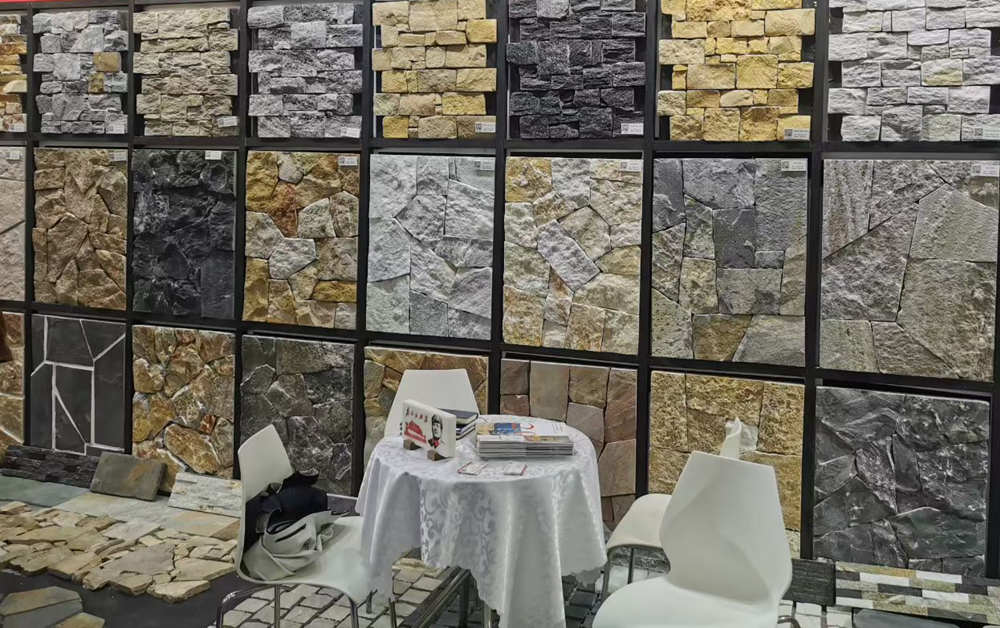
Veel voorkomende installatiefouten en hoe u deze kunt vermijden
80% van de gestapelde steenfouten zijn terug te voeren op vijf specifieke fouten. Hier vindt u de kosten van elk en hoe u terugbellen kunt vermijden.
Ik heb dezelfde vijf mislukkingen gezien op bouwplaatsen van Beijing tot Boston. They aren’t caused by bad stone. Ze worden veroorzaakt door het overslaan van stappen die vijf extra minuten duren. Hier vindt u een overzicht van elke fout, de werkelijke kosten om deze te herstellen en het enige dat u kunt doen om deze te voorkomen.
- Back-boteren overslaan (kosten: $ 12 - $ 18/sq ft voor uitscheuren en opnieuw installeren): Dit is de belangrijkste oorzaak van hol klinkende panelen. Wanneer je alleen mortel op de muur aanbrengt en het paneel erop drukt, krijg je op zijn best een dekking van 40-60%. De achterkant van het paneel is ongelijk, vooral bij grootboekpanelen van fabrieken die hun mallen meer dan 200 cycli hebben laten draaien. Back-boter dwingt mortel in elke leegte. Het voegt 30 seconden per paneel toe. Als u dit overslaat, wordt u binnen 12 maanden teruggebeld.
- Gebruik van basismetselmortel in plaats van dunbedmortel (kosten: $ 25 - $ 40/sq ft voor volledige vervanging): Standaard baksteenmortels zijn niet geschikt voor verticale hechting van steenfineer. Pak met polymeer gemodificeerde thinset die voldoet aan ANSI A118.4 om de uitzettingscoëfficiënten netjes te beheren. Als er niet “ANSI A118.4” op de tas staat, gebruik hem dan niet op zware stenen muren.
- Installeren over geverfde gipsplaat zonder te verticuteren (kosten: $ 8 - $ 15/m2 voor reparatie): Verf is een hechtingsbreker. Als u lijm of mortel rechtstreeks op geverfde gipsplaat aanbrengt, is de hechting slechts zo sterk als de hechting van de verf aan het papier. Dat faalt onder het gewicht van steenfineer (12–18 lb / vierkante voet). De oplossing: kerf de verf in met een mes in een kruisarceringspatroon, of beter, schroef 1/4 vast″ cement plaat. De 30 minuten die u bespaart door deze stap over te slaan, kosten u een dag lang voor het afbreken van defecte panelen.
- Voortijdig voegen (kosten: $ 5-$ 10/sq ft voor het verwijderen en opnieuw voegen van de voeg): Mortel heeft 24-48 uur nodig om uit te harden voordat het wordt gevoegd. Als u na 12 uur grout, zal de beweging van de uithardende mortel de voegen scheuren. De oplossing is cosmetisch maar tijdrovend: elke voeg uitslijpen en opnieuw voegen. Wacht de volledige uithardingstijd. Als u haast heeft, gebruik dan een snelhardende mortel die binnen 4 uur 2.000 psi bereikt, maar controleer de specificaties van de fabrikant voordat u gaat voegen.
- Gebruik van lijm op panelen groter dan 2 m² (kosten: $30–$50/m² voor volledig uitscheuren): Voor steen wordt een constructielijm met een hoge grip (PL Premium) op de markt gebracht. It fails on panels over 6 sq ft due to creep. Onze veldtesten tonen een beweging van 2-5 mm aan gedurende 6 maanden in geconditioneerde interieurs. That movement breaks the bond. Als u een enkel paneel installeert dat groter is dan 2 ft x 3 ft, schakel dan over op dunmortel. The adhesive saves 10 minutes on install. The callback costs you a full day.
These failures are predictable and preventable. De rode draad: een haastige voorbereiding van de ondergrond of het kiezen van de verkeerde lijmmethode voor het paneelformaat. Als u inconsistente paneelruggen of diktevariaties bij uw leverancier ziet, is dat een waarschuwingssignaal. Lees onze gids op Rode vlaggen bij Chinese steenleveranciers om te leren hoe je fabrieken kunt herkennen die bezuinigen – omdat slecht materiaal ervoor zorgt dat zelfs goede installateurs er slecht uitzien.
Conclusie
De keuze tussen mortel en lijm voor de installatie van grootboekpanelen komt neer op substraat, paneelgrootte en risicotolerantie. Mortel levert een stevige verbinding die voldoet aan de normen en die inconsistenties van panelen compenseert en kruipfouten elimineert - de belangrijkste bron van terugroepacties bij klussen van meer dan 20 m². Lijm heeft zijn plaats op kleine, droge binnenmuren, maar alleen als u de vlakheid van het achteroppervlak van het paneel controleert en elk stuk onder de 6 m² houdt.
Controleer uw huidige projectspecificaties aan de hand van de substraatchecklist hierboven. Als u panelen aanschaft voor een grootformaatinstallatie, vraag dan om fabrieksinspectiefoto's die de diktetolerantie en de schimmelconditie bevestigen voordat u een containerlading uitvoert.
Veelgestelde vragen
What mortar to use for ledger stone?
Gebruik een met polymeer gemodificeerde dunbedmortel die voldoet aan ANSI A118.4 voor grootboeksteen, vooral op cementplaten. Een troffel met vierkante uitsparing van 3/8 inch is verplicht om volledige dekking op onregelmatige paneelruggen te bereiken. Sla mastiek of premix over; they lack the bond strength for vertical stone.
Is mortar or adhesive better for stone veneer?
Mortel is beter voor de betrouwbaarheid op de lange termijn, waardoor het terugbelrisico bij fabrieksaudits met ongeveer 60% wordt verminderd. Lijm werkt alleen voor kleine, lichtgewicht panelen in droge binnenruimtes van minder dan 6 vierkante meter per paneel. Voor natte ruimtes of grote panelen is mortel de enige veilige keuze.
Do you need to grout a ledger stone?
Nee, grootboekpanelen zijn ontworpen om zonder voeg in elkaar te grijpen, maar u moet een consistente opening van 1/8 inch overlaten voor thermische beweging. Voegen is alleen nodig als de fabrikant dit voor een bepaalde afwerking specificeert. Controleer het paneelspecificatieblad voordat u besluit te voegen.
What are common ledger board mistakes?
De meest voorkomende fout is het overslaan van de opening van 1/8 inch tussen cementplaatplaten en het niet afplakken van gaasverbindingen. Dit veroorzaakt 80% van de substraatgerelateerde storingen, niet de steen zelf. Bereid de ondergrond altijd voor alsof de steen ervan afhankelijk is, want dat is het ook.
Moet ik mortel type S of type N gebruiken?
Geen van beide: gebruik een met polymeer gemodificeerde dunbedmortel (ANSI A118.4) voor grootboekpanelen, geen metselmortel van het type S of N. Type S en N zijn ontworpen voor baksteen en blok, niet voor het verlijmen van verticaal fineer. Plak met dunne set voor steenfineer; behalve type S voor structureel metselwerk.