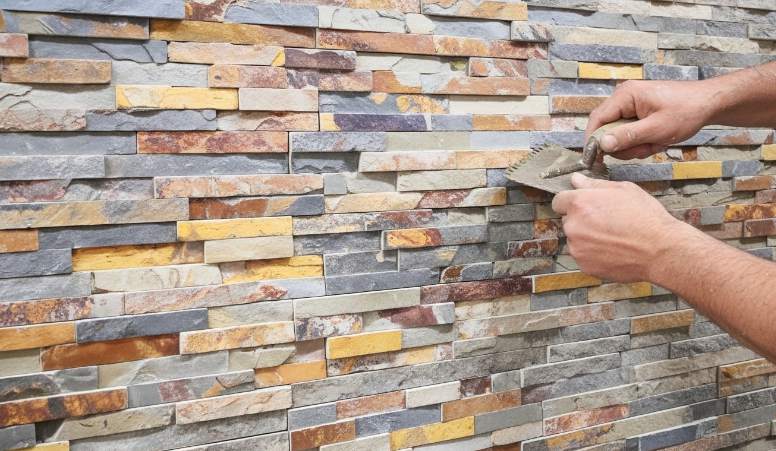
Stacked Stone Color Variation China ist der erste Kontrollpunkt, den Käufer abschließen sollten, bevor sie einen Lieferanten, ein Budget oder einen Produktionsslot genehmigen. Sie beschäftigen sich schon lange genug mit der Suche nach gestapelten Steinen, um zu wissen, dass der Ausdruck „direkt ab Werk“ in einem Alibaba-Profil genau das wert ist, was Sie für den Lead bezahlt haben. Die wirklichen Warnsignale chinesischer Steinlieferanten sind nicht diejenigen, die in generischen Handelsblogs aufgeführt sind – es sind die operativen Hinweise, die Ihnen Marge kosten, bevor ein einzelnes Panel Ihr Lager erreicht. Schiefer bildet sich in Schichten mit einem alle paar Zentimeter wechselnden Mineralgehalt. Eine Fabrik, die jeweils eine Steinbruchwand schneidet, liefert eine Charge aus, die einen ΔE von 6,0 messen kann – sichtbar für jedes ungeübte Auge.
Die Lösung ist unkompliziert, verursacht jedoch zusätzliche Kosten. Mischen von Rohplatten von mindestens drei Bruchflächen senkt den ΔE auf ≤2,0, und dieser Bereich ist es, der Ihren Installateur glücklich macht. Es erhöht die Produktion um 8 bis 12 Prozent, senkt jedoch die Rücklaufquote um 30 Prozent. Die Mathematik funktioniert. Was nicht funktioniert, ist, sich auf einen Lieferanten zu verlassen, der den Zuschnitt an eine Drittwerkstatt auslagert – diese Betriebe mischen Restbestände aus zufälligen Chargen, und das ist die häufigste Ursache für plötzliche Farbsprünge. Sie wünschen sich einen Hersteller, der über einen dokumentierten Rohsteinbestand von fünf Tonnen oder mehr verfügt und eine auftragsbezogene Mischungslinie betreibt.
Ich rede von erfahrenen Käufern, die dies als Spiel zur Margenabsicherung bezeichnen. Ein einzelner abgelehnter 150-Quadratmeter-Container kostet drei- bis fünftausend Dollar an Rückfracht und Umsatzeinbußen. Handelsunternehmen sehen Schadensquoten von 5 bis 8 Prozent für Farbe und Bruch. Fabriken mit kontrollierten Mischungs- und Vorproduktionsprotokollen begrenzen diesen Wert auf 0,3 Prozent. Der Unterschied besteht in einer Vertragsklausel, die spezifiziert ΔE-Toleranz, ein D65-Lichtmodell und ein Steinbruch-Zertifikat. Dadurch wird aus einer subjektiven Beschwerde ein objektiver Pass-Fail-Test. Sie müssen nicht nach China fliegen, um dies durchzusetzen – Sie benötigen lediglich die richtige Sprache in der Bestellung.
Warum gestapelte Steinplatten aus verschiedenen Chargen nicht zusammenpassen
Mineralverschiebungen innerhalb eines einzelnen Steinbruchs verursachen ΔE bis zu 6,0; Durch das Mischen mehrerer Flächen wird der Wert auf ≤2,0 reduziert.
Schiefer bildet sich in Schichten, in denen sich der Eisenoxid-, Kohlenstoff- und Kieselsäuregehalt alle paar Zentimeter ändert. Das bedeutet, dass eine Platte aus einem Teil der Steinbruchwand ein anderes Mineralprofil aufweist als eine Platte, die ein paar Meter entfernt entnommen wurde. Die Farbe ist nicht einheitlich, weil die Geologie nicht einheitlich ist. Wenn sich ein Steinbruchteam vertikal oder horizontal bewegt, verschieben sich die Grundtöne automatisch.
Diese geologische Verschiebung zwingt die Hersteller zu zwei unterschiedlichen Produktionsmentalitäten:
- Zuschnittfabriken: Pro Produktionsdurchgang ziehen sie Rohgestein aus einer einzigen Steinbruchfläche ab. Wenn diese Seite erschöpft ist, liefert die nächste Seite einen sichtbar anderen Farbton. Typische ungemischte Bestellungen weisen einen ΔE von 4–6 auf – ein Unterschied, der von Auftragnehmern und Einzelhandelskäufern leicht erkannt werden kann.
- Blend-to-Order-Werften: Sie lagern gleichzeitig über 5 Tonnen Rohplatten aus mehreren Steinbruchflächen. Sie führen der Schneidlinie eine homogenisierte Mischung zu, sodass jede Platte in Ihrem Behälter die gleiche durchschnittliche Mineralzusammensetzung aufweist und die ΔE-Parameter knapp unter 2,0 liegen.

Die versteckten Kosten einer Farbfehlanpassung: Retouren & Ansprüche des Auftragnehmers
Ein einzelner 150-m²-Container, der wegen Farbabweichungen abgelehnt wird, kann zu versteckten Verlusten in der gesamten regionalen Lieferkette in Höhe von 5.000 US-Dollar führen.
Ein einzelner 150-m²-Container, der abgelehnt wird, weil die Platten nicht mit dem Muster übereinstimmen, ruiniert nicht nur den Zeitplan eines einzelnen Projekts. Wenn man die Rücktransporte per Seefracht aus den USA oder Europa zurück nach Tianjin, Strafen für die Wiederauffüllung der Lagerbestände und den Schadensersatzanspruch des Auftragnehmers für die verspätete Installation berücksichtigt, liegt der Treffer deutlich zwischen 3.000 und 5.000 US-Dollar. Das sind 15–25 % des FOB-Wertes des Containers, der vollständig verdunstet ist.
Darüber hinaus wirkt die Wasserabsorptionsvarianz nach ASTM C97 als versteckter Farbmultiplikator. Zwei ungemischte Platten mit identischen Ausgangsfarben können nach dem Auftragen der Versiegelung drastisch unterschiedlich aussehen, da der porösere Stein mehr Versiegelung aufnimmt und exponentiell dunkler wird. Importeure, die über Handelsunternehmen oder Zuschnittfabriken einkaufen, sehen 5–8 % Schadensquoten getrieben durch Farbvariation und Bruch. Direktlieferanten ab Werk mit dokumentierten Auftragsmischungs- und Qualitätskontrollprotokollen begrenzen diesen Wert auf 0,3 % bei mehr als 220 Containern pro Jahr.
| Kostentyp | Größe | Ursache | Präventionsstrategie | Reduzierung der Auswirkungen |
|---|---|---|---|---|
| Zurückgegebene Container | 5–8 % Schadenquote (Handelsgesellschaft) | Einzelne Bruchfläche ohne Verblendung | Mischung aus mehr als 3 Steinbruchflächen; ΔE ≤ 2,0-Klausel | 0Schadensquote von 0,3 % (Mischung direkt ab Werk) |
| Vertrauen des Einzelhändlers/Auftragnehmers verloren | 3.000–5.000 US-Dollar pro abgelehntem 150-m²-Container | Farbsprung von Charge zu Charge aus ungemischtem Bestand | Vorserienmodell eines 4-Panel-Modells unter D65-Licht | Erkennt 90 % der Farbstreitigkeiten vor dem Versand |
| Farbverstärkung nach dem Versiegeln | Selbst bei „Matched“ ist eine Diskrepanz zu erkennen’ Panels | Hohe Wasseraufnahme (ASTM C97-Varianz) | Geben Sie im Vertrag die maximale Absorption nach ASTM C97 an | Beseitigt versteckte, durch die Versiegelung verursachte Verdunkelung |
| Nacharbeiten & Installationsverzögerung | 10–15 % Abfallmaterialsortierung vor Ort | Mischplatten aus zwei ungemischten Chargen | Sequentielle Deckschichtung beim Packen; Mischungsplan | Kein Umsortieren mit Blend-to-Order-Protokoll |
Blend-to-Order vs. Cut-to-Order: Welche Fabrik gewinnt?
Das automatisierte Mischen führt zu geringen Einrichtungskosten, eliminiert jedoch systematisch das Risiko struktureller Farbstreifenbildung.
Zuschnittfabriken Priorisieren Sie die Geschwindigkeit und senken Sie die Maschinenvorabkosten. Sie bearbeiten jeweils eine einzelne Bruchfläche und schneiden dabei direkt aus den ankommenden Rohblöcken. Das Problem: Die Mineralzusammensetzung des Schiefers ändert sich alle paar Zentimeter innerhalb eines einzelnen Flözes. Wenn Sie eine Linie 6 Monate später nachbestellen, fehlt jeglicher Hinweis darauf, von welcher Seite sie stammt, und liefert einen anderen Farbton, der zu Streitigkeiten führt.
Blend-to-Order-Hersteller verfolgen den gegenteiligen Ansatz. Sie lagern mehr als 5 Tonnen Rohstein aus mindestens drei Steinbruchflächen und führen dann eine homogenisierte Mischung der Produktion zu. Dies erfordert ein dreitägiges Probenahmefenster, um das Modell zu erstellen und Ihre Genehmigung unter D65-Standardbeleuchtung zu erhalten. Das Ergebnis: ΔE ≤ 2,0 über die gesamte Ordnung. Die Paneele werden einbaufertig geliefert, ohne dass eine Neusortierung erforderlich ist. Nach 6 Monaten nachbestellen? Mithilfe des dokumentierten Mischungsprotokolls können sie die ursprüngliche Mischung perfekt wiederherstellen.
Der direkte Betriebsvergleich:
- Cut-to-Order-Workflow: Single-Face-Sourcing ohne Mischkontrollprotokolle. Nachbestellungen sind ein riskantes Glücksspiel. Die für nicht integrierte Makler typische durchschnittliche Schadensquote liegt weiterhin bei etwa 5–8 %.
- Blend-to-Order-Workflow: Mehrseitige Synchronisierung mit Unterstützung von ΔE ≤ 2,0. Erfordert 3-tägige physische Modelle unter D65-Lichtkabinen und Rohmaterialbeständen von mehr als 5 Tonnen. Ergibt eine vernachlässigbare Schadensquote von 0,3 %.
- Verstecktes Zwischenhändlerrisiko: Viele ungeprüfte Zulieferer lagern den Zuschnitt an Drittwerkstätten aus, die Restbestände aus verschiedenen Chargen mischen – die häufigste Ursache für unerwartete Farbsprünge. Echtes Blend-to-Order erfordert einen dokumentierten Rohbestand.
So sichern Sie die Farbkonsistenz in Ihrer Bestellung
Eine datengestützte Klausel in Ihrem PO-Vertrag reduziert die Farbansprüche auf 0,3 %.
Das Standard-Showroom-Muster ist für den Produktionsabgleich unbrauchbar. Du brauchst eine wahre 4-Panel-Modell vor der Produktion, aufgenommen bei D65-Nordhimmel-Tageslicht (CIE-Standardlichtart D65, ähnlichste Farbtemperatur 6500 K). Dadurch werden 90 % der Farbstreitigkeiten erkannt, bevor die Säge mit dem Schneiden beginnt. Ihr PO sollte angeben, dass das Modell der einzige Referenzstandard ist – kein digitales Foto oder ein beliebiges WhatsApp-Video.
- Die durchsetzbare ΔE-Klausel: Integrieren Sie dies wörtlich in Ihren Vertrag: „Der Lieferant muss Rohgestein aus mindestens drei Steinbruchflächen mischen. Fertige Paneele müssen ΔE ≤ 2,0 (CIE76) aufweisen, gemessen unter D65-Lichtquelle. Die Messung erfolgt an drei zufällig ausgewählten Platten aus jeweils 100 m² Produktionsfläche.’
- Sequentielles Kistenpacken: Geben Sie an, dass die Platten in sequenzieller Reihenfolge der Deckschichten verpackt werden müssen: Material für die erste Seite unten, Material für die letzte Seite oben. Dadurch kann der Installateur mehrere Kisten gleichzeitig entnehmen und vor Ort eine visuelle Mischung erzielen, ohne 10–15 % Material zu verschwenden.
- Rückverfolgbarkeitszertifizierung: Fordern Sie ein Zertifikat über die Steinbruchfläche an, in dem die spezifischen Koordinaten der Mine aufgeführt sind, und ein Produktionsmischprotokoll, aus dem das Gewichtsverhältnis pro Fläche hervorgeht, bevor der Container versiegelt wird.
Häufige Fehler, die Farbprobleme verschlimmern
Jeder Fehler erhöht Ihre effektiven Materialkosten um 5–15 %.
Sich bei der Farbfreigabe auf digitale Fotos zu verlassen, ist der schnellste Weg, eine Behälterablehnung auszulösen. Die Weißabgleichsalgorithmen der Kamera verändern die Farbtöne unvorhersehbar – eine Schiefertafel, die bei nördlichem Tageslicht braun erscheint, kann auf dem iPhone-Bildschirm grau erscheinen. Die Lösung ist einfach: Fordern Sie ein physisches 4-Panel-Modellfoto unten an D65 Normlicht bevor die Produktion beginnt.
Das Mischen von Paneelen aus zwei verschiedenen Produktionschargen ohne geplante Mischung zwingt Ihren Installateur dazu, passende Stücke auszuwählen. Dieser Abfall frisst 10–15 % Ihres Materials, bevor eine einzelne Platte an die Wand stößt. Geben Sie in Ihrem Vertrag an, dass die Paneele in der Reihenfolge der Deckschichten verpackt werden müssen, damit der Installateur ohne zusätzliches Sortieren direkt aus der Kiste mischen kann.
Das Vorversiegeln von Paneelen vor einer Farbprüfung kann schnell zu einer bösen Überraschung führen. Die Wasserabsorptionsvarianz (ASTM C97) bedeutet, dass selbst zwei Platten mit identischer Ausgangsfarbe nach der Versiegelung unterschiedlich dunkel werden – der porösere Stein nimmt mehr Versiegelung auf und wird deutlich dunkler. Lassen Sie die Farbe unversiegelter Platten immer unter D65-Licht genehmigen und geben Sie in Ihrer Bestellung eine maximale ASTM C97-Absorptionsrate an.
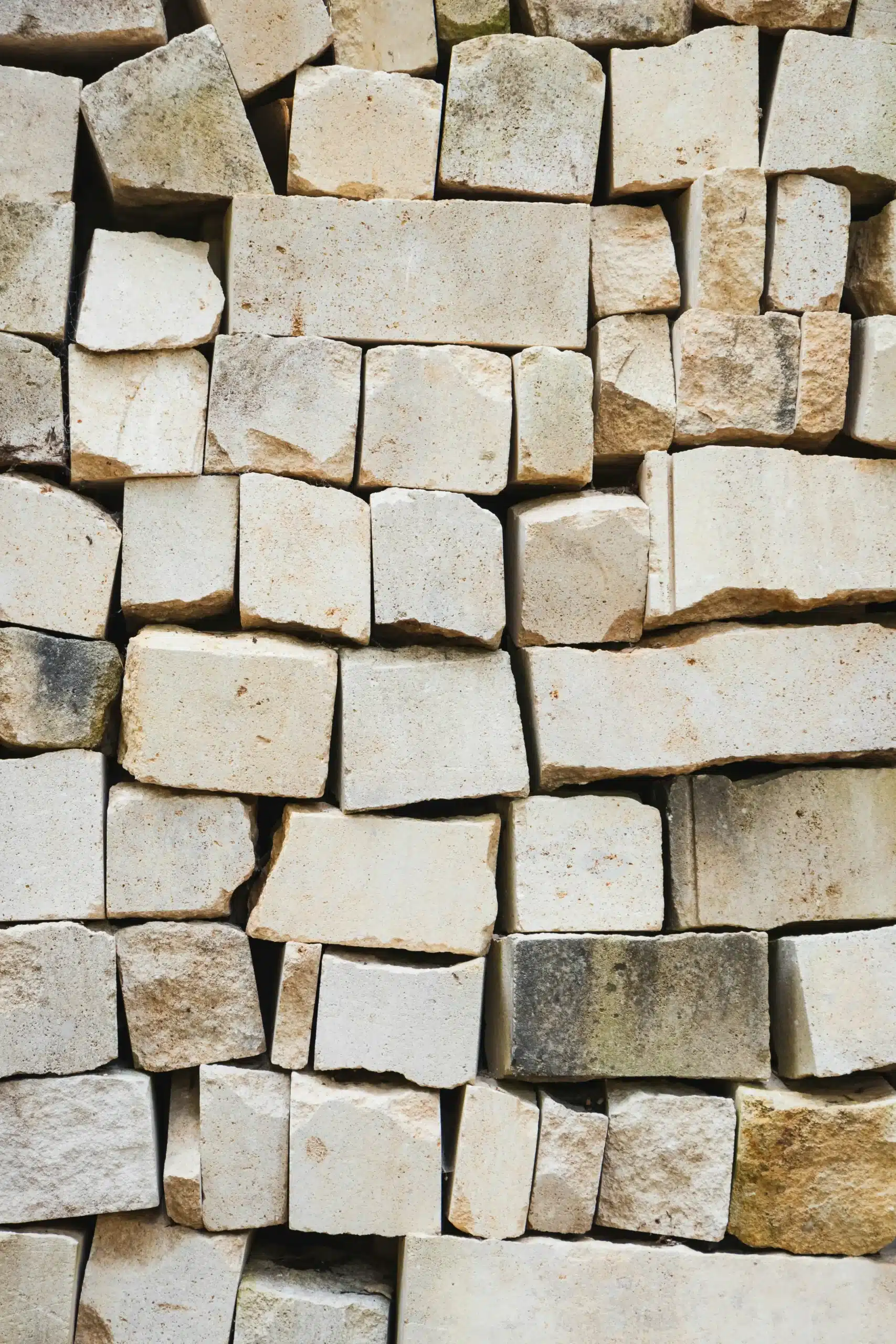
Annahme eines „zufälligen Musters“.’ bedeutet, dass die zufällige Farbe die Tatsache ignoriert, dass die Farbtonvariation im Schiefer geologisch einseitig ist. Wenn Sie eine Charge mit offensichtlich hellen und dunklen Panels erhalten, wehren Sie sich nicht dagegen. Sortieren Sie die nicht übereinstimmenden Stücke in 2–3 Tongruppen und installieren Sie sie in absichtlich horizontalen Bändern oder Akzentzonen. Ein Bauunternehmer verwandelte eine 500-Panel-Fast-Ausschuss-Wand mithilfe dieser Gruppierungsmethode mit drei Zügen in eine viel gelobte Feature-Wand – keine zusätzlichen Materialkosten und ein besseres Ergebnis, als eine einheitliche Wand geliefert hätte.
Abschluss
Farbabweichungen sind ein lösbares Problem und kein Naturereignis. Der Unterschied zwischen einer Schadensquote von 0,3 % und einem Margentreffer von 5 % beruht auf drei Dingen: einem dokumentierten Mischungsprotokoll, einer ΔE ≤ 2,0-Klausel in Ihrem Vertrag und einem physischen Modell, das gemäß D65 Light genehmigt wurde. Wenn Sie eines davon weglassen, setzen Sie auf einen Container, der Ihr Viertel auslöschen könnte.
Häufig gestellte Fragen
Kommt gestapelter Stein aus der Mode?
Gestapelter Stein bleibt eine gute Wahl für Innen- und Außenprojekte im Jahr 2026, insbesondere für Akzentwände und Kamine. Dank seiner natürlichen Textur und Vielseitigkeit passt es sich nahtlos sowohl an moderne lineare Fassaden als auch an rustikale, traditionelle Mauerwerksprofile an. Überprüfen Sie die aktuelle Nachfrage in Ihrem Zielmarkt, bevor Sie sich auf einen großen Lagerbestand festlegen.
Sieht AirStone falsch aus?
Bei AirStone handelt es sich um ein künstlich hergestelltes Kunstprodukt, und viele Bauunternehmer können es bei genauer Betrachtung als künstlich erkennen, insbesondere bei direkter, greller Sonneneinstrahlung. Formteile der gehobenen Preisklasse ahmen die Steintextur einigermaßen gut nach, bestehen jedoch selten eine strenge architektonische Prüfung für gehobene Geschäftslobbys. Bestellen Sie eine Musterplatte und vergleichen Sie diese mit Naturstein, bevor Sie die Spezifikation festlegen.
Was ist der Unterschied zwischen gestapeltem Stein und Ledgestone?
Im Großhandel werden die Begriffe oft synonym verwendet, doch Leistenstein bezieht sich typischerweise auf längere, lineare Stücke mit einem horizontalen, simsenartigen Profil. Beide sind aus dem gleichen Rohschiefer geschnitten. Erkundigen Sie sich vor der Bestellung bei Ihrem Lieferanten, welches Profil er als Ledgestone einstuft.
Wie lange hält ein gestapelter Stein?
Natürlicher Stapelstein aus chinesischen Steinbrüchen kann 50 Jahre oder länger halten, wenn er ordnungsgemäß versiegelt und auf einem stabilen Untergrund verlegt wird. Die Lebensdauer hängt stark von den Frost-Tau-Zyklen, der Feuchtigkeitseinwirkung und der Einhaltung der natürlichen Verankerungssequenzen ab. Überprüfen Sie stets die Ergebnisse des ASTM C666-Frost-Tau-Tests für die Klimazone Ihres Projekts.
Welche Farbe hat Ledgestone?
Die Farbe von Ledgestone variiert je nach Steinbruchmischung und reicht von Grau und Braun bis hin zu Blaugrau, Braun und rustikalen Erdtönen. Chinesische Hersteller können mit einem „Blend-to-Order“-Verfahren eine äußerst gleichmäßige Farbtonkontinuität bei umfangreichen Projekten erreichen. Fordern Sie in Ihrem Vertrag eine ΔE ≤ 2,0-Klausel an und genehmigen Sie vor der Produktion ein physisches Modell.