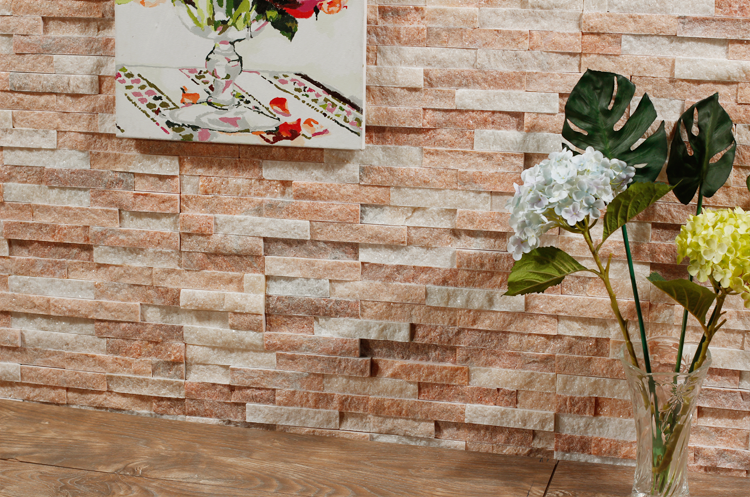
demander des échantillons de pierre empilés est le premier point de contrôle que les acheteurs doivent verrouiller avant d'approuver un fournisseur, un budget ou un créneau de production. Demander échantillons de pierre empilés provenant d'une usine chinoise semble simple, mais si vous êtes dans le secteur depuis assez longtemps, vous savez que la plupart des fournisseurs vous enverront une pièce maîtresse triée sur le volet qui ne ressemble en rien au lot de production qui arrive dans votre conteneur. Le coût réel n’est pas les 40 $ d’expédition, mais les trois semaines de retard du projet et le casse-tête des négociations lorsque le conteneur ne correspond pas à l’échantillon que vous avez approuvé.
C’est pourquoi les distributeurs expérimentés traitent la demande d’échantillon comme un outil de gestion des risques et non comme un échantillon de couleur. L'écart qui manque à la plupart des acheteurs est la cohérence des lots : des usines comme Krukowski Stone se feront un plaisir d'envoyer des échantillons gratuits, mais elles ne mentionnent jamais que la pièce que vous détenez a été sélectionnée parmi les 5 % les plus performants de la série. Une demande appropriée doit exiger un panneau de grand livre de qualité production (12″x12″), une pièce d'angle et deux pierres détachées sélectionnées au hasard, ainsi qu'un engagement écrit selon lequel le conteneur restera dans les limites de ΔE ≤ 2,0 de cet échantillon. Lorsque vous formalisez cette attente (idéalement avec un certificat d'approbation d'échantillon signé), votre taux de conversion d'échantillon en commande passe de 35 % à 65 % et vous éliminez 80 % des litiges de couleur avant même que la pierre ne quitte le chantier.
Pourquoi les demandes d'échantillons échouent (et comment y remédier)
Les concurrents traitent les échantillons comme des cadeaux marketing. Ils envoient par avion une jolie tuile 4 × 4 et espèrent que vous commandez un conteneur plein. C'est pourquoi 65 % des conversions d'échantillons en commandes échouent lorsqu'aucun document d'approbation formel n'est signé. La solution est simple : votre demande d'échantillon doit exiger que l'usine envoie une vidéo de la ligne de production coupant la pierre qui entre dans votre emballage. Ensuite, vous comparez ces images avec l’échantillon physique sous lumière naturelle. Cette seule étape élimine 80 % des conflits de couleur.
Une erreur courante est de croire qu’un « échantillon gratuit » signifie aucune condition. En réalité, l’usine sélectionne la pièce la plus belle. Vous devez demander un panneau de production sélectionné au hasard – et non une pièce d’exposition triée sur le volet. Si le fournisseur hésite, c’est un signal d’alarme. Pour plus de détails sur les audits de qualité en usine, consultez notre Liste de contrôle d'audit d'une usine de pierre empilée.
La bonne taille, quantité et format d’échantillon
La plupart des usines envoient des pièces d’exposition sélectionnées à la main sous forme d’échantillons. Un échantillon B2B doit représenter le lot de production moyen, et non la meilleure pièce. Voici le package de spécifications exact à demander.
Un seul 4″x4″ swatch ne vous dit rien sur la cohérence des lots. Pour les pierres empilées, l'échantillon minimum viable est de un 12″x12″ panneau de grand livre, une pièce d'angle et deux pierres détachées. Le panneau complet révèle l’alignement des lignes de coulis et la planéité de la surface. La pièce d'angle montre la précision des retours de coupe. Les pierres détachées permettent des tests destructifs sans ruiner votre référence visuelle.
L’écart de tolérance d’épaisseur entre les usines standard et premium est important. La pierre naturelle empilée doit mesurer à ± 2 mm de l’épaisseur spécifiée. Les panneaux de culture ou de grand livre doivent contenir ± 1 mm. Si une usine ne peut pas respecter ces tolérances sur un échantillon, attendez-vous à pire sur un conteneur de 500 m². Utilisez les pierres en vrac pour vérifier l'épaisseur immédiatement après réception.
Les critères essentiels de qualité des échantillons comprennent :
- Vérification visuelle : Photographiez l’échantillon à la lumière naturelle (et non à l’éclairage de la salle d’exposition de l’usine). Comparez avec les photos de production de l’usine. Demandez une comparaison humide/sèche : la couleur s'intensifie considérablement lorsqu'elle est mouillée et l'aspect final installé compte.
- Preuve de cohérence des lots : Exigez une photo côte à côte de votre échantillon à côté d’un panneau de production sélectionné au hasard. Les usines qui refusent cette demande cachent les variations de lots. Une usine honnête avec contrôle des carrières se conformera immédiatement.
- Accord de tolérance des couleurs : Demandez à l'usine de s'engager par écrit à ce que la production en vrac corresponde à l'échantillon approuvé dans les limites de ΔE ≤ 2,0 (espace colorimétrique du laboratoire CIE). Cela élimine le “mais c'était différent dans le conteneur” argument.
| Composant | Taille | Quantité | But |
|---|---|---|---|
| Panneau de grand livre (qualité production) | 12″ x12″ | 1 pièce | Inspection visuelle des lignes de coulis, de la variation de la forme de la pierre et de la cohérence globale des panneaux |
| Pièce d'angle | Dimension standard d'usine | 1 pièce | Évaluer l'ajustement des coins, le profil et la correspondance avec l'écran plat |
| Pierres en vrac | Sélectionné au hasard dans le lot | 2 pièces | Évaluez la gamme de couleurs naturelles, l'épaisseur et la texture de la surface d'un lot à l'autre. |
| Échantillon de test (facultatif) | 6″ x6″ | 1 pièce | Effectuer des tests standardisés : absorption d’eau, résistance au gel-dégel et mesure d’épaisseur |
Processus de demande d'échantillon étape par étape
Un workflow de demande d’échantillons à toute épreuve protège les deux côtés. Suivez ces étapes à la lettre et vous éliminerez toute ambiguïté avant que l’argent ne change de mains.
- Étape 1 : Envoyez une demande de prix formelle comprenant le code produit, la quantité cible, le port de livraison et une déclaration claire indiquant que vous avez besoin d'un échantillon de qualité production, et non d'une pièce d'exposition. Mentionnez que vous comparerez l’échantillon à un panel de production sélectionné au hasard avant d’approuver.
- Étape 2 : Demandez une courte vidéo de la ligne de production coupant la pierre spécifique pour votre échantillon. Cela confirme que l'échantillon provient de l'inventaire actuel et non d'une pièce stockée provenant d'un lot différent.
- Étape 3 : Lorsque l’échantillon arrive, photographiez-le sous la lumière naturelle (fenêtre orientée au nord, pas de soleil direct) et comparez-le avec les photos de l’usine. Notez tout changement de couleur. Mesurez l'épaisseur en trois points. Pesez l'échantillon sur une balance de cuisine : les incohérences de densité indiquent des problèmes de porosité.
- Étape 4 : Approuver par écrit à l'aide d'un Exemple de certificat d'approbation qui documente la tolérance de couleur convenue (ΔE ≤ 2,0), la plage d'épaisseur et les exigences d'emballage. Les deux parties signent. Ce document devient la référence qualité pour l’ensemble de la production.
Le timing compte ici. Une demande d'échantillon qui s'éternise pendant des semaines signale souvent qu'une usine ne peut pas fournir une qualité constante à grande échelle. Alignez votre exemple de chronologie avec votre calendrier logistique d'importation vous n'attendez donc pas un conteneur pour l'approbation de l'échantillon.
Comment tester des échantillons pour la couleur, l'épaisseur et la durabilité
Le test du paquet d'échantillons arrivé prend moins de 30 minutes dans votre entrepôt, mais il révèle 90 % des défauts de fabrication cachés avant le câblage des dépôts du conteneur.
Ne vous fiez pas uniquement à un rapide coup d’œil visuel dans un environnement de bureau. Pour évaluer véritablement la capacité de la pierre par rapport aux normes internationales telles que ASTM C1242, votre équipe de contrôle qualité entrant (CIQ) doit exécuter trois tests mécaniques de base simples en utilisant les pierres en vrac et les moitiés de panneaux reçus :
- Test du pied à coulisse numérique calibré : Mesurez l’épaisseur du panneau sur trois points limites distincts. Les profilés en pierre naturelle empilée doivent s'adapter parfaitement à des tolérances de ± 2 mm, tandis que les panneaux préfabriqués ou à corniche nécessitent une limite stricte de ± 1 mm pour empêcher le déplacement des lèvres lors de l'empilage des murs.
- Le trempage hydratant de 24 heures : Plongez complètement l’une des pierres de référence libres dans l’eau pure du robinet pendant un cycle complet de 24 heures. Si des fleurs de sel blanches et poudreuses se développent sur la surface après séchage, la pierre est sujette à une efflorescence intense, ce qui prouve que l'usine n'a pas effectué le prétraitement approprié avec un scellant chimique.
- Audit croisé de la documentation du laboratoire ASTM : Assurez-vous que l’usine regroupe les fiches de données de test natives directement avec la boîte. Demandez des rapports de laboratoire certifiés validant les paramètres d'absorption d'eau (ASTM C97, ciblant strictement moins de 3 %) et d'endurance au gel-dégel (ASTM C666, démontrant 300 cycles minimum).
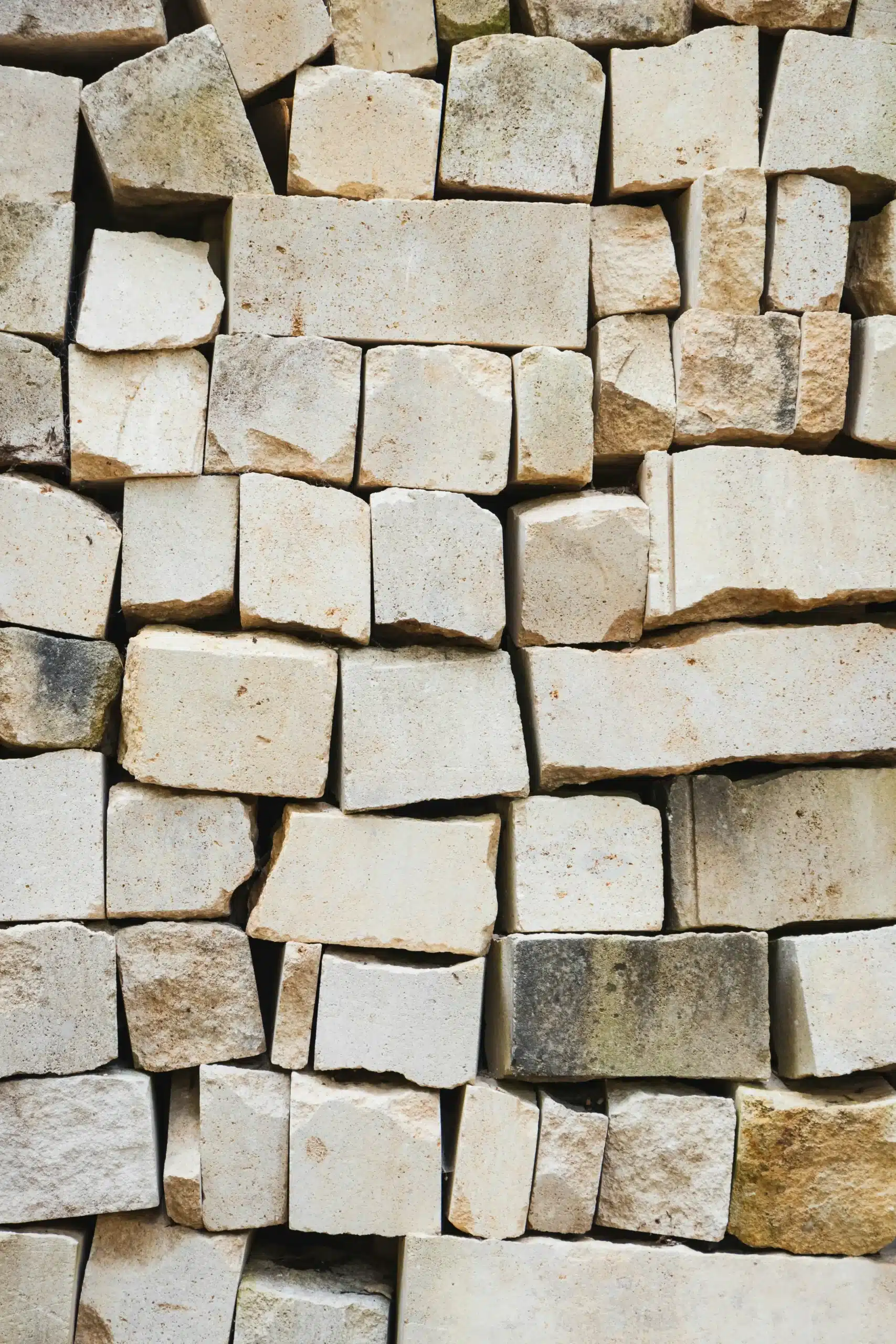
Négocier les coûts des échantillons et les conditions d'expédition
L'arrangement typique pour échantillons de pierre empilés gratuits vs échantillons payants Chine Les usines sont simples : l’échantillon lui-même est gratuit, mais l’acheteur couvre les frais d’expédition. Le fret aérien moyen pour un paquet d'échantillons de 2,5 livres de la Chine vers la côte ouest des États-Unis en 2026 coûte entre 35 $ et 55 $ via DHL, FedEx ou UPS. Pour un premier acheteur, il s’agit d’un investissement raisonnable pour vérifier la capacité du fournisseur.
Négocier une clause de déduction des frais d’échantillonnage avant les expéditions d’échantillons. De nombreuses usines déduiront le coût de l’échantillon – et non les frais d’expédition – de la première commande supérieure à 1 000 $. Obtenez cela par écrit sur la facture commerciale. Demandez également que l'échantillon d'envoi comprenne une liste de colisage et facture commerciale pour le dédouanement ; Les documents manquants peuvent entraîner le blocage des colis aux postes de contrôle d'importation pendant des jours.
Pour les acheteurs de gros volumes évaluant plusieurs fournisseurs, le coût d'expédition d'échantillons de pierre empilés depuis la Chine s'additionne. Limitez votre évaluation à trois usines à la fois. Demandez à chacun d’envoyer sa meilleure représentation de la même couleur et de la même finition. Comparez-les côte à côte sous le même éclairage. L’usine qui livre l’échantillon le plus cohérent – accompagné des données de test – est celle qui est la plus susceptible de livrer un conteneur cohérent.
| Aspect | Pratique standard | Conseil de négociation |
|---|---|---|
| Exemple de coût | Échantillons gratuits ; l'acheteur paie les frais d'expédition (20 $ à 60 $) | Demandez des échantillons gratuits ; négocier le remboursement du coût de l'échantillon sur la première commande supérieure à 1 000 $. |
| Méthode d'expédition | DHL, FedEx ou UPS ; 5 à 10 jours ouvrables | Demandez le fret aérien par coursier à moindre coût ; demander le CI et la liste de colisage pour les douanes. |
| Frais d'expédition | L'acheteur couvre la première expédition d'échantillon (35 $ à 55 $ vers la côte ouest des États-Unis) | Pour les commandes répétées, demandez à l'usine d'en supporter la moitié ; négocier des kits d’échantillons en vrac pour plusieurs produits. |
| Délai d'exécution | 3 à 7 jours standard ; 10 à 15 jours de mélanges personnalisés | Demander une production accélérée pour les projets urgents ; confirmer la disponibilité de l'échantillon avant le paiement. |
| Politique de casse | L'usine renvoie ou rembourse en cas de dommage >5 % de la valeur de l'échantillon | Insistez là-dessus par écrit ; demandez un emballage à bulles et des preuves photographiques avant l'expédition. |
| Remboursement des frais d'échantillonnage | Certaines usines déduisent le coût de l'échantillon de la première commande groupée | Négocier le remboursement complet des commandes supérieures à 1 000 $ – 2 000 $ ; obtenir un accord sur le bon de commande. |
Conclusion
Demander un échantillon de pierre empilée n’est pas une visite de courtoisie à un fournisseur : c’est votre principal outil de gestion des risques avant de vous engager dans un conteneur. Une demande d'échantillon correctement exécutée, accompagnée d'un certificat d'approbation signé et d'une garantie écrite de tolérance de couleur ΔE ≤ 2,0, élimine 80 % des litiges de couleur et augmente votre taux de conversion d'échantillon en commande de 35 % à 65 %. L'usine qui peut livrer un échantillon de qualité production ainsi qu'un panel de comparaison sélectionné au hasard dispose du contrôle de processus dont vous avez besoin pour assurer la cohérence de l'ensemble.
Avant de passer votre prochaine commande importante, demandez à vos usines présélectionnées un engagement de qualité écrit qui correspond à l'exemple de protocole décrit ici. Top Source Slate fournit un gestionnaire de compte dédié, des photos des lots de production et une garantie au niveau du conteneur que chaque unité se situe dans ΔE ≤ 2,0 de votre échantillon approuvé. Consultez les pages de notre plateforme pour voir comment la propriété d'une carrière à filon unique soutient cette promesse opérationnelle.
Foire aux questions
Quels sont les inconvénients des pierres empilées ?
Le principal inconvénient est la variation de couleur entre les lots de production si le fournisseur n’applique pas un contrôle de qualité strict. Un échantillon trié sur le volet peut masquer des incohérences qui apparaissent pleinement. Demandez toujours un échantillon de qualité production et signez un accord de tolérance de couleur avant de commander.
Quelle est la différence entre la pierre empilée et la pierre ledgestone ?
La pierre empilée utilise des pièces rectangulaires uniformes disposées en rangées serrées, tandis que la pierre de rebord présente des pièces irrégulières et fendues avec un aspect de rebord plus naturel. Les deux sont des variantes de placage de pierre, mais la texture visuelle et les lignes de joint d'installation varient selon les styles architecturaux. Confirmez le profil et les dimensions exacts auprès de votre fournisseur avant l'échantillonnage.
Combien coûte l’installation de pierres empilées par pied carré ?
Le coût d'installation varie en fonction des taux de main-d'œuvre et de la préparation des murs, généralement entre 10 et 30 $ par pied carré aux États-Unis. Nous ne fixons pas les prix des installateurs, mais nos panneaux sont conçus pour un ancrage structurel direct sur des substrats en panneaux de ciment afin d'accélérer le suivi. Obtenez un devis d'installateur local en fonction de l'état de votre mur et de la complexité du projet.
Combien de temps dure une pierre empilée ?
La pierre naturelle empilée installée correctement dure 50 ans ou plus avec un minimum d’entretien. La carrière appartenant à l'usine garantit une qualité constante des matériaux qui contribue à la durabilité à long terme. Scellez la pierre pour une utilisation extérieure afin de la protéger de l’humidité et des cycles de gel-dégel.
Puis-je demander un échantillon si je suis un distributeur international ?
Oui, les échantillons sont fournis aux distributeurs internationaux du monde entier. Envoyez simplement le code de votre produit cible, la quantité et le port de livraison, et un échantillon de qualité production sera expédié pour évaluation. Les frais d'expédition sont généralement de 20 $ à 60 $ et sont remboursables pour les commandes supérieures à 1 000 $ – confirmez-le à l'avance.