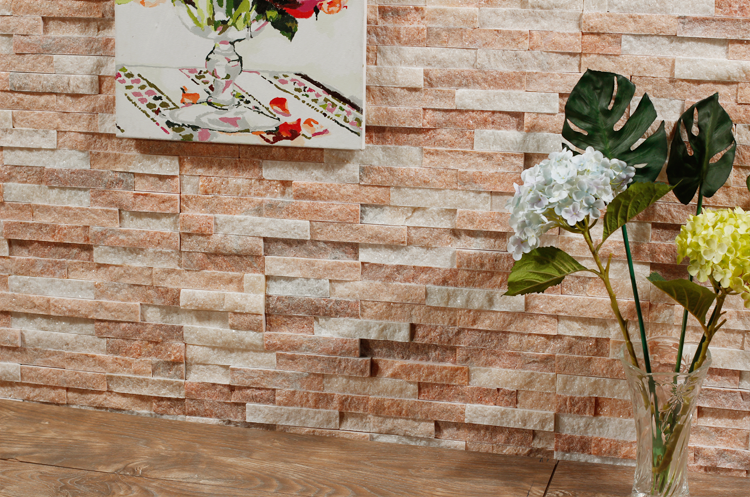
żądanie ułożonych w stos próbek kamienia to pierwszy punkt kontrolny, który kupujący powinien zablokować przed zatwierdzeniem dostawcy, budżetu lub miejsca produkcyjnego. Prośba ułożone próbki kamienia z chińskiej fabryki wydaje się proste, ale jeśli działasz w branży wystarczająco długo, wiesz, że większość dostawców wyśle Ci starannie wybrany egzemplarz, który w niczym nie przypomina partii produkcyjnej dostarczanej do Twojego kontenera. Prawdziwym kosztem nie jest wysyłka za 40 dolarów – to trzy tygodnie opóźnień w projekcie i ból głowy związany z negocjacjami, gdy kontener nie pasuje do zatwierdzonej próbki.
Dlatego doświadczeni dystrybutorzy traktują żądanie próbki jako narzędzie zarządzania ryzykiem, a nie próbkę koloru. Luką, której brakuje większości kupujących, jest spójność partii: fabryki takie jak Krukowski Stone chętnie wysyłają bezpłatne próbki, ale nigdy nie wspominają, że egzemplarz, który trzymasz, został wybrany spośród 5% najlepszych serii. Prawidłowe żądanie musi wymagać panelu księgi produkcyjnej (12″x12″), element narożnikowy i dwa losowo wybrane luźne kamienie oraz pisemne zobowiązanie, że pojemnik będzie mieścić się w granicach ΔE ≤ 2,0 tej próbki. Kiedy sformalizujesz te oczekiwania – najlepiej za pomocą podpisanego certyfikatu zatwierdzenia próbki – współczynnik konwersji próbki na zamówienie wzrośnie z 35% do 65% i wyeliminujesz 80% sporów dotyczących koloru, zanim kamień opuści plac składowy.
Dlaczego przykładowe żądania kończą się niepowodzeniem (i jak to naprawić)
Konkurenci traktują próbki jako upominki marketingowe. Wysyłają pocztą lotniczą ładną płytkę 4 × 4 i mają nadzieję, że zamówisz pełny pojemnik. Dlatego 65% konwersji próbek na zamówienie kończy się niepowodzeniem, jeśli nie zostanie podpisany żaden formalny dokument zatwierdzający. Rozwiązanie jest proste: żądanie próbki powinno wymagać od fabryki przesłania filmu przedstawiającego linię produkcyjną wycinającą kamień trafiający do opakowania. Następnie porównujesz ten materiał z próbką fizyczną w naturalnym świetle. Ten jeden krok eliminuje 80% sporów dotyczących kolorów.
Częstym błędem jest przekonanie, że „bezpłatna próbka” oznacza brak zobowiązań. W rzeczywistości fabryka wybiera najlepiej wyglądający egzemplarz. Musisz poprosić o losowo wybrany panel produkcyjny, a nie ręcznie wybrany egzemplarz z salonu. Jeśli dostawca się waha, jest to czerwona flaga. Więcej informacji na temat fabrycznych audytów jakości można znaleźć w naszym artykule Lista kontrolna audytu fabryki kamienia ułożonego.
Właściwy rozmiar próbki, ilość i format
Większość fabryk wysyła jako próbki ręcznie wybrane produkty z salonu. Próbka B2B musi reprezentować średnią partię produkcyjną, a nie najlepszą sztukę. Oto dokładny pakiet specyfikacji, o który można poprosić.
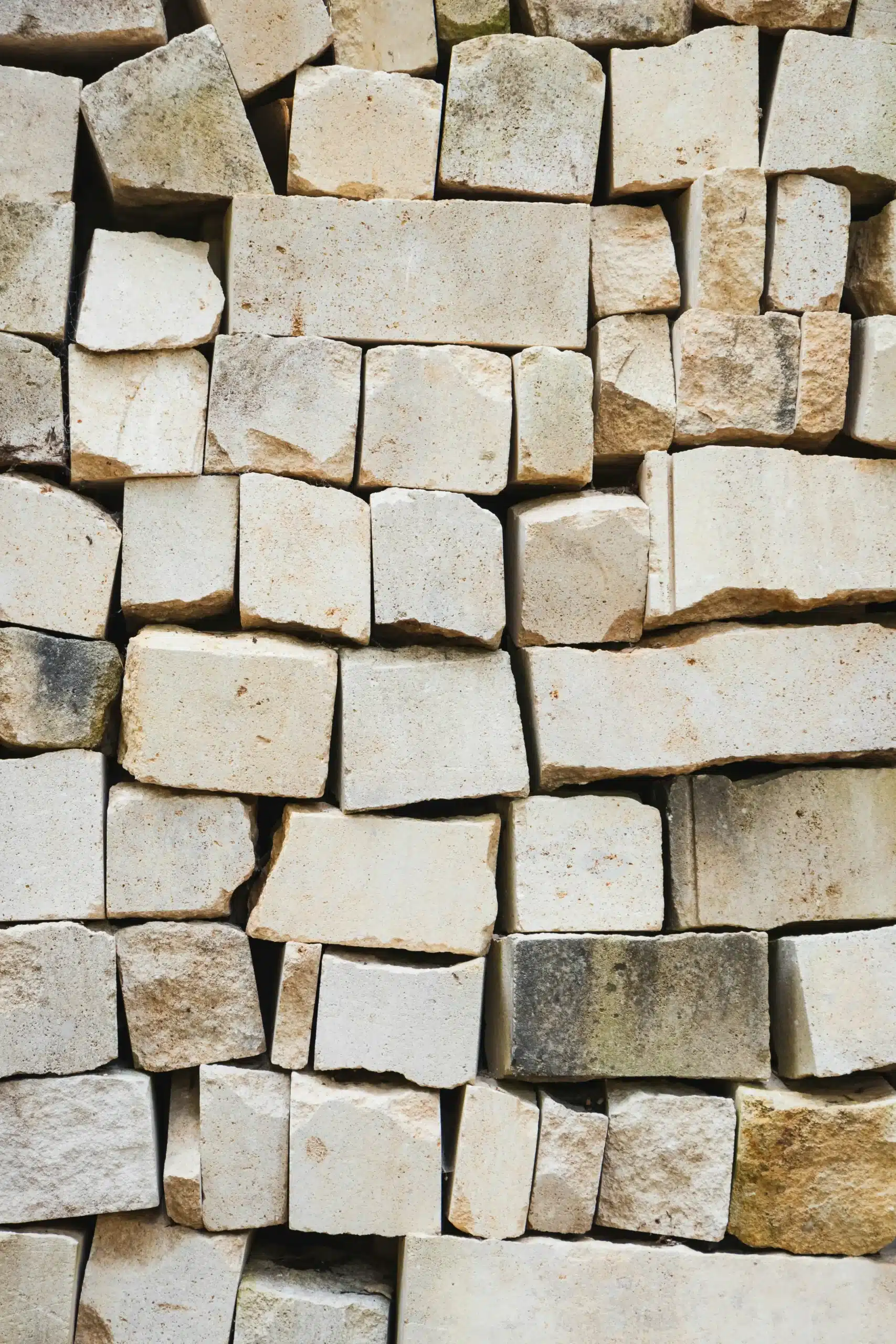
Pojedynczy 4″x4″ próbka nie mówi nic o konsystencji partii. W przypadku kamienia ułożonego w stos minimalna realna próbka to jedna 12″x12″ panel księgi głównej, jeden element narożny i dwa luźne kamienie. Pełny panel ukazuje wyrównanie linii fug i płaskość powierzchni. Narożnik pokazuje precyzję wycięć wstecznych. Luźne kamienie pozwalają na badania niszczące bez niszczenia odniesienia wizualnego.
Różnica w tolerancji grubości pomiędzy fabrykami standardowymi i premium jest znacząca. Kamień naturalny ułożony w stosy powinien mieć wymiary w zakresie ±2 mm od określonej grubości. Panele hodowlane lub księgowe powinny wytrzymać ± 1 mm. Jeśli fabryka nie jest w stanie utrzymać tych tolerancji na próbce, należy spodziewać się gorszych wyników w przypadku kontenera o powierzchni 500 m². Użyj luźnych kamieni do sprawdzenia grubości suwmiarką natychmiast po otrzymaniu.
Niezbędne bramki jakości próbek obejmują:
- Weryfikacja wizualna: Sfotografuj próbkę w naturalnym świetle dziennym (nie w oświetleniu salonu fabrycznego). Porównaj ze zdjęciami produkcyjnymi fabryki. Poproś o porównanie na mokro i na sucho — kolor znacznie się pogłębia, gdy jest mokry, a ostateczny wygląd po zamontowaniu ma znaczenie.
- Dowód spójności partii: Zażądaj zdjęcia próbki obok losowo wybranego panelu produkcyjnego. Fabryki, które odrzucają tę prośbę, ukrywają różnice w partiach. Uczciwa fabryka posiadająca kontrolę w kamieniołomie natychmiast się do tego zastosuje.
- Umowa dotycząca tolerancji kolorów: Poproś fabrykę, aby zobowiązała się na piśmie, że produkcja masowa będzie odpowiadać zatwierdzonej próbce w zakresie ΔE ≤ 2,0 (przestrzeń barw CIE Lab). To eliminuje “ale w pojemniku wyglądało to inaczej” argument.
| Część | Rozmiar | Ilość | Zamiar |
|---|---|---|---|
| Panel księgi (klasa produkcyjna) | 12″ x 12″ | 1 sztuka | Kontrola wzrokowa linii fug, zmienności kształtu kamienia i ogólnej konsystencji deski |
| Kawałek narożny | Standardowy wymiar fabryczny | 1 sztuka | Oceń dopasowanie narożnika, profil i dopasowanie do płaskiego panelu |
| Luźne kamienie | Wybierane losowo z partii | 2 sztuki | Oceń naturalny zakres kolorów, grubość i teksturę powierzchni w całej partii |
| Próbka testowa (opcjonalnie) | 6″ x 6″ | 1 sztuka | Wykonaj standardowe badania: nasiąkliwości, odporności na zamrażanie i rozmrażanie oraz pomiar grubości |
Proces żądania próbki krok po kroku
Kuloodporny przepływ pracy związany z żądaniem próbki chroni obie strony. Wykonaj dokładnie te kroki, a wyeliminujesz niejasności, zanim jakiekolwiek pieniądze przejdą z rąk do rąk.
- Krok 1: Wyślij formalne zapytanie ofertowe zawierające kod produktu, docelową ilość, port dostawy i jasne oświadczenie, że potrzebujesz próbki klasy produkcyjnej, a nie części wystawowej. Wspomnij, że przed zatwierdzeniem porównasz próbkę z losowo wybranym panelem produkcyjnym.
- Krok 2: Poproś o krótki film przedstawiający linię produkcyjną wycinającą konkretny kamień do Twojej próbki. Potwierdza to, że próbka pochodzi z bieżących zapasów, a nie z przechowywanej sztuki z innej partii.
- Krok 3: Kiedy próbka dotrze, sfotografuj ją w naturalnym świetle (okno wychodzące na północ, bez bezpośredniego słońca) i porównaj ze zdjęciami fabrycznymi. Zwróć uwagę na wszelkie zmiany koloru. Zmierz grubość w trzech punktach. Zważ próbkę na wadze kuchennej – niespójność gęstości wskazuje na problemy z porowatością.
- Krok 4: Zatwierdzić na piśmie za pomocą a Przykładowy certyfikat zatwierdzenia który dokumentuje uzgodnioną tolerancję koloru (ΔE ≤ 2,0), zakres grubości i wymagania dotyczące pakowania. Obie strony podpisują. Dokument ten staje się punktem odniesienia dla całej serii produkcyjnej.
Czas ma tutaj znaczenie. Zapotrzebowanie na próbkę, które ciągnie się tygodniami, często sygnalizuje, że fabryka nie jest w stanie zapewnić stałej jakości na dużą skalę. Dopasuj przykładową oś czasu do swojej harmonogram logistyki importu więc nie trzymasz pojemnika w oczekiwaniu na zatwierdzenie próbki.
Jak testować próbki pod kątem koloru, grubości i trwałości
Testowanie dostarczonego pakietu próbek zajmuje w Twoim magazynie mniej niż 30 minut, ale pozwala wykryć 90% ukrytych wad fabrycznych przed złożeniem pojemnika z okablowaniem.
Nie polegaj wyłącznie na szybkim spojrzeniu na środowisko biurowe. Aby naprawdę ocenić zdolność kamienia do zgodności z międzynarodowymi normami, takimi jak ASTM C1242, zespół kontroli jakości przychodzącej (IQC) powinien przeprowadzić trzy proste mechaniczne testy podstawowe, wykorzystując otrzymane luźne kamienie i połówki panelu księgi głównej:
- Kalibrowany test suwmiarki cyfrowej: Zmierz grubość panelu w trzech oddzielnych punktach granicznych. Profile z kamienia naturalnego układanego w stosy muszą ściśle przylegać do siebie z tolerancją ± 2 mm, podczas gdy panele prefabrykowane lub panele ryglowe wymagają ścisłego ograniczenia ± 1 mm, aby zapobiec przesuwaniu się krawędzi podczas układania ścian.
- 24-godzinna kąpiel nawilżająca: Zanurz całkowicie jeden z luźnych kamieni referencyjnych w czystej wodzie z kranu na pełny 24-godzinny cykl. Jeśli po wyschnięciu na powierzchni pojawią się białe, sypkie naloty soli, kamień jest podatny na intensywne wykwity, co świadczy o tym, że fabryka pominęła odpowiednią obróbkę wstępną chemicznego uszczelniacza.
- Kontrola krzyżowa dokumentacji laboratorium ASTM: Upewnij się, że fabryka dołącza natywne arkusze danych testowych bezpośrednio do pudełka. Poproś o certyfikowane raporty laboratoryjne potwierdzające absorpcję wody (ASTM C97, wartość docelowa ściśle poniżej 3%) i parametry wytrzymałości na zamrażanie i rozmrażanie (ASTM C666, wykazujące minimum 300 cykli).
Negocjowanie kosztów próbek i warunków wysyłki
Typowy układ dla bezpłatne próbki kamienia ułożone w stosy vs próbki płatne w Chinach fabryk jest prosta: sama próbka jest bezpłatna, ale kupujący pokrywa koszty wysyłki. Średni koszt transportu lotniczego 2,5-funtowej paczki próbek z Chin do zachodniego wybrzeża Stanów Zjednoczonych w 2026 r. kosztuje od 35 do 55 dolarów za pośrednictwem DHL, FedEx lub UPS. Dla kupującego po raz pierwszy jest to rozsądna inwestycja mająca na celu sprawdzenie możliwości dostawcy.
Wynegocjuj klauzulę o potrąceniu opłaty za próbkę przed wysyłką próbek. Wiele fabryk odlicza koszt próbki – a nie koszty wysyłki – od pierwszego zamówienia powyżej 1000 USD. Uzyskaj to na piśmie na fakturze handlowej. Poproś także o dołączenie do przykładowej przesyłki listy przewozowej i faktura handlowa do odprawy celnej; brakujące dokumenty mogą spowodować, że paczki utkną na punktach kontroli importu na kilka dni.
W przypadku dużych nabywców oceniających wielu dostawców, koszt wysyłki ułożonych w stos próbek kamienia z Chin sumuje się. Ogranicz ocenę do trzech fabryk jednocześnie. Poproś każdego o przesłanie najlepszego przedstawienia tego samego koloru i wykończenia. Porównaj je obok siebie przy tym samym oświetleniu. Fabryka, która dostarcza najbardziej spójną próbkę – wraz z towarzyszącymi jej danymi testowymi – to ta, która najprawdopodobniej dostarczy spójny pojemnik.
| Aspekt | Standardowa praktyka | Wskazówka negocjacyjna |
|---|---|---|
| Przykładowy koszt | Bezpłatne próbki; kupujący płaci za wysyłkę (20–60 USD) | Poproś o bezpłatne próbki; negocjuj zwrot kosztów próbki przy pierwszym zamówieniu powyżej 1000 USD. |
| Metoda wysyłki | DHL, FedEx lub UPS; 5–10 dni roboczych | Poproś o fracht lotniczy przesyłką kurierską, aby uzyskać niższy koszt; poproś o CI i listę pakowania dla organów celnych. |
| Koszt wysyłki | Kupujący pokrywa koszty wysyłki próbki po raz pierwszy (35–55 USD na zachodnie wybrzeże USA) | W przypadku powtarzających się zamówień poproś fabrykę o połowę; negocjuj zbiorcze zestawy próbek dla wielu produktów. |
| Czas realizacji | standardowo 3–7 dni; Mieszanki niestandardowe na 10–15 dni | Poproś o przyspieszoną produkcję w przypadku projektów wrażliwych na czas; potwierdź dostępność próbki przed dokonaniem płatności. |
| Polityka dotycząca pęknięć | W przypadku uszkodzenia fabryka wysyła ponownie lub zwraca pieniądze >5% wartości próbki | Nalegaj na to na piśmie; przed wysyłką poproś o opakowanie bąbelkowe i dowód fotograficzny. |
| Zwrot opłaty za próbkę | Niektóre fabryki odliczają koszt próbki od pierwszego zamówienia zbiorczego | Negocjuj pełny zwrot pieniędzy za zamówienia powyżej 1000–2000 USD; uzyskaj zgodę w zamówieniu. |
Wniosek
Zażądanie próbki kamienia ułożonego w stos nie jest kurtuazyjnym telefonem do dostawcy – jest to główne narzędzie zarządzania ryzykiem przed zakupem kontenera. Prawidłowo wykonane zamówienie na próbkę, wraz z podpisanym certyfikatem zatwierdzenia i pisemną gwarancją tolerancji kolorów ΔE ≤ 2,0, eliminuje 80% sporów dotyczących kolorów i podnosi współczynnik konwersji próbki na zamówienie z 35% do 65%. Fabryka, która może dostarczyć próbkę klasy produkcyjnej wraz z losowo wybranym porównaniem paneli, dysponuje kontrolą procesu niezbędną do zapewnienia spójności masowej.
Zanim złożysz kolejne duże zamówienie, poproś fabryki znajdujące się na krótkiej liście o pisemne zobowiązanie dotyczące jakości zgodne z przedstawionym tutaj przykładowym protokołem. Top Source Slate zapewnia dedykowanego menedżera klienta, zdjęcia partii produkcyjnych i gwarancję na poziomie kontenera, że każda jednostka mieści się w zakresie ΔE ≤ 2,0 zatwierdzonej próbki. Przejrzyj strony naszej platformy, aby zobaczyć, jak posiadanie kamieniołomów wyposażonych w jedną żyłę wspiera tę obietnicę operacyjną.
Często zadawane pytania
Jakie są wady kamienia ułożonego w stos?
Główną wadą są różnice kolorystyczne pomiędzy partiami produkcyjnymi, jeśli dostawca nie wymusza ścisłej kontroli jakości. Ręcznie dobrana próbka może ukryć niespójności, które są w pełni widoczne. Przed złożeniem zamówienia zawsze poproś o próbkę do celów produkcyjnych i podpisz umowę dotyczącą tolerancji kolorów.
Jaka jest różnica między ułożonym kamieniem a półką skalną?
Kamień piętrowy wykorzystuje jednolite prostokątne elementy ułożone w ciasnych rzędach, podczas gdy kamień półkowy zawiera nieregularne kawałki z rozszczepionymi ścianami i bardziej naturalny wygląd półki. Obydwa są odmianami forniru kamiennego, ale wizualna tekstura i linie połączeń instalacyjnych różnią się w zależności od stylu architektonicznego. Przed pobraniem próbek potwierdź dokładny profil i wymiary u swojego dostawcy.
Ile kosztuje montaż ułożonego kamienia na metr kwadratowy?
Koszt instalacji różni się w zależności od stawki robocizny i przygotowania ściany, zwykle w USA wynosi 10–30 dolarów za stopę kwadratową. Nie ustalamy cen dla instalatorów, ale nasze panele są przeznaczone do bezpośredniego kotwienia konstrukcyjnego na podłożach z płyt cementowych, aby przyspieszyć montaż. Uzyskaj wycenę lokalnego instalatora na podstawie stanu ściany i złożoności projektu.
Jak długo wytrzymuje ułożony kamień?
Prawidłowo zamontowany kamień naturalny wytrzymuje 50 lat lub dłużej przy minimalnej konserwacji. Fabryka kamieniołomów zapewnia stałą jakość materiałów, która przyczynia się do długoterminowej trwałości. Uszczelnij kamień do użytku zewnętrznego, aby chronić przed wilgocią i cyklami zamrażania i rozmrażania.
Czy mogę poprosić o próbkę, jeśli jestem dystrybutorem międzynarodowym?
Tak, próbki dostarczane są do międzynarodowych dystrybutorów na całym świecie. Wystarczy wysłać docelowy kod produktu, ilość i port dostawy, a próbka produkcyjna zostanie wysłana do oceny. Koszt wysyłki wynosi zazwyczaj 20–60 USD i podlega zwrotowi w przypadku zamówień powyżej 1000 USD — potwierdź to z góry.