La scelta tra installazione fai-da-te e installazione professionale determina se la ristrutturazione della cucina aggiunge valore immediato alla proprietà o comporta danni strutturali permanenti causati dall'acqua e migliaia di dollari in pietra naturale sprecata. Mentre molti considerano la piastrellatura un compito estetico minore, i dati del mondo reale mostrano che i progetti di pietra mal gestiti spesso portano alla compromissione dell’integrità delle pareti e a costosi lavori di bonifica. Un singolo errore di calcolo alla giunzione del piano di lavoro o un mancato livellamento della base possono trasformare un semplice miglioramento estetico in un’interruzione operativa di più giorni per l’intera famiglia.
Questo la guida analizza i meccanismi precisi della gestione la giunzione del piano di lavoro per garantire una tenuta a prova di perdite e valuta le esigenze tecniche dell'utilizzo di macchinari specializzati come le seghe a umido in spazi residenziali attivi. Esaminiamo le implicazioni strutturali della selezione della malta e forniamo un quadro per la valutazione della manodopera costi contro i rischi tecnici del disallineamento della pietra. Questa analisi funge da protocollo standard per decidere quando eseguire autonomamente i lavori e quando delegare ad appaltatori specializzati per proteggere l'integrità finanziaria e strutturale della casa.
Perché i paraspruzzi della cucina sono i più impegnativi “Piccolo” Progetto
I paraschizzi della cucina richiedono tolleranze tecniche più elevate rispetto ai rivestimenti esterni perché ogni cucitura è all'altezza degli occhi e deve integrarsi con le reti elettriche e i mobili fissi.
Taglio di precisione attorno ad impianti elettrici e idraulici
Maggior parte installazione della cucina si verificano errori nell'interfaccia dell'utilità. Gli installatori devono navigare tra più prese elettriche e interruttori della luce che interrompono il Pietra naturale modello. Mentre la fonte principale Stone utilizza bordi con lama diamantata CNC per garantire pannelli a forma di Z si incastrano saldamente, le regolazioni in loco per le scatole di derivazione richiedono seghe a umido specializzate. Le frese standard utilizzate per le piastrelle di ceramica fratturano l'ardesia naturale o la quarzite, causando materiale di scarto e bordi frastagliati che i coperchi delle prese non possono nascondere.
La precisione è fondamentale perché questi progetti si trovano direttamente nel campo visivo. I tagli eseguiti male intorno all'illuminazione sotto il piano o ai mobili creano spazi visibili che diminuiscono il valore di a Vera pietra installazione. Utilizzando l'interblocco “maschio-femmina” Il sistema di connessione aiuta a mimetizzare i giunti verticali, ma l'installatore deve mantenere una perfetta aderenza attorno a ogni punto di utilità fisso per preservare la finitura architettonica.
Stabilità del substrato e gestione del peso verticale
Pannelli di pietra impilati naturali introdurre una massa significativa sulle pareti verticali della cucina. Pannelli contabili standard in genere pesano tra 8 e 13 libbre per piede quadrato (circa 30-40 kg/m²), che supera di gran lunga il carico delle piastrelle standard in ceramica o vetro. Questo peso richiede una valutazione strutturale approfondita del muro prima del primo pannello è impostato.
- Rinforzo del muro: Gli appaltatori spesso sostituiscono il muro a secco standard con pannelli di cemento per sostenere la massa della pietra a lungo termine.
- Giunti a livello: È obbligatoria una base piana in corrispondenza della giunzione del piano di lavoro. Se la prima riga è spostata anche di 1 mm, l'errore si aggrava come la pietra si muove lungo il muro, provocando lo spostamento del sistema di interblocco.
- Scelta dell'adesivo: Consigliamo il polimero modificato pietra da rivestimento malta (Tipo S) per garantire un legame ad alta resistenza che resista allo scivolamento indotto dalla gravità durante il processo di polimerizzazione.
Gestione della porosità e della manutenzione nelle zone di cottura
Gli ambienti di cottura espongono Pietra naturale agli oli organici, al vapore e agli schizzi di cibo acido. Materiali come l'ardesia e il marmo sono naturalmente porosi; le superfici non trattate assorbiranno il grasso, provocando scurimenti o macchie permanenti. Sono necessari sigillanti penetranti di alta qualità per creare una barriera contro l'umidità e i contaminanti di origine alimentare nelle zone ad alto utilizzo.
La struttura determina anche il programma di manutenzione. Le ombre profonde della serie Rough forniscono una profondità visiva sorprendente ma richiedono una pulizia più frequente rispetto alla serie Flat. Per la conservazione a lungo termine, utilizzare solo detergenti per pietre a pH neutro. I prodotti chimici domestici aggressivi possono degradare i minerali della pietra e indebolire gli adesivi epossidici ad alta resistenza che tengono insieme i singoli pezzi di pietra all’interno di ciascun pannello.

Gestione della giunzione del piano di lavoro: garantire una base livellata e a prova di perdite
La gestione strategica degli svincoli impedisce soprattutto le due cose punti di fallimento comuni nella pietra alzatine: fratture da stress strutturale dovute a mobili non livellati e infiltrazioni d'acqua nel punto di incontro del piano di lavoro.
La stabilità strutturale inizia con i mobili di base. Verifichiamo prima che i mobili base siano a piombo, livellati e squadrati misurazione di pannelli di pietra o controsoffitti. Perché pietra naturale impilata trasporta un carico di 8-13 libbre/piedi quadrati, il solo muro a secco raramente è sufficiente per un paraschizzi della cucina a lungo termine. Installiamo pannelli di cemento o supporti rinforzati per gestire questo peso, evitando cedimenti che alla fine creano spazi ampi e antiestetici tra la pietra e il bancone.
| Metrica delle prestazioni | Piastrella in ceramica standard | Superiore Pietra impilata sorgente |
|---|---|---|
| Velocità di installazione | 15 – 25 piedi quadrati/giorno | 40 – 50 piedi quadrati/giorno |
| Requisito del substrato | Cartongesso standard (L/360) | Pannello in cemento (L/720 rigido) |
| Peso strutturale | 3 – 5 libbre/piedi quadrati | 8 – 12 libbre/piedi quadrati |
| Tecnologia congiunta | Distanziatori per malta | Interblocco CNC a forma di Z |
Precisione di adesione e incastro
La giunzione tra il piano di lavoro e la parete richiede collanti ad alta resistenza. Utilizziamo adesivi epossidici o malta Tipo S formulati specificatamente per pietra naturale da proteggere pannelli alla base rinforzata. I nostri pannelli ad incastro a forma di Z utilizzano un sistema di connessione maschio-femmina che mimetizza i giunti verticali e garantisce una perfetta aderenza nel punto in cui la pietra incontra la superficie del piano di lavoro. I bordi della lama diamantata CNC forniscono la precisione necessaria per dimensioni esatte, riducendo la necessità di tagli lato cantiere che spesso lasciano bordi ruvidi e compromettono la tenuta del fondo.
Protezione dall'umidità e sigillatura delle giunzioni
Pietra naturale resiste all'acqua, ma il sistema di pannelli in sé non costituisce una barriera impermeabile. La sigillatura strategica nel punto di transizione è essenziale per la longevità. Applichiamo un sigillante siliconico nella giunzione immediata tra il piano di lavoro e la base in pietra per evitare che l'acqua si infiltri nei mobili retrostanti. Per allestimenti di cucine all'aperto o aree umide, installiamo barriere contro l'umidità e scossaline prima applicazione della pietra.
- Applicare silicone di alta qualità alla base per consentire una minore espansione e contrazione del piano di lavoro.
- Utilizzare malta per pietra modificata con polimero per applicazioni verticali per raddoppiare la forza di adesione rispetto al thinset standard.
- Rivestire il finito installazione con un sigillante per pietra naturale per proteggere contro le fuoriuscite di grasso e facilitare la pulizia nelle basi ad alto traffico.
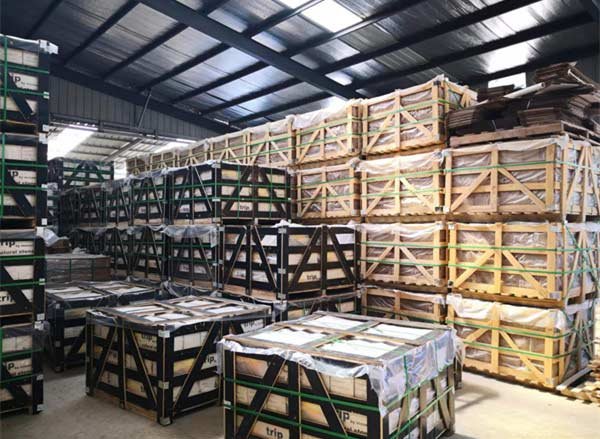
Pannelli contabili in pietra impilati di alta qualità realizzati direttamente in fabbrica
Stuccare o non stuccare? La scelta estetica per le cucine
Eliminazione delle linee di malta grazie all'ingegneria di precisione pannelli in pietra ad incastro risolve la duplice sfida dell'igiene della cucina che richiede molta manutenzione e della frammentazione visiva delle tradizionali griglie di piastrelle.
L'estetica senza soluzione di continuità dei pannelli in pietra ad incastro
Disegni di cucine moderne nel 2026 dare priorità alle superfici continue che rimuovono gli schemi rigidi e artificiali della griglia comuni nella muratura tradizionale. Utilizziamo un incastro a forma di Z sistema che consente pannelli in pietra naturale per adattarsi perfettamente, mimetizzando i giunti verticali e creando una finitura professionale senza falegnameria visibile. Questo sistema enfatizza le strutture organiche dell'ardesia e della quarzite piuttosto che il materiale di riempimento utilizzato nelle applicazioni con stuccatura.
| Metrica delle prestazioni | Piastrella Fugata Tradizionale | Pietra di alto livello Incastro |
|---|---|---|
| Continuità visiva | Interrotto dalle linee della griglia | Finitura monolitica e senza giunzioni |
| Profilo di manutenzione | Alto (i giunti porosi intrappolano il grasso) | Basso (punti di cattura minimi) |
| Velocità di installazione | 15–25 piedi quadrati al giorno | 40-50 piedi quadrati al giorno |
Per ottenere questo aspetto monolitico è necessaria la precisione della lama diamantata CNC. Garantiamo che ogni bordo del pannello sia tagliato secondo standard rigorosi, facilitando a “maschio-femmina” connessione che oscura il substrato. Questa precisione tecnica garantisce il montaggio anche a mano Pietra naturale fornisce un risultato architettonico di fascia alta che rimane stabile nelle installazioni di backsplash su larga scala.
Igiene e manutenzione nelle cucine ad alto traffico
Gli ambienti della cucina sottopongono le superfici delle pareti a grasso, vapore e umidità costanti. Le tradizionali linee di malta fungono da punti di raccolta porosi per particelle di cibo e batteri, che spesso portano allo scolorimento e alla necessità di una pulizia chimica aggressiva. Selezionando senza malta pannelli in pietra con giunti stretti, riduci la superficie totale in cui può accumularsi lo sporco, semplificando la manutenzione quotidiana della cucina e mantenendo un ambiente sterile.
- Gli stretti giunti ad incastro eliminano i profondi recessi in cui solitamente si depositano gli oli da cucina.
- Pannelli in pietra naturale trattati con sigillanti di alta qualità resistono all'umidità senza il rischio di sgretolamento o formazione di muffe nel tempo.
- L'assenza di malta impedisce la “irregolare” aspetto causato da un assorbimento irregolare del riempitivo nelle zone umide.
Continuità visiva e backsplash contemporaneo
Gli architetti utilizzano spesso la pietra priva di malta per colmare il divario tra texture organiche ed eleganti, mobili moderni. Le ombre profonde e il carattere altamente dimensionale di pietra accatastata fornire un contrasto tattile che altrimenti la malta ammorbidirebbe o oscurerebbe. Senza l'interruzione del materiale di riempimento, le naturali variazioni di colore appaiono ardesia o quarzite premium scorrere ininterrotto attraverso la parete, evidenziando l'autenticità geologica del materiale.
Questo percorso di progettazione offre anche un percorso di installazione più rapido per gli appaltatori. Poiché il sistema di interblocco gestisce l'allineamento, gli installatori dedicano meno tempo alla gestione dei distanziatori e più tempo a garantire che il substrato sia livellato. Per le parti interessate B2B, ciò si traduce in minori costi di manodopera e una tempistica del progetto più affidabile, offrendo al tempo stesso al cliente finale l'aspetto esclusivo della muratura scolpita su misura.

Controllo degli strumenti: puoi maneggiare una sega bagnata in una famiglia attiva?
Il funzionamento di una sega a umido all'interno di un ambiente residenziale è un compito ad alto rischio che richiede una configurazione elettrica controllata e una rigorosa gestione dei detriti per prevenire incidenti domestici.
Sicurezza elettrica e gestione idrica
Taglio pietra naturale richiede un flusso d'acqua costante, che introduce notevoli rischi elettrici se lo spazio di lavoro è mal configurato. Colleghiamo la sega esclusivamente a una presa con interruttore differenziale (GFCI) per eliminare il rischio di folgorazione. Si tratta di uno standard non negoziabile per qualsiasi ambiente di taglio a umido nel 2026.
- Crea un circuito di gocciolamento drappeggiando il cavo elettrico al di sotto del livello di uscita per impedire all'acqua di spostarsi lungo il cavo e nella fonte di alimentazione.
- Evitare prolunghe senza messa a terra; questi non riescono a fornire la necessaria protezione contro le sovratensioni e l'acqua durante il taglio pesante della pietra.
- Mantenere i punti di collegamento dell'alimentazione in alto e lontani dal serbatoio dell'acqua della sega per mantenere un percorso elettrico asciutto.
Equipaggiamento protettivo personale essenziale
La pietra naturale non si taglia in modo netto come la ceramica; produce trucioli ad alta velocità e un rumore significativo che possono causare lesioni immediate. Utilizziamo occhiali di sicurezza abbinati a una visiera integrale per proteggerci da frammenti di pietre volanti e spruzzi d'acqua continui. Materiali densi come la quarzite o l'ardesia generano un rumore elevato in decibel, rendendo la protezione dell'udito un requisito per qualsiasi sessione che duri più di pochi minuti.
- Equipaggiare una maschera antipolvere di alta qualità per prevenire l'inalazione delle particelle fini di silice rilasciate durante il processo di taglio.
- Utilizzare guanti resistenti al taglio per maneggiare oggetti con spigoli vivi pannelli in pietra in modo sicuro durante il processo di alimentazione e recupero.
- Rimuovere i gioielli e fissare i capelli lunghi per evitare che si impiglino con il disco diamantato ad alta velocità.
Controllo dell'area di lavoro e gestione dei liquami
La gestione dei liquami determina la pulizia dell'installazione finale. Posizioniamo la sega ad umido all'aperto o in un garage ben ventilato per evitare che spruzzi d'acqua e polvere di pietra migrino nelle aree abitative. Mantenere un flusso d'acqua costante alla lama prima di iniziare qualsiasi taglio è essenziale; questo mantiene la pietra fresca e impedisce alle particelle fini di disperdersi nell'aria.
- Posizionare la stazione di taglio su una superficie piana e stabile per garantire tagli precisi ed evitare che la macchina si sposti.
- Eliminare tutti gli ostacoli e i rischi di inciampo dall'area di lavoro per mantenere un ambiente sicuro per la movimentazione di carichi pesanti pannelli in pietra.
- Monitorare frequentemente il livello del serbatoio dell'acqua; tagliare la pietra senza una sufficiente lubrificazione rovina il disco diamantato e genera eccessiva polvere.
Protocolli di sicurezza per le case occupate
In una casa con familiari attivi e animali domestici, il luogo di lavoro deve rimanere sicuro e pulito. Puliamo immediatamente le fuoriuscite d'acqua e i fanghi di pietra per prevenire incidenti dovuti a scivolamenti e cadute sui pavimenti della cucina o del corridoio. Il liquame di pietra si asciuga trasformandosi in una polvere fine e difficile da rimuovere, quindi il contenimento immediato è l'unica strategia efficace per mantenere l'igiene domestica.
- Assicurarsi che la lama della sega si fermi completamente prima di tentare di regolare i materiali o spostare l'attrezzatura.
- Proteggere l'area di lavoro con barriere fisiche per impedire a bambini o animali domestici di accedere a lame affilate e componenti elettrici.
- Spegnere e scollegare la sega ogni volta che l'operatore lascia l'area circostante per evitare l'attivazione accidentale.

Il costo degli errori: perché la pietra disallineata è costosa da riparare
Riparare il disallineamento calcolo il lavoro costa tipicamente tre volte di più dell'installazione iniziale a causa della complessità tecnica dello smantellamento dei pannelli incollati senza distruggere il substrato.
Spese di manodopera nella bonifica della pietra
Tariffe di manodopera qualificata per riparazione della pietra nel 2026 la media sarà compresa tra 45 e 85 dollari l’ora. A differenza di un'installazione standard, la correzione degli errori di allineamento richiede che gli operatori rimuovano con attenzione il set pezzi di pietra per evitare danni al muro circostante. Questo processo è ad alta intensità di manodopera e spesso triplica le ore necessarie per un'installazione standard perché la rimozione di un pannello spesso costringe allo smantellamento dei pezzi adiacenti per mantenere lo schema visivo.
La rimozione della resina epossidica indurita o della malta di tipo S ad alta resistenza richiede strumenti specializzati e molta pazienza. Qualsiasi fretta durante la fase di rimozione rischia di rompere il Pietra naturale oppure scavare il tavolato di cemento sottostante, cosa che crea ulteriori intoppi tecnici e fa lievitare il conto finale.
Rifiuti materiali e realtà di sostituzione
Pannelli in pietra naturale sono prodotti unici e la sostituzione delle sezioni danneggiate durante una riparazione comporta costi materiali elevati. I costi di sostituzione della pietra specializzata raggiungono dai 20 ai 100 dollari per piede quadrato in base al tipo di pietra e alla complessità del progetto. Poiché i minerali naturali variano tra le vene della cava, è difficile abbinare il colore e la struttura di un'installazione esistente dopo il fatto.
| Categoria di spesa | Installazione standard | Costo della riparazione (2026) |
|---|---|---|
| Tariffa manodopera (oraria) | $25 – $45 | $45 – $85 |
| Rifiuti materiali | 5% – 10% (tagli standard) | 25% – 40% (Rottura/Discordanze) |
| Preparazione/attrezzatura della superficie | Incluso nel preventivo | $ 500+ (rimozione adesivo) |
Gli appaltatori spesso devono procurarsi lotti aggiuntivi per garantire una corrispondenza visiva con il muro esistente. Tagli errati o pannelli rotti durante la riparazione aumentano lo spreco totale di materiale, il che riduce direttamente la redditività complessiva del progetto e può portare a tempistiche di progetto prolungate.

Bonifica strutturale e costi di accesso
Errori su muri alti o superfici esterne introducono sfide logistiche che superano il lavoro di muratura di base. Le riparazioni sulle facciate esterne spesso richiedono impalcature o attrezzature di sicurezza specializzate, che aggiungono migliaia di dollari al conto finale.
- Le pietre disallineate creano spazi vuoti che consentono all'acqua di aggirare il piano di drenaggio, causando danni nascosti da umidità nella struttura del muro.
- La rimozione della pietra incollata spesso danneggia la barriera antiumidità sottostante o il pannello di cemento, richiedendo una sostituzione completa del substrato prima di poter applicare la nuova pietra.
- La configurazione logistica per la bonifica degli spazi occupati richiede un ampio contenimento della polvere e una protezione della superficie, aumentando i costi dei tempi di preparazione.
La logica finanziaria dell'installazione professionale
La precisione iniziale impedisce il drenaggio finanziario aggravato delle riparazioni future. Gli installatori professionisti utilizzano la precisione della lama diamantata CNC e sistemi a forma di Z ad incastro per garantire l'allineamento, eliminando i comuni costi di riparazione di $ 10- $ 20 per piede quadrato riscontrati nei progetti fai-da-te. Fonte principale Prodotti in pietra sono progettati con questo sistema di connessione maschio-femmina per mimetizzare specificamente le giunzioni e prevenire il comune “fatto un passo” lacune che portano a essere riparate.
I dati di mercato del 2026 indicano che le proprietà con lavori in pietra professionali verificati mantengono un valore di rivendita più elevato rispetto a quelle con errori visibili di fai da te. Il controllo di qualità nella fase di installazione garantisce che la resina epossidica ad alta resistenza si leghi in modo permanente, evitando i costi elevati per incollare nuovamente le pietre cadute o risolvere successivamente i problemi di umidità strutturale.
Conclusione
Il successo dell'installazione del paraspruzzi dipende dalla gestione dei dettagli tecnici in corrispondenza della giunzione del piano di lavoro e dalla scelta dei materiali giusti per l'ambiente. Mentre le dimensioni ridotte del muro di una cucina spesso suggeriscono un semplice progetto per il fine settimana, utilizzando premium Pietra naturale richiede strumenti di precisione e una chiara strategia di layout per evitare costosi disallineamenti. I risultati professionali derivano dal dare priorità all'integrità strutturale e alle transizioni senza soluzione di continuità, garantendo il la pietra naturale fornisce un valore duraturo e appeal estetico.
Esamina il nostro attuale inventario di pannelli a forma di Z ad incastro e angoli a L abbinati per vedere come l'ingegneria di precisione semplifica i layout complessi della cucina. Puoi richiedere un catalogo prodotti o contattare il nostro team per discutere i requisiti di approvvigionamento specifici per i tuoi prossimi progetti.
Domande frequenti
È più semplice posare la pietra accatastata o la piastrella in ceramica?
Le piastrelle di ceramica sono generalmente più facili da ottenere una finitura professionale perché sono più leggere e facili da tagliare con strumenti manuali standard. Mentre pannelli di pietra impilati sono spesso commercializzati come “Più facile” poiché non necessitano di stuccatura, sono notevolmente più pesanti e richiedono una sega ad umido per ogni taglio. Inoltre, la ceramica è più prevedibile durante la fase di posa, mentre la pietra richiede una preparazione più intensiva del substrato per gestire il peso aggiuntivo.
Posso installare la pietra accatastata direttamente sul mio vecchio alzatina per piastrelle?
Si sconsiglia l'installazione diretta su vecchie piastrelle. Pietra impilata è pesante e richiede un forte legame meccanico al substrato per evitare guasti. La maggior parte delle vecchie piastrelle sono smaltate e non porose, il che significa che la malta standard non può farlo “presa” la superficie. Per un'installazione sicura, è necessario rimuovere il file esistente piastrella per esporre il muro borchie o pannelli di cemento o, per lo meno, utilizzare un primer specializzato ad alta adesione dopo aver graffiato la vecchia superficie della piastrella.
Qual è l'errore più grande che si commette con la pietra da cucina?
L’errore più significativo è non tenere conto della porosità e dello spessore della pietra. Molti proprietari di casa installare pietra naturale strutturata dietro un fornello senza rendersi conto che la superficie porosa assorbirà grasso e schizzi di cucina, rendendone quasi impossibile la pulizia. Inoltre, le persone spesso dimenticano di installare gli estensori della scatola elettrica; Perché la pietra è molto più spessa della piastrella, le prese saranno incassate troppo in profondità nel muro senza di esse.
Quanto dovrei aspettarmi di pagare per l'installazione del backsplash professionale?
Nel mercato attuale, l'installazione professionale varia in genere da $ 20 a $ 40 per piede quadrato per manodopera e articoli vari. La complessità è un fattore importante; modelli intricati o pietre naturali pesanti spesso richiedono tariffe più elevate. Gli appaltatori più affidabili avranno anche una tariffa minima di mobilitazione, spesso compresa tra $ 400 e $ 600, per coprire l'installazione e i molteplici viaggi necessari per la stagionatura e la sigillatura dei materiali sottili.
Ho bisogno di una malta speciale per la pietra su una parete verticale della cucina?
Sì, devi usare a “Non-caso” O “Piastrella di grande formato” (LFT) malta per installazioni verticali in pietra. Il thinset standard potrebbe non avere la virata iniziale o “preda” necessario per tenere in posizione i pezzi di pietra pesanti, facendoli scivolare lungo il muro prima che l'adesivo faccia presa. Una malta modificata con polimero specificatamente studiata per le superfici verticali garantisce che le pietre rimangano esattamente dove le posizioni, fornendo allo stesso tempo la resistenza necessaria per sostenere il peso.