Wybór pomiędzy instalacją typu „zrób to sam” a „Pro” decyduje o tym, czy remont kuchni natychmiast zwiększy wartość nieruchomości, czy też spowoduje trwałe uszkodzenie konstrukcji przez wodę i tysiące dolarów w postaci zmarnowanego kamienia naturalnego. Chociaż wiele osób postrzega układanie płytek jako drobne zadanie kosmetyczne, rzeczywiste dane pokazują, że źle zarządzane projekty z kamienia często prowadzą do naruszenia integralności ścian i kosztownych prac naprawczych. Pojedynczy błąd w obliczeniach przy łączeniu blatu lub brak wypoziomowania podstawy może zamienić prostą modernizację estetyczną w wielodniowe zakłócenia w funkcjonowaniu całego gospodarstwa domowego.
Ten przewodnik analizuje precyzyjne mechanizmy zarządzania połączenie blatu, aby zapewnić szczelność uszczelnienia i ocenia wymagania techniczne związane z obsługą specjalistycznych maszyn, takich jak piły do pracy na mokro, w aktywnych pomieszczeniach mieszkalnych. Badamy strukturalne implikacje wyboru zaprawy i zapewniamy ramy oceny robocizny kosztów przed ryzykiem technicznym związanym z źle ustawionym kamieniem. Analiza ta służy jako standardowy protokół przy podejmowaniu decyzji, kiedy wykonać zadanie samodzielnie, a kiedy zlecić to wyspecjalizowanym wykonawcom, aby chronić integralność finansową i strukturalną domu.
Dlaczego odpryski w kuchni stanowią największe wyzwanie? “Mały” Projekt
Tylne osłony kuchenne wymagają wyższych tolerancji technicznych niż okładziny zewnętrzne ponieważ każdy szew znajduje się na wysokości oczu i musi być zintegrowany z stałymi sieciami elektrycznymi i szafkami.
Precyzyjne cięcie wokół urządzeń elektrycznych i hydraulicznych
Bardzo instalacja kuchenna występują awarie w interfejsie narzędzia. Instalatorzy muszą poruszać się po wielu gniazdkach elektrycznych i włącznikach światła, które zakłócają działanie Kamień naturalny wzór. Chociaż najlepsze źródło Stone wykorzystuje krawędzie diamentowe CNC, aby zapewnić panele w kształcie litery Z ściśle się zazębiają, regulacje skrzynek wylotowych na miejscu wymagają specjalistycznych pił do pracy na mokro. Standardowe przecinaki stosowane do płytek ceramicznych łamią naturalny łupek lub kwarcyt, co prowadzi do marnowania materiału i postrzępionych krawędzi, których nie są w stanie ukryć osłony wylotów.
Precyzja ma kluczowe znaczenie, ponieważ projekty te znajdują się bezpośrednio w linii wzroku. Źle wykonane wycięcia wokół podmontowanego oświetlenia lub szafek tworzą widoczne luki, które zmniejszają wartość a prawdziwy kamień instalacja. Korzystanie z blokady “mężczyzna-kobieta” system połączeń pomaga zamaskować złącza pionowe, ale instalator musi ściśle przylegać do każdego stałego punktu użyteczności, aby zachować wykończenie architektoniczne.
Stabilność podłoża i zarządzanie ciężarem pionowym
Panele z kamienia naturalnego, układane w stosy wprowadzić znaczną masę do pionowych ścian kuchni. Standardowe panele księgi głównej zazwyczaj ważą od 8 do 13 funtów na stopę kwadratową (około 30-40 kg/m²), co znacznie przekracza obciążenie standardowych płytek ceramicznych lub szklanych. Waga ta wymaga dokładnej oceny strukturalnej ściana przed pierwszym panelem jest ustawiony.
- Wzmocnienie ściany: Wykonawcy często zastępują standardową płytę gipsowo-kartonową płytą cementową, aby utrzymać masę kamienia w dłuższej perspektywie.
- Połączenia poziomów: Wymagana jest pozioma podstawa na styku blatu. Jeśli pierwszy rząd jest przesunięty nawet o 1 mm, błąd się zwiększa kamień przesuwa się po ścianiepowodując przesunięcie układu blokującego.
- Wybór kleju: Zalecamy modyfikowane polimerami kamień fornirowy zaprawą (typ S), aby zapewnić połączenie o wysokiej wytrzymałości, odporne na poślizg wywołany grawitacją podczas procesu utwardzania.
Zarządzanie porowatością i konserwacją w strefach gotowania
Środowiska gotowania narażają Kamień naturalny na oleje organiczne, parę i rozpryski kwaśnej żywności. Materiały takie jak łupek i marmur są naturalnie porowate; nieobrobione powierzchnie wchłoną tłuszcz, co doprowadzi do trwałego ciemnienia lub plam. Aby stworzyć barierę przed wilgocią i zanieczyszczeniami przenoszonymi przez żywność w strefach o dużym natężeniu ruchu, wymagane są wysokiej jakości uszczelniacze penetrujące.
Tekstura dyktuje również harmonogram konserwacji. Głębokie cienie serii Rough zapewniają uderzającą głębię wizualną, ale wymagają częstszego czyszczenia niż seria Flat. W celu długotrwałej konserwacji należy stosować wyłącznie środki do czyszczenia kamienia o neutralnym pH. Agresywne chemikalia stosowane w gospodarstwie domowym mogą zniszczyć minerały kamienia i osłabić wysokowytrzymałe kleje epoksydowe, które spajają poszczególne kawałki kamienia w każdym panelu.

Zarządzanie połączeniem blatu: zapewnienie równej i szczelnej podstawy
Strategiczne zarządzanie skrzyżowaniami najbardziej zapobiega dwóm typowe punkty awarii kamienia odpryski wsteczne: pęknięcia naprężeniowe konstrukcji spowodowane nierównymi szafkami i infiltracją wody w miejscu styku blatu.
Stabilność konstrukcji zaczyna się od szafek bazowych. Wcześniej sprawdzamy, czy szafki dolne są ustawione pionowo, poziomo i kwadratowo mierzenie płyt kamiennych lub blaty. Ponieważ naturalny kamień ułożony wytrzymuje obciążenie 8-13 funtów/stopę kwadratową, sama płyta gipsowo-kartonowa rzadko wystarcza do długotrwałego odpryskiwania tylnej ścianki kuchni. Instalujemy płytę cementową lub wzmocniony podkład, aby wytrzymać ten ciężar, zapobiegając uginaniu się, które ostatecznie tworzy szerokie, nieestetyczne szczeliny między kamieniem a blatem.
| Metryka wydajności | Standardowa płytka ceramiczna | Szczyt Źródło Ułożony Kamień |
|---|---|---|
| Prędkość instalacji | 15 – 25 stóp kwadratowych / dzień | 40 – 50 stóp kwadratowych / dzień |
| Wymagania dotyczące podłoża | Standardowa płyta gipsowo-kartonowa (L/360) | Płyta cementowa (sztywna L/720) |
| Masa strukturalna | 3 – 5 funtów / stopę kwadratową | 8 – 12 funtów / stopę kwadratową |
| Wspólna technologia | Przekładki do fug | Blokada CNC w kształcie litery Z |
Przyczepność i precyzja blokowania
Połączenie blatu ze ścianą wymaga stosowania środków wiążących o dużej wytrzymałości. Używamy klejów epoksydowych lub zapraw typu S opracowanych specjalnie do tego celu kamień naturalny do zabezpieczenia panele do wzmocnionej podstawy. Nasze panele blokujące w kształcie litery Z wykorzystują system połączeń męskich i żeńskich, który maskuje pionowe połączenia i zapewnia ścisłe dopasowanie w miejscu styku kamienia z powierzchnią blatu. Krawędzie diamentowe CNC zapewniają precyzję potrzebną do dokładnych wymiarów, co zmniejsza potrzebę cięć na miejscu, które często pozostawiają ostre krawędzie i naruszają dolną uszczelkę.
Ochrona przed wilgocią i uszczelnianie złączy
Kamień naturalny jest odporny na wodę, ale sam system paneli nie jest wodoodporną barierą. Strategiczne uszczelnienie w punkcie przejściowym jest niezbędne dla długowieczności. Na bezpośrednie połączenie blatu z kamienną podstawą stosujemy uszczelnienie silikonowe, aby zapobiec przedostawaniu się wody do tylnej części szafki. W przypadku kuchni na świeżym powietrzu lub obszarów wilgotnych instalujemy bariery przeciwwilgociowe i obróbkę blacharską przed aplikacja z kamienia.
- Nałóż wysokiej jakości silikon na podstawę, aby umożliwić niewielkie rozszerzanie i kurczenie się blatu.
- Do zastosowań pionowych należy stosować zaprawę kamienną modyfikowaną polimerami, aby podwoić siłę wiązania w porównaniu ze standardową cienką warstwą.
- Pokryj gotowy montaż za pomocą uszczelniacza do kamienia naturalnego w celu zabezpieczenia przed rozlaniem tłuszczu i ułatwiają czyszczenie w bazie o dużym natężeniu ruchu.
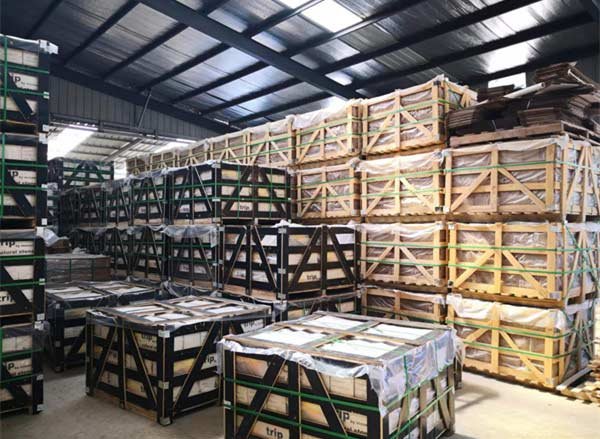
Wysokiej jakości panele kamienne układane bezpośrednio w fabryce
Fugować czy nie fugować? Estetyczny wybór dla kuchni
Eliminacja linii fug dzięki precyzyjnej konstrukcji blokujące się kamienne panele rozwiązuje podwójne wyzwanie, jakim jest wysoka higiena kuchni i wizualna fragmentacja tradycyjnych rusztów z płytek.
Bezproblemowa estetyka splatających się paneli kamiennych
Nowoczesne projekty kuchni w roku 2026 priorytetem będą powierzchnie ciągłe, które usuwają sztywne, sztuczne wzory siatek powszechne w tradycyjnym murze. Stosujemy blokadę w kształcie litery Z system umożliwiający wykonanie paneli z kamienia naturalnego aby ściśle przylegały do siebie, maskując pionowe złącza i tworząc profesjonalne wykończenie bez widocznej stolarki. System ten podkreśla organiczną teksturę łupka i kwarcytu, a nie materiału wypełniającego stosowanego w przypadku fugowania.
| Metryka wydajności | Tradycyjna fugowana płytka | Najlepszy kamień źródłowy Blokujące |
|---|---|---|
| Ciągłość wizualna | Przerywane liniami siatki | Monolityczne, bezszwowe wykończenie |
| Profil konserwacji | Wysoka (porowate spoiny zatrzymują tłuszcz) | Niski (minimalne punkty połowu) |
| Prędkość instalacji | 15–25 stóp kwadratowych dziennie | 40–50 stóp kwadratowych dziennie |
Osiągnięcie tego monolitycznego wyglądu wymaga precyzji diamentowego ostrza CNC. Zapewniamy, że każda krawędź panelu jest przycięta zgodnie z rygorystycznymi standardami, co ułatwia: “mężczyzna-kobieta” połączenie zasłaniające podłoże. Ta techniczna precyzja gwarantuje, że nawet przy ręcznym montażu Kamień naturalny zapewnia wysokiej klasy efekt architektoniczny, który pozostaje stabilny w przypadku wielkoskalowych instalacji przeciwrozpryskowych.
Higiena i konserwacja w kuchniach o dużym natężeniu ruchu
W kuchni powierzchnie ścian są narażone na działanie stałego tłuszczu, pary i wilgoci. Tradycyjne fugi służą jako porowate punkty wyłapywania cząstek jedzenia i bakterii, co często prowadzi do przebarwień i konieczności agresywnego czyszczenia chemicznego. Wybierając opcję bez fug kamienne panele dzięki szczelnym połączeniom zmniejszasz całkowitą powierzchnię, na której może gromadzić się brud, ułatwiając codzienne utrzymanie kuchni i utrzymując sterylne środowisko.
- Ciasne połączenia blokujące eliminują głębokie wgłębienia, w których zwykle osadzają się oleje spożywcze.
- Naturalne panele kamienne pokryte wysokiej jakości uszczelniaczami są odporne na wilgoć bez ryzyka kruszenia się lub pleśnienia zaprawy w miarę upływu czasu.
- Brak zaprawy zapobiega “niejednolity” wygląd spowodowany nierównomiernym wchłanianiem wypełniacza w strefach wilgotnych.
Ciągłość wizualna i współczesny backsplash
Architekci często używają kamienia bez fug, aby wypełnić lukę pomiędzy organicznymi teksturami i eleganckim, nowoczesne szafki. Głębokie cienie i wielowymiarowy charakter ułożony kamień zapewniają wyczuwalny kontrast, który w przeciwnym razie zaprawa zmiękłaby lub zaciemniłaby. Bez przerw w dodawaniu materiału wypełniającego, naturalny kolor zmienia się łupek premium lub kwarcyt przepływają nieprzerwanie po ścianie, podkreślając autentyczność geologiczną materiału.
Ta ścieżka projektowa zapewnia także wykonawcom szybszą trasę instalacji. Ponieważ system blokujący zapewnia wyrównanie, instalatorzy spędzają mniej czasu na zarządzaniu podkładkami dystansowymi, a więcej na upewnianiu się, że podłoże jest wypoziomowane. Dla interesariuszy B2B oznacza to niższe koszty pracy i bardziej niezawodny harmonogram projektu, przy jednoczesnym zapewnieniu klientowi końcowemu wysokiej klasy wyglądu niestandardowego rzeźbionego muru.

Kontrola narzędzi: Czy w aktywnym gospodarstwie domowym można obsługiwać mokrą piłę?
Obsługa pilarki na mokro w środowisku mieszkalnym jest zadaniem wymagającym wysokiego ryzyka, które wymaga kontrolowanej konfiguracji elektrycznej i ścisłego zarządzania odpadami, aby zapobiec wypadkom w gospodarstwie domowym.
Bezpieczeństwo elektryczne i gospodarka wodna
Cięcie kamienia naturalnego wymaga stałego strumienia wody, co stwarza znaczne ryzyko porażenia prądem, jeśli przestrzeń robocza jest źle skonfigurowana. Podłączamy piłę wyłącznie do gniazda wyłącznika zwarcia doziemnego (GFCI), aby wyeliminować ryzyko porażenia prądem. Jest to niepodlegający negocjacjom standard dla każdego środowiska cięcia na mokro w roku 2026.
- Utwórz pętlę ociekową, układając przewód elektryczny poniżej poziomu gniazdka, aby zapobiec przedostawaniu się wody po przewodzie do źródła zasilania.
- Unikaj nieuziemionych przedłużaczy; nie zapewniają one niezbędnej ochrony przed przepięciami i wodą podczas ciężkiego cięcia kamienia.
- Trzymaj punkty podłączenia zasilania wysoko i z dala od zbiornika wody piły, aby zachować suchą ścieżkę elektryczną.
Niezbędny sprzęt ochrony osobistej
Kamień naturalny nie tnie czysto jak ceramika; wytwarza szybkie wióry i znaczny hałas, który może spowodować natychmiastowe obrażenia. Stosujemy okulary ochronne w połączeniu z osłoną zakrywającą całą twarz, aby chronić przed odłamkami kamieni i ciągłym strumieniem wody. Gęste materiały, takie jak kwarcyt lub łupek, generują hałas o wysokim poziomie decybeli, co sprawia, że ochrona słuchu jest wymagana w przypadku każdej sesji trwającej dłużej niż kilka minut.
- Wyposaż się w wysokiej jakości maskę przeciwpyłową, aby zapobiec wdychaniu drobnych cząstek krzemionki uwalnianych podczas procesu cięcia.
- Do pracy z narzędziami o ostrych krawędziach należy używać rękawic odpornych na przecięcie kamienne panele bezpiecznie podczas procesu karmienia i aportowania.
- Zdejmij biżuterię i zabezpiecz długie włosy, aby zapobiec zaplątaniu się w szybkobieżną tarczę diamentową.
Kontrola przestrzeni roboczej i zarządzanie szlamem
Zarządzanie szlamem decyduje o czystości końcowej instalacji. Ustawiamy mokrą piłę na zewnątrz lub w dobrze wentylowanym garażu, aby zapobiec przedostawaniu się rozprysków wody i pyłu kamiennego do pomieszczeń mieszkalnych. Niezbędne jest utrzymanie stałego dopływu wody do ostrza przed rozpoczęciem jakiegokolwiek cięcia; utrzymuje to kamień w chłodzie i zapobiega przedostawaniu się drobnych cząstek do powietrza.
- Ustaw stację cięcia na równej, stabilnej powierzchni, aby zapewnić precyzyjne cięcie i zapobiec przesuwaniu się maszyny.
- Usuń wszystkie przeszkody i ryzyko potknięcia ze strefy pracy, aby zachować bezpieczne środowisko do przenoszenia ciężkich przedmiotów kamienne panele.
- Często monitoruj poziom wody w zbiorniku; kamień tnący bez odpowiedniego smarowania niszczy tarczę diamentową i wytwarza nadmierny pył.
Protokoły bezpieczeństwa dla zamieszkałych domów
W domu z aktywnymi członkami rodziny i zwierzętami miejsce pracy musi pozostać bezpieczne i czyste. Natychmiast usuwamy rozlane wody i osady kamienne, aby zapobiec wypadkom związanym z poślizgiem i upadkiem na podłodze w kuchni lub korytarzu. Szlam kamienny wysycha na drobny, trudny do usunięcia proszek, więc natychmiastowe zamknięcie jest jedyną skuteczną strategią utrzymania higieny w domu.
- Przed przystąpieniem do regulacji materiałów lub przesuwania urządzenia należy upewnić się, że brzeszczot całkowicie się zatrzyma.
- Zabezpiecz miejsce pracy barierami fizycznymi, aby uniemożliwić dzieciom lub zwierzętom dostęp do ostrych ostrzy i elementów elektrycznych.
- Wyłączaj i odłączaj piłę od prądu za każdym razem, gdy operator opuści najbliższe otoczenie, aby zapobiec przypadkowemu uruchomieniu.

Koszt błędów: dlaczego naprawa źle ustawionego kamienia jest kosztowna
Naprawa źle ustawionego kamień prace zazwyczaj kosztują trzy razy więcej niż początkowa instalacja ze względu na techniczną złożoność demontażu klejonych paneli bez niszczenia podłoża.
Koszty pracy przy naprawie kamienia
Stawki za wykwalifikowaną siłę roboczą dla naprawa kamienia w 2026 r. średnio od 45 do 85 dolarów za godzinę. W przeciwieństwie do standardowej instalacji, korygowanie błędów wyrównania wymaga od pracowników ostrożnego demontażu zestawu kawałki kamienia, aby zapobiec uszkodzeniu otaczającej ściany. Proces ten jest pracochłonny i często trzykrotnie wydłuża czas wymagany w przypadku standardowej instalacji, ponieważ usunięcie jednego panelu często wymusza demontaż sąsiednich elementów, aby zachować wzór wizualny.
Usuwanie stwardniałej zaprawy epoksydowej lub wysokowytrzymałej zaprawy typu S wymaga specjalistycznych narzędzi i dużej cierpliwości. Jakikolwiek pośpiech w fazie usuwania grozi pęknięciem Kamień naturalny lub żłobienie znajdującej się pod spodem płyty cementowej, co powoduje dalsze komplikacje techniczne i podwyższa końcową fakturę.
Odpady materiałowe i rzeczywistość zastępcza
Naturalne panele kamienne to produkty wyjątkowe, a wymiana uszkodzonych sekcji podczas naprawy zwiększa koszty materiałów. Koszty specjalistycznej wymiany kamienia sięgają od 20 do 100 dolarów za stopę kwadratową w zależności od rodzaju kamienia i złożoności projektu. Ponieważ naturalne minerały różnią się w zależności od żył kamieniołomów, dopasowanie koloru i tekstury do istniejącej instalacji po fakcie jest trudne.
| Kategoria wydatków | Instalacja standardowa | Koszt środków zaradczych (2026) |
|---|---|---|
| Stawka pracy (godzinowa) | 25 dolarów – 45 dolarów | 45 dolarów – 85 dolarów |
| Odpady materiałowe | 5% – 10% (standardowe cięcia) | 25% – 40% (pęknięcie/niedopasowanie) |
| Przygotowanie powierzchni / oprzyrządowanie | Zawarte w cytacie | 500 USD + (usunięcie kleju) |
Wykonawcy często muszą pozyskać dodatkowe partie, aby zapewnić wizualne dopasowanie do istniejącej ściany. Nieprawidłowe cięcia lub pęknięcia paneli podczas naprawy zwiększają całkowite straty materiału, co bezpośrednio zmniejsza ogólną rentowność projektu i może prowadzić do wydłużenia terminów realizacji projektu.

Koszty rekultywacji strukturalnej i dostępu
Błędy na wysokich ścianach lub powierzchniach zewnętrznych stwarzają wyzwania logistyczne wykraczające poza podstawowe prace murarskie. Naprawy fasad zewnętrznych często wymagają rusztowań lub specjalistycznego osprzętu zabezpieczającego, co zwiększa końcowy rachunek o tysiące dolarów.
- Nieprawidłowo ustawione kamienie tworzą szczeliny, które umożliwiają wodzie ominięcie płaszczyzny drenażu, co prowadzi do ukrytych uszkodzeń wilgoci w konstrukcji ściany.
- Usunięcie związanego kamienia często uszkadza leżącą pod spodem barierę wilgoci lub płytę cementową, co wymaga całkowitej wymiany podłoża przed położeniem nowego kamienia.
- Organizacja logistyczna rekultywacji w zajmowanych przestrzeniach wymaga szerokiego zabezpieczenia przed pyłem i ochrony powierzchni, co zwiększa koszty czasu przygotowania.
Logika finansowa profesjonalnej instalacji
Precyzja na początku zapobiega pogłębiającemu się drenażowi finansowemu przyszłych napraw. Profesjonalni instalatorzy wykorzystują precyzyjne tarcze diamentowe CNC i blokujące systemy w kształcie litery Z, aby zagwarantować wyrównanie, eliminując powszechną opłatę za naprawę w wysokości 10–20 USD za stopę kwadratową, którą można znaleźć w projektach typu „zrób to sam”. Najlepsze źródło Wyroby z kamienia zostały zaprojektowane z myślą o tym systemie połączeń męsko-żeńskich, aby specjalnie maskować połączenia i zapobiegać częstym zjawiskom “wkroczył” luki, które wymagają naprawy.
Dane rynkowe z 2026 roku wskazują, że nieruchomości ze zweryfikowaną fachową obróbką kamieniarską zachowują wyższą wartość odsprzedaży niż te z widocznymi błędami typu „zrób to sam”. Kontrola jakości na etapie montażu zapewnia trwałe wiązanie żywicy epoksydowej o wysokiej wytrzymałości, co zapobiega wysokim kosztom ponownego klejenia opadłych kamieni lub późniejszego naprawiania problemów z wilgocią konstrukcyjną.
Wniosek
Pomyślna instalacja backsplash zależy od zarządzania szczegółami technicznymi na styku blatu i wyboru odpowiednich materiałów dla środowiska. Choć niewielka skala kuchennej ściany często sugeruje prosty projekt weekendowy, z wykorzystaniem premium Kamień naturalny wymaga precyzyjnych narzędzi i jasnej strategii układu, aby uniknąć kosztownych przesunięć współosiowości. Profesjonalne wyniki wynikają z priorytetowego traktowania integralności strukturalnej i płynnych przejść, zapewniając kamień naturalny zapewnia trwałą wartość i estetyczny wygląd.
Przejrzyj nasz aktualny asortyment blokujących się paneli w kształcie litery Z i pasujących narożników L, aby zobaczyć, jak precyzyjna inżynieria upraszcza złożone układy kuchni. Możesz poprosić o katalog produktów lub skontaktować się z naszym zespołem, aby omówić konkretne wymagania dotyczące zaopatrzenia dla nadchodzących projektów.
Często zadawane pytania
Czy łatwiej jest ułożyć ułożony kamień czy płytkę ceramiczną?
Płytki ceramiczne są generalnie łatwiejsze do osiągnięcia profesjonalnego wykończenia, ponieważ są lżejsze i łatwiejsze do cięcia standardowymi narzędziami ręcznymi. Chwila ułożone kamienne panele są często sprzedawane jako “łatwiej” ponieważ nie wymagają spoinowania, są znacznie cięższe i do każdego cięcia wymagają piły na mokro. Co więcej, ceramika jest bardziej przewidywalna na etapie układania, podczas gdy kamień wymaga bardziej intensywnego przygotowania podłoża, aby wytrzymać dodatkowy ciężar.
Czy mogę zainstalować ułożony kamień bezpośrednio nad moją starą płytką?
Nie zaleca się bezpośredniego montażu na starych płytkach. Ułożony kamień jest ciężki i wymaga silnego mechanicznego połączenia z podłożem, aby zapobiec uszkodzeniu. Większość starych płytek jest szkliwiona i nieporowata, co oznacza, że nie można tego zrobić za pomocą standardowej zaprawy “chwyt” powierzchnia. Aby instalacja była bezpieczna, należy usunąć istniejące płytka, aby odsłonić ścianę kołki lub płytę cementową, a przynajmniej użyj specjalistycznego podkładu o dużej przyczepności po przetarciu starej powierzchni płytek.
Jaki jest największy błąd, jaki ludzie popełniają przy stosowaniu kamienia kuchennego?
Najbardziej znaczącym błędem jest nieuwzględnienie porowatości i grubości kamienia. Wielu właścicieli domów zainstaluj teksturowany kamień naturalny za kuchenką, nie zdając sobie sprawy, że porowata powierzchnia wchłonie tłuszcz i rozpryski kuchenne, co sprawi, że jej czyszczenie będzie prawie niemożliwe. Ponadto ludzie często zapominają o zainstalowaniu przedłużaczy skrzynek elektrycznych; ponieważ kamień jest znacznie grubszy niż dachówkabez nich gniazdka będą zbyt głęboko wpuszczone w ścianę.
Ile powinienem zapłacić za profesjonalną instalację backsplash?
Na obecnym rynku profesjonalna instalacja zwykle kosztuje od 20 do 40 dolarów za metr kwadratowy za robociznę i inne rzeczy. Złożoność jest głównym czynnikiem; skomplikowane wzory lub ciężki kamień naturalny często wymagają wyższych stawek. Większość renomowanych wykonawców będzie również pobierać minimalną opłatę mobilizacyjną, często od 400 do 600 dolarów, na pokrycie kosztów konfiguracji i wielokrotnych wyjazdów wymaganych w celu utwardzania i uszczelniania cienkiej warstwy.
Czy potrzebuję specjalnej zaprawy do kamienia na pionowej ścianie kuchni?
Tak, musisz użyć a “Nie dotyczy” Lub “Płytka wielkoformatowa” (LFT) zaprawa do pionowych instalacji kamiennych. Standardowy cienki może nie mieć początkowej przyczepności lub “złapać” wymagane do przytrzymania ciężkich kawałków kamienia, powodując ich zsuwanie się po ścianie, zanim klej stwardnieje. Zaprawa modyfikowana polimerami, specjalnie dostosowana do powierzchni pionowych, gwarantuje, że kamienie pozostaną dokładnie tam, gdzie je umieścisz, zapewniając jednocześnie niezbędną wytrzymałość do utrzymania ciężaru.