Å velge mellom DIY vs Pro Installasjon avgjør om en kjøkkenrenovering gir umiddelbar eiendomsverdi eller resulterer i permanente strukturelle vannskader og tusenvis av dollar i bortkastet naturstein. Mens mange ser på flislegging som en mindre kosmetisk oppgave, viser virkelige data at feilstyrte steinprosjekter ofte fører til kompromittert veggintegritet og kostbart utbedringsarbeid. En enkelt feilberegning ved benkeplatekrysset eller en unnlatelse av å nivellere basen kan gjøre en enkel estetisk oppgradering til en flerdagers driftsforstyrrelse for hele husholdningen.
Dette guide analyserer den nøyaktige mekanikken til å administrere benkeplaten for å sikre en lekkasjesikker tetning og evaluerer de tekniske kravene til bruk av spesialmaskiner som våte sager i aktive boligområder. Vi undersøker de strukturelle implikasjonene av fugevalg og gir et rammeverk for å vurdere arbeidskraft kostnader mot de tekniske risikoene ved feiljustert stein. Denne analysen fungerer som en standardprotokoll for å avgjøre når det skal utføres selv og når det skal delegeres til spesialiserte entreprenører for å beskytte den økonomiske og strukturelle integriteten til hjemmet.
Hvorfor Kitchen Backsplashes er de mest utfordrende “Liten” Prosjekt
Bakplater på kjøkken krever høyere tekniske toleranser enn utvendig kledning fordi hver søm sitter i øyehøyde og må integreres med faste elektriske rutenett og skap.
Presisjonsskjæring rundt elektriske og VVS-armaturer
De fleste installasjon av kjøkken feil oppstår i verktøyets grensesnitt. Installatører må navigere i flere stikkontakter og lysbrytere som avbryter naturstein mønster. Mens Toppkilde Stone bruker CNC diamantbladkanter for å sikre Z-formede paneler låses godt sammen, justeringer på stedet for uttaksbokser krever spesialiserte våtsager. Standard snap-cutters brukt for keramiske fliser vil knekke naturlig skifer eller kvartsitt, noe som fører til bortkastet materiale og taggete kanter som utløpsdekslene ikke kan skjule.
Presisjon er kritisk fordi disse prosjektene sitter direkte i siktelinjen. Dårlig utførte kutt rundt undermontert belysning eller skap skaper synlige hull som reduserer verdien av en ekte stein installasjon. Bruker forriglingen “mann-kvinne” koblingssystem hjelper til med å kamuflere vertikale skjøter, men installatøren må opprettholde en tett passform rundt hvert faste brukspunkt for å bevare den arkitektoniske finishen.
Underlagsstabilitet og vertikal vektstyring
Naturlige stablede steinpaneler introdusere betydelig masse til vertikale kjøkkenvegger. Standard hovedbokpaneler veier vanligvis mellom 8 og 13 lbs per kvadratfot (ca. 30-40 kg/m²), som langt overstiger belastningen til standard keramiske fliser eller glassfliser. Denne vekten nødvendiggjør en grundig strukturell vurdering av vegg før det første panelet er satt.
- Veggforsterkning: Entreprenører erstatter ofte standard gipsplater med sementplater for å støtte steinens masse på lang sikt.
- Nivåkryss: En plan base ved benkekrysset er obligatorisk. Hvis den første raden er av med selv 1 mm, vil feilen sammensettes som stein beveger seg oppover veggen, noe som får låsesystemet til å skifte.
- Valg av lim: Vi anbefaler polymermodifisert finér stein mørtel (Type S) for å sikre en høyfast binding som motstår gravitasjonsindusert glidning under herdeprosessen.
Håndtering av porøsitet og vedlikehold i kokesoner
Matlagingsmiljøer utsetter naturstein til organiske oljer, damp og sure matsprut. Materialer som skifer og marmor er naturlig porøse; ubehandlede overflater vil absorbere fett, noe som fører til permanent mørkfarging eller flekker. Det kreves høykvalitets penetrerende fugemasse for å skape en barriere mot fuktighet og matbårne forurensninger i sprutsoner med høy bruk.
Tekstur dikterer også vedlikeholdsplanen. De dype skyggene i Rough-serien gir slående visuell dybde, men krever hyppigere rengjøring enn Flat-serien. For langtidskonservering, bruk kun pH-nøytrale steinrensere. Sterke husholdningskjemikalier kan bryte ned steinens mineraler og svekke de høystyrke epoksylimene som holder de individuelle steinstykkene sammen i hvert panel.

Håndtering av benkeplatekrysset: Sikre en vannrett og lekkasjesikker base
Strategisk knutepunktstyring hindrer de to mest vanlige feilpunkter i stein tilbakeslag: strukturelle spenningsbrudd fra ujevnt kabinett og vanninfiltrasjon ved møtepunktet for benkeplaten.
Strukturell stabilitet begynner med underskap. Vi verifiserer at underskap er lodd, plant og firkantet før måle steinpaneler eller benkeplater. Fordi naturlig stablet stein bærer en belastning på 8-13 lbs/sqft, gipsplater alene er sjelden tilstrekkelig for en langsiktig kjøkkenplate. Vi installerer sementplater eller forsterket bakside for å håndtere denne vekten, og forhindrer henging som til slutt skaper brede, stygge hull mellom steinen og benken.
| Ytelsesberegning | Standard keramiske fliser | Topp Kilde Stablet Stein |
|---|---|---|
| Installasjonshastighet | 15 – 25 kvm / dag | 40 – 50 sq.ft / dag |
| Underlagskrav | Standard gips (L/360) | Sementplate (L/720 stiv) |
| Strukturell vekt | 3 – 5 lbs / sq.ft | 8 – 12 lbs / sq.ft |
| Fellesteknologi | Avstandsstykker for fugemasse | Z-formet CNC-forrigling |
Adhesjon og sammenlåsende presisjon
Krysset mellom benkeplaten og veggen krever bindemidler med høy styrke. Vi bruker epoksylim eller Type S mørtel utviklet spesielt for naturstein for å sikre paneler til den forsterkede basen. Våre Z-formede sammenlåsende paneler bruker et hann-hun-koblingssystem som kamuflerer vertikale skjøter og sikrer en tett passform der steinen møter benkeplaten. CNC diamantbladkanter gir nøyaktigheten som trengs for nøyaktige dimensjoner, noe som reduserer behovet for kutt på siden som ofte etterlater grove kanter og kompromitterer bunnforseglingen.
Fuktbeskyttelse og koblingsforsegling
Naturstein tåler vann, men selve panelsystemet er ikke en vanntett barriere. Strategisk forsegling ved overgangspunktet er avgjørende for lang levetid. Vi påfører silikontetting i det umiddelbare krysset mellom benkeplaten og steinbunnen for å hindre vann i å trenge inn i kabinettet bak. For utekjøkkenoppsett eller våtrom monterer vi fuktsperrer og innlysing før steinapplikasjon.
- Påfør høykvalitets silikon på bunnen for å tillate mindre utvidelse og sammentrekning av benkeplaten.
- Bruk polymermodifisert steinmørtel for vertikale applikasjoner for å doble bindestyrken sammenlignet med standard tynnsett.
- Belegg det ferdige installasjon med en naturlig steinforsegling for å beskytte mot fettsøl og lette rengjøringen på den høytrafikerte basen.
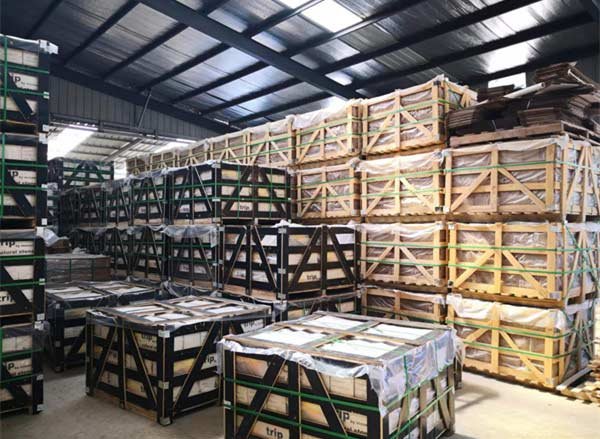
Premium Factory-Direct stablede steinledgerpaneler
Å fuge eller ikke fuge? Det estetiske valget for kjøkken
Eliminerer fugemasselinjer gjennom presisjonskonstruert sammenlåsende steinpaneler løser den doble utfordringen med høyt vedlikehold av kjøkkenhygiene og den visuelle fragmenteringen av tradisjonelle fliseritter.
Den sømløse estetikken til sammenlåsende steinpaneler
Moderne kjøkkendesign i 2026 prioritere kontinuerlige overflater som fjerner de stive, kunstige rutenettmønstrene som er vanlig i tradisjonelt murverk. Vi bruker en Z-formet forrigling system som tillater natursteinspaneler for å passe tett sammen, kamuflere vertikale skjøter og skape en profesjonell finish uten synlig snekkerarbeid. Dette systemet legger vekt på de organiske teksturene til skifer og kvartsitt i stedet for fyllmaterialet som brukes i fugede applikasjoner.
| Ytelsesberegning | Tradisjonell fuget flis | Topp kildestein Forrigling |
|---|---|---|
| Visuell kontinuitet | Avbrutt av rutenettlinjer | Monolitisk, sømløs finish |
| Vedlikeholdsprofil | Høy (porøse ledd fanger fett) | Lavt (minimale fangstpunkter) |
| Installasjonshastighet | 15–25 kvm per dag | 40–50 kvm per dag |
For å oppnå dette monolitiske utseendet krever CNC diamantbladpresisjon. Vi sikrer at hver panelkant er kuttet til strenge standarder, noe som letter en “mann-kvinne” forbindelse som skjuler underlaget. Denne tekniske presisjonen sikrer at selv håndmontert naturstein gir et eksklusivt arkitektonisk resultat som forblir stabilt på tvers av storskala backsplash-installasjoner.
Hygiene og vedlikehold i høyt trafikkerte kjøkken
Kjøkkenmiljøer utsetter veggoverflater for konsekvent fett, damp og fuktighet. Tradisjonelle fugemasselinjer fungerer som porøse fangstpunkter for matpartikler og bakterier, noe som ofte fører til misfarging og behov for aggressiv kjemisk rengjøring. Ved å velge fugefri steinpaneler med tette skjøter reduserer du det totale overflatearealet der skitt kan samle seg, noe som forenkler det daglige kjøkkenvedlikeholdet og opprettholder et sterilt miljø.
- Tette sammenlåsende ledd eliminerer de dype fordypningene der matolje vanligvis legger seg.
- Natursteinpaneler behandlet med høykvalitets tetningsmidler motstår fuktighet uten risiko for at fugemassen smuldrer opp eller støter seg over tid.
- Fraværet av fugemasse forhindrer “ujevn” utseende forårsaket av ujevn fyllstoffabsorpsjon i fuktige soner.
Visuell kontinuitet og det moderne tilbakeslaget
Arkitekter bruker ofte fugefri stein for å bygge bro mellom organiske teksturer og slank, moderne skap. De dype skyggene og høydimensjonale karakteren til stablet stein gir en taktil kontrast som fugemasse ellers ville myke opp eller skjule. Uten avbrudd av fyllmateriale varierer den naturlige fargen premium skifer eller kvartsitt flyt uavbrutt over veggen, og fremhever den geologiske autentisiteten til materialet.
Denne designveien tilbyr også en raskere installasjonsvei for entreprenører. Siden låsesystemet håndterer justeringen, bruker installatører mindre tid på å administrere avstandsstykker og mer tid på å sikre at underlaget er plant. For B2B-interessenter betyr dette lavere arbeidskostnader og en mer pålitelig prosjekttidslinje samtidig som det leverer det eksklusive utseendet til spesialskåret murverk til sluttkunden.

Verktøysjekk: Kan du håndtere en våt sag i en aktiv husholdning?
Å betjene en våt sag i et boligmiljø er en krevende oppgave som krever et kontrollert elektrisk oppsett og streng avfallshåndtering for å forhindre husholdningsulykker.
Elektrisk sikkerhet og vannforvaltning
Skjæring av naturstein krever en konstant strøm av vann, noe som introduserer betydelige elektriske risikoer hvis arbeidsområdet er dårlig konfigurert. Vi kobler sagen utelukkende til en jordfeilkretsbryter (GFCI)-uttak for å eliminere sjansen for elektrisk støt. Dette er en ikke-omsettelig standard for ethvert våtskjæringsmiljø i 2026.
- Lag en dryppløkke ved å drapere den elektriske ledningen under uttaksnivået for å hindre vann i å bevege seg nedover ledningen og inn i strømkilden.
- Unngå ujordede skjøteledninger; disse klarer ikke å gi den nødvendige overspennings- og vannbeskyttelsen under kraftig steinskjæring.
- Hold strømtilkoblingspunktene hevet og vekk fra sagens vannbeholder for å opprettholde en tørr elektrisk bane.
Viktig personlig verneutstyr
Naturstein skjærer ikke rent som keramikk; den produserer høyhastighetsbrikker og betydelig støy som kan forårsake umiddelbar skade. Vi bruker vernebriller sammen med et helmaske for å beskytte mot flygende steinfragmenter og kontinuerlig vannsprut. Tette materialer som kvartsitt eller skifer genererer høy desibelstøy, noe som gjør hørselsvern et krav for enhver økt som varer mer enn noen få minutter.
- Utstyr en støvmaske av høy kvalitet for å forhindre innånding av fine silikapartikler som frigjøres under skjæreprosessen.
- Bruk kuttbestandige hansker for å håndtere skarpe kanter steinpaneler trygt under fôrings- og henteprosessen.
- Fjern smykker og fest langt hår for å forhindre sammenfiltring med det høyhastighets diamantbladet.
Arbeidsområdekontroll og slurry management
Slurry management bestemmer renheten til den endelige installasjonen. Vi plasserer den våte sagen utendørs eller i en godt ventilert garasje for å hindre vannsprut og steinstøv i å vandre inn i oppholdsrom. Det er viktig å opprettholde en jevn vannstrøm til bladet før du starter kutt; dette holder steinen kjølig og forhindrer at fine partikler blir luftbårne.
- Plasser skjærestasjonen på en jevn, stabil overflate for å sikre nøyaktige kutt og forhindre at maskinen forskyver seg.
- Fjern alle hindringer og snublefarer fra arbeidssonen for å opprettholde et trygt miljø for håndtering av tunge steinpaneler.
- Overvåk vannbeholdernivået ofte; skjæring av stein uten tilstrekkelig smøring ødelegger diamantbladet og genererer mye støv.
Sikkerhetsprotokoller for okkuperte hjem
I et hus med aktive familiemedlemmer og kjæledyr må arbeidsplassen forbli sikker og ren. Vi rydder opp vannsøl og steinslam umiddelbart for å forhindre skli- og fallulykker på kjøkken- eller ganggulv. Steinslurry tørker til et fint, vanskelig å fjerne pulver, så umiddelbar inneslutning er den eneste effektive strategien for å opprettholde hjemmehygiene.
- Sørg for at sagbladet stopper helt før du prøver å justere materialer eller flytte utstyret.
- Sikre arbeidsområdet med fysiske barrierer for å forhindre at barn eller kjæledyr får tilgang til skarpe kniver og elektriske komponenter.
- Slå av og koble fra sagen hver gang operatøren forlater det umiddelbare området for å forhindre utilsiktet aktivering.

Kostnaden for feil: Hvorfor feiljustert stein er dyrt å fikse
Utbedring av feiljustert stein arbeid koster vanligvis tre ganger mer enn den første installasjonen på grunn av den tekniske kompleksiteten ved å demontere limte paneler uten å ødelegge underlaget.
Arbeidsutgifter i steinsanering
Kvalifisert arbeidskraft priser for reparasjon av stein i 2026 gjennomsnitt mellom $45 og $85 per time. I motsetning til en standardinstallasjon, krever korrigering av justeringsfeil at arbeiderne fjerner settet forsiktig steinbiter for å hindre skade på veggen rundt. Denne prosessen er arbeidskrevende og tredobler ofte timene som kreves for en standard installasjon fordi fjerning av ett panel ofte tvinger demontering av tilstøtende deler for å opprettholde det visuelle mønsteret.
Fjerning av herdet epoksy eller høyfast type S mørtel krever spesialverktøy og betydelig tålmodighet. Ethvert rush under fjerningsfasen risikerer å knekke naturstein eller huling av den underliggende sementplaten, noe som skaper ytterligere tekniske tilbakeslag og driver opp sluttfakturaen.
Materialavfall og erstatningsrealiteter
Natursteinpaneler er unike produkter, og å erstatte skadede seksjoner under en reparasjon medfører store materialkostnader. Spesialiserte steinerstatningskostnader når $20 til $100 per kvadratfot basert på steintype og prosjektkompleksitet. Fordi naturlige mineraler varierer mellom bruddårer, er det vanskelig å matche fargen og teksturen til en eksisterende installasjon i ettertid.
| Utgiftskategori | Standard installasjon | Utbedringskostnader (2026) |
|---|---|---|
| Arbeidstakst (time) | $25 - $45 | $45 - $85 |
| Materialavfall | 5 % – 10 % (Standardsnitt) | 25 % – 40 % (brudd/feil) |
| Overflateforberedelse / verktøy | Inkludert i sitat | $500+ (fjerning av lim) |
Entreprenører må ofte skaffe ekstra partier for å sikre en visuell match med den eksisterende veggen. Feil kutt eller paneler som brytes under reparasjonen øker det totale materialavfallet, noe som direkte reduserer prosjektets samlede lønnsomhet og kan føre til utvidede prosjekttidslinjer.

Strukturell utbedring og tilgangskostnader
Feil på høye vegger eller utvendige overflater medfører logistiske utfordringer som overgår grunnleggende murarbeid. Reparasjoner på utvendige fasader krever ofte stillas eller spesialisert sikkerhetsrigging, noe som gir tusenvis av dollar til sluttregningen.
- Feiljusterte steiner skaper hull som lar vann omgå dreneringsplanet, noe som fører til skjulte fuktskader i veggstrukturen.
- Fjerning av limt stein skader ofte den underliggende fuktsperren eller sementplaten, og krever full utskifting av underlaget før ny stein kan påføres.
- Logistikkoppsett for utbedring i okkuperte rom krever omfattende støvoppsamling og overflatebeskyttelse, noe som øker kostnadene for forberedelsestid.
Den økonomiske logikken til profesjonell installasjon
Presisjon i starten forhindrer det kompliserte økonomiske tapet av fremtidige reparasjoner. Profesjonelle installatører bruker CNC-diamantbladpresisjon og sammenlåsende Z-Shape-systemer for å garantere justering, og eliminerer den vanlige reparasjonsgebyret på $10-$20 per kvadratfot som finnes i DIY-prosjekter. Toppkilde Steinprodukter er konstruert med dette mann-kvinne-koblingssystemet for å spesifikt kamuflere ledd og forhindre vanlige “tråkket” hull som fører til utbedring.
Markedsdataene for 2026 indikerer at eiendommer med verifisert profesjonelt steinarbeid beholder høyere gjensalgsverdi enn de med synlige gjør-det-selv-feil. Kvalitetskontroll i installasjonsfasen sikrer at epoksy med høy styrke binder seg permanent, og forhindrer de høye kostnadene ved å lime ned falne steiner på nytt eller fikse strukturelle fuktproblemer senere.
Konklusjon
Vellykket backsplash-installasjon avhenger av å håndtere de tekniske detaljene ved benkeplaten og velge de riktige materialene for miljøet. Mens den lille skalaen til en kjøkkenvegg ofte antyder et enkelt helgeprosjekt, med premium naturstein krever presisjonsverktøy og en klar layoutstrategi for å unngå kostbare feiljusteringer. Profesjonelle resultater kommer fra å prioritere strukturell integritet og sømløse overganger, og sikre naturstein gir varig verdi og estetisk appell.
Gjennomgå vår nåværende beholdning av sammenlåsende Z-formede paneler og matchende L-hjørner for å se hvordan presisjonsteknikk forenkler komplekse kjøkkenoppsett. Du kan be om en produktkatalog eller kontakte teamet vårt for å diskutere spesifikke innkjøpskrav for dine kommende prosjekter.
Ofte stilte spørsmål
Er det lettere å installere stablet stein eller keramiske fliser?
Keramiske fliser er generelt lettere for å oppnå en profesjonell finish fordi det er lettere og lettere å kutte med standard manuelle verktøy. Mens stablede steinpaneler markedsføres ofte som “enklere” fordi de ikke krever fuging, er de betydelig tyngre og krever en våt sag for hvert kutt. Dessuten er keramikk mer forutsigbart under planleggingsfasen, mens stein krever mer intensiv substratforberedelse for å håndtere den ekstra vekten.
Kan jeg installere stablet stein rett over den gamle flisplaten min?
Direkte montering over gamle fliser anbefales ikke. Stablet stein er tung og krever en sterk mekanisk binding til underlaget for å forhindre svikt. De fleste gamle fliser er glaserte og ikke-porøse, noe som betyr at standardmørtel ikke kan “grep” overflaten. For en sikker installasjon bør du fjerne den eksisterende fliser for å eksponere veggen stendere eller sementplater, eller i det minste bruk en spesialisert primer med høy binding etter å ha skrapet den gamle flisoverflaten.
Hva er den største feilen folk gjør med kjøkkenstein?
Den viktigste feilen er å ikke ta hensyn til steinens porøsitet og tykkelse. Mange huseiere installer teksturert naturstein bak en rekke uten å innse at den porøse overflaten vil absorbere fett og kokesprut, noe som gjør den nesten umulig å rengjøre. I tillegg glemmer folk ofte å installere elektriske boksforlengere; fordi stein er mye tykkere enn fliser, vil stikkontaktene være for dypt innfelt i veggen uten dem.
Hvor mye bør jeg forvente å betale for pro-backsplash-installasjon?
I det nåværende markedet varierer profesjonell installasjon vanligvis fra $20 til $40 per kvadratfot for arbeid og diverse. Kompleksitet er en viktig faktor; intrikate mønstre eller tung naturstein krever ofte høyere priser. De fleste anerkjente entreprenører vil også ha et minimum mobiliseringsgebyr, ofte mellom $400 og $600, for å dekke oppsettet og flere turer som kreves for thinset-herding og forsegling.
Trenger jeg en spesiell mørtel for stein på en vertikal kjøkkenvegg?
Ja, du må bruke en “Ikke-sak” eller “Storformatflis” (LFT) mørtel for vertikale steininstallasjoner. Standard tynnsett har kanskje ikke den innledende stiften eller “gripe” kreves for å holde tunge steinbiter på plass, noe som får dem til å gli nedover veggen før limet setter seg. En polymermodifisert mørtel spesifikt vurdert for vertikale overflater sikrer at steinene forblir nøyaktig der du plasserer dem samtidig som den gir den nødvendige styrken for å støtte vekten.