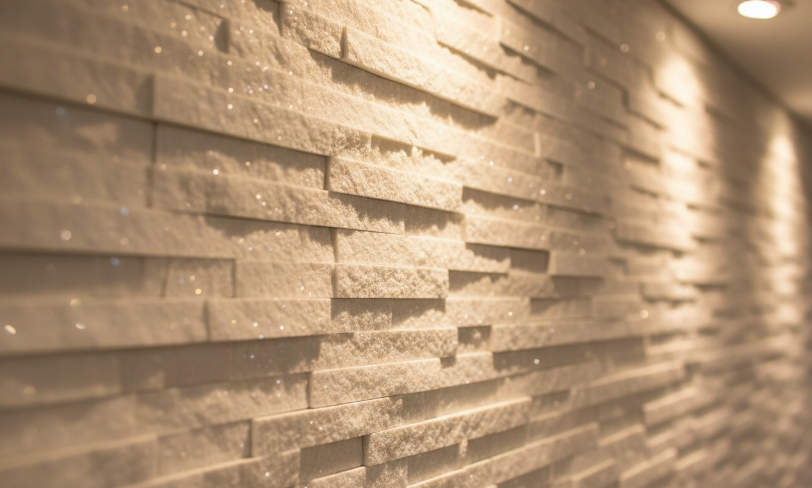
Decyzja pomiędzy kwarcytem a łupkiem w przypadku okładzin komercyjnych o dużym natężeniu ruchu to wybór, który bezpośrednio wpływa na długoterminową integralność konstrukcji i odpowiedzialność za konserwację. Chociaż oba materiały oferują naturalną estetykę, wybór kamienia o niewłaściwym profilu mineralnym dla konkretnego klimatu często prowadzi do rozwarstwień i kosztownych awarii elewacji. Architekci i kierownicy projektów muszą ocenić te materiały na podstawie ich odporności na przenikanie wilgoci i naprężenia mechaniczne, aby uniknąć przedwczesnego zmęczenia kamienia i zagrożeń dla bezpieczeństwa.
W tej analizie technicznej porównano skład mineralogiczny decydujący o trwałości kamienia w wymagających środowiskach. Badamy, dlaczego twardość kwarcytu w skali Mohsa 7 zapobiega degradacji powierzchni w obszarach ściernych i jak płaszczyzny foliacji w łupku wpływają na jego skłonność do łuszczenia się w cyklach zamrażania i rozmrażania. Niniejszy przewodnik służy jako standard techniczny do oceny stabilność termiczna, identyfikowanie najwyższej klasy materiałów i zrozumienie specyficznych wymagań dotyczących narzędzi do precyzyjnej produkcji kamienia.
Dlaczego skład minerałów jest prawdziwym wyznacznikiem trwałości kamienia?
Skład mineralny wyznacza fizyczne granice kamienia, określając jego odporność na zużycie, wilgoć i uderzenia, zanim pierwsza paleta dotrze na plac budowy.
Twardość Mohsa i odporność na zarysowania w gęstych minerałach
Twardość mineralna jest głównym miernikiem wytrzymałości powierzchni. W środowiskach komercyjnych o dużym natężeniu ruchu obecność twardych minerałów, takich jak kwarc i skaleń, decyduje o tym, czy powierzchnia pozostaje nieskazitelna, czy też ulega degradacji pod wpływem naprężeń mechanicznych. Granit i kwarcyt zazwyczaj osiągają ocenę Mohsa od 6 do 8, co plasuje je wśród najtrwalszych materiałów naturalnych dostępnych w nowoczesnej architekturze.
- Kamienie o dużej zawartości kwarcu i skalenia, takie jak granit i kwarcyt, osiągają ocenę Mohsa od 6 do 8.
- Kwarcyt zapewnia doskonałą odporność na zarysowania w porównaniu z bardziej miękkimi materiałami, co czyni go standardową specyfikacją dla instalacji o dużym natężeniu ruchu 2026.
- Kamienie na bazie kalcytu, takie jak marmur, pozostają podatne na trawienie i ścieranie, ponieważ mają niższą twardość mineralną.
Czynniki gęstości i porowatości w zapobieganiu wilgoci
Układ minerałów określa, jak dobrze kamień odpycha ciecze i jest odporny na głęboko zakorzenione plamy. Gęste kamienie mają ściśle powiązane kryształy, które pozostawiają niewiele miejsca na wnikanie wody, co jest krytycznym czynnikiem w przypadku okładzin zewnętrznych w regionach o wysokiej wilgotności lub przybrzeżnych. Niższa porowatość upraszcza długoterminową konserwację poprzez zmniejszenie częstotliwości wymagań dotyczących uszczelniania chemicznego.
- Ściśle powiązane kryształy mineralne w granicie i bazalcie tworzą gęstą strukturę, która skutecznie ogranicza wchłanianie wilgoci.
- Nieporowate materiały, takie jak kwarcyt, działają jak naturalna bariera przed wilgocią otoczenia i powszechnymi środkami plamiącymi.
- Wyższa porowatość minerałów prowadzi do zwiększonej absorpcji cieczy, co wymaga częstych cykli konserwacji, aby zapobiec trwałym przebarwieniom.
Integralność strukturalna dzięki blokadzie krystalicznej
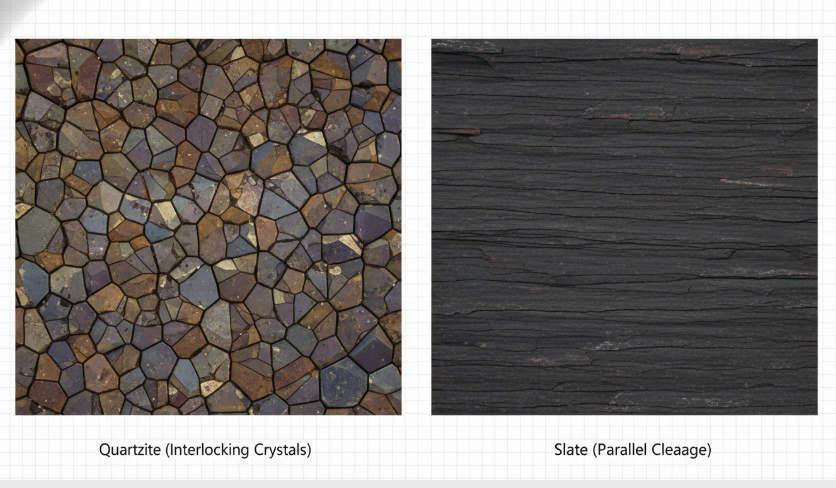
Formacje geologiczne pod wpływem ekstremalnej temperatury i ciśnienia tworzą wiązania mineralne, które decydują o odporności kamienia na uderzenia i stabilności. Kwarcyt powstaje w wyniku procesu, w wyniku którego powstaje stopiona, blokująca się struktura krystaliczna, co daje mu przewagę w ciężkich zastosowaniach konstrukcyjnych. Zrozumienie tych układów minerałów pozwala projektantom określić materiały, które zachowają swoją integralność funkcjonalną przez dziesięciolecia, a nie lata.
- Kwarcyt poddawany jest intensywnemu metamorficznemu działaniu ciepła i ciśnienia, w wyniku czego powstaje zazębiająca się struktura krystaliczna o wyjątkowej odporności na uderzenia.
- Drobnoziarniste tekstury bazaltu, bogatego w skaleń plagioklazowy i piroksen, pozwalają kamieniowi wytrzymać ekstremalne wahania temperatury bez pękania.
- Analiza tych konkretnych układów minerałów pomaga profesjonalistom wybierz kamienie które gwarantują długoterminową wydajność w wymagającym klimacie.
Bitwa o twardość: dlaczego kwarcyt Mohsa 7 przewyższa łupek w zastosowaniach komercyjnych?
Długowieczność komercyjna zależy od twardości minerału; Kwarcyt Mohsa 7 zapewnia ochronę strukturalną niezbędną do wytrzymania ścierania o dużym natężeniu ruchu, które zwykle powoduje degradację łupka Mohsa 3 w ciągu pięciu lat od instalacji.
Twardość mineralna Mohsa i odporność na ścieranie powierzchni
Skład mineralny dyktuje cykl wymiany kamienia w środowiskach o dużym natężeniu ruchu. Kwarcyt składa się prawie wyłącznie z ziaren kwarcu, które rekrystalizowały pod wpływem intensywnego ciepła i ciśnienia, co daje twardość w skali Mohsa od 7 do 8. To plasuje go w innej klasie wydajności niż łupek, który mieści się w przedziale od 3 do 4. W obiektach komercyjnych z 2026 r. – takich jak lobby hotelowe lub wysokiej klasy fasada sklepu detalicznego – twardość ta zapobiega mikrozarysowaniom i powierzchni “zamglenie” powstają, gdy bardziej miękkie minerały spotykają się z żwirem, piaskiem i stałym kontaktem fizycznym.
| Metryka wydajności | Kwarcyt premium (najlepsze źródło) | Łupek klasy komercyjnej |
|---|---|---|
| Skala twardości Mohsa | 7 – 8 (niezwykle trudny) | 3 – 4 (umiarkowany) |
| Struktura mineralna | Blokujący krystaliczny | Foliowane (warstwowe) |
| Odporność na ścieranie | Wysoka (odporna na zarysowania metalowe) | Średni (podatny na zarysowania) |
| Stabilność termiczna | Do 300°F | Umiarkowany (wrażliwy na ciepło) |
Wysoka zawartość krzemionki zapewnia, że kamień pozostaje nienaruszony funkcjonalnie pod wpływem przemysłowych protokołów czyszczenia. Podczas gdy kwaśne środki czyszczące mogą trawić bardziej miękkie kamienie, stabilność chemiczna kwarcytu zapewnia szerszy margines błędu. Podczas produkcji wykorzystujemy precyzję tarcz diamentowych CNC, szczególnie dlatego, że standardowe ostrza nie radzą sobie z tą gęstością, dzięki czemu każdy panel w partii hurtowej zachowuje te same ostre krawędzie i integralność tekstury.
Gęstość strukturalna i odporność na uderzenia
Ściśle ziarnista struktura kwarcytu eliminuje podstawowy sposób zniszczenia łupków: rozwarstwienie. Łupek powstaje w wyniku metamorfizmu niskiego stopnia, który tworzy odrębne płaszczyzny (warstwy) foliacji. Pod wpływem uderzenia lub ekstremalnych warunków pogodowych warstwy te mogą się złuszczać lub odpadać “odprysk.” Natomiast matryca krystaliczna kwarcytu nie jest foliowana. Oznacza to, że kamień wytrzymuje uderzenia fizyczne w ruchliwych strefach handlowych, bez miejscowych odprysków, typowych dla materiałów warstwowych.
- Gęste struktury krystaliczne zapobiegają wchłanianiu wilgoci, utrzymując wnętrze kamienia w suchości i zapobiegając głęboko osadzającym się plamom.
- Doskonała odporność na uderzenia zmniejsza długoterminowe obciążenia konserwacyjne dla zarządców obiektów w korytarzach hotelowych o dużym natężeniu ruchu.
- Niski poziom porowatości minimalizuje reakcje chemiczne z ostrymi, komercyjnymi środkami dezynfekującymi stosowanymi w przestrzeni publicznej.
Stabilność termiczna w środowiskach hotelarskich
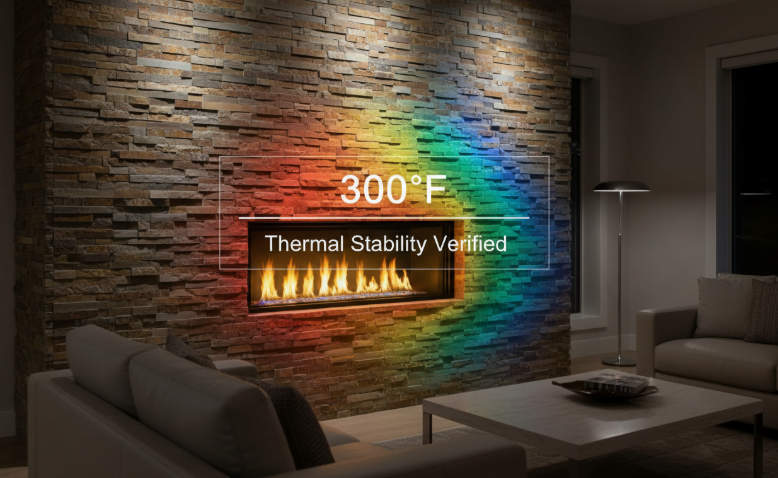
Kwarcyt zapewnia bezpieczniejszy i bardziej stabilny materiał do obiektów hotelarskich, takich jak otoczenie restauracji lub ściany kominka. Wytrzymuje ciepło do 300°F bez ryzyka pękania lub odbarwienia, które ma wpływ na kamienie o mniejszej gęstości. Ta stabilność termiczna jest krytycznym czynnikiem zapewniającym zgodność z przepisami budowlanymi komercyjnymi, które priorytetowo traktują bezpieczeństwo przeciwpożarowe i wytrzymałość materiału.
Kamień działa jako niezawodny radiator w zastosowaniach opalanych drewnem lub w kominkach gazowych o dużej mocy. Ponieważ ziarna kwarcu są powiązane ze sobą pod wpływem intensywnego ciśnienia geologicznego, są odporne na szok termiczny — szybkie rozszerzanie i kurczenie się, które powoduje pękanie łupka. W przypadku projektów na dużą skalę, gdzie bezpieczeństwo i trwałość mają bezpośredni wpływ na koszty ubezpieczenia i koszty operacyjne, gęstość mineralna kwarcytu pozostaje punktem odniesienia w branży.
Kamień naturalny premium zapewniający sukces zawodowy
Naturalny rozszczep czy krystaliczny połysk: która tekstura pasuje do Twojego projektu?
Tekstura powierzchni dyktuje coś więcej niż tylko atrakcyjność wizualną; określa załamanie światła, odporność na poślizg i długoterminowe wymagania konserwacyjne w środowiskach komercyjnych o dużym natężeniu ruchu.
Dotykowy charakter naturalnego łupka rozszczepionego
Panele łupkowe opierają się na naturalnym procesie podziału powierzchni, który odsłania organiczne warstwy geologiczne i głębokie, wytrzymałe tekstury. Proces ten podkreśla wewnętrzne płaszczyzny foliacji kamienia, tworząc powierzchnię, która sprawia wrażenie uziemionej i dotykowej. Nasz “Ostra seria” wykorzystuje tę głębokość wymiarową w zakresie od 1 do 1,75 cala, aby wygenerować dramatyczne cienie, które rozbijają płaskie płaszczyzny wielkoformatowych fasad zewnętrznych.
- Naturalne szczelinowe powierzchnie zapewniają doskonałą przyczepność mechaniczną, co czyni je funkcjonalnym wyborem do wejść o dużym natężeniu ruchu.
- Matowe, nieodblaskowe wykończenie doskonale sprawdza się w architekturze krajobrazu na zewnątrz, gdzie należy zminimalizować odblaski słońca.
- Tekstury z dzieloną powierzchnią skutecznie maskują drobne zużycie i kurz, zmniejszając częstotliwość widocznych prac konserwacyjnych.
Właściwości świetlne krystalicznego kwarcytu
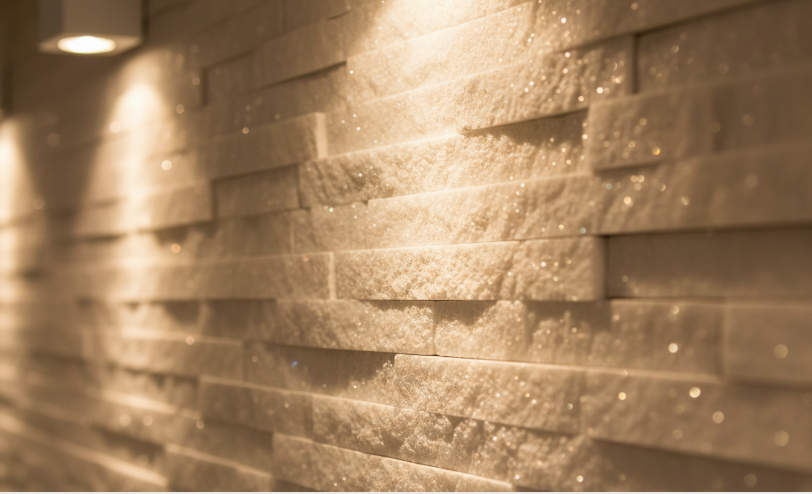
Panele kwarcytowe zawierają splecione ziarna kwarcu, które wytwarzają charakterystyczny naturalny połysk. W przeciwieństwie do łupków, które pochłaniają światło poprzez swoje matowe warstwy, kwarcyt odbija światło poprzez swoją krystaliczną strukturę. Eliminuje to potrzebę stosowania sztucznego połysku lub miejscowych powłok, które ostatecznie łuszczą się lub żółkną. The “Seria ołówkowa” wykorzystuje to, używając cienkich, liniowych pasków, aby stworzyć płynny efekt wizualny, który zmienia się wraz ze zmianą kąta widzenia.
| Metryka wydajności | Naturalny łupek rozszczepiony | Krystaliczny kwarcyt |
|---|---|---|
| Twardość Mohsa | 3 – 4 (umiarkowany) | 7 (ekstremalny) |
| Lekka interakcja | Matowy/pochłaniający światło | Odblaskowy/naturalny blask |
| Najlepszy przypadek użycia | Rustykalny & Tradycyjny | Nowoczesny & Luksusowy handel detaliczny |
Dopasowanie tekstury powierzchni do stylu architektonicznego
Wybór pomiędzy matowymi wykończeniami i odblaskowymi powierzchniami krystalicznymi określa ostateczną atmosferę okładziny. Architekci często wybierają naturalny łupek łupkowy do projektów w stylu górskim, współczesnym lub rustykalnym, gdzie głównym celem jest organiczny, surowy charakter. Głębokość “Ostra seria” pomaga uziemić duże budynki, sprawiając wrażenie przedłużenia naturalnego krajobrazu.
Krystaliczny kwarcyt pasuje do minimalistycznych i luksusowych, nowoczesnych stylów. Jego zdolność do “blask” przy skupionym oświetleniu architektonicznym sprawia, że jest to preferowany materiał na efektowne ściany w holach hotelowych i luksusowych apartamentach biurowych. Obie tekstury korzystają z blokowania Panel w kształcie litery Z system. Ta inżynieria gwarantuje, że niezależnie od grubości kamienia i poziomu połysku, pionowe złącza pozostaną zakamuflowane, zapewniając jednolite wykończenie, które chroni marże zysku dealerów poprzez ograniczenie pracy instalacyjnej na miejscu.
Ryzyko rozwarstwienia: analiza płaszczyzn foliacji skał metamorficznych
Zrozumienie układu minerałów skał metamorficznych to jedyny sposób, aby dokładnie przewidzieć rozwarstwienie, ponieważ płaszczyzny rozszczepienia w łupkach stanowią trwałą podatność strukturalną, której brakuje krystalicznej matrycy kwarcytu.
Ułożenie minerałów i wrażliwość strukturalna
Foliowanie zachodzi, gdy minerały krzemianu warstwowego układają się w jedną całość pod wpływem intensywnej temperatury i ciśnienia, tworząc równoległe płaszczyzny w kamieniach metamorficznych, takich jak łupki. Te naturalne płaszczyzny łupania stanowią główne miejsce uszkodzeń strukturalnych, gdy kamień jest narażony na obciążenia środowiskowe. Gęstość i orientacja tych warstw są określane podczas formowania się skał pod wpływem naprężeń różnicowych, które decydują o tym, jak kamień będzie się zachowywał przez dziesięciolecia ekspozycji.
Główną przyczyną jest przenikanie wilgoci do tych płaszczyzn degradacja kamienia na zewnątrz aplikacje. Kiedy woda dostaje się do mikroskopijnych szczelin między warstwami i zamarza, powstałe w ten sposób rozszerzanie powoduje rozsunięcie płaszczyzn. Proces ten prowadzi do łuszczenia się, zwanego również rozwarstwianiem, które może zagrozić zarówno integralności estetycznej, jak i strukturalnej instalacja z ułożonego kamienia.
| Własność materialna | Łupek ułożony kamień | Kamień skumulowany kwarcytem |
|---|---|---|
| Struktura mineralna | Foliowane (warstwowe) | Krystaliczny (blokujący) |
| Płaszczyzny podziału | Wyraźne/ciągłe | Brak/nieciągły |
| Ryzyko rozwarstwienia | Umiarkowane do wysokiego | Nieistotny |
Przyczepność epoksydowa jako wzmocnienie konstrukcyjne
Nowoczesna produkcja wykorzystuje wiązania chemiczne o wysokiej wytrzymałości, aby przeciwdziałać nieodłącznym słabościom fizycznym występującym w foliowanych warstwach kamienia. Stosujemy specjalistyczne żywice epoksydowe przeznaczone do Kamień naturalny aby stworzyć trwałe połączenie pomiędzy poszczególnymi kawałkami kamienia a podłożem płyty. To wzmocnienie ma kluczowe znaczenie dla zapewnienia, że minerały warstwowe pozostaną nienaruszone podczas transportu i przez cały okres użytkowania budynku.
- Protokoły produkcyjne na rok 2026 obejmują trzyetapową kontrolę w celu potwierdzenia 100% pokrycia klejem w potencjalnych punktach rozwarstwienia.
- Techniki łączenia pod ciśnieniem wtłaczają żywicę epoksydową w mikroszczeliny, stabilizując wewnętrzną strukturę kamienia przed utworzeniem kraty.
- Wiązanie chemiczne działa jak dodatkowa bariera chroniąca przed wnikaniem wilgoci na spodniej stronie panelu.
Skład materiału i odporność na rozszczepianie
Skład mineralny kamienia bezpośrednio wpływa na jego podatność na foliację. Kwarcyt jest odporny na pękanie, ponieważ jego ziarna kwarcu nie układają się w jednej linii pod ciśnieniem metamorficznym; zamiast tego rekrystalizują w gęstą, zazębiającą się matrycę. To sprawia, że kwarcyt jest znacznie bardziej stabilny niż łupek w obszarach o dużym natężeniu ruchu lub dużej wilgotności, gdzie czynniki fizyczne i warunki atmosferyczne są stałymi czynnikami.
Najbardziej wyraźną foliację wykazują skały metamorficzne niskiej jakości, takie jak niektóre łupki. Materiały te wymagają bardziej rygorystycznych standardów montażu i wysokowydajnych uszczelniaczy, aby zapobiec ryzyku pękania. Wybór kamieni niefoliowanych do wymagających środowisk zmniejsza potrzebę częstej konserwacji i zapobiega naprawom konstrukcyjnym często związanym z układaniem warstw awaria kamienia.
Modelowanie stresu i predykcyjna ocena ryzyka
Postępy w charakteryzacji mikroskopowej umożliwiają obecnie inżynierom przewidywanie trybów awarii poprzez analizę warstw kamienia na poziomie molekularnym. Przemysłowe modelowanie naprężeń pomaga określić maksymalny ciężar i nacisk, jaki może wytrzymać foliowany kamień, zanim płaszczyzny zaczną się rozdzielać. Dane te są niezbędne w przypadku działań na dużą skalę projekty komercyjne, w których fornir kamienny muszą wytrzymywać znaczne obciążenia konstrukcyjne.
Cyfrowe narzędzia do charakteryzacji zastosowane w 2026 r. dostarczają precyzyjnych danych na temat rozmieszczenia minerałów, pomagając projektantom w wyborze odpowiedniego materiału dla określonego klimatu. Analizując te tryby awarii, upewniamy się, że nasze zalecenia dotyczące instalacji uwzględniają unikalną historię geologiczną materiału, zapewniając gotowe rozwiązanie projektowe, które minimalizuje długoterminową odpowiedzialność dealerów i deweloperów.
Stabilność termiczna: który kamień lepiej radzi sobie z ekstremalnymi temperaturami w kominku?
Wydajność cieplna w zastosowanie kominka zależy od kamienia gęstość mineralna i struktura krystaliczna, gdzie bogaty w kwarc skład kwarcytu zapewnia doskonałą odporność na rozszerzalność cieplną w porównaniu z warstwową foliacją łupków.
Różnice w tolerancji ciepła między kwarcytem a łupkiem
Kwarcyt pozostaje preferowanym wyborem w zastosowaniach wymagających wysokiej temperatury w roku 2026 ze względu na jego dużą gęstość i naturalną odporność na rozszerzalność cieplną. Ta skała metamorficzna, złożona prawie wyłącznie ze splatających się ze sobą ziaren kwarcu, wytrzymuje intensywne ciepło promieniowania kominków opalanych drewnem bez ryzyka mikroskopijnej awarii konstrukcyjnej. Łupek stanowi niezawodną i opłacalną opcję dla kominków gazowych lub elektrycznych, w których temperatury pozostają stałe i umiarkowane, ale może stawić czoła wyzwaniom związanym z ekstremalnymi, wahającymi się temperaturami wkładów drewnianych o dużej mocy.
Oferta paneli z kamienia naturalnego znaczną przewagę wydajnościową nad alternatywnymi rozwiązaniami technicznymi. Wiele wyprodukowanych “fałszywy” kamienie używaj spoiw i żywic, które mogą odbarwić się, wypaczyć lub wydzielać zapach pod wpływem wysokich temperatur przez długi czas. Natomiast naturalny kwarcyt i łupek zachowują swoją integralność estetyczną i konsystencję kolorów pomimo dziesięcioleci ekspozycji na ciepło.
Normy bezpieczeństwa pożarowego dla oklein z kamienia naturalnego w 2026 roku
Kamień naturalny jest z natury niepalny, co czyni go głównym materiałem zabezpieczającym do elementów grzewczych w budynkach mieszkalnych i komercyjnych. Prawdziwy kamień panele nie zapalają się ani nie emitują toksycznego dymu pod wpływem otwartego płomienia, zapewniając krytyczną warstwę bezpieczeństwa dla mieszkańców budynku. Nasz procesy produkcyjne w Top Source Stone zapewniają, że każdy panel spełnia zaktualizowane przepisy budowlane 2026 dotyczące obudów kominków i ścian kominowych.
- Zerowe rozprzestrzenianie się płomienia: Naturalne minerały zapewniają 100% barierę ognioodporną.
- Integralność strukturalna: Panele zachowują swoją nośność nawet podczas ekstremalnych skoków temperatury.
- Zgodność z przepisami: Wszystkie materiały są testowane w celu zapewnienia, że spełniają międzynarodowe standardy bezpieczeństwa dla stref o wysokiej temperaturze.
Trwałość wiązania w powtarzających się cyklach termicznych
Klej używany do montażu panele kamienne są równie ważne jak sam kamień. Musi wytrzymać naprężenia mechaniczne wynikające z ciągłego rozszerzania i kurczenia się. Używamy żywic epoksydowych o wysokiej wytrzymałości, opracowanych specjalnie w celu utrzymania trwałego wiązania podczas cykli termicznych. Odpowiednio wyleczony kamienne panele zapobiegają rozwarstwianiu lub odpryskom, co może stanowić ryzyko w przypadku klejów niższej jakości, które stają się kruche po podgrzaniu.
Zaawansowana technologia żywicy zapewnia kamień pozostaje bezpiecznie przymocowany do panelu substratu przez tysiące cykli cieplnych. Ta inżynieria zapobiega “strzelanie” lub poluzowanie poszczególnych kamieni, utrzymując fasadę kominka bezpieczną i wizualnie spójną przez cały okres użytkowania instalacji. Dla dystrybutorów i wykonawców B2B oznacza to mniej roszczeń gwarancyjnych i wyższą długoterminową satysfakcję klientów w wymagających środowiskach mieszkalnych.
Wniosek
Wybór pomiędzy kwarcytem a łupkiem zależy od konkretnych wymagań środowiska projektu i pożądanego wykończenia architektonicznego. Świadomość mineralogiczna pozwala profesjonalistom ograniczyć ryzyko, takie jak rozszerzalność cieplna lub łuszczenie się spowodowane wilgocią, zanim kamień dotrze na miejsce. Dostosowanie właściwości materiału do wymagań montażowych chroni zarówno długoterminową trwałość okładziny, jak i profesjonalną reputację budynku.
Możesz zapoznać się z inwentarzem Wielkiej 10, aby zobaczyć, jak te naturalne materiały sprawdzają się w różnych zastosowaniach, lub poprosić o fizyczną próbkę do swojej biblioteki projektowej. Skontaktuj się z naszym zespołem dostaw, aby otrzymać arkusze danych technicznych i ceny zbiorcze dostosowane do Twojego następnego zamówienia hurtowego.
Często zadawane pytania
Czy kwarcyt jest droższy od łupka przy zamówieniach hurtowych?
Tak, kwarcyt jest znacznie droższy niż łupek przy zamówieniach hurtowych. Ta rozbieżność cen wynika ze złożoności wydobycia i przetwarzania; podczas gdy łupek jest bardziej miękką skałą metamorficzną, która łatwo dzieli się wzdłuż naturalnych płaszczyzn łupania, kwarcyt zajmuje od 7 do 8 w skali Mohsa, co wymaga specjalistycznych maszyn diamentowych i bardziej pracochłonnych technik wydobywania w celu wytworzenia gotowych płyt lub płytek.
Czy kamień ułożony w łupek łatwo się łuszczy w klimacie zamarzania i rozmrażania?
Łupek jest skałą foliowaną, co oznacza, że składa się z cienkich, sprasowanych warstw. W klimacie zamarzania i rozmrażania wilgoć może migrować między tymi warstwami; kiedy woda zamarza i rozszerza się, może spowodować rozwarstwienie kamienia lub “odłupać się,” proces znany jako spalling. Aby temu zapobiec, w takich środowiskach należy stosować wyłącznie łupki o dużej gęstości i niskiej absorpcji, które muszą być odpowiednio uszczelnione, aby ograniczyć wnikanie wody.
Co jest lepsze do zastosowań przybrzeżnych na zewnątrz: łupek czy kwarcyt?
Kwarcit to doskonały wybór do zewnętrznych zastosowań przybrzeżnych. Jego połączona struktura krystaliczna i duża gęstość sprawiają, że jest on praktycznie odporny na działanie mgły solnej i wilgoci. Chociaż można zastosować łupek, często zawiera on śladowe minerały żelaza, które mogą utleniać się (rdza) pod wpływem słonego powietrza, a jego warstwowa struktura jest bardziej podatna na erozję ze strony pierwiastków w porównaniu z chemicznie stabilną, bogatą w kwarc kompozycją kwarcytu.
Jak rozpoznać kwarcyt premium z barwionego łupka niskiej jakości?
Możesz zidentyfikować kwarcyt premium za pomocą testu twardości: prawdziwy kwarcyt (Mohsa 7+) z łatwością zarysuje szkło lub stal wysokiej jakości, podczas gdy łupek nie. Ponadto kwarcyt zazwyczaj wykazuje odrębność “cukierkowy” połysk lub krystaliczny połysk podczas oglądania pod światłem. Jeśli kamień ma nienaturalnie jednolity kolor lub traci pigment po potarciu rozpuszczalnikiem takim jak aceton, prawdopodobnie jest to materiał barwiony, niższej jakości.
Czy kwarcyt wymaga narzędzi skrawających inkrustowanych diamentem?
Tak, kwarcyt absolutnie wymaga narzędzi skrawających inkrustowanych diamentem. Ponieważ składa się prawie wyłącznie z kwarcu, jest znacznie twardszy niż granit i większość innych Naturalne kamienie. Standardowe ostrza do muru lub stali stępią się niemal natychmiast i nie przetną materiału. Profesjonalni wytwórcy muszą używać wysokiej jakości, chłodzonych wodą tarcz diamentowych, zaprojektowanych specjalnie do twardych kamieni, aby uzyskać czyste, precyzyjne cięcie bez pękania płyty.