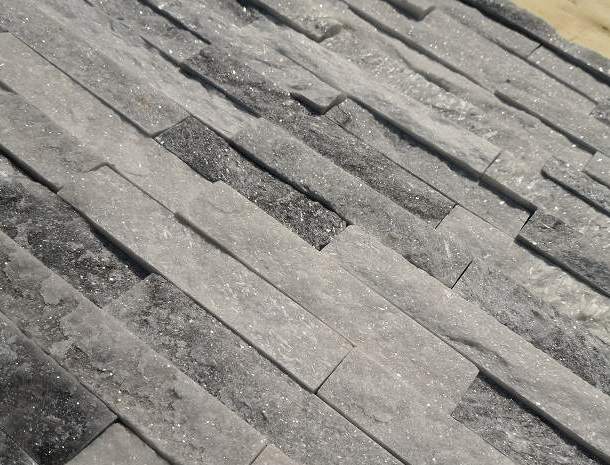
Wiesz, że prawidłowy kod HS ułożonych kamieni to różnica między czystą odprawą celną a kontenerem oczekującym na postój w Los Angeles/Long Beach. Jednak większość przewodników na rok 2026 myli się, traktując taryfę jak prostą tabelę przeglądową. Podają numer, podają stawkę celną i ruszają dalej. Działa to, jeśli importujesz towar taki jak pręty zbrojeniowe. Nie ma to zastosowania w przypadku paneli z kamienia naturalnego, ponieważ amerykańskie służby celne nie tylko weryfikują kod HS; potwierdza wiedzę o materiałach kryjącą się za kodem. Kontenery były oznaczane od tygodni, ponieważ na liście przewozowej widniała informacja „fornir kamienny”.’ a test laboratoryjny CBP wykazał obecność spoiwa cementowego, co spowodowało pełny audyt reklasyfikacyjny. Właśnie tę lukę porusza niniejszy przewodnik.
Moja firma współpracuje z importerami, którzy porzucili Alibabę, ale teraz muszą chronić pięciocyfrową marżę na pojedynczym kontenerze 40HQ. Podstawowym problemem nie jest znalezienie kodu HS dla paneli księgowych z kamienia naturalnego – to zadanie Google. Podstawowym problemem jest zapobieganie błędnej klasyfikacji polegającej na dodaniu 25% stawki zgodnie z sekcją 301, na którą nie uwzględniłeś budżetu, lub, co gorsza, wstrzymaniu wysyłki, ponieważ Twój dostawca nie zgodził się na HTS 6810.99, aby uniknąć podatku od wojny handlowej. Zamierzam omówić konkretne 10-cyfrowe kody dla kwarcytu, łupków i granitu, ale co ważniejsze, pokażę, jak wymusić prawidłową klasyfikację na fakturze handlowej dostawcy, zanim statek opuści port. Tylko w ten sposób możesz mieć pewność, że kalkulator kosztów dostawy faktycznie odzwierciedla rzeczywistość.
HTS Rozdział 68: Klasyfikacja ułożonych kamieni
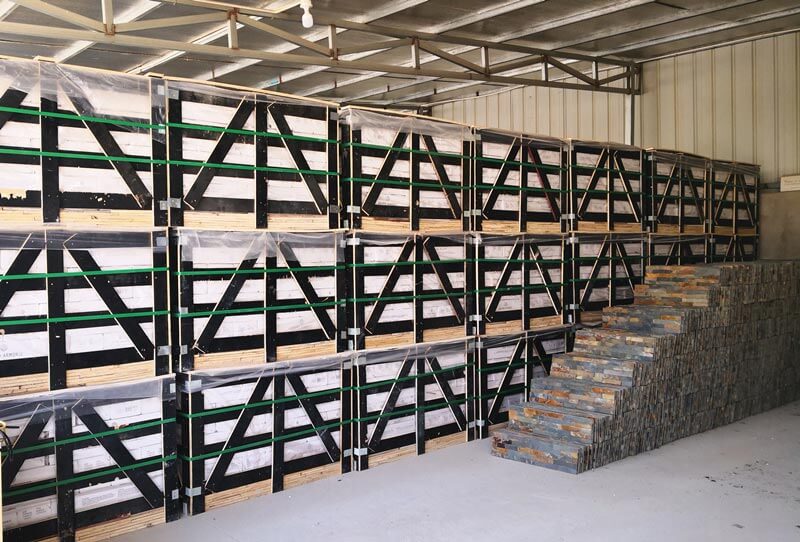
Płyty księgowe z kamienia naturalnego z Chin objęte są standardową stawką celną w wysokości 6,5% plus stawka 25% na mocy sekcji 301. Kontener z 40 siedzibami i kosztujący 18 000 dolarów CIF kosztuje od 1170 do 5670 dolarów samych ceł – co wystarczy, aby usunąć 5% marżę w przypadku błędnej klasyfikacji.
Znasz już ogólną odpowiedź: ułożony kamień podlega rozdziałowi 68. Jednak różnica między odprawą celną w ciągu 24 godzin a obserwowaniem kontenera stojącego w Long Beach przez dwa tygodnie sprowadza się do prawidłowego wprowadzenia 10-cyfrowego kodu i zrozumienia, gdzie Twój dostawca idzie na skróty. Poniżej omówiono logikę klasyfikacji, która faktycznie ma znaczenie w przypadku masowego zamówienia FCL:
- Kwarcyt / Piaskowiec / Wapień: HTS 6802.99.0090 — 6,5% standardowego cła + 25% podatku ad valorem na podstawie sekcji 301.
- Panele granitowe: HTS 6802.93.00.90 — 3,7% standardowego cła + 25% podatku ad valorem na podstawie sekcji 301.
- Naturalna okładzina łupkowa: HTS 6803.00.5000 — 0% standardowego cła + 25% sekcji 301 warstw podatku ad valorem.
- Hodowane / na bazie cementu: HTS 6810.99.0000 — standardowe cło 6,5%, całkowicie zwolnione z dopłat wynikających z sekcji 301.
Tutaj zawiodą Cię ogólne przewodniki. The “pułapka na kamienie hodowlane” jest realne: wielu chińskich dostawców celowo klasyfikuje panele z kamienia naturalnego zgodnie z normą HTS 6810, aby uniknąć dopłaty w wysokości 25% na podstawie sekcji 301. Amerykańskie służby celne mogą i faktycznie przeklasyfikowują przesyłki po ich przybyciu. Jeśli Twój kontener zostanie oznaczony banderą, grozi Ci przeklasyfikowanie na numer 6802.99.0090 plus 25% taryfa, kary administracyjne i opłaty za przestój w wysokości 200–400 USD dziennie w Los Angeles/LB. Widziałem, jak kontener o wartości 50 000 dolarów stał się problemem o wartości 68 000 dolarów, ponieważ dostawca użył błędnego kodu na fakturze handlowej. Przed zablokowaniem rezerwacji zawsze porównaj 10-cyfrowy kod z oficjalną bazą danych USITC.
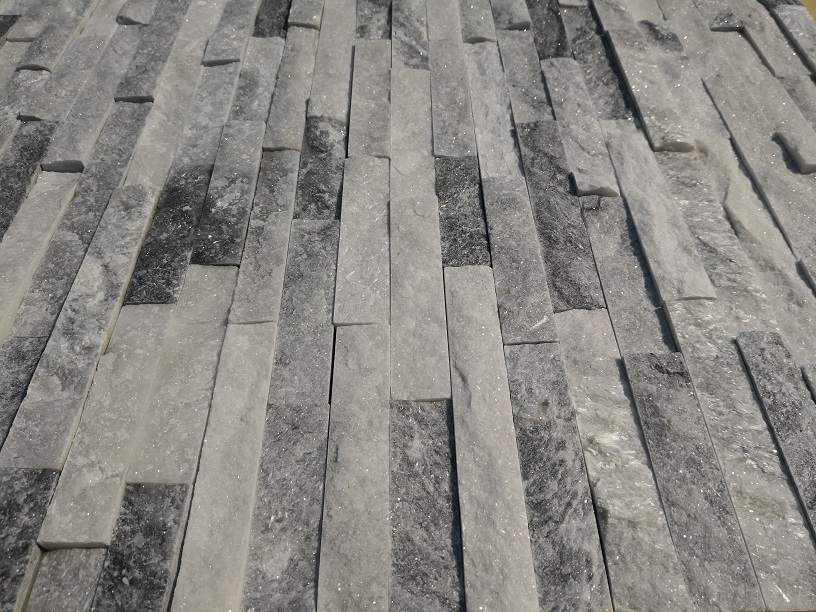
Artykuł 301 Taryfy na chiński kamień
Panele księgi rachunkowej z naturalnego kwarcytu w cenie 18 000 USD CIF wiążą się z łącznymi stawkami w wysokości 5670 USD, jeśli zastosowanie ma sekcja 301. Oznacza to 31,5% obciążenie podatkowe struktury kosztów kontenera.
Taryfa z sekcji 301 nie jest opcjonalna. Od 2026 r. chiński kamień piętrowy objęty jest wykazem 4A, który wymaga umieszczenia w podsumowaniu wpisu podpozycji 9903.88.15 działu 99. Jest to oddzielny zakres obowiązków od standardowego. Twój agent celny wypełnia oba wiersze. Jeżeli w podsumowaniu wpisu pominięto kod z rozdziału 99, CBP przetrzymuje ładunek do czasu złożenia przez Państwa poprawki po wprowadzeniu. Proces ten trwa minimum 3-5 dni roboczych. Dystrybutor, z którym się konsultowałem, zaimportował 2400 stóp kwadratowych. z “ułożony kamień” sklasyfikowany jako 6810. CBP przetestowało materiał w laboratorium, znalazło naturalny kalcyt i kwarc i przydzieliło go do 6802.99.0090 plus rozdział 99 9903.88.15, co wymusiło zapłatę podatku w wysokości 4800 dolarów.
Jednakże kamień ułożony w stosy charakteryzuje się specyficzną strukturalną różnicą stawek, z której korzystają strategiczni nabywcy: podstawową ulgą podatkową dla łupków. Panele z łupka naturalnego objęte normą HTS 6803.00.5000 objęte są standardową stawką celną 0% KNU. Chociaż w dalszym ciągu podlegają one w pełni 25% taryfie na podstawie art. 301, całkowite pominięcie stawki podstawowej obniża całkowite obciążenie taryfami operacyjnymi z 31,5% (6,5% ustawowych + 25% z wykazu 4A) do czystych 25%. W przypadku kontenera o wartości 20 000 USD oznacza to 1300 USD oszczędności. Musisz jednak upewnić się, że opis handlowy jest przeczytany “Panel księgi z łupka naturalnego” nie “Panel z forniru kamiennego” — ta ostatnia zachęca do przeklasyfikowania do 6802,99 i wymusza przywrócenie w życie opłaty podstawowej w wysokości 6,5%.
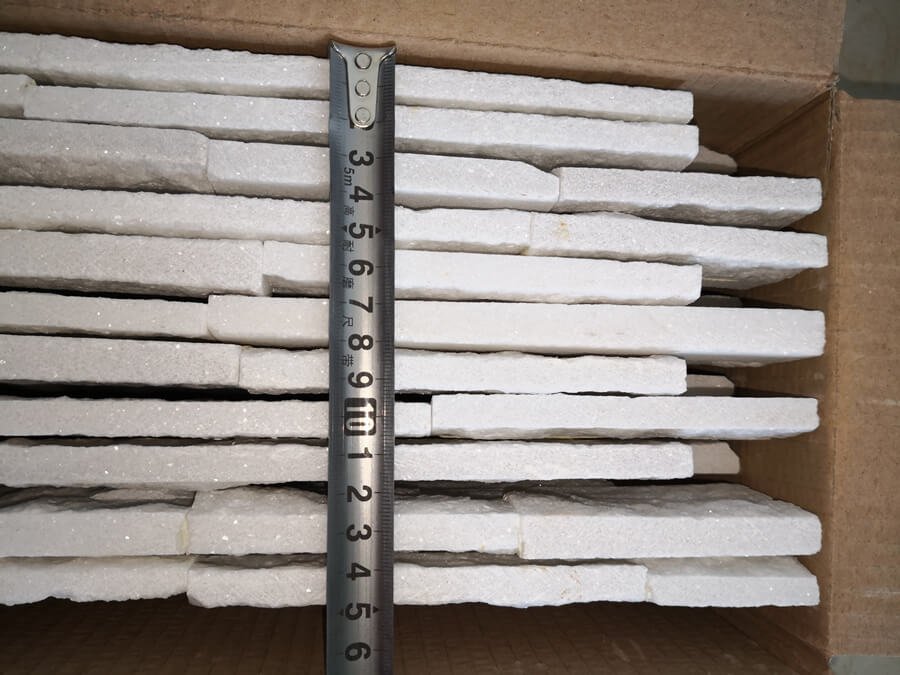
Wymagane dokumenty celne dla kamienia
Wymagania dotyczące dokumentacji w przypadku przesyłki FCL ułożonej w stosy kamieni są proste, ale bezlitosne. Każda przesyłka FCL zawierająca ułożone kamienie wymaga pięciu podstawowych plików: a faktura handlowa z 10-cyfrowym kodem HTS i kraju pochodzenia, listę pakowania zawierającą dokładną wagę w kilogramach i liczbę sztuk na palecie, list przewozowy, świadectwo pochodzenia oraz ciągłą kaucję celną o wartości minimalnej od 10 000 do 20 000 dolarów.
Największym pojedynczym błędem w dokumentacji jest brak “Oświadczenie producenta” — Amerykańskie służby celne mogą zażądać dowodu potwierdzającego, że panele są wykonane z kamienia naturalnego, a nie kamienia hodowlanego na bazie betonu. Standardowe opakowanie zawiera Certyfikat Składu Materiału, który zawiera informację o lokalizacji kamieniołomu, procentowym składzie minerałów oraz metodzie przetwarzania. Poproś o to dowolnego dostawcę przed wysyłką. Jeśli nie mogą tego dostarczyć lub nie mogą udostępnić raportów z kontroli stron trzecich sporządzonych przez SGS lub Bureau Veritas, narażasz się na audyt reklasyfikacji, którego rozstrzygnięcie zajmie 30–60 dni.
Koszt wyładunku: cło + pośrednictwo + transport
Ceny FOB to punkt wyjścia, a nie finalizator budżetu. Prawdziwe “koszt tkanki na rolkę” to uderza w twoje P&L obejmuje fracht morski, ubezpieczenie i opłaty za port docelowy. W tym miejscu znacznie zwiększa się przepaść w przejrzystości pomiędzy dystrybutorami z siedzibą w USA a cenami pobieranymi bezpośrednio z fabryki. W przypadku kontenera o powierzchni 40 HQ przewożącego około 10 000 stóp kwadratowych kwarcytowych paneli księgowych o wartości CIF wynoszącej 18 000 USD, całkowity stos cła przedstawia się następująco:
- Cło standardowe (6,5%): 1170 dolarów. Nie podlega to negocjacjom w przypadku HTS 6802.99.0090.
- Taryfa art. 301 (25%): 4500 dolarów. Sformułowane ad valorem na parametrach z Listy 4A.
- MPF (0,3464%): ~ 62 USD. Sformułowane dokładnie w oparciu o aktualne limity progowe.
- HMF (0,125%): Wskaźniki ryczałtowej opłaty ad valorem w wysokości ~22,50 USD.
- Opłaty dodatkowe: Złożenie wniosku przez agenta celnego (150–350 USD) + lokalny transport portowy do magazynu (400–700 USD).
To zwiększa koszt wyładunku na stopę kwadratową. od 1,80 USD do 2,45 USD przed dodaniem parametrów zakupu produktu. Jeśli docelowy klient wynosił 3,60 USD za stopę kwadratową. sprzedaży detalicznej po cenie fabrycznej FOB wynoszącej 2,50 USD, błędne obliczenie tego stosu ceł powoduje zmniejszenie przewidywanej marży do zaledwie 12%. Modeluj pełny stos opłat za wyładunek przed okablowaniem zaliczek kontenerowych.
| Kategoria opłat | Stawka / kwota | Podstawa obliczeń | Wpływ na 18 000 dolarów CIF |
|---|---|---|---|
| Standardowy obowiązek | 3,7%–6,5% | Ad valorem od wartości CIF | 666 dolarów – 1170 dolarów |
| Artykuł 301 Taryfa | 25% | Ad valorem od wartości CIF (Wykaz 4A) | 4500 dolarów |
| MPF (opłata manipulacyjna) | 00,3464% | Ad valorem od wartości CIF, z ograniczeniem | ~ 62,35 USD |
| HMF (opłata portowa) | 00,125% | Ad valorem od wartości CIF | 22,50 dolarów |
| Opłata pośrednika celnego | 150 dolarów – 350 dolarów | Mieszkanie za wejście | 150 dolarów – 350 dolarów |
| Transport (fracht śródlądowy) | 400 – 700 dolarów | Mieszkanie na pojemnik | 400 – 700 dolarów |
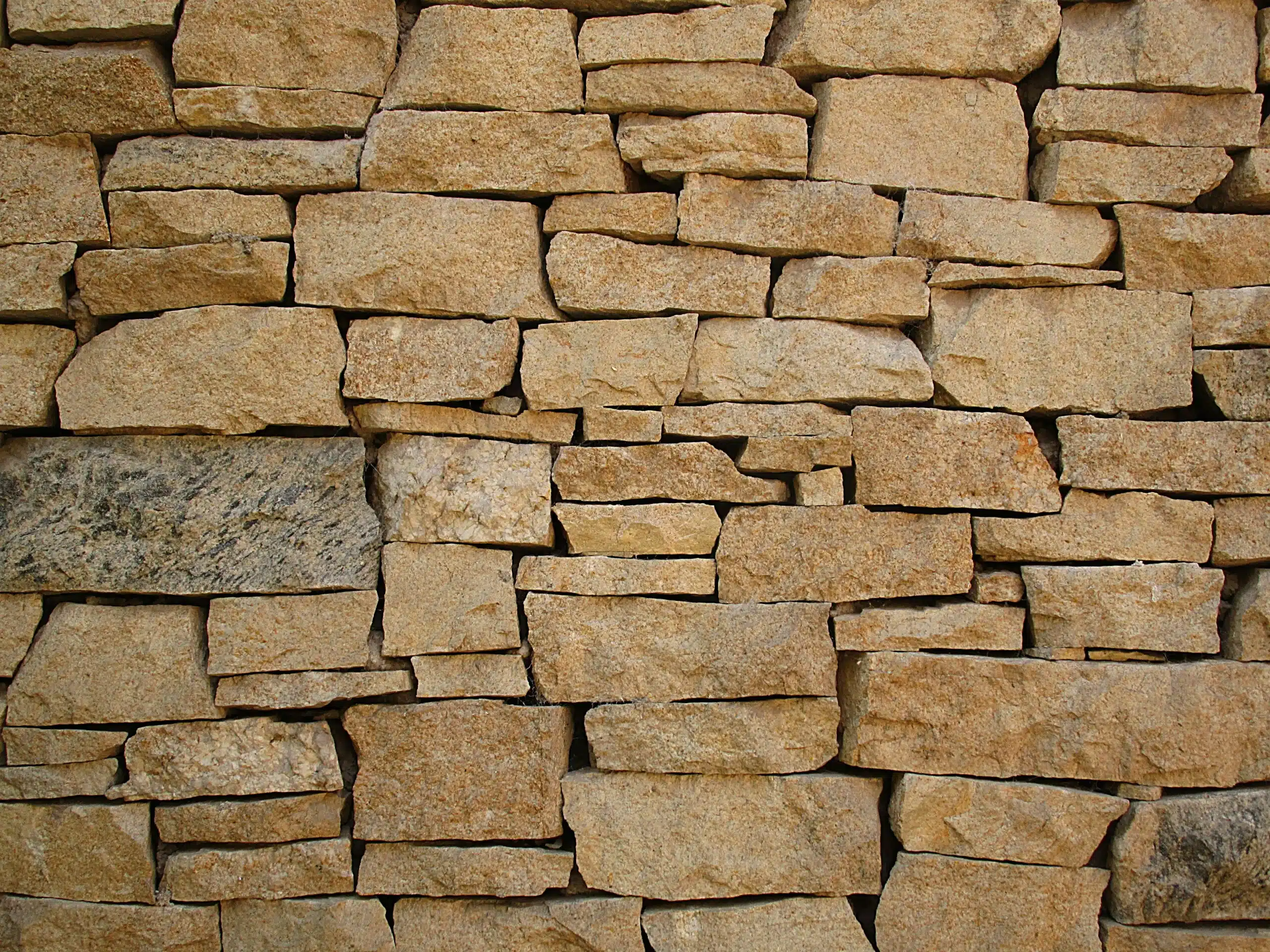
Wewnętrzny test laboratoryjny: kamień naturalny a kamień hodowlany
Jeden praktyczny test odróżnia doświadczonych nabywców od nowicjuszy: raport z wewnętrznego laboratorium potwierdzający naturalny skład krystaliczny, aby zapobiec audytom przeklasyfikowania na granicy.
Laboratoria celne często testują importowane przesyłki z kamieniami, aby potwierdzić podstawowe właściwości klasyfikacyjne. Kamień naturalny zgodnie z HTS 6802 musi wykazywać naturalną strukturę krystaliczną w analizie dyfrakcji rentgenowskiej (XRD), podczas gdy kamień hodowlany na bazie cementu zgodnie z HTS 6810 wykazuje wyraźną strukturę amorficzną. Top Source wymaga raportu XRD do każdego kontenera — jest to prosty, jednostronicowy opis techniczny, który dowodzi w 100% naturalnego składu i eliminuje ryzyko reklasyfikacji na granicy.
Wniosek
Poprawny kod HS ułożonych kamieni jest bezpośrednią drogą do ochrony Twojego depozytu zabezpieczającego i uniknięcia przestojów w Los Angeles/LB. Niezależnie od tego, czy klasyfikujesz kwarcyt pod 6802.99.0090 o stawce 6,5% plus 25% zgodnie z sekcją 301, czy łupek pod 6803.00.5000 bez cła plus tę samą dopłatę w wysokości 25%, każdy procent błędnego obliczenia cła zmniejsza 5% zysk, jaki możesz osiągnąć w przypadku kontenera 40HQ. Prawdziwym ryzykiem nie jest sam kod – polega na zaufaniu liście przewozowej dostawcy bez sprawdzania składu materiału, co może skutkować wstrzymaniem laboratorium celnego i audytem reklasyfikacji, który wydłuży czas realizacji o tygodnie.
Zanim podpiszesz umowę na kontener, potwierdź 10-cyfrowy kod HTS swojego dostawcy, zażądaj certyfikatu składu materiału dla kamienia naturalnego i zamodeluj całkowity koszt wyładunku, uwzględniając MPF (limit 600 USD) i HMF (0,125%). Do każdego dokumentu eksportowego naszych paneli księgowych z naturalnego kwarcytu dołączamy prawidłową klasyfikację HTS 6802.99.0090, dzięki czemu możesz pominąć zgadywanie i skupić się na skalowaniu dystrybucji. Sprawdź specyfikacje naszych produktów, aby zobaczyć, jak usuwamy tarcia celne przy następnym zamówieniu.
Często zadawane pytania
Jaki jest kod HS 7002390090?
Ten kod HS dotyczy wyrobów szklanych, a nie kamienia naturalnego. Jeśli Twój dostawca użyje go do układania kamieni w stosy, będzie to błędna klasyfikacja, która spowoduje opóźnienia celne i kary. Zawsze proś o kod z rozdziału 68 dla przesyłek z kamieniem naturalnym.
Jaki jest kod HS 6802.93?
Kod HS 6802.93 obejmuje produkty z kamienia granitowego. Ma to zastosowanie tylko wtedy, gdy panele są wykonane z czystego granitu; mieszanki mieszanej skały muszą używać 6802.99, aby uniknąć błędnej klasyfikacji. Przed użyciem 6802.93 potwierdź skład skały u swojego dostawcy.
Jaka jest stawka celna na panele z łupkami?
Panele księgi łupkowej mają standardową ustawową stawkę celną w wysokości 0% zgodnie z HTS 6803.00.5000, ale nadal w pełni podlegają 25% podatkowi na podstawie sekcji 301 (Wykaz 4A). Łączna skumulowana skala podatku importowego wynosi dokładnie 25%. Przed wysyłką dokładnie sprawdź właściwości materiału u licencjonowanego brokera.
Jak mogę zweryfikować kod HS mojego dostawcy?
Poproś o dokładny 10-cyfrowy kod HTS na fakturze handlowej i porównaj go z orzeczeniami amerykańskiej służby celnej. Błędna klasyfikacja stanowi największe ryzyko audytu, dlatego należy dokładnie porównać opis materiału z definicjami zawartymi w kodeksie. W razie wątpliwości skonsultuj się z licencjonowanym agentem celnym przed złożeniem podsumowania wjazdu.
Co to jest kod Zharmonizowanego Harmonogramu Taryfowego (HTS)?
Zharmonizowany Harmonogram Taryfowy (HTS) to amerykańska wersja globalnego systemu HS stosowanego do klasyfikacji importowanych towarów. Określa stawkę celną i wymogi prawne dotyczące przesyłki ułożonej w stosy kamieni. Użyj prawidłowego kodu HTS, aby uniknąć opóźnień i kar.