المصادر أ الشركة المصنعة للحجر مكدسة بالنسبة للاستيراد بالجملة، فإن ذلك يتضمن أكثر من مجرد مقارنة أسعار الوحدات. Top Source Slate، وهو مصنع مخصص في مقاطعة هيبي، يتولى الإنتاج والتعبئة والتسليم داخل الشركة. الذي - التي التكامل العمودي يهم عندما تحتاج إلى لون ثابت عبر حاويات متعددة وعلامات تجارية خاصة على علب كرتون جاهزة للبيع بالتجزئة. لا تكون محركات التكلفة الحقيقية مدرجة دائمًا في قائمة الأسعار.
أ خط إمداد أحادي المصدر يمكن أن يخفض تكاليف الهبوط بنسبة 5-15% مقارنة بالبائعين المختلطين. غالبًا ما يتم دفن رسوم الشحن الإضافية ورسوم الشحن في عرض أسعار الشحن. تتراوح تكلفة القشرة الحجرية المصنعة من 8 إلى 12.50 دولارًا للقدم المربع. الحجر الطبيعي يكلف 35-50 دولارًا. تضيق الفجوة بمجرد احتساب رسوم قوالب OEM (250 دولارًا - 1500 دولارًا) والتعبئة المخصصة التي تزيد عن 3000 قدم مربع كحد أدنى. المتغير الخفي؟ التحكم في لون الدفعة. الإصرار على مقلع واحد أو لوحة واحدة لعمليات التشغيل الكبيرة. وهذا يتفوق على مطاردة الألوان المتسقة عبر الشحنات المقسمة في كل مرة.
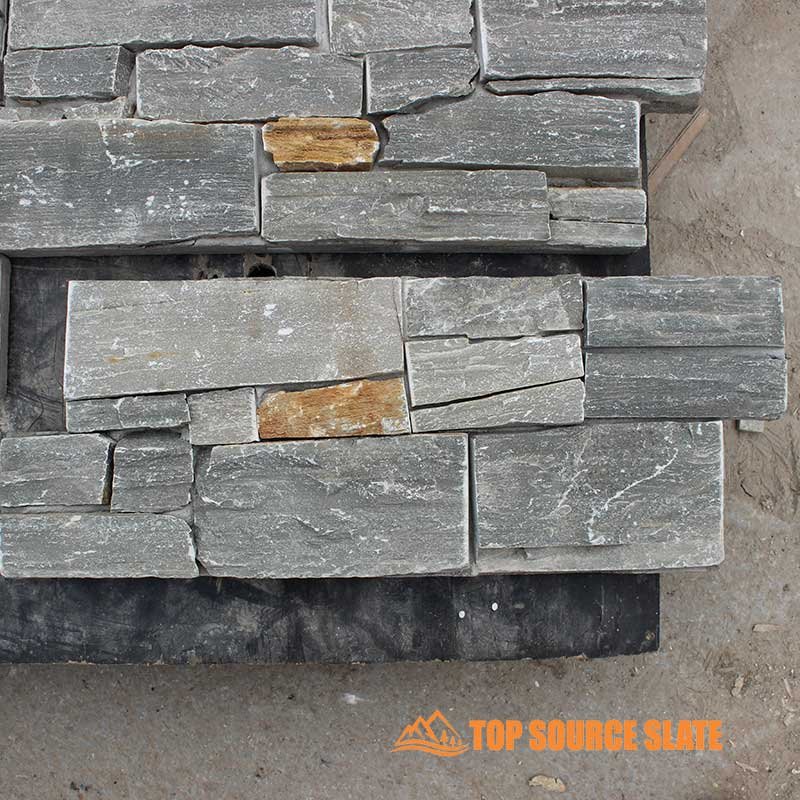
أسعار الجملة للألواح
تجاهل علامات الاقتباس السطحية. تضيف رسوم منشأ الشحن ورسوم الشحن المتبادل ما بين 5 إلى 15% إلى تكلفة الهبوط - غالبًا ما يتفوق خط التوريد أحادي المصدر على مزيج البائعين الذي يضم 2-3 بائعين من حيث التكلفة الإجمالية.
نطاقات الأسعار النموذجية
تنقسم أسعار الجملة بشكل واضح بين المواد المصنعة والطبيعية. يتم تشغيل القشرة الحجرية المصنعة - المنتج الذي يطلبه معظم المستوردين للمشاريع السكنية والتجارية الخفيفة 8 – 12.50 دولارًا للقدم المربع. يغطي هذا النطاق التشطيبات القياسية ذات الوجه المقسم بأحجام اللوحات الأكثر شيوعًا (6×24 بوصة، 8×24 بوصة، 12×24 بوصة) بسمك 0.75-1.0 بوصة. الحجر الطبيعي يتطلب شريحة مختلفة: 35-50 دولارًا للقدم المربع، مدفوعًا بندرة المحاجر، وفقدان العائد أثناء القطع، وعقوبة الوزن التي تضاعف تكلفة الشحن. تبدأ التشطيبات الحجرية الملبدة، وهي فئة متميزة، بسعر 40 دولارًا وتصل إلى 70 دولارًا للقدم المربع. بالنسبة لمشتري B2B الذي ينقل أحجام الحاويات، فإن النطاق المُصنّع هو المكان الذي تعمل فيه حسابات الهامش بشكل أفضل - على افتراض أن المورد يقدم لونًا وتشطيبًا متسقين عبر المجموعة بأكملها.
ما الذي يدفع السعر فعليًا
هناك ثلاثة متغيرات تفصل بين الاقتباس الجيد والاقتباس المضلل. إنهاء التعقيد تحريك الإبرة أولاً: تقع القوام القياسي غير اللامع أو الوجه المنقسم داخل النطاق الأساسي، لكن اللمسة النهائية المصقولة أو الملتهبة أو الجلدية تضيف 5-15 دولارًا للقدم المربع. ملامح الحافة - بولنوسي، مشطوب، مشطوف - تك على آخر 10-30 دولارًا للقدم الخطي. أصل الشحن هو المتغير الذي يقلل من تقديره معظم المشترين المبتدئين. المورد الذي يقوم بتوريد الكتل الخام من محجرين مختلفين لديه ثلاث مراحل لوجستية للتنسيق، وكل عملية تسليم تتطلب رسومًا إضافية: رسوم الشحن المتبادل، وتأجير الهيكل في نقاط النقل، وسلالم الوقود الكهربائية. تعمل سلسلة التوريد المكونة من محجر واحد على التخلص من هذا الاحتكاك ويمكن أن تقلل تكلفة الإنتاج بنسبة 5-15% مقارنة بمزيج من 2-3 بائعين. تخصيص تصنيع المعدات الأصلية والتعبئة والتغليف أضف تكلفة إضافية بنسبة 10% إلى 30% إلى سعر الوحدة، لكن هذا الاستثمار يفتح المجال لمرونة وحدات SKU ذات العلامات التجارية الخاصة لتجار التجزئة والموزعين - وهي مقايضة تؤتي ثمارها في وجود الرفوف وتمايز الهامش.
مقارنة الأسعار المرجعية
عند قياس أسعار الموردين، تجاوز سعر الوحدة FOB. قد يبدو المورد الذي يقتبس 9.50 دولارًا أمريكيًا للقدم المربع للقشرة المصنعة تنافسيًا حتى تأخذ في الاعتبار تكاليف النموذج الأولي (20 دولارًا - 200 دولارًا لكل وحدة)، ورسوم القالب (250 دولارًا - 1500 دولارًا للملف الشخصي المخصص)، وفترات التسليم التي تتراوح من 3 أيام إلى 6 أسابيع اعتمادًا على ما إذا كان القالب موجودًا بالفعل. قد يستخدم مورد آخر يقتبس 8.30 دولارًا للقدم المربع مصادر محاجر متعددة، مما يقدم تباينًا في الألوان بين الدفعات - وهو أكبر خطر خفي منفرد في المشتريات بالجملة. يطرح المعيار الحقيقي ثلاثة أسئلة: ما هو أصل المحجر أحادي المصدر؟ هل رسوم القالب متضمنة أم منفصلة؟ وما هو الضمان على تناسق الألوان عبر مساحة تزيد عن 3000 قدم مربع؟ غالبًا ما يؤدي ارتفاع سعر الوحدة من المورد الذي يجتاز هذه الفحوصات الثلاثة إلى انخفاض إجمالي تكلفة الملكية مقارنة بأرخص عرض أسعار في صندوق الوارد الخاص بك.
تغليف OEM & تسمية خاصة
تعمل عبوات الملصقات الخاصة على تحويل الأحجار المكدسة من سلعة إلى وحدات SKU ذات العلامات التجارية. تقيد معظم المصانع التخصيص للطلبات التي تزيد عن 3000 قدم مربع.
فرص التعبئة والتغليف والعلامات التجارية الخاصة
بالنسبة لموزع الجملة، فإن الفرق بين منصة نقالة عامة من الحجر وخط إنتاج يحمل علامة تجارية هو التغليف. تتضمن خيارات الملصقات الخاصة عادةً طباعة مربعات مخصصة مع شعارك، وملصقات مطابقة الألوان، ورموز شريطية خاصة بـ SKU، وأشرطة تغليف متقلصة تحمل العلامة التجارية. تبلغ التكلفة الإضافية 10-30% أعلى من التغليف المحايد القياسي، اعتمادًا على مدى تعقيد الطباعة وحجمها.
رسوم القالب والنموذج الأولي هي تكلفة مقدمة لمرة واحدة: 250 دولارًا - 1500 دولارًا للقالب المخصص، و20 - 200 دولارًا لكل وحدة نموذج أولي. تتراوح المهلة الزمنية لتطوير النموذج الأولي من 3 أيام لعينات مطابقة الألوان البسيطة إلى 6 أسابيع لملفات تعريف اللوحة أو التشطيبات الجديدة تمامًا. إن تأمين خيار العلامة الخاصة في وقت مبكر من العلاقة مع المورد يمنحك مرونة SKU التي لا يمكن للمنافسين المحايدين تقليدها - يرى عملاء التجزئة رفًا متسقًا للعلامة التجارية، وليس سلة سلع.
موك ومتطلبات حجم الطلب
يبلغ الحد الأدنى القياسي لكميات الطلب الخاصة بتغليف OEM حوالي 3000 قدم مربع لكل SKU. وتحت هذا الحد، تقوم معظم المصانع بتشغيل خطوط إنتاج قياسية ذات عبوات عامة فقط. يغطي طلب واحد بمساحة 3000 قدم مربع ما يقرب من 500-750 لوحة في 6 مشترك×تنسيق 24 بوصة، اعتمادًا على الأبعاد الدقيقة.
يتم قياس أحجام الطلب في طبقات واضحة:
- أوامر العينة: أقل من 50 قدمًا مربعًا - عبوة محايدة فقط، بدون علامة تجارية. المهلة 3-7 أيام.
- السائبة الصغيرة: 500-2999 قدم مربع - عبوة محايدة مع ملصقات باركود اختيارية إذا تم الترتيب لها مسبقًا. المهلة 2-3 أسابيع.
- الحد الأدنى لتصنيع المعدات الأصلية: 3000-5000 قدم مربع — تعبئة كاملة بملصقات خاصة، وإمكانية الوصول إلى القوالب المخصصة، والتحكم في دفعة قفل الألوان من قطعة محجر واحدة. المهلة 3-6 أسابيع.
- حجم الإنتاج: أكثر من 10000 قدم مربع - أسعار متدرجة وخط إنتاج مخصص وأولوية تحميل الحاويات. المهلة قابلة للتفاوض حتى 2 أسابيع.
الخطأ الشائع الذي يرتكبه المشترون المبتدئون هو افتراض أن موك ينطبق بشكل موحد. لا يحدث ذلك: يختلف الحد الأدنى لكمية الكميات للتغليف ذي العلامة الخاصة عن الحد الأدنى لكمية الكميات للإنتاج القياسي. إذا كان المورد الخاص بك يقتبس رقمًا واحدًا لموك، فاسأل عما إذا كان ذلك يغطي العبوات ذات العلامات التجارية أو الألواح العارية فقط. المصنع الذي يفصل بين هذه الأرقام يمنحك أسعارًا صادقة.
خيارات التغليف المتدرجة حسب حجم الطلب
التعبئة والتغليف ليست مقاسًا واحدًا يناسب الجميع. تقدم المصانع التي تتعامل مع الإنتاج الحجمي ثلاثة مستويات متميزة بناءً على قيمة الطلب ومتطلبات الوجهة:
الطبقة الأساسية (أقل من 3000 قدم مربع): كرتون مموج قياسي مع ملصقات عامة للمنتج. لا شعار ولا باركود ولا شريط يحمل علامة تجارية. يتم تكديس الألواح وجهاً لوجه مع تشذير الرغوة. يعد هذا المستوى فعالاً للموزعين الذين يقومون بتوزيع البضائع السائبة وإعادة تعبئتها محليًا، ولكنه لا يوفر أي تمييز على رفوف البيع بالتجزئة.
الطبقة المتوسطة (3000-10000 قدم مربع): كرتونة مطبوعة حسب الطلب تحمل اسم علامتك التجارية ورمز المنتج وتعليمات التعامل. ملصقات الباركود لكل صندوق. واقيات زوايا اختيارية متطابقة الألوان وأحزمة ذات علامة تجارية. يسمح لك هذا المستوى بالشحن مباشرة إلى مواقع البيع بالتجزئة أو المشاريع دون إعادة التسمية - توفير لمدة 2-3 أيام لكل حاوية في المستودع.
الطبقة المميزة (10000+ قدم مربع): الانغماس الكامل في العلامة التجارية. رسومات الصندوق المخصصة، والشعارات المنقوشة، ورموز الاستجابة السريعة المرتبطة بفيديو التثبيت أو ورقة المواصفات، وأغطية المنصات الملتفة ذات العلامة التجارية. ستقوم بعض المصانع أيضًا بتطبيق علامتك التجارية على سطح الحجر من خلال علامات الزوايا المحفورة بالليزر (دقيقة ولكنها فعالة لاستدعاء العلامة التجارية في المشاريع المثبتة). غالبًا ما يتم استيعاب رسوم القالب والنماذج الأولية في سعر الوحدة بهذا الحجم.
أحد التفاصيل الداخلية التي تستحق العمل عليها: الإصرار على قطعة مقلع واحدة لأي طلب تزيد مساحته عن 5000 قدم مربع. تزيد قطع المحاجر المتعددة في نفس الشحنة من خطر تباين الألوان بنسبة 40% تقريبًا بناءً على سجلات الإنتاج. تمنحك الدفعة الواحدة، جنبًا إلى جنب مع التغليف المتدرج، منتجًا يحمل علامة تجارية متسقة الألوان وجاهزًا للبيع، ولا يمكن للمنافسين الذين يستقدمون مصادر من موردين مجزأين أن يضاهيهم.
اتساق اللون & إنهاء الخيارات
لا يعد التوريد من محجر واحد بمثابة ترقية متميزة، فهو المعيار للتخلص من رفض الدفعات في عمليات التثبيت الكبيرة.
مخاطر تباين الألوان نتيجة مزج المحاجر المتعددة
الخطر الخفي الأكثر شيوعًا في شراء الأحجار المكدسة بكميات كبيرة هو افتراض أن زيارة المصنع الواحدة تضمن تناسق الألوان عبر شحنات متعددة. تتحول المحاجر بشكل طبيعي في التركيب المعدني عبر طبقات الاستخراج. سيقوم المصنع الذي يقوم بسحب الحجر من وجوه مختلفة بدون بروتوكول رسمي للمزج والحجر بإنتاج ألواح حيث ينحرف اللون الأساسي بنسبة 10-15٪ بين الدفعات. بالنسبة لتاجر الجملة الذي يستلم حاوية، فهذا يعني أن منصة نقالة واحدة تتطابق مع العينة لكن المنصة التالية لا تتطابق معها، مما يجبر المقاول على مزج الصناديق أثناء التثبيت أو مواجهة جدار غير مكتمل. فحص مراقبة الجودة القياسية “الفحص البصري عند التحميل” يفتقد هذا تماما. يتمثل الإصلاح التشغيلي في طلب معرفات قطعة المحجر في قائمة التعبئة والتأكد من سحب التشغيل بالكامل من كتلة استخراج واحدة.
اختيار اللمسة النهائية: المقايضات غير اللامعة والوجه المقسم والمزخرف
يؤثر اختيار الإنهاء بشكل مباشر على معدلات خردة الإنتاج والمظهر المثبت وهامش البيع بالتجزئة الخاص بك. تنقسم بيانات المشترين بالجملة على النحو التالي:
- ماتي (قياسي): الانتهاء من خط الأساس. من الأسهل مطابقة الدُفعات عبر الكميات الكبيرة. أدنى خردة الإنتاج. يتراوح سعر تثبيت السعر بين 8 و12.50 دولارًا أمريكيًا للقدم المربع. وهو الأفضل للتوزيع العام بالجملة حيث تفوق القدرة على التنبؤ بالهامش العلاوة الجمالية.
- انقسام الوجه (ممتاز): يتطلب عمالة ماهرة لقطع الحجر باستمرار. معدل خردة الإنتاج أعلى بنسبة 10-15٪ تقريبًا، مما يؤدي إلى زيادة إضافية بقيمة 5 إلى 15 دولارًا لكل قدم مربع. يتطلب الملمس سعر رف أعلى، ولكن يجب عليك معايرة التوقعات مع القائمين على التركيب - فالتباين في عمق الشق هو ميزة، وليس عيبًا.
- محكم (التخصص): سطح مصمم هندسيًا يخفي التغيرات اللونية البسيطة والفراغات السطحية. مفيد للمشاريع التجارية ذات ظروف الإضاءة المتنوعة. يقع إنتاج الإنتاج بين الوجه غير اللامع والوجه المقسم، مما يجعله وحدة SKU موثوقة في الوسط لكتالوجات B2B.
بالنسبة لتاجر الجملة، يؤدي تأمين تشطيب واحد عبر موك بأكمله - عادةً 3000 قدم مربع - إلى تجنب التكلفة اللوجستية لفرز التشطيبات المختلطة في المستودع ويزيل نزاعات التسعير على أساس التشطيب في الفاتورة.
التحكم في الدُفعات ذات الأصل الواحد لتحقيق الاتساق المجمع
ال “اختراق دفعة التحكم في اللون” إن ما يستخدمه المستوردون ذوو الخبرة بسيط بشكل خادع: الإصرار على كمية مادة واحدة للطلب بأكمله. عندما يجمع المصنع المخزون المتبقي من أشهر مختلفة للوصول إلى سعر أقل، فإن خطر تباين اللون يرتفع. إن خط الإنتاج ذو الأصل الواحد - حيث تأتي المساحة الكاملة البالغة 3000 قدم مربع من كتلة محجر واحدة - يخفض هذا التباين بترتيب من حيث الحجم. كما أنه يبسط الخدمات اللوجستية: دفعة واحدة تعني بروتوكول فحص واحد، ومجموعة واحدة من العينات، ولا توجد تعليمات مزج للدفعات المتقاطعة للقائم بالتثبيت. يعمل هذا النهج على تقليل التكلفة الإجمالية للملكية (TCO) بشكل مباشر من خلال القضاء على إعادة العمل والإرجاع والتأخير في الموقع.

مهلة & اللوجستية
يمكن أن تضيف رسوم الشحن المخفية ما بين 5 إلى 15% إلى تكلفة الهبوط. غالبًا ما يؤدي خط الإمداد أحادي المصدر إلى خفض التكاليف اللوجستية أكثر من مزيج 2-3 بائعين.
المهل الزمنية القياسية للطلب
بالنسبة للألواح الحجرية المكدسة السائبة من أحد المصانع الصينية، تتراوح مهلة الإنتاج القياسية من 2 إلى 6 أسابيع من تاريخ تأكيد الطلب. يغطي هذا النطاق إعداد المواد، والقولبة، والمعالجة (للقشرة المصنعة)، والتشطيب، وفحص مراقبة الجودة. عادةً ما تقع الطلبات القريبة من موك التي تبلغ حوالي 3000 قدم مربع في النهاية الأقصر - حوالي 2-3 أسابيع - في حين أن الكميات الأكبر أو العبوات ذات العلامات الخاصة يمكن أن تدفع التسليم إلى 5-6 أسابيع. تتطلب طلبات تناسق الألوان أ قطعة محجر واحدة قد تضيف أسبوعًا إضافيًا لتخصيص المواد.
النماذج الأولية السريعة والجداول الزمنية لقوالب OEM
عندما تحتاج إلى ملفات تعريف مخصصة، أو تشطيبات، أو عينات ذات علامات تجارية خاصة، تتراوح نافذة النماذج الأولية من 3 أيام إلى 6 أسابيع حسب التعقيد. يمكن للتشطيبات البسيطة ذات الوجه المقسم أو غير اللامع باستخدام القوالب الموجودة شحن العينات خلال 3 إلى 5 أيام. بالنسبة لقوالب OEM الجديدة أو ملفات تعريف الحواف الفريدة، توقع 2-4 أسابيع للأدوات والمقالات الأولى. تتراوح رسوم تطوير القالب ما بين 250 إلى 1500 دولار لكل تصميم، وتتكلف كل وحدة نموذج أولي ما بين 20 إلى 200 دولار. يتيح لك طلب النماذج الأولية مبكرًا - قبل الالتزام بحاوية كاملة - التحقق من تطابق الألوان ومحاذاة النسيج مع قطع الإنتاج.
تأثير الشحن ومناولة الموانئ على إجمالي تكلفة الهبوط
يمثل الشحن البحري من خبي، الصين، إلى موانئ الساحل الغربي للولايات المتحدة الرئيسية عادةً ما بين 20 إلى 30٪ من إجمالي تكلفة الهبوط للألواح الحجرية المكدسة، ولكن الرسوم الإضافية المخفية يمكن أن تؤدي إلى تضخيم هذا الرقم بنسبة إضافية تتراوح بين 5 و15%. تشمل الرسوم الإضافية الشائعة رسوم ازدحام الميناء، وشهادات تبخير الحاويات، ورسوم إرساء السفن في محطة الوجهة. تعمل سلسلة التوريد ذات المصدر الواحد - حيث تأتي جميع الألواح من مقلع واحد ومصنع واحد - على تقليل هذه التكاليف لأنها تتجنب دمج حاويات جزئية متعددة من بائعين مختلفين. يمكن أن يضيف هذا الدمج وحده مبلغًا يتراوح بين 500 إلى 1200 دولار أمريكي لكل حاوية في المناولة عبر الأرصفة وتداخل السحب.
يجب على المستوردين أيضًا أن يأخذوا في الاعتبار وزن الألواح: عند 6 إلى 12 كجم لكل لوح، تحتوي الحاوية القياسية التي يبلغ طولها 20 قدمًا على ما يقرب من 2500 إلى 3000 قدم مربع من الحجر المكدس. تؤدي الحاويات ذات الوزن الزائد إلى فرض عقوبات إضافية في المنشأ والمقصد، لذا فإن التأكد من حدود وزن الحاوية مع وكيل الشحن قبل الحجز هو ممارسة قياسية. يساعدك المورد الذي يمكنه ضمان أبعاد متسقة لتكديس الكتل والمنصات على تحقيق أقصى قدر من الاستفادة من المكعبات والحفاظ على إمكانية التنبؤ بأسعار الشحن لكل وحدة.
اعتبارات التثبيت
الوزن والركيزة وآثار المناولة
كل لوحة في نطاق الحجم القياسي—6×24، 8×24، 12×24 بوصة، ويتراوح وزنه بين 6 و12 كجم. بسمك 0.75 إلى 1.0 بوصة، تتجاوز مساحة منصة نقالة 300 قدم مربع 400 كجم. يتطلب هذا الوزن ركيزة هيكلية قادرة على دعم الحمولة الميتة؛ الحوائط الجافة القياسية أو الخشب الرقائقي الرقيق غير كافية. للواردات بالجملة من أ الجملة المصنعة للحجر مكدسة الصينوتكوينات البليت ومسألة الربط. يتم نقل المنصات ذات النطاقات الضعيفة في الحاوية، مما يتسبب في تلف الزاوية وزيادة النفايات في الموقع. أصر على واقيات الزوايا واللفائف المطاطية المخصصة للنقل البحري.
إن المناولة في الموقع تعني التخطيط للرفع الميكانيكي لمسافات تزيد عن 200 قدم مربع. إن حمل الألواح الفردية بوزن 10 كجم يدويًا لطابقين يضاعف ساعات العمل. عامل ما لا يقل عن عاملين لكل تركيب بمساحة 1000 قدم مربع لتجنب اختناقات سير العمل. يضيف إعداد الركيزة - النظيفة والمسطحة والمجهزة - 15-30% إلى إجمالي وقت العمل اعتمادًا على حالة الجدار الحالية. تعمل اللوحات المتناسقة الألوان من مجموعة محجر واحدة على تقليل الحاجة إلى الفرز حسب الظل في موقع العمل، مما يقلل وقت المعالجة غير الإنتاجي.
الملاط مقابل طرق المكدس الجاف
تستخدم غالبية التركيبات الحجرية المكدسة طبقة ملاط تقليدية لأنها تعوض تغير سمك اللوحة. تسمح الألواح التي يبلغ سمكها المسموح به ± 2 مم بأسلوب الكومة الجافة باستخدام مادة لاصقة للبناء وحدها. تنتظر معالجة قطع المكدس الجاف لمدة تزيد عن 24 ساعة ويتم التخلص منها تنظيف الملاط، ولكنها تتطلب ألواحًا ذات سماكة ثابتة وظهر مسطح. العديد من المستوردين ألواح حجرية مكدسة ذات لون متناسق تجد أن المكدس الجاف يوفر 1-2 ساعة لكل 100 قدم مربع مقابل الملاط.
يظل الملاط هو الخيار الأكثر أمانًا للارتفاعات الخارجية المعرضة لدورات التجميد والذوبان. تتعامل الأنظمة الملتصقة بالملاط مع التمدد وانتقال الرطوبة بشكل أفضل من الروابط اللاصقة فقط. المقايضة: يضيف إعداد الملاط والخلط وتنظيف الأدوات ما يقرب من 0.8 ساعة لكل 100 قدم مربع. بالنسبة للمشاريع الكبيرة - أكثر من 5000 قدم مربع - يجب أن يكون الاختيار بين الملاط والمكدس الجاف مقفلاً قبل البدء. مهلة زمنية مكدسة الألواح الحجرية مصنع الصين يبدأ الإنتاج، لأن تشطيب اللوحة الخلفية وشكل الحافة يختلفان بين الطريقتين.
تأثير التشطيب وحجم اللوحة على ساعات العمل والهدر
يؤثر نوع النهاية بشكل مباشر على سرعة التثبيت. انقسام الوجه القياسي أو التشطيبات غير اللامعة لا تتطلب تقنية قطع خاصة. تضيف التشطيبات المتميزة - المصقولة، الملتهبة، المغطاة بالجلد - 5 إلى 15 دولارًا أمريكيًا لكل قدم مربع من تكلفة المواد وتطلب شفرات مبردة بالماء لمنع علامات الحروق، مما يؤدي إلى إبطاء النشر بنسبة 20-30٪.
حجم اللوحة هو بمثابة رافعة للعمالة. أ 12×لوحة مقاس 24 بوصة تغطي 2 قدم مربع لكل وحدة؛ 6×24 يغطي مساحة قدم مربع واحدة فقط. يؤدي استخدام اللوحة الأكبر حجمًا إلى تقليل عدد القطع التي يجب التعامل معها بمقدار النصف، مما يقلل وقت التثبيت بنسبة 15% تقريبًا لكل 100 قدم مربع. المشكلة: تزداد النفايات الناتجة عن القطع حول النوافذ والزوايا مع الألواح الأكبر حجمًا. للجدار مع فتحات 15٪، 12×24 لوحة تولد 8-10% من النفايات مقابل 5-6% لمدة 6×24 لوحة. الطلب سعر الحجر المكدس بالجملة للقدم المربع بالجملة يجب أن تأخذ في الاعتبار هذا التباين في النفايات، حيث تختلف التغطية الصافية بنسبة تصل إلى 5% بين أحجام الألواح.
ساعات العمل لكل قدم مربع للوجه المقسم القياسي، 8×تعمل 24 لوحة تقريبًا لمدة 1.2-1.5 ساعة لطاقم مكون من شخصين. التبديل إلى تشطيب ممتاز أو حجم غير قياسي مثل 4×24 يدفع ذلك إلى 1.8-2.0 ساعة. بالنسبة لمشروع مساحته 10000 قدم مربع، فإن الفرق يساوي 3000-5000 ساعة عمل إضافية. مصادر من المصنع الذي يقدم خيارات التعبئة والتغليف للألواح الحجرية المكدسة OEM- مع الألواح التي تم فرزها بالفعل حسب الظل والمصنفة على شكل مربع لمناطق الغرفة - يمكنها استعادة 0.2 ساعة لكل قدم مربع عند الفرز والفحص وحدهما.
خاتمة
ينقسم تسعير الأحجار المكدسة إلى نوع المادة والتشطيب والشحن - ولكن التكلفة الخفية هي تناسق اللون عبر دفعات. يؤدي تأمين مورد واحد إلى تقليل رسوم الشحن الإضافية ومخاطر عدم التطابق، وغالبًا ما يكون ذلك أكثر من تقسيم الطلبات عبر البائعين. بالنسبة لأي شخص يشتري بكميات كبيرة، فإن هذا القرار يؤثر على تكلفة الأرض وجاذبية رف البيع بالتجزئة.
قم بمراجعة صفحة المنتج للتعرف على أحجام اللوحات وخيارات التشطيب وإمكانيات التعبئة والتغليف ذات العلامات الخاصة للمقارنة بمتطلبات مشروعك. يتم سرد مستويات التسعير وتفاصيل موك هناك.
الأسئلة المتداولة
ما هو الفرق بين الحجر المكدس و Ledgestone؟
الحجر المكدس هو مصطلح عام للألواح الحجرية المرتبة بنمط مكدس، في حين أن Ledgestone هو نمط محدد يحاكي الأشكال غير المنتظمة التي تشبه الحواف بأطوال مختلفة. في مصادر البيع بالجملة، غالبًا ما يتم استخدام المصطلحات بالتبادل، ولكن Ledgestone عادةً ما يشير إلى ملف تعريف أكثر ريفيًا وغير منتظم. تأكد مع المورد الخاص بك ما إذا كان “لوحة دفتر الأستاذ” يتبع أسلوب Ledgestone أو نمط حجري موحد مكدس. قم بتأكيد الملف التعريفي الدقيق مع المورد الخاص بك قبل الطلب.
ما هي عيوب الحجر المكدس؟
تتمثل العيوب الرئيسية في وزنها - حيث تزن الألواح عادةً 6-12 كجم لكل منها - وخطر اختلاف الألوان بين الدفعات إذا لم يتم الحصول عليها من محجر واحد. يتطلب التثبيت أيضًا عمال بناء ذوي خبرة من أجل المحاذاة الصحيحة والعزل المائي. بالنسبة للمستوردين بالجملة، يعد عدم تناسق الألوان عبر الشحنات هو التكلفة الخفية الأكثر شيوعًا. قم بتأمين مصدر واحد ومراقبة الجودة الرسمية لتقليل عدم تطابق الألوان.
ما مقدار الحجر المكدس الذي أحتاجه؟
قم بقياس إجمالي المساحة المربعة لمساحة الجدار المراد تغطيتها وأضف 10-15% للنفايات والقطع. تأتي الألواح القياسية بأحجام مثل 6×24 بوصة أو 12×24 بوصة، لذا قم بتقسيم المساحة الإجمالية على مساحة التغطية لكل صندوق (عادةً 8-10 قدم مربع). بالنسبة للطلبات الكبيرة الحجم، قم بتزويد المورد الخاص بك بالأبعاد الدقيقة للحصول على الكمية والتعبئة الدقيقة. اطلب دائمًا المزيد مقابل الكسر والإصلاحات المستقبلية.
هل Stack Stone قديم؟
الحجر المكدس ليس قديمًا؛ لا تزال مشهورة بالجدران المميزة والمدافئ والواجهات المميزة بتصميمات حديثة وريفية. التشطيبات الحديثة مثل اللون غير اللامع، والوجه المقسم، والملمس تحافظ على المظهر الحالي، كما توفر القشرة الحجرية المصنعة بدائل فعالة من حيث التكلفة للحجر الطبيعي. وبالنسبة لمستوردي الجملة، يستمر الطلب على المشاريع السكنية والتجارية على حد سواء. تحقق من اتجاهات التصميم الحالية في السوق المستهدف قبل الالتزام بإنهاء محدد.
ما هي أنواع الحجارة الأربعة؟
لا تسرد المقالة أربعة أنواع محددة من الحجر، ولكن الفئات الشائعة في صناعة الحجر المكدس هي الحجر الطبيعي، وقشرة الحجر المصنعة، والحجر المستنبت، والحجر الملبد. بالنسبة للاستيراد، فإن الفرق الرئيسي في السعر هو بين الحجر الصناعي (8-12.50 دولارًا للقدم المربع) والحجر الطبيعي (35-50 دولارًا للقدم المربع). ركز على النوع الذي يتوافق مع ميزانية مشروعك ومتطلباته الجمالية. وضح مع المورد الخاص بك نوع الحجر الذي ينتجونه.