Beschaffung a Hersteller von gestapelten Steinen Denn der Massenimport umfasst mehr als nur den Vergleich von Stückpreisen. Top Source Slate, eine eigene Fabrik in Hebei, kümmert sich um Produktion, Verpackung und Lieferung im eigenen Haus. Das vertikale Integration ist wichtig, wenn Sie einheitliche Farben über mehrere Behälter hinweg und Eigenmarken-Branding auf einzelhandelsfertigen Kartons benötigen. Die wahren Kostentreiber stehen nicht immer auf der Preisliste.
A Versorgungsleitung mit einem Ursprung können die Gesamtkosten im Vergleich zu Mischanbietern um 5–15 % senken. Frachtzuschläge und Cross-Docking-Gebühren werden oft im Frachtangebot verheimlicht. Hergestelltes Steinfurnier kostet 8 bis 12,50 US-Dollar pro Quadratfuß. Naturstein kostet 35–50 $. Die Lücke verringert sich, wenn man die OEM-Formengebühren (250–1.500 US-Dollar) und kundenspezifische Verpackungen über einer Mindestfläche von 3.000 Quadratfuß berücksichtigt. Die versteckte Variable? Batch-Farbkontrolle. Bestehen Sie bei großen Stückzahlen auf einem Steinbruch oder einem Plattengrundstück. Das ist besser, als jedes Mal eine einheitliche Farbe über mehrere Sendungen hinweg zu verfolgen.
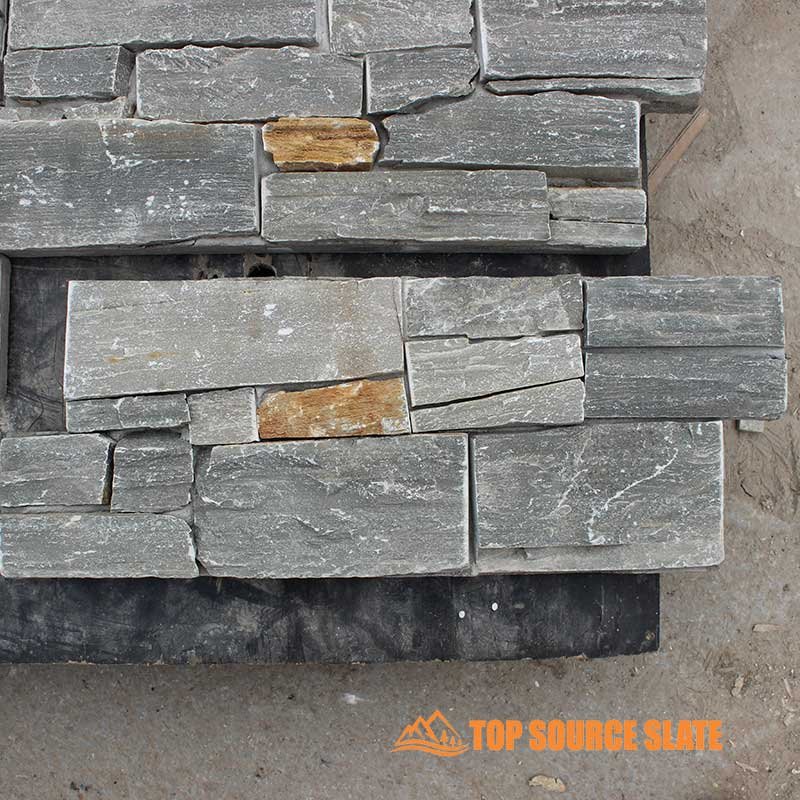
Großhandelspreise für Panels
Ignorieren Sie oberflächliche Anführungszeichen. Frachtursprungs- und Cross-Docking-Gebühren erhöhen die Gesamtkosten um 5–15 % – eine Lieferlinie mit nur einem Ursprungsort übertrifft bei den Gesamtkosten häufig einen Mix aus 2–3 Anbietern.
Typische Preisspannen
Die Großhandelspreise teilen sich sauber zwischen hergestellten und natürlichen Materialien auf. Kunststeinfurnier – das Produkt, das die meisten Importeure für Wohn- und leichte Gewerbeprojekte bestellen – läuft 8–12,50 $ pro Quadratfuß. Dieses Band deckt standardmäßige Split-Face-Oberflächen in den gängigsten Plattengrößen (6) ab×24 Zoll, 8×24 Zoll, 12×24 Zoll) mit einer Dicke von 0,75–1,0 Zoll. Naturstein erfordert eine andere Klammer: 35–50 $ pro Quadratfuß, verursacht durch Steinbruchknappheit, Ertragsverluste beim Schneiden und den Gewichtsnachteil, der die Frachtkosten vervielfacht. Gesinterte Steinoberflächen, eine Premiumkategorie, beginnen bei 40 US-Dollar und reichen bis zu 70 US-Dollar pro Quadratfuß. Für einen B2B-Käufer, der Containervolumina bewegt, ist die Margenberechnung am hergestellten Band am besten – vorausgesetzt, der Lieferant liefert über das gesamte Los hinweg eine einheitliche Farbe und Oberfläche.
Was den Preis tatsächlich antreibt
Drei Variablen unterscheiden ein gutes Zitat von einem irreführenden. Komplexität beenden bewegt die Nadel zuerst: Standard-Matt- oder Split-Face-Texturen fallen in den Basisbereich, aber ein poliertes, geflammtes oder lederartiges Finish kommt hinzu 5–15 $ pro Quadratfuß. Kantenprofile – abgerundet, abgeschrägt, abgeschrägt – werden aneinander befestigt 10–30 $ pro laufendem Fuß. Frachtherkunft ist die Variable, die die meisten unerfahrenen Käufer unterschätzen. Ein Lieferant, der Rohblöcke aus zwei verschiedenen Steinbrüchen bezieht, muss drei Logistikabschnitte koordinieren, und für jede Übergabe fallen Zuschläge an: Cross-Docking-Gebühren, Fahrgestellmiete an Umschlagpunkten und Treibstoffrolltreppen. Eine Lieferkette mit nur einem Steinbruch beseitigt diese Reibung und kann die Gesamtkosten um 5–15 % im Vergleich zu einem Mix aus 2–3 Anbietern senken. OEM- und Verpackungsanpassung Addieren Sie 10–30 % zusätzliche Kosten zum Stückpreis, aber diese Investition eröffnet Einzelhändlern und Großhändlern die Flexibilität von Handelsmarken-SKUs – ein Kompromiss, der sich durch Regalpräsenz und Margendifferenzierung auszahlt.
Vergleich der Benchmark-Kurse
Wenn Sie Lieferantenangebote vergleichen, gehen Sie über den FOB-Stückpreis hinaus. Ein Lieferant, der 9,50 $/Quadratfuß für hergestelltes Furnier angibt, könnte konkurrenzfähig erscheinen, bis Sie die Kosten für Prototypen (20–200 $ pro Einheit), die Formgebühren (250–1.500 $ für ein kundenspezifisches Profil) und Lieferzeiten zwischen 3 Tagen und 6 Wochen berücksichtigen, je nachdem, ob die Form bereits vorhanden ist. Ein anderer Lieferant, der 8,30 $/Quadratfuß angibt, nutzt möglicherweise mehrere Steinbruchquellen, was zu Farbabweichungen zwischen den Chargen führt – das größte versteckte Risiko bei der Massenbeschaffung. Der eigentliche Benchmark stellt drei Fragen: Was ist die Herkunft des Steinbruchs aus einer einzigen Quelle? Sind die Formgebühren inbegriffen oder separat? Und was ist die Garantie für die Farbkonsistenz auf einer Fläche von mehr als 3.000 Quadratfuß? Ein höherer Stückpreis von einem Lieferanten, der diese drei Prüfungen besteht, führt häufig zu niedrigeren Gesamtbetriebskosten als das günstigste Angebot in Ihrem Posteingang.
OEM-Verpackung & Private Label
Private-Label-Verpackungen verlagern den Stapel von Steinen von der Massenware zur Marken-SKU. Die meisten Fabriken beschränken die Individualisierung auf Bestellungen über 3.000 Quadratfuß.
Möglichkeiten für Private-Label-Verpackung und Branding
Für einen Großhändler liegt der Unterschied zwischen einer generischen Steinpalette und einer Markenproduktlinie in der Verpackung. Zu den Private-Label-Optionen gehören in der Regel der individuelle Kartondruck mit Ihrem Logo, farblich abgestimmte Etiketten, SKU-spezifische Barcodes und Schrumpffolien mit Markenlogo. Die Mehrkosten liegen je nach Komplexität und Volumen des Drucks 10–30 % über denen einer neutralen Standardverpackung.
Formen- und Prototypengebühren sind einmalige Vorabkosten: 250 bis 1.500 US-Dollar für eine kundenspezifische Form und 20 bis 200 US-Dollar pro Prototypeneinheit. Die Vorlaufzeit für die Prototypenentwicklung reicht von 3 Tagen für einfache Farbanpassungsmuster bis zu 6 Wochen für völlig neue Plattenprofile oder Oberflächen. Wenn Sie sich zu Beginn Ihrer Lieferantenbeziehung eine Private-Label-Option sichern, erhalten Sie eine SKU-Flexibilität, die neutral verpackte Wettbewerber nicht nachahmen können – Ihre Einzelhandelskunden sehen ein einheitliches Markenregal und keinen Massenartikel.
MOQs und Bestellgrößenanforderungen
Die Standard-Mindestbestellmengen für OEM-Verpackungen liegen bei etwa 3.000 Quadratfuß pro SKU. Unterhalb dieser Schwelle betreiben die meisten Fabriken Standardproduktionslinien nur mit generischen Verpackungen. Eine einzelne 3.000-Quadratfuß-Bestellung umfasst etwa 500–750 Paneele im Durchschnitt 6×24-Zoll-Format, abhängig von den genauen Abmessungen.
Bestellgrößen skalieren in übersichtlichen Stufen:
- Musterbestellungen: Unter 50 Quadratfuß – nur neutrale Verpackung, kein Branding. Lieferzeit 3–7 Tage.
- Kleine Masse: 500–2.999 sq ft – neutrale Verpackung mit optionalen Barcode-Etiketten nach vorheriger Vereinbarung. Lieferzeit 2–3 Wochen.
- OEM-Minimum: 3.000–5.000 Quadratfuß – vollständige Private-Label-Verpackung, kundenspezifischer Formenzugang und farbschlüssige Chargenkontrolle aus einer einzigen Steinbruchparzelle. Lieferzeit 3–6 Wochen.
- Serienproduktion: Über 10.000 Quadratfuß – gestaffelte Preise, spezielle Produktionslinie und bevorzugte Containerverladung. Lieferzeit bis zu 2 Wochen verhandelbar.
Der häufigste Fehler, den unerfahrene Käufer machen, ist die Annahme, dass die Mindestbestellmenge einheitlich gilt. Dies ist nicht der Fall: Das MOQ für Private-Label-Verpackungen unterscheidet sich vom MOQ für die Standardproduktion. Wenn Ihr Lieferant eine einzelne MOQ-Zahl angibt, fragen Sie, ob diese Markenverpackungen oder nur blanke Platten betrifft. Eine Fabrik, die diese Zahlen trennt, bietet Ihnen ehrliche Preise.
Abgestufte Verpackungsoptionen nach Bestellgröße
Verpackungen sind keine Einheitslösung. Fabriken, die die Massenproduktion abwickeln, bieten drei verschiedene Stufen an, die auf dem Auftragswert und den Zielanforderungen basieren:
Basisebene (unter 3.000 Quadratfuß): Standardkartons aus Wellpappe mit allgemeiner Produktkennzeichnung. Kein Logo, kein Barcode, kein Markenband. Die Paneele werden gegenüberliegend mit Schaumstoffzwischenlagen gestapelt. Diese Stufe ist für Händler geeignet, die große Mengen aufteilen und vor Ort neu verpacken, bietet aber keine Differenzierung im Einzelhandelsregal.
Mittelklasse (3.000–10.000 Quadratfuß): Individuell bedruckte Kartons mit Ihrem Markennamen, Produktcode und Handhabungshinweisen. Barcode-Etiketten pro Karton. Optional farblich passender Eckenschutz und Markenband. Mit dieser Stufe können Sie ohne Neuetikettierung direkt an Einzelhandels- oder Projektstandorte versenden – eine Zeitersparnis von 2–3 Tagen pro Container im Lager.
Premium-Stufe (über 10.000 Quadratfuß): Vollständiges Eintauchen in die Marke. Benutzerdefinierte Kartongrafiken, geprägte Logos, QR-Codes, die auf Ihr Installationsvideo oder Datenblatt verweisen, und gebrandete Schrumpffolien-Palettenabdeckungen. Einige Fabriken bringen Ihre Marke auch über lasergeätzte Eckmarkierungen auf die Steinoberfläche an (dezent, aber effektiv für die Markenerinnerung bei installierten Projekten). Formen- und Prototypengebühren sind bei diesem Volumen häufig im Stückpreis enthalten.
Ein Insider-Detail, auf das es sich zu handeln lohnt: Bestehen Sie bei jeder Bestellung über 5.000 Quadratfuß auf einer einzigen Steinbruchpartie. Mehrere Steinbruchpartien in derselben Lieferung erhöhen das Farbabweichungsrisiko laut Produktionsaufzeichnungen um etwa 40 %. Mit einer Einzelcharge in Kombination mit einer mehrstufigen Verpackung erhalten Sie ein farbkonsistentes, verkaufsfertiges Markenprodukt, mit dem Wettbewerber, die von fragmentierten Lieferanten beziehen, nicht mithalten können.
Farbkonsistenz & Finish-Optionen
Die Beschaffung aus einem einzigen Steinbruch ist kein Premium-Upgrade – sie ist der Standard zur Vermeidung von Chargenausschleusungen bei großen Anlagen.
Farbvariationsrisiken durch Mischen mehrerer Steinbrüche
Das häufigste versteckte Risiko bei der Beschaffung großer Steinstapel besteht darin, dass ein einziger Werksbesuch die Farbkonsistenz über mehrere Lieferungen hinweg gewährleistet. In Steinbrüchen verändert sich die Mineralzusammensetzung über Abbauflöze hinweg auf natürliche Weise. Eine Fabrik, die Steine aus verschiedenen Oberflächen ohne formelles Misch- und Quarantäneprotokoll abbaut, produziert Platten, bei denen der Grundton zwischen den Chargen um 10–15 % schwankt. Für einen Großhändler, der einen Container erhält, bedeutet dies, dass eine Palette mit dem Muster übereinstimmt, die nächste jedoch nicht – was den Auftragnehmer dazu zwingt, die Kartons während der Installation zu mischen oder mit einer lückenhaften Wand konfrontiert zu werden. Die Standard-QC-Prüfung von “Sichtkontrolle beim Verladen” das geht völlig verloren. Die betriebliche Lösung besteht darin, Steinbruch-Los-IDs auf der Packliste zu verlangen und zu bestätigen, dass der gesamte Lauf aus einem einzigen Abbaublock entnommen wird.
Finish-Auswahl: Matt-, Split-Face- und Struktur-Kompromisse
Die Wahl der Endbearbeitung wirkt sich direkt auf die Ausschussquote bei der Produktion, das Erscheinungsbild der Anlage und Ihre Handelsspanne aus. Die Daten für Großabnehmer gliedern sich wie folgt:
- Matt (Standard): Grundlinienabschluss. Lässt sich am einfachsten bei großen Mengen stapelweise abgleichen. Geringster Produktionsausschuss. Der Preisanker liegt bei 8 bis 12,50 US-Dollar pro Quadratfuß. Am besten für den allgemeinen Großhandelsvertrieb geeignet, bei dem die Vorhersehbarkeit der Marge den ästhetischen Mehrwert überwiegt.
- Split-Face (Premium): Erfordert qualifizierte Arbeitskräfte, um den Stein gleichmäßig zu spalten. Die Produktionsausschussrate ist etwa 10–15 % höher, was zu einer zusätzlichen Prämie von 5–15 US-Dollar pro Quadratfuß führt. Die Textur erfordert einen höheren Verkaufspreis, aber Sie müssen die Erwartungen mit den Installateuren abstimmen – Unterschiede in der Spalttiefe sind ein Merkmal und kein Mangel.
- Strukturiert (Spezialität): Entwickelte Oberfläche, die geringfügige Farbverschiebungen und Oberflächenhohlräume kaschiert. Nützlich für kommerzielle Projekte mit unterschiedlichen Lichtverhältnissen. Die Produktionsausbeute liegt zwischen Matt und Split-Face, was es zu einer zuverlässigen Mittelklasse-SKU für B2B-Kataloge macht.
Für einen Großhändler vermeidet die Festlegung einer einzigen Ausführung über die gesamte MOQ (in der Regel 3000 Quadratfuß) die logistischen Kosten für die Sortierung gemischter Ausführungen im Lager und eliminiert Preisstreitigkeiten aufgrund der Ausführung auf der Rechnung.
Single-Origin-Chargenkontrolle für Massenkonsistenz
Der “Batch-Farbkontroll-Hack” Die Lösung, die erfahrene Importeure nutzen, ist täuschend einfach: Bestehen Sie auf einer einzigen Materialcharge für die gesamte Bestellung. Wenn eine Fabrik Restbestände aus verschiedenen Monaten kombiniert, um einen niedrigeren Preis zu erzielen, steigt das Risiko einer Farbabweichung. Eine Single-Origin-Produktionslinie – bei der die gesamte Produktion von 3000 Quadratfuß aus einem Steinbruchblock stammt – reduziert diese Abweichung um eine Größenordnung. Es vereinfacht auch die Logistik: Eine Charge bedeutet ein Inspektionsprotokoll, einen Satz Proben und keine Anweisungen für die Mischung mehrerer Chargen für den Installateur. Dieser Ansatz reduziert direkt die Gesamtbetriebskosten (TCO), indem Nacharbeiten, Retouren und Verzögerungen vor Ort vermieden werden.

Vorlaufzeit & Logistik
Versteckte Frachtzuschläge können die Gesamtkosten um 5–15 % erhöhen. Eine Lieferlinie mit nur einem Ursprung senkt die Logistikkosten häufig stärker als ein Mix aus zwei bis drei Anbietern.
Standard-Bestellvorlaufzeiten
Für lose gestapelte Steinplatten aus einer Fabrik in China betragen die Standardproduktionsvorlaufzeiten 2–6 Wochen ab Auftragsbestätigung. Dieser Bereich umfasst Materialvorbereitung, Formen, Aushärten (für hergestelltes Furnier), Endbearbeitung und Qualitätskontrolle. Bestellungen in der Nähe der MOQ von ca. 3.000 Quadratfuß fallen in der Regel am kürzeren Ende an – etwa 2–3 Wochen –, während größere Mengen oder Eigenmarkenverpackungen die Lieferung auf 5–6 Wochen verzögern können. Farbkonsistenzanforderungen, die Folgendes erfordern: einzelnes Steinbruchgrundstück kann eine zusätzliche Woche für die Materialzuteilung hinzufügen.
Zeitpläne für Express-Prototyping und OEM-Formen
Wenn Sie kundenspezifische Profile, Endbearbeitungen oder Eigenmarkenmuster benötigen, beträgt das Prototyping-Fenster je nach Komplexität zwischen 3 Tagen und 6 Wochen. Bei einfachen geteilten oder matten Oberflächen mit vorhandenen Formen können Muster innerhalb von 3–5 Tagen versandt werden. Bei neuen OEM-Formen oder einzigartigen Kantenprofilen können Sie mit einer Bearbeitungszeit von 2 bis 4 Wochen für die Werkzeuge und ersten Artikel rechnen. Die Gebühren für die Formenentwicklung belaufen sich auf 250 bis 1.500 US-Dollar pro Entwurf, und jeder Prototyp kostet 20 bis 200 US-Dollar. Durch die frühzeitige Bestellung von Prototypen – bevor Sie sich für einen vollen Behälter entscheiden – können Sie die Farbübereinstimmung und Texturausrichtung anhand der Produktionschargen überprüfen.
Auswirkungen von Fracht und Hafenumschlag auf die gesamten Landekosten
Die Seefracht von Hebei, China, zu den großen Häfen an der Westküste der USA macht in der Regel 20–30 % aus Gesamteinstandskosten für gestapelte Steinplatten, aber versteckte Zuschläge können diese Zahl um weitere 5–15 % erhöhen. Zu den üblichen Zusatzgebühren gehören Hafenüberlastungsgebühren, Begasungszertifikate für Container und Cross-Docking-Gebühren am Zielterminal. Eine Single-Origin-Lieferkette – bei der alle Platten aus einem Steinbruch und einer Fabrik stammen – reduziert diese Kosten, da die Konsolidierung mehrerer Teilbehälter verschiedener Lieferanten vermieden wird. Allein diese Konsolidierung kann zu zusätzlichen Kosten von 500 bis 1.200 US-Dollar pro Container beim Cross-Dock-Handling und bei der Überlappung der Drayage führen.
Importeure sollten auch das Gewicht der Platten berücksichtigen: Bei 6–12 kg pro Platte fasst ein standardmäßiger 20-Fuß-Container etwa 2.500–3.000 Quadratfuß gestapelter Steine. Übergewichtige Container führen zu zusätzlichen Strafen am Abflug- und Zielort. Daher ist es üblich, vor der Buchung die Gewichtsgrenzen für Container beim Spediteur zu bestätigen. Ein Lieferant, der konsistente Blockstapel- und Palettenabmessungen garantieren kann, hilft Ihnen, die Würfelauslastung zu maximieren und die Frachtraten pro Einheit vorhersehbar zu halten.
Überlegungen zur Installation
Auswirkungen auf Gewicht, Untergrund und Handhabung
Jedes Panel im Standardgrößenbereich – 6×24, 8×24, 12×24 Zoll – wiegt zwischen 6 und 12 kg. Bei einer Dicke von 0,75 bis 1,0 Zoll übersteigt eine Palette von 300 Quadratfuß mehr als 400 kg. Dieses Gewicht erfordert einen strukturellen Untergrund, der die Eigenlast tragen kann; Standard-Trockenbauwände oder dünnes Sperrholz reichen nicht aus. Für Massenimporte aus a Großhandel mit gestapelten Steinen, Hersteller China, Palettenkonfigurationen und Umreifungsmaterial. Schlecht verpackte Paletten verschieben sich im Container, was zu Schäden an den Ecken und erhöhtem Abfall auf der Baustelle führt. Bestehen Sie auf Eckenschutz und Stretchfolie, die für den Seetransport geeignet sind.
Die Handhabung vor Ort erfordert die Planung eines mechanischen Hebens für Läufe über 200 Quadratfuß. Das manuelle Tragen einzelner 10-kg-Platten für zwei Stockwerke vervielfacht die Arbeitsstunden. Planen Sie mindestens zwei Arbeiter pro 1000 m² großer Installation ein, um Engpässe im Arbeitsablauf zu vermeiden. Die Vorbereitung des Untergrunds – sauber, eben und grundiert – erhöht die Gesamtarbeitszeit je nach Zustand der Wand um 15–30 %. Farbkonsistente Platten aus einer einzigen Steinbruchcharge reduzieren die Notwendigkeit, auf der Baustelle nach Farbtönen zu sortieren, und verkürzen so die unproduktive Bearbeitungszeit.
Mörtel vs. Trockenstapelverfahren
Die meisten Installationen aus gestapelten Steinen verwenden ein herkömmliches Mörtelbett, da es Schwankungen in der Plattendicke ausgleicht. Platten mit einer Dickentoleranz von ±2 mm ermöglichen eine Trockenstapelung mit reinem Baukleber. Durch Trockenstapeln verkürzt sich die Wartezeit für die Aushärtung um mehr als 24 Stunden und entfällt Mörtelreinigung, aber es erfordert Platten mit gleichbleibender Dicke und flacher Rückseite. Viele Importeure von Farblich konsistente, gestapelte Steinplatten Finden Sie heraus, dass Trockenstapel im Vergleich zu Mörtel 1–2 Stunden pro 100 Quadratfuß einspart.
Mörtel bleibt die sicherere Wahl für Außenfassaden, die Frost-Tau-Zyklen ausgesetzt sind. Mit Mörtel verklebte Systeme bewältigen Ausdehnung und Feuchtigkeitsmigration besser als reine Klebeverbindungen. Der Kompromiss: Mörtelaufbau, Mischen und Werkzeugreinigung kosten etwa 0,8 Stunden pro 100 Quadratfuß. Bei großen Projekten – über 5.000 Quadratfuß – sollte die Wahl zwischen Mörtel und Trockenstapel vorab festgelegt werden Lieferzeit gestapelte Steinplatten China-Fabrik beginnt mit der Produktion, da sich die Oberfläche der Plattenrückseite und das Kantenprofil bei beiden Methoden unterscheiden.
Einfluss von Finish und Plattengröße auf Arbeitsstunden und Abfall
Die Ausführungsart hat direkten Einfluss auf die Installationsgeschwindigkeit. Standard-Split-Face oder matte Oberflächen erfordern keine spezielle Schnitttechnik. Hochwertige Oberflächen – poliert, geflammt, mit Leder versehen – erhöhen die Materialkosten um 5 bis 15 US-Dollar pro Quadratfuß und erfordern wassergekühlte Sägeblätter, um Brandflecken zu vermeiden, was das Sägen um 20 bis 30 % verlangsamt.
Die Plattengröße ist ein Hebel für den Arbeitsaufwand. Eine 12×24-Zoll-Panel deckt 2 Quadratfuß pro Einheit ab; eine 6×24 deckt nur 1 Quadratfuß ab. Durch die Verwendung des größeren Paneels reduziert sich die Anzahl der zu handhabenden Teile um die Hälfte, wodurch die Installationszeit um etwa 15 % pro 100 Quadratfuß verkürzt wird. Der Haken: Bei größeren Paneelen steigt der Abfall, der beim Schneiden um Fenster und Ecken anfällt. Für eine Wand mit 15 % Öffnungen: 12×24 Panels erzeugen 8–10 % Abfall gegenüber 5–6 % bei 6×24 Tafeln. Bestellung Preis für gestapelte Massensteine pro Quadratfuß im Großhandel sollte diese Abfallvarianz berücksichtigen – die Nettoabdeckung unterscheidet sich um bis zu 5 % zwischen den Panelgrößen.
Arbeitsstunden pro Quadratfuß für eine Standard-Spaltfläche: 8×24 Panels dauern etwa 1,2 bis 1,5 Stunden für eine zweiköpfige Crew. Wechseln Sie zu einem Premium-Finish oder einer nicht standardmäßigen Größe wie 4×24 erhöht den Wert auf 1,8–2,0 Stunden. Bei einem 10.000 Quadratfuß großen Projekt entspricht die Differenz 3.000–5.000 zusätzlichen Arbeitsstunden. Bezug aus einer Fabrik, die das anbietet OEM-Verpackungsoptionen für gestapelte Steinplatten– mit Paneelen, die bereits nach Farbtönen sortiert und mit Kartons für Raumzonen gekennzeichnet sind – können allein durch Sortieren und Inspektion 0,2 Stunden pro Quadratfuß zurückgewonnen werden.
Abschluss
Die Preise für gestapelte Steine gliedern sich nach Materialtyp, Verarbeitung und Fracht – es gibt jedoch auch versteckte Kosten Farbkonsistenz über Chargen hinweg. Die Bindung an einen Lieferanten mit nur einem Ursprung senkt sowohl die Frachtzuschläge als auch das Risiko von Nichtübereinstimmungen, oft mehr als die Aufteilung von Bestellungen auf mehrere Anbieter. Für jeden, der große Mengen kauft, wirkt sich diese eine Entscheidung auf die Gesamtkosten und die Attraktivität im Einzelhandelsregal aus.
Sehen Sie sich auf der Produktseite die Panelgrößen, Ausführungsoptionen und Möglichkeiten der Private-Label-Verpackung an, um sie mit Ihren Projektanforderungen zu vergleichen. Dort sind die Preisstufen und MOQ-Details aufgeführt.
Häufig gestellte Fragen
Was ist der Unterschied zwischen gestapeltem Stein und Ledgestone?
Gestapelter Stein ist ein allgemeiner Begriff für in einem Stapelmuster angeordnete Steinplatten, während Ledgestone ein spezifischer Stil ist, der unregelmäßige, leisteartige Formen mit unterschiedlichen Längen nachahmt. Bei der Beschaffung im Großhandel werden die Begriffe häufig synonym verwendet, Ledgestone impliziert jedoch normalerweise ein rustikaleres, unregelmäßigeres Profil. Erkundigen Sie sich bei Ihrem Lieferanten, ob dieser vorhanden ist “Hauptbuchtafel” folgt dem Ledgestone-Stil oder einem einheitlichen gestapelten Steinmuster. Bestätigen Sie das genaue Profil vor der Bestellung mit Ihrem Lieferanten.
Was sind die Nachteile von gestapelten Steinen?
Die Hauptnachteile sind das Gewicht – die Platten wiegen typischerweise jeweils 6–12 kg – und das Risiko von Farbabweichungen zwischen den Chargen, wenn sie nicht aus einem einzigen Steinbruch stammen. Die Installation erfordert außerdem erfahrene Maurer für die richtige Ausrichtung und Abdichtung. Für Großimporteure sind Farbunterschiede zwischen den Sendungen die häufigsten versteckten Kosten. Sichern Sie sich eine Versorgung mit einem einzigen Ursprung und eine formale Qualitätskontrolle, um Farbabweichungen zu minimieren.
Wie viele gestapelte Steine benötige ich?
Messen Sie die gesamte Quadratmeterzahl der abzudeckenden Wandfläche und addieren Sie 10–15 % für Verschnitt und Schnitte. Standardplatten gibt es in Größen wie 6×24 Zoll oder 12×24 Zoll, also dividieren Sie die Gesamtfläche durch die Abdeckung pro Box (normalerweise 8–10 Quadratfuß). Geben Sie Ihrem Lieferanten bei großen Großbestellungen genaue Abmessungen an, um eine genaue Menge und Verpackung zu erhalten. Bestellen Sie immer extra für Bruch und zukünftige Reparaturen.
Ist Stack Stone veraltet?
Gestapelter Stein ist nicht veraltet; Es bleibt beliebt für Akzentwände, Kamine und Fassaden in modernem und rustikalem Design. Moderne Oberflächen wie matt, geteilt und strukturiert sorgen für ein aktuelles Erscheinungsbild, und Kunststeinfurnier bietet kostengünstige Alternativen zu Naturstein. Für Großimporteure besteht weiterhin eine Nachfrage sowohl nach Wohn- als auch nach Gewerbeprojekten. Informieren Sie sich über aktuelle Designtrends in Ihrem Zielmarkt, bevor Sie sich auf ein bestimmtes Finish festlegen.
Welche vier Arten von Steinen gibt es?
Der Artikel listet nicht vier spezifische Steintypen auf, aber in der Stapelsteinindustrie sind die häufigsten Kategorien Naturstein, Kunststeinfurnier, Kulturstein und gesinterter Stein. Beim Import besteht der Hauptpreisunterschied zwischen hergestelltem (8–12,50 $/Quadratfuß) und Naturstein (35–50 $/Quadratfuß). Konzentrieren Sie sich auf den Typ, der Ihrem Projektbudget und Ihren ästhetischen Anforderungen entspricht. Klären Sie mit Ihrem Lieferanten, welche Steinart er produziert.