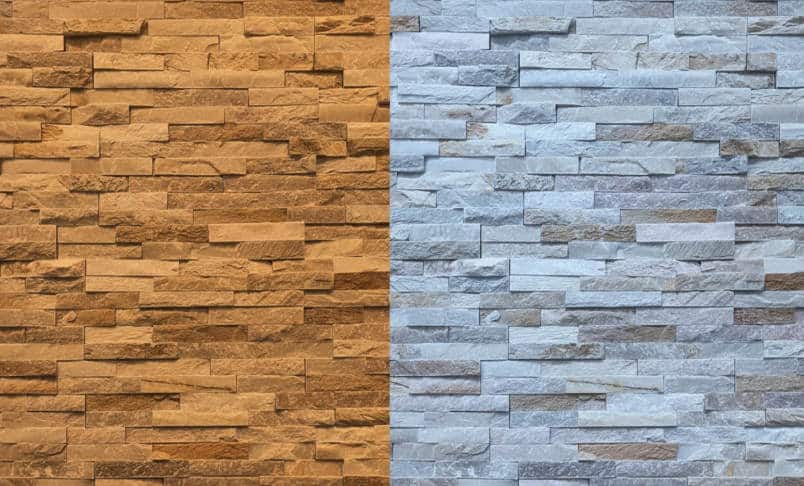
高層ホテルや小売センターの商業用積み石ファサードの価格を決めるとき、会話は通常、平方フィートあたりの材料費から始まります。しかし、以前にコンテナを輸入したことのある人なら誰でも、工場の請求書の項目は始まりにすぎないことを知っています。本当の計算は、プロジェクト エンジニアが死荷重容量について、また供給文書に構造テスト データが含まれているかどうかを尋ねた瞬間から始まります。それが、ほとんどのサプライヤーが大きく開いたままのギャップです。
市場では会話が 2 つの陣営に分かれる傾向があります。軽量の人工石と重量のあるフルベッドの天然石です。その枠組みはベテランバイヤーにとっては的外れだ。管理された工場ラインで生産される 1 インチの天然台帳パネルは、国内ブランドの FOB 価格の約半分の原材料価格で、製造された石材の約 95% の軽量化を実現します。しかし、重量だけでは許可証のスタンプは押されません。決定要因は、サプライヤーがパネルの形状を裏付けることができるかどうかです。 ASTM C1780 せん断接着データ そして管轄区域のための現実的な ICC-ES 経路。中国の工場でそのような書類を扱っているのは 5% 未満です。そこで、 サプライチェーン責任 生きています。
Top Source Slate は河北省の単一拠点で操業しており、生産フローは採石場から赤外線切断、輸出梱包に至るまで続きます。 18 年間にわたり台帳パネルを北米およびヨーロッパの商用サイトに出荷してきたこの工場では、コードへの準拠を後付けではなく処理条件として扱っています。つまり、珪岩または大理石の各注文は、バッチレベルの吸水テスト (凍結融解ゾーンでは 3% 未満の ASTM C97) と、標準的な壁アセンブリでの 15 psf の死荷重制限をサポートする寸法データに対して記録されます。文書化により、輸入された石材が事前に認定された建築資材に変わります。これが、スムーズな許可審査とプロジェクト途中の再設計命令の違いとなります。
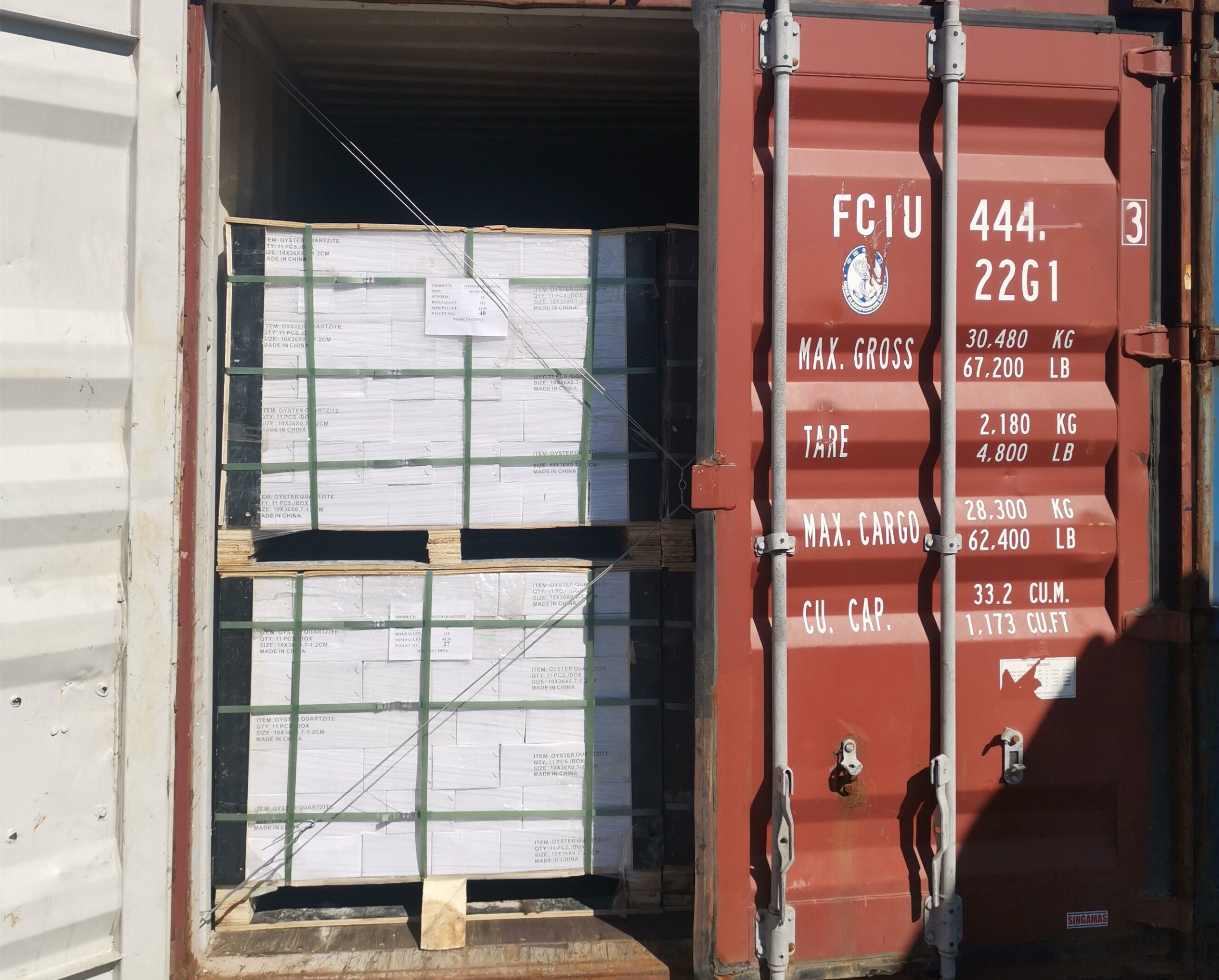
商業用積み石ファサードの隠れたリスク
石は破損点ではなく、その背後にある壁アセンブリが破損点です。
あなたが輸入した天然石の積み上げコンテナはすべて、他の人が設計した壁アセンブリの上に置かれます。ファサードが層間剥離、水の浸入、構造の分離などで破損した場合、石が根本原因であることはほとんどありません。業界データによると、商業ファサードの故障の約 80% は、空気/湿気のバリアと構造上の取り付け方法という 2 つの見逃された詳細に遡ります。
- 空気/湿気のバリア 失敗: IBC 2021 (セクション 1404.6) では、木枠の壁に接着されたベニヤの背後に最小 1 インチのエア ギャップと継続的なフラッシュを義務付けています。これを省略すると、石の裏側に水分が閉じ込められてしまいます。凍結融解サイクルを繰り返すと、2冬以内にパネルが外れます。石自体には問題はありませんが、排水の不足が原因です。
- 構造上の取り付けギャップ: ASTM C1780 に基づく接着システムには、少なくとも 50 psi のせん断接着強度と 15 psf を超えない死荷重が必要です。 12 psft の 1.5 インチ珪岩レッジャー パネルは重量検査に合格する可能性がありますが、下地がその荷重に対応していない場合、またはモルタル接着が損なわれている場合は、壁アセンブリの責任があなたに課せられます。商業ファサードの予算超過の 40% は、外装材ではなく、構造サポートの問題に関連しています。
実質コストの内訳: 2026 年に天然と人工のコスト
中国産の 1 インチの天然台帳パネルは、多くの場合、国内で製造された石よりも総設置コストが低くなります。
最近、商業用ファサードの価格を設定したことがある方は、見出しの数字をすでにご存知でしょう。小売店の店頭では、天然石材の価格が、製造されたベニヤよりも 3 倍から 5 倍高いということです。しかし、この比較では、実際のコスト要因である壁の組み立てが無視されています。厚さ 4 ~ 6 インチの天然石をフルベッドに設置するには、強化鋼製スタッドのバックアップが必要で、多くの場合、構造フレームの予算が 40 ~ 60 パーセント追加されます。平方フィートあたり約 15 ~ 25 ポンドの人造石により、より軽量のフレームを指定でき、基礎の負荷が軽減されます。 75,000 平方フィートの 5 階建てホテルのファサードでは、鋼材の節約だけでも 20 万ドルを超える可能性があります。問題は、同じ構造上の節約を天然物で実現できるかどうかです。
Top Source Slate のような中国の工場から厚さ 1 インチの天然積み上げ石台帳パネルを直接調達すれば、それが可能です。平方フィートあたり 10 ~ 15 ポンドで、接着ベニヤに対して ASTM C1780 で要求される 15 psf の死荷重制限内に収まります。天然石の輸送コストは(密度のため)人工石の約 2 倍ですが、天然珪岩台帳パネル (アラスカ グレー、ゴールド ラッシュ、ロイヤル ホワイト) の FOB 価格は 1 平方フィートあたり 4 ~ 8 ドルです。同等の米国製石材製品の価格は、FOB あたり 1 平方フィートあたり 8 ドルから 15 ドルです。フルベッド石材と比較して軽量の天然パネルを使用することで得られる構造用鋼材の節約を加えると、総設置コストの優位性は工場直送の天然製品を有利に反転します。
- 材料費 (平方フィートあたり): 中国 FOB 自然台帳パネル: 4 ~ 8 ドル。米国産の石: 8 ~ 15 ドル。国産フルベッドナチュラル:$15~$30+。
- 平方フィートあたりの海上貨物: 天然台帳パネル: 1.50 ~ 2.50 ドル (密度 150 ~ 170 ポンド/カット)。製造: $0.80 ~ $1.20 (軽量骨材混合物)。フルベッド ナチュラル: $3.00 ~ $5.00 (コンテナの最適化には重すぎます)。
- 形鋼フレーム: ナチュラル レジャー パネル (1 インチ): 接着ベニヤのバックアップには 1 平方フィートあたり 5 ~ 8 ドル追加します。製造: 平方フィートあたり 4 ~ 6 ドル。フルベッド ナチュラル (4 インチ以上): 平方フィートあたり $12 ~ $18 — ASTM C1242 に準拠したアンカー付きの独立したスチール スタッド フレームが必要です。
- 取り付け作業: 天然台帳パネルと人工石はどちらも接着システムの場合、平方フィートあたり 8 ~ 14 ドルかかります。フルベッドナチュラルの場合は、平方フィートあたり 18 ~ 28 ドルの石工スタッフと構造工学スタンプが必要です。
- メンテナンス (10 年間): ナチュラル レジャー パネル: 吸水率が 3% 未満の場合はほぼゼロ (ASTM C97)。製造済み: 5 ~ 7 年後には白華や色褪せの可能性があります。再ポイントには 1 平方フィートあたり 2 ~ 4 ドルの費用がかかります。フルベッド ナチュラル: メンテナンスの手間はかかりませんが、モルタル接合部が深いため、再ポイントの費用は 1 平方フィートあたり 4 ~ 6 ドルかかります。
- 平方フィートあたりの総設置コスト範囲: 中国製の自然台帳パネル: 22 ~ 35 ドル。米国産の石:24~40ドル。フルベッドナチュラル(ソースは問わない):45~75ドル。
ベテラン販売代理店のポイント: 工場から直接製造される 1 インチの天然石積み上げパネルは、天然石の 2 つの最大のコスト上の欠点 (材料の値上がりと構造用鋼) を中和します。エンドクライアントに本物の石材を提供し、接着ベニヤの 15 psf 制限内に収まり、平方フィートあたりの陸揚げコストは、10,000 平方フィートを超えるプロジェクトで国内で製造された石材を上回ります。問題は、コンテナを発注する前に、ICC-ES レポートと ASTM C97 吸水データを工場に要求する必要があることです。これらの書類がなければ、市の検査官が設置を中止し、節約したお金をすべて台無しにする再設計を強制する可能性があります。
| コストカテゴリ | 天然石積み石(1インチ、中国工場) | 人工石(米国ブランド) | TIC に関する重要な洞察 |
|---|---|---|---|
| 材質(FOB価格) | $4.00 – $8.00 / 平方フィート | $8.00 – $15.00 / 平方フィート | 天然石を工場直送することで、原料コストを約50%削減します。 |
| 構造用鉄骨フレーム | $5.00 – $8.00 / 平方フィート | $4.00 – $6.00 / 平方フィート | 1 インチの軽量プロファイルにより、高価な独立したスチール製サブフレームが不要になります。 |
| 配送 & 物流(FCL) | $1.50 – $2.50 / 平方フィート | $0.80 – $1.20 / 平方フィート | 鉱物密度による運賃の上昇は、FOB 価格の低下によって相殺されます。 |
| 取り付け作業 | $8.00 – $14.00 / 平方フィート | $8.00 – $14.00 / 平方フィート | どちらも標準の接着ベニヤに適応するため、同じ設置経路になります。 |
| 許可する & エンジニアリング(リスク) | 低 (ICC-ES データあり) | 低 (標準ドキュメント) | 工場テストシートを確保できないと、プロジェクトが完全に拒否される危険があります。 |
| 総設置コスト (TIC) 推定 | $22.00 – $35.00 / 平方フィート | $24.00 – $40.00 / 平方フィート | 直接の天然パネルにより、より低い予算で本物の石をお届けします。 |
ASTM と ICC: どちらの建築基準法が最も重要ですか?
ASTM C1780 では、接着ベニヤを 15 psf に制限しています。1.5 インチ パネルは準拠する必要があり、準拠していないと壁が検査に合格しません。
間の区別 ASTM C1242 (固定) と C1780 (接着) により、取り付け方法と平方フィートあたりの最大重量が決まります。ほとんどの商用ファサード請負業者は、構造用鋼サブフレームのコストを回避できるため、厚さ 2 インチ未満の石パネルには接着ベニヤをデフォルトで使用しています。ただし、ASTM C1780 による注意点は、石材とモルタルを合わせたアセンブリ全体が 15 psf を超えてはならず、せん断接着強度が最低 50 psi に達する必要があるということです。
の IBC 2021 さらに一歩進みます。高さ 30 フィートを超える石造りのファサードについては、規則により完全な工学分析が義務付けられています。つまり、単なるカタログのカットシートではなく、サプライヤーのテストレポートと認定された構造エンジニアのスタンプが必要になります。壁が 40 フィートを超える場合は、風荷重試験と、場合によっては耐震設計が必要になります。 ASCE 7。
- アンカー付き (ASTM C1242): 厚さ4~6インチのフルベッド石用に設計されています。各石は耐食性アンカーを使用して構造上のバックアップに機械的に固定されています。重量負荷はモルタル結合によって制限されるのではなく、鋼材と下地の容量によって制限されます。高層石や重い石に典型的です。
- 準拠 (ASTM C1780): 厚さ1~2.5インチの台帳パネルに使用されます。石は高強度モルタルで耐水性バリアに接着されます。最大組立重量: 15 psf。最小せん断接着強度 50 psi が必要です。低層から中層 (30 フィート未満) または軽量のベニヤに一般的です。
最も見落とされているコンプライアンス項目は、 ICC-ESレポート。中国の積み石工場のわずか約 5% が ICC-ES 評価に投資しています。プロジェクトが地震帯 (カリフォルニア、オレゴン、太平洋岸北西部) にある場合、建築検査官は外装システムに関する ICC-ES レポートを要求します。それがなければ、完璧に良い石の容器はスターターではなくなります。 Top Source Slate は、特定の製品ラインに関する ICC-ES レポートを提供し、米国およびカナダの管轄区域での受け入れを保証します。
規範に準拠した商業ファサードを調達する方法
準拠サプライヤーを責任リスクから切り離す 3 つの文書。
ほとんどの輸入業者はカタログと価格表を要求します。それはデューデリジェンスではありません。商業用ファサードの場合、密度 (ポンド/キューブ)、ASTM C97 に基づく吸水率、および ASTM C880 に基づく曲げ強度をリストした製品データ シートが必要です。屋外使用の基準は明確です。吸水率は 3% 未満でなければなりません。それを超えるものや凍結融解サイクルにより、石は 5 年以内に割れてしまいます。珪岩パネルの曲げ強度は 1,500 psi を超える必要があります。工場があなたが購入しようとしている正確なブロックに合わせてこのシートを生産できない場合、あなたは建物の外皮を賭けていることになります。
2 番目の文書は、ASTM C666 に基づく凍結融解耐久性に関する工場試験レポートです。このテストでは、石を 300 回の凍結融解段階で繰り返します。合格した石の質量損失は 1% 未満です。石灰岩と柔らかい砂岩は、このテストに合格しないことがよくあります。通常、珪岩、緻密な大理石、花崗岩が通過します。製品に対して ASTM C666 を一度も実行したことがない工場は、実証されていない材料を出荷していることになります。プロジェクトの場所の気候で年間 15 回を超える凍結融解サイクルが見られる場合、このレポートは交渉の余地がありません。それを省略した結果、3年目にファサードが剥離し始めます。
- 製品データシート: 密度 (lb/cuft)、ASTM C97 吸水率 (<3%)、ASTM C880 曲げ強度 (珪岩の場合、最小 1,500 psi)。一般的な値ではなく、ロット固有のデータを要求します。
- 凍結融解レポート: ASTM C666、300サイクル。質量損失は 1% 未満でなければなりません。珪岩と花崗岩が通過します。石灰岩や砂岩は失敗することがよくあります。報告がないことは耐久性が証明されていないことを意味します。
- 色の一貫性の保証: プロジェクト全体で色のばらつきを 5% 以内に抑えるという書面による約束。ベンダーは出荷前にロットレベルの写真と水分測定値を提供する必要があります。これにより、現場での混合の不一致を防ぎます。
3 番目の要件は、20,000 平方フィートのプロジェクト全体で石の色の混合が 5% を超えて変化しないことを書面で保証することです。天然石には固有のばらつきがありますが、専門のサプライヤーが同じ継ぎ目から採石し、梱包前に生産工程をブレンドします。この保証がなければ、2 つのコンテナを並べて設置すると別の製品のように見える危険があります。独自の採石場を管理し、赤外線装置で切断する工場は、大量の製品の色を一貫して一致させることができます。各コンテナが出航する前に、ロットレベルの写真と水分含有量の測定値を要求します。そうすることで保証を強制することができます。
ベテランのバイヤーは、サンプルと容器が異なる可能性があることを知っています。上記の文書は、最初のサンプルから最終出荷まで同じ品質を維持する唯一の方法です。それらを提供できない工場は、認定された建築資材ではなく、石材を販売しています。
結論
商業用ファサードの決定は、結局のところ、総設置コスト、許可速度、および保証範囲によって決まります。フルベッドストーンではなく 1 インチの天然台帳パネルを選択すると、鉄骨フレームのコストが 30 ~ 40% 節約されますが、これはサプライヤーがコンテナの出荷前に ICC-ES レポートと ASTM C97 テスト データを提供した場合に限ります。その書類がなければ、貸借対照表に負債がのしかかることになります。
上で概説したコード要件に照らして次のプロジェクトを検討してください。次に、Top Source Slate などの文書化されたコンプライアンス データを備えた工場がどのようにして貴社のブランドを認定アセンブリに統合できるかを比較します。 OEM カスタム ソリューションのページには、その引き継ぎがどのように機能するかが正確に示されています。
よくある質問
積み石にはどんな種類があるの?
種類には、台帳パネル、分割面壁タイル、大理石積み石、滝積み石、乾式積み石、クレイジー舗装敷石、モザイクメダリオンなどがあります。パネル化されたモジュラーアレイが必要か、それとも個別の単体ユニットが必要かに基づいて選択してください。設置方法や設計意図に合わせてタイプをお選びください。
積み上げた石の厚さはどれくらいですか?
商業ファサード用の自然の積み石パネルの厚さは通常 1 ~ 2.5 インチです。この厚さは、接着ベニヤを 15 psf に制限する ASTM C1780 の死荷重準拠に直接影響します。注文する前に、壁アセンブリの耐荷重に対する厚さを確認してください。
業務用の積み石の価格はどれくらいですか?
コストは素材、厚さ、産地によって大きく異なりますが、中国の工場から直接生産される天然台帳パネルは、総設置コストで国内製造の石材と同等かそれを上回ることがよくあります。最大の節約は、フルベッド材料に必要な複雑な裏打ち鋼フレームを省略したことによるものです。送料、エンジニアリング、人件費を含む設置費用の完全な見積もりをリクエストしてください。
商業ビルに石材ベニヤを設置するには許可が必要ですか?
はい、商業建築基準法では ASTM C1780 準拠の接着システムまたはベニヤ アセンブリの ICC-ES レポートのいずれかが必要なため、許可が必要です。デッドロードとアタッチメントの仕様が文書化されていない場合、許可申請は即座に拒否される可能性があります。早めに構造エンジニアに相談して、必要な書類を準備してください。
高層ホテルの外装に積み石を使用できますか?
はい、追加の死荷重や風荷重に耐えられるように壁アセンブリが設計されている場合、屋外の積み石は高層ホテルでも機能します。工場から直接供給された 1 インチのナチュラルレジャーパネルは、準拠した規格に準拠するために必要な軽量プロファイルを提供します。システムが建物の高さに関する地域条例の要件を満たしていることを確認します。