A high-quality pool & waterfall install serves as the centerpiece of a luxury landscape, but improper execution leads to structural decay and significant financial liability for contractors. Submerged environments subject natural stone to constant hydrostatic pressure and corrosive chemicals that quickly expose flaws in traditional masonry techniques. Failing to account for these variables often results in stone delamination, ruined pool liners, and costly site remediation that erodes profit margins and damages professional reputations.
Deze technische analyse biedt de specifieke protocollen die nodig zijn voor het omgaan met steen in zones met veel vocht en ruwe aquatische omgevingen. We behandelen de selectie van niet-poreuze materialen zoals kwartsiet om chemische erosie te weerstaan en het verplichte gebruik van volbedmortel om interne holtes te elimineren waar water zich kan verzamelen. Deze pagina's beschrijven ook de noodzaak van het waterdicht maken van de schaal en het beheren van secundaire afvoer om kleuring te voorkomen en algengroei, waardoor een betrouwbare standaardprocedure wordt vastgesteld voor elk ondergedompeld waterproject.
Waarom zwembadomgevingen de ultieme test zijn voor steenhechting?
Aquatisch milieu onderwerp steen fineer to a punishing trifecta of chemical oxidation, thermal expansion, and hydrostatic pressure that will compromise any bonding system not engineered for 100% moisture saturation.
Chemical Resilience in Treated Water
Pool water chemistry in 2026 creates a relentless oxidative environment. Standard thin-set mortars often lack the molecular density required to resist long-term exposure to high-ORP (Oxidation-Reduction Potential) systems and fluctuating pH levels. This chemical stress leads to a “chalking” effect at the bond interface, eventually causing stones to delaminate or shift as the cementitious matrix dissolves.
- Chemical treatments in 2026 pool systems can degrade standard thin-set mortars over time.
- High-strength epoxy resin adhesives provide a non-reactive barrier that prevents stone delamination.
- Natuurstenen panelen remain inert, ensuring the aesthetic does not fade or react with pool sanitizers.
Thermal Cycling and Hydrostatic Pressure
Outdoor water features face extreme temperature differentials where stone surfaces heat under direct solar radiation and contract instantly when hit by cool water splashes. This rapid thermal cycling forces constant expansion and contraction, creating shear stress at the bond line. Without a flexible bonding mechanism, these micro-movements manifest as hairline fractures in the substrate or total bond failure.
- Direct sunlight followed by cool water splashes causes stone expansion and contraction.
- Interlocking Z-panel designs distribute physical stress across the entire surface rather than individual stones.
- Flexible bonding systems absorb micro-movements, preventing cracks during the freeze-thaw cycles common in outdoor environments.
Bond Integrity in High-Moisture Zones
Bond integrity relies on eliminating the hollow pockets common in traditional masonry. Water trapped behind a stone panel exerts hydrostatic pressure that can compromise the installation from the inside out. By 2026 architectural standards, achieving 100% mortar coverage is mandatory to prevent water migration and the subsequent development of efflorescence or structural erosion.
- Traditional masonry often fails due to water seeping behind the stone and eroding the bond.
- We use factory-applied epoxy resin to create a permanent, water-resistant connection between the stone and the panel mesh.
- Rigid quality control during the three-stage manufacturing process ensures every panel meets 2026 architectural standards for aquatic safety.
Chlorine vs. Saltwater: Selecting Natural Stone That Won’t Disintegrate
Saltwater pool systems demand high-density, non-porous stones like quartzite to prevent salt crystallization and sub-surface spalling that typically destroys softer sedimentary materials.
Chemical Erosion and Salt Crystallization Risks
Saltwater pool generators introduce sodium chloride that penetrates the microscopic pores of natuursteen. Terwijl het water verdampt, blijft het zout gevangen in de stenen structuur en begint het te kristalliseren. Deze groei creëert een enorme interne druk, wat leidt tot een destructief proces dat afbrokkeling wordt genoemd. Je zult dit zien als het steenoppervlak afbladdert, afbladdert of dunne lagen afwerpt, waardoor uiteindelijk het geheel in gevaar komt grootboek paneel.
Standaard chloorzwembaden bieden een andere reeks uitdagingen. Hoewel minder vatbaar voor structurele oorzaken “barsten” from salt crystals, high chlorine concentrations act as a powerful oxidizing agent. This chemical reaction often leads to surface bleaching or significant color fading, particularly in stones with high organic mineral content. Proper material selection must account for both the mechanical pressure of salt and the chemical reactivity of chlorine to ensure the installation remains intact for decades.
High-Density Quartzite as the 2026 Industry Standard
Quartzite has emerged as the premier choice for aquatic environments due to its exceptional mineral density and low absorption rates. With a Mohs hardness rating exceeding 7, quartzite resists the chemical “etsen” common in submerged or splash-zone applications. The 2026 manufacturing standard for premium projects within 10 feet of a pool utilizes CNC diamond-blade precision to ensure a tight, seamless fit, which naturally limits the surface area exposed to chemical ingress.
| Materiaalsoort | Saltwater Durability | Primaire risicofactor |
|---|---|---|
| Quartzite (Alaska Gray) | Excellent (Non-porous) | Minimal / Surface Scaling |
| Travertijn | Gematigd | Pitting / Cavitation |
| Zandsteen | Arm | Structural Disintegration |
Deterioration Patterns in Porous Sedimentary Stones
Sedimentary stones like sandstone and certain limestones act like sponges in poolside settings. They pull salt-heavy water deep into the ledger panel’s core through capillary action. When the sun dries the stone, the internal salt expansion causes a phenomenon known as “sanding.” The stone literally turns back into grit, losing its texture and structural integrity over a few short seasons. This leads to high replacement costs and a constant mess of sand particles in the pool filtration system.
- Saltwater pool generators leave mineral residues that wedge into natural crevices.
- Constant wetting and drying cycles accelerate surface erosion in low-density materials.
- Porous stones increase the risk of efflorescence—white mineral deposits that ruin the stone’s aesthetic.
Sealing Protocols to Mitigate Chemical Corrosion
Protecting the stone’s natural aesthetic requires high-performance penetrating sealers. Unlike topical “film-forming” sealers that can peel when exposed to UV and pool chemicals, penetrating sealers sit below the surface. They block water and salt molecules from entering the stone while allowing the material to “ademen” out internal moisture. This prevents hydrostatic pressure from pushing the sealer off the stone from the inside out.
Installers must apply sealer to every exposed edge of the grootboek steen to prevent “wicking” from the sides or back. A robust maintenance schedule involves cleaning with pH-neutral agents to preserve the sealer’s integrity. Using harsh acidic cleaners will strip the protective layer and etch the stone, leaving it vulnerable to the very salt and chlorine damage you are trying to avoid.
Premium fabrieksmatig gestapelde stenen grootboekpanelen
Waarom “Volledig bed” Mortar is Mandatory for Submerged Water Features?
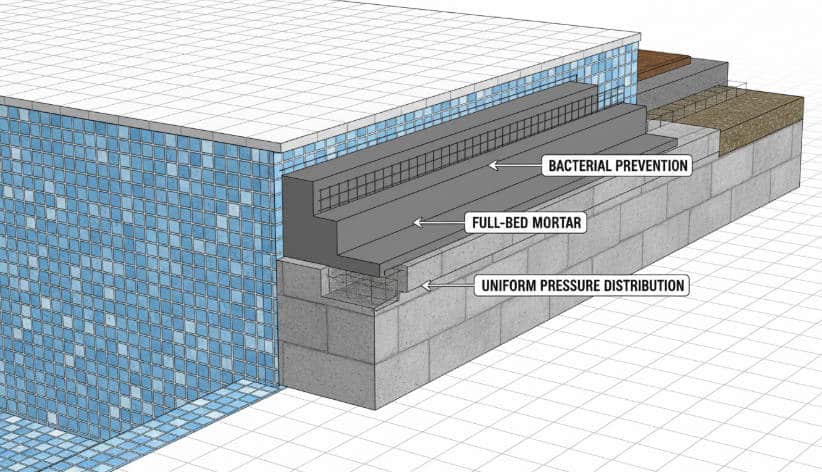
Submerged stenen installaties fail when air gaps become pressurized water reservoirs; a 100% full-bed mortar application is the only way to eliminate the stagnant pockets that cause bacterial growth and bond delamination.
Eliminating Hollow Voids and Stagnant Water Pockets
Many installers still rely on spot-bonding or “dab” methods to save time, but these techniques create dangerous air gaps in aquatic environments. In a submerged setting, water eventually finds its way into these cavities. Trapped water becomes stagnant, creating a breeding ground for bacteria and mold that eats away at the mortar bond from the inside out. By 2026 standards, we consider any void behind a stone panel a point of inevitable failure.
- Full-bed application removes the oxygen and space needed for bacterial colonies to thrive.
- Removing air pockets prevents the “hollow sound” often heard in poorly installed pool walls.
- 100% coverage ensures that the chemical bond of the thin-set is consistent across the entire substrate.
| Installatiemethode | Mortar Coverage | Primary Aquatic Risk |
|---|---|---|
| Spot Bonding (Dabbing) | 30% – 50% | Stagnant water nesting & bacterial decay |
| Troffel & Back-Butter | 80% – 90% | Minor efflorescence at joint weak points |
| Full-Bed (Standard) | 100% | Minimal; Maximum structural longevity |
Managing Hydrostatic Pressure and Structural Bond Strength
Submerged stenen panelen face constant hydrostatic pressure. This force seeks out any weak point or air pocket to push against. A full mortar bed acts as a structural stabilizer by distributing this pressure evenly across the wall. We see fewer cracked panels when the stone has uniform support. Without this, the 6” x 24” panels can shift or loosen as water movement creates mechanical stress on the uneven bonding points.
Reducing Mineral Leaching and Surface Efflorescence
Efflorescence is a waterproofing failure, not just a cosmetic one. It happens when water moves through the mortar, dissolves salts, and carries them to the stone surface. By filling the entire space between the panel and the wall, we restrict water flow. If the water cannot move behind the stone, it cannot transport the minerals that cause white staining. High-performance, polymer-modified thin-sets are essential here to maintain a stable chemical bond against aggressive pool chemicals.
Supporting Heavy Panel Weights in Wet Conditions
Natuurlijke gestapelde stenen panelen are heavy, typically weighing between 8 and 13 lbs per square foot. In a saturated environment, this weight puts immense demand on the vertical adhesive bond. Full-bed mortar provides the maximum surface area contact required to keep these heavy leisteen- en kwartsietpanelen secure. We use this method in tandem with our factory-applied high-strength epoxy resin to ensure a permanent fix to concrete or cement board shells.
- Maximum contact area prevents panels from “sliding” during the curing process.
- Full coverage works with the steen is natuurlijk porosity to create a mechanical lock.
- CNC diamond-blade precision on Topbronsteen products ensures the back surface is flat for optimal mortar spread.
Managing Efflorescence: Why Proper Drainage is Key to Poolside Beauty?
Efflorescence is a structural waterproofing failure rather than a stone defect, occurring when trapped moisture transports soluble salts from the substrate to the surface during evaporation.
Identifying the Source of White Mineral Deposits
Efflorescence manifests as chalky, white powdery deposits when water dissolves minerals like calcium carbonate within the mortar or substrate. Pool environments create a relentless cycle of moisture exposure and evaporation, which serves as the primary engine for these salts to migrate toward the stone face. For high-end installations, these deposits cloud the authentic textures of natural slate or quartzite, diminishing the architectural impact of the stone.
- Dissolved salts move from the setting bed through the stone’s capillary pores.
- Continuous splashing provides the constant moisture needed for mineral migration.
- Dry substrates are the only way to ensure the stone’s natural color remains vibrant.
Designing Slopes to Prevent Water Stagnation
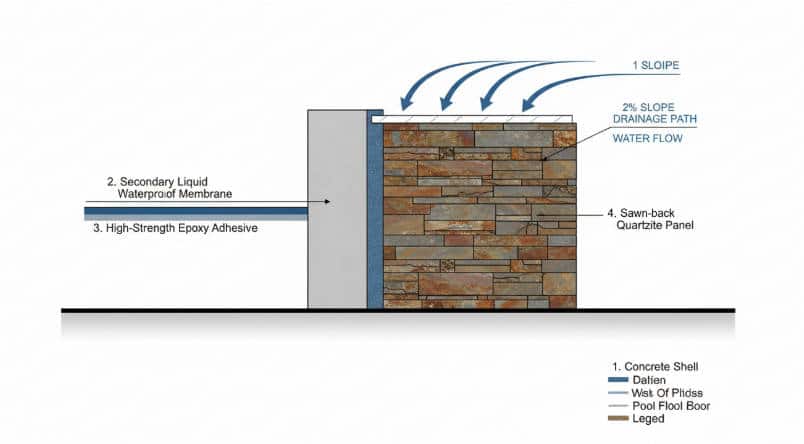
Proper drainage design ensures that splash-out and rain run away from the stone feature instead of soaking into its base. Leading landscape architects in 2026 enforce a minimum 2% slope for all surfaces adjacent to stenen muren. When water pools at the foot of a ledger stone wall, it wicks upward through capillary action, saturating the masonry assembly and triggering mineral leaching from the bottom up.
- Sloping walking surfaces prevents water from sitting against the stone’s edge.
- Managing runoff reduces the hydrostatic pressure that forces water into the substrate.
- Strategic drainage prevents the “wicking effect” that causes lower-level discoloration.
Applying Moisture Barriers Behind Stacked Stone
Natuurlijke gestapelde stenen panelen are porous veneers, not waterproof barriers. The underlying structure—whether cement board or concrete block—requires a dedicated vapor retarder or liquid-applied waterproof membrane before steen toepassing. This secondary barrier stops water from reaching the soluble salts inherent in traditional cementitious setting beds. Top Source Stone technical standards emphasize that high-strength epoxy adhesives provide the most reliable bond when the backing remains isolated from internal moisture.
- Waterproof membranes isolate the stone from salt-heavy substrates.
- A dry backing prevents bond failure and delamination in high-humidity zones.
- Modern B2B standards prioritize multi-layered redundancy in pool-side masonry.
Long-Term Protection with Stone Sealants
Applying a high-quality sealant creates a hydrophobic surface that limits water absorption while maintaining the stone’s aesthetic. Breathable silane-siloxane sealants are the industry standard because they allow internal water vapors to escape while blocking liquid water entry from the outside. This is particularly vital for deeply textured products like our Rough and Pencil series, where crevices can otherwise trap moisture and accelerate the growth of mold or mineral scale.
- Penetrating sealers prevent water from soaking into the stone’s core.
- Breathable formulations prevent moisture from becoming trapped behind the stone face.
- Regular use of pH-neutral cleaners prevents minerals from hardening into difficult-to-remove scale.
Preventing Algae and Mold Growth in Deeply Textured Stone Crevices
Effective biological control in pool environments requires a shift from reactive chemical scrubbing to proactive molecular sealing and precision moisture drainage.
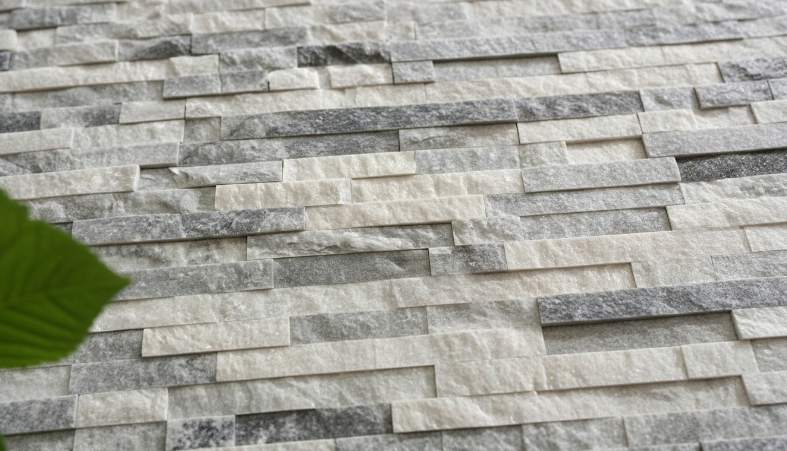
Deeply textured stones, such as the Rough Series or split-face quartzite, provide ideal micro-habitats for algae and mold if water stagnates within their recesses. In high-humidity pool zones, surface moisture combined with organic debris creates a biofilm that traditional cleaning struggles to penetrate. Professional installations now prioritize preventative measures during the construction phase to ensure the stone remains an asset rather than a maintenance liability.
Proactive Protection with Cross-Linking Sealants
The 2026 industry standard for stone maintenance utilizes advanced molecular bonding technology to create a permanent internal barrier. Unlike traditional topical sealers that sit on the surface and eventually peel, cross-linking sealants penetrate the stone’s pores and bond at a cellular level. This technology is essential for the irregular geometry of natuurlijke gestapelde steen, where moisture often hides in microscopic “valleys.
- Apply high-performance sealants that use cross-linking technology to create a deep protective barrier within the stone’s pores.
- Ensure the sealant reaches the innermost recesses of the Rough Series to block the moisture that fuels organic growth.
- Maintain a regular re-sealing schedule to preserve the stone’s integrity in high-moisture environments like pool surrounds.
Moisture Management and Drainage Strategies
Algae cannot survive without consistent moisture. Engineering the installation to facilitate rapid drying is as critical as the stone selection itself. When water becomes trapped behind panels or inside deep crevices, it creates a “damp-box” effect that accelerates biological colonization. Proper site design must include mechanical paths for water to exit the stone surface quickly after splash exposure or rain.
- Install proper flashing systems and moisture barriers behind the panels to prevent water from becoming trapped against the substrate.
- Design water features with specific drainage paths that direct runoff away from deep crevices in the stone surface.
- Optimize airflow around the steeninstallatie to speed up drying times after exposure to rain or pool water.
Maintenance Protocols for Textured Surfaces
Regular maintenance should focus on removing the organic “food source” for mold—dust and pollen—before it can settle in the stone’s texture. We advise against high-pressure washing on stacked stone veneers, as the mechanical force can compromise the high-strength epoxy adhesives or push water deeper into the substrate, actually increasing the risk of long-term efflorescence and mold.
- Use soft-bristled brushes and water to remove organic matter and dust from the stone’s deep textures.
- Apply pH-neutral cleaners specifically formulated for natuursteen to treat stubborn spots without damaging the finish.
- Avoid high-pressure washing systems that can force water behind the panels or weaken the high-strength epoxy adhesives.
Material Selection Based on Environmental Exposure
Not all stones are appropriate for every microclimate. In areas with low sunlight and high humidity, high-texture stones like the Rough Series require significantly more maintenance. For these specific “problem zones,” we often recommend high-density quartzite or the Flat Series, which offers the same natural aesthetic with fewer horizontal ledges for water to pool.
- Select non-porous quartzite or high-density marble for water features to limit the absorption of moisture.
- Choose the Flat Series for areas with limited sunlight and high humidity to simplify the cleaning process.
- Evaluate local humidity levels and sunlight exposure when deciding between the Rough and Pencil Series for outdoor installations.
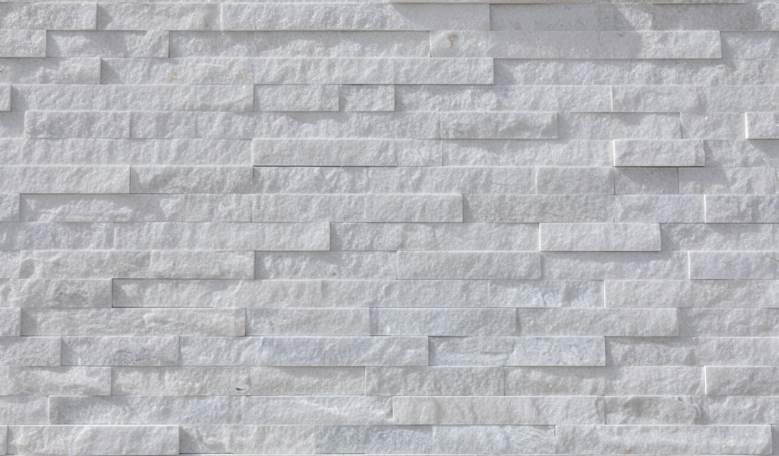
Waterproofing the Shell: Why the Backside is Just as Important as the Front?
Subsurface moisture migration remains the primary driver of stone delamination in aquatic environments; protecting the adhesive bond from hydrostatic pressure is as critical as sealing the visible face.
Neutralizing Hydrostatic Pressure from Subsurface Seepage
Water often penetrates stone assemblies from behind through ground moisture or structural condensation. This creates hydrostatic pressure that pushes against the back of the stone, often leading to catastrophic delamination. In professional pool construction, most system failures occur not from surface water splashing, but from moisture trapped between the substrate and the ledgestone adhesive layer.
Modern 2026 installation standards prioritize vault waterproofing to intercept this moisture before it reaches the concrete-to-stone interface. We see the best results when installers treat the entire pool shell as a pressurized vessel, ensuring that water cannot migrate through the concrete wall and weaken the bond of the gestapelde stenen panelen from the inside out.
Secondary Moisture Barriers for Concrete Substrates
Professional installers utilize multi-layered redundancy models to ensure the substrate remains dry even if the primary surface seal fails over time. We recommend applying flexible membranes directly to the concrete shell to act as a secondary defense against structural seepage. These barriers are essential for maintaining the aesthetic integrity of the stone by preventing minerals within the concrete from leaching out.
- Flexible membranes prevent the formation of white, crusty efflorescence by blocking mineral transport.
- Penetrating sealers provide a tertiary layer of protection by densifying the substrate and reducing overall porosity.
- Redundant barriers ensure that the stone remains bonded even in high-saturation zones like negative edges.
Maintaining Bond Strength Through Redundant Waterproofing
Protecting the backside of the installation ensures that high-strength epoxy resins used in ledgestone panels maintain a permanent grip. When moisture is allowed to sit behind the stone, it creates an unstable environment that fluctuates with temperature. Waterproofing the backside keeps the adhesive environment stable, preventing the freeze-thaw cycles that commonly crack stones in wet environments.
Architects in 2026 specify these redundant systems to extend the lifespan of natuursteen features in high-moisture zones like infinity edges and waterfalls. By keeping moisture out of the internal rebar and concrete core, these multi-layered systems protect the structural integrity of the entire pool wall, ensuring the stone feature remains as secure as the day it was installed.
Managing Water Runoff: Preventing Stains on Secondary Surfaces
Strategic drainage design prevents the migration of pool chemicals and dissolved minerals from natuursteen features onto adjacent walkways, eliminating the primary cause of secondary surface staining.
Strategic Site Grading and Slope Management
Designers must implement a minimum 2% slope away from stone-clad walls to ensure gravity directs chlorinated or salt water toward designated drains. This gradient prevents water from pooling at the base of the feature, which often leads to “wicking”—a process where moisture travels upward into the stone substrate and causes localized degradation. By controlling the flow of water at the source, you protect both the structural integrity of the stone and the aesthetic quality of the surrounding deck.
- Ingenieurs geven in 2026 prioriteit aan locatiespecifieke hoogteplannen om erosie in de buurt van zware omstandigheden te verminderen stenen installaties.
- Een juiste sortering vermindert het risico op verzadiging van de ondergrond, waardoor de hechting tussen de steen en het substraat kan verzwakken.
- Door de afvoer weg te leiden van zones met veel verkeer, blijven de looppaden droog en wordt de ophoping van gladde minerale afzettingen tot een minimum beperkt.
Geïntegreerde drainage-infrastructuur en opvangbekkens
Standaard drainagecomponenten zoals opvangbekkens en gegolfde buizen vangen het afstromende water op voordat het in contact komt met poreuze secundaire oppervlakken zoals beton of straatstenen. Door deze bassins aan de voet van waterpartijen te installeren, worden op effectieve wijze mineralen en puin opgevangen die anders in aangrenzende architectonische elementen zouden etsen of verkleuren. Deze systemen vertegenwoordigen een goedkope oplossing met hoge impact voor het behoud van de professionele afwerking van een luxe zwembadomgeving.
- Aannemers gebruiken opvangbassins om stilstaand water te verwijderen, dat dient als primaire katalysator voor schimmel- en algengroei in steenspleten.
- Gegolfde afvoersystemen bieden flexibele routeringsopties voor het leiden van overstroming naar bestaande landschapsirrigatie- of gemeentelijke afvoerleidingen.
- Het opvangen van met zout beladen water voordat het secundaire straatstenen raakt, voorkomt dit “whitening” effect caused by salt crystallization.
Protective Sealing for Runoff Channels
Applying high-quality sealants to both the gestapelde steen and the secondary surfaces below minimizes the bonding of mineral deposits. Periodic application of penetrating, pH-neutral sealants prevents water-borne minerals from etching into secondary concrete. This barrier simplifies the removal of organic stains and salt crystals that naturally accumulate in high-splash zones. We recommend verifying sealant compatibility with both the natuursteen and the secondary material to ensure long-term adhesion and breathability.
- Cross-linking sealer technology provides extended protection periods, reducing the frequency of maintenance cycles.
- Sealing runoff paths creates a sacrificial layer that protects the underlying material from the corrosive effects of pool chemicals.
- Regular maintenance of these sealed channels ensures that water continues to move efficiently toward the drainage system.
Automated Overflow and Level Control Systems
Modern pool management now utilizes smart technology and automated valves to maintain precise water levels. Automated controllers integrated with 2026 smart home systems prevent pool overfills during heavy rain or refill cycles. Electronic sensors trigger drainage pumps before water reaches the top of stacked stone ledger panels, ensuring water stays within the waterproofed shell and off secondary walkways. This proactive approach eliminates human error and reduces the risk of accidental spillover.
- Timer-based fill valves allow for precise water management, reducing waste and preventing uncontrolled runoff.
- Integrated sensors alert property managers to potential drainage clogs before they cause localized flooding.
- Smart systems can be programmed to lower water levels in anticipation of major storm events, providing a safety buffer for the stone feature.
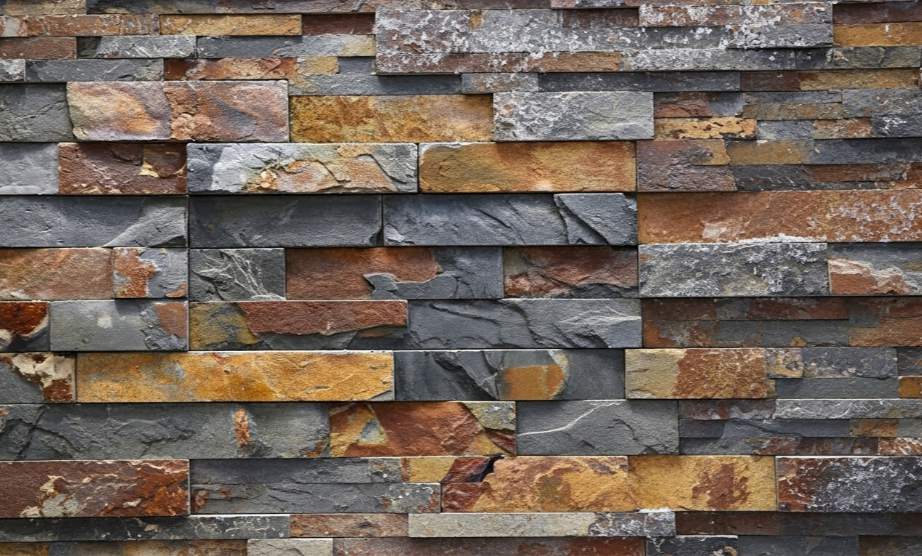
Why Non-Porous Quartzite is the King of Water Feature Materials?
Quartzite’s crystalline density and Mohs hardness of 7+ create a structural barrier against hydrostatic pressure and chemical oxidation that porous alternatives like limestone cannot match.
Superior Mineral Hardness and Structural Density
Quartzite stands as the premier selection for 2026 architectural water features because it exceeds a 7 on the Mohs scale. This hardness provides a significant advantage over marble or limestone, which typically rank between 3 and 5. In high-velocity waterfalls, the constant impact of water and suspended debris micro-erodes softer stones over time. Quartzite’s dense crystalline structure remains physically unchanged even under continuous mechanical pressure, ensuring the split-face texture stays sharp for decades.
| Materiaalsoort | Mohs Hardness | Waterabsorptiesnelheid |
|---|---|---|
| Quartzite (Alaska Gray / Sierra Blue) | 7.0 – 7.5 | <0.5% (Non-Porous) |
| Travertine / Limestone | 3.0 – 4.0 | 2.0% – 5.0% (Porous) |
| Sandstone (Generic) | 2.0 – 3.0 | 5.0% – 10.0% (High Risk) |
- The dense crystalline structure resists physical wear and impact in high-velocity water features.
- High mineral hardness prevents surface scratching from maintenance equipment or heavy debris.
- Structural integrity remains stable even when subjected to constant hydrostatic pressure in submerged zones.
Low Absorption Rates for Submerged Performance
Natural quartzite features a tightly packed grain that limits moisture penetration, protecting the stone from internal water damage. Most natuurstenen fail in aquatic environments because water permeates the grain, leading to internal mineral shifts or freeze-thaw delamination. Quartzite’s inherent low porosity ensures that the stone’s internal chemistry remains stable, even when exposed to the treated water of a modern swimming pool.
- Low porosity prevents water from seeping into the stone, reducing the risk of freeze-thaw cracking in northern climates.
- Gezoete of gepolijste kwartsietoppervlakken bieden een extra beschermingslaag tegen watergedragen verontreinigingen.
- Door de verminderde absorptie blijft de interne chemie van de steen stabiel bij blootstelling aan constante verzadiging.
Weerstand tegen chemische erosie en UV-vervaging
In tegenstelling tot vervaardigde steen of zachtere sedimentaire gesteenten behoudt natuurlijk kwartsiet zijn kleur en oppervlaktetextuur bij blootstelling aan chloor, zout en intens zonlicht. Zoutwaterchloorgeneratoren creëren een zeer corrosieve omgeving die de calcietbindmiddelen in kalksteen en zandsteen oplost. Omdat kwartsiet bestaat uit 100% natuurlijke mineralen zonder kunstmatige bindmiddelen, is het bestand tegen de bleekeffecten en structurele putjes die vaak voorkomen bij mindere materialen.
- The stone resists the bleaching effects of pool chemicals and modern saltwater systems.
- Natural pigments are UV-stable, ensuring the water feature does not lose its visual appeal over decades of sun exposure.
- Quartzite lacks the chemical binders found in artificial products that often break down under harsh environmental exposure.
Minimal Maintenance and Biological Resistance
The dense surface of quartzite makes it difficult for algae and mold to take root, simplifying the cleaning process for outdoor features. Porous stones like slate or travertine often harbor organic growth within their pores, requiring aggressive chemical treatments. Quartzite maintains its aesthetic value with basic rinsing and pH-neutral cleaners, significantly reducing long-term labor costs for property owners and facility managers.
- The smooth, non-porous surface allows for easy removal of organic buildup with basic cleaning protocols.
- Less frequent sealing is required compared to softer stones like slate or travertine.
- Quartzite maintains its architectural value with minimal rinsing, lowering the total cost of ownership.
Conclusie
Succesvolle zwembad- en waterpartijprojecten vereisen materialen met een hoge dichtheid, zoals niet-poreus kwartsiet, naast strenge waterdichtings- en drainageprotocollen. Deze technische beslissingen voorkomen uitbloeiingen, desintegratie van stenen en algengroei om de structurele integriteit en esthetische waarde op de lange termijn te garanderen. De juiste installatietechnieken, waaronder volbedmortel en nauwkeurig gesneden in elkaar grijpende panelen, creëren een naadloze afwerking die bestand is tegen constante onderdompeling en chemische blootstelling.
Bekijk onze huidige voorraad zoutbestendig kwartsiet en leisteen om het juiste materiaal voor uw volgende architecturale project te vinden. U kunt contact opnemen met ons team om een technische catalogus of een fysieke monsterkit uit onze kerncollectie aan te vragen.
Veelgestelde vragen
Is natuursteen veilig in een zwembad?
Ja, natuurlijke gestapelde steen is veilig voor zwembadomgevingen, op voorwaarde dat u zoutbestendige varianten met een lage porositeit, zoals kwartsiet of graniet, selecteert. De sleutel tot veiligheid en een lange levensduur ligt in de installatiemethode; Om een dekking van 100% te bereiken, moet u polymeergemodificeerde lijmen of epoxymortels gebruiken. Dit voorkomt dat er water achter de stenen blijft zitten, wat kan leiden tot het mislukken van de hechting of “knallen” onder de mechanische druk van waterbeweging.
Hoe voorkom je kalkaanslag op stenen watervallen?
Het voorkomen van calciumophoping (uitbloeiingen en aanslag) vereist een dubbele aanpak: het handhaven van een strikte waterchemie en het aanbrengen van een hoogwaardige sealer. Zorg ervoor dat de pH-waarde van uw zwembad tussen 7,2 en 7,6 blijft om te voorkomen dat mineralen uit het water neerslaan. Bovendien zal het aanbrengen van een ademende, doordringende, op silaan gebaseerde sealer een hydrofobe barrière creëren die voorkomt dat mineraalrijk water in de steen dringt en bij verdamping afzettingen achterlaat.
Welke sealer is het beste voor steen in een zone met veel spatwater?
Voor zones met veel spatwater is een penetrerende (impregnerende) sealer op oplosmiddelbasis de industriestandaard. In tegenstelling tot lokale sealers die kunnen afbladderen of glad worden als ze nat zijn, zitten penetrerende sealers onder het oppervlak om water en chemicaliën af te stoten terwijl ze dampdoorlatend blijven. Zoek naar producten die silaan of siloxaan bevatten, die speciaal zijn ontworpen om bestand te zijn tegen de thermische cycli en chemische blootstelling die kenmerkend is voor zwembadranden.
Kan chloor ervoor zorgen dat natuursteen na verloop van tijd uiteenvalt?
Chloor zelf is doorgaans niet de oorzaak van het uiteenvallen van steen, maar de chemische onevenwichtigheden die het kan veroorzaken (met name een lage pH) zijn zeer corrosief voor op calcium gebaseerde stenen zoals kalksteen en travertijn. In zout-chloorsystemen is “zout aanval” is een groter risico; Terwijl zout water in de poriën van de steen verdampt, zetten de gevormde kristallen uit en kunnen ervoor zorgen dat de steen gaat schilferen of afbrokkelen. Dit maakt het gebruik van chemisch veerkrachtige lijmsystemen en regelmatige afdichting essentieel.
Hoe plaats ik steen rond gebogen zwembadranden zonder gaten?
Om openingen op gebogen randen te elimineren, moeten installateurs dit gebruiken “radiaal snijden,” waarbij de zijkanten van elk stuk steen enigszins taps toelopen om overeen te komen met de straal van de curve. Voor grootboekpanelen of gestapelde stenenHet gebruik van kleinere afzonderlijke componenten zorgt voor een soepelere overgang rond de bocht. Het is van cruciaal belang om gebruik te maken van de “terug-boteren” techniek tijdens dit proces om 100% morteldekking te garanderen, vult alle holtes op en zorgt voor een flexibele, zeer sterke verbinding die de mechanische spanning van het gebogen substraat aankan.